The Philippines is not one destination — it is 7,641 islands, three main island groups, and a culture that feels half Southeast Asia and half something entirely its own. Travelers come for limestone lagoons in Palawan, powder-white sand in Boracay, thresher sharks off Cebu, and the surf breaks of Siargao. They stay for the food, the English-speaking ease, and locals who treat guests like family. If you are planning travel to the Philippines in 2026, this is the pillar guide: when to go, what it costs, which islands to pick first, and how to move between them without wasting time or money.
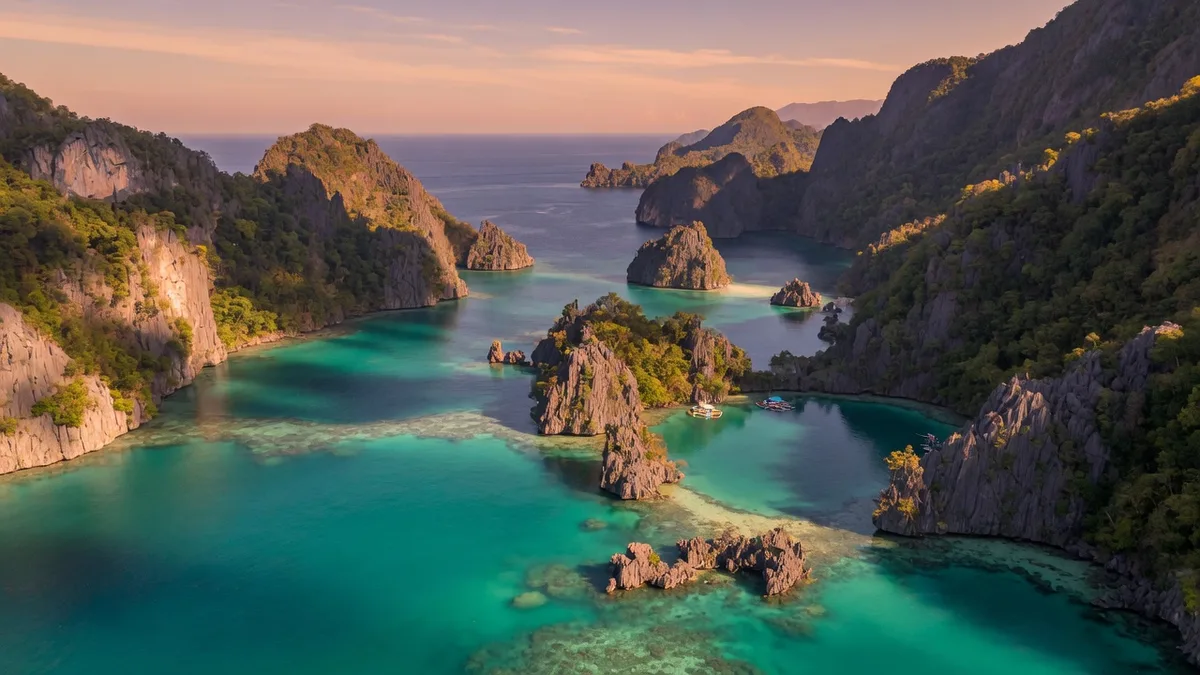
Travel to the Philippines: The Complete 2026 Guide (Visas, Costs, Islands & Itineraries)
Beaches & island hopping#Philippines travel guide#Travel to Philippines#Best time to visit#Island hopping#Philippines 2026
Trip.com
Search on Trip.comHotels in Philippines
Compare live prices via Travelpayouts — targeted for this guide.
Why Travel to the Philippines in 2026?
Few countries deliver this much variety per flight hour. You can snorkel over coral gardens in the morning, eat lechon in Cebu by lunch, and watch a firefly river cruise in Bohol after sunset — all in one week. The peso still favors most foreign currencies, domestic flights are frequent on Cebu Pacific and AirAsia, and English is an official language, which makes independent travel far easier than in much of Asia.
2026 also brings smoother entry: the eTravel registration (fill it within 72 hours of arrival) replaced much of the old paper hassle, and major airports from Manila to Cebu to Clark continue expanding direct routes from Singapore, Seoul, Dubai, Sydney, London and North America.
Best Time to Visit the Philippines
The country has two broad seasons. The dry season (amihan) runs roughly November to May — this is when most travelers visit. January through April offers the clearest seas for island hopping in the Philippines, especially in Palawan and the Visayas. March and April are hot (33-35 C) and busy with Filipino summer holidays.
Trip.com
Island hopping in Philippines
Hand-picked experiences in Philippines — book on Trip.com with instant confirmation.
Coron Expedition Island Hopping TourCoron, Philippines · Full dayFrom ₱16,144Book on Trip.com →
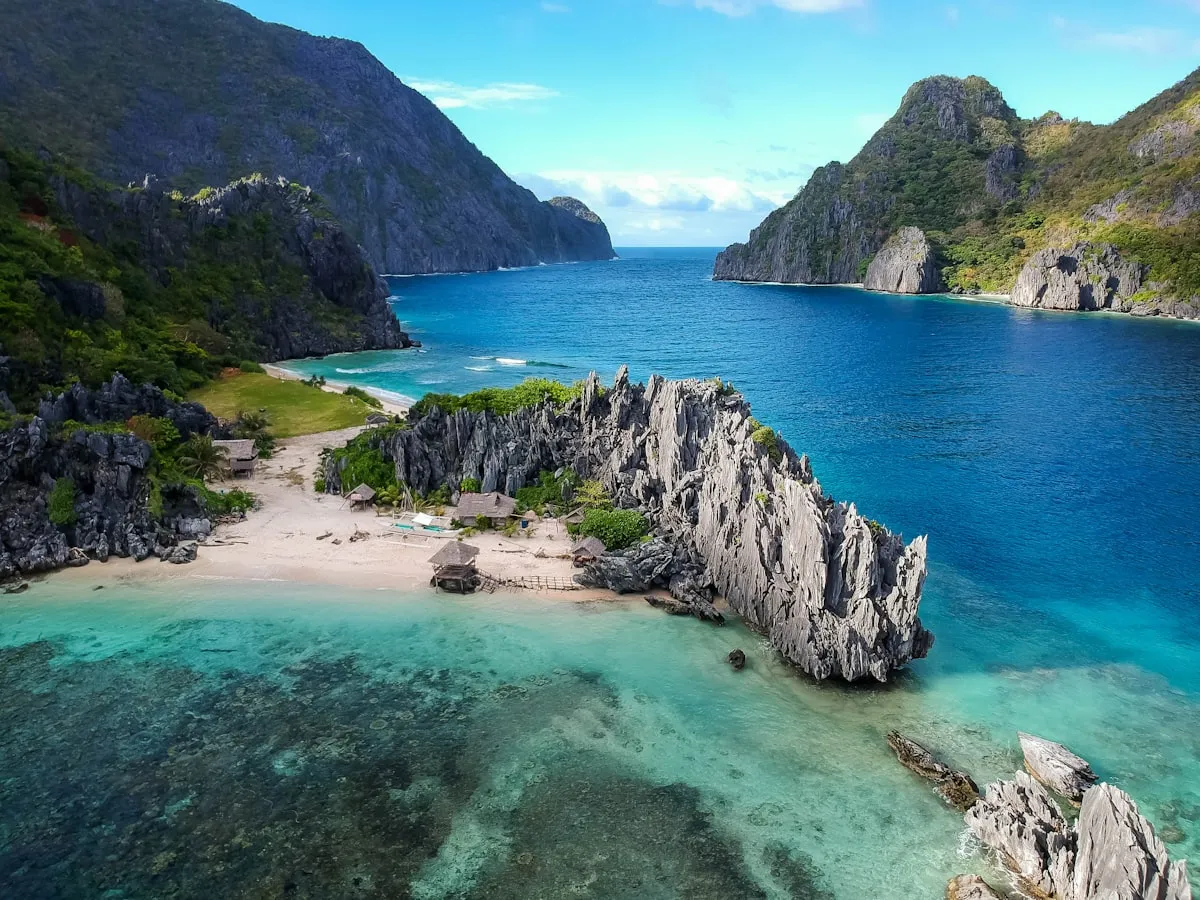
El Nido Private Island HoppingEl Nido, Palawan · Full dayFrom ₱15,000Book on Trip.com →
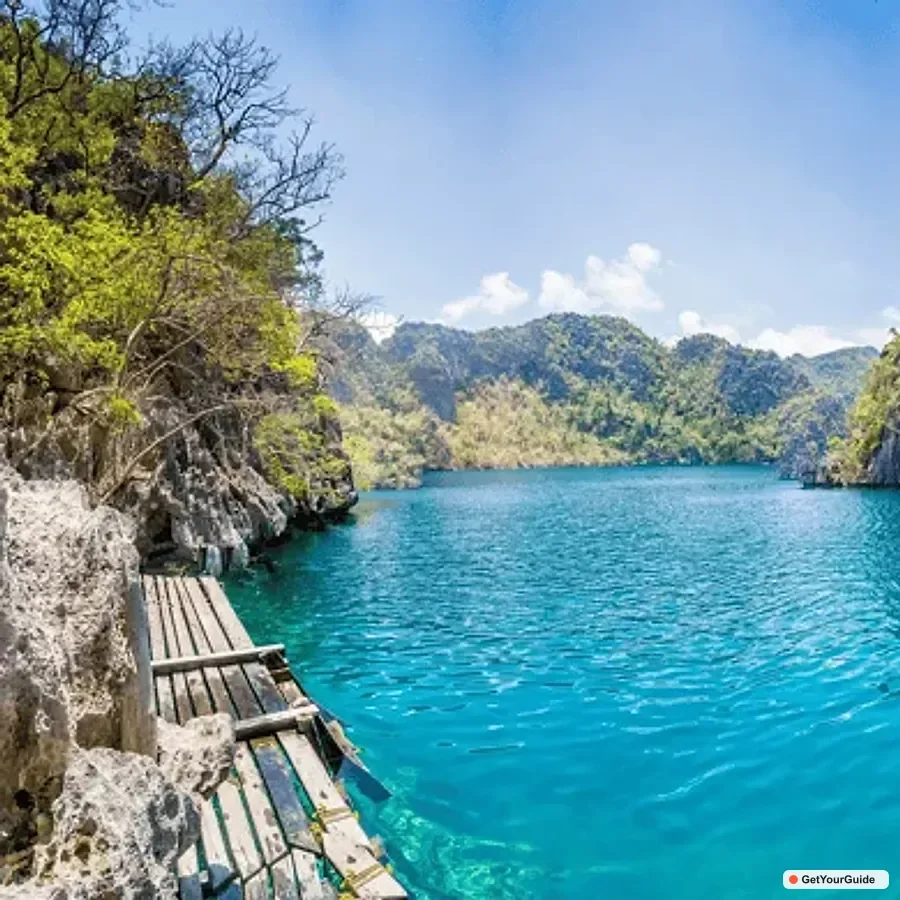
Coron Private Speedboat Tour with Lagoon LunchCoron, Philippines · Full dayFrom ₱68,822Book on Trip.com →
The wet season (habagat) is June to October. Rain often arrives as short afternoon storms rather than week-long washouts, and prices drop 20-40% on flights and hotels. Avoid planning critical boat tours in the Visayas or eastern coast during peak typhoon months (August-October) without flexible dates.
- Best overall: December to March — calm seas, festivals (Sinulog in January, MassKara in October if you shift dates)
- Best value: June or November — shoulder season, fewer crowds
- Surf season (Siargao): September to November for Cloud 9 swells
- Diving: January to April for visibility; Malapascua thresher sharks year-round at dawn
For a deeper month-by-month breakdown, see our Philippines weather by month guide.
Visa and Entry Requirements
Most Western passport holders (US, UK, EU, Australia, Canada, Japan, Korea) receive 30 days visa-free on arrival for tourism. Extensions are possible at immigration offices in Manila, Cebu or Davao (roughly PHP 3,000+ for another 29 days). Always carry proof of onward travel — airlines check before boarding.
Before flying, complete the free eTravel form at etravel.gov.ph. You will need your passport, flight details and accommodation address. It takes five minutes and saves queue time at immigration.
Travel insurance is not legally required but is strongly recommended during wet season or if you plan diving, motorbike rentals or canyoneering.
Philippines Travel Cost Per Day (Real 2026 Numbers)
Your daily spend depends more on which island you pick than on the country as a whole.
- Budget backpacker: PHP 1,500-2,500/day (USD 27-45) — dorm beds, carinderia meals, public ferries, free beaches
- Mid-range comfort: PHP 3,500-5,500/day (USD 63-99) — AC guesthouse, mix of local and tourist restaurants, organized tours every other day
- Upscale island holiday: PHP 8,000-15,000/day (USD 145-270) — boutique resorts in El Nido or Boracay, private vans, daily activities
Biggest variable costs: domestic flights (PHP 800-4,500 per leg) and island-hopping tours (PHP 1,200-2,500 in El Nido/Coron). Book flights 6-10 weeks ahead for the lowest fares. Compare routes on PANA.PH flights before you commit.
Full budget breakdown: Philippines budget travel guide.
Top Islands and Regions for First-Time Visitors
Palawan (El Nido and Coron)
The postcard Philippines. Tour A in El Nido (Big Lagoon, Secret Lagoon, Shimizu Island) costs PHP 1,400-1,800 plus PHP 400 environmental fee. Coron adds WWII wreck diving and Kayangan Lake. Fly into Puerto Princesa or Busuanga — not the expensive El Nido airport unless time is tight. Guide: 7-day Palawan itinerary.
Boracay
Four kilometers of White Beach, kite season November to April, and the country's most developed tourist infrastructure. Perfect for first-timers who want easy comfort. Caticlan (MPH) airport is the closest gateway. Guide: Boracay travel guide 2026.
Cebu and Bohol
Cebu is the hub: international airport, whale sharks in Oslob, sardine run in Moalboal, canyoneering at Kawasan Falls. Bohol is a 2-hour fast ferry away — Chocolate Hills, tarsiers, Loboc River cruise. Guide: Cebu City travel guide and Cebu to Bohol ferry.
Siargao
The surf and slow-island capital. Cloud 9 breaks peak September-November, but the lagoons, Sohoton Cove trips and island-hopping around Guyam are worth it year-round. Fly direct to Sayak (IAO) from Manila or Cebu when routes are open. Guide: Siargao surf guide.
Less-crowded alternatives
Siquijor, Camiguin, Dumaguete, Batanes and Port Barton reward travelers who want fewer tour buses. See Camiguin and all 215+ destinations on PANA.PH.
Island Hopping: How It Actually Works
"Island hopping" in the Philippines usually means a day boat tour to 3-5 islets with lunch included — not independently chartering a yacht (though you can). Standard pattern:
- Book the night before at your guesthouse or a licensed operator (never with unlicensed beach touts)
- Meet at the marina around 8-9 AM; return by 4-5 PM
- Bring reef-safe sunscreen, dry bag, aqua shoes — many landings are rocky
- Environmental fees are cash-only at the port (PHP 150-400)
Top routes: El Nido Tours A/C, Coron Super Ultimate, Honda Bay from Puerto Princesa, Hundred Islands from Alaminos, Virgin Island from Panglao. Browse tours and activities with real operator links.
Sample 10-Day Philippines Itinerary
A balanced first trip for international visitors with two weeks or less:
- Day 1-2: Arrive Manila or Cebu — recover, eat, Intramuros or Magellan's Cross
- Day 3-5: Cebu south (Moalboal sardines + Kawasan) or fly to Boracay
- Day 6-8: Fly to Puerto Princesa — Underground River day trip, then van to El Nido
- Day 9-10: El Nido island hopping + depart from Manila via Puerto Princesa or direct connection
Longer routes: add Siargao (surf), Bohol (2 days), or Coron instead of El Nido. Full route: Philippines 10-day itinerary and AI trip planner.
Getting Around: Flights, Ferries and Transfers
Distances are deceptive — Palawan to Siargao is a full travel day even though both look close on a map. Rules of thumb:
- Flights: Book early; Cebu Pacific sales drop PHP 99 base fares (taxes bring total to PHP 500-1,500 on short hops)
- Ferries: 2GO and FastCat connect Cebu-Bohol, Cebu-Negros, Manila-Batangas. Overnight ferries save a hotel night
- Airport vans: Shared van Puerto Princesa-El Nido PHP 700-800; private PHP 5,500-7,000
- Rideshare: Grab works in Manila, Cebu, Davao; elsewhere negotiate tricycle prices before boarding
Where to Stay
The Philippines has genuine hostels (PHP 350-700 beds), family-run guesthouses, and world-class resorts on the same island. For local character and better value, check native stays and homestays. For resort comfort, compare hotel deals — Agoda and direct partners often beat walk-in rates.
Practical Tips Before You Land
- Money: ATMs are everywhere in tourist hubs; carry PHP 5,000-10,000 cash for islands and port fees. Wise/Revolut cards work well.
- SIM: Globe or Smart at the airport — PHP 350-550 for 7-day data. eSIMs work if your phone supports them.
- Power: Type A/B/C outlets, 220V. Pack a universal adapter.
- Health: Drink bottled or filtered water on remote islands. Dengue exists year-round — use mosquito repellent.
- Safety: Stick to tourist routes; Mindanao has beautiful spots (Siargao, Camiguin) but check current advisories for mainland areas. Solo female travelers: see our dedicated safety guides in the blog.
Frequently Asked Questions
Is the Philippines worth visiting in 2026?
Yes — especially if you want tropical islands without the price tag of the Maldives or Caribbean. The infrastructure has improved sharply since 2020: better airports, more boutique guesthouses, and reliable 4G on most tourist islands. The main challenge is logistics between islands, not safety or value.
How many days do you need in the Philippines?
Minimum one week for a single region (Cebu+Bohol or Boracay). Ten to fourteen days lets you combine Palawan with one other hub without rushing. Three weeks is ideal for a relaxed island-hopping arc.
What is the best island for first-time visitors?
Cebu for ease and variety, Boracay for classic beach comfort, or Palawan for wow-factor lagoons. Cebu wins if you want one international flight and maximum activities within a 3-hour radius.
Do I need a visa to travel to the Philippines?
Most tourists from the US, EU, UK, Australia, Japan and Korea get 30 days visa-free. Longer stays require a visa extension at immigration. Indian and Chinese passport holders need a visa in advance — check the official eVisa portal for current rules.
How much does a Philippines trip cost for two weeks?
Mid-range couples should budget USD 1,400-2,200 per person excluding international flights — roughly PHP 3,500-4,500 per day together for hotels, food, domestic flights and tours. Backpackers can do it under USD 900 per person; luxury travelers can spend triple.
Book tours, hotels & stays in Philippines
Top tours
- Boracay UFO Ride Water Adventure — PHP 858 · 5★
- California Breeze Campsite — PHP 891 · 5★
- Caliah Homes — PHP 1065 · 5★
- Home in Pagadian City near airport — PHP 1267 · 5★
- Dreamwave Hotel Polangui — PHP 1423 · 5★
- Manila All-Access Bar Crawl, Club and Rooftop Tour — PHP 1511 · 5★
Top hotels
- Ocam Ocam Casadyan Inn — PHP 715/night · 5★
- California Breeze Campsite — PHP 891/night · 5★
- Caliah Homes — PHP 1064/night · 5★
- Cabrera Haven Residences — PHP 1230/night · 5★
- Home in Pagadian City near airport — PHP 1267/night · 5★
Top stays
- California Breeze Campsite — PHP 891/night · 5★
- Caliah Homes — PHP 1065/night · 5★
- Home in Pagadian City near airport — PHP 1267/night · 5★
- Fnt Transient House Near Hundred Islands — PHP 1322/night · 5★
Sources
Primary references for the figures and rules in this guide. Fees and schedules change — check the source before you travel.

Real local stays (book direct)
Hand-picked homestays and guesthouses — book direct, no markup.
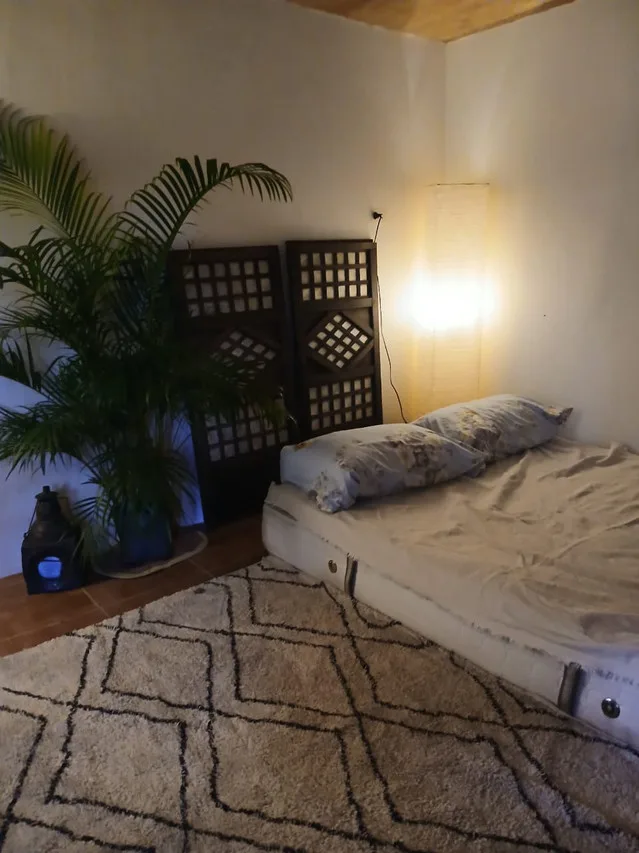
Calamansi Garden- Tropical Island Home w/ StarlinkBurgos 2, PhilippinesFrom ₱26/night
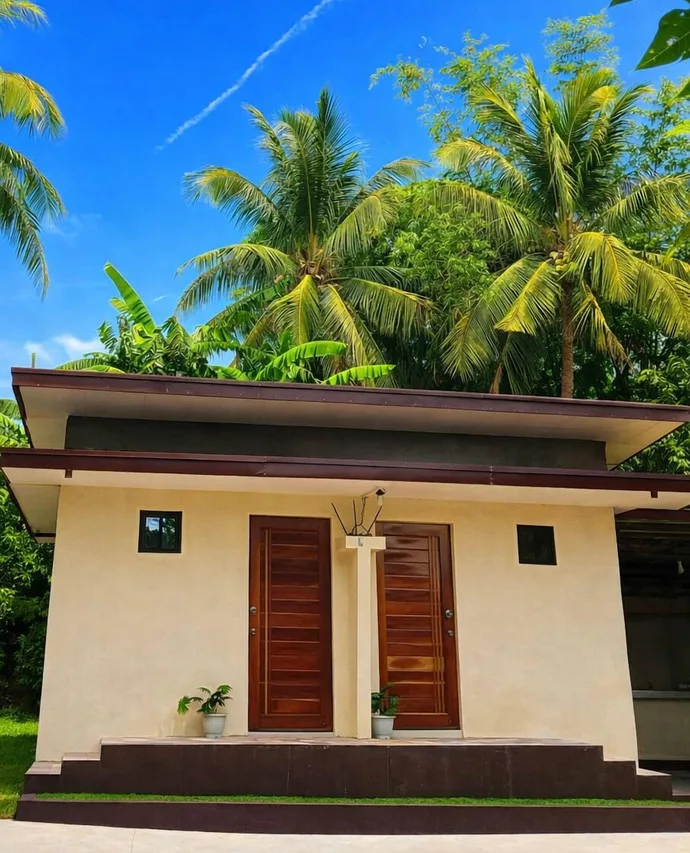
Bahay Domingo Guest HouseBagac, PhilippinesFrom ₱1,947/night
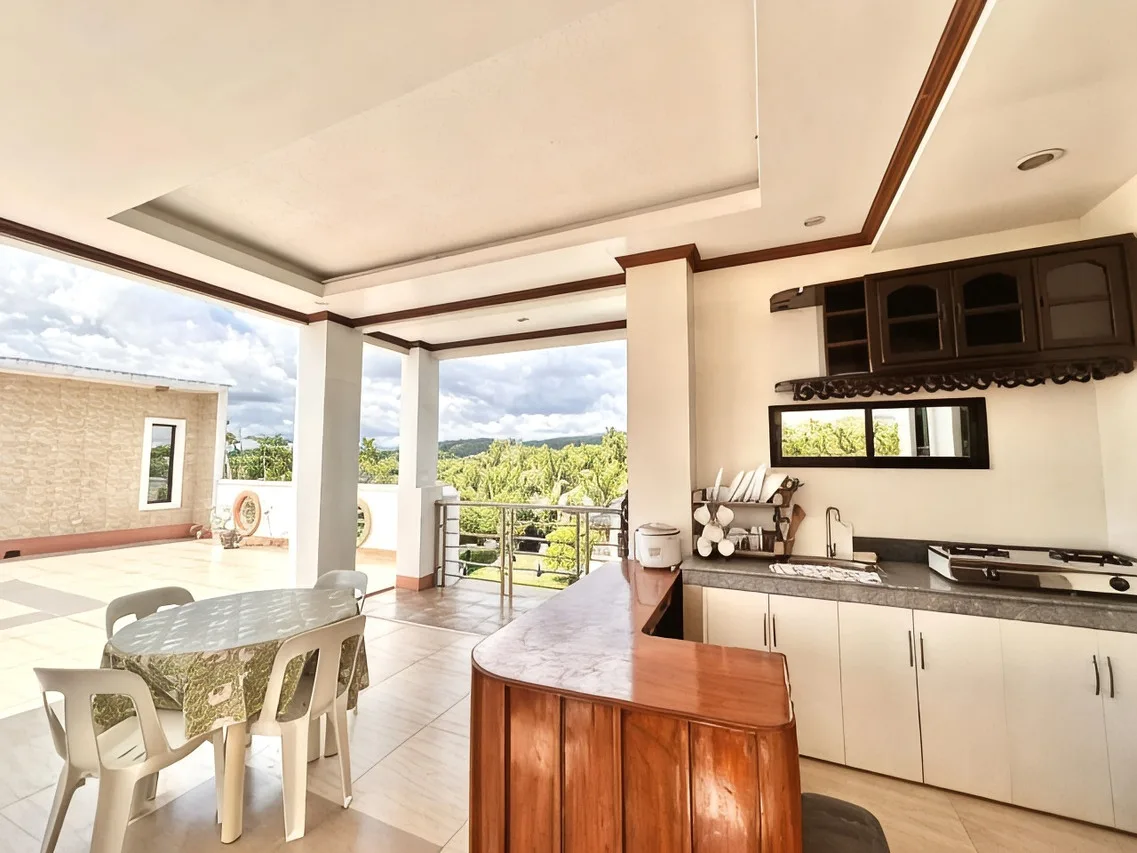
Caliah HomesBalamban, PhilippinesFrom ₱1,065/night
Popular activities (book instantly)
Island hopping, canyoneering, whale sharks — real Klook/GetYourGuide options.
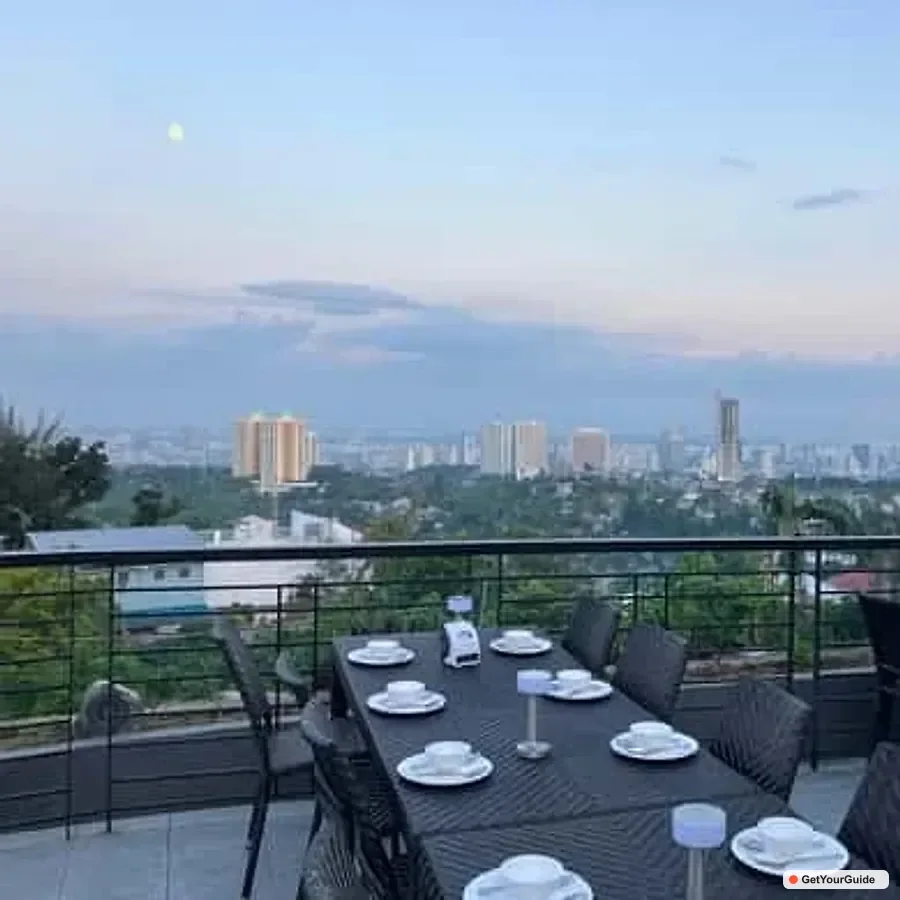
Cebu Temple of Leah and Sirao Garden TourCebu City, Philippines · Full dayFrom ₱4,993
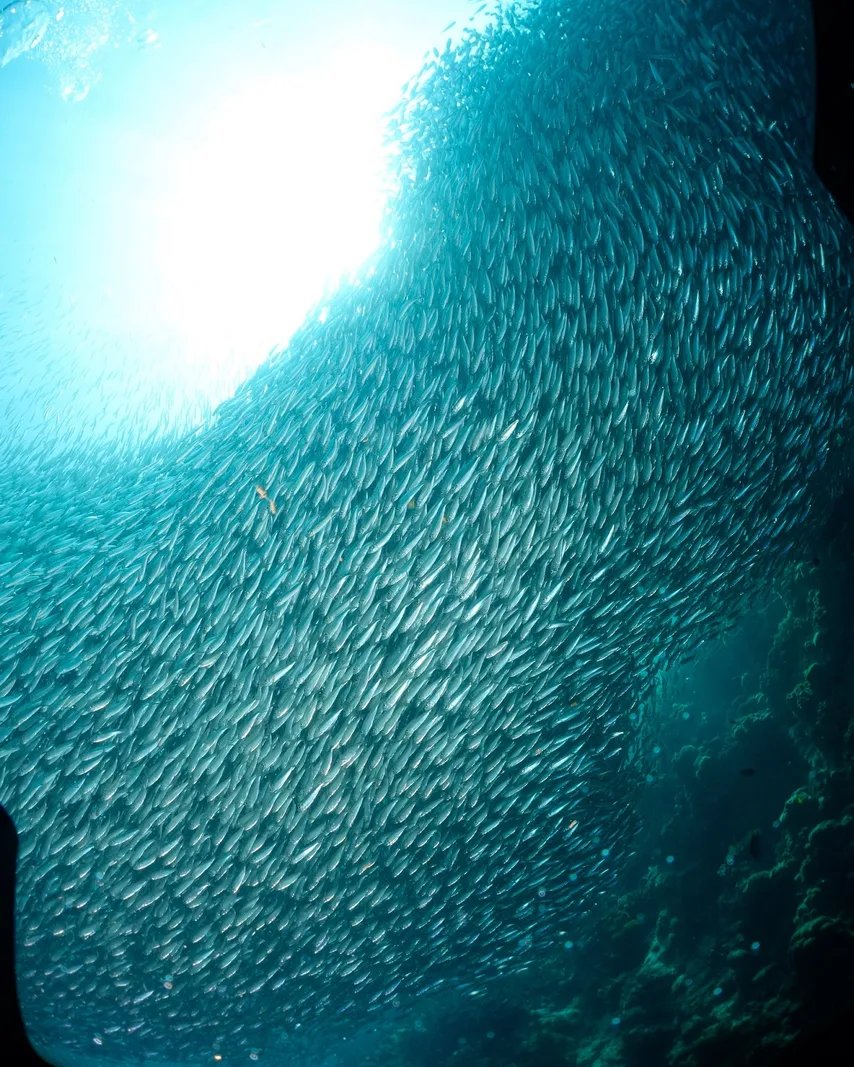
Moalboal Pescador Island Scuba Diving & Sardine RunMoalboal, Cebu · Full dayFrom ₱8,625
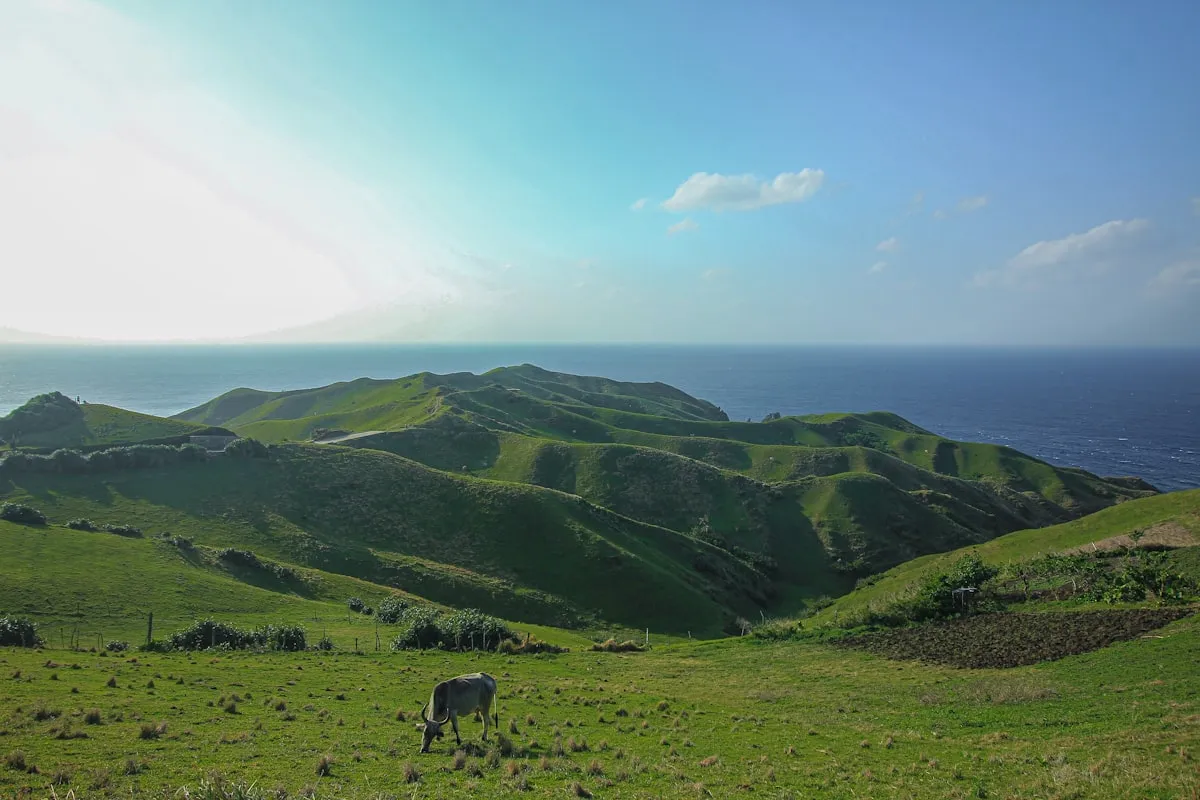
Batanes Cultural PhotographyBatanes · 3 daysFrom ₱3,500