Every week in high season, someone lands in Manila clutching a color-coded spreadsheet: four islands, thirteen days, six flights, two ferries, zero margin. And every week, the Philippines quietly shreds it. A low-pressure area nudges the coast guard into canceling sailings, an El Nido ATM runs dry on a Saturday, and suddenly the plan is a souvenir. We have watched hundreds of first-timers make the same dozen mistakes - and made most of them ourselves. Fix these twelve things before you fly, and your 2026 trip will feel twice as long, in the best possible way.
12 Philippines First-Timer Mistakes to Avoid in 2026
Itineraries#philippines travel mistakes#first time philippines#philippines travel tips 2026#philippines itinerary#island hopping philippines#philippines travel guide
Trip.com
Search on Trip.comHotels in Philippines
Compare live prices via Travelpayouts — targeted for this guide.
1. Cramming Four or More Islands Into Two Weeks
The map looks small and domestic flights look cheap, so people stack Palawan, Boracay, Cebu, and Siargao into one trip. Here is the math nobody does: every island change is a full travel day - checkout, van, airport two hours early, the inevitable delay, then a transfer. Four islands means six to eight dead days out of fourteen. The fix: pick two, maximum three bases and go deep. Sketch it with our free trip planner and sanity-check every hop on ferry vs flight before you book anything.
2. Trusting Ferry and Flight Schedules Like Swiss Trains
A printed ferry schedule in the Philippines is a statement of intent, not a promise. When swells pick up, the coast guard suspends sailings with a few hours notice, and domestic airlines reshuffle afternoon flights routinely. The fix is simple: always spend your last night in the city you fly out of, and never put an island ferry and an international flight on the same day. That buffer night saves trips.
3. Skipping Travel Insurance
Scooter scrapes, reef cuts that get infected, a typhoon eating your non-refundable resort week - this is the routine stuff. The scary stuff is a medical evacuation from a remote island, which can run into thousands of dollars before you even reach a Manila hospital. A solid two-week policy costs roughly USD 40-60, less than one island-hopping tour. Compare options on our travel insurance guide and buy it the same day you book flights, so trip cancellation is covered too.
Trip.com
See all tours in Philippines on Trip.comIsland hopping in Philippines
Hand-picked experiences in Philippines — book on Trip.com with instant confirmation.


4. Only Booking Boracay and El Nido
Both are famous for good reasons, and both are packed and priced accordingly in peak season. First-timers copy the same two-stop itinerary because it is all the algorithm shows them. Meanwhile Siquijor, Camiguin, Port Barton, and Romblon offer the same turquoise water at roughly half the price, with hosts who still remember your name at breakfast. Keep one famous stop for the postcard, then trade the second for somewhere quieter - that single swap changes the whole texture of a trip.
5. Underestimating How Cash-Only the Islands Are
Cards work in Manila and Cebu malls. On the islands, your homestay, the tricycle, the boatman, and the barbecue stand all want paper. ATM fees run PHP 250-300 (about USD 4-5) per withdrawal on top of your bank's cut, machines run dry on weekends and paydays, and GCash - the local wallet everyone uses - needs a Philippine number, so sort a local eSIM before you land. The fix: withdraw big in cities, carry small bills, and keep a PHP 3,000 emergency stash separate from your wallet.
6. Visiting in the Right Season on the Wrong Coast
People read "dry season is December to May" and apply it to the whole country. But the Philippines has two monsoons, and they hit different coasts at different times - Siargao's surf peaks around September to November while Palawan's west coast is at its calmest in spring. Book the wrong coast and you spend your beach week under a rain cloud. Check your specific islands on our best time to visit guide before locking dates.
7. Overpacking for a 7kg Carry-On Country
Domestic basic fares on the big local carriers allow just 7kg of hand luggage, and they do weigh it in 2026. Show up with a 12kg backpack and you are paying airport walk-up rates that can hit PHP 500-1,000, per flight, per direction. Prebook a 20kg checked bag for around PHP 700-1,200 if you must, but the smarter move is packing for one week regardless of trip length - laundry shops charge PHP 60-80 per kilo and return everything folded the same day.
8. Playing Roulette With Tap Water and Ice
Do not drink the tap water, full stop - even many locals do not. But do not swing to paranoia either: the ice in restaurants and shakes is almost always commercially made from purified water and is fine. Bottled water costs PHP 20-25, and every town has purified refill stations charging PHP 5-15 per liter, so bring a reusable bottle and save money plus a small mountain of plastic.
9. Winging It on Tours in Peak Season
From December to April, the famous stuff sells out: El Nido lagoon tours cap daily visitors, the Puerto Princesa Underground River has a strict permit quota, and canyoneering slots in Cebu vanish around holidays. Walk-ins get told "maybe tomorrow," and tomorrow is your ferry day. The fix: book your two or three must-do tours and activities a few weeks ahead, and leave the rest of the schedule loose for tips you pick up from other travelers.
10. Fighting Island Time Instead of Joining It
The boat leaves when it is full. Breakfast arrives when it arrives. And a smiling "maybe" or "we will see" usually means no - saying it directly would feel rude to your host. Visitors who push back hard hit a wall of polite silence, or tampo, the quiet hurt Filipinos show instead of arguing. The fix costs nothing: pad every plan by an hour, ask twice, gently, and smile. Match the rhythm and the service gets warmer everywhere you go.
11. Never Leaving the Tourist Strip
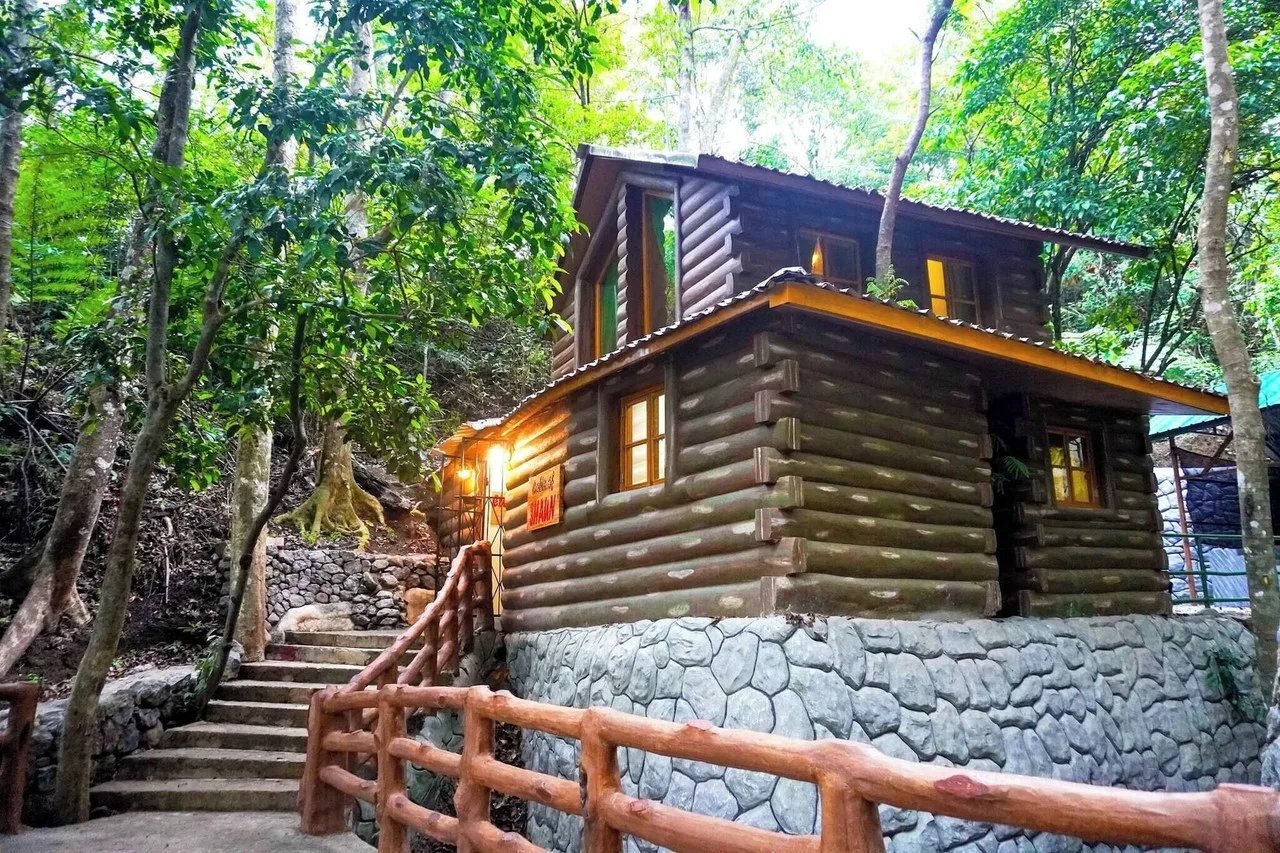
Every island has one strip with the same bars, the same banana pancakes, and prices set for people who never walk two streets over. Stay only there and you experience about ten percent of the country. Family-run guesthouses and native-style local stays run PHP 1,200-2,500 (USD 21-44) a night, come with home-cooked breakfasts, and their owners will draw you a map of spots no listicle mentions. Book at least a few nights local - it is the cheapest upgrade in Philippine travel.
12. Forgetting the Fees Nobody Puts in the Brochure
The Philippines runs on small official fees that ambush the unprepared: pier terminal fees of PHP 50-200, Boracay's environmental fee around PHP 300, El Nido's eco-tourism fee of PHP 400, Siargao's PHP 150, plus per-island snorkeling and sandbar charges on hopping tours. None will ruin you; all are cash-only, and the ticket window rarely has change for a PHP 1,000 note. Budget PHP 1,500-2,000 (about USD 26-35) per person in small bills for a two-week, multi-island trip and these become trivia instead of stress.
Frequently Asked Questions
How many islands should a first-timer visit in two weeks?
Two or three, ideally connected by a single flight or a short ferry. Each additional island costs you roughly a full day in transit, so a two-base trip typically delivers more beach and adventure hours than a four-island sprint.
How much cash should I carry per day in the Philippines?
On the islands, plan on PHP 3,000-5,000 (USD 52-88) per person per day for mid-range travel, covering food, tricycles, tours, and fees. Withdraw large amounts in cities to dodge the PHP 250-300 ATM fee, and always keep small bills for boats and terminals.
Is travel insurance really necessary for the Philippines?
Yes. Between scooter accidents, reef injuries, and typhoon-season cancellations, the risk profile is real, and evacuation from a remote island is brutally expensive. A comprehensive two-week policy costs about USD 40-60 - cheap peace of mind.
What is the baggage limit on domestic flights in the Philippines?
Basic fares on the main domestic carriers include 7kg of carry-on only, and gate agents do weigh bags. Prebooking a 20kg checked bag costs roughly PHP 700-1,200, while airport rates can be double or more, so decide before online check-in.
Can I drink tap water in the Philippines?
No - stick to bottled or purified water everywhere, including for brushing teeth if you are sensitive. Restaurant ice is generally commercial and safe. Refill stations in every town sell purified water for PHP 5-15 per liter, so a reusable bottle pays for itself within days.
Book tours, hotels & stays in Philippines
Top tours
- Boracay UFO Ride Water Adventure — PHP 858 · 5★
- California Breeze Campsite — PHP 891 · 5★
- Caliah Homes — PHP 1065 · 5★
- Home in Pagadian City near airport — PHP 1267 · 5★
- Dreamwave Hotel Polangui — PHP 1423 · 5★
- Manila All-Access Bar Crawl, Club and Rooftop Tour — PHP 1511 · 5★
Top hotels
- Ocam Ocam Casadyan Inn — PHP 715/night · 5★
- California Breeze Campsite — PHP 891/night · 5★
- Caliah Homes — PHP 1064/night · 5★
- Cabrera Haven Residences — PHP 1230/night · 5★
- Home in Pagadian City near airport — PHP 1267/night · 5★
Top stays
- California Breeze Campsite — PHP 891/night · 5★
- Caliah Homes — PHP 1065/night · 5★
- Home in Pagadian City near airport — PHP 1267/night · 5★
- Fnt Transient House Near Hundred Islands — PHP 1322/night · 5★
Sources
Primary references for the figures and rules in this guide. Fees and schedules change — check the source before you travel.

PANA.PH Editorial Team
Philippines travel desk
The PANA.PH travel desk researches, books and re-checks Philippines travel logistics — fares, ferry schedules, government fees and permit rules — and publishes what it can verify.
🏡 Real local stays (book direct)
Hand-picked homestays and guesthouses — book direct, no markup.
Browse all local stays →
🌊 Popular activities (book instantly)
Island hopping, canyoneering, whale sharks — real Klook/GetYourGuide options.
View all activities →