Picture two very different mornings. In one, you are on a wooden bangka slicing across glassy turquoise water in El Nido, limestone cliffs rising like green cathedrals, the boatman pointing to a lagoon you can barely believe is real. In the other, you are hunched over a plastic stool in Hanoi at 6am, steam curling off a bowl of pho, motorbikes flowing past like a river of headlights. Both are Southeast Asia at its finest, and both cost about the same. So which one deserves your 2026 trip? As a Philippines travel site we have a soft spot, but honesty builds trust, so here is a fair, dimension-by-dimension breakdown.
Philippines vs Vietnam 2026: Which Should You Visit?
Beaches & island hopping#philippines vs vietnam#southeast asia travel#philippines travel 2026#vietnam travel#island hopping#budget travel asia
Trip.com
Search on Trip.comHotels in Philippines
Compare live prices via Travelpayouts — targeted for this guide.
Beaches and Islands: Philippines wins, clearly
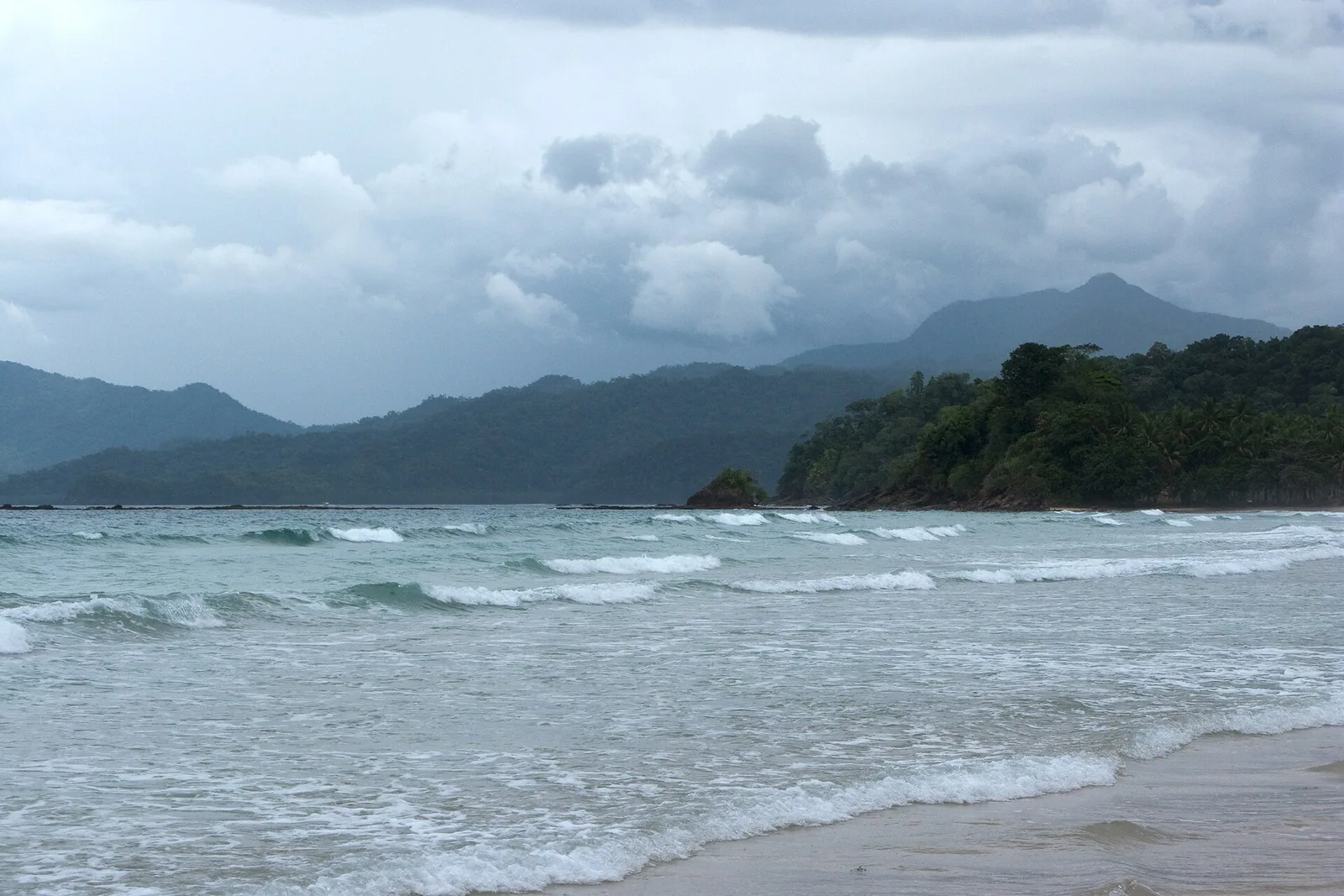
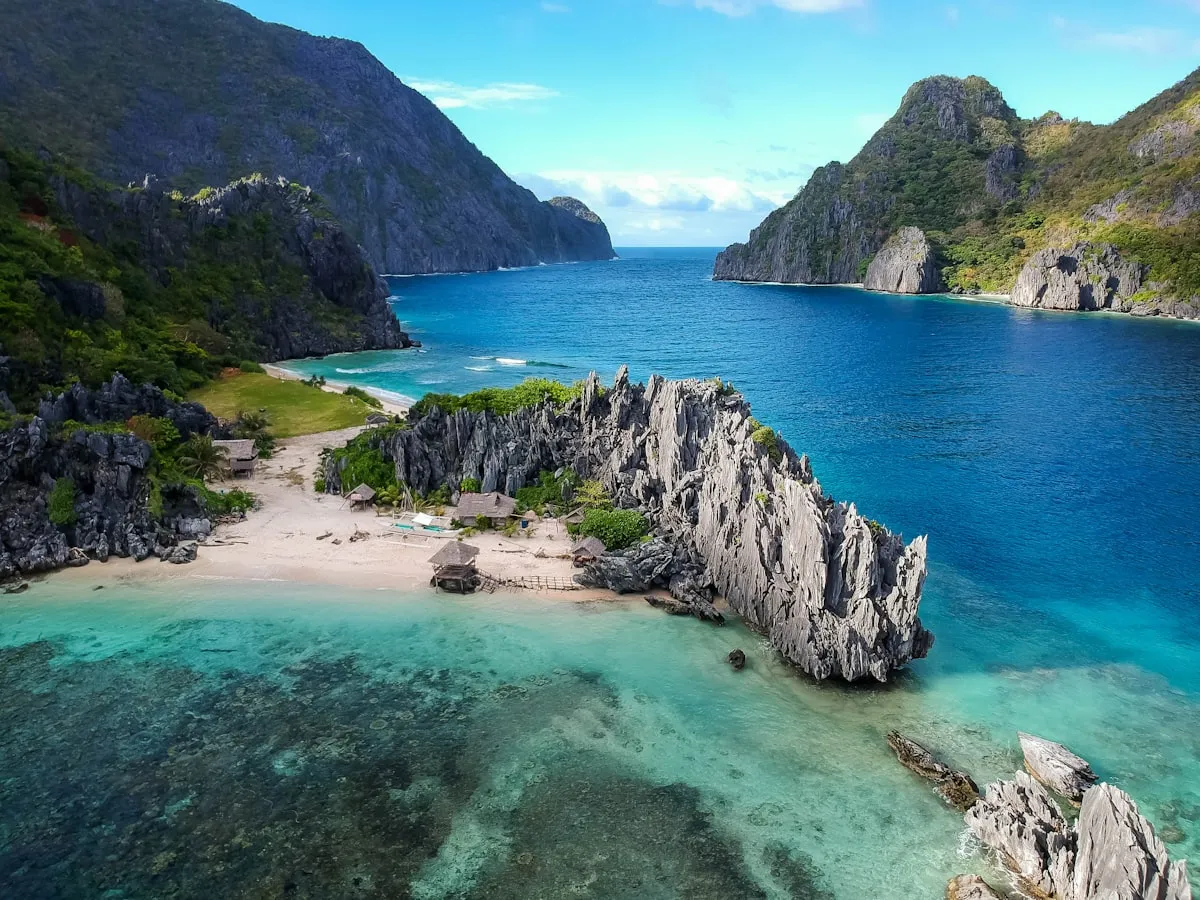
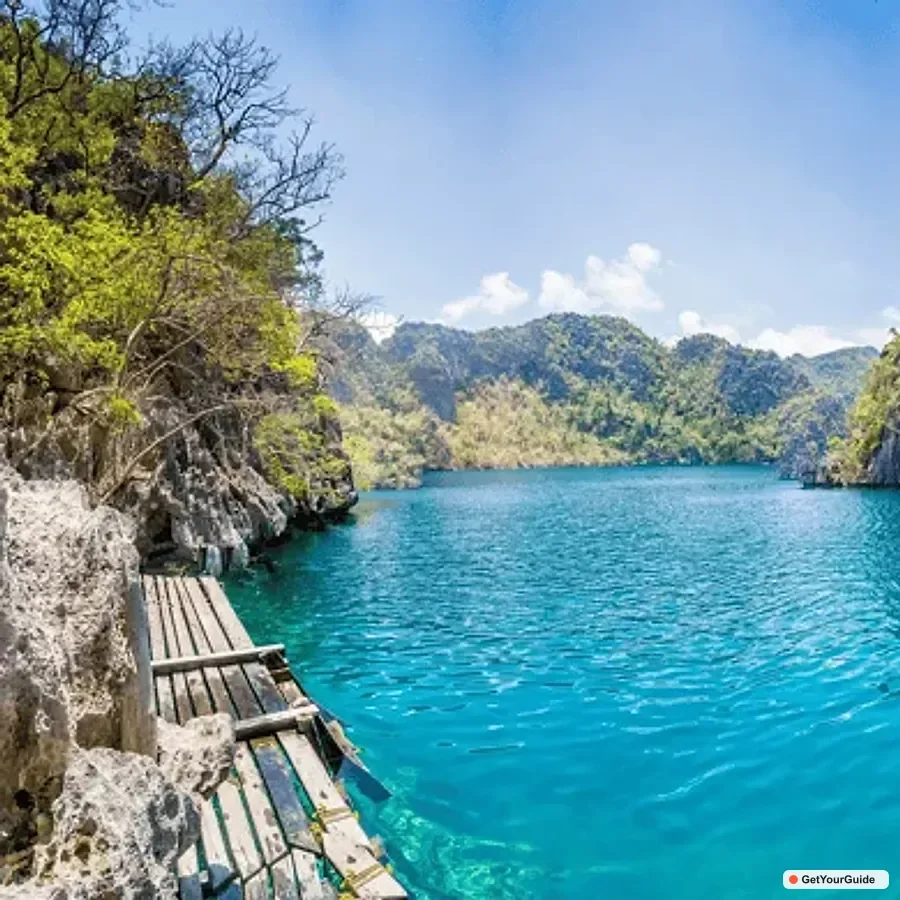
This is not a close contest. The Philippines is 7,641 islands of powder-white sand, translucent lagoons, and reefs you can walk into from the shore. El Nido and Coron in Palawan routinely top world-best-beach lists, Siargao delivers world-class surf, and Boracay's White Beach is postcard-famous for good reason. Vietnam has genuinely lovely coastline - Phu Quoc, Con Dao, and the beaches around Nha Trang and Da Nang are pleasant - but the water clarity, island density, and sheer variety do not compare. If your dream trip is measured in shades of blue, the Philippines is the answer. Start your planning with our El Nido guide or the laid-back surf town of Siargao.
Culture, History, and Cities: Vietnam wins
Vietnam carries a dense, visible history that rewards the curious. The imperial city of Hue, the ancient lantern-lit streets of Hoi An, the war history of Ho Chi Minh City and the Cu Chi Tunnels, French-colonial Hanoi with its buzzing Old Quarter - it is a country you can read like a book. The Philippines has real depth too, from Spanish-colonial Vigan and Intramuros to strong Indigenous and Islamic heritage in the south, but its cultural sites are more scattered and its cities lean modern rather than atmospheric. For temples, ancient towns, and layered history in a compact package, Vietnam edges ahead.
Food: Vietnam generally, but Filipino food deserves respect
Vietnamese food is one of the world's great cuisines - fresh, herb-forward, and endlessly varied. Pho, banh mi, bun cha, fresh spring rolls, and superb coffee make it a destination for eaters alone. Filipino food is different and often misunderstood. It is bold, savory, and comforting - think sisig, adobo, kinilaw (the Filipino ceviche), lechon, and halo-halo for dessert. It leans richer and less herbal than Vietnamese fare, which not everyone expects. On balance Vietnam is the easier culinary win for first-timers, but do not sleep on Filipino food once you know what to order.
Trip.com
See all tours in Philippines on Trip.comIsland hopping in Philippines
Hand-picked experiences in Philippines — book on Trip.com with instant confirmation.

Cost and Budget: both cheap, with nuance
Both countries are excellent value, but the shape of the spending differs. In Vietnam, daily costs - street food, guesthouses, buses, and beer - are famously low, and a shoestring traveler can get by on 25 to 40 USD (about 1,400 to 2,300 PHP) a day. The Philippines can match that for food and lodging, but domestic flights and boat transfers between islands add up. Budget travelers should expect to spend a bit more on transport here. If squeezing every peso matters most, Vietnam is marginally cheaper overall; if you value what you get for the money, the Philippines competes hard.
Getting Around: Vietnam is easier
Vietnam is a long, thin country you can travel end to end overland - trains, sleeper buses, and the legendary motorbike loops (Ha Giang, the Hai Van Pass) make it a dream for independent, road-trip travelers. The Philippines is an archipelago, so getting between the good stuff means flights and ferries. That is more planning, more cost, and occasionally more chaos - though it is also part of the adventure. If you want to unfold a single route on a map and just go, Vietnam wins. Booking ahead helps a lot in the Philippines; compare domestic options on our flights page.
Diving and Snorkeling: Philippines wins big
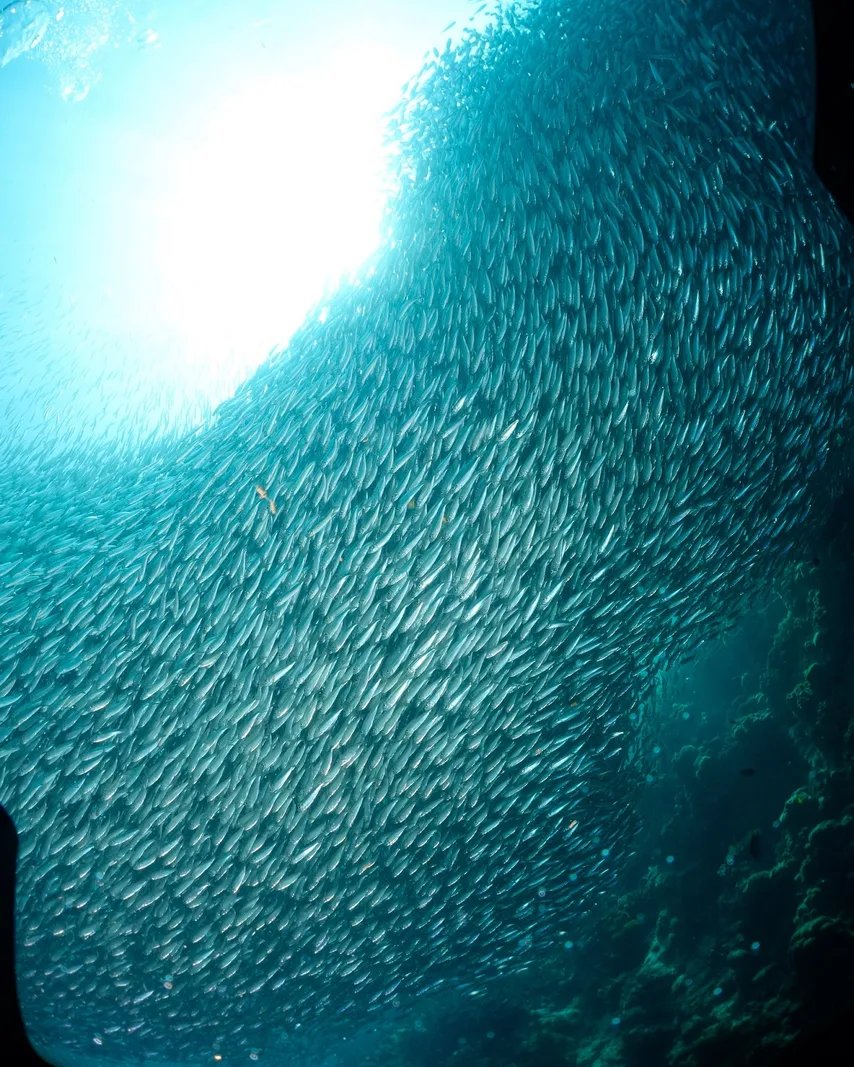
The Philippines sits at the heart of the Coral Triangle, the most biodiverse marine region on Earth. Tubbataha Reef, Malapascua's thresher sharks, Apo Island's turtles, and Coron's WWII wrecks make it a bucket-list diving nation, with warm water and abundant reefs even for casual snorkelers. Vietnam has some diving around Phu Quoc and the Cham Islands, but it is a side dish rather than the main course. For anyone who breathes through a regulator, this is a landslide - and Bohol is a great, gentle place to start.
Nightlife: a toss-up by style
Vietnam's nightlife is city-driven - the beer streets of Hanoi and Ho Chi Minh City are cheap, chaotic, and fun. The Philippines skews toward beach-bar and island energy - beach bonfires in Siargao, sunset spots in Boracay, and lively hubs in Manila and Cebu. Neither dominates; it depends on whether you want backpacker beer streets or barefoot beach bars.
Language and English: Philippines wins big
English is an official language of the Philippines and is spoken widely, fluently, and everywhere - signage, menus, drivers, hotel staff. Communication is effortless, which makes solo travel, negotiating, and asking for help genuinely easy. Vietnam has growing English in tourist areas, but outside them a translation app is your friend. For sheer ease of connecting with locals, the Philippines is one of the most English-friendly countries in Asia.
Weather and Best Time to Go
Both countries have typhoon seasons, so timing matters. The Philippines is best from December to May (dry season), with the rainier, storm-prone months running roughly June to November. Vietnam is trickier because it spans climate zones - the north (Hanoi, Sapa) is best spring and autumn, central Vietnam (Hoi An, Hue) sees heavy rain and storms around September to November, and the south stays warm year-round with a wet season from May to October. For the Philippines the planning is simpler: aim for the dry-season window and you are golden.
Scenery Variety
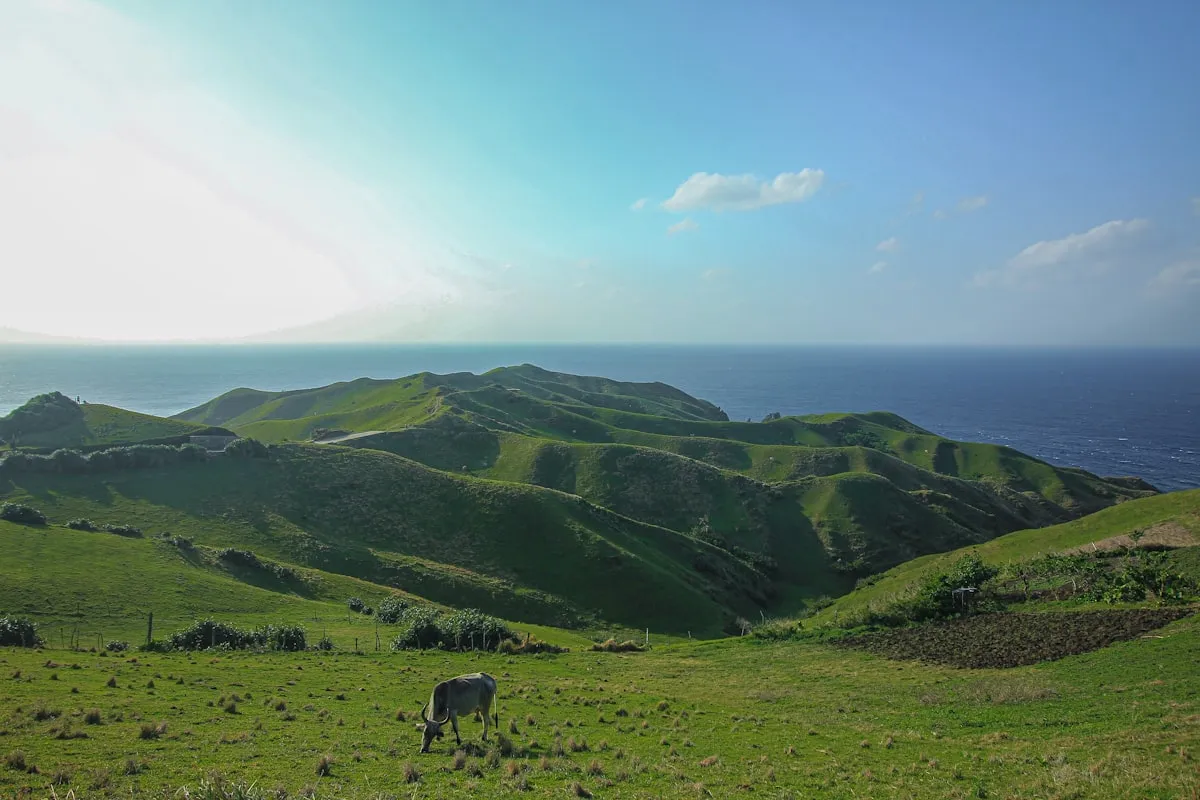
Vietnam offers more landscape contrast in one trip - misty rice terraces in Sapa, karst bays at Ha Long, highland coffee country, and river deltas. The Philippines is more thematically focused on tropical coast, islands, and reefs, though it hides gems like the Banaue rice terraces and Chocolate Hills. If you want mountains-to-sea variety overland, Vietnam; if you want the world's best version of tropical-island scenery, the Philippines.
The Verdict: Choose Philippines if... / Choose Vietnam if...
There is no wrong answer here - only the right answer for you.
- Choose the Philippines if you live for beaches, island-hopping, and the bluest water on the planet.
- Choose the Philippines if diving or snorkeling is a priority - it is world-class here.
- Choose the Philippines if you want effortless English and warm, easygoing locals.
- Choose the Philippines if you prefer barefoot beach-bar energy over city nightlife.
- Choose Vietnam if you crave history, ancient towns, and atmospheric cities.
- Choose Vietnam if food is the centerpiece of your trip.
- Choose Vietnam if you want to travel overland by train, bus, or motorbike loop.
- Choose Vietnam if you want maximum landscape variety in a single, simple route.
Honestly? Many travelers do both. But if you have one Southeast Asia trip in 2026 and you dream in turquoise, the Philippines is hard to beat. Browse more trip ideas on our travel blog to start planning.
Frequently Asked Questions
Is the Philippines or Vietnam cheaper to travel in 2026?
Both are budget-friendly. Vietnam is marginally cheaper day to day because it is overland and street food is very cheap, while the Philippines can cost a little more due to domestic flights and ferries between islands. Expect roughly 25 to 45 USD (1,400 to 2,600 PHP) per day on a budget in either country.
Which has better beaches, the Philippines or Vietnam?
The Philippines, without much debate. With over 7,600 islands, clearer water, and destinations like El Nido, Coron, Boracay, and Siargao, it is one of the best beach-and-island nations on Earth. Vietnam's beaches are pleasant but not in the same league.
Is it easier to get around Vietnam or the Philippines?
Vietnam is easier for overland travel - trains, buses, and motorbike loops connect the whole country. The Philippines requires flights and ferries to hop between islands, which means more planning and cost, though many find the boat rides part of the fun.
Where is English more widely spoken?
The Philippines, by a wide margin. English is an official language and is spoken fluently almost everywhere, making it one of the easiest Asian countries for English-speaking travelers. In Vietnam, English is common in tourist areas but limited elsewhere.
When is the best time to visit the Philippines?
December to May is the dry season and the best window, with the calmest seas for island-hopping and diving. June to November is wetter and more storm-prone. Booking flights and boats ahead during peak months is wise.
Book tours, hotels & stays in Philippines
Top tours
- Boracay UFO Ride Water Adventure — PHP 858 · 5★
- California Breeze Campsite — PHP 891 · 5★
- Caliah Homes — PHP 1065 · 5★
- Home in Pagadian City near airport — PHP 1267 · 5★
- Dreamwave Hotel Polangui — PHP 1423 · 5★
- Manila All-Access Bar Crawl, Club and Rooftop Tour — PHP 1511 · 5★
Top hotels
- Ocam Ocam Casadyan Inn — PHP 715/night · 5★
- California Breeze Campsite — PHP 891/night · 5★
- Caliah Homes — PHP 1064/night · 5★
- Cabrera Haven Residences — PHP 1230/night · 5★
- Home in Pagadian City near airport — PHP 1267/night · 5★
Top stays
- California Breeze Campsite — PHP 891/night · 5★
- Caliah Homes — PHP 1065/night · 5★
- Home in Pagadian City near airport — PHP 1267/night · 5★
- Fnt Transient House Near Hundred Islands — PHP 1322/night · 5★
Sources
Primary references for the figures and rules in this guide. Fees and schedules change — check the source before you travel.

PANA.PH Editorial Team
Philippines travel desk
The PANA.PH travel desk researches, books and re-checks Philippines travel logistics — fares, ferry schedules, government fees and permit rules — and publishes what it can verify.
🏡 Real local stays (book direct)
Hand-picked homestays and guesthouses — book direct, no markup.
Browse all local stays →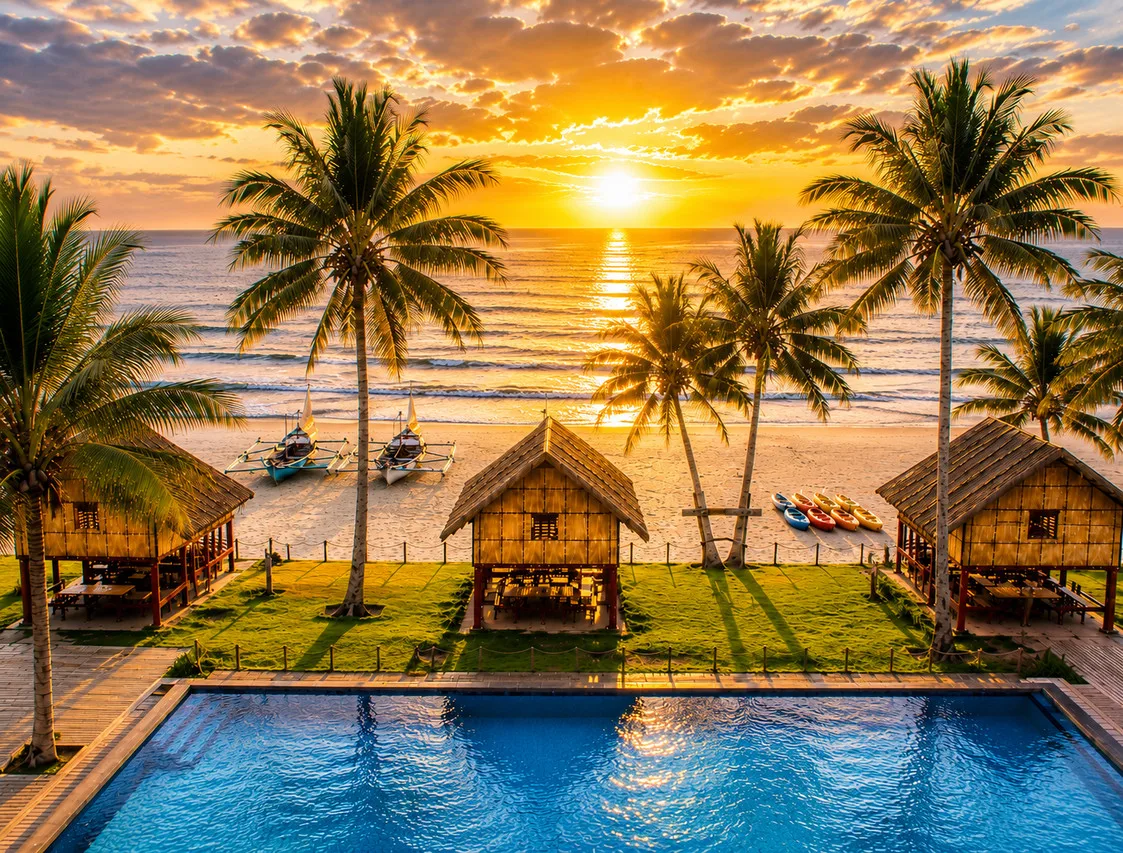
🌊 Popular activities (book instantly)
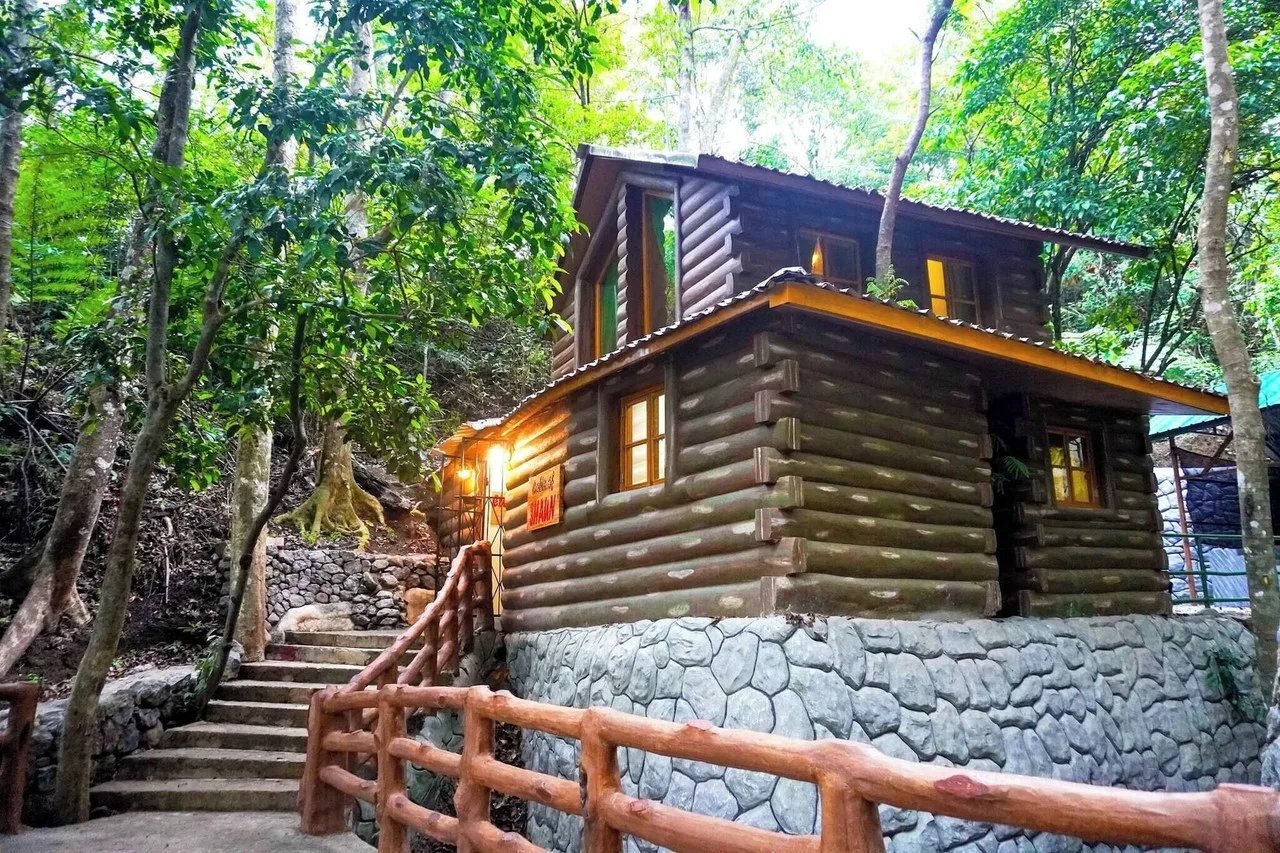
Island hopping, canyoneering, whale sharks — real Klook/GetYourGuide options.
View all activities →