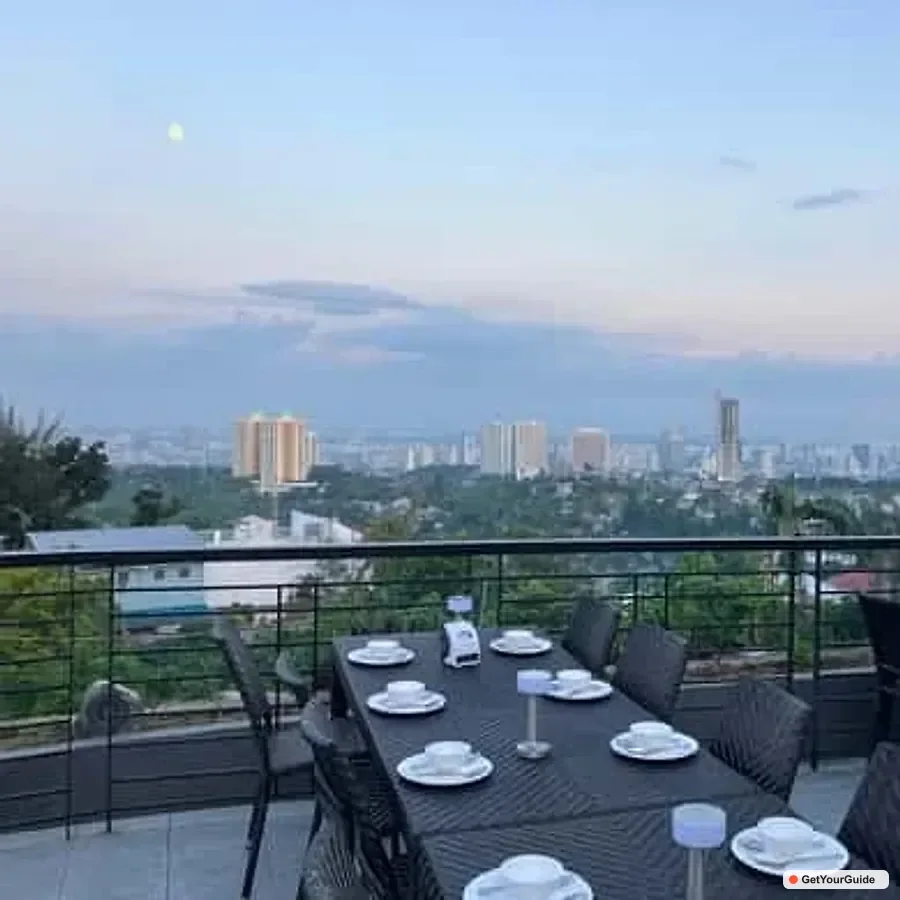
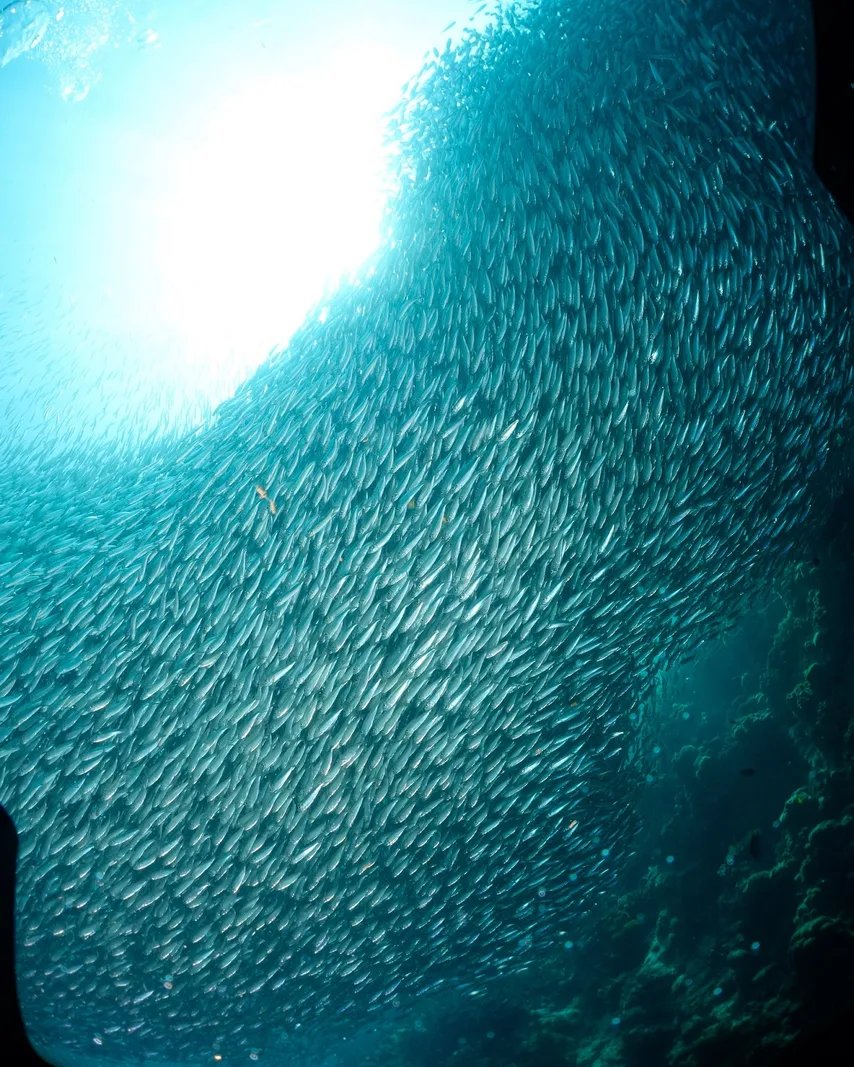
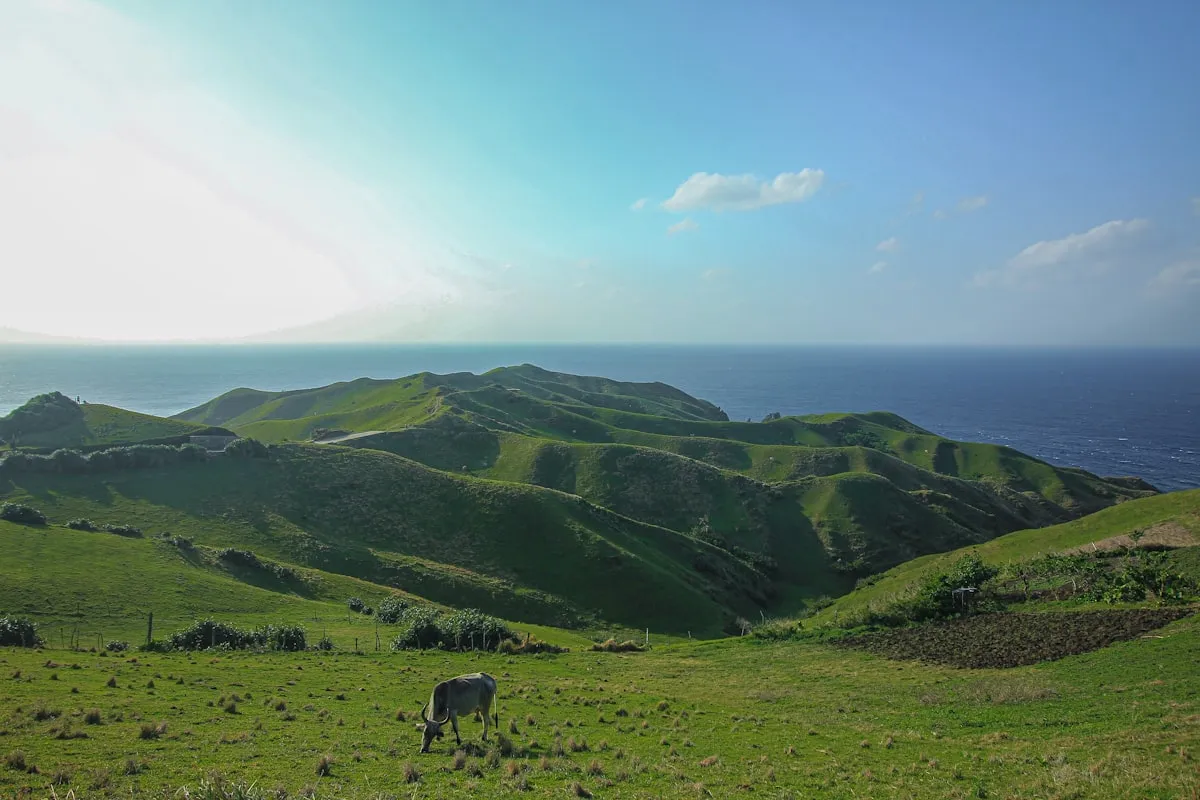
Here is a scene nobody puts in the brochures: it is 2pm in El Nido in August, the sky turns the color of wet cement, rain hammers the palm roofs for forty minutes, and then it simply stops. By 3pm the sun is out, the lagoons are glassy, and the beach you share with eight people would hold eight hundred in January. That is the Philippine rainy season: cheaper, greener, emptier, with real risks you can plan around once someone explains how the weather actually works. Almost nobody does, so let me.
Philippines Typhoon Season 2026: The Honest Rainy Season Guide
Safety & weather#philippines typhoon season#rainy season philippines#habagat monsoon travel#best time to visit philippines#philippines travel 2026#typhoon safety tips
Trip.com
Search on Trip.comHotels in Philippines
Compare live prices via Travelpayouts — targeted for this guide.
How June to November Actually Works
From June to early October the habagat, the southwest monsoon, pushes moist Pacific air across the islands. A normal habagat day means sunshine until early afternoon, one or two hard downpours of thirty to ninety minutes, then a clear evening. All-day rain usually means a typhoon or a monsoon surge is sitting nearby.
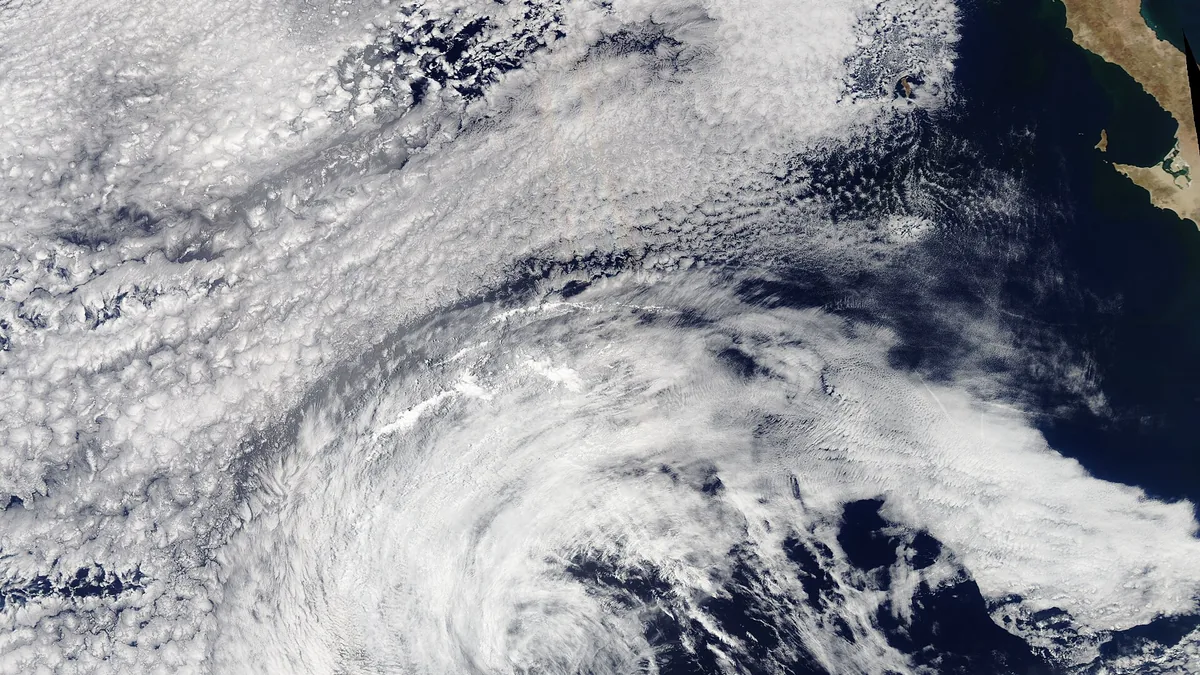
Typhoons are the real variable. Around 20 tropical cyclones enter Philippine waters in an average year, and roughly 8 or 9 make landfall, with the peak running August to October. That sounds terrifying until you understand the geometry: each storm affects one corridor for two or three days, never the whole archipelago.
The Regions Typhoons Mostly Miss
Storms in this part of the Pacific are born east of Mindanao and curve northwest, so the typhoon belt runs across Luzon and the Eastern Visayas. Samar, Bicol, Aurora, and Batanes take the most direct hits; Manila and Boracay collect sideswipes. Farther south and west, the map changes.
Trip.com
See all tours in Philippines on Trip.comDay trips in Philippines
Hand-picked experiences in Philippines — book on Trip.com with instant confirmation.

- Palawan sits west of the main storm track. El Nido, Coron, and Port Barton get habagat rain in bursts, but direct typhoon hits are genuinely rare.
- Most of Mindanao lies below the belt entirely. Davao markets itself as typhoon-free, and the storm records largely back it up.
- Siargao is the caveat. It is fine through most of the season, but its rare direct hits have come late - a December typhoon devastated it in 2021. Watch year-end storms there, not August ones.
- Bohol, Cebu, and Boracay sit in the middle: mostly workable, but expect one or two disrupted stretches between August and October.
What Actually Happens When a Typhoon Comes
PAGASA, the national weather agency, raises Wind Signals from 1 to 5 over specific provinces. Signal 1 means winds of 39 to 61 km/h expected; Signal 3 brings real damage; Signal 5, above 185 km/h, is rare and catastrophic. The practical sequence:
- Ferries stop first. The coast guard suspends sea travel in affected areas from Signal 1, sometimes earlier. Your Cebu to Bohol fast craft or El Nido to Coron boat can be grounded for one to three days.
- Flights wobble later. Jets handle weather that outriggers cannot; expect cancellations around Signal 2 or 3, only at airports inside the storm corridor.
- Resorts lock down. Staff shutter the windows, island-hopping tours cancel, and the kitchen keeps running. You end up safe, well fed, and mildly bored for a day or two.
How to Build a Typhoon-Proof Itinerary
Miserable rainy-season trips almost always share one mistake: a tight chain of sea crossings with zero slack. Build your route the way locals would.
- Do not chain three island hops. Every boat leg is a potential two-day delay. One crossing is manageable; three of them compound into missed flights.
- Alternate islands with city or inland stops. Cebu City, Davao, Baguio, and the Banaue rice terraces all work in rain and give you a natural buffer day.
- Book refundable rates. Pay-at-property hotel rates and flexible fares cost a little more and save the trip when a signal goes up.
- Fly where you might normally sail. Check ferry vs flight for your route - between June and November the plane wins more of those matchups than usual.
- Leave a buffer day before any international departure from Manila or Cebu. Use our trip planner to sketch a route with slack built in.
Why Rainy Season Is Secretly the Best Deal
Now the good part. Hotel prices drop 30 to 50 percent across the board: a beachfront room in El Nido that costs PHP 8,000 (about $140) in January runs PHP 4,500 (about $79) in September, and Boracay midrange rooms fall from PHP 3,500 to around PHP 2,000 (about $35). Browse hotels in September and it looks like a clearance sale.
The landscape is also at its best. The rice terraces around Banaue and Batad are electric green in June and July, waterfalls like Kawasan run full, and dive visibility on the leeward coasts stays solid. And the east coast surf switches on: Siargao's Cloud 9 fires from August to November, with Baler's Sabang Beach close behind. The beaches you fought crowds for in March are simply empty.
Insurance That Actually Pays for Weather
Cheap policies love the phrase "acts of nature" - usually inside the exclusions list. For a June to November trip you want cover that explicitly includes trip delay, trip cancellation, and missed connections caused by named storms and weather-grounded ferries. A solid policy costs roughly PHP 170 to 340 (about $3 to $6) per day. Keep every cancellation email and ferry ticket, because payouts run on paperwork. Our insurance guide breaks down which policies actually cover typhoon disruption for Philippine routes.
How Locals Actually Watch the Weather
Ignore the ten-day forecast on your phone - it shows a rain icon on every tropical day and tells you nothing. Do what locals do instead. Check PAGASA's tropical cyclone bulletins, updated every three to six hours once a storm enters Philippine waters, and read the signal levels for your specific province. Cross-check the wind animation on Windy to see a storm's track and size at a glance. Then ask around: boat captains and front desks know tomorrow's coast guard call before any app does.
Month by Month: June to November 2026
- June - transition month. Hot mornings, building afternoon storms, low typhoon risk, terraces turning green.
- July - habagat settles in. West coasts (Manila, Boracay, La Union) get the heaviest bursts; Palawan and Davao stay very workable.
- August - the wettest month for Manila and the west, and the start of peak typhoon season. Point yourself at Palawan or Mindanao.
- September - peak storm activity, lowest prices of the year, and the start of serious surf on Cloud 9. High reward if you stay flexible.
- October - still active early on, easing late in the month. Shoulder-season sweet spot for Bohol and Cebu.
- November - the tail. The amihan trade winds begin, seas calm, and crowds stay thin until mid-December. Compare it against the dry months in our best time to visit guide.
Frequently Asked Questions
Is it safe to travel the Philippines during typhoon season?
Yes, with planning. Storms are forecast days ahead, PAGASA's signals name the exact provinces affected, and resorts handle lockdowns routinely. The realistic risk is disruption - a grounded ferry or delayed flight - not danger, as long as you never sail against a coast guard suspension.
Which part of the Philippines has the fewest typhoons?
Palawan and most of Mindanao, especially Davao, sit outside the main typhoon belt and rarely take direct hits. Both make excellent June to November bases, while Luzon's east coast, Bicol, Samar, and Batanes are the most exposed.
What happens to my ferry or flight if a typhoon hits?
The coast guard suspends ferries in affected areas from Signal 1, typically for one to three days, and airlines cancel or delay flights around Signal 2 to 3. Airlines generally offer free rebooking or vouchers for weather cancellations, but cash refunds are slow - exactly what travel insurance is for.
Is island hopping still possible in the rainy season?
Most days, yes. Tours run whenever the coast guard clears the water, and mornings are usually calm even in August. Book for early starts, keep one spare day per island, and accept that roughly one day in four or five may get rescheduled at the peak of the season.
When is the worst time to visit in 2026?
Late August through September carries the highest storm probability for Luzon and the western Visayas, so that is the window to avoid if your route is Manila, Boracay, and Bicol. If those are your only free weeks, flip the itinerary to Palawan and Davao and you will likely dodge the drama entirely.
Book tours, hotels & stays in Philippines Typhoon
Top tours
- Boracay UFO Ride Water Adventure — PHP 858 · 5★
- California Breeze Campsite — PHP 891 · 5★
- Caliah Homes — PHP 1065 · 5★
- Home in Pagadian City near airport — PHP 1267 · 5★
- Dreamwave Hotel Polangui — PHP 1423 · 5★
- Manila All-Access Bar Crawl, Club and Rooftop Tour — PHP 1511 · 5★
Top hotels
- Ocam Ocam Casadyan Inn — PHP 715/night · 5★
- California Breeze Campsite — PHP 891/night · 5★
- Caliah Homes — PHP 1064/night · 5★
- Cabrera Haven Residences — PHP 1230/night · 5★
- Home in Pagadian City near airport — PHP 1267/night · 5★
Top stays
- California Breeze Campsite — PHP 891/night · 5★
- Caliah Homes — PHP 1065/night · 5★
- Home in Pagadian City near airport — PHP 1267/night · 5★
- Fnt Transient House Near Hundred Islands — PHP 1322/night · 5★
Sources
Primary references for the figures and rules in this guide. Fees and schedules change — check the source before you travel.

PANA.PH Editorial Team
Philippines travel desk
The PANA.PH travel desk researches, books and re-checks Philippines travel logistics — fares, ferry schedules, government fees and permit rules — and publishes what it can verify.
🏡 Real local stays (book direct)
Hand-picked homestays and guesthouses — book direct, no markup.
Browse all local stays →


🌊 Popular activities (book instantly)
Island hopping, canyoneering, whale sharks — real Klook/GetYourGuide options.
View all activities →