Filipino food is one of the great underrated cuisines of Asia, a delicious tug-of-war between sour, salty, sweet, and smoky. It borrows from Malay, Chinese, Spanish, and American kitchens, then makes everything its own. For travelers, the best news is how affordable it is: a filling meal at a local eatery often costs less than a fancy coffee back home. This guide breaks down the dishes you must try, what they actually cost in 2026 (in both US dollars and Philippine pesos), where to eat safely, and how to budget your days around the table.
Filipino Food Guide 2026: What to Eat & What It Costs
Food & culture#Filipino food#what to eat Philippines#Philippines food guide#Filipino cuisine#street food Philippines#Philippines travel 2026
Trip.com
Search on Trip.comHotels in Philippines
Compare live prices via Travelpayouts — targeted for this guide.
At the time of writing, 1 USD is roughly 57 PHP, and we quote both currencies below. Prices flex by region and setting, so we split them into two columns: carinderia (a local turo-turo eatery where you point at what you want) versus a sit-down restaurant aimed at a mix of locals and visitors.
Must-try Filipino dishes and what they cost
Start with this shortlist. Every one of these is a national favorite you will find across the islands, though the best version often depends on where you are. Order two or three dishes to share, add rice, and you have a feast for a few dollars.
| Dish | What it is | Carinderia (USD / PHP) | Restaurant (USD / PHP) |
|---|---|---|---|
| Adobo | Pork or chicken braised in vinegar, soy, garlic, and bay leaf; the unofficial national dish | $1.50 / 85 | $4 / 230 |
| Sinigang | Sour tamarind soup with pork, shrimp, or fish and vegetables; comforting and tangy | $2 / 115 | $5 / 285 |
| Lechon | Whole spit-roasted pig with shatter-crisp skin; the star of every fiesta | $2.50 / 145 (per serving) | $6 / 340 |
| Kare-kare | Oxtail and vegetables in a rich peanut sauce, served with fermented shrimp paste (bagoong) | $2.50 / 145 | $6 / 340 |
| Sisig | Sizzling chopped pork face and belly with onion, chili, and calamansi; ultimate beer food | $2 / 115 | $4.50 / 260 |
| Kinilaw | Raw fish cured in vinegar and citrus with ginger and chili; the Filipino ceviche | $2 / 115 | $5 / 285 |
| Halo-halo | Shaved ice piled with beans, jellies, fruit, leche flan, and ube; the iconic dessert | $1.50 / 85 | $3.50 / 200 |
Street food: how to eat it safely
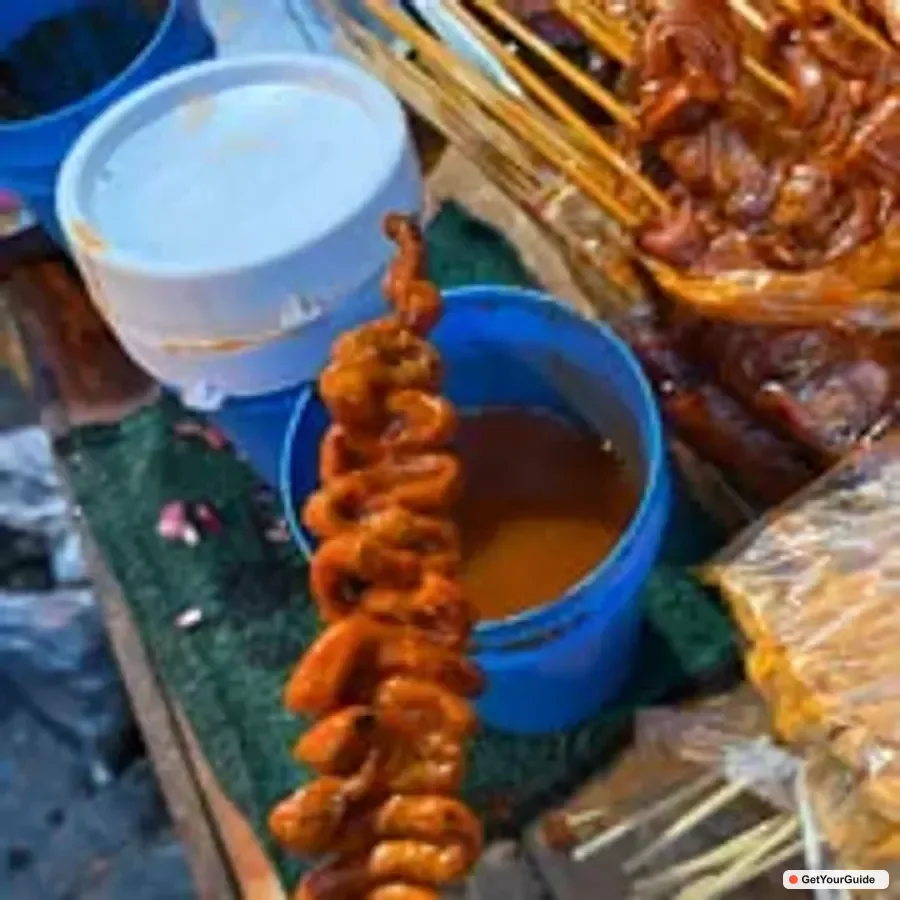
Street food is half the fun and rarely the villain in a traveler's stomach troubles. The golden rule is simple: eat where the queue is long and the food is cooked hot in front of you. High turnover means fresh ingredients and stalls that cannot afford to make people sick. Grilled skewers (barbecue, isaw, betamax), fresh fried lumpia, and fish balls straight from bubbling oil are all low-risk when hot.
Trip.com
See all tours in Philippines on Trip.comFood tour in Philippines
Hand-picked experiences in Philippines — book on Trip.com with instant confirmation.

- Go for hot and fresh over anything sitting lukewarm in the open air.
- Watch the crowd. Busy stalls in markets and near schools turn over stock fast.
- Skip raw tap-washed produce if your stomach is sensitive; stick to peelable fruit.
- Carry small cash. Most stalls run 20 to 80 PHP (about $0.35 to $1.40) per skewer or snack.
- Balut is optional. The famous duck embryo egg is a rite of passage, not a requirement.
Regional specialties worth planning around
The Philippines is not one food scene but dozens. Building a trip around regional dishes is one of the tastiest ways to explore, and you can pair it with the island guides on our destinations pages.
- Cebu lechon is widely called the best in the country, seasoned so well it needs no dipping sauce. Anthony Bourdain famously agreed.
- Bicol is the home of spice and coconut milk. Try Bicol Express (pork and chilies in gata) and laing (taro leaves in coconut cream).
- Ilocos in the north delivers crispy bagnet (deep-fried pork belly), tangy pinakbet, and the beloved Ilocos empanada.
- Pampanga is considered the culinary capital, birthplace of sisig and a parade of rich, complex dishes.
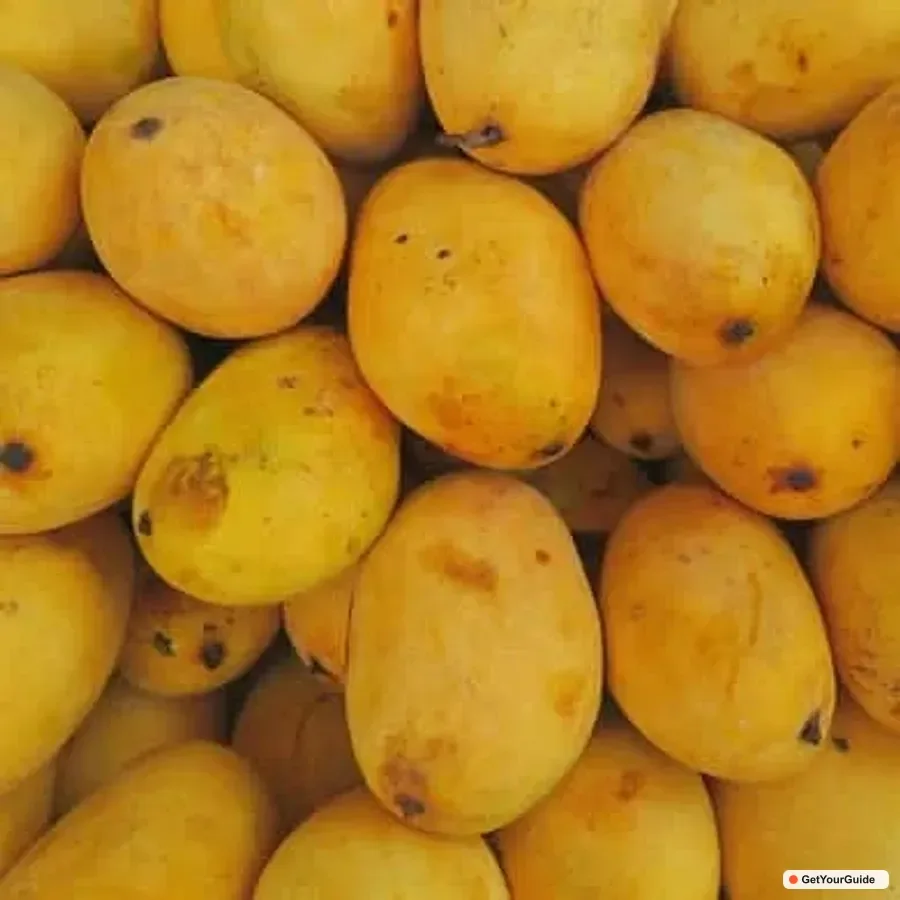
- Davao and the south reward fruit lovers with durian, mangosteen, and pomelo in season.
Vegetarian and vegan travelers
Filipino cuisine is meat-forward, but plant-based eaters will not go hungry. Ask for dishes cooked walang karne (no meat). Reliable options include ginataang gulay (vegetables in coconut milk), pinakbet (be sure to request it without bagoong or pork), chopsuey, fresh lumpia, tofu sisig, and ensaladang talong (grilled eggplant salad). Larger towns and tourist hubs like El Nido, Siargao, and Cebu now have dedicated vegan cafes. When in doubt, coconut milk vegetable stews and rice will always be within reach.
A sample daily food budget
Here is what real travelers spend on food per day in 2026, depending on style. These figures cover three meals plus snacks and a couple of drinks.
| Style | USD / day | PHP / day | What it looks like |
|---|---|---|---|
| Backpacker | $8 - $12 | 455 - 685 | Carinderia meals, street snacks, market fruit, local coffee |
| Mid-range | $18 - $30 | 1,025 - 1,710 | Mix of local eateries and casual restaurants, a cocktail or two |
| Comfort | $45 - $80+ | 2,565 - 4,560+ | Restaurant dining, resort meals, specialty coffee and cocktails |
The takeaway: food is one of the easiest places to eat well and spend little in the Philippines. Even comfort-tier travelers rarely need to spend big, because the finest lechon and freshest kinilaw often come from the humblest kitchens. For more ways to taste your way across the islands, browse our curated food and culture tours, and read on in the travel blog for deeper regional guides. Come hungry; you will not leave that way.

PANA.PH Editorial Team
Philippines travel desk
The PANA.PH travel desk researches, books and re-checks Philippines travel logistics — fares, ferry schedules, government fees and permit rules — and publishes what it can verify.
🌊 Popular activities (book instantly)
Island hopping, canyoneering, whale sharks — real Klook/GetYourGuide options.
View all activities →