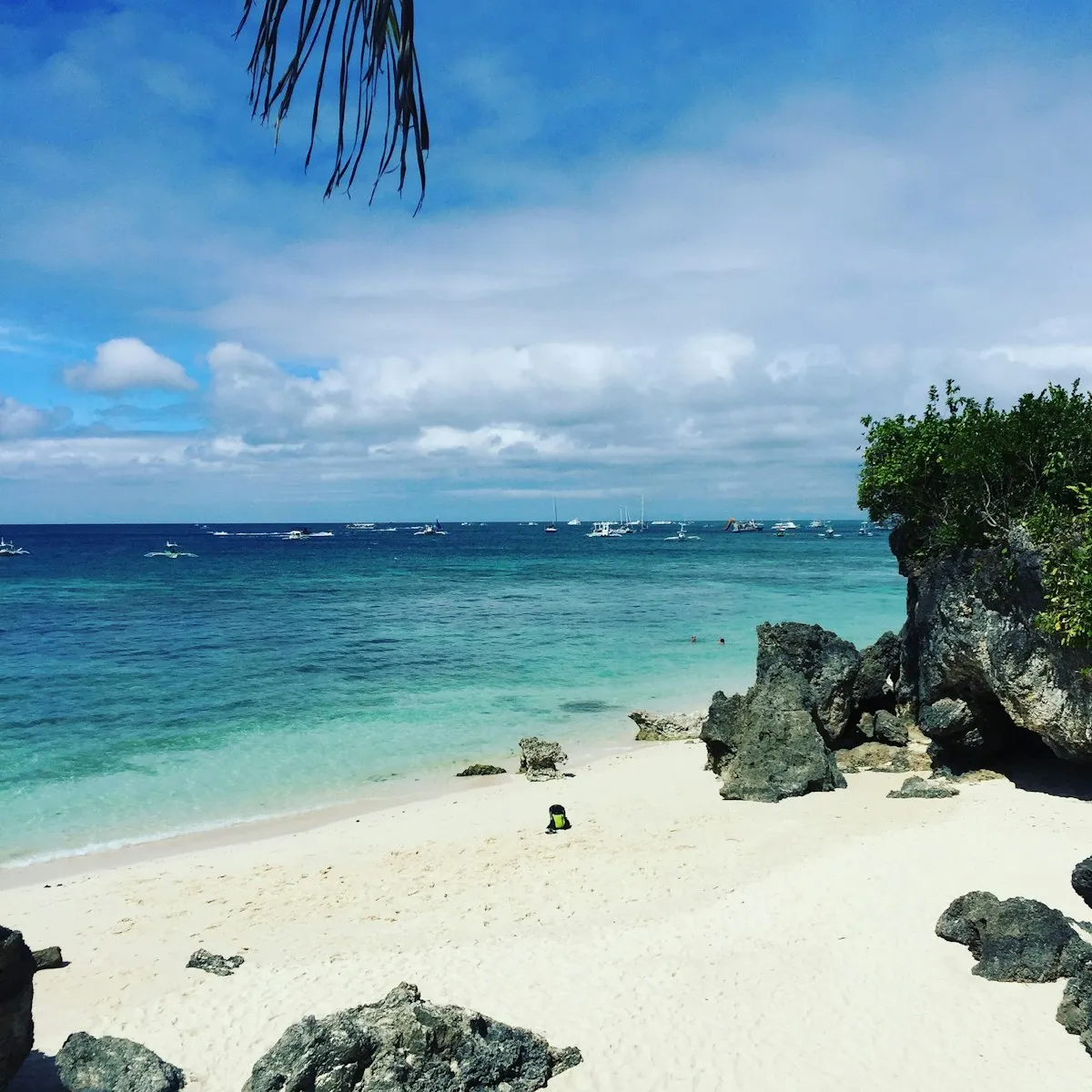
You've seen the photos — that ridiculous stretch of powdery white sand, the turquoise water, the electric sunsets that turn the whole beach gold. Boracay has been called one of the best islands in the world so many times the label almost feels tired. Except it isn't, because Boracay actually delivers. Here's everything you need to know for 2026, no filler.
Getting to Boracay from Manila
There is no direct flight to Boracay itself — the island's airport (Caticlan/Godofredo P. Ramos Airport, code MPH) handles only small turboprop aircraft. Here's how most people get there:
- Fly to Caticlan (MPH) — 1-hour flight from Manila on Cebu Pacific or AirAsia. Fares start around ₱800 one-way if you book early, but ₱2,500–₱4,000 is more typical. From Caticlan airport: tricycle to the jetty port (₱50), then a 15-minute bangka ferry (₱350 including terminal fees). You'll be on White Beach within 30 minutes of landing.
- Fly to Kalibo (KLO) then bus + ferry — Kalibo is the bigger international airport, 1.5–2 hours from Boracay by Ceres bus (₱300). Korean Air and charter airlines from Seoul land here direct — if you're coming from Korea, this is often your cheapest option. Total door-to-door from Kalibo airport: 3 hours. Slightly more travel time, often cheaper flights.
- From Cebu — 45-minute flight to Caticlan. Or take the romantic (slow) option: an overnight 2Go ferry (₱800–₱1,500 for a cabin).
Flying from Singapore? Look for seasonal direct flights to Kalibo on Cebu Pacific — they run during peak months and save you the Manila layover entirely. Singapore to Boracay in 3 hours.
✈️Find the cheapest flights to the Philippines
Compare Cebu Pacific, AirAsia, Philippine Airlines and more in one search — prices from ₱3,892.
Compare flights →
Where to Stay in Boracay (Real 2026 Price Ranges)
White Beach runs 4 kilometers and has three distinct zones. Your choice of station shapes your whole trip.
- Station 1 (north) — Quietest, calmest, most expensive. The sand is at its absolute finest here. Best if you want peace and don't mind paying for it.
- Station 2 (center, around D'Mall) — Busiest. Most restaurants, bars, shops. The center of everything. Best if you want to be in the middle of the action.
- Station 3 (south) — Most affordable. More local feel. A bit rougher around the edges but genuinely charming if you don't need resort facilities.
Budget (₱500–₱2,500/night): Dorm beds from ₱500 at Station 3 guesthouses. Basic private doubles with AC from ₱1,200. Fine if you're out all day anyway.
Mid-range (₱3,000–₱8,000/night): Comfortable beachfront or near-beach hotels. Ferra Hotel and Nigi Nigi Nu Noos are solid mid-range picks. This is the sweet spot for most visitors — you get a clean, comfortable room without hemorrhaging money.
Luxury (₱15,000–₱60,000+/night): Shangri-La Boracay sits on its own private cove at the northern tip, completely away from the crowds. World-class pool, private beach, excellent dining. Discovery Shores is the other top-tier option, on White Beach but with genuine luxury feel. Both are worth the money if you have it.
Book 2–3 months ahead minimum for December–January and Holy Week. The island fills completely and prices double or triple.
What to Do Beyond Lying on the Beach
White Beach really is as good as advertised — the sand is talcum-powder soft and the water is bath-warm and calm (during Amihan season). You could spend your entire trip horizontal. But here's what's worth getting up for:
- Island hopping tour — Shared bangka tours hit Crocodile Island (snorkeling over hard coral with parrotfish and angelfish), Bat Cave, and Puka Shell Beach. ₱1,000–₱1,500 per person for a half-day. Book through your hotel or any beach operator — don't prepay online.
- Paraw sailing at sunset — Traditional double outrigger sailboat, just you and the wind and the 5:30 PM light turning everything golden. This is the quintessential Boracay experience. ₱800–₱1,200 per person. Worth every peso.
- Puka Shell Beach — North end of the island, far less crowded than White Beach, rougher waves, local food stalls. Tricycle from Station 1 costs ₱150. Spend a morning here, away from the tourist infrastructure.
- Parasailing — ₱1,000–₱1,500 for 10 minutes above the bay. The aerial view of White Beach genuinely surprises you — it's even more beautiful from up there.
- Bulabog Beach (the kite side) — The other side of the island faces southwest. From May to October, this becomes one of Southeast Asia's best kitesurfing spots. Lessons from ₱3,500 for a half-day beginner session.
- D'Talipapa market + cooking — Buy fresh seafood at local prices (huge prawns, fresh squid, live crabs), then have them cooked at adjacent restaurants for a ₱150 cooking fee per 500g. You'll eat the freshest seafood of your life for half the restaurant price.
- Helmet diving — No scuba license needed. You walk along the seabed in a pressurized helmet for 20 minutes while fish swim around you. Cheesy? Absolutely. Memorable? Yes. Around ₱1,500.
Boracay Budget Breakdown 2026 (Real Numbers)
Here's what it actually costs, not what travel blogs optimistically suggest:
- Budget traveler: ₱1,500–₱2,000/day — Dorm bed (₱500), street food and market meals (₱300–₱500/day), one activity every other day, local beer at 7-Eleven (₱80). Tight but achievable.
- Mid-range: ₱3,500–₱5,000/day — Private hotel room near beach (₱3,000), proper restaurant meals (₱600 lunch + ₱800 dinner), one activity per day. This is the sweet spot — comfortable, not stressful.
- Comfortable: ₱7,000–₱15,000/day — Beachfront room, sit-down meals with drinks, daily watersports, massage every evening.
A 4-day 3-night couple's trip from Manila (mid-range accommodation, all meals, return flights): ₱35,000–₱50,000 total. For solo budget travelers: ₱15,000–₱20,000 for the same trip. Food is genuinely reasonable — a full meal at a good restaurant runs ₱300–₱600, fresh San Miguel beer is ₱80, and D'Talipapa seafood beats most fine-dining.
Best Time to Visit Boracay
Boracay's two monsoon seasons completely change which beach is usable:
- Amihan season (November–April): Northeast trade winds from the Pacific. Air is cool and dry. White Beach is completely flat, crystal clear, perfect. This is why peak season exists. Peak rates apply December–January and Holy Week (March/April) — book months ahead.
- Habagat season (May–October): Southwest monsoon. White Beach gets rough and choppy — not ideal for swimming. But Bulabog Beach on the other side becomes one of Asia's best kitesurfing venues. Hotels drop 30–50%, the island empties out, and the whole place feels local again. If you don't need White Beach to be perfect, this is actually a great time to go — especially for divers and kiters.
The absolute worst time: Holy Week and Christmas-New Year week. The island becomes impossibly crowded and expensive. Unless you book 3 months ahead, avoid these windows.
Getting Around Boracay
Private cars are banned on the island (since the 2018 rehabilitation). You move by:
- E-trike: Small electric tricycles everywhere. ₱20–₱30 for short hops along the main road, ₱100–₱150 to cross the island to Bulabog or reach Puka Beach.
- Walking: The beach path is 4km end to end. Most visitors walk the whole strip in 40–50 minutes. Do it at sunrise — the beach belongs to you.
- Bicycle rental: ₱200–₱400/day from various shops. Good for exploring back roads and the quieter inland paths.
Practical Info for 2026
- Environmental fee: ₱150 per tourist, paid at the Caticlan jetty port before boarding the bangka.
- No single-use plastics: Enforced across the island. Bring a reusable water bottle and cloth bag.
- No smoking on the beach: ₱5,000 fine. Designated smoking areas exist but are not on the sand.
- Best restaurants: Aria (Italian, genuine quality — go for the pasta), Real Coffee and Tea (the island's breakfast institution, open since 1995), Smokehouse BBQ (ribs and cold beer at sunset — perfect), Lemoni Cafe for pastries and coffee.
- Cash matters: ATMs cluster around D'Mall. They work but run dry on long weekends. Bring enough pesos — credit cards are accepted at mid-range and above hotels, but smaller places and market vendors are cash-only.
- Connectivity: 5G signal is solid along the main beach strip on Globe and Smart networks. Buy your SIM in Manila before arrival.
Frequently Asked Questions About Boracay
Is Boracay still worth visiting in 2026?
Yes, absolutely. The 2018 closure and rehabilitation genuinely improved the island. Water quality is measurably better, beach maintenance is stricter, and the worst of the illegal construction is gone. It's still busy during peak season but it's also genuinely beautiful — the hype is earned.
How many days do you need in Boracay?
Three to four days is the sweet spot for most visitors. Enough time to see the main beaches, do the key activities (island hop, sail at sunset, eat at D'Talipapa), and actually decompress. Five to six days if you're learning to kitesurf or want a genuinely slow-paced trip. Two days is too rushed — you spend half of it traveling.
Is Boracay expensive compared to other Philippine islands?
More expensive than most, roughly on par with El Nido for accommodation costs. But the infrastructure — variety of restaurants, quality of beaches, ease of getting around — is the best in the country. You pay more, but you also get more. Budget for it properly and you won't feel ripped off.
Can you visit Boracay as a weekend trip from Singapore?
Technically yes — the flight via Manila or Kalibo is 3–4 hours. But a standard 2-night weekend is too rushed; you spend most of it traveling. A long weekend with 3 nights is the minimum to make it worth it. Four nights is ideal if you can swing it.
What is Boracay famous for besides White Beach?
Sunset paraw sailing, kitesurfing at Bulabog Beach (one of Asia's best spots), the D'Talipapa seafood market, the D'Mall dining and shopping scene, and Puka Shell Beach for a quieter alternative to the main strip. The island also has a genuinely lively but no longer excessive nightlife — beach bars, bonfires, and live music after 9 PM.