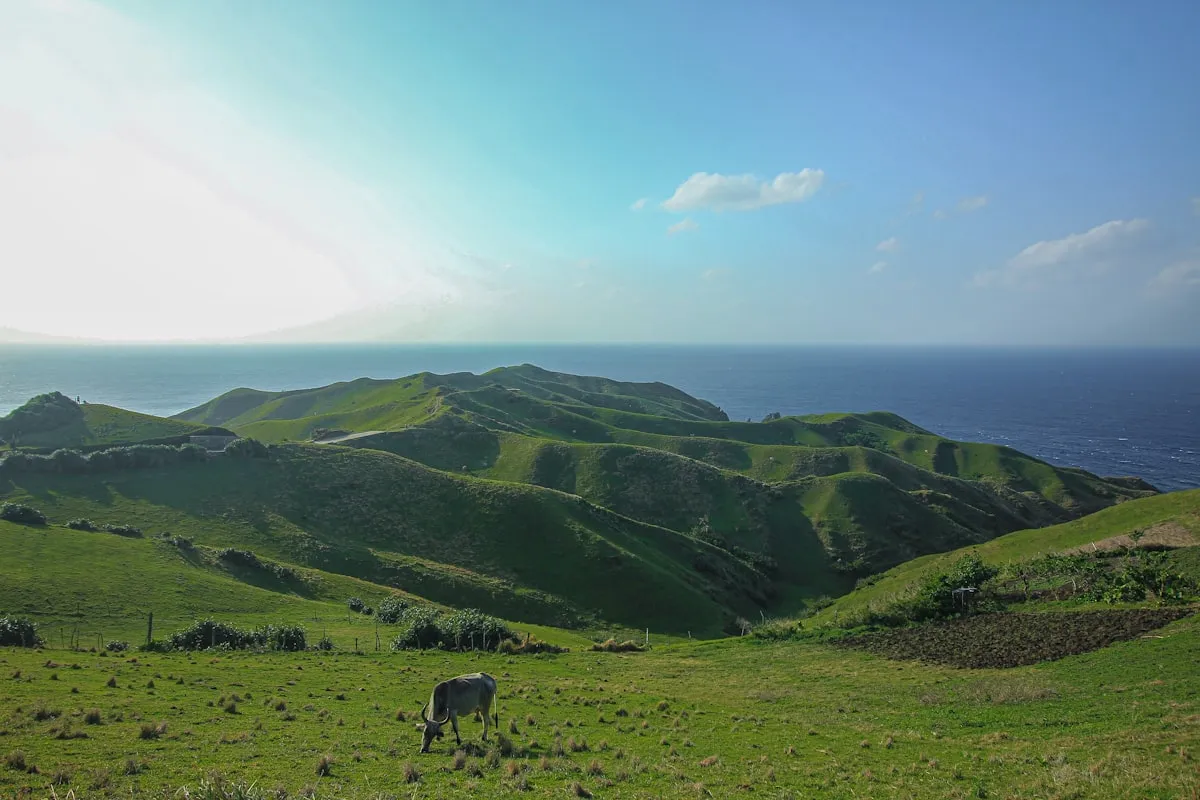
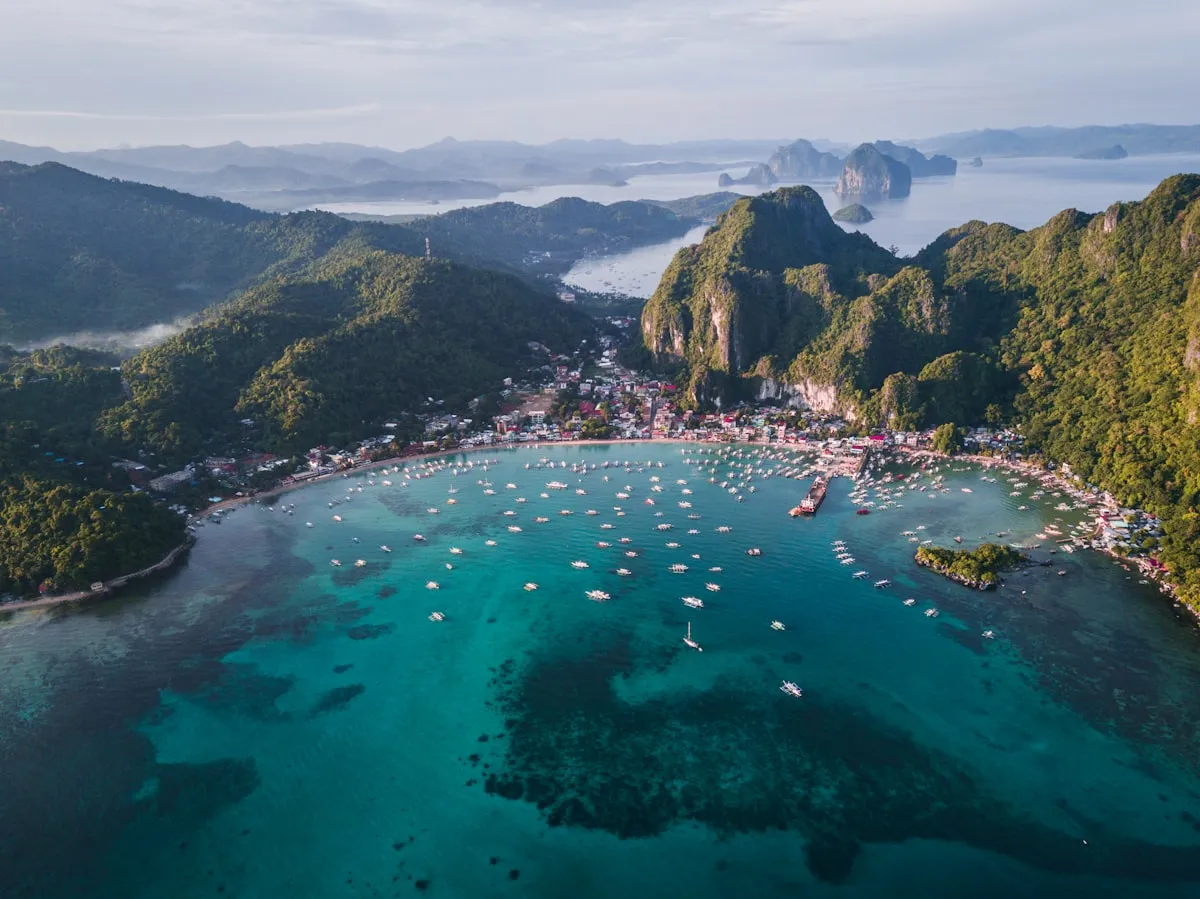
The boat takes three hours from Pandan Island to reach Apo Reef, and for most of that time you see nothing but open sea. Then the depth finder drops from 200 metres to 15, the water colour changes from deep blue to a luminous turquoise, and you understand why this place is special. Below you is a reef system covering 34 square kilometres - the second-largest contiguous coral reef in the world after the Great Barrier Reef - and you are about to dive into it.
Apo Reef: Diving the Second-Largest Contiguous Reef in the World (Off Mindoro)
Trip.com
Search on Trip.comHotels in Reef Natural
Compare live prices via Travelpayouts — targeted for this guide.
Apo Reef Natural Park is a protected marine area in the Mindoro Strait, about 30 kilometres west of Occidental Mindoro. It is not a single dive site but a collection of walls, channels, lagoons and shallow reefs spread across three islands: Apo Island, Apo Menor and Binangaan. Most divers come for the walls and the sharks, but the reef has far more to offer than adrenaline.
What Makes Apo Reef Different
Most Philippine dive sites are fringing reefs - coral growing along the coast of an island. Apo Reef is an atoll, a ring of reef surrounding a shallow lagoon, with the open ocean on all sides. This means the reef is exposed to currents from both the South China Sea and the Sulu Sea, which brings nutrients, large pelagic fish and exceptional visibility. On a good day at Apo Reef you can see 30-40 metres horizontally. On a bad day, 15-20 metres - still better than most sites in the country.
The reef was declared a protected area in 1996 and fishing was banned within the park boundaries. The result is one of the healthiest reef systems in the Philippines. Coral cover is high, fish biomass is significantly greater than at unprotected sites, and shark populations - which have been fished out of most Philippine reefs - are still present here.
Trip.com
See all tours in Reef Natural on Trip.comDiving in Reef Natural
Hand-picked experiences in Reef Natural — book on Trip.com with instant confirmation.
The Dive Sites
Apo Island Wall
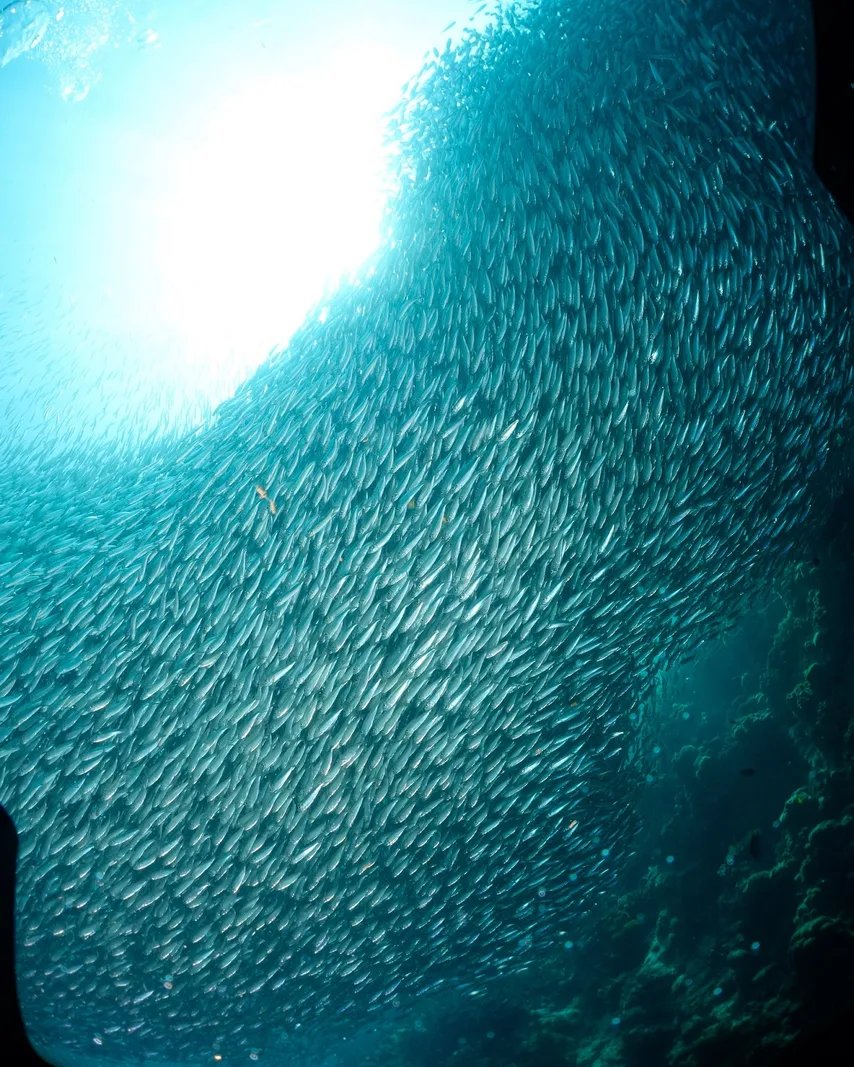
The most popular dive site. The wall starts at 10 metres and drops to 50-60 metres. Coral cover is dense on the upper section - gorgonian fans, barrel sponges, soft corals in orange and pink. White-tip and grey reef sharks are commonly seen cruising along the wall at 20-30 metres. Turtles, barracuda schools and occasionally mantas pass through. This is a drift dive - you enter, descend, and the current carries you along the wall while the boat follows on the surface.
Shark Ridge
A sloping reef on the north side of Apo Island where sharks congregate. Grey reef sharks and white-tip reef sharks are seen here regularly, sometimes in groups of 5-10. The dive is at 25-35 metres and is for experienced divers only due to the depth and the current. Go in the morning when the sharks are most active.
The Lagoon
Inside the atoll, the lagoon is shallow (3-15 metres) and protected. This is where you do your safety stop and where snorkellers can swim. Juvenile fish, anemones, and small reef sharks resting on the sand. Good for a relaxed second dive after a deep wall dive.
Hunter's Rock
A submerged pinnacle rising from 50 metres to 12 metres, about 2 kilometres from the main reef. Strong currents bring large schools of fish - jacks, trevally, tuna. This is an advanced dive due to current and depth. Not always accessible depending on conditions.
How to Get There
From Manila
Take a bus or flight to San Jose, Occidental Mindoro. Cebu Pacific and Philippine Airlines fly from Manila to San Jose (1 hour, PHP 2,500-4,500). From San Jose, take a van or jeepney to Pandan Island or Ambulong, the two main departure points for Apo Reef trips. The drive takes 1-2 hours.
From Puerto Galera
Some dive operators in Puerto Galera offer Apo Reef as a day trip or overnight trip, but the crossing is long (3-4 hours each way) and weather-dependent. This is only practical as a 2-day trip with an overnight stay on the boat or at a nearby island.
The Boat Crossing
From Pandan Island or Ambulong, the boat to Apo Reef takes 2.5 to 3 hours. Most dive operators leave at 6:00am to arrive for a first dive at 9:00am. Day trips include 2-3 dives and return by 5:00pm. Overnight liveaboard trips include 4-6 dives over two days and are the better option if you want to dive Hunter's Rock and the more remote sites.
Costs
- Day trip (2 dives): PHP 3,500-5,500 per person including boat, guide, tanks, weights and lunch.
- Day trip (3 dives): PHP 4,500-6,500 per person.
- Overnight liveaboard (4-6 dives): PHP 8,000-15,000 per person including boat, accommodation, meals and dives.
- Equipment rental: PHP 500-1,000 per day for full gear (BCD, regulator, wetsuit, fins, mask).
- Marine park fee: PHP 150-300 per person, usually included in the trip price.
Who Should Dive Apo Reef
Apo Reef is not for beginners. Most dive sites are walls dropping to 50+ metres, and currents can be strong. Most operators require a minimum of Advanced Open Water certification and 30+ logged dives. Some require 50+. If you are a Open Water diver, you can do the lagoon dive and some of the shallower sections, but you will miss the main attractions.
For experienced divers, Apo Reef is one of the best dive destinations in the Philippines. The combination of visibility, shark encounters, wall diving and reef health is hard to match anywhere else in the country outside of Tubbataha (which is only accessible by week-long liveaboard).
Best Season
The best diving is from March to May, when the seas are calmest and visibility is at its peak (30-40 metres). October to February is also diveable but with more variable conditions. June to September is the habagat (southwest monsoon) season - crossings can be rough and trips are often cancelled. Check with your operator 2-3 days before your scheduled trip.
What to Bring
- Dive certification card - operators will check.
- Logbook - some operators require proof of experience.
- Surface marker buoy - mandatory for drift dives.
- Dive computer - mandatory for most operators due to depth.
- Reef-safe sunscreen - or wear a rash guard instead.
- Seasickness medication - the 3-hour crossing is rough for some.
- Warm layer for the boat - it can be windy on the crossing.
Conservation and Rules
Apo Reef is a strictly protected marine park. Fishing, anchoring on coral, collecting shells or marine life, and feeding fish are all prohibited. Dive operators use mooring buoys rather than anchors. Follow your guide's instructions on buoyancy control - touching the coral or standing on the reef is taken seriously here. The park rangers patrol the area and fines for violations are real.
The shark population at Apo Reef is one of the few healthy ones left in the Philippines. Do not chase, touch or grab the sharks. They are not aggressive towards divers but will leave if harassed, and the dive site loses its main attraction.
Frequently Asked Questions
Can I snorkel at Apo Reef?
Yes, but it is limited. The lagoon inside the atoll is shallow and good for snorkelling. The outer walls are too deep for snorkelling. Most day trips allow snorkellers on the boat, and the lagoon stop gives you 30-45 minutes in the water. Snorkelling trips cost less than dive trips (PHP 2,000-3,000).
Are there accommodation options on Apo Reef?
No resorts or hotels exist on the reef itself. There is a ranger station on Apo Island with basic accommodation for researchers and park staff, but it is not open to tourists. Most visitors stay on Pandan Island, in San Jose, or on a liveaboard boat.
Is Apo Reef worth it compared to Tubbataha?
They are different experiences. Tubbataha is a week-long liveaboard only, costs USD 2,000-3,000, and runs from March to June. Apo Reef is accessible as a day trip or 2-day trip, costs a fraction of Tubbataha, and is diveable year-round (weather permitting). If you have the budget and time for Tubbataha, do it. If not, Apo Reef is the best alternative in the country.
What sharks can I see at Apo Reef?
White-tip reef sharks and grey reef sharks are the most common. Tawny nurse sharks are occasionally seen resting in caves. Hammerheads have been reported at Hunter's Rock in the early morning during certain seasons, but sightings are not guaranteed.
Sources
Sources
Primary references for the figures and rules in this guide. Fees and schedules change — check the source before you travel.

PANA.PH Visayas Desk
Visayas travel logistics — Cebu, Bohol, Boracay and Siargao
The Visayas Desk of the PANA.PH travel desk: it maintains and re-checks the visayas travel logistics — cebu, bohol, boracay and siargao data behind the site's guides — operator price lists, official fee schedules and posted timetables — and publishes what it can verify.
Ready to go?
Plan your Mindoro trip with PANA.PH
Turn this guide into a real trip — compare live prices and build a day-by-day itinerary in minutes.
🗺️ Build my itinerary🏡 Real local stays (book direct)
Hand-picked homestays and guesthouses — book direct, no markup.
Browse all local stays →
🌊 Popular activities (book instantly)
Island hopping, canyoneering, whale sharks — real Klook/GetYourGuide options.
View all activities →