Subic Bay is not a beach destination. It is a graveyard of steel, and that is exactly why divers come. Beneath the calm waters of Zambales and Bataan sit more than a dozen shipwrecks from the Spanish-American War, the interwar years, and the Second World War. For a wreck diver, the bay is a single-day, multi-dive playground. For a beginner, it is the safest place in the Philippines to try a first wreck penetration because the visibility is forgiving and the depths are manageable.
Subic Bay: Wreck Diving on Sunken WWII Ships
Trip.com
Search on Trip.comHotels in Subic
Compare live prices via Travelpayouts — targeted for this guide.
Why Subic Bay Became a Wreck Diving Hub
Subic Bay was a major naval base for the United States for nearly a century. When the Japanese bombed the area in December 1941 and again during the liberation in 1945, vessels were scuttled, bombed, or intentionally sunk to avoid capture. After the US Navy left in 1992, the Subic Bay Metropolitan Authority (SBMA) opened the area to tourism, and dive operators began mapping the wrecks. Today the bay is a protected freeport zone, which means development is controlled and the water quality is better than in most industrial harbors in the region.
The wrecks range from 12 meters to over 60 meters deep. Most recreational dives stay within 40 meters. The shallowest wrecks, like the LST landing craft near Grande Island, can be dived by Open Water divers with minimal overhead training. The deeper ones, like the USS New York (often called the El Capitan by locals, though that is a different wreck), require advanced certification and trimix for the lower decks.
The Main Wrecks You Can Dive
There are roughly 15 named dive sites in Subic Bay, and most are wrecks. Here are the ones most operators include in a standard two-dive day:
Trip.com
See all tours in Subic on Trip.comDiving in Subic
Hand-picked experiences in Subic — book on Trip.com with instant confirmation.
USS New York (ACR-2)
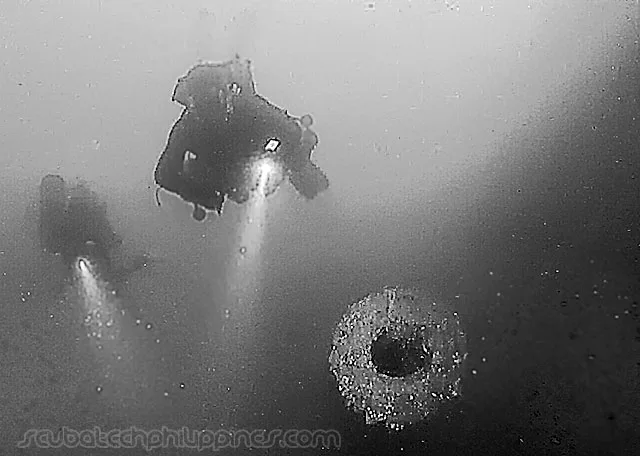
Sits between 27 and 54 meters. An armored cruiser scuttled in 1941. The big guns are still visible, which is rare for a wreck this old. Penetration is possible for trained divers, but the lower holds are silty and dark. This is the signature dive of Subic Bay.
El Capitan
A 3,000-ton freighter lying upside down at 18 to 24 meters. Shallow enough for advanced open water divers. The hull is intact and you can swim under the keel. Good for photographers because the structure is clean and the light reaches well.
Oryoku Maru
A Japanese passenger ship bombed in December 1944 while carrying Allied prisoners of war. It is a sobering dive. The wreck is broken up across 15 to 20 meters, making it accessible, but the history is heavy. Some operators brief the story before the dive.
Seian Maru
A Japanese cargo vessel at 28 to 34 meters. Partially intact with cargo holds open. Often paired with the LST on a two-dive trip because they are close to each other.
LST Landing Craft
Two LSTs sit near Grande Island at around 30 meters. One is mostly intact, the other is scattered. These are good for divers who want a long bottom time without going deep.
What It Costs in 2026
Subic Bay dive pricing is stable and competitive. Here is what you should expect to pay when you book directly with an operator inside the freeport:
- Single shore dive (gear included): PHP 2,500 to PHP 3,000
- Two-dive boat day (gear included): PHP 4,500 to PHP 5,500
- Wreck diving specialty course (4 dives): PHP 18,000 to PHP 22,000
- Full day private charter (up to 4 divers): PHP 12,000 to PHP 15,000
- Nitrox fill per tank: PHP 300 to PHP 500
Most operators include weights, tanks, and a divemaster in the base price. BCD and regulator rental is sometimes extra, so ask before you commit. If you have your own gear, expect a discount of PHP 500 to PHP 800 per dive.
How to Get to Subic Bay
Subic is about 100 kilometers northwest of Manila. The easiest route is the NLEX then SCTEX, which drops you at the Subic-Clark-Tarlac Expressway exit directly into the freeport. Driving time is roughly 2.5 to 3 hours depending on traffic. Buses run from Manila (Cubao and Pasay) to Olongapo for PHP 200 to PHP 350 one way, and from Olongapo you take a jeepney or trike into the freeport for PHP 50 to PHP 100.
If you are flying in, Clark International Airport is the closest gateway. From Clark, a taxi to Subic costs around PHP 1,500 to PHP 2,000. There is no airport inside the freeport itself.
Where to Stay
Inside the freeport you have everything from hostels to resorts. Budget dorm beds start at PHP 700 per night. Midrange hotels run PHP 2,500 to PHP 4,000. Beachfront resorts on Triboa Bay or near Camayan Beach go for PHP 6,000 to PHP 12,000. Many dive operators have package deals with hotels that bundle two nights, four dives, and transfers for PHP 8,000 to PHP 12,000 per person.
If you want to be walking distance from a dive shop, stay near Camayan Beach or the Waterfront area. If you want nightlife and restaurants, stay near the Subic Bay Freeport Zone central area.
When to Go
The dry season in Zambales runs from November to May. March to May is the calmest, with visibility often reaching 15 to 20 meters on the shallow wrecks. The rainy season from June to October does not cancel diving entirely, but visibility drops and some operators limit trips to the shallower sites. Water temperature ranges from 26C in February to 30C in May, so a 3mm wetsuit is enough year-round.
Safety and Certification Notes
You need at least an Open Water certification to dive the shallow wrecks, and an Advanced Open Water plus a wreck diving specialty for penetration. Subic Bay has mild currents, but the wrecks are steel, and rusted metal can cut. Wear gloves if your operator allows it (some do not, for environmental reasons). Carry a dive light even on day dives because the interior of wrecks is dark.
If you have not dived in over a year, do a refresher. Most operators require it and will charge PHP 1,500 to PHP 2,000 for a supervised shore refresher before they take you on a boat dive.
What to Bring
- Dive certification card and logbook
- Surface marker buoy (SMB) - some operators provide, but bring your own
- Dive computer - mandatory for wreck dives below 30 meters
- Reef-safe sunscreen for surface intervals
- Dry bag for the boat
Non-Diving Companions
Subic Bay is a good destination if your travel partner does not dive. Inside the freeport there is Zoobic Safari, Inflatable Island, tree-top walks, and duty-free shopping. Ocean Adventure is a marine park near Camayan Beach. There are also beach clubs with day-use rates of PHP 500 to PHP 1,500 that include a cottage and access to the water.
A Note on Wreck Protection
The wrecks in Subic Bay are not just dive sites. Several are war graves, especially the Oryoku Maru. Do not remove anything from the wrecks. Do not touch the guns or the hull plates. The SBMA and the National Museum of the Philippines monitor these sites, and removing artifacts is a criminal offense under Philippine cultural property laws.
Plan With PANA
Ready to dive Subic Bay? We can help you build the full trip:
Frequently Asked Questions
Do I need to be certified to dive the Subic wrecks?
Yes. At minimum you need an Open Water certification for the shallow wrecks like the LST. For deeper wrecks or penetration, you need Advanced Open Water and a wreck diving specialty. Some operators offer discover scuba dives on shallow non-wreck sites, but the named wrecks are not for first-timers.
Is Subic Bay water clean enough to dive?
Yes. The freeport is a controlled zone and industrial activity is limited. Visibility on the shallow wrecks is often 10 to 20 meters in the dry season. It is not a coral reef, so do not expect crystal blue water, but it is safe and clear enough for wreck diving.
Can I dive Subic Bay year-round?
Technically yes, but the best conditions are November to May. June to October brings rain and lower visibility. Some operators still run trips, but they may limit you to the shallowest sites.
How many wrecks can I dive in one day?
Most operators run two-dive boat trips in a single day. With a private charter and good surface intervals, you can do three. Shore dives on the shallow wrecks can add a fourth if you are keen.
Are there night dives on the wrecks?
Yes. Some operators offer night dives on the LST and El Capitan. The wrecks take on a completely different character at night, with flashlight fish and crabs emerging. Expect to pay around PHP 3,000 for a guided night dive.
Sources
Sources
Primary references for the figures and rules in this guide. Fees and schedules change — check the source before you travel.

PANA.PH Luzon Desk
Luzon travel logistics — Manila, Baguio and North Luzon
The Luzon Desk of the PANA.PH travel desk: it maintains and re-checks the luzon travel logistics — manila, baguio and north luzon data behind the site's guides — operator price lists, official fee schedules and posted timetables — and publishes what it can verify.
🏡 Real local stays (book direct)
Hand-picked homestays and guesthouses — book direct, no markup.
Browse all local stays →
🌊 Popular activities (book instantly)
Island hopping, canyoneering, whale sharks — real Klook/GetYourGuide options.
View all activities →