Apo Island is a 12-hectare volcanic island located about 25 kilometers south of Dumaguete City, the capital of Negros Oriental. It is home to one of the first community-managed marine protected areas in the Philippines, established in 1982 with help from Silliman University. The sanctuary covers a portion of the island's reef and has become a model for community-based coastal resource management across the country. For visitors, the practical result is a reef system that is healthier than most, with a resident population of sea turtles that are accustomed to snorkelers and divers.

Apo Island: Swimming With Turtles at a Community Marine Sanctuary
Trip.com
Search on Trip.comHotels in Philippines
Compare live prices via Travelpayouts — targeted for this guide.
This guide covers how to get to Apo Island from Dumaguete, current 2026 diving and snorkeling fees, what the underwater experience is like, where to stay, and how the community management system works. Prices were verified with the Apo Island Protected Landscape Management Board and the Dumaguete City Tourism Office.
The Story Behind the Apo Island Marine Sanctuary
In the late 1970s, the waters around Apo Island were overfished. Dynamite fishing and cyanide fishing had damaged the reef, and fish catches were declining. In 1979, Dr. Angel Alcala, a marine biologist from Silliman University, began working with the island community to establish a no-take marine reserve. The sanctuary was formally established in 1982, covering about 10 percent of the island's fringing reef.
The results were dramatic. Within a few years, fish biomass inside the sanctuary increased significantly, and spillover effects improved catches in the surrounding fishing grounds. The Apo Island model has since been replicated at hundreds of sites across the Philippines and is cited internationally as a success story for community-managed marine conservation. The island was declared a Protected Landscape and Seascape under Republic Act 7586, the National Integrated Protected Areas System (NIPAS) Act.
Trip.com
See all tours in Philippines on Trip.comDiving in Philippines
Hand-picked experiences in Philippines — book on Trip.com with instant confirmation.
How to Get to Apo Island
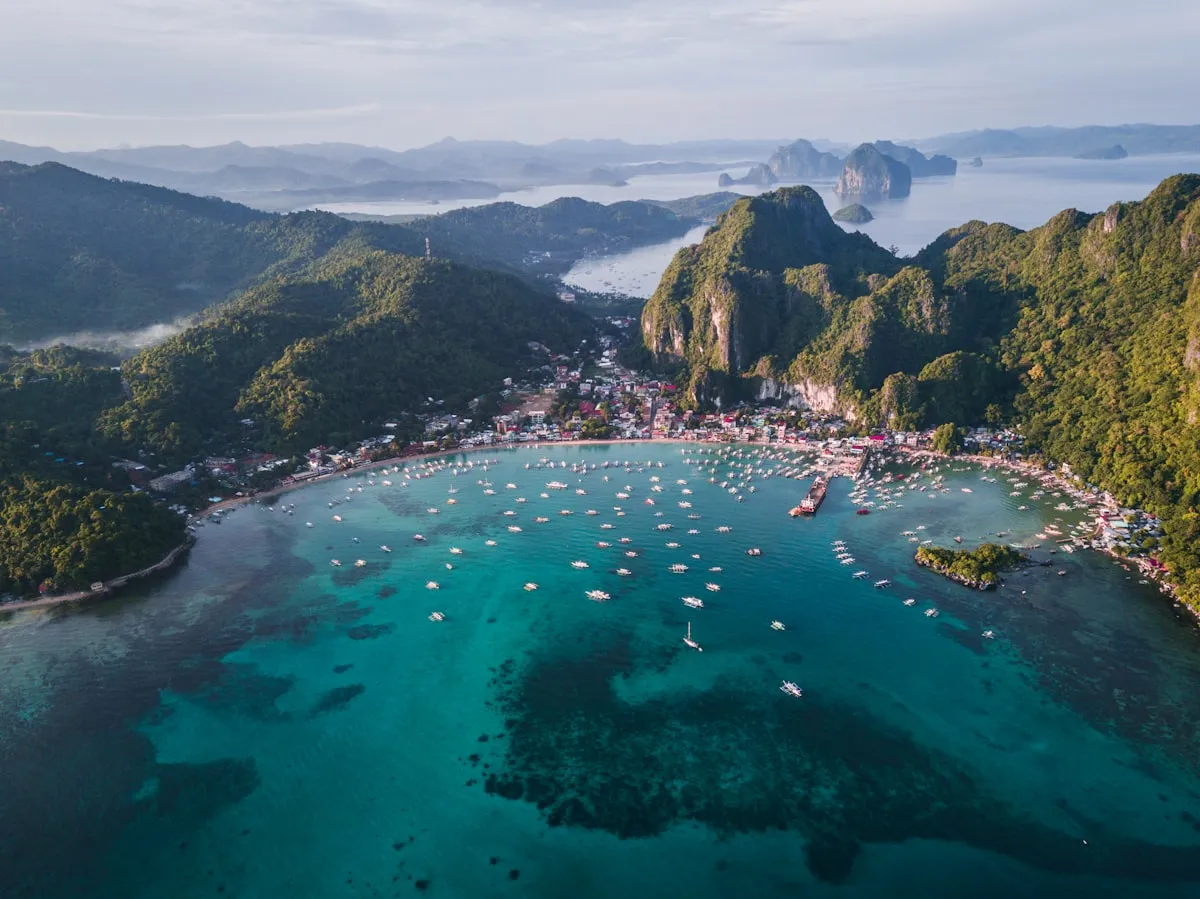
The jump-off point for Apo Island is Malatapay, a coastal barangay in the municipality of Zamboanguita, about 30 minutes south of Dumaguete by road. Boats depart from the Malatapay market pier.
Dumaguete to Malatapay
From Dumaguete, take a Ceres bus bound for Bayawan or Zamboanguita and get off at Malatapay junction. The bus fare is about PHP 50 one way. From the junction, take a tricycle to the pier for PHP 30 per person. If you prefer a direct ride, a tricycle from Dumaguete to Malatapay costs about PHP 400 one way, or a private van costs PHP 1,500 to PHP 2,000 round trip.
Malatapay to Apo Island
At the Malatapay pier, register at the tourism office and hire a boat. The crossing takes about 30 to 40 minutes depending on sea conditions. Boat rates for 2026 are as follows:
- Small boat (up to 4 passengers): PHP 2,000 round trip
- Large boat (up to 8 passengers): PHP 3,000 round trip
- Extra charge for diving equipment transport: PHP 200 per tank
If you book a dive package through a shop in Dumaguete, boat transport is usually included. Most dive shops in Dumaguete offer Apo Island as a day trip with two or three dives.
Apo Island Fees for 2026
- Protected area entrance fee: PHP 100 per person (Filipino), PHP 200 per person (foreign)
- Snorkeling fee: PHP 150 per person
- Diving fee: PHP 300 per person per day (includes sanctuary fee)
- Guide fee (mandatory for snorkelers): PHP 200 per group
- Dive guide fee (mandatory for divers): PHP 350 per dive group
- Camera fee: PHP 100 per camera
Fees are collected at the Apo Island ranger station upon arrival. The dive shops in Dumaguete usually handle fee collection as part of their package pricing.
The Diving and Snorkeling Experience
The Turtle Experience
Apo Island is one of the most reliable places in the Philippines to see sea turtles, specifically green sea turtles (Chelonia mydas) and hawksbill turtles (Eretmochelys imbricata). The turtles feed on the seagrass and algae that grow on the shallow reef flat, and they are remarkably tolerant of snorkelers. On a typical snorkeling session in the designated sanctuary area, you can expect to see 3 to 10 turtles grazing or resting on the reef.
The key rule is: look, do not touch. Touching turtles is illegal under the Philippine Wildlife Resources Conservation and Protection Act (Republic Act 9147) and can result in fines. Maintain a distance of at least 2 meters. Do not chase, grab, or block the path of a turtle. If you stay still and calm, the turtles will often swim close to you on their own.
Dive Sites
Apo Island has several named dive sites. The most popular are:
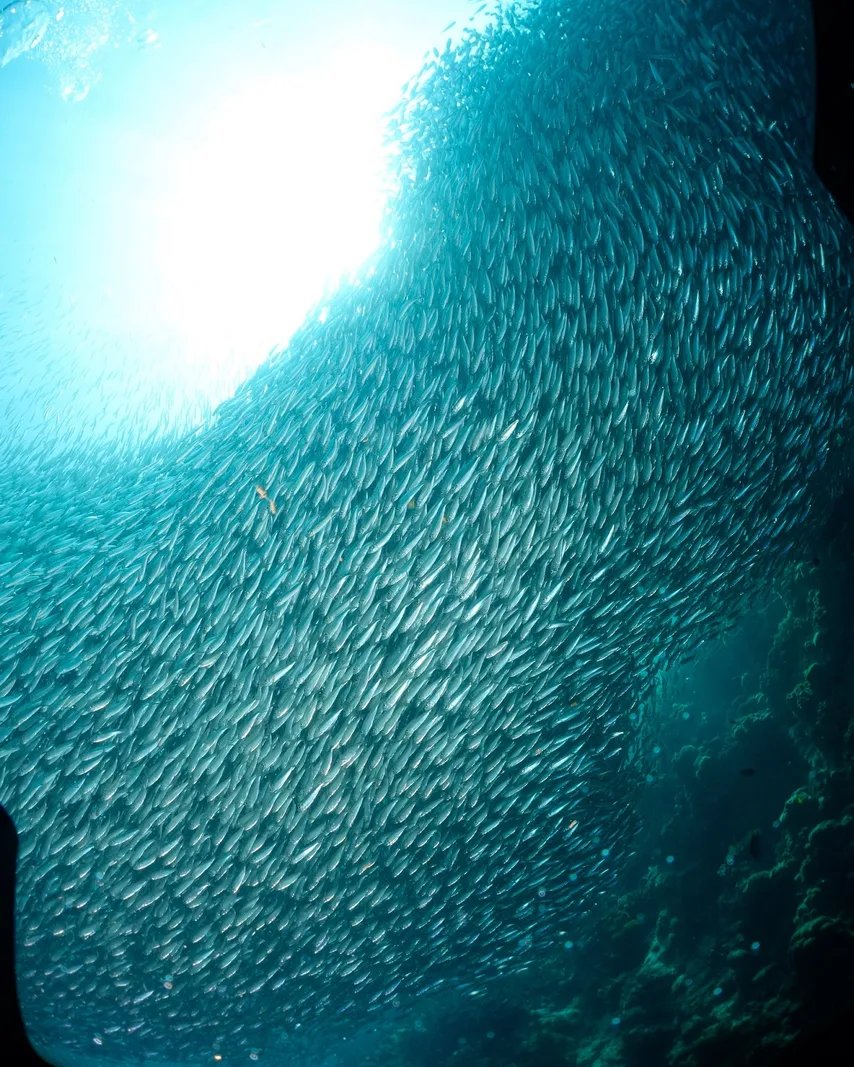
- Marine Sanctuary: A no-fishing zone on the southeast side of the island. Excellent hard coral cover, schools of jackfish, and turtles. Depth ranges from 5 to 25 meters. This site can have moderate to strong current.
- Rock Point: A sloping wall on the south side with soft corals, barrel sponges, and pelagic visitors including trevally and occasionally reef sharks. Depth ranges from 10 to 30 meters.
- Coconut Point: A drift dive on the north side with a coral slope and frequent turtle sightings. Good for intermediate divers due to current.
- Cogon Point: A shallower site suitable for beginners and snorkelers, with extensive hard coral gardens.
Visibility at Apo Island is typically 15 to 30 meters. Water temperature ranges from 26 to 30 degrees Celsius. A 3mm wetsuit is sufficient for most divers.
Snorkeling
Snorkelers are restricted to designated areas within the sanctuary zone. A guide is mandatory and will lead you to the best turtle spotting areas. The snorkeling is in shallow water (2 to 5 meters) over healthy coral, and the turtle sightings are nearly guaranteed. If you are not a diver, snorkeling at Apo Island is still very much worth the trip.
Best Time to Visit Apo Island
Diving and snorkeling at Apo Island are possible year-round, but conditions vary. The calmest months with the best visibility are from March to May, during the dry season. From June to September, the southwest monsoon can bring choppy seas and reduced visibility. December to February is generally good but can have occasional wind from the northeast.
The most important factor is the current. Some dive sites at Apo Island are drift dives and require at least an Open Water certification with some experience. If you are a beginner, tell your dive shop so they can select appropriate sites and timing.
Where to Stay
On Apo Island
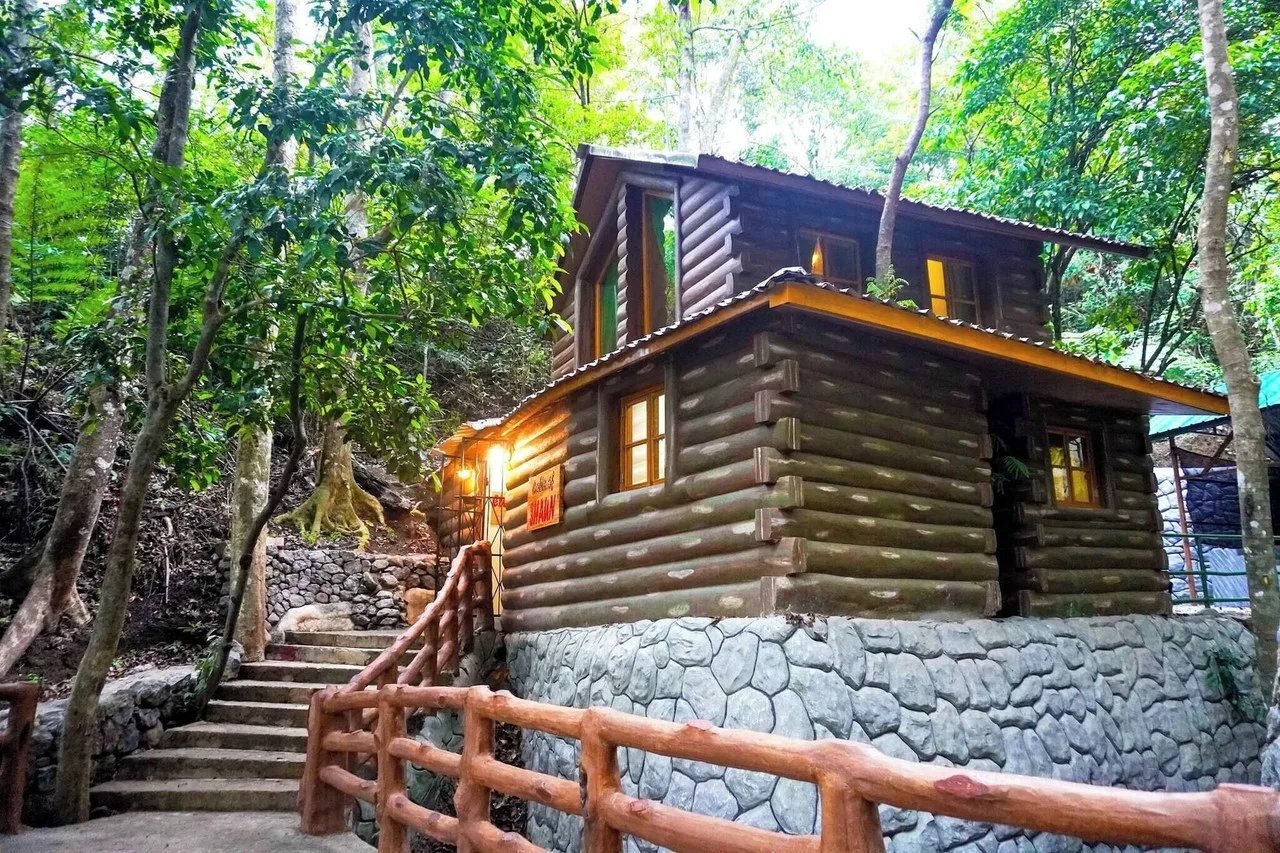
There are a few basic homestays and guesthouses on Apo Island itself, run by island families. Rooms are simple, often with shared bathrooms and no air conditioning. Rates range from PHP 500 to PHP 1,500 per night. Staying on the island lets you dive or snorkel early before the day-trippers arrive, and gives you a chance to experience the community that manages the sanctuary. There is no resort or hotel on the island.
In Dumaguete
Most visitors base themselves in Dumaguete, which has a wide range of accommodations from PHP 800 backpacker hostels to PHP 6,000 boutique hotels. Dumaguete also has the majority of the dive shops that organize Apo Island trips. The city is about 30 minutes from Malatapay by road.
In Dauin
The municipality of Dauin, between Dumaguete and Malatapay, has several beachfront dive resorts that are closer to Apo Island. Rates range from PHP 2,000 to PHP 8,000 per night. Dauin also has its own marine sanctuaries with muck diving, making it a good base for a multi-day dive trip.
How the Community Benefits
The entrance and diving fees at Apo Island go partly to the Protected Area Management Board and partly to the island community. The community uses the funds for ranger salaries, sanctuary maintenance, school improvements, and a small medical fund. When you pay the fees, you are directly supporting the community that has protected this reef for over 40 years.
The island has a population of about 700 people, most of whom are fisherfolk or are now employed in tourism. The transition from fishing to tourism-based livelihoods has not been seamless, but it has been largely successful. The community continues to enforce the sanctuary rules strictly, and visitor compliance is essential to maintaining the system.
Frequently Asked Questions
Can I see turtles at Apo Island without diving?
Yes. Snorkeling at Apo Island offers excellent turtle sightings in shallow water. A guide is mandatory for snorkelers and will take you to the best spots. You do not need to be a strong swimmer, but you should be comfortable in open water with a life vest.
Is Apo Island suitable for beginner divers?
Yes, but site selection matters. Some sites like Cogon Point are suitable for beginners, while others like Rock Point and Coconut Point have currents that require more experience. Tell your dive shop your certification level so they can plan appropriate dives.
How do I get from Dumaguete airport to Malatapay?
Dumaguete-Sibulan Airport is served by daily flights from Manila and Cebu. From the airport, take a tricycle to the Dumaguete bus terminal (about PHP 150), then a Ceres bus south to Malatapay junction (about PHP 50). Total travel time from airport to Malatapay is about 45 minutes.
What should I do if a turtle approaches me?
Stay still and let the turtle pass. Do not reach out to touch it. Turtles at Apo Island are used to humans and may come close, but touching them is illegal under Philippine law and can cause them stress. Maintain at least 2 meters of distance.
Can I visit Apo Island during the rainy season?
Yes, but boat trips may be canceled if the sea is rough. The southwest monsoon from June to September can bring choppy conditions. Check with your dive shop or boat operator the day before. Visibility may also be reduced during this period.
Are there restaurants on Apo Island?
There are a few small eateries on the island that serve basic meals, usually grilled fish and rice, for about PHP 150 to PHP 250 per plate. If you are doing a day trip from Dumaguete, your dive shop or tour operator usually includes lunch.
Plan With PANA
Apo Island is a must-dive for anyone visiting Negros Oriental. Let us help you build a full Dumaguete and Negros dive itinerary, from dive shops to accommodations to side trips.
Sources and References
Sources
Primary references for the figures and rules in this guide. Fees and schedules change — check the source before you travel.

PANA.PH Editorial Team
Philippines travel desk
The PANA.PH travel desk researches, books and re-checks Philippines travel logistics — fares, ferry schedules, government fees and permit rules — and publishes what it can verify.
🏡 Real local stays (book direct)
Hand-picked homestays and guesthouses — book direct, no markup.
Browse all local stays →
🌊 Popular activities (book instantly)
Island hopping, canyoneering, whale sharks — real Klook/GetYourGuide options.
View all activities →