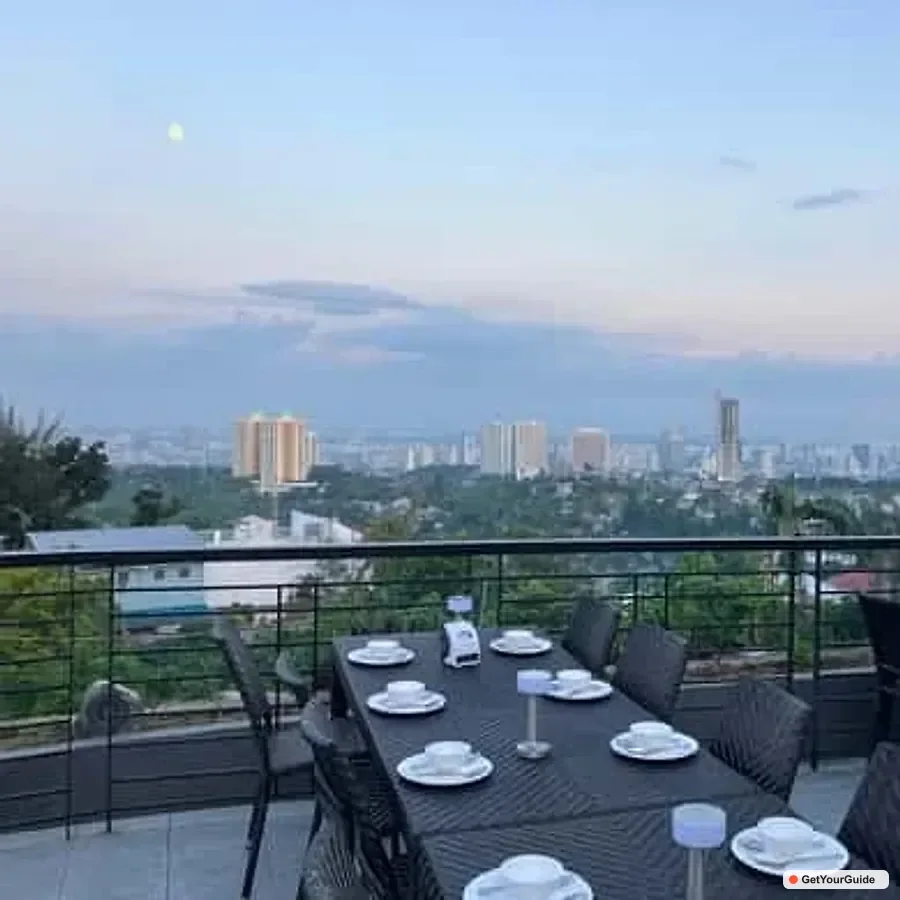
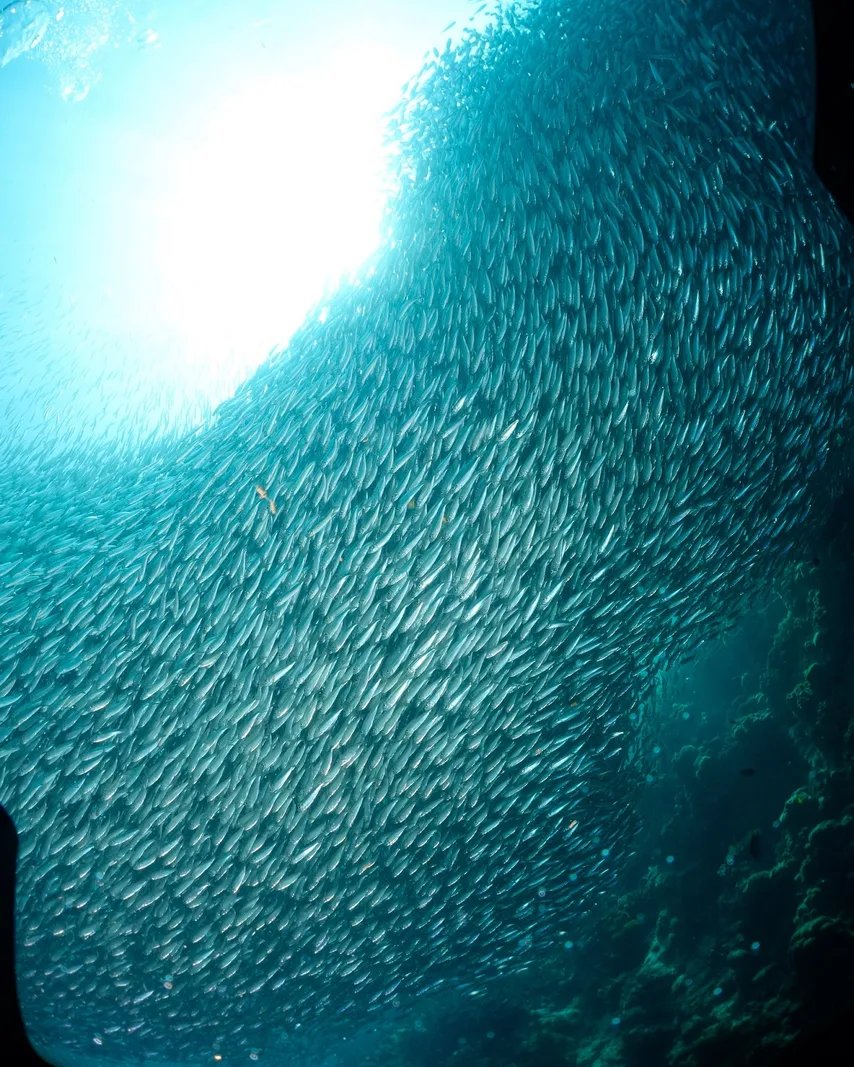
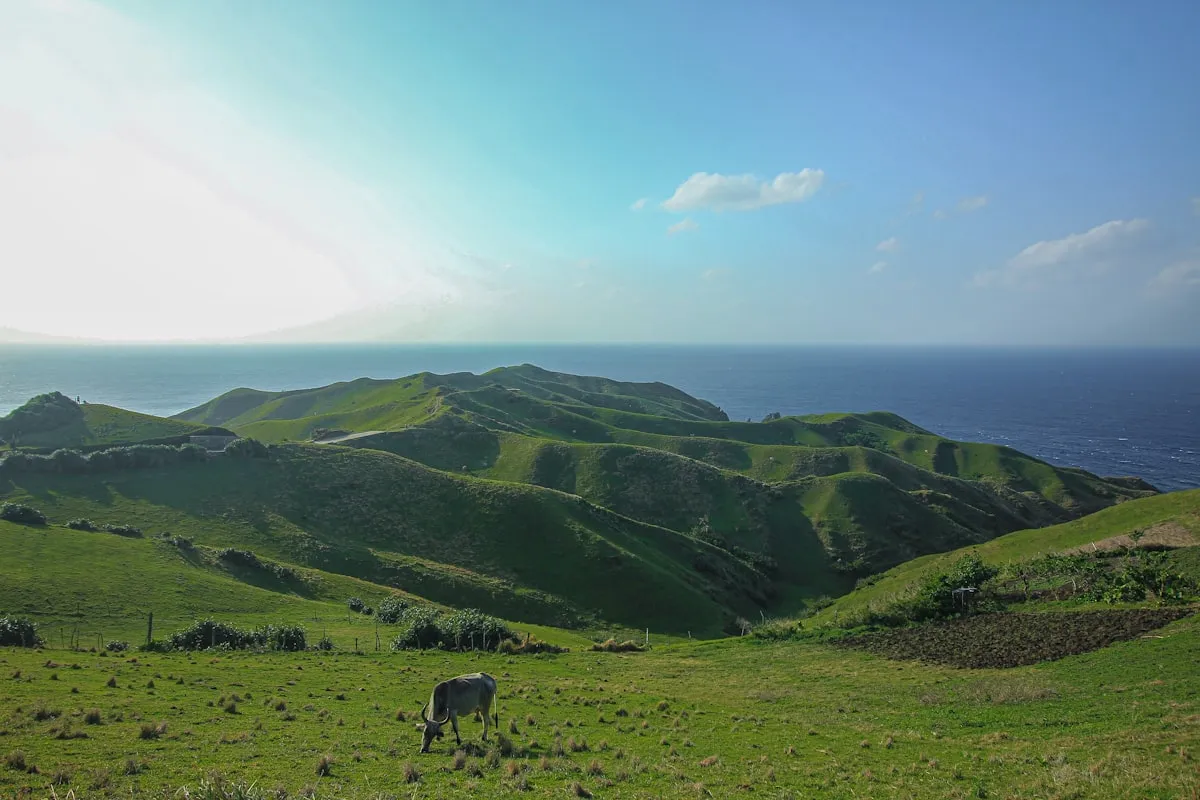
Oslob, a small town on the southern coast of Cebu, is one of the most famous places in the world to swim with whale sharks. Every morning, dozens of small boats take tourists into shallow water where whale sharks gather to be fed by local fishermen. The experience is marketed as a once-in-a-lifetime encounter with the largest fish in the ocean. And it is. But it is also one of the most controversial wildlife tourism activities in the Philippines, and before you book a ticket, you should understand what is actually happening in the water.
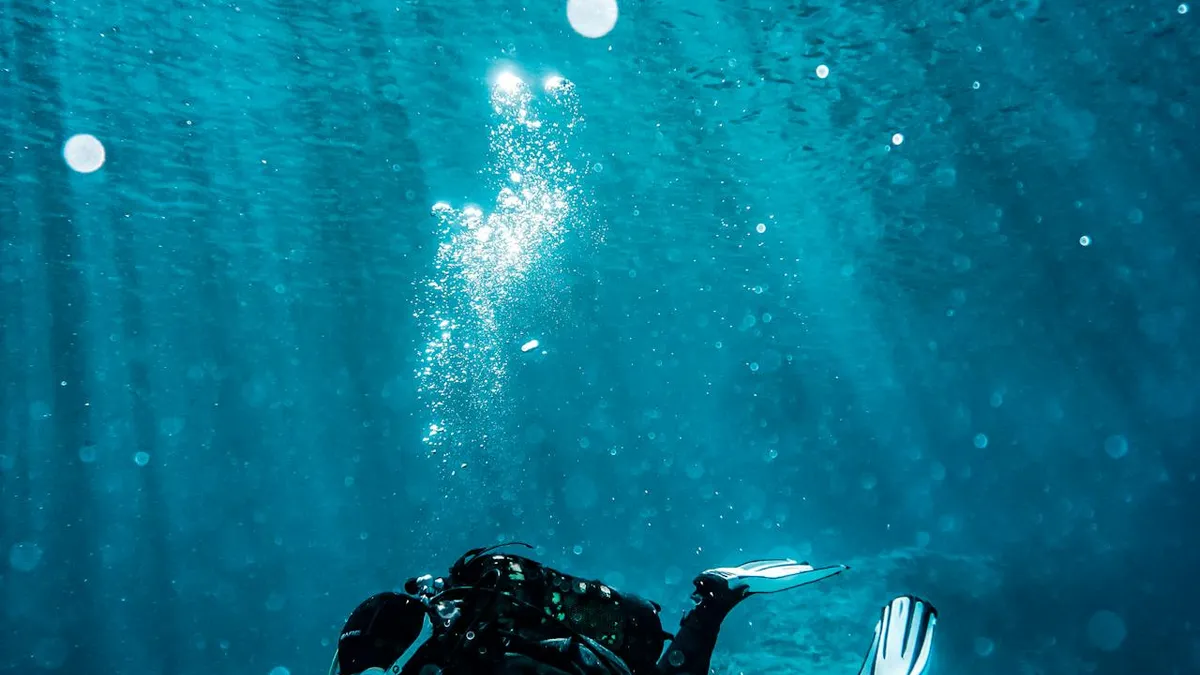
Oslob Whale Sharks: The Ethics, the Reality and What to Do Instead
Trip.com
Search on Trip.comHotels in Philippines
Compare live prices via Travelpayouts — targeted for this guide.
What Happens in Oslob
The whale shark interaction in Oslob began in 2011 when local fishermen started feeding whale sharks with uyap, a small species of shrimp, to keep them near their boats. The sharks learned to associate the boats with food and began returning daily. Word spread, and within a few years, Oslob became a major tourist destination. Today, the town receives hundreds of visitors per day during peak season, each paying for a 30-minute snorkeling session with the sharks.
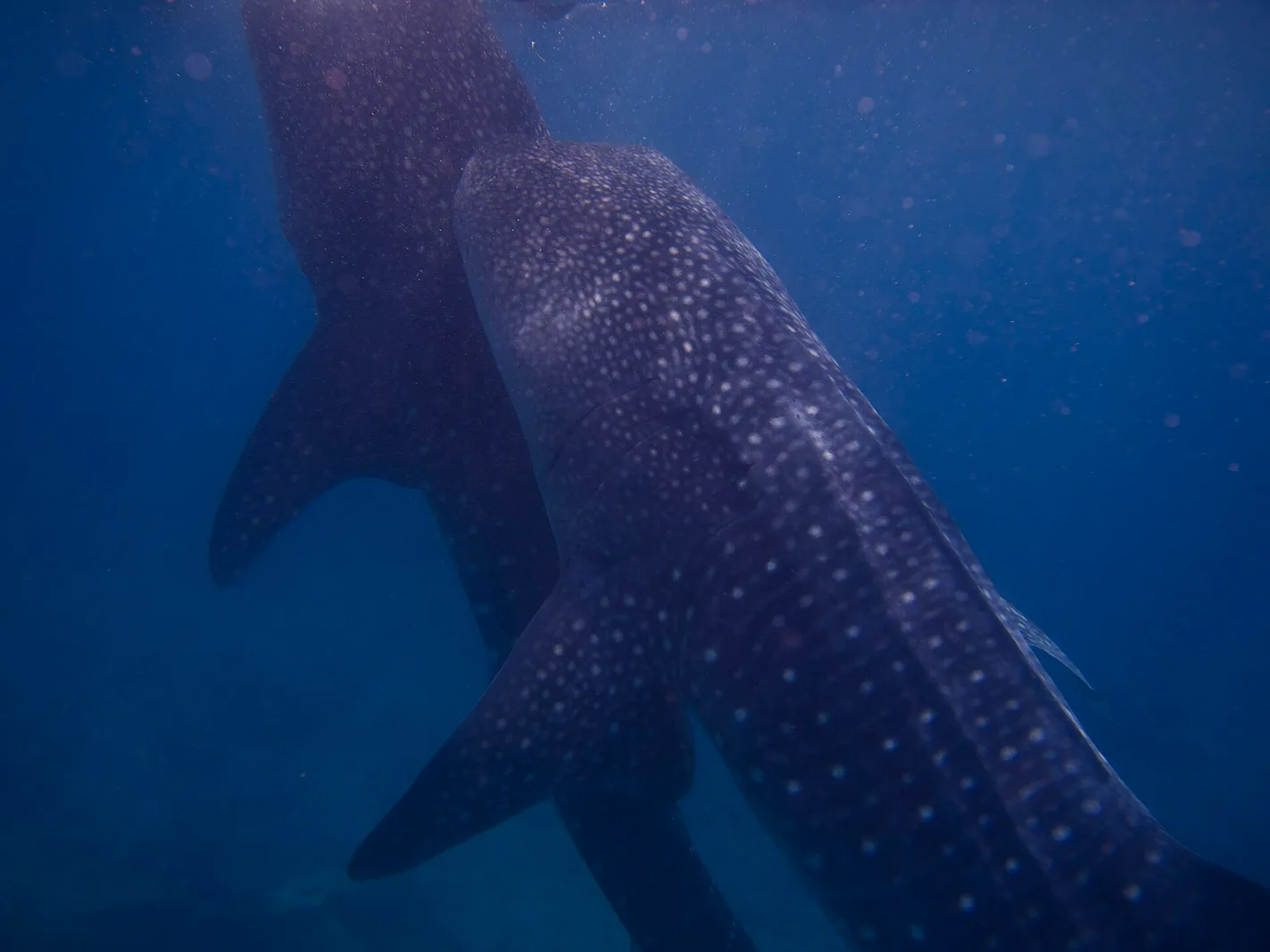
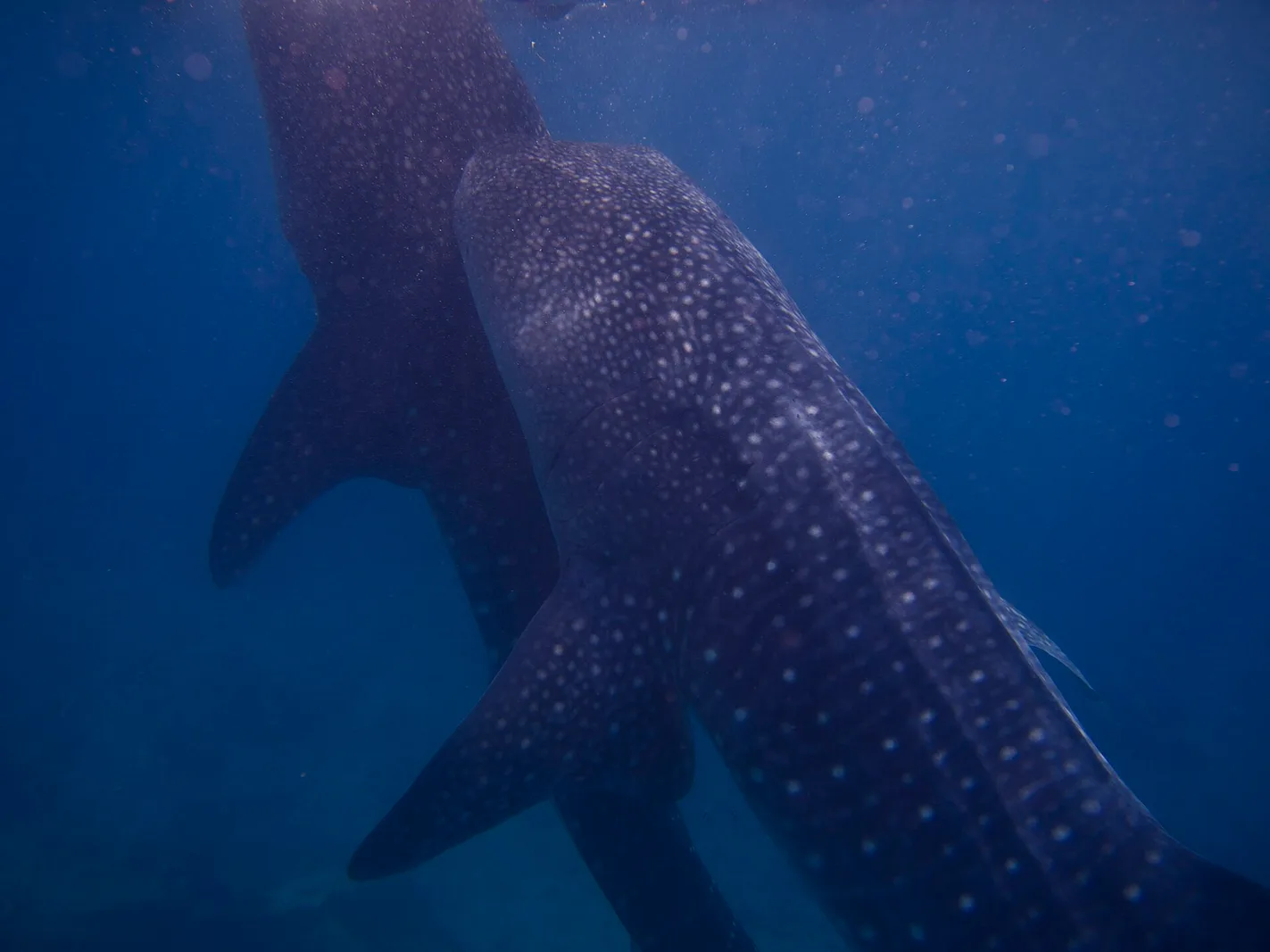
The process works like this. You register at the Oslob Whale Shark Watching briefing center, where you watch a short orientation video and sign a waiver. You are then assigned a boat and a guide. The boat takes you about 50 to 100 meters from shore. Fishermen in smaller boats feed the sharks by hand, tossing shrimp into the water. The sharks, which can grow to 10 meters or more, swim in tight circles around the feeding boats. You enter the water from your boat and snorkel alongside them.
The fee is PHP 500 for snorkeling and PHP 1,000 for diving, plus a PHP 50 environmental fee and PHP 30 for the boat. Photos and videos taken by the boat crew cost an additional PHP 300 to PHP 500. The entire water session lasts 30 minutes, though the actual time in the water with the sharks is often closer to 20 minutes.
Trip.com
See all tours in Philippines on Trip.comWhale shark watching in Philippines
Hand-picked experiences in Philippines — book on Trip.com with instant confirmation.
Why Marine Biologists Are Concerned
The Oslob whale shark interaction has been studied by marine biologists from the University of the Philippines, the Large Marine Vertebrates Research Institute Philippines (LAMAVE), and other organizations. Their findings raise several serious concerns.
First, the feeding alters the sharks' natural behavior. Whale sharks are migratory animals that normally travel thousands of kilometers across oceans. In Oslob, some sharks stay in the area for months or even years because they have become dependent on the handouts. This disrupts their migration patterns and may prevent them from finding natural food sources, which are more nutritious than the single shrimp species used in Oslob.
Second, the close contact causes physical harm. Studies have documented scars and injuries on Oslob whale sharks from boat propellers and from tourists touching or grabbing them. The orientation video tells visitors not to touch the sharks and to maintain a distance of 4 meters, but enforcement in the water is inconsistent. With dozens of boats and swimmers in a small area, contact is frequent.
Third, the feeding concentrates the sharks in a small, shallow area, which may make them more vulnerable to disease and to fishing outside the interaction zone. There is also concern that the sharks are not getting enough food from the feeding program and that the nutritional deficit affects their growth and reproduction.
The Bureau of Fisheries and Aquatic Resources (BFAR) and the Department of Tourism have issued guidelines for the Oslob interaction, including limits on the number of boats, mandatory briefings, and a no-touch policy. However, enforcement is challenging, and the economic incentives to maximize visitor numbers are strong. Oslob earns millions of pesos per year from the activity, and many residents depend on it for their livelihood.
The Economic Reality
It is important to acknowledge why Oslob does what it does. Before the whale shark tourism, Oslob was a poor fishing town with few economic opportunities. The whale shark interaction transformed the local economy. It created jobs as boatmen, guides, caterers, photographers, and resort staff. It built schools and roads. For many families, it was the difference between poverty and a decent living.
This is why the issue is not as simple as "shut it down." Any solution must account for the community's economic dependence on the activity. The challenge is finding a balance between protecting the sharks and supporting the people. Some researchers have suggested transitioning to a non-feeding model, where tourists observe the sharks without luring them, but this would require the sharks to come naturally, which they may not do reliably enough to sustain the tourism.
What to Do Instead: Ethical Whale Shark Experiences
If you want to see whale sharks in the Philippines in a way that minimizes harm to the animals, there are alternatives to Oslob. None is perfect, but some are significantly better from an ethical standpoint.
Donsol, Sorsogon. Donsol was the original whale shark destination in the Philippines, and it operates on a strictly no-feeding policy. The sharks come to Donsol Bay naturally between November and May to feed on plankton. Tourists go out on small boats with a spotter and enter the water only when a shark is seen. You swim alongside the shark for as long as it stays near the surface, which can be a few minutes or longer. The interaction is on the shark's terms. The fee is PHP 1,500 to PHP 2,000 per person for a boat that carries up to 6 people, plus a PHP 300 registration fee. The experience is less guaranteed than Oslob, but it is far more ethical.
Southern Leyte. The waters around Pintuyan and Liloan in Southern Leyte are another natural feeding ground for whale sharks, particularly from November to April. The tourism here is small-scale and community-managed. A snorkeling trip costs about PHP 1,000 to PHP 1,500 per person. The sharks are not fed, and the number of boats is limited. This is one of the least commercialized whale shark experiences in the country.
Tubbataha Reefs. If you are a diver, the Tubbataha Reefs Natural Marine Park in the Sulu Sea is a world-class destination where whale sharks are occasionally seen during the April to June diving season. This is a liveaboard trip and is not specifically a whale shark experience, but the park's strict no-contact regulations make any encounter entirely natural.
If You Do Go to Oslob: How to Minimize Harm
We understand that some travelers will go to Oslob anyway, whether because of convenience, time constraints, or the desire for a guaranteed sighting. If you do go, there are ways to reduce your impact.
Do not touch the sharks. This is the single most important rule. Touching a whale shark can damage its protective mucus layer and cause infections. Maintain at least 4 meters of distance from the body and 5 meters from the tail. The tail is powerful and can injure you if the shark swipes it.
Do not use flash photography. The flash can disorient the sharks and affect their feeding behavior. Use natural light or a waterproof camera without flash.
Do not block the shark's path. Let the shark swim past you. Do not swim in front of its mouth or chase it from behind. If the shark changes direction, let it go.
Do not wear sunscreen in the water. Chemical sunscreens can harm marine life. Wear a rash guard for sun protection instead.
Choose a reputable operator. Some operators are stricter about the rules than others. Ask whether they enforce the no-touch policy and the distance requirement. Report any violations to the Oslob Tourism Office.
The Bigger Picture: Whale Shark Conservation in the Philippines
Whale sharks are classified as Endangered on the IUCN Red List. The Philippines is one of the most important range countries for the species, with aggregations in Donsol, Southern Leyte, Oslob, and Tubbataha. The Philippine government has protected whale sharks under the Fisheries Administrative Order No. 193, which bans the catching, selling, and possession of whale sharks and their byproducts. The country is also a signatory to the Convention on Migratory Species, which commits to international cooperation on whale shark conservation.
Real conservation requires more than tourism guidelines. It requires protecting the sharks' migratory routes, reducing ship strikes, and eliminating destructive fishing practices. Tourism can be a tool for conservation when it is done right, but it can also be a threat when it prioritizes profit over animal welfare. As a traveler, your choices matter. Where you spend your money sends a signal about what kind of tourism you want to support.
Frequently Asked Questions
Is it ethical to swim with whale sharks in Oslob?
Most marine biologists and conservation organizations do not consider the Oslob interaction ethical because it involves feeding the sharks, which alters their natural behavior and migration patterns. If ethical wildlife interaction is important to you, Donsol or Southern Leyte are better alternatives.
How much does it cost to swim with whale sharks in Oslob?
Snorkeling costs PHP 500, diving costs PHP 1,000, plus a PHP 50 environmental fee and PHP 30 for the boat. Photos and videos cost an additional PHP 300 to PHP 500. The session lasts 30 minutes.
Where can I see whale sharks without feeding?
Donsol in Sorsogon is the best-known no-feeding whale shark destination in the Philippines. Southern Leyte also offers natural, non-feeding encounters. Both are best visited between November and May.
What is the best time to see whale sharks in Donsol?
The peak season in Donsol is from February to April, when the plankton bloom attracts the largest number of whale sharks. Sightings are not guaranteed, but the probability is high during these months.
Are whale sharks dangerous to humans?
No. Whale sharks are filter feeders that eat plankton and small fish. They are gentle and not aggressive toward humans. However, they are large and powerful animals, and their tails can cause injury if you get too close. Always maintain a safe distance.
Plan Your Ethical Wildlife Trip With PANA
Want to see whale sharks the right way? PANA.PH can help you choose. Explore our destinations for ethical wildlife experiences, book a tour with responsible operators, find a hotel in Donsol or Southern Leyte, and read more from our blog for marine conservation guides.
Sources and References
Sources
Primary references for the figures and rules in this guide. Fees and schedules change — check the source before you travel.

PANA.PH Visayas Desk
Visayas travel logistics — Cebu, Bohol, Boracay and Siargao
The Visayas Desk of the PANA.PH travel desk: it maintains and re-checks the visayas travel logistics — cebu, bohol, boracay and siargao data behind the site's guides — operator price lists, official fee schedules and posted timetables — and publishes what it can verify.
🏡 Real local stays (book direct)
Hand-picked homestays and guesthouses — book direct, no markup.
Browse all local stays →
🌊 Popular activities (book instantly)
Island hopping, canyoneering, whale sharks — real Klook/GetYourGuide options.
View all activities →