The battle and its meaning today
The Battle of Mactan was more than a single clash. It showed that the islands were not an empty prize. Local leaders had their own alliances, ambitions, and sense of territory. The Spanish would eventually return and establish colonial rule, but the memory of Mactan remained a symbol that resistance had begun on the very first day. Schoolchildren across the Philippines learn about Lapu-Lapu, and his image appears on stamps, currency, and the seal of the city that now bears his name.
Today the Lapu-Lapu Shrine stands in Punta Engano, Mactan, Lapu-Lapu City. The giant statue shows the datu in full battle posture, holding a kampilan sword in one hand and a shield in the other. The monument is meant to inspire pride, and it does. Visitors often pause at the foot of the statue to look up at the figure and consider what that morning in 1521 must have felt like for the defenders of the island.
What to see at the shrine
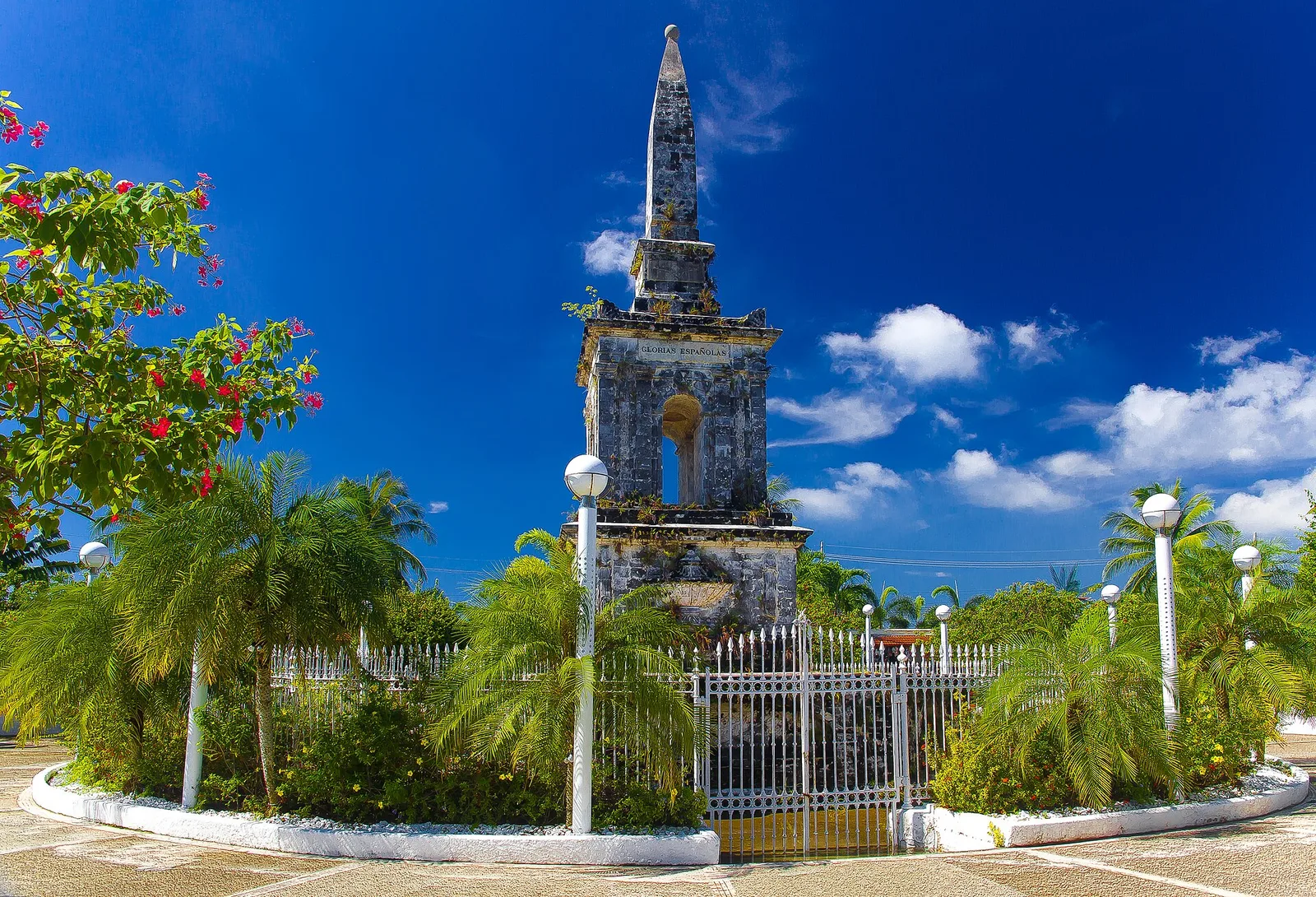
The Lapu-Lapu Shrine is an open-air park, which makes it easy to explore at a relaxed pace. Many visitors start at the statue, then move to the Magellan Marker, a smaller monument that commemorates the Portuguese explorer's death. The marker was originally erected in 1866 and has been restored several times. It stands as a reminder that history on Mactan has more than one side.
Inside the small interpretation area, old photographs and panels explain the events of April 1521 and the excavation work that has taken place around the shrine. There are also stalls selling water, hats, and small souvenirs. Local guides often gather near the entrance, offering short tours that add context to the statues and markers. A guided group tour typically costs PHP 300 to PHP 600 depending on the size of the party.
How to get there and what it costs
The shrine is on the northern tip of Mactan Island, about 30 minutes from Mactan-Cebu International Airport and 45 minutes from downtown Cebu City when traffic is light. Metered taxis cost PHP 300 to PHP 500 from Cebu City. Ride-hailing apps usually operate in the area, though pickup can be slow during peak hours. Motorcycle taxis are a cheaper option for travelers with light bags, with fares around PHP 100 to PHP 200.
Entrance to the Lapu-Lapu Shrine is free. There is no official ticket, though donations for upkeep are welcome. If you hire a guide, expect to pay around PHP 300. Bring sun protection and water, because the park has limited shade. The best time to visit is early morning, before the heat peaks and before large tour buses arrive. Most visitors spend 45 minutes to one hour at the shrine, then continue to other Mactan attractions.
Pairing the shrine with Mactan's other attractions
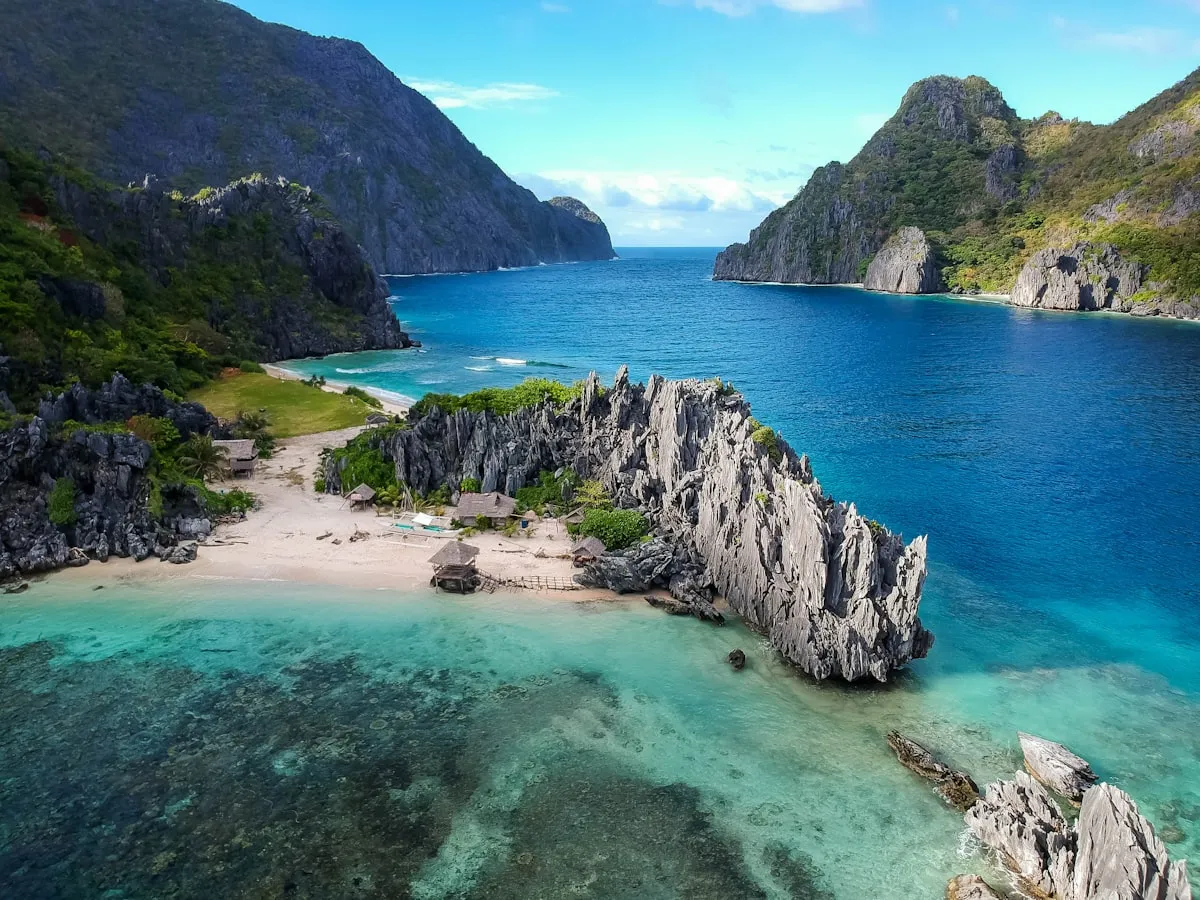
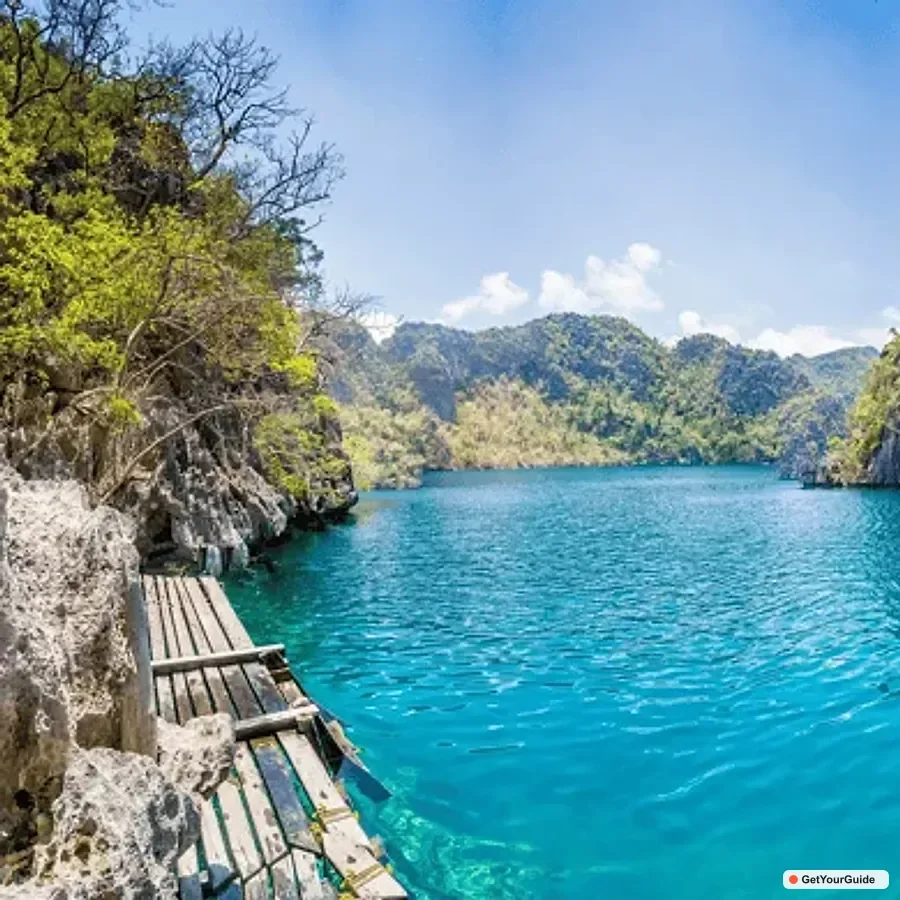
Mactan is not only a historical site. It is also a hub for snorkeling, diving, and island-hopping. After the shrine, many travelers head to nearby beaches or marinas for a half-day boat tour. The Hilutungan Island Marine Sanctuary, Nalusuan Island, and Caohagan Island are popular stops. Snorkeling equipment can be rented for PHP 200 to PHP 400, and half-day island-hopping packages start at PHP 1,500 per person in a joiners group. Private boat rental for a small group runs PHP 4,500 to PHP 8,000 for a half-day trip.
Local restaurants near the shrine and along Maribago Beach serve Cebuano specialties. A meal of grilled seafood, rice, and vegetables costs PHP 300 to PHP 600. For travelers with more time, the Mactan Newton Beach or the Mactan Shrine area provides a relaxed place to sit and watch the bancas pass by.
Where to stay and eat near the shrine
Most visitors stay in Lapu-Lapu City or along the beaches of Mactan. Budget guesthouses near the public market start at PHP 1,000 per night. Mid-range beachfront hotels in Maribago and Punta Engano range from PHP 2,500 to PHP 4,000 per night. Upscale resorts along the Mactan coast, including international chains, charge PHP 5,000 to PHP 9,000 per night for standard rooms. Family rooms and suites cost more, especially during the dry season from December to May.
Eating near the shrine is easy if you know where to look. Small carinderias along the main road serve rice, grilled pork, and Cebu-style sutukil at PHP 100 to PHP 200 per meal. Beachfront restaurants offer fresh catch of the day and Filipino breakfast for PHP 300 to PHP 600. The local sutukil, a style of choosing seafood to be grilled, stewed, or prepared raw with vinegar, is a must-try for visitors who want a real Cebuano meal. If you prefer air-conditioned comfort, malls such as Gaisano Mactan and Island Central Mall have fast food and casual dining from PHP 150 to PHP 400.
Best time to visit the shrine
Mactan can be visited year-round, but the most comfortable months are January through May. The dry season brings blue skies, calm seas, and ideal conditions for both the shrine and island-hopping. Temperatures can still reach 32 degrees Celsius, so morning visits are best. April is especially busy because of the annual Kadaugan sa Mactan reenactment, which draws large crowds and can make parking difficult. Travelers who want a quieter experience should visit on a weekday outside of the festival period.
June to November is the rainy season. Showers are usually brief but can be heavy in September and October. If you visit during these months, bring a compact umbrella and waterproof bag. The shrine is mostly paved, so a light rain will not prevent a visit, but a downpour can make the open plaza uncomfortable. Boat trips may be cancelled during storm warnings, so always check the local weather before booking a package.
E-E-A-T: why this guide is reliable
This article was written by the Pana Visayas Desk, a team that regularly visits Cebu and Mactan to check routes, prices, and opening conditions. It was reviewed by Pana Editorial for accuracy, currency, and clarity. We do not accept undisclosed sponsorships from hotels or tour operators, and the prices listed come from recent local checks. The historical details are drawn from accepted Philippine accounts and verified government sources.
Plan your Mactan day with Pana
The Visayas region offers a mix of history, beaches, and easy island access. Browse our Philippine destinations to find nearby islands worth adding to your Cebu trip. If you want a boat tour, see our tours for vetted island-hopping and cultural experiences. For a place to rest after the heat, check our hotels in Mactan and Cebu City. And for more stories like this one, return to our travel blog.
Frequently Asked Questions
Is the Lapu-Lapu Shrine free?
Yes. There is no entrance fee to visit the shrine. Guide fees and souvenirs cost extra.
How long should I spend at the Lapu-Lapu Shrine?
Most visitors spend 45 minutes to one hour, including time for photos and a short walk.
Can I combine the shrine with island-hopping?
Yes. The shrine is near marinas and resorts. Many travelers visit in the morning and take a boat tour in the afternoon.
What should I wear?
Wear light, breathable clothing, a hat, and comfortable walking shoes. The park is open and can get very hot.
Is the Lapu-Lapu Shrine good for children?
Yes. The open spaces are safe, and the giant statue is popular with young visitors. Bring water and snacks.
Are there food stalls inside the shrine?
There are small vendors near the entrance, but options are limited. A better meal can be found at nearby beach restaurants.
The Lapu-Lapu Shrine turns a short stop into a meaningful lesson in Philippine history. Add it to your Cebu itinerary, pair it with a Mactan island-hopping tour, and you will leave with both photos and a deeper understanding of the first Filipino hero. For more guides to Cebu, the Visayas, and the rest of the Philippines, keep reading the Pana blog.
Why the Lapu-Lapu Shrine still matters
Standing on the edge of Mactan Island, the Lapu-Lapu Shrine keeps watch over the same reef where one of the most famous battles in Philippine history took place. It is a place where past and present meet, where Cebu's resort culture sits just meters from the spot where Ferdinand Magellan fell in 1521. For travelers who want more than beaches, the shrine offers a powerful introduction to Filipino identity, courage, and the long story of resistance that followed.
The Lapu-Lapu Shrine is also called the Mactan Shrine. It is a public park built around a 20-meter bronze statue of Datu Lapu-Lapu, widely recognized as the first Filipino hero. The site also includes a memorial to Magellan, a small museum, open plazas, and a clear view of the sea where the Battle of Mactan happened. It is one of the most visited historical landmarks in Cebu and a common stop before island-hopping trips around Mactan.
Who was Lapu-Lapu?
Lapu-Lapu was a datu, or chieftain, of Mactan in the early 1500s. He ruled the island with a reputation for independence and strength. When Spanish explorers arrived in 1521 under Ferdinand Magellan, they found an archipelago of competing chiefdoms. Some local leaders accepted alliance with the Spanish. Lapu-Lapu refused. He would not submit to foreign rule, pay tribute, or exchange his sovereignty for promises of protection. That defiance set the stage for the first armed resistance against Spanish colonization in what would later become the Philippines.
Antonio Pigafetta, the chronicler of Magellan's expedition, recorded that the people of Mactan were skilled in warfare and that Lapu-Lapu commanded around 1,500 warriors. On April 27, 1521, Magellan led a small force of Spanish and Visayan allies to Mactan to punish Lapu-Lapu for refusing to swear loyalty to the Spanish Crown. The terrain, the coral shallows, and the defenders' knowledge of the reef gave the Mactan warriors a decisive advantage. Magellan was killed, the Spanish retreated, and Lapu-Lapu's victory became a permanent part of the national story.
The battle and its meaning today
The Battle of Mactan was more than a single clash. It showed that the islands were not an empty prize. Local leaders had their own alliances, ambitions, and sense of territory. The Spanish would eventually return and establish colonial rule, but the memory of Mactan remained a symbol that resistance had begun on the very first day. Schoolchildren across the Philippines learn about Lapu-Lapu, and his image appears on stamps, currency, and the seal of the city that now bears his name.
Today the Lapu-Lapu Shrine stands in Punta Engano, Mactan, Lapu-Lapu City. The giant statue shows the datu in full battle posture, holding a kampilan sword in one hand and a shield in the other. The monument is meant to inspire pride, and it does. Visitors often pause at the foot of the statue to look up at the figure and consider what that morning in 1521 must have felt like for the defenders of the island.
What to see at the shrine
The Lapu-Lapu Shrine is an open-air park, which makes it easy to explore at a relaxed pace. Many visitors start at the statue, then move to the Magellan Marker, a smaller monument that commemorates the Portuguese explorer's death. The marker was originally erected in 1866 and has been restored several times. It stands as a reminder that history on Mactan has more than one side.
Inside the small interpretation area, old photographs and panels explain the events of April 1521 and the excavation work that has taken place around the shrine. There are also stalls selling water, hats, and small souvenirs. Local guides often gather near the entrance, offering short tours that add context to the statues and markers. A guided group tour typically costs PHP 300 to PHP 600 depending on the size of the party.
How to get there and what it costs
The shrine is on the northern tip of Mactan Island, about 30 minutes from Mactan-Cebu International Airport and 45 minutes from downtown Cebu City when traffic is light. Metered taxis cost PHP 300 to PHP 500 from Cebu City. Ride-hailing apps usually operate in the area, though pickup can be slow during peak hours. Motorcycle taxis are a cheaper option for travelers with light bags, with fares around PHP 100 to PHP 200.
Entrance to the Lapu-Lapu Shrine is free. There is no official ticket, though donations for upkeep are welcome. If you hire a guide, expect to pay around PHP 300. Bring sun protection and water, because the park has limited shade. The best time to visit is early morning, before the heat peaks and before large tour buses arrive. Most visitors spend 45 minutes to one hour at the shrine, then continue to other Mactan attractions.
Pairing the shrine with Mactan's other attractions
Mactan is not only a historical site. It is also a hub for snorkeling, diving, and island-hopping. After the shrine, many travelers head to nearby beaches or marinas for a half-day boat tour. The Hilutungan Island Marine Sanctuary, Nalusuan Island, and Caohagan Island are popular stops. Snorkeling equipment can be rented for PHP 200 to PHP 400, and half-day island-hopping packages start at PHP 1,500 per person in a joiners group. Private boat rental for a small group runs PHP 4,500 to PHP 8,000 for a half-day trip.
Local restaurants near the shrine and along Maribago Beach serve Cebuano specialties. A meal of grilled seafood, rice, and vegetables costs PHP 300 to PHP 600. For travelers with more time, the Mactan Newton Beach or the Mactan Shrine area provides a relaxed place to sit and watch the bancas pass by.
Where to stay and eat near the shrine
Most visitors stay in Lapu-Lapu City or along the beaches of Mactan. Budget guesthouses near the public market start at PHP 1,000 per night. Mid-range beachfront hotels in Maribago and Punta Engano range from PHP 2,500 to PHP 4,000 per night. Upscale resorts along the Mactan coast, including international chains, charge PHP 5,000 to PHP 9,000 per night for standard rooms. Family rooms and suites cost more, especially during the dry season from December to May.
Eating near the shrine is easy if you know where to look. Small carinderias along the main road serve rice, grilled pork, and Cebu-style sutukil at PHP 100 to PHP 200 per meal. Beachfront restaurants offer fresh catch of the day and Filipino breakfast for PHP 300 to PHP 600. The local sutukil, a style of choosing seafood to be grilled, stewed, or prepared raw with vinegar, is a must-try for visitors who want a real Cebuano meal. If you prefer air-conditioned comfort, malls such as Gaisano Mactan and Island Central Mall have fast food and casual dining from PHP 150 to PHP 400.
Best time to visit the shrine
Mactan can be visited year-round, but the most comfortable months are January through May. The dry season brings blue skies, calm seas, and ideal conditions for both the shrine and island-hopping. Temperatures can still reach 32 degrees Celsius, so morning visits are best. April is especially busy because of the annual Kadaugan sa Mactan reenactment, which draws large crowds and can make parking difficult. Travelers who want a quieter experience should visit on a weekday outside of the festival period.
June to November is the rainy season. Showers are usually brief but can be heavy in September and October. If you visit during these months, bring a compact umbrella and waterproof bag. The shrine is mostly paved, so a light rain will not prevent a visit, but a downpour can make the open plaza uncomfortable. Boat trips may be cancelled during storm warnings, so always check the local weather before booking a package.
E-E-A-T: why this guide is reliable
This article was written by the Pana Visayas Desk, a team that regularly visits Cebu and Mactan to check routes, prices, and opening conditions. It was reviewed by Pana Editorial for accuracy, currency, and clarity. We do not accept undisclosed sponsorships from hotels or tour operators, and the prices listed come from recent local checks. The historical details are drawn from accepted Philippine accounts and verified government sources.
Plan your Mactan day with Pana
The Visayas region offers a mix of history, beaches, and easy island access. Browse our Philippine destinations to find nearby islands worth adding to your Cebu trip. If you want a boat tour, see our tours for vetted island-hopping and cultural experiences. For a place to rest after the heat, check our hotels in Mactan and Cebu City. And for more stories like this one, return to our travel blog.
Frequently Asked Questions
Is the Lapu-Lapu Shrine free?
Yes. There is no entrance fee to visit the shrine. Guide fees and souvenirs cost extra.
How long should I spend at the Lapu-Lapu Shrine?
Most visitors spend 45 minutes to one hour, including time for photos and a short walk.
Can I combine the shrine with island-hopping?
Yes. The shrine is near marinas and resorts. Many travelers visit in the morning and take a boat tour in the afternoon.
What should I wear?
Wear light, breathable clothing, a hat, and comfortable walking shoes. The park is open and can get very hot.
Is the Lapu-Lapu Shrine good for children?
Yes. The open spaces are safe, and the giant statue is popular with young visitors. Bring water and snacks.
Are there food stalls inside the shrine?
There are small vendors near the entrance, but options are limited. A better meal can be found at nearby beach restaurants.
The Lapu-Lapu Shrine turns a short stop into a meaningful lesson in Philippine history. Add it to your Cebu itinerary, pair it with a Mactan island-hopping tour, and you will leave with both photos and a deeper understanding of the first Filipino hero. For more guides to Cebu, the Visayas, and the rest of the Philippines, keep reading the Pana blog.
Why the Lapu-Lapu Shrine still matters
Standing on the edge of Mactan Island, the Lapu-Lapu Shrine keeps watch over the same reef where one of the most famous battles in Philippine history took place. It is a place where past and present meet, where Cebu's resort culture sits just meters from the spot where Ferdinand Magellan fell in 1521. For travelers who want more than beaches, the shrine offers a powerful introduction to Filipino identity, courage, and the long story of resistance that followed.
The Lapu-Lapu Shrine is also called the Mactan Shrine. It is a public park built around a 20-meter bronze statue of Datu Lapu-Lapu, widely recognized as the first Filipino hero. The site also includes a memorial to Magellan, a small museum, open plazas, and a clear view of the sea where the Battle of Mactan happened. It is one of the most visited historical landmarks in Cebu and a common stop before island-hopping trips around Mactan.
Who was Lapu-Lapu?
Lapu-Lapu was a datu, or chieftain, of Mactan in the early 1500s. He ruled the island with a reputation for independence and strength. When Spanish explorers arrived in 1521 under Ferdinand Magellan, they found an archipelago of competing chiefdoms. Some local leaders accepted alliance with the Spanish. Lapu-Lapu refused. He would not submit to foreign rule, pay tribute, or exchange his sovereignty for promises of protection. That defiance set the stage for the first armed resistance against Spanish colonization in what would later become the Philippines.
Antonio Pigafetta, the chronicler of Magellan's expedition, recorded that the people of Mactan were skilled in warfare and that Lapu-Lapu commanded around 1,500 warriors. On April 27, 1521, Magellan led a small force of Spanish and Visayan allies to Mactan to punish Lapu-Lapu for refusing to swear loyalty to the Spanish Crown. The terrain, the coral shallows, and the defenders' knowledge of the reef gave the Mactan warriors a decisive advantage. Magellan was killed, the Spanish retreated, and Lapu-Lapu's victory became a permanent part of the national story.
The battle and its meaning today
The Battle of Mactan was more than a single clash. It showed that the islands were not an empty prize. Local leaders had their own alliances, ambitions, and sense of territory. The Spanish would eventually return and establish colonial rule, but the memory of Mactan remained a symbol that resistance had begun on the very first day. Schoolchildren across the Philippines learn about Lapu-Lapu, and his image appears on stamps, currency, and the seal of the city that now bears his name.
Today the Lapu-Lapu Shrine stands in Punta Engano, Mactan, Lapu-Lapu City. The giant statue shows the datu in full battle posture, holding a kampilan sword in one hand and a shield in the other. The monument is meant to inspire pride, and it does. Visitors often pause at the foot of the statue to look up at the figure and consider what that morning in 1521 must have felt like for the defenders of the island.
What to see at the shrine
The Lapu-Lapu Shrine is an open-air park, which makes it easy to explore at a relaxed pace. Many visitors start at the statue, then move to the Magellan Marker, a smaller monument that commemorates the Portuguese explorer's death. The marker was originally erected in 1866 and has been restored several times. It stands as a reminder that history on Mactan has more than one side.
Inside the small interpretation area, old photographs and panels explain the events of April 1521 and the excavation work that has taken place around the shrine. There are also stalls selling water, hats, and small souvenirs. Local guides often gather near the entrance, offering short tours that add context to the statues and markers. A guided group tour typically costs PHP 300 to PHP 600 depending on the size of the party.
How to get there and what it costs
The shrine is on the northern tip of Mactan Island, about 30 minutes from Mactan-Cebu International Airport and 45 minutes from downtown Cebu City when traffic is light. Metered taxis cost PHP 300 to PHP 500 from Cebu City. Ride-hailing apps usually operate in the area, though pickup can be slow during peak hours. Motorcycle taxis are a cheaper option for travelers with light bags, with fares around PHP 100 to PHP 200.
Entrance to the Lapu-Lapu Shrine is free. There is no official ticket, though donations for upkeep are welcome. If you hire a guide, expect to pay around PHP 300. Bring sun protection and water, because the park has limited shade. The best time to visit is early morning, before the heat peaks and before large tour buses arrive. Most visitors spend 45 minutes to one hour at the shrine, then continue to other Mactan attractions.
Pairing the shrine with Mactan's other attractions
Mactan is not only a historical site. It is also a hub for snorkeling, diving, and island-hopping. After the shrine, many travelers head to nearby beaches or marinas for a half-day boat tour. The Hilutungan Island Marine Sanctuary, Nalusuan Island, and Caohagan Island are popular stops. Snorkeling equipment can be rented for PHP 200 to PHP 400, and half-day island-hopping packages start at PHP 1,500 per person in a joiners group. Private boat rental for a small group runs PHP 4,500 to PHP 8,000 for a half-day trip.
Local restaurants near the shrine and along Maribago Beach serve Cebuano specialties. A meal of grilled seafood, rice, and vegetables costs PHP 300 to PHP 600. For travelers with more time, the Mactan Newton Beach or the Mactan Shrine area provides a relaxed place to sit and watch the bancas pass by.
Where to stay and eat near the shrine
Most visitors stay in Lapu-Lapu City or along the beaches of Mactan. Budget guesthouses near the public market start at PHP 1,000 per night. Mid-range beachfront hotels in Maribago and Punta Engano range from PHP 2,500 to PHP 4,000 per night. Upscale resorts along the Mactan coast, including international chains, charge PHP 5,000 to PHP 9,000 per night for standard rooms. Family rooms and suites cost more, especially during the dry season from December to May.
Eating near the shrine is easy if you know where to look. Small carinderias along the main road serve rice, grilled pork, and Cebu-style sutukil at PHP 100 to PHP 200 per meal. Beachfront restaurants offer fresh catch of the day and Filipino breakfast for PHP 300 to PHP 600. The local sutukil, a style of choosing seafood to be grilled, stewed, or prepared raw with vinegar, is a must-try for visitors who want a real Cebuano meal. If you prefer air-conditioned comfort, malls such as Gaisano Mactan and Island Central Mall have fast food and casual dining from PHP 150 to PHP 400.
Best time to visit the shrine
Mactan can be visited year-round, but the most comfortable months are January through May. The dry season brings blue skies, calm seas, and ideal conditions for both the shrine and island-hopping. Temperatures can still reach 32 degrees Celsius, so morning visits are best. April is especially busy because of the annual Kadaugan sa Mactan reenactment, which draws large crowds and can make parking difficult. Travelers who want a quieter experience should visit on a weekday outside of the festival period.
June to November is the rainy season. Showers are usually brief but can be heavy in September and October. If you visit during these months, bring a compact umbrella and waterproof bag. The shrine is mostly paved, so a light rain will not prevent a visit, but a downpour can make the open plaza uncomfortable. Boat trips may be cancelled during storm warnings, so always check the local weather before booking a package.
E-E-A-T: why this guide is reliable
This article was written by the Pana Visayas Desk, a team that regularly visits Cebu and Mactan to check routes, prices, and opening conditions. It was reviewed by Pana Editorial for accuracy, currency, and clarity. We do not accept undisclosed sponsorships from hotels or tour operators, and the prices listed come from recent local checks. The historical details are drawn from accepted Philippine accounts and verified government sources.
Plan your Mactan day with Pana
The Visayas region offers a mix of history, beaches, and easy island access. Browse our Philippine destinations to find nearby islands worth adding to your Cebu trip. If you want a boat tour, see our tours for vetted island-hopping and cultural experiences. For a place to rest after the heat, check our hotels in Mactan and Cebu City. And for more stories like this one, return to our travel blog.
Frequently Asked Questions
Is the Lapu-Lapu Shrine free?
Yes. There is no entrance fee to visit the shrine. Guide fees and souvenirs cost extra.
How long should I spend at the Lapu-Lapu Shrine?
Most visitors spend 45 minutes to one hour, including time for photos and a short walk.
Can I combine the shrine with island-hopping?
Yes. The shrine is near marinas and resorts. Many travelers visit in the morning and take a boat tour in the afternoon.
What should I wear?
Wear light, breathable clothing, a hat, and comfortable walking shoes. The park is open and can get very hot.
Is the Lapu-Lapu Shrine good for children?
Yes. The open spaces are safe, and the giant statue is popular with young visitors. Bring water and snacks.
Are there food stalls inside the shrine?
There are small vendors near the entrance, but options are limited. A better meal can be found at nearby beach restaurants.
The Lapu-Lapu Shrine turns a short stop into a meaningful lesson in Philippine history. Add it to your Cebu itinerary, pair it with a Mactan island-hopping tour, and you will leave with both photos and a deeper understanding of the first Filipino hero. For more guides to Cebu, the Visayas, and the rest of the Philippines, keep reading the Pana blog.
Why the Lapu-Lapu Shrine still matters
Standing on the edge of Mactan Island, the Lapu-Lapu Shrine keeps watch over the same reef where one of the most famous battles in Philippine history took place. It is a place where past and present meet, where Cebu's resort culture sits just meters from the spot where Ferdinand Magellan fell in 1521. For travelers who want more than beaches, the shrine offers a powerful introduction to Filipino identity, courage, and the long story of resistance that followed.
The Lapu-Lapu Shrine is also called the Mactan Shrine. It is a public park built around a 20-meter bronze statue of Datu Lapu-Lapu, widely recognized as the first Filipino hero. The site also includes a memorial to Magellan, a small museum, open plazas, and a clear view of the sea where the Battle of Mactan happened. It is one of the most visited historical landmarks in Cebu and a common stop before island-hopping trips around Mactan.
Who was Lapu-Lapu?
Lapu-Lapu was a datu, or chieftain, of Mactan in the early 1500s. He ruled the island with a reputation for independence and strength. When Spanish explorers arrived in 1521 under Ferdinand Magellan, they found an archipelago of competing chiefdoms. Some local leaders accepted alliance with the Spanish. Lapu-Lapu refused. He would not submit to foreign rule, pay tribute, or exchange his sovereignty for promises of protection. That defiance set the stage for the first armed resistance against Spanish colonization in what would later become the Philippines.
Antonio Pigafetta, the chronicler of Magellan's expedition, recorded that the people of Mactan were skilled in warfare and that Lapu-Lapu commanded around 1,500 warriors. On April 27, 1521, Magellan led a small force of Spanish and Visayan allies to Mactan to punish Lapu-Lapu for refusing to swear loyalty to the Spanish Crown. The terrain, the coral shallows, and the defenders' knowledge of the reef gave the Mactan warriors a decisive advantage. Magellan was killed, the Spanish retreated, and Lapu-Lapu's victory became a permanent part of the national story.
The battle and its meaning today
The Battle of Mactan was more than a single clash. It showed that the islands were not an empty prize. Local leaders had their own alliances, ambitions, and sense of territory. The Spanish would eventually return and establish colonial rule, but the memory of Mactan remained a symbol that resistance had begun on the very first day. Schoolchildren across the Philippines learn about Lapu-Lapu, and his image appears on stamps, currency, and the seal of the city that now bears his name.
Today the Lapu-Lapu Shrine stands in Punta Engano, Mactan, Lapu-Lapu City. The giant statue shows the datu in full battle posture, holding a kampilan sword in one hand and a shield in the other. The monument is meant to inspire pride, and it does. Visitors often pause at the foot of the statue to look up at the figure and consider what that morning in 1521 must have felt like for the defenders of the island.
What to see at the shrine
The Lapu-Lapu Shrine is an open-air park, which makes it easy to explore at a relaxed pace. Many visitors start at the statue, then move to the Magellan Marker, a smaller monument that commemorates the Portuguese explorer's death. The marker was originally erected in 1866 and has been restored several times. It stands as a reminder that history on Mactan has more than one side.
Inside the small interpretation area, old photographs and panels explain the events of April 1521 and the excavation work that has taken place around the shrine. There are also stalls selling water, hats, and small souvenirs. Local guides often gather near the entrance, offering short tours that add context to the statues and markers. A guided group tour typically costs PHP 300 to PHP 600 depending on the size of the party.
How to get there and what it costs
The shrine is on the northern tip of Mactan Island, about 30 minutes from Mactan-Cebu International Airport and 45 minutes from downtown Cebu City when traffic is light. Metered taxis cost PHP 300 to PHP 500 from Cebu City. Ride-hailing apps usually operate in the area, though pickup can be slow during peak hours. Motorcycle taxis are a cheaper option for travelers with light bags, with fares around PHP 100 to PHP 200.
Entrance to the Lapu-Lapu Shrine is free. There is no official ticket, though donations for upkeep are welcome. If you hire a guide, expect to pay around PHP 300. Bring sun protection and water, because the park has limited shade. The best time to visit is early morning, before the heat peaks and before large tour buses arrive. Most visitors spend 45 minutes to one hour at the shrine, then continue to other Mactan attractions.
Pairing the shrine with Mactan's other attractions
Mactan is not only a historical site. It is also a hub for snorkeling, diving, and island-hopping. After the shrine, many travelers head to nearby beaches or marinas for a half-day boat tour. The Hilutungan Island Marine Sanctuary, Nalusuan Island, and Caohagan Island are popular stops. Snorkeling equipment can be rented for PHP 200 to PHP 400, and half-day island-hopping packages start at PHP 1,500 per person in a joiners group. Private boat rental for a small group runs PHP 4,500 to PHP 8,000 for a half-day trip.
Local restaurants near the shrine and along Maribago Beach serve Cebuano specialties. A meal of grilled seafood, rice, and vegetables costs PHP 300 to PHP 600. For travelers with more time, the Mactan Newton Beach or the Mactan Shrine area provides a relaxed place to sit and watch the bancas pass by.
Where to stay and eat near the shrine
Most visitors stay in Lapu-Lapu City or along the beaches of Mactan. Budget guesthouses near the public market start at PHP 1,000 per night. Mid-range beachfront hotels in Maribago and Punta Engano range from PHP 2,500 to PHP 4,000 per night. Upscale resorts along the Mactan coast, including international chains, charge PHP 5,000 to PHP 9,000 per night for standard rooms. Family rooms and suites cost more, especially during the dry season from December to May.
Eating near the shrine is easy if you know where to look. Small carinderias along the main road serve rice, grilled pork, and Cebu-style sutukil at PHP 100 to PHP 200 per meal. Beachfront restaurants offer fresh catch of the day and Filipino breakfast for PHP 300 to PHP 600. The local sutukil, a style of choosing seafood to be grilled, stewed, or prepared raw with vinegar, is a must-try for visitors who want a real Cebuano meal. If you prefer air-conditioned comfort, malls such as Gaisano Mactan and Island Central Mall have fast food and casual dining from PHP 150 to PHP 400.
Best time to visit the shrine
Mactan can be visited year-round, but the most comfortable months are January through May. The dry season brings blue skies, calm seas, and ideal conditions for both the shrine and island-hopping. Temperatures can still reach 32 degrees Celsius, so morning visits are best. April is especially busy because of the annual Kadaugan sa Mactan reenactment, which draws large crowds and can make parking difficult. Travelers who want a quieter experience should visit on a weekday outside of the festival period.
June to November is the rainy season. Showers are usually brief but can be heavy in September and October. If you visit during these months, bring a compact umbrella and waterproof bag. The shrine is mostly paved, so a light rain will not prevent a visit, but a downpour can make the open plaza uncomfortable. Boat trips may be cancelled during storm warnings, so always check the local weather before booking a package.
E-E-A-T: why this guide is reliable
This article was written by the Pana Visayas Desk, a team that regularly visits Cebu and Mactan to check routes, prices, and opening conditions. It was reviewed by Pana Editorial for accuracy, currency, and clarity. We do not accept undisclosed sponsorships from hotels or tour operators, and the prices listed come from recent local checks. The historical details are drawn from accepted Philippine accounts and verified government sources.
Plan your Mactan day with Pana
The Visayas region offers a mix of history, beaches, and easy island access. Browse our Philippine destinations to find nearby islands worth adding to your Cebu trip. If you want a boat tour, see our tours for vetted island-hopping and cultural experiences. For a place to rest after the heat, check our hotels in Mactan and Cebu City. And for more stories like this one, return to our travel blog.
Frequently asked questions
Is the Lapu-Lapu Shrine free?
Yes. There is no entrance fee to visit the shrine. Guide fees and souvenirs cost extra.
How long should I spend at the Lapu-Lapu Shrine?
Most visitors spend 45 minutes to one hour, including time for photos and a short walk.
Can I combine the shrine with island-hopping?
Yes. The shrine is near marinas and resorts. Many travelers visit in the morning and take a boat tour in the afternoon.
What should I wear?
Wear light, breathable clothing, a hat, and comfortable walking shoes. The park is open and can get very hot.
Is the Lapu-Lapu Shrine good for children?
Yes. The open spaces are safe, and the giant statue is popular with young visitors. Bring water and snacks.
Are there food stalls inside the shrine?
There are small vendors near the entrance, but options are limited. A better meal can be found at nearby beach restaurants.
The Lapu-Lapu Shrine turns a short stop into a meaningful lesson in Philippine history. Add it to your Cebu itinerary, pair it with a Mactan island-hopping tour, and you will leave with both photos and a deeper understanding of the first Filipino hero. For more guides to Cebu, the Visayas, and the rest of the Philippines, keep reading the Pana blog.