Temple of Leah in the Busay highlands of Cebu City is a Roman-Greek monument built as a love letter. This 2026 guide covers entrance fees, how to get there, what to see, and smart tips for planning your visit.
Temple of Leah: Cebu's Modern Taj Mahal on a Hilltop
Rising above the Busay highlands on the western edge of Cebu City, the Temple of Leah has become one of the most photographed landmarks in the province. Local businessman Teodorico Soriano Adarna built the structure as a tribute to his late wife, Leah Villa Albino-Adarna, and the resulting monument blends Roman and Greek architectural cues with a sweeping view of the city below. Visitors often call it the "Taj Mahal of Cebu" because of the love story behind its construction. Since it opened to the public, the site has drawn local tourists, pre-wedding photographers, families on weekend outings, and international travelers who want a taste of classical grandeur without leaving the Philippines. This 2026 guide covers everything you need to know before you go, from entrance fees to the best angles for a photograph.
Trip.com
Hotels in Cebu
Compare live prices via Travelpayouts — targeted for this guide.
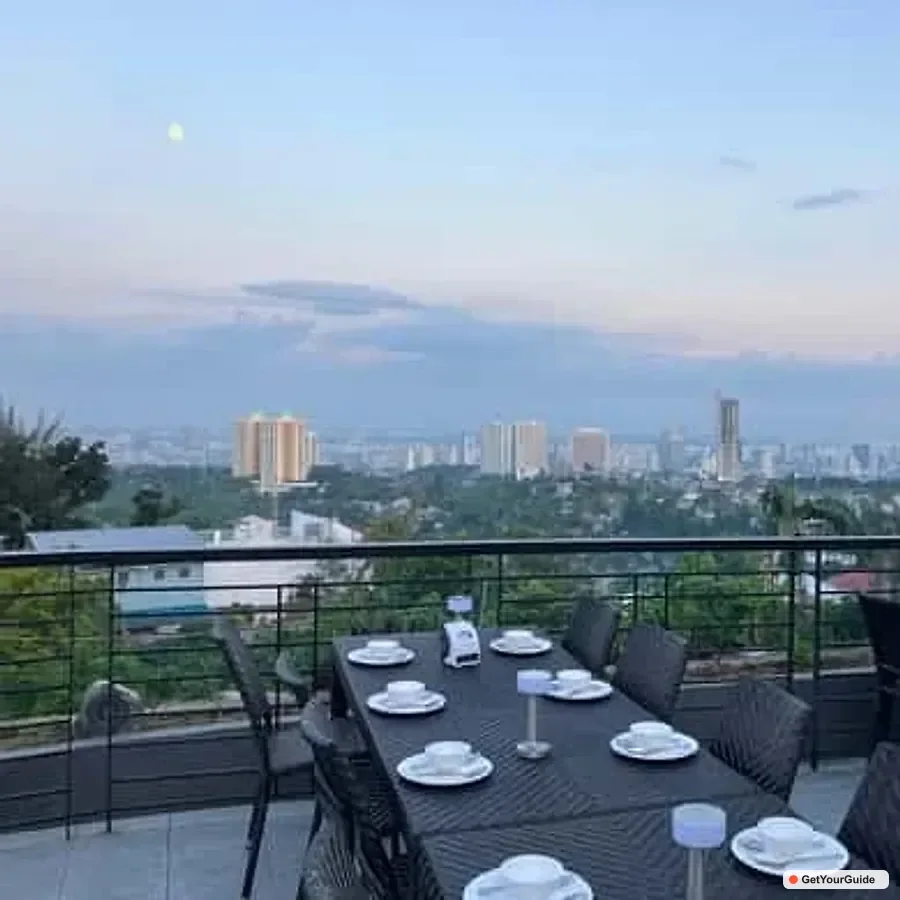
The temple sits on an 8,000-square-meter property along the Cebu Transcentral Highway, roughly eight kilometers from the city center. The location places it near the Sirao Flower Garden, Tops Lookout, and the Cebu Taoist Temple, which makes it an easy addition to a highlands day trip. The drive from downtown takes 30 to 45 minutes, depending on traffic and whether your driver takes the Busay road or the Transcentral Highway. Many visitors combine three or four stops in one afternoon, then finish with dinner at a mountain-view restaurant. The temple is not a religious site, but a museum and monument, so guests of any faith are welcome and no dress code beyond common courtesy is required.
What is the Temple of Leah?
The Temple of Leah is a privately owned monument that opened in 2012 after several years of construction. Teodorico Adarna envisioned a lasting tribute to his wife and a repository for the art, books, and memorabilia they collected over decades of marriage. The seven-story structure houses statues, busts, antique furniture, a library, and framed photographs of the couple. A grand staircase dominates the interior, leading to open balconies where the highlands breeze and the distant city skyline create a cinematic backdrop. The property was designed to look like a Greco-Roman temple, complete with Doric columns, lion statues, and stone balustrades that catch the morning and late-afternoon light.
Over the years, the site has evolved from a private estate to a popular paid attraction. The owners maintain the grounds, add seasonal flower beds, and keep the museum areas clean and accessible. Vendors sell drinks and light snacks near the entrance, and the staff at the ticketing booth are used to handling large groups. Because the temple is privately run, it is not covered by the same national park rules that apply to public sites. That also means it can set its own hours and fees, which is why it is important to check current rates before visiting. The atmosphere is calm in the early morning and grows livelier as tour vans arrive after 9:00 AM.
Trip.com
Tours & activities in Cebu
Hand-picked experiences in Cebu — book on Trip.com with instant confirmation.
The comparison to India's Taj Mahal is informal, but it resonates with visitors because both structures were born from deep personal grief and devotion. Shah Jahan built the Taj Mahal in memory of Mumtaz Mahal; Teodorico Adarna built the Temple of Leah in memory of his wife. The two monuments differ in age, scale, and style, but the emotional core is similar: a husband honoring a beloved partner with architecture. The Cebu monument does not claim the same historical weight as the Indian mausoleum, and most visitors understand the nickname is a way of describing the romantic origin rather than the architectural pedigree.
Whether or not you find the comparison apt, the backstory adds a human dimension to a place that might otherwise feel like a grand but empty stage. Reading the short history panels near the entrance or the framed captions inside the museum makes the statues and rooms feel more meaningful. If you visit with a partner, the setting naturally encourages reflection on commitment and legacy. If you visit alone, the silence in the upper galleries and the view from the rooftop terrace offer a rare moment of stillness above one of the busiest cities in the country.
Architectural highlights and photo spots
The first thing most visitors notice is the wide staircase guarded by large lion statues. This is the most popular spot for group photos and reels. The columns framing the main entrance provide strong leading lines for wide-angle shots, while the rooftop terrace gives a 180-degree view of Cebu City, Mactan Island, and the surrounding hills. The central hall on the second floor contains the main bust of Leah and several classical statues that look out toward the garden. On the lower levels, arched walkways and stone walls create smaller, more intimate corners that work well for portraits.
Beyond the main building, the grounds include landscaped gardens, paved paths, and a few shaded benches. The design changes slightly each year as new plants are added, so repeat visitors can usually spot something different. Morning light is cooler and less harsh, making it the best time for portraits and landscape shots. Evening visits are also popular because the city lights begin to twinkle as the sun sets. If you want fewer people in your frame, arrive at opening time or visit on a weekday. A modest zoom lens or a phone with a good ultrawide mode will help you capture the scale of the columns and the view behind them.
How to get to the Temple of Leah
The most common way to reach the temple is by private car or hired van. Many Cebu City tour operators include the temple in a Busay highlands itinerary that also stops at Sirao Flower Garden and Tops Lookout. If you are using a ride-hailing app, expect variable availability because mobile data can be spotty in the mountains and some drivers prefer not to wait at the summit. The safer option is to book a tour with a fixed pickup time or to hire a driver for the half day. Parking is available on-site for PHP 50 per vehicle, and the lot fills quickly on weekends.
Commuting by public transport is possible but less convenient. Jeepneys and buses heading to Busay or the Transcentral Highway pass near the turnoff, but the final approach to the temple is steep and not always shaded. From the highway junction, a habal-habal motorcycle taxi can take you up the last stretch for a negotiated fare, usually PHP 50 to PHP 100 depending on your bargaining skill and the number of passengers. If you are not comfortable on a motorcycle in hilly terrain, a private car or tour van is strongly recommended. The roads are paved but narrow, and afternoon rain can make the surface slick.
Entrance fees and operating hours
As of 2026, the entrance fee at the Temple of Leah is PHP 120 per adult on weekdays and PHP 150 per adult on weekends and holidays. Children below four feet pay PHP 80 on weekdays and PHP 100 on weekends, while children ten years old and below can enter free of charge when accompanied by a paying adult. Senior citizens and persons with disabilities receive discounted rates of PHP 80 on weekdays and PHP 100 on weekends with valid identification. Parking costs PHP 50 per vehicle. Professional photoshoots, including pre-wedding sessions, require a separate permit fee that starts at PHP 10,000 and must be arranged in advance.
Regular operating hours are from 6:00 AM to 11:00 PM daily, though the management may shorten hours during maintenance or extreme weather. Cash is the preferred payment method at the gate, and the ticketing booth may not have change for large bills during peak periods, so bring smaller denominations. Restrooms, a small snack counter, and a souvenir stand are available near the entrance. The upper floors and rooftop are accessible by stairs, which means the monument is not fully accessible for wheelchairs or strollers without assistance. Plan for at least one hour on-site, plus travel time from the city center.
What to bring and what to wear
Cebu highlands can be warm at noon and breezy in the late afternoon, so dress in light layers and comfortable shoes. The stone floors and stairs are slippery when wet, so rubber-soled footwear is better than heels or flip-flops. Bring a hat, sunscreen, and drinking water, especially if you plan to visit other open-air attractions in Busay on the same day. A power bank is useful because you will likely take many photos, and an umbrella or rain jacket is smart during the wet season from June to November. Money is cash only for entrance and snacks, so withdraw in the city before heading up the mountain.
Best time to visit and nearby stops
Weekday mornings offer the quietest experience and the softest light for photography. Saturdays and Sundays attract larger crowds, especially between 9:00 AM and 4:00 PM. For sunset views, arrive around 5:00 PM and stay until the city lights appear. The dry season from December to May gives the clearest skies, while the rainy season brings greener landscapes but a higher chance of mist and road delays. Combine the temple with Sirao Flower Garden, the Cebu Taoist Temple, Tops Lookout, or one of the many Busay cafes that now offer highland dining. A half-day itinerary is enough to cover the main sights, while a full day allows for a relaxed pace and extra stops.
Frequently Asked Questions
Is the Temple of Leah a real temple or a church?
No. It is a privately owned museum and monument. It is not an active place of worship, and visitors do not need to follow religious customs.
How much is the entrance fee in 2026?
Adults pay PHP 120 on weekdays and PHP 150 on weekends. Children below four feet pay PHP 80 on weekdays and PHP 100 on weekends. Kids ten and below enter free with a parent.
Can I book a pre-wedding or commercial photoshoot?
Yes, but you must arrange it in advance and pay a photoshoot fee that starts at PHP 10,000. Casual smartphone snapshots for social media are allowed with the regular ticket.
Is there parking?
Yes. Parking is PHP 50 per vehicle. The lot is small and fills quickly on weekends, so arrive early if you are driving.
Do they accept credit cards or GCash?
Payment at the gate is mostly cash. Bring exact change or small bills. Some vendors may accept GCash, but it is not guaranteed.
Plan your trip with Pana
Ready to see the Temple of Leah for yourself? Start by browsing our Philippine destinations to build a Cebu City highlands itinerary that matches your pace. If you want a guided experience, our tours include transport, entrance coordination, and local insights. For accommodation near the city center, explore our hotel listings in Cebu City, Mandaue, and Mactan. For more travel tips, visit the Pana blog and discover how to pair Busay with island hopping, canyoneering, and food trips across the Visayas.
Sources and references
Department of Tourism Philippines - official tourism information and destination standards: tourism.gov.ph
Cebu City Government - local ordinances and visitor guidelines for the Busay highlands area: cebucity.gov.ph
Cebu Provincial Tourism Office - broader context for Cebu City attractions and tourism programs
This guide was prepared by the Pana Visayas Desk and reviewed by Pana Editorial. Rates, hours, and policies were verified through published operator information and official tourism channels as of early 2026. Prices may change without notice, so confirm with the attraction directly before traveling. Pana partners with licensed local operators and does not receive payment from the Temple of Leah for placement in this article.
Temple of Leah: Cebu's Modern Taj Mahal on a Hilltop
Rising above the Busay highlands on the western edge of Cebu City, the Temple of Leah has become one of the most photographed landmarks in the province. Local businessman Teodorico Soriano Adarna built the structure as a tribute to his late wife, Leah Villa Albino-Adarna, and the resulting monument blends Roman and Greek architectural cues with a sweeping view of the city below. Visitors often call it the "Taj Mahal of Cebu" because of the love story behind its construction. Since it opened to the public, the site has drawn local tourists, pre-wedding photographers, families on weekend outings, and international travelers who want a taste of classical grandeur without leaving the Philippines. This 2026 guide covers everything you need to know before you go, from entrance fees to the best angles for a photograph.
The temple sits on an 8,000-square-meter property along the Cebu Transcentral Highway, roughly eight kilometers from the city center. The location places it near the Sirao Flower Garden, Tops Lookout, and the Cebu Taoist Temple, which makes it an easy addition to a highlands day trip. The drive from downtown takes 30 to 45 minutes, depending on traffic and whether your driver takes the Busay road or the Transcentral Highway. Many visitors combine three or four stops in one afternoon, then finish with dinner at a mountain-view restaurant. The temple is not a religious site, but a museum and monument, so guests of any faith are welcome and no dress code beyond common courtesy is required.
What is the Temple of Leah?
The Temple of Leah is a privately owned monument that opened in 2012 after several years of construction. Teodorico Adarna envisioned a lasting tribute to his wife and a repository for the art, books, and memorabilia they collected over decades of marriage. The seven-story structure houses statues, busts, antique furniture, a library, and framed photographs of the couple. A grand staircase dominates the interior, leading to open balconies where the highlands breeze and the distant city skyline create a cinematic backdrop. The property was designed to look like a Greco-Roman temple, complete with Doric columns, lion statues, and stone balustrades that catch the morning and late-afternoon light.
Over the years, the site has evolved from a private estate to a popular paid attraction. The owners maintain the grounds, add seasonal flower beds, and keep the museum areas clean and accessible. Vendors sell drinks and light snacks near the entrance, and the staff at the ticketing booth are used to handling large groups. Because the temple is privately run, it is not covered by the same national park rules that apply to public sites. That also means it can set its own hours and fees, which is why it is important to check current rates before visiting. The atmosphere is calm in the early morning and grows livelier as tour vans arrive after 9:00 AM.
Why do travelers compare it to the Taj Mahal?
The comparison to India's Taj Mahal is informal, but it resonates with visitors because both structures were born from deep personal grief and devotion. Shah Jahan built the Taj Mahal in memory of Mumtaz Mahal; Teodorico Adarna built the Temple of Leah in memory of his wife. The two monuments differ in age, scale, and style, but the emotional core is similar: a husband honoring a beloved partner with architecture. The Cebu monument does not claim the same historical weight as the Indian mausoleum, and most visitors understand the nickname is a way of describing the romantic origin rather than the architectural pedigree.
Whether or not you find the comparison apt, the backstory adds a human dimension to a place that might otherwise feel like a grand but empty stage. Reading the short history panels near the entrance or the framed captions inside the museum makes the statues and rooms feel more meaningful. If you visit with a partner, the setting naturally encourages reflection on commitment and legacy. If you visit alone, the silence in the upper galleries and the view from the rooftop terrace offer a rare moment of stillness above one of the busiest cities in the country.
Architectural highlights and photo spots
The first thing most visitors notice is the wide staircase guarded by large lion statues. This is the most popular spot for group photos and reels. The columns framing the main entrance provide strong leading lines for wide-angle shots, while the rooftop terrace gives a 180-degree view of Cebu City, Mactan Island, and the surrounding hills. The central hall on the second floor contains the main bust of Leah and several classical statues that look out toward the garden. On the lower levels, arched walkways and stone walls create smaller, more intimate corners that work well for portraits.
Beyond the main building, the grounds include landscaped gardens, paved paths, and a few shaded benches. The design changes slightly each year as new plants are added, so repeat visitors can usually spot something different. Morning light is cooler and less harsh, making it the best time for portraits and landscape shots. Evening visits are also popular because the city lights begin to twinkle as the sun sets. If you want fewer people in your frame, arrive at opening time or visit on a weekday. A modest zoom lens or a phone with a good ultrawide mode will help you capture the scale of the columns and the view behind them.
How to get to the Temple of Leah
The most common way to reach the temple is by private car or hired van. Many Cebu City tour operators include the temple in a Busay highlands itinerary that also stops at Sirao Flower Garden and Tops Lookout. If you are using a ride-hailing app, expect variable availability because mobile data can be spotty in the mountains and some drivers prefer not to wait at the summit. The safer option is to book a tour with a fixed pickup time or to hire a driver for the half day. Parking is available on-site for PHP 50 per vehicle, and the lot fills quickly on weekends.
Commuting by public transport is possible but less convenient. Jeepneys and buses heading to Busay or the Transcentral Highway pass near the turnoff, but the final approach to the temple is steep and not always shaded. From the highway junction, a habal-habal motorcycle taxi can take you up the last stretch for a negotiated fare, usually PHP 50 to PHP 100 depending on your bargaining skill and the number of passengers. If you are not comfortable on a motorcycle in hilly terrain, a private car or tour van is strongly recommended. The roads are paved but narrow, and afternoon rain can make the surface slick.
Entrance fees and operating hours
As of 2026, the entrance fee at the Temple of Leah is PHP 120 per adult on weekdays and PHP 150 per adult on weekends and holidays. Children below four feet pay PHP 80 on weekdays and PHP 100 on weekends, while children ten years old and below can enter free of charge when accompanied by a paying adult. Senior citizens and persons with disabilities receive discounted rates of PHP 80 on weekdays and PHP 100 on weekends with valid identification. Parking costs PHP 50 per vehicle. Professional photoshoots, including pre-wedding sessions, require a separate permit fee that starts at PHP 10,000 and must be arranged in advance.
Regular operating hours are from 6:00 AM to 11:00 PM daily, though the management may shorten hours during maintenance or extreme weather. Cash is the preferred payment method at the gate, and the ticketing booth may not have change for large bills during peak periods, so bring smaller denominations. Restrooms, a small snack counter, and a souvenir stand are available near the entrance. The upper floors and rooftop are accessible by stairs, which means the monument is not fully accessible for wheelchairs or strollers without assistance. Plan for at least one hour on-site, plus travel time from the city center.
What to bring and what to wear
Cebu highlands can be warm at noon and breezy in the late afternoon, so dress in light layers and comfortable shoes. The stone floors and stairs are slippery when wet, so rubber-soled footwear is better than heels or flip-flops. Bring a hat, sunscreen, and drinking water, especially if you plan to visit other open-air attractions in Busay on the same day. A power bank is useful because you will likely take many photos, and an umbrella or rain jacket is smart during the wet season from June to November. Money is cash only for entrance and snacks, so withdraw in the city before heading up the mountain.
Best time to visit and nearby stops
Weekday mornings offer the quietest experience and the softest light for photography. Saturdays and Sundays attract larger crowds, especially between 9:00 AM and 4:00 PM. For sunset views, arrive around 5:00 PM and stay until the city lights appear. The dry season from December to May gives the clearest skies, while the rainy season brings greener landscapes but a higher chance of mist and road delays. Combine the temple with Sirao Flower Garden, the Cebu Taoist Temple, Tops Lookout, or one of the many Busay cafes that now offer highland dining. A half-day itinerary is enough to cover the main sights, while a full day allows for a relaxed pace and extra stops.
Frequently Asked Questions
Is the Temple of Leah a real temple or a church?
No. It is a privately owned museum and monument. It is not an active place of worship, and visitors do not need to follow religious customs.
How much is the entrance fee in 2026?
Adults pay PHP 120 on weekdays and PHP 150 on weekends. Children below four feet pay PHP 80 on weekdays and PHP 100 on weekends. Kids ten and below enter free with a parent.
Can I book a pre-wedding or commercial photoshoot?
Yes, but you must arrange it in advance and pay a photoshoot fee that starts at PHP 10,000. Casual smartphone snapshots for social media are allowed with the regular ticket.
Is there parking?
Yes. Parking is PHP 50 per vehicle. The lot is small and fills quickly on weekends, so arrive early if you are driving.
Do they accept credit cards or GCash?
Payment at the gate is mostly cash. Bring exact change or small bills. Some vendors may accept GCash, but it is not guaranteed.
Plan your trip with Pana
Ready to see the Temple of Leah for yourself? Start by browsing our Philippine destinations to build a Cebu City highlands itinerary that matches your pace. If you want a guided experience, our tours include transport, entrance coordination, and local insights. For accommodation near the city center, explore our hotel listings in Cebu City, Mandaue, and Mactan. For more travel tips, visit the Pana blog and discover how to pair Busay with island hopping, canyoneering, and food trips across the Visayas.
Sources and references
Department of Tourism Philippines - official tourism information and destination standards: tourism.gov.ph
Cebu City Government - local ordinances and visitor guidelines for the Busay highlands area: cebucity.gov.ph
Cebu Provincial Tourism Office - broader context for Cebu City attractions and tourism programs
This guide was prepared by the Pana Visayas Desk and reviewed by Pana Editorial. Rates, hours, and policies were verified through published operator information and official tourism channels as of early 2026. Prices may change without notice, so confirm with the attraction directly before traveling. Pana partners with licensed local operators and does not receive payment from the Temple of Leah for placement in this article.
Temple of Leah: Cebu's Modern Taj Mahal on a Hilltop
Rising above the Busay highlands on the western edge of Cebu City, the Temple of Leah has become one of the most photographed landmarks in the province. Local businessman Teodorico Soriano Adarna built the structure as a tribute to his late wife, Leah Villa Albino-Adarna, and the resulting monument blends Roman and Greek architectural cues with a sweeping view of the city below. Visitors often call it the "Taj Mahal of Cebu" because of the love story behind its construction. Since it opened to the public, the site has drawn local tourists, pre-wedding photographers, families on weekend outings, and international travelers who want a taste of classical grandeur without leaving the Philippines. This 2026 guide covers everything you need to know before you go, from entrance fees to the best angles for a photograph.
The temple sits on an 8,000-square-meter property along the Cebu Transcentral Highway, roughly eight kilometers from the city center. The location places it near the Sirao Flower Garden, Tops Lookout, and the Cebu Taoist Temple, which makes it an easy addition to a highlands day trip. The drive from downtown takes 30 to 45 minutes, depending on traffic and whether your driver takes the Busay road or the Transcentral Highway. Many visitors combine three or four stops in one afternoon, then finish with dinner at a mountain-view restaurant. The temple is not a religious site, but a museum and monument, so guests of any faith are welcome and no dress code beyond common courtesy is required.
What is the Temple of Leah?
The Temple of Leah is a privately owned monument that opened in 2012 after several years of construction. Teodorico Adarna envisioned a lasting tribute to his wife and a repository for the art, books, and memorabilia they collected over decades of marriage. The seven-story structure houses statues, busts, antique furniture, a library, and framed photographs of the couple. A grand staircase dominates the interior, leading to open balconies where the highlands breeze and the distant city skyline create a cinematic backdrop. The property was designed to look like a Greco-Roman temple, complete with Doric columns, lion statues, and stone balustrades that catch the morning and late-afternoon light.
Over the years, the site has evolved from a private estate to a popular paid attraction. The owners maintain the grounds, add seasonal flower beds, and keep the museum areas clean and accessible. Vendors sell drinks and light snacks near the entrance, and the staff at the ticketing booth are used to handling large groups. Because the temple is privately run, it is not covered by the same national park rules that apply to public sites. That also means it can set its own hours and fees, which is why it is important to check current rates before visiting. The atmosphere is calm in the early morning and grows livelier as tour vans arrive after 9:00 AM.
Why do travelers compare it to the Taj Mahal?
The comparison to India's Taj Mahal is informal, but it resonates with visitors because both structures were born from deep personal grief and devotion. Shah Jahan built the Taj Mahal in memory of Mumtaz Mahal; Teodorico Adarna built the Temple of Leah in memory of his wife. The two monuments differ in age, scale, and style, but the emotional core is similar: a husband honoring a beloved partner with architecture. The Cebu monument does not claim the same historical weight as the Indian mausoleum, and most visitors understand the nickname is a way of describing the romantic origin rather than the architectural pedigree.
Whether or not you find the comparison apt, the backstory adds a human dimension to a place that might otherwise feel like a grand but empty stage. Reading the short history panels near the entrance or the framed captions inside the museum makes the statues and rooms feel more meaningful. If you visit with a partner, the setting naturally encourages reflection on commitment and legacy. If you visit alone, the silence in the upper galleries and the view from the rooftop terrace offer a rare moment of stillness above one of the busiest cities in the country.
Architectural highlights and photo spots
The first thing most visitors notice is the wide staircase guarded by large lion statues. This is the most popular spot for group photos and reels. The columns framing the main entrance provide strong leading lines for wide-angle shots, while the rooftop terrace gives a 180-degree view of Cebu City, Mactan Island, and the surrounding hills. The central hall on the second floor contains the main bust of Leah and several classical statues that look out toward the garden. On the lower levels, arched walkways and stone walls create smaller, more intimate corners that work well for portraits.
Beyond the main building, the grounds include landscaped gardens, paved paths, and a few shaded benches. The design changes slightly each year as new plants are added, so repeat visitors can usually spot something different. Morning light is cooler and less harsh, making it the best time for portraits and landscape shots. Evening visits are also popular because the city lights begin to twinkle as the sun sets. If you want fewer people in your frame, arrive at opening time or visit on a weekday. A modest zoom lens or a phone with a good ultrawide mode will help you capture the scale of the columns and the view behind them.
How to get to the Temple of Leah
The most common way to reach the temple is by private car or hired van. Many Cebu City tour operators include the temple in a Busay highlands itinerary that also stops at Sirao Flower Garden and Tops Lookout. If you are using a ride-hailing app, expect variable availability because mobile data can be spotty in the mountains and some drivers prefer not to wait at the summit. The safer option is to book a tour with a fixed pickup time or to hire a driver for the half day. Parking is available on-site for PHP 50 per vehicle, and the lot fills quickly on weekends.
Commuting by public transport is possible but less convenient. Jeepneys and buses heading to Busay or the Transcentral Highway pass near the turnoff, but the final approach to the temple is steep and not always shaded. From the highway junction, a habal-habal motorcycle taxi can take you up the last stretch for a negotiated fare, usually PHP 50 to PHP 100 depending on your bargaining skill and the number of passengers. If you are not comfortable on a motorcycle in hilly terrain, a private car or tour van is strongly recommended. The roads are paved but narrow, and afternoon rain can make the surface slick.
Entrance fees and operating hours
As of 2026, the entrance fee at the Temple of Leah is PHP 120 per adult on weekdays and PHP 150 per adult on weekends and holidays. Children below four feet pay PHP 80 on weekdays and PHP 100 on weekends, while children ten years old and below can enter free of charge when accompanied by a paying adult. Senior citizens and persons with disabilities receive discounted rates of PHP 80 on weekdays and PHP 100 on weekends with valid identification. Parking costs PHP 50 per vehicle. Professional photoshoots, including pre-wedding sessions, require a separate permit fee that starts at PHP 10,000 and must be arranged in advance.
Regular operating hours are from 6:00 AM to 11:00 PM daily, though the management may shorten hours during maintenance or extreme weather. Cash is the preferred payment method at the gate, and the ticketing booth may not have change for large bills during peak periods, so bring smaller denominations. Restrooms, a small snack counter, and a souvenir stand are available near the entrance. The upper floors and rooftop are accessible by stairs, which means the monument is not fully accessible for wheelchairs or strollers without assistance. Plan for at least one hour on-site, plus travel time from the city center.
What to bring and what to wear
Cebu highlands can be warm at noon and breezy in the late afternoon, so dress in light layers and comfortable shoes. The stone floors and stairs are slippery when wet, so rubber-soled footwear is better than heels or flip-flops. Bring a hat, sunscreen, and drinking water, especially if you plan to visit other open-air attractions in Busay on the same day. A power bank is useful because you will likely take many photos, and an umbrella or rain jacket is smart during the wet season from June to November. Money is cash only for entrance and snacks, so withdraw in the city before heading up the mountain.
Best time to visit and nearby stops
Weekday mornings offer the quietest experience and the softest light for photography. Saturdays and Sundays attract larger crowds, especially between 9:00 AM and 4:00 PM. For sunset views, arrive around 5:00 PM and stay until the city lights appear. The dry season from December to May gives the clearest skies, while the rainy season brings greener landscapes but a higher chance of mist and road delays. Combine the temple with Sirao Flower Garden, the Cebu Taoist Temple, Tops Lookout, or one of the many Busay cafes that now offer highland dining. A half-day itinerary is enough to cover the main sights, while a full day allows for a relaxed pace and extra stops.
Frequently Asked Questions
Is the Temple of Leah a real temple or a church? No. It is a privately owned museum and monument. It is not an active place of worship, and visitors do not need to follow religious customs.
How much is the entrance fee in 2026? Adults pay PHP 120 on weekdays and PHP 150 on weekends. Children below four feet pay PHP 80 on weekdays and PHP 100 on weekends. Kids ten and below enter free with a parent.
Can I book a pre-wedding or commercial photoshoot? Yes, but you must arrange it in advance and pay a photoshoot fee that starts at PHP 10,000. Casual smartphone snapshots for social media are allowed with the regular ticket.
Is there parking? Yes. Parking is PHP 50 per vehicle. The lot is small and fills quickly on weekends, so arrive early if you are driving.
Do they accept credit cards or GCash? Payment at the gate is mostly cash. Bring exact change or small bills. Some vendors may accept GCash, but it is not guaranteed.
Plan your trip with Pana
Ready to see the Temple of Leah for yourself? Start by browsing our Philippine destinations to build a Cebu City highlands itinerary that matches your pace. If you want a guided experience, our tours include transport, entrance coordination, and local insights. For accommodation near the city center, explore our hotel listings in Cebu City, Mandaue, and Mactan. For more travel tips, visit the Pana blog and discover how to pair Busay with island hopping, canyoneering, and food trips across the Visayas.
Sources and references
Department of Tourism Philippines - official tourism information and destination standards: tourism.gov.ph
Cebu City Government - local ordinances and visitor guidelines for the Busay highlands area: cebucity.gov.ph
Cebu Provincial Tourism Office - broader context for Cebu City attractions and tourism programs
This guide was prepared by the Pana Visayas Desk and reviewed by Pana Editorial. Rates, hours, and policies were verified through published operator information and official tourism channels as of early 2026. Prices may change without notice, so confirm with the attraction directly before traveling. Pana partners with licensed local operators and does not receive payment from the Temple of Leah for placement in this article.
Temple of Leah: Cebu's Modern Taj Mahal on a Hilltop
Rising above the Busay highlands on the western edge of Cebu City, the Temple of Leah has become one of the most photographed landmarks in the province. Local businessman Teodorico Soriano Adarna built the structure as a tribute to his late wife, Leah Villa Albino-Adarna, and the resulting monument blends Roman and Greek architectural cues with a sweeping view of the city below. Visitors often call it the "Taj Mahal of Cebu" because of the love story behind its construction. Since it opened to the public, the site has drawn local tourists, pre-wedding photographers, families on weekend outings, and international travelers who want a taste of classical grandeur without leaving the Philippines. This 2026 guide covers everything you need to know before you go, from entrance fees to the best angles for a photograph.
The temple sits on an 8,000-square-meter property along the Cebu Transcentral Highway, roughly eight kilometers from the city center. The location places it near the Sirao Flower Garden, Tops Lookout, and the Cebu Taoist Temple, which makes it an easy addition to a highlands day trip. The drive from downtown takes 30 to 45 minutes, depending on traffic and whether your driver takes the Busay road or the Transcentral Highway. Many visitors combine three or four stops in one afternoon, then finish with dinner at a mountain-view restaurant. The temple is not a religious site, but a museum and monument, so guests of any faith are welcome and no dress code beyond common courtesy is required.
What is the Temple of Leah?
The Temple of Leah is a privately owned monument that opened in 2012 after several years of construction. Teodorico Adarna envisioned a lasting tribute to his wife and a repository for the art, books, and memorabilia they collected over decades of marriage. The seven-story structure houses statues, busts, antique furniture, a library, and framed photographs of the couple. A grand staircase dominates the interior, leading to open balconies where the highlands breeze and the distant city skyline create a cinematic backdrop. The property was designed to look like a Greco-Roman temple, complete with Doric columns, lion statues, and stone balustrades that catch the morning and late-afternoon light.
Over the years, the site has evolved from a private estate to a popular paid attraction. The owners maintain the grounds, add seasonal flower beds, and keep the museum areas clean and accessible. Vendors sell drinks and light snacks near the entrance, and the staff at the ticketing booth are used to handling large groups. Because the temple is privately run, it is not covered by the same national park rules that apply to public sites. That also means it can set its own hours and fees, which is why it is important to check current rates before visiting. The atmosphere is calm in the early morning and grows livelier as tour vans arrive after 9:00 AM.
Why do travelers compare it to the Taj Mahal?
The comparison to India's Taj Mahal is informal, but it resonates with visitors because both structures were born from deep personal grief and devotion. Shah Jahan built the Taj Mahal in memory of Mumtaz Mahal; Teodorico Adarna built the Temple of Leah in memory of his wife. The two monuments differ in age, scale, and style, but the emotional core is similar: a husband honoring a beloved partner with architecture. The Cebu monument does not claim the same historical weight as the Indian mausoleum, and most visitors understand the nickname is a way of describing the romantic origin rather than the architectural pedigree.
Whether or not you find the comparison apt, the backstory adds a human dimension to a place that might otherwise feel like a grand but empty stage. Reading the short history panels near the entrance or the framed captions inside the museum makes the statues and rooms feel more meaningful. If you visit with a partner, the setting naturally encourages reflection on commitment and legacy. If you visit alone, the silence in the upper galleries and the view from the rooftop terrace offer a rare moment of stillness above one of the busiest cities in the country.
Architectural highlights and photo spots
The first thing most visitors notice is the wide staircase guarded by large lion statues. This is the most popular spot for group photos and reels. The columns framing the main entrance provide strong leading lines for wide-angle shots, while the rooftop terrace gives a 180-degree view of Cebu City, Mactan Island, and the surrounding hills. The central hall on the second floor contains the main bust of Leah and several classical statues that look out toward the garden. On the lower levels, arched walkways and stone walls create smaller, more intimate corners that work well for portraits.
Beyond the main building, the grounds include landscaped gardens, paved paths, and a few shaded benches. The design changes slightly each year as new plants are added, so repeat visitors can usually spot something different. Morning light is cooler and less harsh, making it the best time for portraits and landscape shots. Evening visits are also popular because the city lights begin to twinkle as the sun sets. If you want fewer people in your frame, arrive at opening time or visit on a weekday. A modest zoom lens or a phone with a good ultrawide mode will help you capture the scale of the columns and the view behind them.
How to get to the Temple of Leah
The most common way to reach the temple is by private car or hired van. Many Cebu City tour operators include the temple in a Busay highlands itinerary that also stops at Sirao Flower Garden and Tops Lookout. If you are using a ride-hailing app, expect variable availability because mobile data can be spotty in the mountains and some drivers prefer not to wait at the summit. The safer option is to book a tour with a fixed pickup time or to hire a driver for the half day. Parking is available on-site for PHP 50 per vehicle, and the lot fills quickly on weekends.
Commuting by public transport is possible but less convenient. Jeepneys and buses heading to Busay or the Transcentral Highway pass near the turnoff, but the final approach to the temple is steep and not always shaded. From the highway junction, a habal-habal motorcycle taxi can take you up the last stretch for a negotiated fare, usually PHP 50 to PHP 100 depending on your bargaining skill and the number of passengers. If you are not comfortable on a motorcycle in hilly terrain, a private car or tour van is strongly recommended. The roads are paved but narrow, and afternoon rain can make the surface slick.
Entrance fees and operating hours
As of 2026, the entrance fee at the Temple of Leah is PHP 120 per adult on weekdays and PHP 150 per adult on weekends and holidays. Children below four feet pay PHP 80 on weekdays and PHP 100 on weekends, while children ten years old and below can enter free of charge when accompanied by a paying adult. Senior citizens and persons with disabilities receive discounted rates of PHP 80 on weekdays and PHP 100 on weekends with valid identification. Parking costs PHP 50 per vehicle. Professional photoshoots, including pre-wedding sessions, require a separate permit fee that starts at PHP 10,000 and must be arranged in advance.
Regular operating hours are from 6:00 AM to 11:00 PM daily, though the management may shorten hours during maintenance or extreme weather. Cash is the preferred payment method at the gate, and the ticketing booth may not have change for large bills during peak periods, so bring smaller denominations. Restrooms, a small snack counter, and a souvenir stand are available near the entrance. The upper floors and rooftop are accessible by stairs, which means the monument is not fully accessible for wheelchairs or strollers without assistance. Plan for at least one hour on-site, plus travel time from the city center.
What to bring and what to wear
Cebu highlands can be warm at noon and breezy in the late afternoon, so dress in light layers and comfortable shoes. The stone floors and stairs are slippery when wet, so rubber-soled footwear is better than heels or flip-flops. Bring a hat, sunscreen, and drinking water, especially if you plan to visit other open-air attractions in Busay on the same day. A power bank is useful because you will likely take many photos, and an umbrella or rain jacket is smart during the wet season from June to November. Money is cash only for entrance and snacks, so withdraw in the city before heading up the mountain.
Best time to visit and nearby stops
Weekday mornings offer the quietest experience and the softest light for photography. Saturdays and Sundays attract larger crowds, especially between 9:00 AM and 4:00 PM. For sunset views, arrive around 5:00 PM and stay until the city lights appear. The dry season from December to May gives the clearest skies, while the rainy season brings greener landscapes but a higher chance of mist and road delays. Combine the temple with Sirao Flower Garden, the Cebu Taoist Temple, Tops Lookout, or one of the many Busay cafes that now offer highland dining. A half-day itinerary is enough to cover the main sights, while a full day allows for a relaxed pace and extra stops.
Frequently Asked Questions
Is the Temple of Leah a real temple or a church? No. It is a privately owned museum and monument. It is not an active place of worship, and visitors do not need to follow religious customs.
How much is the entrance fee in 2026? Adults pay PHP 120 on weekdays and PHP 150 on weekends. Children below four feet pay PHP 80 on weekdays and PHP 100 on weekends. Kids ten and below enter free with a parent.
Can I book a pre-wedding or commercial photoshoot? Yes, but you must arrange it in advance and pay a photoshoot fee that starts at PHP 10,000. Casual smartphone snapshots for social media are allowed with the regular ticket.
Is there parking? Yes. Parking is PHP 50 per vehicle. The lot is small and fills quickly on weekends, so arrive early if you are driving.
Do they accept credit cards or GCash? Payment at the gate is mostly cash. Bring exact change or small bills. Some vendors may accept GCash, but it is not guaranteed.
Plan your trip with Pana
Ready to see the Temple of Leah for yourself? Start by browsing our Philippine destinations to build a Cebu City highlands itinerary that matches your pace. If you want a guided experience, our tours include transport, entrance coordination, and local insights. For accommodation near the city center, explore our hotel listings in Cebu City, Mandaue, and Mactan. For more travel tips, visit the Pana blog and discover how to pair Busay with island hopping, canyoneering, and food trips across the Visayas.
Sources and references
Department of Tourism Philippines - official tourism information and destination standards: tourism.gov.ph
Cebu City Government - local ordinances and visitor guidelines for the Busay highlands area: cebucity.gov.ph
Cebu Provincial Tourism Office - broader context for Cebu City attractions and tourism programs
This guide was prepared by the Pana Visayas Desk and reviewed by Pana Editorial. Rates, hours, and policies were verified through published operator information and official tourism channels as of early 2026. Prices may change without notice, so confirm with the attraction directly before traveling. Pana partners with licensed local operators and does not receive payment from the Temple of Leah for placement in this article.
Temple of Leah: Cebu's Modern Taj Mahal on a Hilltop
Rising above the Busay highlands on the western edge of Cebu City, the Temple of Leah has become one of the most photographed landmarks in the province. Local businessman Teodorico Soriano Adarna built the structure as a tribute to his late wife, Leah Villa Albino-Adarna, and the resulting monument blends Roman and Greek architectural cues with a sweeping view of the city below. Visitors often call it the "Taj Mahal of Cebu" because of the love story behind its construction. Since it opened to the public, the site has drawn local tourists, pre-wedding photographers, families on weekend outings, and international travelers who want a taste of classical grandeur without leaving the Philippines. This 2026 guide covers everything you need to know before you go, from entrance fees to the best angles for a photograph.
The temple sits on an 8,000-square-meter property along the Cebu Transcentral Highway, roughly eight kilometers from the city center. The location places it near the Sirao Flower Garden, Tops Lookout, and the Cebu Taoist Temple, which makes it an easy addition to a highlands day trip. The drive from downtown takes 30 to 45 minutes, depending on traffic and whether your driver takes the Busay road or the Transcentral Highway. Many visitors combine three or four stops in one afternoon, then finish with dinner at a mountain-view restaurant. The temple is not a religious site, but a museum and monument, so guests of any faith are welcome and no dress code beyond common courtesy is required.
What is the Temple of Leah?
The Temple of Leah is a privately owned monument that opened in 2012 after several years of construction. Teodorico Adarna envisioned a lasting tribute to his wife and a repository for the art, books, and memorabilia they collected over decades of marriage. The seven-story structure houses statues, busts, antique furniture, a library, and framed photographs of the couple. A grand staircase dominates the interior, leading to open balconies where the highlands breeze and the distant city skyline create a cinematic backdrop. The property was designed to look like a Greco-Roman temple, complete with Doric columns, lion statues, and stone balustrades that catch the morning and late-afternoon light.
Over the years, the site has evolved from a private estate to a popular paid attraction. The owners maintain the grounds, add seasonal flower beds, and keep the museum areas clean and accessible. Vendors sell drinks and light snacks near the entrance, and the staff at the ticketing booth are used to handling large groups. Because the temple is privately run, it is not covered by the same national park rules that apply to public sites. That also means it can set its own hours and fees, which is why it is important to check current rates before visiting. The atmosphere is calm in the early morning and grows livelier as tour vans arrive after 9:00 AM.
Why do travelers compare it to the Taj Mahal?
The comparison to India's Taj Mahal is informal, but it resonates with visitors because both structures were born from deep personal grief and devotion. Shah Jahan built the Taj Mahal in memory of Mumtaz Mahal; Teodorico Adarna built the Temple of Leah in memory of his wife. The two monuments differ in age, scale, and style, but the emotional core is similar: a husband honoring a beloved partner with architecture. The Cebu monument does not claim the same historical weight as the Indian mausoleum, and most visitors understand the nickname is a way of describing the romantic origin rather than the architectural pedigree.
Whether or not you find the comparison apt, the backstory adds a human dimension to a place that might otherwise feel like a grand but empty stage. Reading the short history panels near the entrance or the framed captions inside the museum makes the statues and rooms feel more meaningful. If you visit with a partner, the setting naturally encourages reflection on commitment and legacy. If you visit alone, the silence in the upper galleries and the view from the rooftop terrace offer a rare moment of stillness above one of the busiest cities in the country.
Architectural highlights and photo spots
The first thing most visitors notice is the wide staircase guarded by large lion statues. This is the most popular spot for group photos and reels. The columns framing the main entrance provide strong leading lines for wide-angle shots, while the rooftop terrace gives a 180-degree view of Cebu City, Mactan Island, and the surrounding hills. The central hall on the second floor contains the main bust of Leah and several classical statues that look out toward the garden. On the lower levels, arched walkways and stone walls create smaller, more intimate corners that work well for portraits.
Beyond the main building, the grounds include landscaped gardens, paved paths, and a few shaded benches. The design changes slightly each year as new plants are added, so repeat visitors can usually spot something different. Morning light is cooler and less harsh, making it the best time for portraits and landscape shots. Evening visits are also popular because the city lights begin to twinkle as the sun sets. If you want fewer people in your frame, arrive at opening time or visit on a weekday. A modest zoom lens or a phone with a good ultrawide mode will help you capture the scale of the columns and the view behind them.
How to get to the Temple of Leah
The most common way to reach the temple is by private car or hired van. Many Cebu City tour operators include the temple in a Busay highlands itinerary that also stops at Sirao Flower Garden and Tops Lookout. If you are using a ride-hailing app, expect variable availability because mobile data can be spotty in the mountains and some drivers prefer not to wait at the summit. The safer option is to book a tour with a fixed pickup time or to hire a driver for the half day. Parking is available on-site for PHP 50 per vehicle, and the lot fills quickly on weekends.
Commuting by public transport is possible but less convenient. Jeepneys and buses heading to Busay or the Transcentral Highway pass near the turnoff, but the final approach to the temple is steep and not always shaded. From the highway junction, a habal-habal motorcycle taxi can take you up the last stretch for a negotiated fare, usually PHP 50 to PHP 100 depending on your bargaining skill and the number of passengers. If you are not comfortable on a motorcycle in hilly terrain, a private car or tour van is strongly recommended. The roads are paved but narrow, and afternoon rain can make the surface slick.
Entrance fees and operating hours
As of 2026, the entrance fee at the Temple of Leah is PHP 120 per adult on weekdays and PHP 150 per adult on weekends and holidays. Children below four feet pay PHP 80 on weekdays and PHP 100 on weekends, while children ten years old and below can enter free of charge when accompanied by a paying adult. Senior citizens and persons with disabilities receive discounted rates of PHP 80 on weekdays and PHP 100 on weekends with valid identification. Parking costs PHP 50 per vehicle. Professional photoshoots, including pre-wedding sessions, require a separate permit fee that starts at PHP 10,000 and must be arranged in advance.
Regular operating hours are from 6:00 AM to 11:00 PM daily, though the management may shorten hours during maintenance or extreme weather. Cash is the preferred payment method at the gate, and the ticketing booth may not have change for large bills during peak periods, so bring smaller denominations. Restrooms, a small snack counter, and a souvenir stand are available near the entrance. The upper floors and rooftop are accessible by stairs, which means the monument is not fully accessible for wheelchairs or strollers without assistance. Plan for at least one hour on-site, plus travel time from the city center.
What to bring and what to wear
Cebu highlands can be warm at noon and breezy in the late afternoon, so dress in light layers and comfortable shoes. The stone floors and stairs are slippery when wet, so rubber-soled footwear is better than heels or flip-flops. Bring a hat, sunscreen, and drinking water, especially if you plan to visit other open-air attractions in Busay on the same day. A power bank is useful because you will likely take many photos, and an umbrella or rain jacket is smart during the wet season from June to November. Money is cash only for entrance and snacks, so withdraw in the city before heading up the mountain.
Best time to visit and nearby stops
Weekday mornings offer the quietest experience and the softest light for photography. Saturdays and Sundays attract larger crowds, especially between 9:00 AM and 4:00 PM. For sunset views, arrive around 5:00 PM and stay until the city lights appear. The dry season from December to May gives the clearest skies, while the rainy season brings greener landscapes but a higher chance of mist and road delays. Combine the temple with Sirao Flower Garden, the Cebu Taoist Temple, Tops Lookout, or one of the many Busay cafes that now offer highland dining. A half-day itinerary is enough to cover the main sights, while a full day allows for a relaxed pace and extra stops.
Frequently Asked Questions
Is the Temple of Leah a real temple or a church?
No. It is a privately owned museum and monument. It is not an active place of worship, and visitors do not need to follow religious customs.
How much is the entrance fee in 2026?
Adults pay PHP 120 on weekdays and PHP 150 on weekends. Children below four feet pay PHP 80 on weekdays and PHP 100 on weekends. Kids ten and below enter free with a parent.
Can I book a pre-wedding or commercial photoshoot?
Yes, but you must arrange it in advance and pay a photoshoot fee that starts at PHP 10,000. Casual smartphone snapshots for social media are allowed with the regular ticket.
Is there parking?
Yes. Parking is PHP 50 per vehicle. The lot is small and fills quickly on weekends, so arrive early if you are driving.
Do they accept credit cards or GCash?
Payment at the gate is mostly cash. Bring exact change or small bills. Some vendors may accept GCash, but it is not guaranteed.
Plan your trip with Pana
Ready to see the Temple of Leah for yourself? Start by browsing our Philippine destinations to build a Cebu City highlands itinerary that matches your pace. If you want a guided experience, our tours include transport, entrance coordination, and local insights. For accommodation near the city center, explore our hotel listings in Cebu City, Mandaue, and Mactan. For more travel tips, visit the Pana blog and discover how to pair Busay with island hopping, canyoneering, and food trips across the Visayas.
Sources and references
Department of Tourism Philippines - official tourism information and destination standards: tourism.gov.ph
Cebu City Government - local ordinances and visitor guidelines for the Busay highlands area: cebucity.gov.ph
Cebu Provincial Tourism Office - broader context for Cebu City attractions and tourism programs
This guide was prepared by the Pana Visayas Desk and reviewed by Pana Editorial. Rates, hours, and policies were verified through published operator information and official tourism channels as of early 2026. Prices may change without notice, so confirm with the attraction directly before traveling. Pana partners with licensed local operators and does not receive payment from the Temple of Leah for placement in this article.
Temple of Leah: Cebu's Modern Taj Mahal on a Hilltop
Rising above the Busay highlands on the western edge of Cebu City, the Temple of Leah has become one of the most photographed landmarks in the province. Local businessman Teodorico Soriano Adarna built the structure as a tribute to his late wife, Leah Villa Albino-Adarna, and the resulting monument blends Roman and Greek architectural cues with a sweeping view of the city below. Visitors often call it the "Taj Mahal of Cebu" because of the love story behind its construction. Since it opened to the public, the site has drawn local tourists, pre-wedding photographers, families on weekend outings, and international travelers who want a taste of classical grandeur without leaving the Philippines. This 2026 guide covers everything you need to know before you go, from entrance fees to the best angles for a photograph.
The temple sits on an 8,000-square-meter property along the Cebu Transcentral Highway, roughly eight kilometers from the city center. The location places it near the Sirao Flower Garden, Tops Lookout, and the Cebu Taoist Temple, which makes it an easy addition to a highlands day trip. The drive from downtown takes 30 to 45 minutes, depending on traffic and whether your driver takes the Busay road or the Transcentral Highway. Many visitors combine three or four stops in one afternoon, then finish with dinner at a mountain-view restaurant. The temple is not a religious site, but a museum and monument, so guests of any faith are welcome and no dress code beyond common courtesy is required.
What is the Temple of Leah?
The Temple of Leah is a privately owned monument that opened in 2012 after several years of construction. Teodorico Adarna envisioned a lasting tribute to his wife and a repository for the art, books, and memorabilia they collected over decades of marriage. The seven-story structure houses statues, busts, antique furniture, a library, and framed photographs of the couple. A grand staircase dominates the interior, leading to open balconies where the highlands breeze and the distant city skyline create a cinematic backdrop. The property was designed to look like a Greco-Roman temple, complete with Doric columns, lion statues, and stone balustrades that catch the morning and late-afternoon light.
Over the years, the site has evolved from a private estate to a popular paid attraction. The owners maintain the grounds, add seasonal flower beds, and keep the museum areas clean and accessible. Vendors sell drinks and light snacks near the entrance, and the staff at the ticketing booth are used to handling large groups. Because the temple is privately run, it is not covered by the same national park rules that apply to public sites. That also means it can set its own hours and fees, which is why it is important to check current rates before visiting. The atmosphere is calm in the early morning and grows livelier as tour vans arrive after 9:00 AM.
Why do travelers compare it to the Taj Mahal?
The comparison to India's Taj Mahal is informal, but it resonates with visitors because both structures were born from deep personal grief and devotion. Shah Jahan built the Taj Mahal in memory of Mumtaz Mahal; Teodorico Adarna built the Temple of Leah in memory of his wife. The two monuments differ in age, scale, and style, but the emotional core is similar: a husband honoring a beloved partner with architecture. The Cebu monument does not claim the same historical weight as the Indian mausoleum, and most visitors understand the nickname is a way of describing the romantic origin rather than the architectural pedigree.
Whether or not you find the comparison apt, the backstory adds a human dimension to a place that might otherwise feel like a grand but empty stage. Reading the short history panels near the entrance or the framed captions inside the museum makes the statues and rooms feel more meaningful. If you visit with a partner, the setting naturally encourages reflection on commitment and legacy. If you visit alone, the silence in the upper galleries and the view from the rooftop terrace offer a rare moment of stillness above one of the busiest cities in the country.
Architectural highlights and photo spots
The first thing most visitors notice is the wide staircase guarded by large lion statues. This is the most popular spot for group photos and reels. The columns framing the main entrance provide strong leading lines for wide-angle shots, while the rooftop terrace gives a 180-degree view of Cebu City, Mactan Island, and the surrounding hills. The central hall on the second floor contains the main bust of Leah and several classical statues that look out toward the garden. On the lower levels, arched walkways and stone walls create smaller, more intimate corners that work well for portraits.
Beyond the main building, the grounds include landscaped gardens, paved paths, and a few shaded benches. The design changes slightly each year as new plants are added, so repeat visitors can usually spot something different. Morning light is cooler and less harsh, making it the best time for portraits and landscape shots. Evening visits are also popular because the city lights begin to twinkle as the sun sets. If you want fewer people in your frame, arrive at opening time or visit on a weekday. A modest zoom lens or a phone with a good ultrawide mode will help you capture the scale of the columns and the view behind them.
How to get to the Temple of Leah
The most common way to reach the temple is by private car or hired van. Many Cebu City tour operators include the temple in a Busay highlands itinerary that also stops at Sirao Flower Garden and Tops Lookout. If you are using a ride-hailing app, expect variable availability because mobile data can be spotty in the mountains and some drivers prefer not to wait at the summit. The safer option is to book a tour with a fixed pickup time or to hire a driver for the half day. Parking is available on-site for PHP 50 per vehicle, and the lot fills quickly on weekends.
Commuting by public transport is possible but less convenient. Jeepneys and buses heading to Busay or the Transcentral Highway pass near the turnoff, but the final approach to the temple is steep and not always shaded. From the highway junction, a habal-habal motorcycle taxi can take you up the last stretch for a negotiated fare, usually PHP 50 to PHP 100 depending on your bargaining skill and the number of passengers. If you are not comfortable on a motorcycle in hilly terrain, a private car or tour van is strongly recommended. The roads are paved but narrow, and afternoon rain can make the surface slick.
Entrance fees and operating hours
As of 2026, the entrance fee at the Temple of Leah is PHP 120 per adult on weekdays and PHP 150 per adult on weekends and holidays. Children below four feet pay PHP 80 on weekdays and PHP 100 on weekends, while children ten years old and below can enter free of charge when accompanied by a paying adult. Senior citizens and persons with disabilities receive discounted rates of PHP 80 on weekdays and PHP 100 on weekends with valid identification. Parking costs PHP 50 per vehicle. Professional photoshoots, including pre-wedding sessions, require a separate permit fee that starts at PHP 10,000 and must be arranged in advance.
Regular operating hours are from 6:00 AM to 11:00 PM daily, though the management may shorten hours during maintenance or extreme weather. Cash is the preferred payment method at the gate, and the ticketing booth may not have change for large bills during peak periods, so bring smaller denominations. Restrooms, a small snack counter, and a souvenir stand are available near the entrance. The upper floors and rooftop are accessible by stairs, which means the monument is not fully accessible for wheelchairs or strollers without assistance. Plan for at least one hour on-site, plus travel time from the city center.
What to bring and what to wear
Cebu highlands can be warm at noon and breezy in the late afternoon, so dress in light layers and comfortable shoes. The stone floors and stairs are slippery when wet, so rubber-soled footwear is better than heels or flip-flops. Bring a hat, sunscreen, and drinking water, especially if you plan to visit other open-air attractions in Busay on the same day. A power bank is useful because you will likely take many photos, and an umbrella or rain jacket is smart during the wet season from June to November. Money is cash only for entrance and snacks, so withdraw in the city before heading up the mountain.
Best time to visit and nearby stops
Weekday mornings offer the quietest experience and the softest light for photography. Saturdays and Sundays attract larger crowds, especially between 9:00 AM and 4:00 PM. For sunset views, arrive around 5:00 PM and stay until the city lights appear. The dry season from December to May gives the clearest skies, while the rainy season brings greener landscapes but a higher chance of mist and road delays. Combine the temple with Sirao Flower Garden, the Cebu Taoist Temple, Tops Lookout, or one of the many Busay cafes that now offer highland dining. A half-day itinerary is enough to cover the main sights, while a full day allows for a relaxed pace and extra stops.
Frequently Asked Questions
Is the Temple of Leah a real temple or a church? No. It is a privately owned museum and monument. It is not an active place of worship, and visitors do not need to follow religious customs.
How much is the entrance fee in 2026? Adults pay PHP 120 on weekdays and PHP 150 on weekends. Children below four feet pay PHP 80 on weekdays and PHP 100 on weekends. Kids ten and below enter free with a parent.
Can I book a pre-wedding or commercial photoshoot? Yes, but you must arrange it in advance and pay a photoshoot fee that starts at PHP 10,000. Casual smartphone snapshots for social media are allowed with the regular ticket.
Is there parking? Yes. Parking is PHP 50 per vehicle. The lot is small and fills quickly on weekends, so arrive early if you are driving.
Do they accept credit cards or GCash? Payment at the gate is mostly cash. Bring exact change or small bills. Some vendors may accept GCash, but it is not guaranteed.
Plan your trip with Pana
Ready to see the Temple of Leah for yourself? Start by browsing our Philippine destinations to build a Cebu City highlands itinerary that matches your pace. If you want a guided experience, our tours include transport, entrance coordination, and local insights. For accommodation near the city center, explore our hotel listings in Cebu City, Mandaue, and Mactan. For more travel tips, visit the Pana blog and discover how to pair Busay with island hopping, canyoneering, and food trips across the Visayas.
Sources and references
Department of Tourism Philippines - official tourism information and destination standards: tourism.gov.ph
Cebu City Government - local ordinances and visitor guidelines for the Busay highlands area: cebucity.gov.ph
Cebu Provincial Tourism Office - broader context for Cebu City attractions and tourism programs
This guide was prepared by the Pana Visayas Desk and reviewed by Pana Editorial. Rates, hours, and policies were verified through published operator information and official tourism channels as of early 2026. Prices may change without notice, so confirm with the attraction directly before traveling. Pana partners with licensed local operators and does not receive payment from the Temple of Leah for placement in this article.
Temple of Leah: Cebu's Modern Taj Mahal on a Hilltop
Rising above the Busay highlands on the western edge of Cebu City, the Temple of Leah has become one of the most photographed landmarks in the province. Local businessman Teodorico Soriano Adarna built the structure as a tribute to his late wife, Leah Villa Albino-Adarna, and the resulting monument blends Roman and Greek architectural cues with a sweeping view of the city below. Visitors often call it the "Taj Mahal of Cebu" because of the love story behind its construction. Since it opened to the public, the site has drawn local tourists, pre-wedding photographers, families on weekend outings, and international travelers who want a taste of classical grandeur without leaving the Philippines. This 2026 guide covers everything you need to know before you go, from entrance fees to the best angles for a photograph.
The temple sits on an 8,000-square-meter property along the Cebu Transcentral Highway, roughly eight kilometers from the city center. The location places it near the Sirao Flower Garden, Tops Lookout, and the Cebu Taoist Temple, which makes it an easy addition to a highlands day trip. The drive from downtown takes 30 to 45 minutes, depending on traffic and whether your driver takes the Busay road or the Transcentral Highway. Many visitors combine three or four stops in one afternoon, then finish with dinner at a mountain-view restaurant. The temple is not a religious site, but a museum and monument, so guests of any faith are welcome and no dress code beyond common courtesy is required.
What is the Temple of Leah?
The Temple of Leah is a privately owned monument that opened in 2012 after several years of construction. Teodorico Adarna envisioned a lasting tribute to his wife and a repository for the art, books, and memorabilia they collected over decades of marriage. The seven-story structure houses statues, busts, antique furniture, a library, and framed photographs of the couple. A grand staircase dominates the interior, leading to open balconies where the highlands breeze and the distant city skyline create a cinematic backdrop. The property was designed to look like a Greco-Roman temple, complete with Doric columns, lion statues, and stone balustrades that catch the morning and late-afternoon light.
Over the years, the site has evolved from a private estate to a popular paid attraction. The owners maintain the grounds, add seasonal flower beds, and keep the museum areas clean and accessible. Vendors sell drinks and light snacks near the entrance, and the staff at the ticketing booth are used to handling large groups. Because the temple is privately run, it is not covered by the same national park rules that apply to public sites. That also means it can set its own hours and fees, which is why it is important to check current rates before visiting. The atmosphere is calm in the early morning and grows livelier as tour vans arrive after 9:00 AM.
Why do travelers compare it to the Taj Mahal?
The comparison to India's Taj Mahal is informal, but it resonates with visitors because both structures were born from deep personal grief and devotion. Shah Jahan built the Taj Mahal in memory of Mumtaz Mahal; Teodorico Adarna built the Temple of Leah in memory of his wife. The two monuments differ in age, scale, and style, but the emotional core is similar: a husband honoring a beloved partner with architecture. The Cebu monument does not claim the same historical weight as the Indian mausoleum, and most visitors understand the nickname is a way of describing the romantic origin rather than the architectural pedigree.
Whether or not you find the comparison apt, the backstory adds a human dimension to a place that might otherwise feel like a grand but empty stage. Reading the short history panels near the entrance or the framed captions inside the museum makes the statues and rooms feel more meaningful. If you visit with a partner, the setting naturally encourages reflection on commitment and legacy. If you visit alone, the silence in the upper galleries and the view from the rooftop terrace offer a rare moment of stillness above one of the busiest cities in the country.
Architectural highlights and photo spots
The first thing most visitors notice is the wide staircase guarded by large lion statues. This is the most popular spot for group photos and reels. The columns framing the main entrance provide strong leading lines for wide-angle shots, while the rooftop terrace gives a 180-degree view of Cebu City, Mactan Island, and the surrounding hills. The central hall on the second floor contains the main bust of Leah and several classical statues that look out toward the garden. On the lower levels, arched walkways and stone walls create smaller, more intimate corners that work well for portraits.
Beyond the main building, the grounds include landscaped gardens, paved paths, and a few shaded benches. The design changes slightly each year as new plants are added, so repeat visitors can usually spot something different. Morning light is cooler and less harsh, making it the best time for portraits and landscape shots. Evening visits are also popular because the city lights begin to twinkle as the sun sets. If you want fewer people in your frame, arrive at opening time or visit on a weekday. A modest zoom lens or a phone with a good ultrawide mode will help you capture the scale of the columns and the view behind them.
How to get to the Temple of Leah
The most common way to reach the temple is by private car or hired van. Many Cebu City tour operators include the temple in a Busay highlands itinerary that also stops at Sirao Flower Garden and Tops Lookout. If you are using a ride-hailing app, expect variable availability because mobile data can be spotty in the mountains and some drivers prefer not to wait at the summit. The safer option is to book a tour with a fixed pickup time or to hire a driver for the half day. Parking is available on-site for PHP 50 per vehicle, and the lot fills quickly on weekends.
Commuting by public transport is possible but less convenient. Jeepneys and buses heading to Busay or the Transcentral Highway pass near the turnoff, but the final approach to the temple is steep and not always shaded. From the highway junction, a habal-habal motorcycle taxi can take you up the last stretch for a negotiated fare, usually PHP 50 to PHP 100 depending on your bargaining skill and the number of passengers. If you are not comfortable on a motorcycle in hilly terrain, a private car or tour van is strongly recommended. The roads are paved but narrow, and afternoon rain can make the surface slick.
Entrance fees and operating hours
As of 2026, the entrance fee at the Temple of Leah is PHP 120 per adult on weekdays and PHP 150 per adult on weekends and holidays. Children below four feet pay PHP 80 on weekdays and PHP 100 on weekends, while children ten years old and below can enter free of charge when accompanied by a paying adult. Senior citizens and persons with disabilities receive discounted rates of PHP 80 on weekdays and PHP 100 on weekends with valid identification. Parking costs PHP 50 per vehicle. Professional photoshoots, including pre-wedding sessions, require a separate permit fee that starts at PHP 10,000 and must be arranged in advance.
Regular operating hours are from 6:00 AM to 11:00 PM daily, though the management may shorten hours during maintenance or extreme weather. Cash is the preferred payment method at the gate, and the ticketing booth may not have change for large bills during peak periods, so bring smaller denominations. Restrooms, a small snack counter, and a souvenir stand are available near the entrance. The upper floors and rooftop are accessible by stairs, which means the monument is not fully accessible for wheelchairs or strollers without assistance. Plan for at least one hour on-site, plus travel time from the city center.
What to bring and what to wear
Cebu highlands can be warm at noon and breezy in the late afternoon, so dress in light layers and comfortable shoes. The stone floors and stairs are slippery when wet, so rubber-soled footwear is better than heels or flip-flops. Bring a hat, sunscreen, and drinking water, especially if you plan to visit other open-air attractions in Busay on the same day. A power bank is useful because you will likely take many photos, and an umbrella or rain jacket is smart during the wet season from June to November. Money is cash only for entrance and snacks, so withdraw in the city before heading up the mountain.
Best time to visit and nearby stops
Weekday mornings offer the quietest experience and the softest light for photography. Saturdays and Sundays attract larger crowds, especially between 9:00 AM and 4:00 PM. For sunset views, arrive around 5:00 PM and stay until the city lights appear. The dry season from December to May gives the clearest skies, while the rainy season brings greener landscapes but a higher chance of mist and road delays. Combine the temple with Sirao Flower Garden, the Cebu Taoist Temple, Tops Lookout, or one of the many Busay cafes that now offer highland dining. A half-day itinerary is enough to cover the main sights, while a full day allows for a relaxed pace and extra stops.
Frequently asked questions
Is the Temple of Leah a real temple or a church? No. It is a privately owned museum and monument. It is not an active place of worship, and visitors do not need to follow religious customs.
How much is the entrance fee in 2026? Adults pay PHP 120 on weekdays and PHP 150 on weekends. Children below four feet pay PHP 80 on weekdays and PHP 100 on weekends. Kids ten and below enter free with a parent.
Can I book a pre-wedding or commercial photoshoot? Yes, but you must arrange it in advance and pay a photoshoot fee that starts at PHP 10,000. Casual smartphone snapshots for social media are allowed with the regular ticket.
Is there parking? Yes. Parking is PHP 50 per vehicle. The lot is small and fills quickly on weekends, so arrive early if you are driving.
Do they accept credit cards or GCash? Payment at the gate is mostly cash. Bring exact change or small bills. Some vendors may accept GCash, but it is not guaranteed.
Plan your trip with Pana
Ready to see the Temple of Leah for yourself? Start by browsing our Philippine destinations to build a Cebu City highlands itinerary that matches your pace. If you want a guided experience, our tours include transport, entrance coordination, and local insights. For accommodation near the city center, explore our hotel listings in Cebu City, Mandaue, and Mactan. For more travel tips, visit the Pana blog and discover how to pair Busay with island hopping, canyoneering, and food trips across the Visayas.
Sources and references
Department of Tourism Philippines - official tourism information and destination standards: tourism.gov.ph
Cebu City Government - local ordinances and visitor guidelines for the Busay highlands area: cebucity.gov.ph
Cebu Provincial Tourism Office - broader context for Cebu City attractions and tourism programs
Temple of Leah: Cebu's Modern Taj Mahal on a Hilltop
Rising above the Busay highlands on the western edge of Cebu City, the Temple of Leah has become one of the most photographed landmarks in the province. Local businessman Teodorico Soriano Adarna built the structure as a tribute to his late wife, Leah Villa Albino-Adarna, and the resulting monument blends Roman and Greek architectural cues with a sweeping view of the city below. Visitors often call it the "Taj Mahal of Cebu" because of the love story behind its construction. Since it opened to the public, the site has drawn local tourists, pre-wedding photographers, families on weekend outings, and international travelers who want a taste of classical grandeur without leaving the Philippines. This 2026 guide covers everything you need to know before you go, from entrance fees to the best angles for a photograph.
The temple sits on an 8,000-square-meter property along the Cebu Transcentral Highway, roughly eight kilometers from the city center. The location places it near the Sirao Flower Garden, Tops Lookout, and the Cebu Taoist Temple, which makes it an easy addition to a highlands day trip. The drive from downtown takes 30 to 45 minutes, depending on traffic and whether your driver takes the Busay road or the Transcentral Highway. Many visitors combine three or four stops in one afternoon, then finish with dinner at a mountain-view restaurant. The temple is not a religious site, but a museum and monument, so guests of any faith are welcome and no dress code beyond common courtesy is required.
What is the Temple of Leah?
The Temple of Leah is a privately owned monument that opened in 2012 after several years of construction. Teodorico Adarna envisioned a lasting tribute to his wife and a repository for the art, books, and memorabilia they collected over decades of marriage. The seven-story structure houses statues, busts, antique furniture, a library, and framed photographs of the couple. A grand staircase dominates the interior, leading to open balconies where the highlands breeze and the distant city skyline create a cinematic backdrop. The property was designed to look like a Greco-Roman temple, complete with Doric columns, lion statues, and stone balustrades that catch the morning and late-afternoon light.
Over the years, the site has evolved from a private estate to a popular paid attraction. The owners maintain the grounds, add seasonal flower beds, and keep the museum areas clean and accessible. Vendors sell drinks and light snacks near the entrance, and the staff at the ticketing booth are used to handling large groups. Because the temple is privately run, it is not covered by the same national park rules that apply to public sites. That also means it can set its own hours and fees, which is why it is important to check current rates before visiting. The atmosphere is calm in the early morning and grows livelier as tour vans arrive after 9:00 AM.
Why do travelers compare it to the Taj Mahal?
The comparison to India's Taj Mahal is informal, but it resonates with visitors because both structures were born from deep personal grief and devotion. Shah Jahan built the Taj Mahal in memory of Mumtaz Mahal; Teodorico Adarna built the Temple of Leah in memory of his wife. The two monuments differ in age, scale, and style, but the emotional core is similar: a husband honoring a beloved partner with architecture. The Cebu monument does not claim the same historical weight as the Indian mausoleum, and most visitors understand the nickname is a way of describing the romantic origin rather than the architectural pedigree.
Whether or not you find the comparison apt, the backstory adds a human dimension to a place that might otherwise feel like a grand but empty stage. Reading the short history panels near the entrance or the framed captions inside the museum makes the statues and rooms feel more meaningful. If you visit with a partner, the setting naturally encourages reflection on commitment and legacy. If you visit alone, the silence in the upper galleries and the view from the rooftop terrace offer a rare moment of stillness above one of the busiest cities in the country.
Architectural highlights and photo spots
The first thing most visitors notice is the wide staircase guarded by large lion statues. This is the most popular spot for group photos and reels. The columns framing the main entrance provide strong leading lines for wide-angle shots, while the rooftop terrace gives a 180-degree view of Cebu City, Mactan Island, and the surrounding hills. The central hall on the second floor contains the main bust of Leah and several classical statues that look out toward the garden. On the lower levels, arched walkways and stone walls create smaller, more intimate corners that work well for portraits.
Beyond the main building, the grounds include landscaped gardens, paved paths, and a few shaded benches. The design changes slightly each year as new plants are added, so repeat visitors can usually spot something different. Morning light is cooler and less harsh, making it the best time for portraits and landscape shots. Evening visits are also popular because the city lights begin to twinkle as the sun sets. If you want fewer people in your frame, arrive at opening time or visit on a weekday. A modest zoom lens or a phone with a good ultrawide mode will help you capture the scale of the columns and the view behind them.
How to get to the Temple of Leah
The most common way to reach the temple is by private car or hired van. Many Cebu City tour operators include the temple in a Busay highlands itinerary that also stops at Sirao Flower Garden and Tops Lookout. If you are using a ride-hailing app, expect variable availability because mobile data can be spotty in the mountains and some drivers prefer not to wait at the summit. The safer option is to book a tour with a fixed pickup time or to hire a driver for the half day. Parking is available on-site for PHP 50 per vehicle, and the lot fills quickly on weekends.
Commuting by public transport is possible but less convenient. Jeepneys and buses heading to Busay or the Transcentral Highway pass near the turnoff, but the final approach to the temple is steep and not always shaded. From the highway junction, a habal-habal motorcycle taxi can take you up the last stretch for a negotiated fare, usually PHP 50 to PHP 100 depending on your bargaining skill and the number of passengers. If you are not comfortable on a motorcycle in hilly terrain, a private car or tour van is strongly recommended. The roads are paved but narrow, and afternoon rain can make the surface slick.
Entrance fees and operating hours
As of 2026, the entrance fee at the Temple of Leah is PHP 120 per adult on weekdays and PHP 150 per adult on weekends and holidays. Children below four feet pay PHP 80 on weekdays and PHP 100 on weekends, while children ten years old and below can enter free of charge when accompanied by a paying adult. Senior citizens and persons with disabilities receive discounted rates of PHP 80 on weekdays and PHP 100 on weekends with valid identification. Parking costs PHP 50 per vehicle. Professional photoshoots, including pre-wedding sessions, require a separate permit fee that starts at PHP 10,000 and must be arranged in advance.
Regular operating hours are from 6:00 AM to 11:00 PM daily, though the management may shorten hours during maintenance or extreme weather. Cash is the preferred payment method at the gate, and the ticketing booth may not have change for large bills during peak periods, so bring smaller denominations. Restrooms, a small snack counter, and a souvenir stand are available near the entrance. The upper floors and rooftop are accessible by stairs, which means the monument is not fully accessible for wheelchairs or strollers without assistance. Plan for at least one hour on-site, plus travel time from the city center.
What to bring and what to wear
Cebu highlands can be warm at noon and breezy in the late afternoon, so dress in light layers and comfortable shoes. The stone floors and stairs are slippery when wet, so rubber-soled footwear is better than heels or flip-flops. Bring a hat, sunscreen, and drinking water, especially if you plan to visit other open-air attractions in Busay on the same day. A power bank is useful because you will likely take many photos, and an umbrella or rain jacket is smart during the wet season from June to November. Money is cash only for entrance and snacks, so withdraw in the city before heading up the mountain.
Best time to visit and nearby stops
Weekday mornings offer the quietest experience and the softest light for photography. Saturdays and Sundays attract larger crowds, especially between 9:00 AM and 4:00 PM. For sunset views, arrive around 5:00 PM and stay until the city lights appear. The dry season from December to May gives the clearest skies, while the rainy season brings greener landscapes but a higher chance of mist and road delays. Combine the temple with Sirao Flower Garden, the Cebu Taoist Temple, Tops Lookout, or one of the many Busay cafes that now offer highland dining. A half-day itinerary is enough to cover the main sights, while a full day allows for a relaxed pace and extra stops.
Frequently asked questions
Is the Temple of Leah a real temple or a church? No. It is a privately owned museum and monument. It is not an active place of worship, and visitors do not need to follow religious customs.
How much is the entrance fee in 2026? Adults pay PHP 120 on weekdays and PHP 150 on weekends. Children below four feet pay PHP 80 on weekdays and PHP 100 on weekends. Kids ten and below enter free with a parent.
Can I book a pre-wedding or commercial photoshoot? Yes, but you must arrange it in advance and pay a photoshoot fee that starts at PHP 10,000. Casual smartphone snapshots for social media are allowed with the regular ticket.
Is there parking? Yes. Parking is PHP 50 per vehicle. The lot is small and fills quickly on weekends, so arrive early if you are driving.
Do they accept credit cards or GCash? Payment at the gate is mostly cash. Bring exact change or small bills. Some vendors may accept GCash, but it is not guaranteed.
Plan your trip with Pana
Ready to see the Temple of Leah for yourself? Start by browsing our Philippine destinations to build a Cebu City highlands itinerary that matches your pace. If you want a guided experience, our tours include transport, entrance coordination, and local insights. For accommodation near the city center, explore our hotel listings in Cebu City, Mandaue, and Mactan. For more travel tips, visit the Pana blog and discover how to pair Busay with island hopping, canyoneering, and food trips across the Visayas.
Sources and references
Department of Tourism Philippines - official tourism information and destination standards: tourism.gov.ph
Cebu City Government - local ordinances and visitor guidelines for the Busay highlands area: cebucity.gov.ph
Cebu Provincial Tourism Office - broader context for Cebu City attractions and tourism programs
Sources
Primary references for the figures and rules in this guide. Fees and schedules change — check the source before you travel.
Visayas travel logistics — Cebu, Bohol, Boracay and Siargao
The Visayas Desk of the PANA.PH travel desk: it maintains and re-checks the visayas travel logistics — cebu, bohol, boracay and siargao data behind the site's guides — operator price lists, official fee schedules and posted timetables — and publishes what it can verify.