Contents
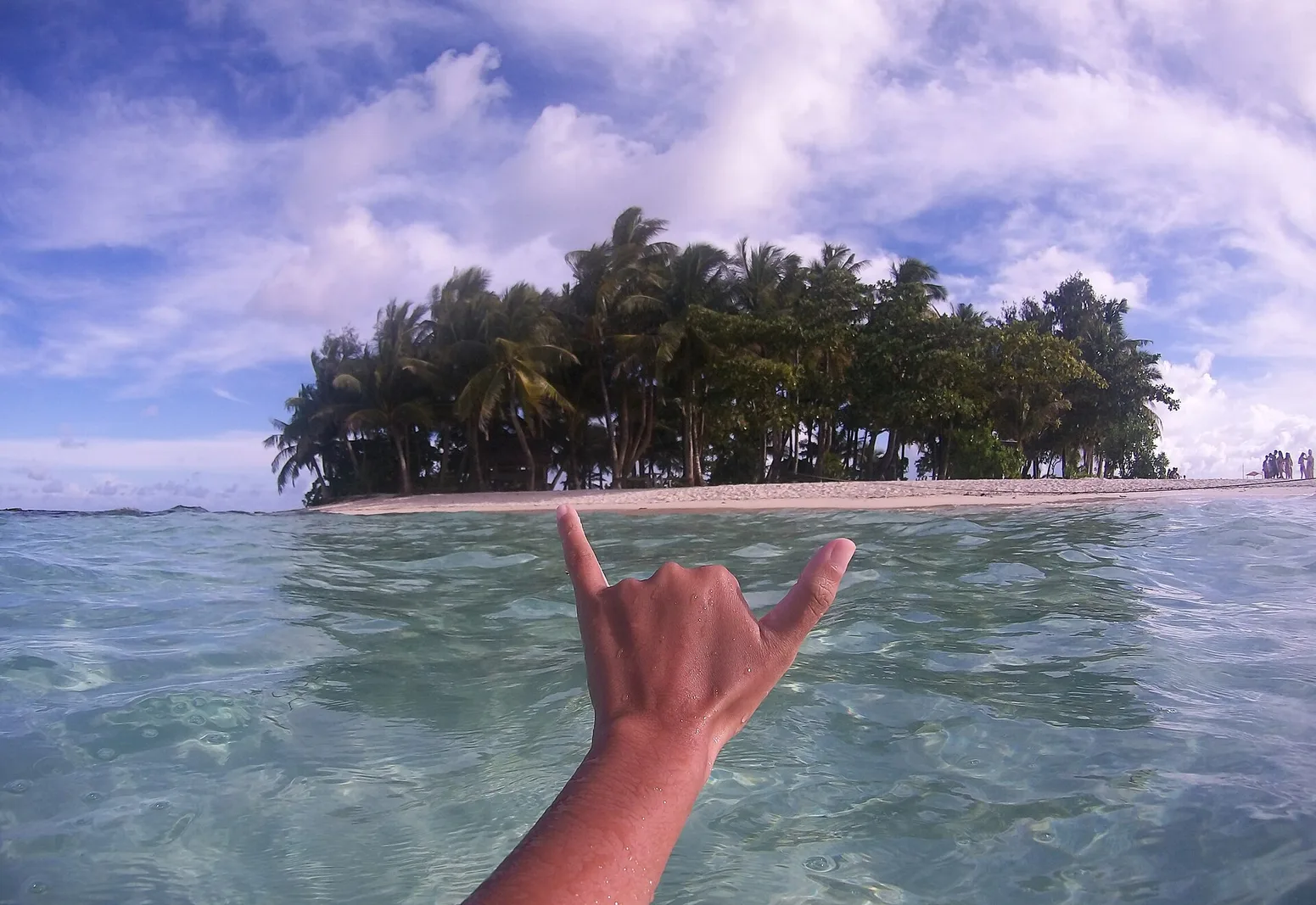
Off the eastern edge of Siargao, where the Pacific swell finally meets sheltered turquoise shallows, three small islands sit in a loose triangle of white sand and coral garden. The Siargao tri-island hopping tour, taking in Naked Island, Daku Island and Guyam Island, is the single most popular day trip on the island, and for good reason: in one unhurried boat ride you move from a bare sandbar to a coconut-fringed picnic island to a postcard-perfect islet you can walk around in five minutes. This guide goes well beyond the brochure version, explaining what each stop actually offers, the real history that made Siargao the surfing capital of the Philippines, the ecology beneath the boats, and the honest practicalities of cost, season and safety.
Hotels in Mindanao
Compare live prices via Travelpayouts — targeted for this guide.
What the Tri-Island Tour Actually Is
The tour departs from the small port at General Luna (often shortened to "GL"), the main tourist town on Siargao's southeast coast. Boats are traditional bancas, the outrigger vessels that have plied these waters for generations, and a typical trip runs from roughly 9 a.m. to mid-afternoon. The standard loop visits all three islands with time for swimming, snorkelling and a beachside lunch, usually grilled fish, chicken, rice and fresh fruit cooked or laid out on Daku.
You can book a shared joiner tour or charter a private boat. The three islands lie within a few kilometres of each other and of the mainland, so transit time between stops is short, often 10 to 20 minutes. Calm morning seas are the norm; afternoons can pick up wind, which is one reason early departures are standard.
Naked Island (Pansukian)
Naked Island, known locally as Pansukian, earns its English name honestly: it is a pure sandbar with no trees, no shade and no structures, just a curved spit of brilliant white sand surrounded by clear shallows. At high tide it shrinks dramatically; at low tide it stretches out invitingly. Because there is zero shade, this is the stop where sun protection matters most. It is the most photogenic of the three precisely because of its emptiness, an unbroken horizon of blue and white.
Island hopping in Mindanao
Hand-picked experiences in Mindanao — book on Trip.com with instant confirmation.
Daku Island
Daku, meaning "big" in the local Surigaonon and Visayan tongues, is the largest of the trio and the only one with a resident community. Families here run small huts (kubo) for rent, cook fresh seafood, and sell drinks and snacks. It is the natural lunch stop: shaded by coconut palms, with soft sand and a relaxed, lived-in feel. Renting a hut typically costs a few hundred pesos, and you can arrange grilled lunch directly with the islanders if your tour does not include it.
Guyam Island
Guyam is the smallest, a tiny circular islet crowned with a cluster of leaning coconut palms and ringed by rock and coral. You can stroll its entire shoreline in a few minutes. The snorkelling around Guyam's edges is the best of the three stops, with reef fish darting through the shallows. It is the quintessential "deserted island" fantasy, though in peak season you will share it with other boats.
How Siargao Became the Surfing Capital of the Philippines
Siargao's transformation from a forgotten coconut-farming island into a global surf destination is one of the most remarkable tourism stories in Southeast Asia. The island faces the Pacific directly, and the deep Philippine Trench just offshore funnels powerful, well-shaped swells onto a shallow reef pass near the village of Catangnan, in the municipality of General Luna.
Cloud 9 and the 1990s Discovery
The break that put Siargao on the map is Cloud 9, a hollow, powerful right-hand reef wave. It was surfed and publicised by visiting travellers in the late 1980s and early 1990s; the name is widely credited to American surfer and photographer John Callahan and companions who documented the wave around 1992, after which it appeared in international surf magazines. The famous wooden boardwalk and viewing tower that jut out over the reef became an icon of the spot. From 1994, the annual Siargao Cup (Cloud 9 surfing competition) drew international and Filipino surfers, cementing the island's reputation. For decades Siargao remained a relatively low-key, backpacker-and-surfer haven before its broader boom in the 2010s.
From Niche to Mainstream
Improved flight access, social media, and recognition in travel media accelerated growth through the late 2010s, turning General Luna's once-sleepy Tourism Road into a strip of cafes, hostels and surf shops. If you are weighing flying versus the long boat-and-bus journey, our ferry vs flight comparison breaks down the trade-offs for reaching far-flung islands like this one, and live fares are on the flights page.
Typhoon Odette and the 2021 Recovery
On 16 December 2021, Super Typhoon Rai, known in the Philippines as Typhoon Odette, made one of its multiple landfalls directly over Siargao as a powerful storm. It was one of the most destructive typhoons to strike the country that year, flattening homes, stripping the island's signature coconut palms, and obliterating the original Cloud 9 boardwalk and tower. Power, water and communications were knocked out across Siargao and much of the Caraga region and Visayas, and the human toll across the affected provinces was severe.
The recovery that followed was driven heavily by the local community, returning residents, surf and tourism businesses, and a wave of volunteer and donation efforts. The Cloud 9 boardwalk was rebuilt, resorts reopened, and the coconut canopy slowly regenerated. Travellers today will find Siargao very much back on its feet, though the storm remains a defining recent chapter and a reminder of how exposed the island is to Pacific weather. Checking the weather outlook before you commit to dates is not optional here; it is essential.
Geology and Ecology of the Three Islands
The islands and sandbars of the tri-island area are products of coral reef systems and the constant sorting of sediment by tide and current. The brilliant white sand of Naked Island is largely biogenic, made of pulverised coral and shell rather than weathered rock, which is why it glows so vividly under sun. Sandbars like Pansukian are dynamic landforms: their size and even their precise position shift seasonally with prevailing swell and monsoon direction.
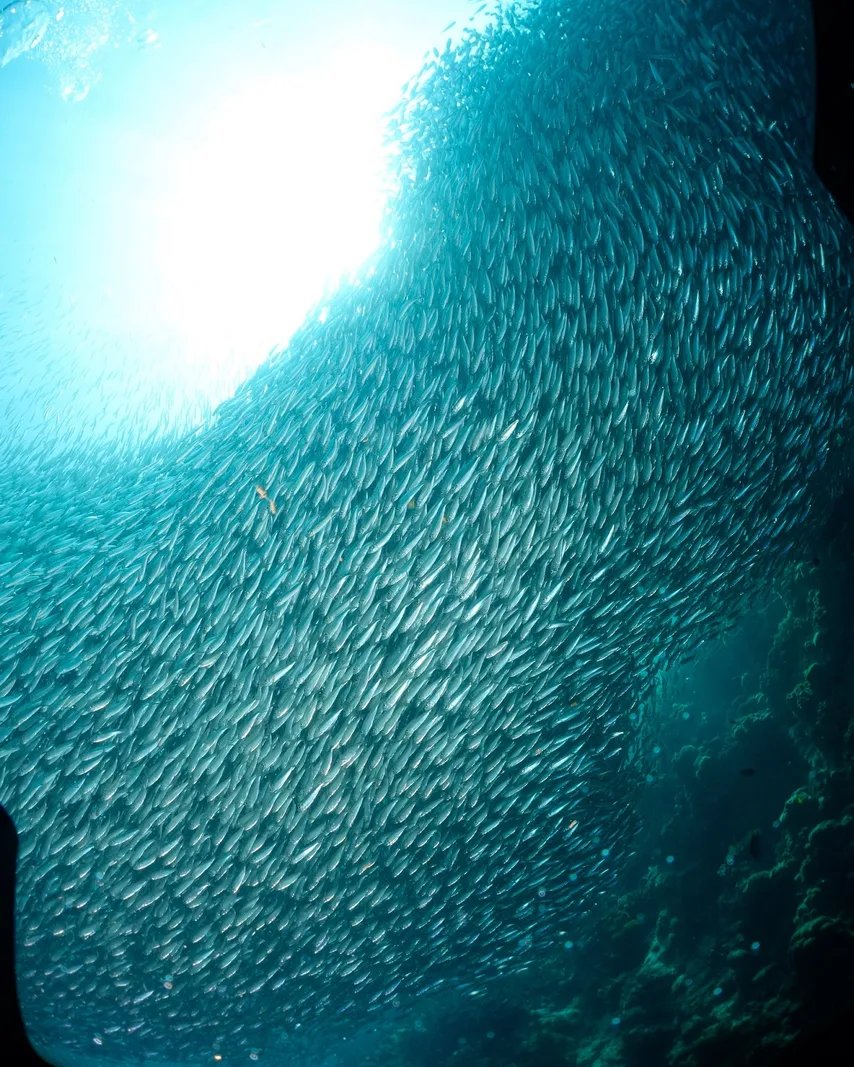
The surrounding reefs support fringing coral communities, reef fish, and seagrass beds in the shallows, which in turn are important feeding habitat. Siargao as a whole sits within a protected seascape, and much of the wider area falls under landscape and seascape protection designations, including extensive mangrove forests on the main island that buffer coasts and nurse juvenile fish. When snorkelling around Guyam, avoid standing on or touching coral; even brief contact can kill polyps that took years to grow.
Culture and Local Heritage
The people of Siargao are predominantly Surigaonon-speaking, part of the broader Visayan cultural sphere, with deep roots in fishing and coconut farming. Daku Island's resident families embody this older Siargao, making a living from the sea and from hosting visitors. The boatmen who run the tours are often from these same coastal communities, and a fair tip for safe handling and local knowledge is genuinely appreciated. Tourism has reshaped General Luna profoundly, but step a few kilometres inland or onto islands like Daku and the rhythms of provincial Mindanao life remain very present.
Practical How-To
Getting There
Most visitors fly into Sayak Airport (also called Siargao Airport) at Del Carmen in the island's northwest, then transfer roughly 45 minutes to an hour by van to General Luna. Direct flights connect from Manila and Cebu, though seats are limited and fill fast in peak months. The slower alternative is flying to Surigao City on the mainland and taking the RoRo ferry across to Dapa port on Siargao, then a van to GL. Plan your travel window with our best time to visit guide and browse curated itineraries on the destination guides.
Real Costs in Pesos
Prices fluctuate, but as realistic ranges: a shared joiner tri-island tour typically runs around PHP 1,200 to 1,800 per person including lunch. A private boat charter for the day generally falls between PHP 2,500 and 4,000 depending on boat size and bargaining, before food. On the islands themselves, expect a small environmental or terminal/entrance fee at each stop, usually in the PHP 50 to 100 range per island, and hut rental on Daku of roughly PHP 300 to 500. Fresh grilled lunch arranged on Daku might add PHP 250 to 500 per head. For a fuller breakdown of what a Siargao trip costs day to day, see our travel expenses guide.
What to Bring
- Reef-safe sunscreen, a rash guard and a hat (Naked Island has no shade whatsoever).
- Cash in small denominations for fees, lunch and hut rental; there are no card machines on the islands.
- Your own snorkel and mask if you have one; rentals exist but quality varies.
- A dry bag for phone and valuables, plus reusable water; minimise single-use plastic.
- Water shoes for coral and rocky edges around Guyam.
Honest Caveats
Seasons, Habagat and Typhoons
Siargao's driest, calmest window for island hopping is broadly March to early November for flat-water conditions, with the dry months earlier in the year generally most reliable for boat trips. The habagat (southwest monsoon) and the typhoon season, which runs from around June into December with peak risk later in the year, can bring rough seas, heavy rain and the suspension of boat trips. When the coast guard raises a warning, ferries and bancas are grounded, and no tour operator should sail against that order. Build buffer days into your plans, especially in the second half of the year.
Crowds and Ethics
The tri-island tour is hugely popular, so for solitude aim for an early start and consider shoulder-season weekdays. Take all rubbish back with you, do not feed or chase fish, and never buy or remove shells, coral or sand. Tip your boat crew fairly and buy lunch and drinks from the Daku islanders rather than bringing everything from town; that direct spending is what keeps these communities invested in protecting the reefs you came to see.
Conclusion
The Naked, Daku and Guyam circuit distils everything that makes Siargao special into a single, gentle day on the water: the raw beauty of a Pacific sandbar, the easy hospitality of an island community, and reefs that still teem with life. Behind the postcard scenery sits a real and recent history, from the 1990s discovery of Cloud 9 that turned a coconut island into a surf capital, to the hard recovery from Typhoon Odette in December 2021. Travel with that context in mind, respect the season and the sea, spend your pesos locally, and the tri-island tour will reward you with one of the finest, most genuine island-hopping experiences in the Philippines.

Real local stays (book direct)
Hand-picked homestays and guesthouses — book direct, no markup.
Popular activities (book instantly)
Island hopping, canyoneering, whale sharks — real Klook/GetYourGuide options.
Plan your Philippines trip