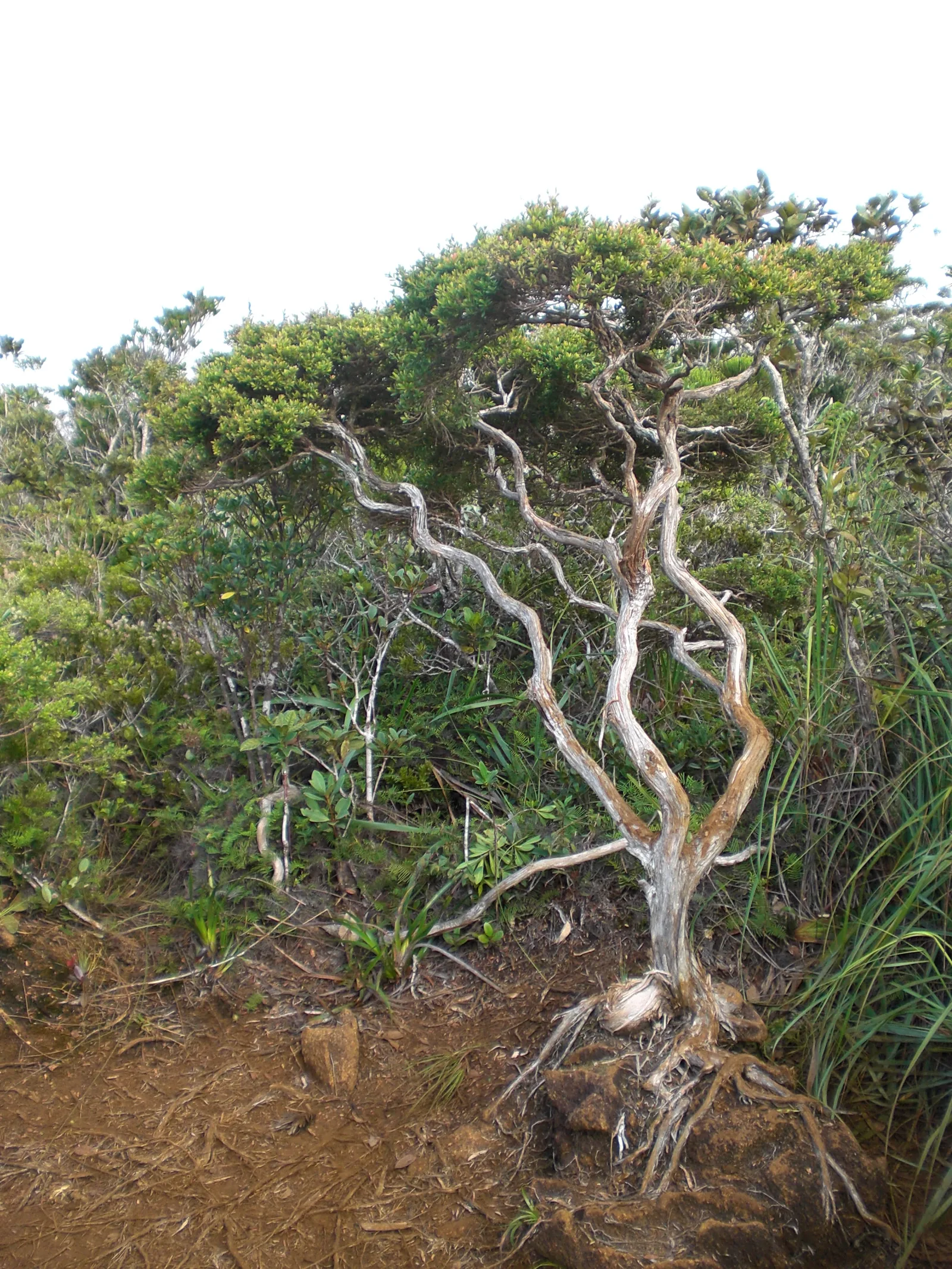
Mount Hamiguitan is a 1,620-metre peak in the San Isidro municipality of Davao Oriental, and it holds a title no other mountain in the Philippines can claim: it is the first UNESCO World Heritage Site in Mindanao. The reason is not the summit. The reason is what grows on the upper slopes: a 1,600-hectare pygmy forest of bonsai-shaped trees, some of them centuries old, twisted by wind and poor soil into shapes that look sculpted by hand.
Mount Hamiguitan: The Bonsai Forest at 1,600 Metres
Trip.com
Search on Trip.comHotels in Davao
Compare live prices via Travelpayouts — targeted for this guide.
This guide covers what the bonsai forest actually is, how to arrange a visit, what the trek involves, and what it costs in 2026. Mount Hamiguitan is not a casual day hike. It is a protected area with a strict permit system, a mandatory guide, and a limited number of visitors per day. If you are willing to work with those rules, you get access to one of the most unusual ecosystems in the country.
What the Bonsai Forest Is and Why It Exists
The bonsai forest of Hamiguitan is not made of actual bonsai trees in the ornamental sense. It is a naturally occurring pygmy forest. The trees here are full-grown species, including members of the Myrtaceae and Casuarinaceae families, but they grow to only a fraction of their normal height. Some trees that would reach 20 metres in a lowland forest here stand barely a metre tall.
The cause is a combination of altitude, ultramafic soil, and constant wind. The soil on the upper slopes is low in nutrients and high in metals like nickel and chromium, which most plants cannot tolerate. The species that survive here do so by growing slowly and staying low. The result is a landscape that looks like a manicured garden but is entirely wild.
Trip.com
See all tours in Davao on Trip.comHiking tour in Davao
Hand-picked experiences in Davao — book on Trip.com with instant confirmation.
The forest also hosts a high concentration of Nepenthes pitcher plants, including Nepenthes hamiguitanensis, a species found only on this mountain. The Philippine eagle has been documented in the area, along with the Philippine cockatoo and several restricted-range bird species.
UNESCO World Heritage Status and What It Means for Visitors
Mount Hamiguitan was inscribed on the UNESCO World Heritage List in 2014 under natural criteria. The inscription covers the entire mountain range and the protected area managed by the Department of Environment and Natural Resources. The status means the area is internationally recognised for its biodiversity and is subject to stricter conservation rules than a typical protected landscape.
For visitors, this translates into a few practical constraints. You cannot enter without a permit. You cannot enter without a guide. Group sizes are limited. Camping is allowed only at designated sites. And the trail route is fixed; you cannot wander off to explore on your own.
How to Get to Mount Hamiguitan
The jump-off point for the Hamiguitan trek is the municipality of San Isidro in Davao Oriental. To get there, you first need to reach Davao City, which has the nearest major airport.
From Davao City, San Isidro is roughly 5 to 6 hours by land. You can take a bus from the Ecoland Terminal heading to Mati City, then transfer to a van or bus to San Isidro. Some travellers hire a private van from Davao City directly to San Isidro, which costs around PHP 4,000 to PHP 5,000 for the vehicle and cuts travel time slightly.
Once in San Isidro, you register at the Mount Hamiguitan Range Wildlife Sanctuary Management Office. This is where permits are processed, guides are assigned, and the mandatory briefing is conducted.
Permit and Guide Requirements for 2026
As of 2026, the permit fee for Mount Hamiguitan is PHP 1,500 per person for the standard trek. This includes the environmental fee, the guide fee (shared among the group), and registration. If your group is small, you may end up paying a higher per-person guide fee because guides are assigned per group, not per person.
The mandatory guide fee is PHP 1,000 per day for a group of up to 5 people. For groups larger than 5, a second guide is required at the same rate. Porters can be hired for PHP 800 per day per porter, and they are recommended if you are doing the overnight summit trek because the trail is steep and the camp gear is heavy.
Permits should be arranged at least two weeks in advance through the San Isidro local government or a registered tour operator. Walk-in permits are sometimes available but are not guaranteed, especially during the peak trekking months.
The Trek: What to Expect on the Trail
There are two main trek options. The day trek goes to the bonsai forest edge and back, taking about 6 to 8 hours round trip. The overnight summit trek goes all the way to the peak at 1,620 metres, with a camp at the bonsai forest area, and takes two days and one night.
The Day Trek
The day trek starts at the registration area and climbs through lowland forest, then montane forest, before reaching the pygmy forest zone at roughly 1,200 metres. The trail is steep in sections, with root steps and muddy patches. Once you reach the bonsai forest, you walk along a designated path through the twisted trees. You do not enter the forest itself; you stay on the trail to protect the fragile root systems. The view from the edge opens across the canopy to the coast below.
The Overnight Summit Trek
The overnight trek follows the same route but continues past the bonsai forest camp to the summit ridge. The camp is set at the edge of the pygmy forest. The summit push is done early the next morning. The view from the top on a clear day reaches across Davao Oriental to the Pacific. The descent takes about 4 to 5 hours.
What to Bring
This is a real mountain trek, not a boardwalk. You need proper hiking shoes, not running shoes. The trail is muddy and root-covered, and grip matters. Bring rain gear regardless of the season; weather on the mountain changes fast. A minimum of 2 litres of water per person per day is required. For the overnight trek, bring a sleeping bag rated for cool temperatures because the camp elevation is over 1,200 metres and nights are cold.
Food is not sold on the mountain. You bring your own or arrange with your guide to cook at camp. If you hire a porter, they can carry the cooking gear and supplies.
When to Go
The best trekking window is the dry season from November to April. December to February is the most stable period, with the lowest rainfall and the clearest summit views. March and April are hotter at lower elevations but still dry. Avoid the rainy months from June to October; the trail becomes dangerously slippery and the mountain is often closed to trekkers during typhoon alerts.
Plan Your Trip With PANA
Build your Mindanao itinerary with our destination guides, book a Hamiguitan trek package through our tours directory, find accommodation in Davao through our hotel listings, and read more field notes on our blog.
Frequently Asked Questions
Do I need climbing experience for Mount Hamiguitan?
No technical climbing is required, but you need a reasonable level of fitness. The day trek involves 6 to 8 hours of uphill and downhill hiking on steep, muddy trail. If you have not hiked before, train beforehand.
Can I visit the bonsai forest without doing the summit trek?
Yes. The day trek reaches the bonsai forest edge and returns the same day. You do not need to go to the summit to see the pygmy forest.
Is camping allowed inside the bonsai forest?
No. Camping is at the designated campsite at the edge of the forest, not inside it. Entering the bonsai forest off-trail is prohibited to protect the root systems.
How cold does it get at the camp?
Nighttime temperatures at the 1,200-metre camp can drop to 12 to 15 degrees Celsius. A sleeping bag and a warm layer are necessary, especially from December to February.
Can I see the Philippine eagle on Mount Hamiguitan?
It is possible but unlikely. The Philippine eagle has been documented in the protected area, but sightings are rare and typically require deeper forest access that is not part of the standard trek route.
Sources and References
Sources
Primary references for the figures and rules in this guide. Fees and schedules change — check the source before you travel.

PANA.PH Visayas Desk
Visayas travel logistics — Cebu, Bohol, Boracay and Siargao
The Visayas Desk of the PANA.PH travel desk: it maintains and re-checks the visayas travel logistics — cebu, bohol, boracay and siargao data behind the site's guides — operator price lists, official fee schedules and posted timetables — and publishes what it can verify.
🏡 Real local stays (book direct)
Hand-picked homestays and guesthouses — book direct, no markup.
Browse all local stays →
🌊 Popular activities (book instantly)
Island hopping, canyoneering, whale sharks — real Klook/GetYourGuide options.
View all activities →