Architecture and What to See Inside
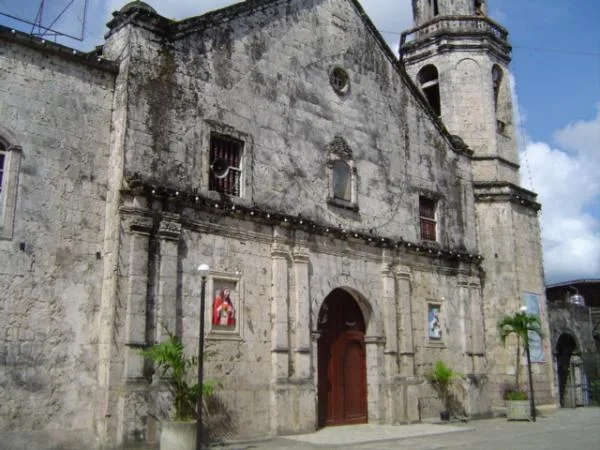
The most striking feature of the cathedral is its solid stone facade. The walls are thick, the windows are narrow, and the overall form is compact, which is typical of churches built in areas exposed to strong typhoons. The bell tower stands beside or behind the main church, depending on the angle, and it is one of the most photographed parts of the structure. From certain streets in Maasin, the tower can be seen rising above the low-rise buildings and the trees of the town.
Inside, the nave is long and relatively simple compared to some of the more ornate cathedrals in Manila or Cebu. The wooden ceiling, the stained glass, and the altarpiece create a calm atmosphere. There are statues, paintings, and religious objects that have been donated or preserved over the years. Some of the more important pieces include old bells, candelabras, and vestments used during major feast days. The side altars are often decorated with flowers and candles, especially on weekends. Look for the old stone baptistry and the carved details around the main altar. These small features are easy to miss if you visit too quickly.
The church grounds are also worth a slow walk. There is usually a small garden or courtyard where parishioners gather before and after mass. The entrance to the church is free, though a small donation of PHP 20 to PHP 50 is appreciated for maintenance. Candles are available for PHP 10 to PHP 20 each. Some visitors leave a larger donation in the box near the altar. The atmosphere is quiet during weekday mornings and more lively on Sunday mornings and during evening novena services.
The Cathedral's Role in Maasin City Life
Maasin Cathedral is not a museum. It is an active parish church that still holds regular masses, weddings, baptisms, and funerals. On Sundays, the pews fill with families from across the city and nearby barangays. The church also plays a central role during Holy Week, when processions pass through the downtown streets and the cathedral hosts a series of liturgical events. For many residents, the cathedral is the spiritual heart of Maasin and a place where several generations of a family may have been baptized or married.
The church also influences the social calendar of the city. Fiesta celebrations, parish anniversaries, and school graduation masses all involve the cathedral in one way or another. Local vendors sell snacks, candles, and religious items in the streets around the church during these events. The area becomes especially busy on feast days, with traffic and parking becoming harder to find. If you want a quiet visit, choose a weekday morning. If you want to see the cathedral at its most alive, visit during a Sunday mass or a major fiesta.
How to Visit the Cathedral Respectfully
The cathedral is open to visitors during the day, and there is no entrance fee. A small donation is optional but welcome. When entering, wear clothing that covers the shoulders and knees as a sign of respect. Avoid loud conversations, flash photography during mass, and touching the statues or altar furnishings. If a service is in progress, visitors are asked to sit quietly at the back or wait outside until the service ends. Mass schedules can change, so it is best to check the parish bulletin or ask at the parish office before planning your visit.
For a deeper visit, arrive just before a scheduled mass and observe the local customs. Parishioners often arrive early to light candles, pray the rosary, or greet one another. The calm before the service is a good time to take unobtrusive photos and absorb the atmosphere. If you want to learn more, the parish office may be able to provide a brief history or direct you to a local guide. Do not expect a formal museum tour; the experience is more personal and community-based. A small tip of PHP 100 to PHP 200 is appropriate if a staff member or volunteer spends time explaining the church to your group.
Side Trips Around Maasin City
A visit to Maasin Cathedral is easy to combine with other attractions in and around the city. The Maasin City Public Market is a short walk from the church and is a good place to see local produce, dried fish, and native delicacies. The provincial capitol building and the city plaza are also nearby, and they offer a glimpse into the administrative and social center of Southern Leyte. These areas are free to enter and can be covered on foot in under an hour.
For nature lovers, several waterfalls and caves are within a short drive of the city. Busay Falls and Guinsangaan Falls are popular day-trip options. A habal-habal ride to the trailhead costs PHP 100 to PHP 200, and some sites have a small entrance fee of PHP 20 to PHP 50. The coastal road south of Maasin offers views of the Camotes Sea and passes through small fishing villages. A tricycle tour of the city and nearby viewpoints can be arranged for PHP 300 to PHP 500 for half a day.
Where to Stay and Eat in Maasin
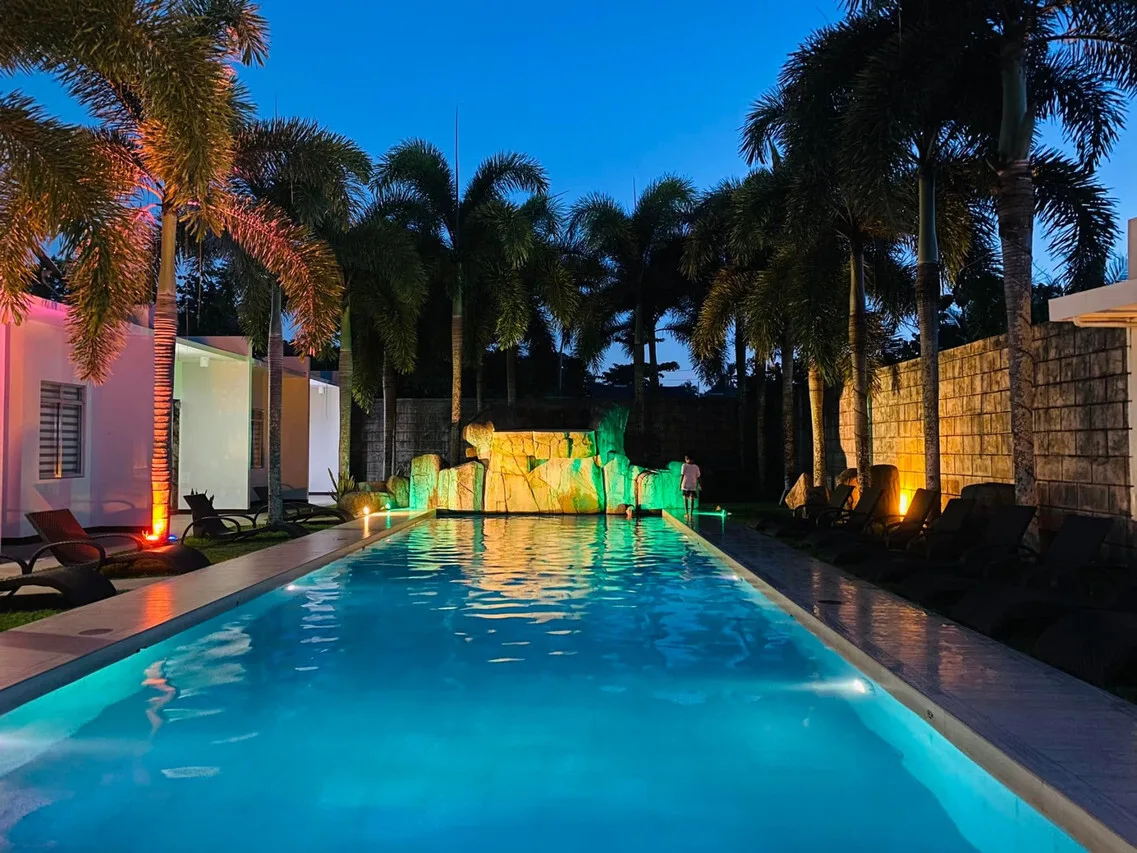
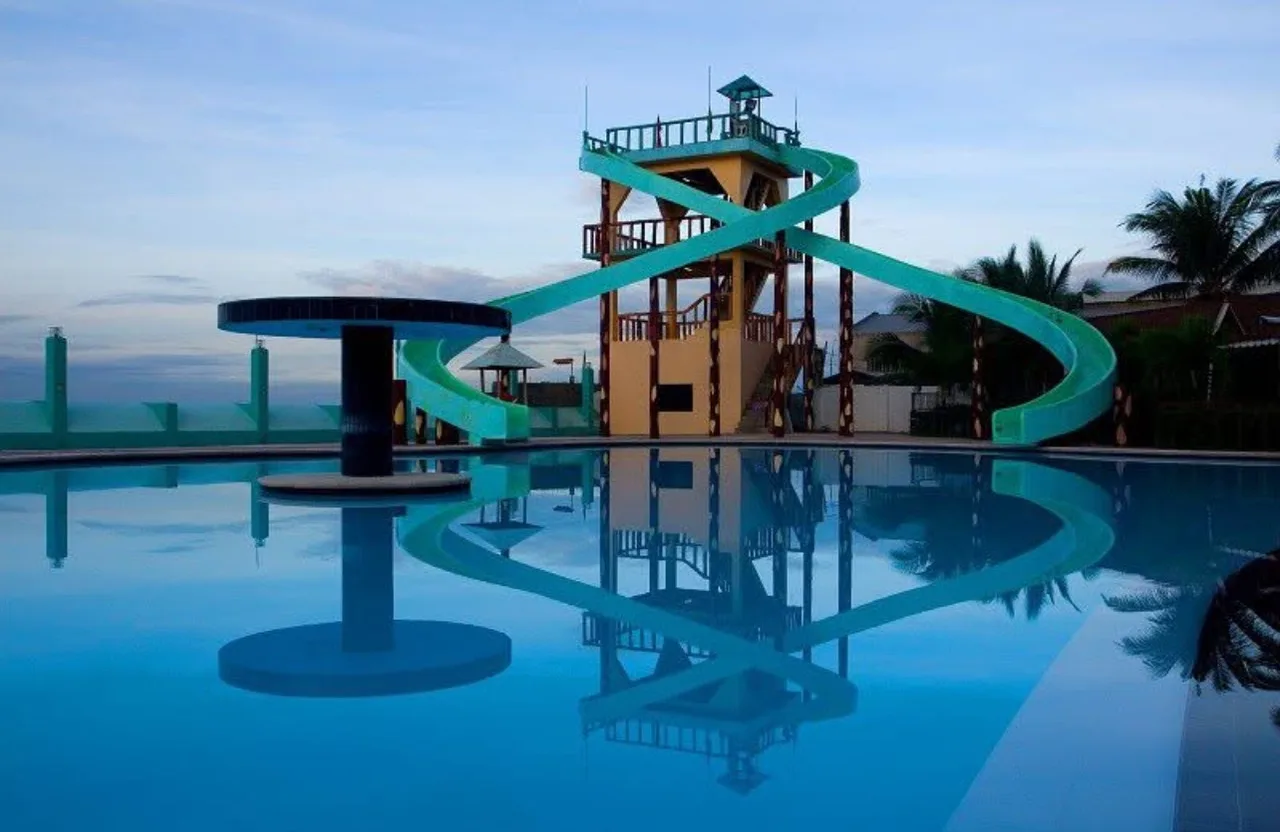
Maasin has a solid range of accommodation for travelers. Budget inns and pension houses in the city center charge PHP 700 to PHP 1,200 per night for a fan room. Mid-range hotels with air conditioning, Wi-Fi, and breakfast cost PHP 1,200 to PHP 2,500. A few larger hotels and resorts on the outskirts offer rooms from PHP 2,500 to PHP 4,000, often with sea views and swimming pools. The city is compact, so most hotels are within a short tricycle ride of the cathedral and the port.
Food is affordable and varied. Carinderias serve rice meals with pork, chicken, or fish for PHP 80 to PHP 150. Local specialties include fresh seafood, binagol, and moron, a sticky rice and chocolate snack wrapped in banana leaves. A cup of local coffee and a few pieces of bread at a bakery cost under PHP 80. For a sit-down dinner at a mid-range restaurant, expect to pay PHP 200 to PHP 400 per person. The market is the best place to buy fresh fruit and snacks for a day of sightseeing.
Budget for a Cathedral and City Day Trip
A day trip focused on the cathedral and the nearby city center is inexpensive. Transport by tricycle within Maasin costs PHP 15 to PHP 30 per ride. A candle at the cathedral is PHP 10 to PHP 20, and an optional donation is PHP 20 to PHP 100. Lunch at a carinderia is PHP 80 to PHP 150. If you add a side trip to a waterfall, budget PHP 100 to PHP 200 for habal-habal transport and PHP 20 to PHP 50 for the entrance fee. A full day with meals, transport, and a small donation can be done for PHP 400 to PHP 800 per person, not counting accommodation.
If you are coming from Tacloban or Ormoc, add the long-distance bus or van fare. A bus from Tacloban to Maasin costs PHP 250 to PHP 350, while a van is PHP 300 to PHP 400. The trip takes four to six hours, depending on traffic and road conditions. From Ormoc, the van fare is about PHP 200 to PHP 300. These long-distance fares are the biggest expense for a Maasin day trip, so many travelers choose to stay overnight and explore more of Southern Leyte the next day.
Practical Tips for Visiting
Wear comfortable shoes because you may be walking on uneven stone and pavement. Bring a hat and water, especially if you plan to walk between the cathedral, the market, and the port. Cash is widely used, and small bills are helpful for tricycles, candles, and snacks. The weather is best from January to May, with the wettest months running from June to December. Mass schedules are typically posted on the church door or on a local social media page. If you want to attend a Sunday mass, arrive at least fifteen minutes early to find a seat and observe the pre-service atmosphere.
Photography is allowed in most areas, but avoid using flash and be mindful of people praying. If you are not Catholic, you are still welcome to enter and observe, as long as you are quiet and respectful. The cathedral is a place of worship first and a tourist site second. Keep that in mind, and your visit will be more meaningful for everyone.
Frequently Asked Questions
Is Maasin Cathedral really the oldest church in Southern Leyte?
Yes, it is recognized as the oldest church in the province. It was built during the Spanish colonial period and has served the people of Maasin for several centuries.
Is there an entrance fee?
No. The cathedral is free to enter. A small donation for maintenance is optional, and candles can be bought for PHP 10 to PHP 20.
How do I get to Maasin from Tacloban?
Buses and vans leave Tacloban for Maasin throughout the day. Buses cost PHP 250 to PHP 350, and vans cost PHP 300 to PHP 400. The trip takes four to six hours. Once in Maasin, a tricycle to the cathedral costs PHP 15 to PHP 30.
What should I wear?
Wear modest clothing that covers the shoulders and knees. This is a sign of respect in any active church. Avoid beachwear and hats inside the building.
Plan Your Maasin Trip with PANA
Need help building a Southern Leyte itinerary? Explore destinations across the Philippines, book guided tours around the Visayas, find vetted hotels in Maasin and nearby towns, and read more travel tips on the PANA blog.
Article by PANA Visayas Desk. Reviewed by PANA Editorial. Prices and schedules were checked in early 2026. Always confirm current rates with local tourism offices before travel.
Maasin Cathedral: The Oldest Church in Southern Leyte
The Maasin Cathedral rises from a small hill near the center of Maasin City, the capital of Southern Leyte. It is the oldest church in the province, and it remains one of the most important landmarks in the city. For travelers, it is more than a photo stop. It is a place where local faith, Spanish-era architecture, and community life come together in a single structure. This guide was prepared by the PANA Visayas Desk and reviewed by the PANA Editorial team to help you understand the history, visit respectfully, and plan a full day in Maasin for 2026.
The cathedral has stood for centuries, surviving wars, storms, and the slow changes of a coastal city. Its walls are thick, its bell tower is visible from many downtown streets, and its interior still holds objects that connect the present congregation to the past. Whether you are a Catholic pilgrim, a history enthusiast, or a curious traveler, the cathedral offers a strong sense of place. It also makes a good anchor for a Southern Leyte trip that combines heritage, countryside, and nearby waterfalls.
The History of Maasin Cathedral
The Maasin Cathedral was founded during the Spanish colonial period and is considered the oldest church in Southern Leyte. The exact year of the first stone construction is not always agreed upon in every source, but the structure that exists today shows the layered history of the town. It began as a small mission church and grew over time as Maasin became a center of trade and administration in the southern part of Leyte. The church served as a spiritual center for the people of Maasin and the surrounding barangays, and it became even more prominent when the Diocese of Maasin was established in the twentieth century.
The building has been repaired and restored many times. Earthquakes, typhoons, and the tropical climate have all left their marks. Despite these challenges, the cathedral has kept its original footprint and many of its defining features. The thick stone walls, the high wooden beams, and the bell tower are characteristic of Spanish colonial church design in the Philippines. The cathedral is not just a religious site; it is a record of how the town of Maasin grew from a coastal settlement into a provincial capital. Local historians and parish records are the best sources for the detailed dates, but the visible structure itself tells the story of endurance.
Architecture and What to See Inside
The most striking feature of the cathedral is its solid stone facade. The walls are thick, the windows are narrow, and the overall form is compact, which is typical of churches built in areas exposed to strong typhoons. The bell tower stands beside or behind the main church, depending on the angle, and it is one of the most photographed parts of the structure. From certain streets in Maasin, the tower can be seen rising above the low-rise buildings and the trees of the town.
Inside, the nave is long and relatively simple compared to some of the more ornate cathedrals in Manila or Cebu. The wooden ceiling, the stained glass, and the altarpiece create a calm atmosphere. There are statues, paintings, and religious objects that have been donated or preserved over the years. Some of the more important pieces include old bells, candelabras, and vestments used during major feast days. The side altars are often decorated with flowers and candles, especially on weekends. Look for the old stone baptistry and the carved details around the main altar. These small features are easy to miss if you visit too quickly.
The church grounds are also worth a slow walk. There is usually a small garden or courtyard where parishioners gather before and after mass. The entrance to the church is free, though a small donation of PHP 20 to PHP 50 is appreciated for maintenance. Candles are available for PHP 10 to PHP 20 each. Some visitors leave a larger donation in the box near the altar. The atmosphere is quiet during weekday mornings and more lively on Sunday mornings and during evening novena services.
The Cathedral's Role in Maasin City Life
Maasin Cathedral is not a museum. It is an active parish church that still holds regular masses, weddings, baptisms, and funerals. On Sundays, the pews fill with families from across the city and nearby barangays. The church also plays a central role during Holy Week, when processions pass through the downtown streets and the cathedral hosts a series of liturgical events. For many residents, the cathedral is the spiritual heart of Maasin and a place where several generations of a family may have been baptized or married.
The church also influences the social calendar of the city. Fiesta celebrations, parish anniversaries, and school graduation masses all involve the cathedral in one way or another. Local vendors sell snacks, candles, and religious items in the streets around the church during these events. The area becomes especially busy on feast days, with traffic and parking becoming harder to find. If you want a quiet visit, choose a weekday morning. If you want to see the cathedral at its most alive, visit during a Sunday mass or a major fiesta.
How to Visit the Cathedral Respectfully
The cathedral is open to visitors during the day, and there is no entrance fee. A small donation is optional but welcome. When entering, wear clothing that covers the shoulders and knees as a sign of respect. Avoid loud conversations, flash photography during mass, and touching the statues or altar furnishings. If a service is in progress, visitors are asked to sit quietly at the back or wait outside until the service ends. Mass schedules can change, so it is best to check the parish bulletin or ask at the parish office before planning your visit.
For a deeper visit, arrive just before a scheduled mass and observe the local customs. Parishioners often arrive early to light candles, pray the rosary, or greet one another. The calm before the service is a good time to take unobtrusive photos and absorb the atmosphere. If you want to learn more, the parish office may be able to provide a brief history or direct you to a local guide. Do not expect a formal museum tour; the experience is more personal and community-based. A small tip of PHP 100 to PHP 200 is appropriate if a staff member or volunteer spends time explaining the church to your group.
Side Trips Around Maasin City
A visit to Maasin Cathedral is easy to combine with other attractions in and around the city. The Maasin City Public Market is a short walk from the church and is a good place to see local produce, dried fish, and native delicacies. The provincial capitol building and the city plaza are also nearby, and they offer a glimpse into the administrative and social center of Southern Leyte. These areas are free to enter and can be covered on foot in under an hour.
For nature lovers, several waterfalls and caves are within a short drive of the city. Busay Falls and Guinsangaan Falls are popular day-trip options. A habal-habal ride to the trailhead costs PHP 100 to PHP 200, and some sites have a small entrance fee of PHP 20 to PHP 50. The coastal road south of Maasin offers views of the Camotes Sea and passes through small fishing villages. A tricycle tour of the city and nearby viewpoints can be arranged for PHP 300 to PHP 500 for half a day.
Where to Stay and Eat in Maasin
Maasin has a solid range of accommodation for travelers. Budget inns and pension houses in the city center charge PHP 700 to PHP 1,200 per night for a fan room. Mid-range hotels with air conditioning, Wi-Fi, and breakfast cost PHP 1,200 to PHP 2,500. A few larger hotels and resorts on the outskirts offer rooms from PHP 2,500 to PHP 4,000, often with sea views and swimming pools. The city is compact, so most hotels are within a short tricycle ride of the cathedral and the port.
Food is affordable and varied. Carinderias serve rice meals with pork, chicken, or fish for PHP 80 to PHP 150. Local specialties include fresh seafood, binagol, and moron, a sticky rice and chocolate snack wrapped in banana leaves. A cup of local coffee and a few pieces of bread at a bakery cost under PHP 80. For a sit-down dinner at a mid-range restaurant, expect to pay PHP 200 to PHP 400 per person. The market is the best place to buy fresh fruit and snacks for a day of sightseeing.
Budget for a Cathedral and City Day Trip
A day trip focused on the cathedral and the nearby city center is inexpensive. Transport by tricycle within Maasin costs PHP 15 to PHP 30 per ride. A candle at the cathedral is PHP 10 to PHP 20, and an optional donation is PHP 20 to PHP 100. Lunch at a carinderia is PHP 80 to PHP 150. If you add a side trip to a waterfall, budget PHP 100 to PHP 200 for habal-habal transport and PHP 20 to PHP 50 for the entrance fee. A full day with meals, transport, and a small donation can be done for PHP 400 to PHP 800 per person, not counting accommodation.
If you are coming from Tacloban or Ormoc, add the long-distance bus or van fare. A bus from Tacloban to Maasin costs PHP 250 to PHP 350, while a van is PHP 300 to PHP 400. The trip takes four to six hours, depending on traffic and road conditions. From Ormoc, the van fare is about PHP 200 to PHP 300. These long-distance fares are the biggest expense for a Maasin day trip, so many travelers choose to stay overnight and explore more of Southern Leyte the next day.
Practical Tips for Visiting
Wear comfortable shoes because you may be walking on uneven stone and pavement. Bring a hat and water, especially if you plan to walk between the cathedral, the market, and the port. Cash is widely used, and small bills are helpful for tricycles, candles, and snacks. The weather is best from January to May, with the wettest months running from June to December. Mass schedules are typically posted on the church door or on a local social media page. If you want to attend a Sunday mass, arrive at least fifteen minutes early to find a seat and observe the pre-service atmosphere.
Photography is allowed in most areas, but avoid using flash and be mindful of people praying. If you are not Catholic, you are still welcome to enter and observe, as long as you are quiet and respectful. The cathedral is a place of worship first and a tourist site second. Keep that in mind, and your visit will be more meaningful for everyone.
Frequently Asked Questions
Is Maasin Cathedral really the oldest church in Southern Leyte?
Yes, it is recognized as the oldest church in the province. It was built during the Spanish colonial period and has served the people of Maasin for several centuries.
Is there an entrance fee?
No. The cathedral is free to enter. A small donation for maintenance is optional, and candles can be bought for PHP 10 to PHP 20.
How do I get to Maasin from Tacloban?
Buses and vans leave Tacloban for Maasin throughout the day. Buses cost PHP 250 to PHP 350, and vans cost PHP 300 to PHP 400. The trip takes four to six hours. Once in Maasin, a tricycle to the cathedral costs PHP 15 to PHP 30.
What should I wear?
Wear modest clothing that covers the shoulders and knees. This is a sign of respect in any active church. Avoid beachwear and hats inside the building.
Plan Your Maasin Trip with PANA
Need help building a Southern Leyte itinerary? Explore destinations across the Philippines, book guided tours around the Visayas, find vetted hotels in Maasin and nearby towns, and read more travel tips on the PANA blog.
Article by PANA Visayas Desk. Reviewed by PANA Editorial. Prices and schedules were checked in early 2026. Always confirm current rates with local tourism offices before travel.
Maasin Cathedral: The Oldest Church in Southern Leyte
The Maasin Cathedral rises from a small hill near the center of Maasin City, the capital of Southern Leyte. It is the oldest church in the province, and it remains one of the most important landmarks in the city. For travelers, it is more than a photo stop. It is a place where local faith, Spanish-era architecture, and community life come together in a single structure. This guide was prepared by the PANA Visayas Desk and reviewed by the PANA Editorial team to help you understand the history, visit respectfully, and plan a full day in Maasin for 2026.
The cathedral has stood for centuries, surviving wars, storms, and the slow changes of a coastal city. Its walls are thick, its bell tower is visible from many downtown streets, and its interior still holds objects that connect the present congregation to the past. Whether you are a Catholic pilgrim, a history enthusiast, or a curious traveler, the cathedral offers a strong sense of place. It also makes a good anchor for a Southern Leyte trip that combines heritage, countryside, and nearby waterfalls.
The History of Maasin Cathedral
The Maasin Cathedral was founded during the Spanish colonial period and is considered the oldest church in Southern Leyte. The exact year of the first stone construction is not always agreed upon in every source, but the structure that exists today shows the layered history of the town. It began as a small mission church and grew over time as Maasin became a center of trade and administration in the southern part of Leyte. The church served as a spiritual center for the people of Maasin and the surrounding barangays, and it became even more prominent when the Diocese of Maasin was established in the twentieth century.
The building has been repaired and restored many times. Earthquakes, typhoons, and the tropical climate have all left their marks. Despite these challenges, the cathedral has kept its original footprint and many of its defining features. The thick stone walls, the high wooden beams, and the bell tower are characteristic of Spanish colonial church design in the Philippines. The cathedral is not just a religious site; it is a record of how the town of Maasin grew from a coastal settlement into a provincial capital. Local historians and parish records are the best sources for the detailed dates, but the visible structure itself tells the story of endurance.
Architecture and What to See Inside
The most striking feature of the cathedral is its solid stone facade. The walls are thick, the windows are narrow, and the overall form is compact, which is typical of churches built in areas exposed to strong typhoons. The bell tower stands beside or behind the main church, depending on the angle, and it is one of the most photographed parts of the structure. From certain streets in Maasin, the tower can be seen rising above the low-rise buildings and the trees of the town.
Inside, the nave is long and relatively simple compared to some of the more ornate cathedrals in Manila or Cebu. The wooden ceiling, the stained glass, and the altarpiece create a calm atmosphere. There are statues, paintings, and religious objects that have been donated or preserved over the years. Some of the more important pieces include old bells, candelabras, and vestments used during major feast days. The side altars are often decorated with flowers and candles, especially on weekends. Look for the old stone baptistry and the carved details around the main altar. These small features are easy to miss if you visit too quickly.
The church grounds are also worth a slow walk. There is usually a small garden or courtyard where parishioners gather before and after mass. The entrance to the church is free, though a small donation of PHP 20 to PHP 50 is appreciated for maintenance. Candles are available for PHP 10 to PHP 20 each. Some visitors leave a larger donation in the box near the altar. The atmosphere is quiet during weekday mornings and more lively on Sunday mornings and during evening novena services.
The Cathedral's Role in Maasin City Life
Maasin Cathedral is not a museum. It is an active parish church that still holds regular masses, weddings, baptisms, and funerals. On Sundays, the pews fill with families from across the city and nearby barangays. The church also plays a central role during Holy Week, when processions pass through the downtown streets and the cathedral hosts a series of liturgical events. For many residents, the cathedral is the spiritual heart of Maasin and a place where several generations of a family may have been baptized or married.
The church also influences the social calendar of the city. Fiesta celebrations, parish anniversaries, and school graduation masses all involve the cathedral in one way or another. Local vendors sell snacks, candles, and religious items in the streets around the church during these events. The area becomes especially busy on feast days, with traffic and parking becoming harder to find. If you want a quiet visit, choose a weekday morning. If you want to see the cathedral at its most alive, visit during a Sunday mass or a major fiesta.
How to Visit the Cathedral Respectfully
The cathedral is open to visitors during the day, and there is no entrance fee. A small donation is optional but welcome. When entering, wear clothing that covers the shoulders and knees as a sign of respect. Avoid loud conversations, flash photography during mass, and touching the statues or altar furnishings. If a service is in progress, visitors are asked to sit quietly at the back or wait outside until the service ends. Mass schedules can change, so it is best to check the parish bulletin or ask at the parish office before planning your visit.
For a deeper visit, arrive just before a scheduled mass and observe the local customs. Parishioners often arrive early to light candles, pray the rosary, or greet one another. The calm before the service is a good time to take unobtrusive photos and absorb the atmosphere. If you want to learn more, the parish office may be able to provide a brief history or direct you to a local guide. Do not expect a formal museum tour; the experience is more personal and community-based. A small tip of PHP 100 to PHP 200 is appropriate if a staff member or volunteer spends time explaining the church to your group.
Side Trips Around Maasin City
A visit to Maasin Cathedral is easy to combine with other attractions in and around the city. The Maasin City Public Market is a short walk from the church and is a good place to see local produce, dried fish, and native delicacies. The provincial capitol building and the city plaza are also nearby, and they offer a glimpse into the administrative and social center of Southern Leyte. These areas are free to enter and can be covered on foot in under an hour.
For nature lovers, several waterfalls and caves are within a short drive of the city. Busay Falls and Guinsangaan Falls are popular day-trip options. A habal-habal ride to the trailhead costs PHP 100 to PHP 200, and some sites have a small entrance fee of PHP 20 to PHP 50. The coastal road south of Maasin offers views of the Camotes Sea and passes through small fishing villages. A tricycle tour of the city and nearby viewpoints can be arranged for PHP 300 to PHP 500 for half a day.
Where to Stay and Eat in Maasin
Maasin has a solid range of accommodation for travelers. Budget inns and pension houses in the city center charge PHP 700 to PHP 1,200 per night for a fan room. Mid-range hotels with air conditioning, Wi-Fi, and breakfast cost PHP 1,200 to PHP 2,500. A few larger hotels and resorts on the outskirts offer rooms from PHP 2,500 to PHP 4,000, often with sea views and swimming pools. The city is compact, so most hotels are within a short tricycle ride of the cathedral and the port.
Food is affordable and varied. Carinderias serve rice meals with pork, chicken, or fish for PHP 80 to PHP 150. Local specialties include fresh seafood, binagol, and moron, a sticky rice and chocolate snack wrapped in banana leaves. A cup of local coffee and a few pieces of bread at a bakery cost under PHP 80. For a sit-down dinner at a mid-range restaurant, expect to pay PHP 200 to PHP 400 per person. The market is the best place to buy fresh fruit and snacks for a day of sightseeing.
Budget for a Cathedral and City Day Trip
A day trip focused on the cathedral and the nearby city center is inexpensive. Transport by tricycle within Maasin costs PHP 15 to PHP 30 per ride. A candle at the cathedral is PHP 10 to PHP 20, and an optional donation is PHP 20 to PHP 100. Lunch at a carinderia is PHP 80 to PHP 150. If you add a side trip to a waterfall, budget PHP 100 to PHP 200 for habal-habal transport and PHP 20 to PHP 50 for the entrance fee. A full day with meals, transport, and a small donation can be done for PHP 400 to PHP 800 per person, not counting accommodation.
If you are coming from Tacloban or Ormoc, add the long-distance bus or van fare. A bus from Tacloban to Maasin costs PHP 250 to PHP 350, while a van is PHP 300 to PHP 400. The trip takes four to six hours, depending on traffic and road conditions. From Ormoc, the van fare is about PHP 200 to PHP 300. These long-distance fares are the biggest expense for a Maasin day trip, so many travelers choose to stay overnight and explore more of Southern Leyte the next day.
Practical Tips for Visiting
Wear comfortable shoes because you may be walking on uneven stone and pavement. Bring a hat and water, especially if you plan to walk between the cathedral, the market, and the port. Cash is widely used, and small bills are helpful for tricycles, candles, and snacks. The weather is best from January to May, with the wettest months running from June to December. Mass schedules are typically posted on the church door or on a local social media page. If you want to attend a Sunday mass, arrive at least fifteen minutes early to find a seat and observe the pre-service atmosphere.
Photography is allowed in most areas, but avoid using flash and be mindful of people praying. If you are not Catholic, you are still welcome to enter and observe, as long as you are quiet and respectful. The cathedral is a place of worship first and a tourist site second. Keep that in mind, and your visit will be more meaningful for everyone.
Frequently Asked Questions
Is Maasin Cathedral really the oldest church in Southern Leyte?
Yes, it is recognized as the oldest church in the province. It was built during the Spanish colonial period and has served the people of Maasin for several centuries.
Is there an entrance fee?
No. The cathedral is free to enter. A small donation for maintenance is optional, and candles can be bought for PHP 10 to PHP 20.
How do I get to Maasin from Tacloban?
Buses and vans leave Tacloban for Maasin throughout the day. Buses cost PHP 250 to PHP 350, and vans cost PHP 300 to PHP 400. The trip takes four to six hours. Once in Maasin, a tricycle to the cathedral costs PHP 15 to PHP 30.
What should I wear?
Wear modest clothing that covers the shoulders and knees. This is a sign of respect in any active church. Avoid beachwear and hats inside the building.
Plan Your Maasin Trip with PANA
Need help building a Southern Leyte itinerary? Explore destinations across the Philippines, book guided tours around the Visayas, find vetted hotels in Maasin and nearby towns, and read more travel tips on the PANA blog.
Article by PANA Visayas Desk. Reviewed by PANA Editorial. Prices and schedules were checked in early 2026. Always confirm current rates with local tourism offices before travel.
Maasin Cathedral: The Oldest Church in Southern Leyte
The Maasin Cathedral rises from a small hill near the center of Maasin City, the capital of Southern Leyte. It is the oldest church in the province, and it remains one of the most important landmarks in the city. For travelers, it is more than a photo stop. It is a place where local faith, Spanish-era architecture, and community life come together in a single structure. This guide was prepared by the PANA Visayas Desk and reviewed by the PANA Editorial team to help you understand the history, visit respectfully, and plan a full day in Maasin for 2026.
The cathedral has stood for centuries, surviving wars, storms, and the slow changes of a coastal city. Its walls are thick, its bell tower is visible from many downtown streets, and its interior still holds objects that connect the present congregation to the past. Whether you are a Catholic pilgrim, a history enthusiast, or a curious traveler, the cathedral offers a strong sense of place. It also makes a good anchor for a Southern Leyte trip that combines heritage, countryside, and nearby waterfalls.
The History of Maasin Cathedral
The Maasin Cathedral was founded during the Spanish colonial period and is considered the oldest church in Southern Leyte. The exact year of the first stone construction is not always agreed upon in every source, but the structure that exists today shows the layered history of the town. It began as a small mission church and grew over time as Maasin became a center of trade and administration in the southern part of Leyte. The church served as a spiritual center for the people of Maasin and the surrounding barangays, and it became even more prominent when the Diocese of Maasin was established in the twentieth century.
The building has been repaired and restored many times. Earthquakes, typhoons, and the tropical climate have all left their marks. Despite these challenges, the cathedral has kept its original footprint and many of its defining features. The thick stone walls, the high wooden beams, and the bell tower are characteristic of Spanish colonial church design in the Philippines. The cathedral is not just a religious site; it is a record of how the town of Maasin grew from a coastal settlement into a provincial capital. Local historians and parish records are the best sources for the detailed dates, but the visible structure itself tells the story of endurance.
Architecture and What to See Inside
The most striking feature of the cathedral is its solid stone facade. The walls are thick, the windows are narrow, and the overall form is compact, which is typical of churches built in areas exposed to strong typhoons. The bell tower stands beside or behind the main church, depending on the angle, and it is one of the most photographed parts of the structure. From certain streets in Maasin, the tower can be seen rising above the low-rise buildings and the trees of the town.
Inside, the nave is long and relatively simple compared to some of the more ornate cathedrals in Manila or Cebu. The wooden ceiling, the stained glass, and the altarpiece create a calm atmosphere. There are statues, paintings, and religious objects that have been donated or preserved over the years. Some of the more important pieces include old bells, candelabras, and vestments used during major feast days. The side altars are often decorated with flowers and candles, especially on weekends. Look for the old stone baptistry and the carved details around the main altar. These small features are easy to miss if you visit too quickly.
The church grounds are also worth a slow walk. There is usually a small garden or courtyard where parishioners gather before and after mass. The entrance to the church is free, though a small donation of PHP 20 to PHP 50 is appreciated for maintenance. Candles are available for PHP 10 to PHP 20 each. Some visitors leave a larger donation in the box near the altar. The atmosphere is quiet during weekday mornings and more lively on Sunday mornings and during evening novena services.
The Cathedral's Role in Maasin City Life
Maasin Cathedral is not a museum. It is an active parish church that still holds regular masses, weddings, baptisms, and funerals. On Sundays, the pews fill with families from across the city and nearby barangays. The church also plays a central role during Holy Week, when processions pass through the downtown streets and the cathedral hosts a series of liturgical events. For many residents, the cathedral is the spiritual heart of Maasin and a place where several generations of a family may have been baptized or married.
The church also influences the social calendar of the city. Fiesta celebrations, parish anniversaries, and school graduation masses all involve the cathedral in one way or another. Local vendors sell snacks, candles, and religious items in the streets around the church during these events. The area becomes especially busy on feast days, with traffic and parking becoming harder to find. If you want a quiet visit, choose a weekday morning. If you want to see the cathedral at its most alive, visit during a Sunday mass or a major fiesta.
How to Visit the Cathedral Respectfully
The cathedral is open to visitors during the day, and there is no entrance fee. A small donation is optional but welcome. When entering, wear clothing that covers the shoulders and knees as a sign of respect. Avoid loud conversations, flash photography during mass, and touching the statues or altar furnishings. If a service is in progress, visitors are asked to sit quietly at the back or wait outside until the service ends. Mass schedules can change, so it is best to check the parish bulletin or ask at the parish office before planning your visit.
For a deeper visit, arrive just before a scheduled mass and observe the local customs. Parishioners often arrive early to light candles, pray the rosary, or greet one another. The calm before the service is a good time to take unobtrusive photos and absorb the atmosphere. If you want to learn more, the parish office may be able to provide a brief history or direct you to a local guide. Do not expect a formal museum tour; the experience is more personal and community-based. A small tip of PHP 100 to PHP 200 is appropriate if a staff member or volunteer spends time explaining the church to your group.
Side Trips Around Maasin City
A visit to Maasin Cathedral is easy to combine with other attractions in and around the city. The Maasin City Public Market is a short walk from the church and is a good place to see local produce, dried fish, and native delicacies. The provincial capitol building and the city plaza are also nearby, and they offer a glimpse into the administrative and social center of Southern Leyte. These areas are free to enter and can be covered on foot in under an hour.
For nature lovers, several waterfalls and caves are within a short drive of the city. Busay Falls and Guinsangaan Falls are popular day-trip options. A habal-habal ride to the trailhead costs PHP 100 to PHP 200, and some sites have a small entrance fee of PHP 20 to PHP 50. The coastal road south of Maasin offers views of the Camotes Sea and passes through small fishing villages. A tricycle tour of the city and nearby viewpoints can be arranged for PHP 300 to PHP 500 for half a day.
Where to Stay and Eat in Maasin
Maasin has a solid range of accommodation for travelers. Budget inns and pension houses in the city center charge PHP 700 to PHP 1,200 per night for a fan room. Mid-range hotels with air conditioning, Wi-Fi, and breakfast cost PHP 1,200 to PHP 2,500. A few larger hotels and resorts on the outskirts offer rooms from PHP 2,500 to PHP 4,000, often with sea views and swimming pools. The city is compact, so most hotels are within a short tricycle ride of the cathedral and the port.
Food is affordable and varied. Carinderias serve rice meals with pork, chicken, or fish for PHP 80 to PHP 150. Local specialties include fresh seafood, binagol, and moron, a sticky rice and chocolate snack wrapped in banana leaves. A cup of local coffee and a few pieces of bread at a bakery cost under PHP 80. For a sit-down dinner at a mid-range restaurant, expect to pay PHP 200 to PHP 400 per person. The market is the best place to buy fresh fruit and snacks for a day of sightseeing.
Budget for a Cathedral and City Day Trip
A day trip focused on the cathedral and the nearby city center is inexpensive. Transport by tricycle within Maasin costs PHP 15 to PHP 30 per ride. A candle at the cathedral is PHP 10 to PHP 20, and an optional donation is PHP 20 to PHP 100. Lunch at a carinderia is PHP 80 to PHP 150. If you add a side trip to a waterfall, budget PHP 100 to PHP 200 for habal-habal transport and PHP 20 to PHP 50 for the entrance fee. A full day with meals, transport, and a small donation can be done for PHP 400 to PHP 800 per person, not counting accommodation.
If you are coming from Tacloban or Ormoc, add the long-distance bus or van fare. A bus from Tacloban to Maasin costs PHP 250 to PHP 350, while a van is PHP 300 to PHP 400. The trip takes four to six hours, depending on traffic and road conditions. From Ormoc, the van fare is about PHP 200 to PHP 300. These long-distance fares are the biggest expense for a Maasin day trip, so many travelers choose to stay overnight and explore more of Southern Leyte the next day.
Practical Tips for Visiting
Wear comfortable shoes because you may be walking on uneven stone and pavement. Bring a hat and water, especially if you plan to walk between the cathedral, the market, and the port. Cash is widely used, and small bills are helpful for tricycles, candles, and snacks. The weather is best from January to May, with the wettest months running from June to December. Mass schedules are typically posted on the church door or on a local social media page. If you want to attend a Sunday mass, arrive at least fifteen minutes early to find a seat and observe the pre-service atmosphere.
Photography is allowed in most areas, but avoid using flash and be mindful of people praying. If you are not Catholic, you are still welcome to enter and observe, as long as you are quiet and respectful. The cathedral is a place of worship first and a tourist site second. Keep that in mind, and your visit will be more meaningful for everyone.
Frequently Asked Questions
Is Maasin Cathedral really the oldest church in Southern Leyte?
Yes, it is recognized as the oldest church in the province. It was built during the Spanish colonial period and has served the people of Maasin for several centuries.
Is there an entrance fee?
No. The cathedral is free to enter. A small donation for maintenance is optional, and candles can be bought for PHP 10 to PHP 20.
How do I get to Maasin from Tacloban?
Buses and vans leave Tacloban for Maasin throughout the day. Buses cost PHP 250 to PHP 350, and vans cost PHP 300 to PHP 400. The trip takes four to six hours. Once in Maasin, a tricycle to the cathedral costs PHP 15 to PHP 30.
What should I wear?
Wear modest clothing that covers the shoulders and knees. This is a sign of respect in any active church. Avoid beachwear and hats inside the building.
Plan Your Maasin Trip with PANA
Need help building a Southern Leyte itinerary? Explore destinations across the Philippines, book guided tours around the Visayas, find vetted hotels in Maasin and nearby towns, and read more travel tips on the PANA blog.