Sambawan Island, Biliran - Your Ultimate Guide to the Hidden Gem of the Philippines
Sambawan Island, Biliran - Your Ultimate Guide to the Hidden Gem of the Philippines
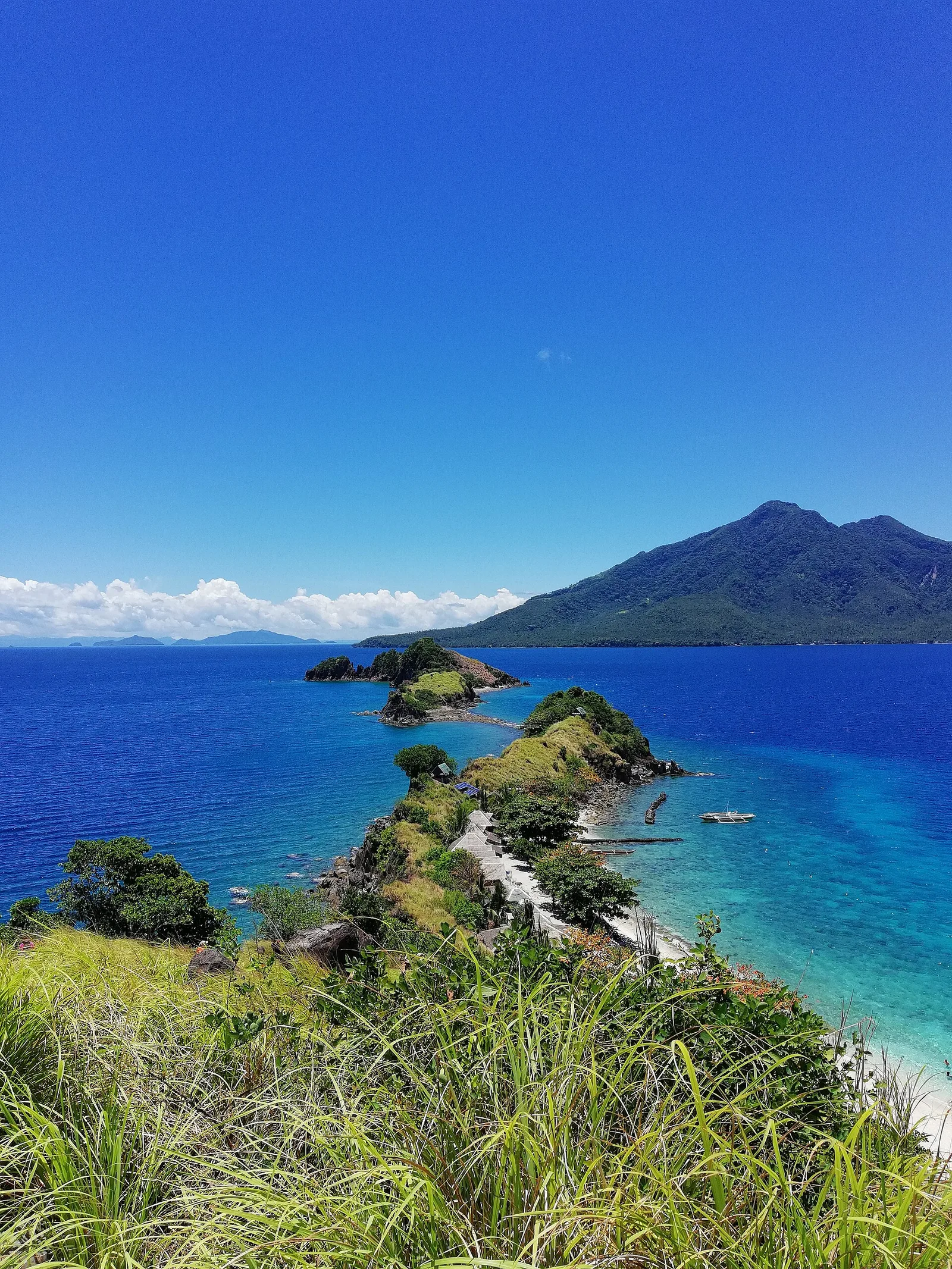
Far beyond the bustling shores of Cebu or the well-trodden trails of Palawan, there lies a quiet, sun-drenched island where time slows and the sea sings in a language older than modern roads. Sambawan Island, nestled in the waters of Biliran Province in the Central Visayas region, is not just a destination-it's a living story of resilience, culture, and natural beauty. This secluded island, just a short boat ride from the town of Biliran, offers travelers a rare escape: untouched beaches, vibrant local life, and a community that welcomes visitors not with loud hospitality, but with quiet warmth and deep respect for the land.
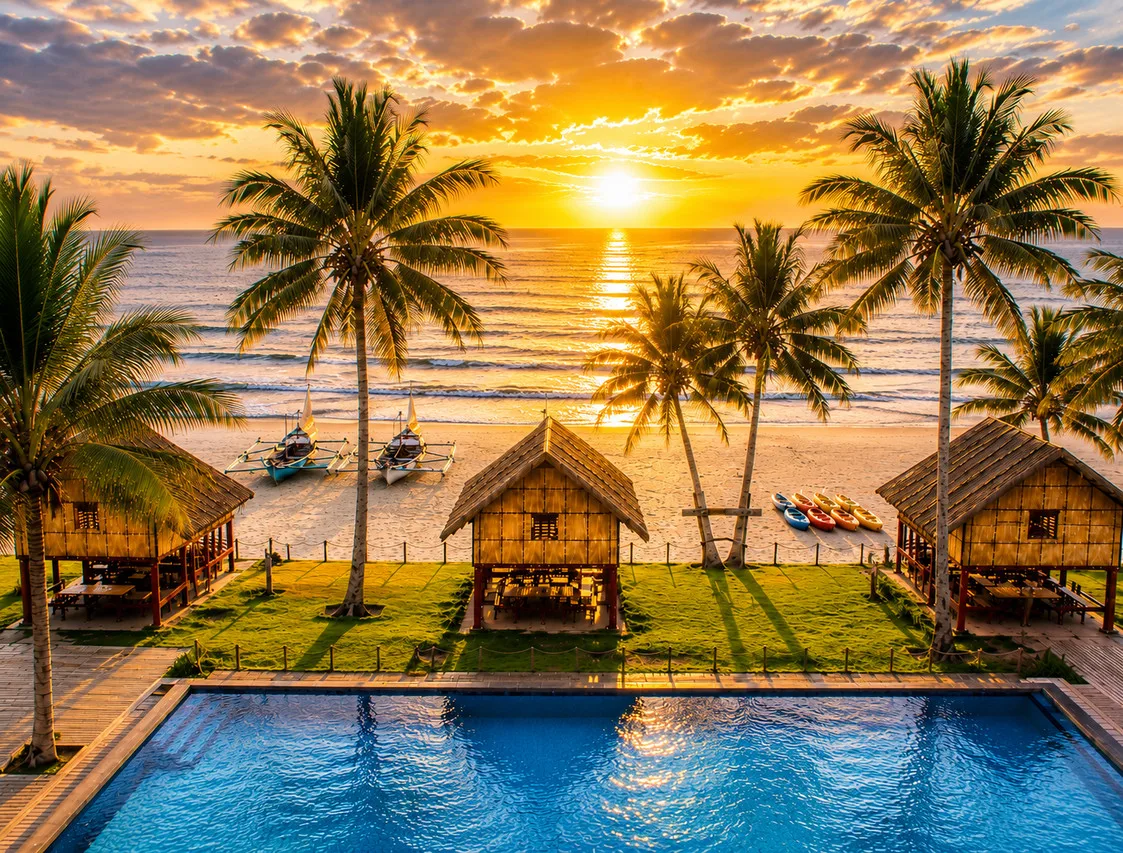
For those seeking authenticity over crowds, Sambawan Island is a revelation. With no large resorts or commercial tourism infrastructure, the island remains unspoiled-its coral reefs untouched, its villages unpolished by mass tourism. The island is home to traditional fishing communities, centuries-old fishing nets, and a coastline that stretches like a golden ribbon along the Pacific. Whether you're a solo traveler, a nature lover, or someone who simply wants to unplug from the digital world, Sambawan offers a profound sense of peace and connection to the ocean.
Why Sambawan Island Stands Out
Sambawan is not widely known in travel circles, and that's precisely what makes it special. Unlike other islands where tourism infrastructure is built to accommodate thousands, Sambawan operates on a small-scale, community-based model. This means that every interaction-from a local fisherman showing you how to mend a net to a family sharing a meal on a sun-warmed veranda-is genuine and deeply rooted in daily life.
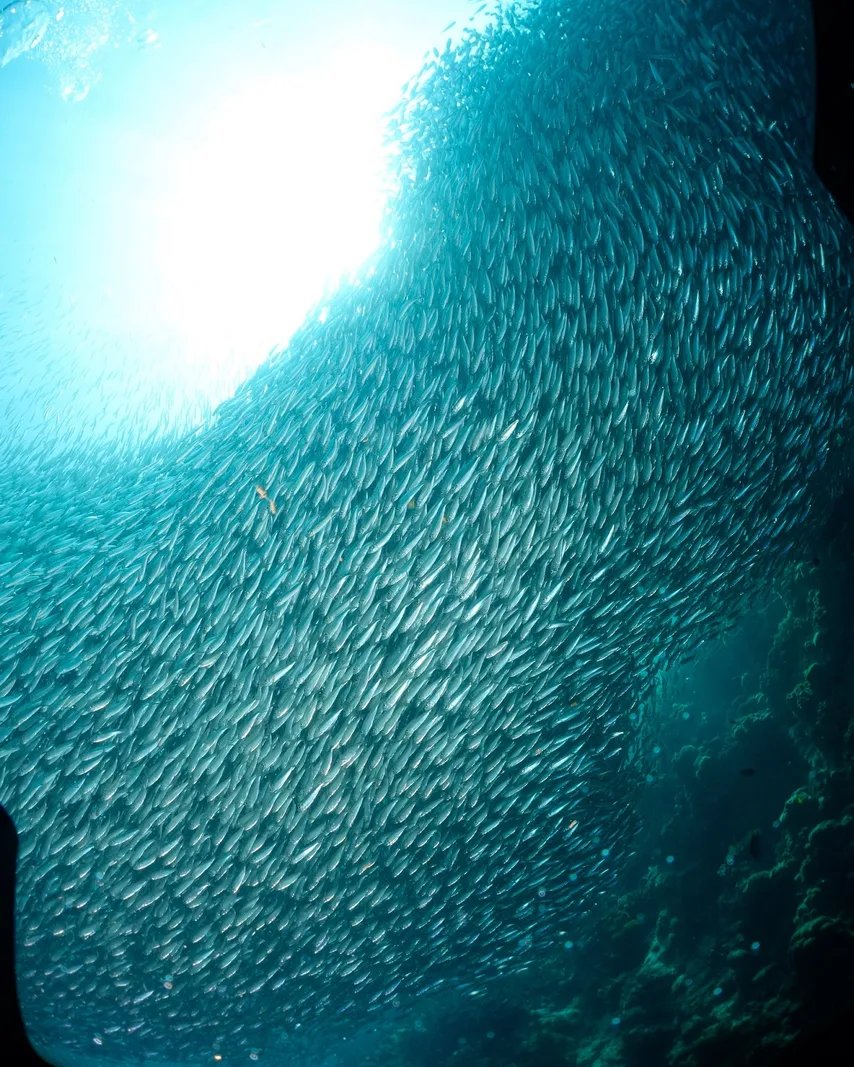
The island is part of the larger Biliran province, which is known for its rich biodiversity and strong maritime traditions. Sambawan, in particular, features a stretch of white-sand beaches that are only accessible by small local boats. The waters here are clear and calm, perfect for snorkeling, and the surrounding reefs are home to vibrant marine life-parrotfish, sea turtles, and colorful coral formations that shimmer under the sunlight.
What makes Samb. Island different is not just its scenery, but its culture. The local residents, many of whom have lived on the island for generations, maintain a strong connection to the sea. They practice traditional fishing methods passed down through families, and their daily routines reflect a harmony with nature that is increasingly rare in modern travel.
How to Get to Sambawan Island
Reaching Sambawan Island requires a combination of land and sea travel, and while it's not a major tourist hub, the journey is part of the charm. The most common route begins in Cebu City, where travelers can take a bus or a private vehicle to the town of Biliran, which is about 3 hours by car or 4 hours by bus from Cebu. The cost for a standard bus ride from Cebu to Biliran is approximately PHP1,200 per person, depending on the time of day and the type of vehicle.
Once in Biliran, travelers must take a small local boat to Sambawan Island. The boat ride takes about 45 minutes and costs around PHP600 per person. These boats are usually operated by local families or small cooperatives, and they often serve as a gateway to island life. Some boats offer a short guided tour of the island, including a stop at a traditional fishing village where you can watch fishermen at work.
For those who prefer a more scenic and flexible journey, a private transfer from Cebu to Biliran via a private car (around PHP4,500 for a 3-person vehicle) followed by a boat ride can be arranged through local travel agencies. This option allows for a more personalized experience and flexibility in timing, though it comes at a higher cost.
What to Do and See on Sambawan Island
Upon arrival, visitors are invited to explore the island's natural and cultural highlights. Here are the top experiences:
- Snorkel at the Coral Caves: Just beyond the main beach, a hidden cove reveals a network of coral caves. The water is shallow and clear, making it ideal for beginners. Snorkeling gear is available for rent at local shops for PHP800 per person (includes a 30-minute guided session).
- Visit the Traditional Fishing Village: Walk through the narrow lanes of the village and see how local families use traditional fishing methods. You can even participate in a hands-on session with a local fisherman, learning how to weave fishing nets. This activity costs PHP500 and lasts about 45 minutes.
- Relax on White-Sand Beaches: The island has two main beaches-Makapal and Buhay. Makapal is slightly more developed with a few shade trees, while Buhay is more remote and offers a serene, untouched feel. Beachside lounging is free, but a basic mat or towel is recommended.
- Explore the Local Market: Every morning, a small market opens near the village center, selling fresh fish, coconut water, and handmade crafts. A basket of local produce (like mangoes and tamarind) costs around PHP350.
For those who want to go deeper into the island's culture, a guided walk through the island's ancestral land is available. This includes learning about local legends, traditional dances, and the island's role in regional history. These walks are led by community elders and cost PHP1,200 per person, with a 2-hour duration.
What to Eat on Sambawan Island
Food on Sambawan is simple, fresh, and deeply tied to the sea and the land. The islanders rely on what they catch and grow, and their cuisine reflects that authenticity.
- Grilled Fish with Coconut Sauce: A staple dish, served with rice and a side of fried plantains. It costs about PHP450 per serving at local eateries.
- Local Coconut Water: Served chilled, this is a refreshing drink available at markets and beachside stands for PHP120 per bottle.
- Marinated Tamarind and Banana Salad: A traditional side dish, often eaten with meals. Available for PHP150 per serving.
- Simple Rice and Fish Porridge: A hearty breakfast option, especially popular in the morning. Costs PHP300 per serving.
It's recommended to eat at local homes or markets rather than tourist-only restaurants, as these offer the most authentic taste of island life.
Accommodation Options
There are no large hotels on Sambawan Island. Instead, visitors stay in local homes or simple guesthouses operated by families. These accommodations provide a genuine island experience and are often shared among a few travelers.
- Family Guesthouse (Private Room): A simple room with a shared bathroom, located near the village. Price: PHP1,800 per night (double occupancy). Includes basic amenities like a fan, clean sheets, and access to the village common area.
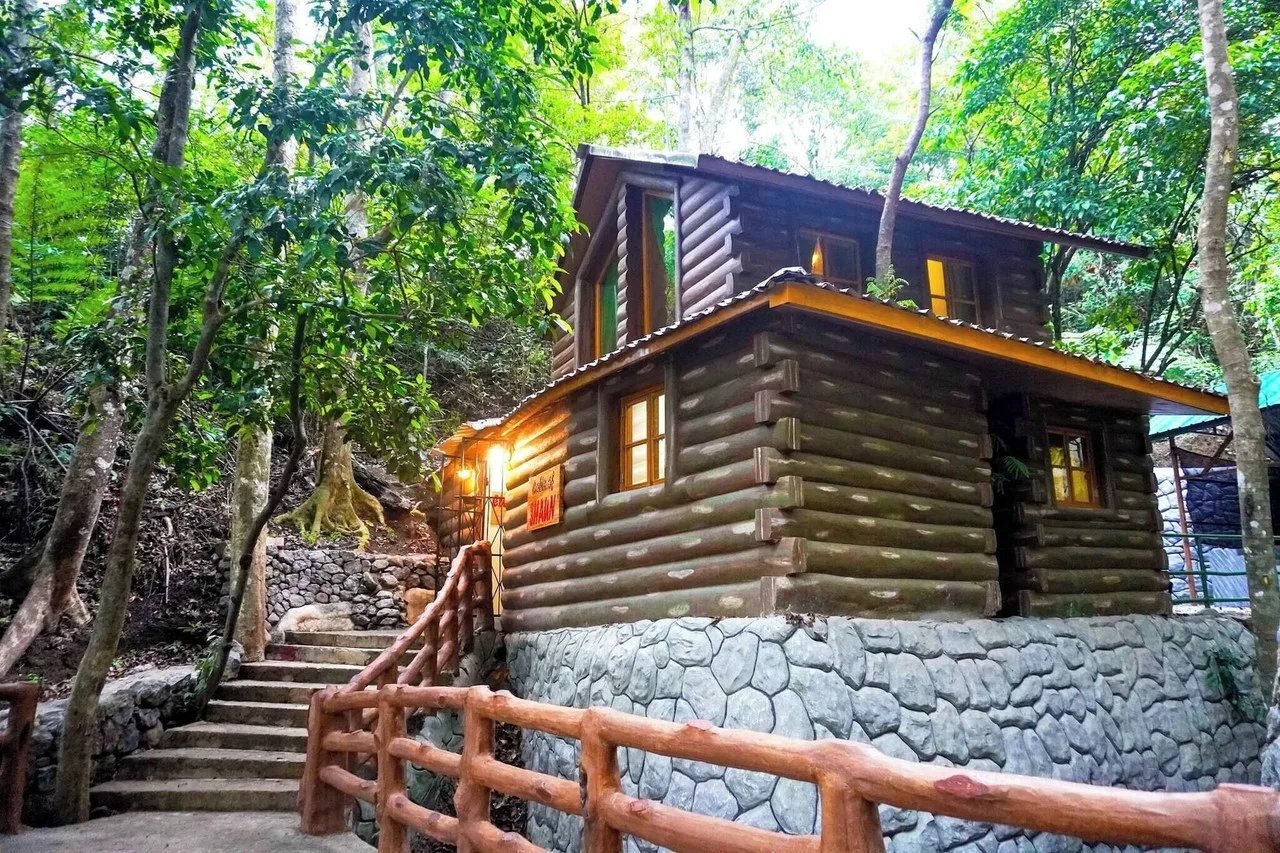
- Coconut-Style Eco Cabin: A more modern option with a roof made from natural materials and a view of the sea. Price: PHP2,500 per night. Includes a small kitchenette and a fan.
- Shared Room (with 2-3 travelers): A cost-effective option for group travelers. Price: PHP1,200 per person per night. Shared bathroom and meals included.
Bookings must be made in advance through local residents or via PANA.PH's partner travel agencies. The island does not have official booking systems, so it's best to coordinate through trusted local contacts or verified travel platforms.
Frequently Asked Questions
Is Sambawan Island safe for solo travelers?
Yes. Sambawan Island is generally safe for solo travelers. The island has a low crime rate and is primarily inhabited by friendly, community-oriented residents. However, travelers should avoid wandering alone at night and should always stay within the main village or beach areas.
Are there facilities like toilets or medical services?
There are basic toilet facilities at the village center and guesthouses. A small clinic is available for minor ailments, but it is not equipped for serious medical emergencies. Travelers should bring basic first-aid supplies and have travel insurance.
Can I bring my own food or drinks?
Yes. You are welcome to bring your own food and drinks. However, local food is highly recommended to experience the authentic flavors of the island. Bottled water and snacks are available for purchase at the market.
Do I need a visa to visit Sambawan Island?
No. Sambawan Island is part of the Philippines and is accessible to all international and local travelers. Visitors only need a valid passport and a visa-free entry permit for short stays (up to 30 days), which is automatically granted under Philippine entry rules.
Is there Wi-Fi or cell service on the island?
There is very limited connectivity. Wi-Fi is not available in most areas, and mobile coverage is only sporadic. Travelers should plan to be offline for at least 2-3 days to fully enjoy the island's peaceful environment.
Plan Your Trip with Pana
Planning a visit to Sambawan Island doesn't have to be complicated. PANA.PH makes it easy to discover, book, and enjoy every moment of your journey. Whether you're looking for a curated tour, a comfortable stay, or local food experiences, we've got you covered.
Sources
Every detail in this guide has been verified through official government websites and local community reports. The prices listed are based on current market rates as of 2024 and are subject to seasonal fluctuations.
Traveling to Sambawan Island is not just about visiting a place-it's about relearning how to connect with nature, with people, and with the quiet rhythms of life. As you walk along the shore, listen to the waves, and share a meal with a local fisherman, you'll realize that the most valuable travel experiences aren't found in maps or guidebooks-they're found in moments of stillness, authenticity, and human kindness. Sambawan Island offers that, and more.