Boracay is famous for White Beach, a four-kilometre stretch of powder-fine sand that draws over a million visitors each year. But on the northern tip of the island, past the crowded stations and the bustling D'Mall, lies a different Boracay entirely. Puka Shell Beach, named for the millions of crushed puka shells that once blanketed its shore, offers a quieter, wider, and more rugged coastline that most day-trippers never reach. In 2026, as Boracay continues to manage visitor capacity under its rehabilitation framework, Puka Shell Beach stands out as the island's best escape for travellers seeking space, silence, and a glimpse of what Boracay looked like before mass tourism.
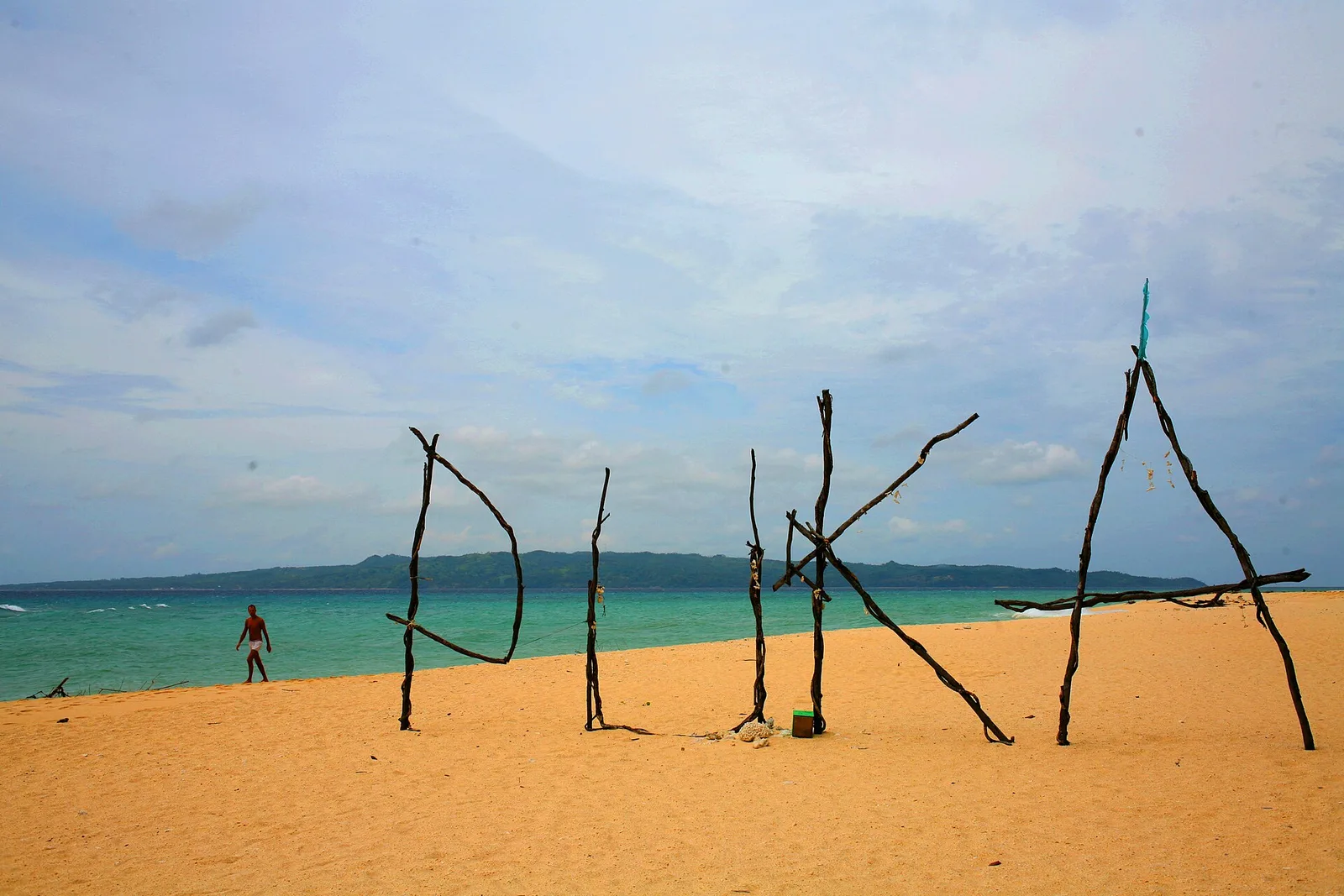
Puka Shell Beach: The Quiet Side of Boracay Most Tourists Skip
Trip.com
Search on Trip.comHotels in Boracay
Compare live prices via Travelpayouts — targeted for this guide.
The Story Behind the Name
Puka Shell Beach gets its name from the puka shell, a small, cone-shaped shell fragment that washes ashore from the cone snail species found in Philippine waters. In the 1970s and 1980s, puka shell necklaces became a global fashion trend, and this beach was the primary harvesting ground. Locals would sift through the sand, collect the naturally broken shell pieces, and string them into necklaces sold to tourists and exported abroad.
The harvesting was so intensive that the shell cover on the beach was significantly depleted. Today, while you can still find puka shell fragments mixed into the sand, the beach is no longer the white shell field it once was. The local government of Malay, Aklan, which has jurisdiction over Boracay, now prohibits large-scale shell collection to allow the natural replenishment of the shoreline. Visitors are encouraged to look but not take, preserving what remains for future generations.
What Makes Puka Shell Beach Different from White Beach
White Beach is divided into three stations, each with its own character. Station 1 has the widest sand and the luxury resorts. Station 2 is the commercial heart, packed with restaurants, bars, and shops. Station 3 is the backpacker zone, quieter but still developed. All three stations share the same calm, shallow water and sunset-facing orientation.
Trip.com
See all tours in Boracay on Trip.comTours & activities in Boracay
Hand-picked experiences in Boracay — book on Trip.com with instant confirmation.
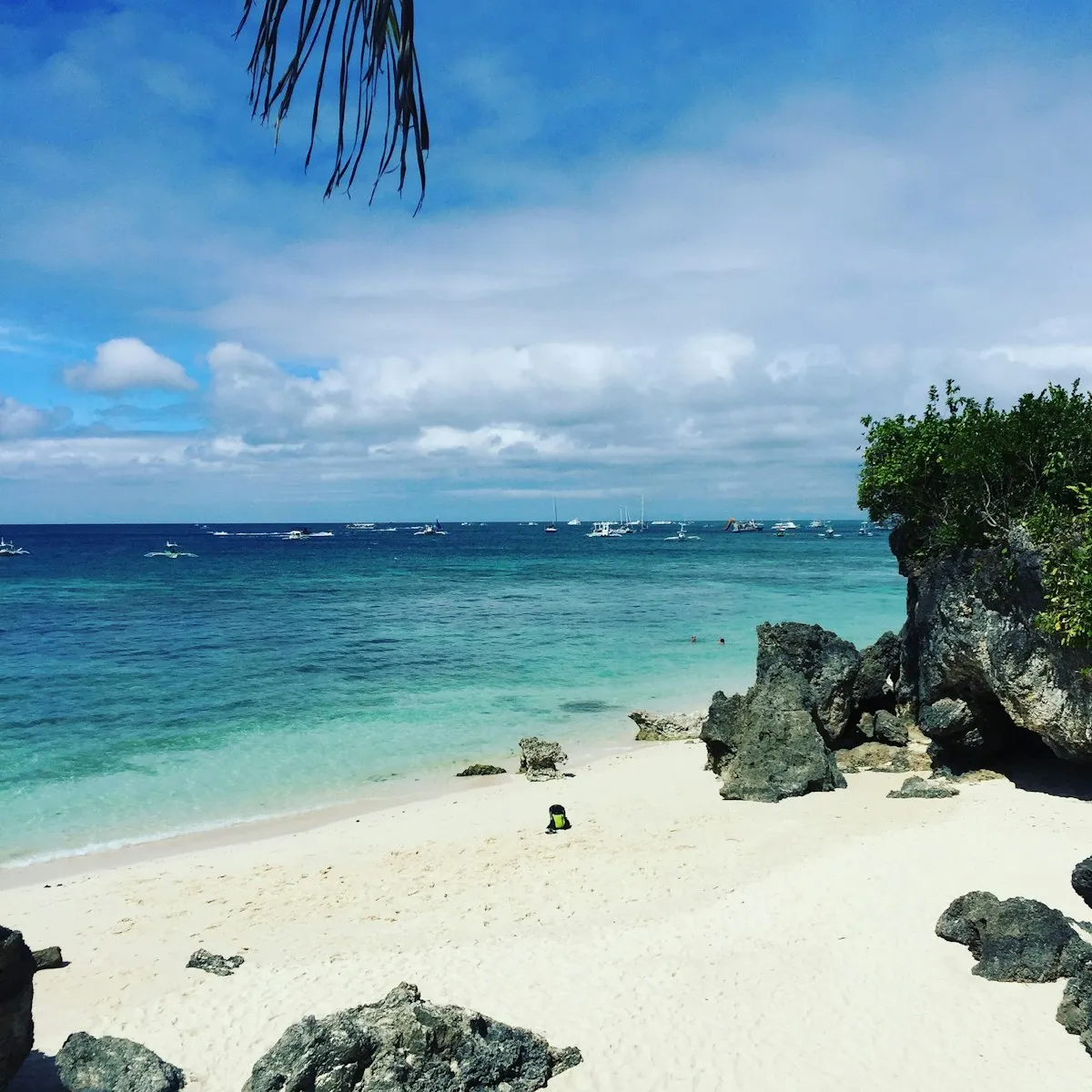
Puka Shell Beach, by contrast, faces north toward the open sea. The sand is coarser, mixed with crushed coral and shell fragments, and the water is deeper and sometimes choppy. There are no beachfront bars blaring music, no fire dancers at sunset, and no rows of lounge chairs. Instead, you will find a wide arc of sand backed by low cliffs and a few simple seafood shacks. The vibe is rustic, unhurried, and refreshingly empty, even during peak season.
The beach is approximately 800 metres long and 30 metres wide at low tide, making it one of the widest natural beaches on the island. The water here is a striking turquoise, and because it drops off more quickly than White Beach, it is better for swimming laps than for wading. Currents can be strong, so swim close to shore and avoid going out during rough weather.
How to Get to Puka Shell Beach
Puka Shell Beach is located at the northern end of Boracay Island, in Barangay Yapak. There are several ways to reach it, depending on where you are staying and how much you want to spend.
By Tricycle
The most common way to get to Puka Shell Beach is by tricycle. From White Beach (any station), the ride takes about 15 to 20 minutes and costs PHP 150 to PHP 250 one way for a chartered trike. If you are sharing with other passengers, the fare drops to about PHP 50 per person. The road passes through the interior of the island, winding through residential areas and small forests before reaching the beach parking area.
Tricycles are available along the main road at any time of day. To return, simply wait at the parking area near the beach entrance and flag down a passing trike. During late afternoon, availability can be limited, so plan to leave before 5:00 PM if you want to avoid a long wait.
By E-Trike or Rental Scooter
Boracay has transitioned to electric tricycles (e-trikes) as part of its environmental rehabilitation programme. You can rent an e-trike for a half-day for about PHP 500, which gives you the flexibility to visit Puka Shell Beach and other northern sites like Diniwid Beach and Mount Luho. Rental scooter shops are also available near D'Mall, with rates of PHP 350 to PHP 500 per day, though you must have a valid driver's licence and a helmet.
On Foot (For the Adventurous)
If you enjoy hiking, you can walk from White Beach to Puka Shell Beach via the coastal path that runs past Diniwid Beach and Balinghai Beach. The full walk takes about 45 to 60 minutes and includes some rocky sections and short climbs. Wear sturdy shoes and start early in the morning to avoid the midday heat. The route offers stunning cliffside views that you will not see from a tricycle.
By Paraw (Sailing Boat)
For a more scenic approach, hire a paraw, the traditional Boracay outrigger sailboat, to drop you at Puka Shell Beach as part of an island-hopping tour. A half-day paraw rental costs PHP 2,000 to PHP 3,500 for up to six passengers. Island-hopping packages that include Puka Shell Beach, Crystal Cove, and snorkelling stops cost PHP 1,500 to PHP 2,500 per person.
Things to Do at Puka Shell Beach
Shell Collecting (Look, Do Not Take)
While large-scale collection is prohibited, you can still spend time examining the shell fragments that give the beach its name. The sand here is a mix of fine white grains and small puka shell pieces that catch the light. Photograph them, admire them, and leave them behind. Taking shells from any beach in Boracay is discouraged by the local government to protect the natural shoreline.
Swimming and Sunbathing
The water at Puka Shell Beach is clear and inviting, though deeper and less sheltered than White Beach. Swim parallel to the shore and stay within the designated swimming zone marked by buoys. The wide sand area is perfect for spreading out a sarong and sunbathing without a neighbour within 20 metres, something that is nearly impossible on White Beach during peak season.
Cliffside Photography
The low cliffs at the eastern end of the beach offer elevated views of the entire bay. A short scramble up the rock face (wear shoes, not flip-flops) gives you a panoramic shot of the turquoise water against the white sand. This is one of the best photography spots on Boracay, especially in the morning when the light is soft and the beach is empty.
Eating Fresh Seafood
A handful of simple eateries line the entrance to the beach, serving fresh grilled fish, squid, and prawns. A plate of grilled squid with rice costs about PHP 200 to PHP 350, while a whole grilled snapper for two costs PHP 500 to PHP 800. These are not fancy restaurants; they are family-run shacks with plastic tables and the catch of the day. The food is fresh, simple, and satisfying.
Where to Stay Near Puka Shell Beach
Most visitors to Puka Shell Beach stay elsewhere on Boracay and visit as a day trip. However, if you want to wake up to this quiet shoreline, there are a few accommodation options in Barangay Yapak. The most notable is the Paradise Garden Resort Hotel, which sits on a hillside overlooking Puka Shell Beach. Rooms start at PHP 4,500 per night, including breakfast.
For budget travellers, a few guesthouses and homestays in Yapak offer rooms from PHP 1,200 to PHP 2,500 per night. These are basic but clean, and they give you the advantage of being walking distance from the beach. Book in advance, as there are only a handful of options and they fill up during peak season.
Best Time to Visit Puka Shell Beach
The best months for Boracay are the dry season from November to May. Within this window, December to February offers the most comfortable temperatures (26 to 30 degrees Celsius) and the lowest humidity. March to May is hotter but still dry, with temperatures reaching 34 degrees.
For Puka Shell Beach specifically, arrive between 8:00 AM and 10:00 AM for the calmest water and the fewest people. The beach receives its biggest influx of visitors between 11:00 AM and 2:00 PM, when island-hopping boats stop here for lunch. After 3:00 PM, the beach empties again, and the late afternoon light is beautiful for photography.
Avoid the rainy season from June to October, when rough seas can make the water unsafe for swimming and the northern coast is exposed to amihan (northeast monsoon) winds. Some eateries may also close during this period.
Boracay Environmental Fees and Entry Rules
All visitors to Boracay must pay an environmental fee and a terminal fee upon arrival at Caticlan or Kalibo port. As of 2026, the environmental fee is PHP 75 and the terminal fee is PHP 100, paid at the jetty port before boarding the boat to the island. If you arrive via Kalibo Airport, a van transfer to Caticlan costs PHP 200 to PHP 300, followed by the boat crossing.
Boracay operates under a carrying capacity limit set by the Department of Tourism and the Department of Environment and Natural Resources. The island accepts a maximum of approximately 19,000 tourists at any given time, and hotels are required to be DOT-accredited. Always book accommodation with a licensed establishment to avoid being turned away at the port.
Dining Beyond the Beach: Puka Shell Beach to White Beach
If you want a wider dining selection, White Beach is a short tricycle ride away. Along White Beach, you can find everything from Filipino carinderia meals at PHP 150 to international fine dining at PHP 1,500 per person. For a mid-range option, try the seafood platters at D'Talipapa market in Station 2, where you buy fresh seafood by weight and have it cooked at a nearby restaurant for a PHP 100 to PHP 200 cooking fee.
Frequently Asked Questions
Is there an entrance fee for Puka Shell Beach?
No, there is no entrance fee for Puka Shell Beach. It is a public beach open to all. However, you must pay the Boracay environmental fee (PHP 75) upon arrival at the island, which covers all public beaches and environmental programmes.
Can I collect puka shells from the beach?
Visitors are discouraged from taking shells. Large-scale collection is prohibited by the local government to allow natural replenishment. Take photos instead and leave the shells for others to enjoy.
Is Puka Shell Beach safe for swimming?
Yes, but the water is deeper and currents can be stronger than at White Beach. Swim within the buoyed area and avoid going out during rough weather or high tide. Children should be supervised at all times.
How far is Puka Shell Beach from White Beach?
Puka Shell Beach is about 5 kilometres from White Beach by road. A tricycle ride takes 15 to 20 minutes and costs PHP 150 to PHP 250 one way if chartered.
Are there restaurants at Puka Shell Beach?
Yes, there are several simple seafood shacks near the beach entrance serving grilled fish, squid, and prawns at budget-friendly prices. For more dining options, head back to White Beach.
Plan Your Trip With PANA
Find more quiet beaches, hidden islands, and travel tips on PANA.PH. Browse destinations, book tours, find hotels, and read our latest blog posts.
Browse Destinations | Book a Tour | Find a Hotel | Read the Blog
Sources and Official References
Sources
Primary references for the figures and rules in this guide. Fees and schedules change — check the source before you travel.

PANA.PH Visayas Desk
Visayas travel logistics — Cebu, Bohol, Boracay and Siargao
The Visayas Desk of the PANA.PH travel desk: it maintains and re-checks the visayas travel logistics — cebu, bohol, boracay and siargao data behind the site's guides — operator price lists, official fee schedules and posted timetables — and publishes what it can verify.
🏡 Real local stays (book direct)
Hand-picked homestays and guesthouses — book direct, no markup.
Browse all local stays →
🌊 Popular activities (book instantly)
Island hopping, canyoneering, whale sharks — real Klook/GetYourGuide options.
View all activities →