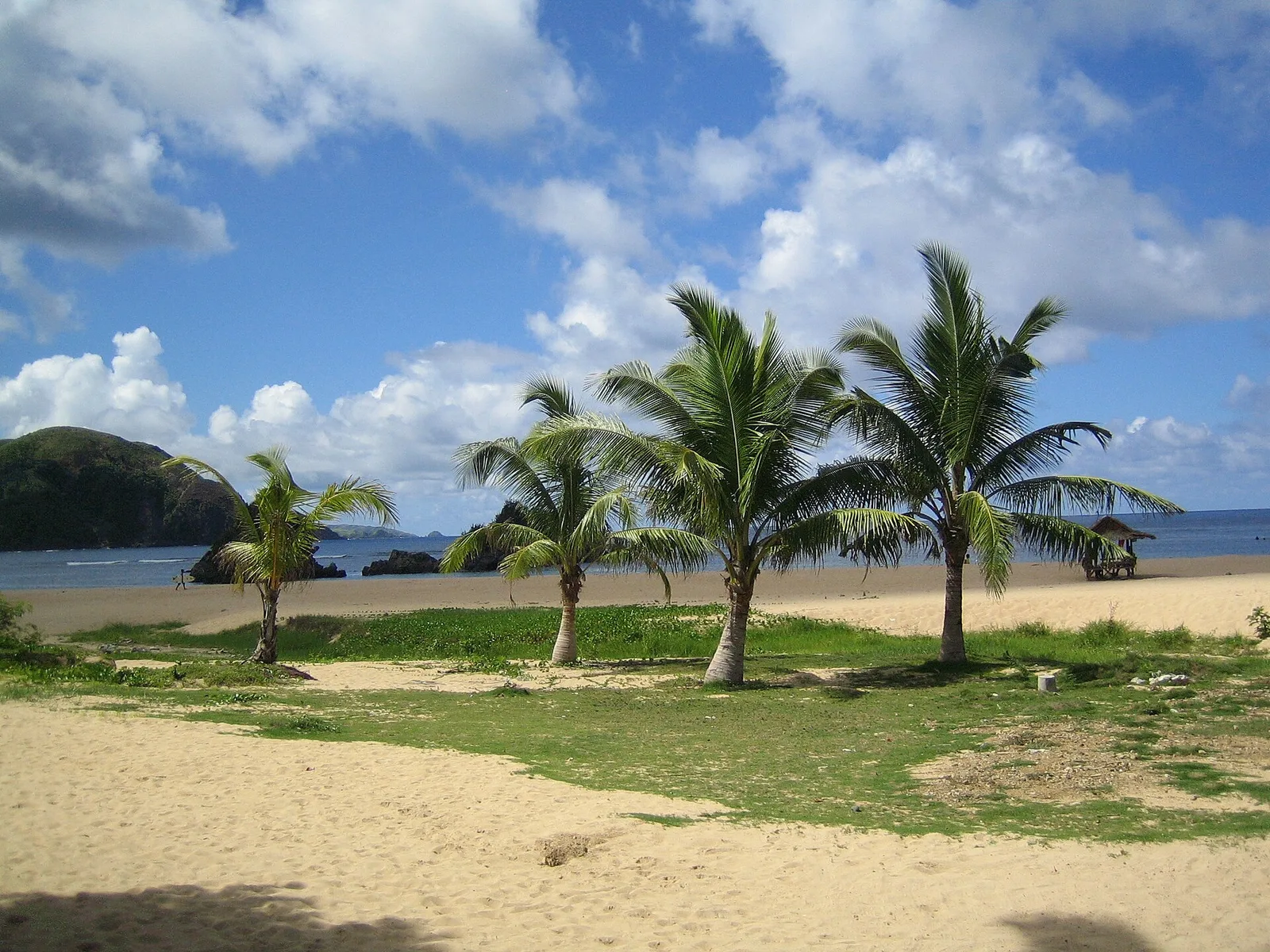
Puraran Beach is a small bay on the eastern coast of Catanduanes, facing the open Pacific. It is the kind of place that surfers talk about in low voices because it has a wave that works and almost nobody in the water. The main break is a right-hand reef wave that peels along a coral shelf, and when the swell direction is right, it produces a long, clean wall that is the reason people make the trip to this island in the first place.
Puraran Beach: The Uncrowded Surf Break in Catanduanes
Trip.com
Search on Trip.comHotels in Catanduanes Puraran
Compare live prices via Travelpayouts — targeted for this guide.
This guide covers what the wave is like, how to get to Puraran from Virac, where to stay, what the surf season is, and what it costs in 2026. Catanduanes is not on the standard tourist trail. It takes effort to reach. For surfers who want a break without the crowd of Siargao or La Union, that effort is the point.
The Wave at Puraran
The main break at Puraran is a right-hand reef wave that breaks over a flat coral shelf on the eastern side of the bay. It is a wave that rewards positioning. The takeoff is steep and the wave walls up before peeling for roughly 100 to 150 metres toward the beach. On a good day, it is a fast, rippable right. On a big day, it can close out, and the reef is shallow enough that you do not want to be caught inside.
The wave works best on a northeast to east swell, which is what the Pacific sends during the typhoon season from July to November. It handles swell from 3 to 8 feet. Below 3 feet, it becomes weak and sectiony. Above 8 feet, it starts closing out and most surfers watch from the beach.
Trip.com
See all tours in Catanduanes Puraran on Trip.comSurfing lessons in Catanduanes Puraran
Hand-picked experiences in Catanduanes Puraran — book on Trip.com with instant confirmation.
There is also a left break on the western side of the bay that works on bigger swells, but it is less consistent and breaks over a shallower section of reef. Most surfers stick to the right.
Who Should Surf Puraran
Puraran is not a beginner wave. The reef is shallow, the takeoff is steep, and the wave moves fast. If you are a confident intermediate surfer who has experience on reef breaks and can handle a steep drop, you will enjoy it. If you are a beginner or a longboarder looking for a mellow wave, this is not the place.
That said, the bay does have a smaller inside section that breaks closer to shore on smaller days. This is where beginners can practice, and the local surf schools use it. But the main break is for surfers who know what they are doing.
How to Get to Puraran Beach
Catanduanes is an island province off the eastern coast of Bicol. The capital, Virac, is the entry point. There are two ways to get there:
By Air
Cebu Pacific operates flights from Manila to Virac. The flight takes about 1 hour and 15 minutes. Fares vary widely depending on booking timing; expect PHP 2,500 to PHP 5,000 one way if you book a few weeks out. During peak surf season, fares can push higher.
By Land and Ferry
If you are coming from Manila by land, take a bus to Tabaco City in Albay. From Tabaco Port, there are roll-on roll-off ferries to Virac that take about 3.5 to 4 hours. The ferry fare is around PHP 300 to PHP 400 per person for a regular passenger ticket. If you are bringing a vehicle, the roll-on fee is around PHP 2,500 to PHP 3,500 depending on vehicle size.
From Virac to Puraran
Puraran Beach is in the municipality of Baras, about 45 minutes north of Virac by road. You can hire a tricycle for about PHP 400 to PHP 500 one way, or PHP 800 to PHP 1,000 for a round trip with waiting time. There are also jeepneys from Virac to Baras, costing about PHP 50 per person, but the schedule is limited and the last trip back to Virac is in the early afternoon.
Where to Stay at Puraran
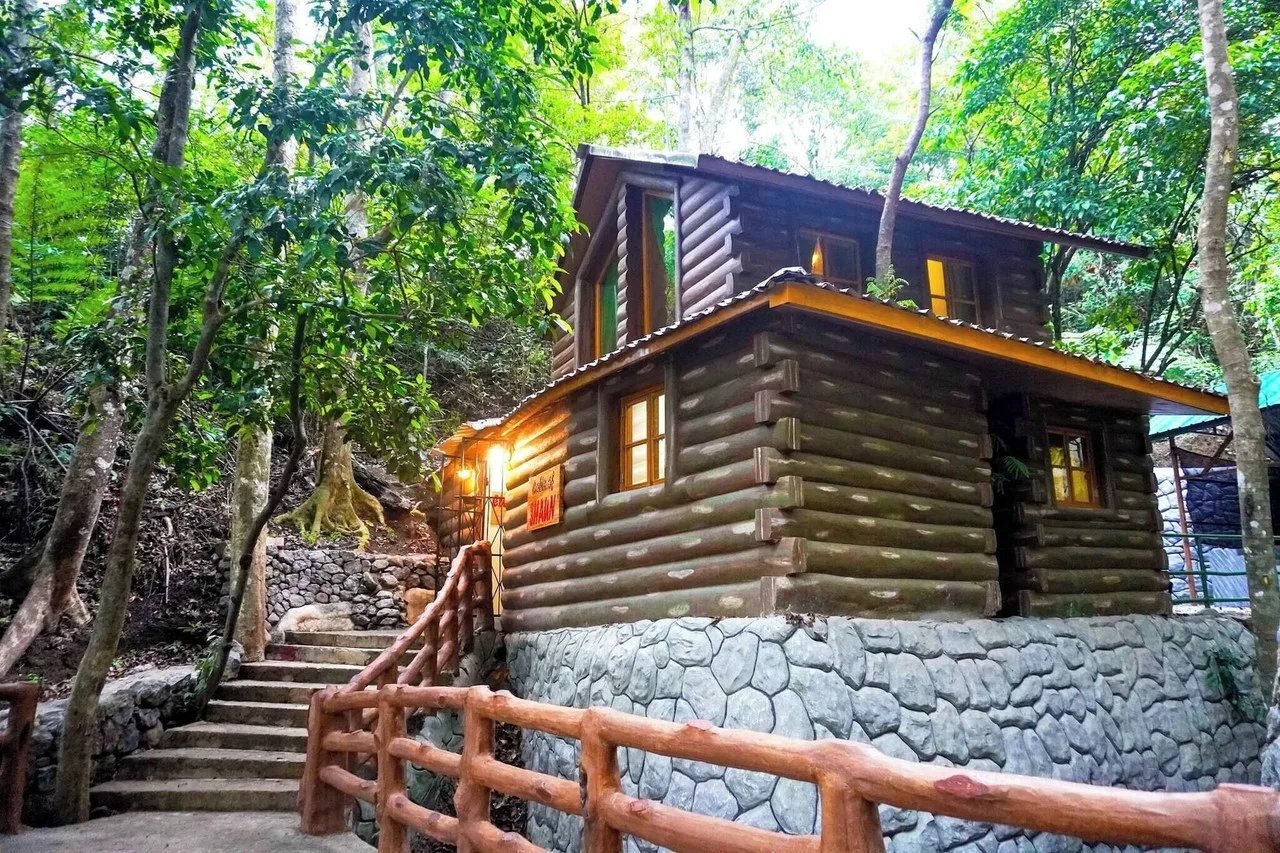
Accommodation at Puraran is basic. There are a handful of small resorts and homestays along the beach, most of them run by local families. Do not expect air conditioning in every room or hot water. You are coming here to surf, not to be pampered.
Budget fan rooms start at around PHP 500 to PHP 800 per night for a double room with shared bathroom. Mid-range rooms with air conditioning and private bathroom run from PHP 1,200 to PHP 2,000 per night. Some resorts offer surf packages that include room, board, and daily surf lessons, typically priced at PHP 2,500 to PHP 3,500 per person per day.
Book ahead during the peak surf months from August to October, because the limited number of rooms fills up with visiting surfers.
Surfboard Rental and Lessons
Board rental at Puraran costs about PHP 200 to PHP 300 per hour, or PHP 500 to PHP 800 per day. The selection is limited; you will find standard shortboards and some funboards, but if you ride a specific volume or shape, bring your own. The local surfers are skilled and the instructors are certified through the local surf association.
Surf lessons cost about PHP 500 to PHP 700 per hour, including board rental. Most lessons happen on the inside section of the bay, where the wave is smaller and the reef is deeper.
Surf Season and When to Go
The surf season at Puraran runs from July to November, when the Pacific swells are most consistent. August and September are the peak months; the swell is reliable, the wind is typically offshore in the morning, and the crowds are still manageable compared to Siargao.
From December to June, the swell drops and the bay goes flat for long stretches. You might get lucky with a random swell from a weather system, but it is not a time to plan a surf trip around.
Catanduanes is in the typhoon belt, which is exactly why the surf is good during this period. The trade-off is that you may encounter heavy rain and strong wind during your stay. Monitor weather forecasts and be prepared to adjust your dates if a typhoon is tracking toward the province.
What Puraran Does Not Have
It does not have a nightlife scene. It does not have a coffee shop on every corner. It does not have reliable fiber internet. Cell signal is available but data speeds are slow. There is no ATM in Baras; the nearest one is in Virac. Bring enough cash for your entire stay.
If you need constant connectivity or a range of dining options, Puraran will frustrate you. If you want to surf, eat, sleep, and repeat, it is one of the best-value surf destinations in the country.
Plan Your Trip With PANA
Build your Catanduanes itinerary with our destination guides, book a surf package through our tours directory, find a room in Virac or Baras through our hotel listings, and read more field notes on our blog.
Frequently Asked Questions
Is Puraran Beach safe for beginner surfers?
The main break is not beginner-friendly. However, the inside section of the bay has a smaller wave that local surf schools use for lessons. If you are a total beginner, book a lesson and stay on the inside.
Do I need to bring my own surfboard?
Not strictly, but if you have a board you are comfortable on, bring it. Rental boards are available but the selection is limited and the shapes are generic.
Is the reef at Puraran dangerous?
The reef is shallow and sharp. A reef bootie is recommended, especially for surfers who are not used to reef breaks. Falls are part of surfing, and hitting the reef here is a real possibility on a wipeout.
Can I fly directly to Catanduanes?
Yes. Cebu Pacific flies from Manila to Virac. The flight is about 1 hour and 15 minutes. Check current schedules because flights are not daily.
What happens if a typhoon hits during my trip?
Catanduanes is in the typhoon belt, and storms during surf season are a real possibility. If a typhoon is forecast, ferry service is suspended and flights may be cancelled. Build flexibility into your travel dates and have a backup plan.
Sources and References
Sources
Primary references for the figures and rules in this guide. Fees and schedules change — check the source before you travel.

PANA.PH Luzon Desk
Luzon travel logistics — Manila, Baguio and North Luzon
The Luzon Desk of the PANA.PH travel desk: it maintains and re-checks the luzon travel logistics — manila, baguio and north luzon data behind the site's guides — operator price lists, official fee schedules and posted timetables — and publishes what it can verify.
🏡 Real local stays (book direct)
Hand-picked homestays and guesthouses — book direct, no markup.
Browse all local stays →
🌊 Popular activities (book instantly)
Island hopping, canyoneering, whale sharks — real Klook/GetYourGuide options.
View all activities →