Plan a 2026 surf trip to San Juan, La Union. Learn where to ride, how much lessons and rentals cost, where to stay, and how to reach the closest consistent waves from Metro Manila.
San Juan, La Union, has built a reputation as the go-to surf town for anyone escaping Metro Manila. For over a decade, the short drive or bus ride north has made Elyu the weekend playground of surfers, yogis, remote workers, and first-timers who want salt water before sunset. Our Pana Luzon Desk has tracked the surf scene since 2019, stayed in beachfront hostels and mid-range resorts, sat down with local instructors, and cross-checked every price with the San Juan municipal tourism office and accredited surf schools. This 2026 guide gives you the rates, seasons, breaks, and etiquette you need to plan a real surf trip rather than a wish-list.
Trip.com
Hotels in La Union
Compare live prices via Travelpayouts — targeted for this guide.
Why San Juan is called the Surfing Capital of Northern Philippines
The title is not just marketing. San Juan faces the South China Sea along a west-facing coastline that receives reliable swells from both the southwest monsoon and the northeast monsoon. The town beach is a long stretch of sand broken by cobblestone and reef sections, which means there is usually a peak working somewhere along the coast. Add a consistent beach break, a forgiving paddle out for beginners, and a row of surf schools within walking distance of each other, and you have the ingredients for a year-round learning ground. The Provincial Government of La Union calls the area the Surfing Capital of Northern Philippines, and the local tourism office uses the label to direct visitors to the cluster of breaks from Urbiztondo to Bacnotan.
San Juan also benefits from proximity. It is about 260 kilometers from Metro Manila, which is closer than Baler, Zambales, Bicol, or Siargao for most residents of the capital. A Friday night departure can put you in the water by Saturday morning. That accessibility has shaped the local culture. Surfing here is not an elite activity; it is a public sport with rental boards, group lessons, and a nightlife scene that keeps the town awake until the waves return the next day.
Understanding the 2026 La Union surf season
La Union does not have a single flat season. It has swell windows. The southwest monsoon, or Habagat, runs roughly from July to October and brings larger, more powerful surf to the west-facing beaches. During these months, wave heights at San Juan can reach head high to overhead for advanced riders, especially along the reef sections north of the main beach. The northeast monsoon, or Amihan, runs from November to March. It produces smaller but cleaner waves, which is why so many surf camps advertise beginner lessons from December through February. April to June is the calmest stretch, though afternoon wind swells can still produce waist-high fun waves and flat spells are rare.
Trip.com
Surfing lessons in La Union
Hand-picked experiences in La Union — book on Trip.com with instant confirmation.
Water temperature is forgiving. You will not need a wetsuit. Expect 26 to 29 degrees Celsius year-round. A rash guard is usually enough, and many experienced locals surf in board shorts. Early morning sessions are glassy before the onshore wind kicks in between 10 a.m. and 1 p.m. The classic San Juan schedule is sunrise surf, breakfast, second session, then sunset on the beach.
The main breaks from Urbiztondo to Bacnotan
Urbiztondo Beach is the town center of surf activity. It has a sand and cobblestone bottom with multiple peaks that shift depending on swell direction. Beginners take lessons in the whitewater here, while intermediates paddle to the green peaks outside. When the swell is small, Urbiztondo is the easiest place to catch waves because the gentle slope keeps the energy wide.
Just north of Urbiztondo, Carille Reef offers a left-hand reef break that works on bigger swells. It is best for intermediate to advanced surfers and requires a higher tide to avoid the exposed rocks. The takeoff is quick, and the wave can run down the reef for a satisfying ride. Locals know the spot as a reef break, not a beginner zone, so respect the lineup and wait your turn.
Further north, Bacnotan and Quirino produce hollower, more powerful waves on the right swell. These spots are less crowded because they sit outside the main surf-town strip, but they also require a local guide or a tricycle driver who knows the access roads. On a solid Habagat swell, Bacnotan can be the best wave in the province.
Finally, Tangadan Falls is not a surf break, but it belongs on the same itinerary. Many surfers spend a rest day jumping into the deep pool below the falls and letting the muscles recover. It is about 20 minutes from San Juan by tricycle or rented motorbike and has a small entrance fee of PHP 30 to PHP 50.
What a first surf lesson actually looks like
Most surf schools in San Juan follow a two-hour lesson format. The first 15 to 20 minutes happen on the sand. The instructor explains the board, the pop-up, the stance, and how to fall safely. The next 90 minutes are in the water. The instructor either pushes you onto whitewater waves or helps you paddle into green waves if you are progressing quickly. Most schools use soft-top or foam boards because they are stable and less likely to injure you or others in a crowded lineup.
Rates in 2026 are fairly standardized. A one-hour lesson with a board and instructor costs PHP 500 to PHP 800 per person. A two-hour lesson costs PHP 900 to PHP 1,500. Group lessons for three or more people can drop to PHP 400 to PHP 600 per person per hour. Board rental without instruction is PHP 250 to PHP 500 per hour, or PHP 700 to PHP 1,200 for a half day. A package of three lessons over one weekend is usually PHP 2,500 to PHP 3,500.
Photography and video are common add-ons. Some schools charge PHP 300 to PHP 600 for a half-hour photo package. If you want to rent a rash guard or leash, it is usually free with a lesson but PHP 100 to PHP 200 for rental only.
Where to stay for surfers in 2026
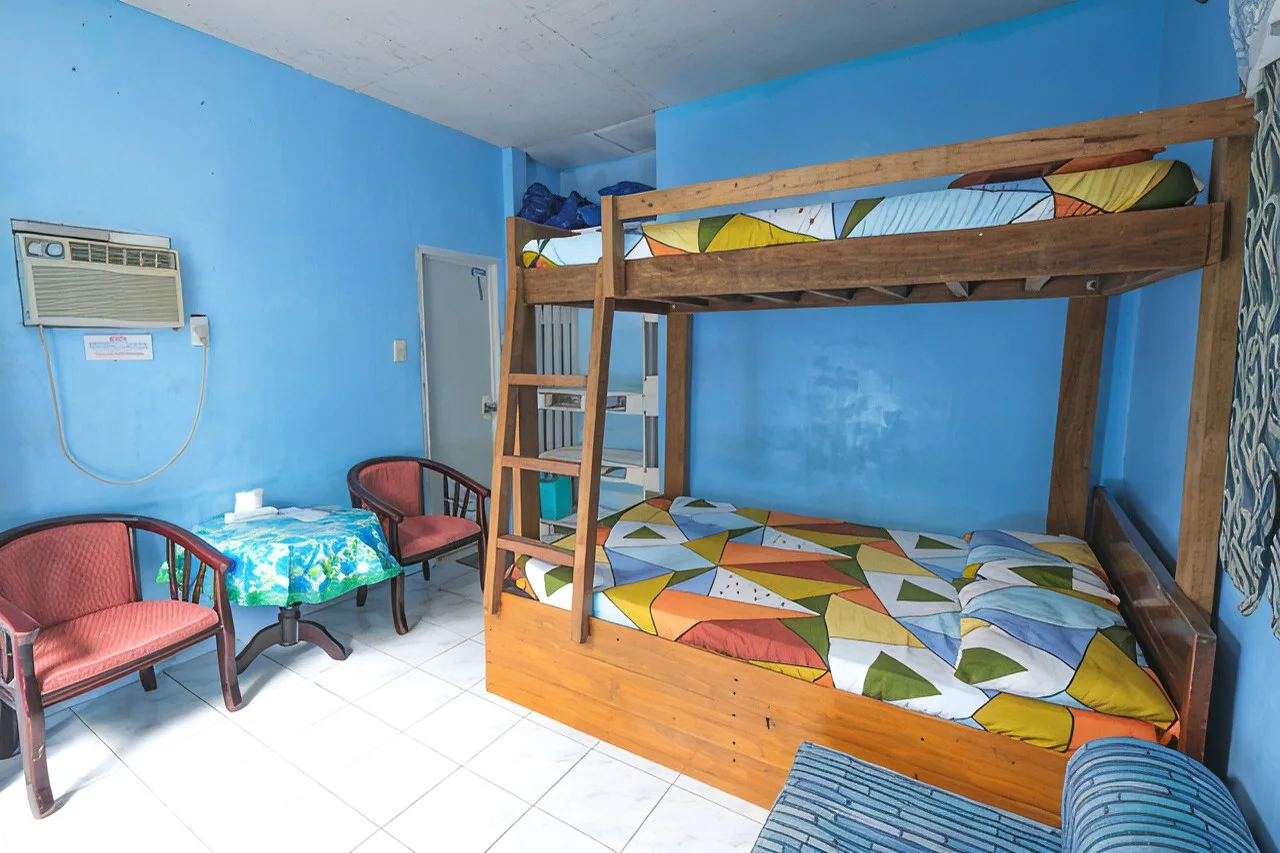
San Juan has accommodation for every budget. Hostel dorm beds start at PHP 500 per night and often include a shared kitchen, surfboard storage, and beach access. Mid-range hotels and boutique inns range from PHP 1,500 to PHP 3,000 per night for a private double or twin room. Beachfront resorts and villas at the upper end run PHP 3,500 to PHP 7,000 per night, especially on weekends and holidays.
Surfers usually prefer to stay within walking distance of the lessons. The main strip along MacArthur Highway and the side streets near Urbiztondo Beach have the highest concentration of surf-friendly places. Look for properties that offer board racks, fresh water showers, and morning coffee. Breakfast is often included in the PHP 1,500 plus range.
Getting from Manila to San Juan
The easiest public option is a provincial bus from Cubao or Pasay. Partas, Viron, and several smaller carriers run air-conditioned buses to San Fernando, La Union, and some continue to San Juan. A one-way ticket is PHP 450 to PHP 650 depending on the carrier and seat class. Travel time is five to seven hours depending on traffic and stops. From San Fernando, a tricycle or jeepney to San Juan is PHP 20 to PHP 50 per person.
Private van rental for 10 to 12 people costs PHP 4,000 to PHP 6,000 one way from Metro Manila. Split among a group, this becomes competitive with the bus and gives you the freedom to stop for breakfast or groceries. If you drive a private car, the route via North Luzon Expressway and Tarlac-Pangasinan-La Union Expressway is about 260 kilometers, with tolls around PHP 700 to PHP 900. Fuel for a round trip is roughly PHP 2,500 to PHP 4,000 depending on the vehicle.
Budget breakdown for a long weekend surf trip
A two-night, two-day surf trip for one person in 2026 looks like this if you keep costs moderate. Bus round trip: PHP 900 to PHP 1,300. Accommodation, two nights in a dorm or shared room: PHP 1,000 to PHP 2,000. Surf lessons, two sessions: PHP 1,000 to PHP 2,000. Board rental for an extra half day: PHP 700 to PHP 1,200. Meals and drinks for two days: PHP 1,500 to PHP 2,500. Tricycle and local transport: PHP 300 to PHP 500. Total: PHP 4,400 to PHP 8,000 for a solid weekend, not including party tabs or souvenirs. A group of four sharing a van and a room can lower the per-person cost.
Food, safety, and surf etiquette
San Juan food culture has grown beyond tapsilog and pancit. You can now find fresh seafood, vegan bowls, bagnet, grilled liempo, craft coffee, and budget carinderias within a short walk of the beach. Expect to spend PHP 150 to PHP 300 for a casual meal and PHP 300 to PHP 600 for a nicer dinner. Bring cash. Some establishments accept cards and digital wallets, but many beachside spots are still cash only.
Safety on the water starts with honesty. If you are a beginner, do not paddle straight to the main peak. Whitewater lessons happen on the inside for a reason. Wear a leash. Do not ditch your board when a wave breaks. Look behind you before you kick out. Respect locals who have been surfing the break for years. Dropping in, snaking, and throwing boards are the fastest ways to lose the respect of the lineup. The ocean here is generally friendly, but a solid Habagat swell can produce strong rips. If you are not comfortable, ask the instructor for a safety briefing on currents before paddling out.
Plan your La Union surf trip with Pana
Ready to ride the closest wave to Manila? Use our tools to plan every part of the trip. Browse destinations to compare San Juan with other Luzon surf towns, explore tours for guided surf packages, find hotels near Urbiztondo Beach, and read more blog guides for 2026 travel updates from the Pana Luzon Desk.
Frequently Asked Questions
Do I need to know how to swim before surfing in La Union?
You do not need to be an expert, but you should be comfortable in the water. Beginner lessons take place in the whitewater, where the water is rarely over chest deep. The instructor stays close. However, if you panic in water or cannot float, take a few swimming lessons first. Surfing is a water sport, and a basic level of comfort and breath control makes the lesson safer and more fun.
Can I bring my own surfboard on a bus to San Juan?
Yes, but it is best to book with an operator that handles surfboards. Some buses charge an extra PHP 200 to PHP 400 for a longboard or funboard if the cargo hold is full. Wrap the nose and tail. A board sock helps. If you are flying or taking a van, it is easier. Most airlines flying to the Philippines allow surfboards as oversized baggage for a fee. For a weekend in La Union, most travelers just rent locally because the shop quality is high and the rates are reasonable.
What is the cheapest month to visit San Juan for surfing?
The low-cost months are usually April to June and October. Flights and bus fares stay flat, but hotel rates drop after Holy Week and before the Christmas wave season. Crowds are thinner, lessons are easier to book, and local restaurants run weekday specials. The waves are smaller, which is actually ideal for beginners. If you want big swell, budget more for accommodation because weekends in July and August fill quickly.
Are there surf spots for advanced riders in La Union?
Yes. Carille Reef, Bacnotan, and Quirino offer reef and beach breaks that can handle overhead surf on the right swell. Advanced surfers should time their visit during the Habagat season from July to October and should expect a local crowd. A tricycle or motorbike is necessary to explore the northern breaks. Hiring a local surfer as a guide for half a day costs PHP 500 to PHP 800 and can be the difference between finding the peak and missing it.
Is La Union safe for solo female travelers?
San Juan is generally safe for solo travelers, including women. The town is busy, the main beach is well-lit, and hostels have active communities. Common sense applies: keep an eye on your belongings while in the water, avoid unlit side streets late at night, and let someone know if you are heading to remote breaks. The local tourism office and most surf schools are responsive to questions. Joining a group lesson is also a quick way to meet other travelers.
Last updated for the 2026 travel season by the Pana Luzon Desk and reviewed by Pana Editorial. Prices are based on on-the-ground research and government tourism information as of early 2026. Rates may change, so confirm with your chosen surf school, bus line, or hotel before booking. The Pana editorial team independently researches and fact-checks every guide. No brand paid for placement in this article.
La Union: Surfing the Closest Wave to Manila
San Juan, La Union, has built a reputation as the go-to surf town for anyone escaping Metro Manila. For over a decade, the short drive or bus ride north has made Elyu the weekend playground of surfers, yogis, remote workers, and first-timers who want salt water before sunset. Our Pana Luzon Desk has tracked the surf scene since 2019, stayed in beachfront hostels and mid-range resorts, sat down with local instructors, and cross-checked every price with the San Juan municipal tourism office and accredited surf schools. This 2026 guide gives you the rates, seasons, breaks, and etiquette you need to plan a real surf trip rather than a wish-list.
Why San Juan is called the Surfing Capital of Northern Philippines
The title is not just marketing. San Juan faces the South China Sea along a west-facing coastline that receives reliable swells from both the southwest monsoon and the northeast monsoon. The town beach is a long stretch of sand broken by cobblestone and reef sections, which means there is usually a peak working somewhere along the coast. Add a consistent beach break, a forgiving paddle out for beginners, and a row of surf schools within walking distance of each other, and you have the ingredients for a year-round learning ground. The Provincial Government of La Union calls the area the Surfing Capital of Northern Philippines, and the local tourism office uses the label to direct visitors to the cluster of breaks from Urbiztondo to Bacnotan.
San Juan also benefits from proximity. It is about 260 kilometers from Metro Manila, which is closer than Baler, Zambales, Bicol, or Siargao for most residents of the capital. A Friday night departure can put you in the water by Saturday morning. That accessibility has shaped the local culture. Surfing here is not an elite activity; it is a public sport with rental boards, group lessons, and a nightlife scene that keeps the town awake until the waves return the next day.
Understanding the 2026 La Union surf season
La Union does not have a single flat season. It has swell windows. The southwest monsoon, or Habagat, runs roughly from July to October and brings larger, more powerful surf to the west-facing beaches. During these months, wave heights at San Juan can reach head high to overhead for advanced riders, especially along the reef sections north of the main beach. The northeast monsoon, or Amihan, runs from November to March. It produces smaller but cleaner waves, which is why so many surf camps advertise beginner lessons from December through February. April to June is the calmest stretch, though afternoon wind swells can still produce waist-high fun waves and flat spells are rare.
Water temperature is forgiving. You will not need a wetsuit. Expect 26 to 29 degrees Celsius year-round. A rash guard is usually enough, and many experienced locals surf in board shorts. Early morning sessions are glassy before the onshore wind kicks in between 10 a.m. and 1 p.m. The classic San Juan schedule is sunrise surf, breakfast, second session, then sunset on the beach.
The main breaks from Urbiztondo to Bacnotan
Urbiztondo Beach is the town center of surf activity. It has a sand and cobblestone bottom with multiple peaks that shift depending on swell direction. Beginners take lessons in the whitewater here, while intermediates paddle to the green peaks outside. When the swell is small, Urbiztondo is the easiest place to catch waves because the gentle slope keeps the energy wide.
Just north of Urbiztondo, Carille Reef offers a left-hand reef break that works on bigger swells. It is best for intermediate to advanced surfers and requires a higher tide to avoid the exposed rocks. The takeoff is quick, and the wave can run down the reef for a satisfying ride. Locals know the spot as a reef break, not a beginner zone, so respect the lineup and wait your turn.
Further north, Bacnotan and Quirino produce hollower, more powerful waves on the right swell. These spots are less crowded because they sit outside the main surf-town strip, but they also require a local guide or a tricycle driver who knows the access roads. On a solid Habagat swell, Bacnotan can be the best wave in the province.
Finally, Tangadan Falls is not a surf break, but it belongs on the same itinerary. Many surfers spend a rest day jumping into the deep pool below the falls and letting the muscles recover. It is about 20 minutes from San Juan by tricycle or rented motorbike and has a small entrance fee of PHP 30 to PHP 50.
What a first surf lesson actually looks like
Most surf schools in San Juan follow a two-hour lesson format. The first 15 to 20 minutes happen on the sand. The instructor explains the board, the pop-up, the stance, and how to fall safely. The next 90 minutes are in the water. The instructor either pushes you onto whitewater waves or helps you paddle into green waves if you are progressing quickly. Most schools use soft-top or foam boards because they are stable and less likely to injure you or others in a crowded lineup.
Rates in 2026 are fairly standardized. A one-hour lesson with a board and instructor costs PHP 500 to PHP 800 per person. A two-hour lesson costs PHP 900 to PHP 1,500. Group lessons for three or more people can drop to PHP 400 to PHP 600 per person per hour. Board rental without instruction is PHP 250 to PHP 500 per hour, or PHP 700 to PHP 1,200 for a half day. A package of three lessons over one weekend is usually PHP 2,500 to PHP 3,500.
Photography and video are common add-ons. Some schools charge PHP 300 to PHP 600 for a half-hour photo package. If you want to rent a rash guard or leash, it is usually free with a lesson but PHP 100 to PHP 200 for rental only.
Where to stay for surfers in 2026
San Juan has accommodation for every budget. Hostel dorm beds start at PHP 500 per night and often include a shared kitchen, surfboard storage, and beach access. Mid-range hotels and boutique inns range from PHP 1,500 to PHP 3,000 per night for a private double or twin room. Beachfront resorts and villas at the upper end run PHP 3,500 to PHP 7,000 per night, especially on weekends and holidays.
Surfers usually prefer to stay within walking distance of the lessons. The main strip along MacArthur Highway and the side streets near Urbiztondo Beach have the highest concentration of surf-friendly places. Look for properties that offer board racks, fresh water showers, and morning coffee. Breakfast is often included in the PHP 1,500 plus range.
Getting from Manila to San Juan
The easiest public option is a provincial bus from Cubao or Pasay. Partas, Viron, and several smaller carriers run air-conditioned buses to San Fernando, La Union, and some continue to San Juan. A one-way ticket is PHP 450 to PHP 650 depending on the carrier and seat class. Travel time is five to seven hours depending on traffic and stops. From San Fernando, a tricycle or jeepney to San Juan is PHP 20 to PHP 50 per person.
Private van rental for 10 to 12 people costs PHP 4,000 to PHP 6,000 one way from Metro Manila. Split among a group, this becomes competitive with the bus and gives you the freedom to stop for breakfast or groceries. If you drive a private car, the route via North Luzon Expressway and Tarlac-Pangasinan-La Union Expressway is about 260 kilometers, with tolls around PHP 700 to PHP 900. Fuel for a round trip is roughly PHP 2,500 to PHP 4,000 depending on the vehicle.
Budget breakdown for a long weekend surf trip
A two-night, two-day surf trip for one person in 2026 looks like this if you keep costs moderate. Bus round trip: PHP 900 to PHP 1,300. Accommodation, two nights in a dorm or shared room: PHP 1,000 to PHP 2,000. Surf lessons, two sessions: PHP 1,000 to PHP 2,000. Board rental for an extra half day: PHP 700 to PHP 1,200. Meals and drinks for two days: PHP 1,500 to PHP 2,500. Tricycle and local transport: PHP 300 to PHP 500. Total: PHP 4,400 to PHP 8,000 for a solid weekend, not including party tabs or souvenirs. A group of four sharing a van and a room can lower the per-person cost.
Food, safety, and surf etiquette
San Juan food culture has grown beyond tapsilog and pancit. You can now find fresh seafood, vegan bowls, bagnet, grilled liempo, craft coffee, and budget carinderias within a short walk of the beach. Expect to spend PHP 150 to PHP 300 for a casual meal and PHP 300 to PHP 600 for a nicer dinner. Bring cash. Some establishments accept cards and digital wallets, but many beachside spots are still cash only.
Safety on the water starts with honesty. If you are a beginner, do not paddle straight to the main peak. Whitewater lessons happen on the inside for a reason. Wear a leash. Do not ditch your board when a wave breaks. Look behind you before you kick out. Respect locals who have been surfing the break for years. Dropping in, snaking, and throwing boards are the fastest ways to lose the respect of the lineup. The ocean here is generally friendly, but a solid Habagat swell can produce strong rips. If you are not comfortable, ask the instructor for a safety briefing on currents before paddling out.
Plan your La Union surf trip with Pana
Ready to ride the closest wave to Manila? Use our tools to plan every part of the trip. Browse destinations to compare San Juan with other Luzon surf towns, explore tours for guided surf packages, find hotels near Urbiztondo Beach, and read more blog guides for 2026 travel updates from the Pana Luzon Desk.
Frequently Asked Questions
Do I need to know how to swim before surfing in La Union?
You do not need to be an expert, but you should be comfortable in the water. Beginner lessons take place in the whitewater, where the water is rarely over chest deep. The instructor stays close. However, if you panic in water or cannot float, take a few swimming lessons first. Surfing is a water sport, and a basic level of comfort and breath control makes the lesson safer and more fun.
Can I bring my own surfboard on a bus to San Juan?
Yes, but it is best to book with an operator that handles surfboards. Some buses charge an extra PHP 200 to PHP 400 for a longboard or funboard if the cargo hold is full. Wrap the nose and tail. A board sock helps. If you are flying or taking a van, it is easier. Most airlines flying to the Philippines allow surfboards as oversized baggage for a fee. For a weekend in La Union, most travelers just rent locally because the shop quality is high and the rates are reasonable.
What is the cheapest month to visit San Juan for surfing?
The low-cost months are usually April to June and October. Flights and bus fares stay flat, but hotel rates drop after Holy Week and before the Christmas wave season. Crowds are thinner, lessons are easier to book, and local restaurants run weekday specials. The waves are smaller, which is actually ideal for beginners. If you want big swell, budget more for accommodation because weekends in July and August fill quickly.
Are there surf spots for advanced riders in La Union?
Yes. Carille Reef, Bacnotan, and Quirino offer reef and beach breaks that can handle overhead surf on the right swell. Advanced surfers should time their visit during the Habagat season from July to October and should expect a local crowd. A tricycle or motorbike is necessary to explore the northern breaks. Hiring a local surfer as a guide for half a day costs PHP 500 to PHP 800 and can be the difference between finding the peak and missing it.
Is La Union safe for solo female travelers?
San Juan is generally safe for solo travelers, including women. The town is busy, the main beach is well-lit, and hostels have active communities. Common sense applies: keep an eye on your belongings while in the water, avoid unlit side streets late at night, and let someone know if you are heading to remote breaks. The local tourism office and most surf schools are responsive to questions. Joining a group lesson is also a quick way to meet other travelers.
Last updated for the 2026 travel season by the Pana Luzon Desk and reviewed by Pana Editorial. Prices are based on on-the-ground research and government tourism information as of early 2026. Rates may change, so confirm with your chosen surf school, bus line, or hotel before booking. The Pana editorial team independently researches and fact-checks every guide. No brand paid for placement in this article.
La Union: Surfing the Closest Wave to Manila
San Juan, La Union, has built a reputation as the go-to surf town for anyone escaping Metro Manila. For over a decade, the short drive or bus ride north has made Elyu the weekend playground of surfers, yogis, remote workers, and first-timers who want salt water before sunset. Our Pana Luzon Desk has tracked the surf scene since 2019, stayed in beachfront hostels and mid-range resorts, sat down with local instructors, and cross-checked every price with the San Juan municipal tourism office and accredited surf schools. This 2026 guide gives you the rates, seasons, breaks, and etiquette you need to plan a real surf trip rather than a wish-list.
Why San Juan is called the Surfing Capital of Northern Philippines
The title is not just marketing. San Juan faces the South China Sea along a west-facing coastline that receives reliable swells from both the southwest monsoon and the northeast monsoon. The town beach is a long stretch of sand broken by cobblestone and reef sections, which means there is usually a peak working somewhere along the coast. Add a consistent beach break, a forgiving paddle out for beginners, and a row of surf schools within walking distance of each other, and you have the ingredients for a year-round learning ground. The Provincial Government of La Union calls the area the Surfing Capital of Northern Philippines, and the local tourism office uses the label to direct visitors to the cluster of breaks from Urbiztondo to Bacnotan.
San Juan also benefits from proximity. It is about 260 kilometers from Metro Manila, which is closer than Baler, Zambales, Bicol, or Siargao for most residents of the capital. A Friday night departure can put you in the water by Saturday morning. That accessibility has shaped the local culture. Surfing here is not an elite activity; it is a public sport with rental boards, group lessons, and a nightlife scene that keeps the town awake until the waves return the next day.
Understanding the 2026 La Union surf season
La Union does not have a single flat season. It has swell windows. The southwest monsoon, or Habagat, runs roughly from July to October and brings larger, more powerful surf to the west-facing beaches. During these months, wave heights at San Juan can reach head high to overhead for advanced riders, especially along the reef sections north of the main beach. The northeast monsoon, or Amihan, runs from November to March. It produces smaller but cleaner waves, which is why so many surf camps advertise beginner lessons from December through February. April to June is the calmest stretch, though afternoon wind swells can still produce waist-high fun waves and flat spells are rare.
Water temperature is forgiving. You will not need a wetsuit. Expect 26 to 29 degrees Celsius year-round. A rash guard is usually enough, and many experienced locals surf in board shorts. Early morning sessions are glassy before the onshore wind kicks in between 10 a.m. and 1 p.m. The classic San Juan schedule is sunrise surf, breakfast, second session, then sunset on the beach.
The main breaks from Urbiztondo to Bacnotan
Urbiztondo Beach is the town center of surf activity. It has a sand and cobblestone bottom with multiple peaks that shift depending on swell direction. Beginners take lessons in the whitewater here, while intermediates paddle to the green peaks outside. When the swell is small, Urbiztondo is the easiest place to catch waves because the gentle slope keeps the energy wide.
Just north of Urbiztondo, Carille Reef offers a left-hand reef break that works on bigger swells. It is best for intermediate to advanced surfers and requires a higher tide to avoid the exposed rocks. The takeoff is quick, and the wave can run down the reef for a satisfying ride. Locals know the spot as a reef break, not a beginner zone, so respect the lineup and wait your turn.
Further north, Bacnotan and Quirino produce hollower, more powerful waves on the right swell. These spots are less crowded because they sit outside the main surf-town strip, but they also require a local guide or a tricycle driver who knows the access roads. On a solid Habagat swell, Bacnotan can be the best wave in the province.
Finally, Tangadan Falls is not a surf break, but it belongs on the same itinerary. Many surfers spend a rest day jumping into the deep pool below the falls and letting the muscles recover. It is about 20 minutes from San Juan by tricycle or rented motorbike and has a small entrance fee of PHP 30 to PHP 50.
What a first surf lesson actually looks like
Most surf schools in San Juan follow a two-hour lesson format. The first 15 to 20 minutes happen on the sand. The instructor explains the board, the pop-up, the stance, and how to fall safely. The next 90 minutes are in the water. The instructor either pushes you onto whitewater waves or helps you paddle into green waves if you are progressing quickly. Most schools use soft-top or foam boards because they are stable and less likely to injure you or others in a crowded lineup.
Rates in 2026 are fairly standardized. A one-hour lesson with a board and instructor costs PHP 500 to PHP 800 per person. A two-hour lesson costs PHP 900 to PHP 1,500. Group lessons for three or more people can drop to PHP 400 to PHP 600 per person per hour. Board rental without instruction is PHP 250 to PHP 500 per hour, or PHP 700 to PHP 1,200 for a half day. A package of three lessons over one weekend is usually PHP 2,500 to PHP 3,500.
Photography and video are common add-ons. Some schools charge PHP 300 to PHP 600 for a half-hour photo package. If you want to rent a rash guard or leash, it is usually free with a lesson but PHP 100 to PHP 200 for rental only.
Where to stay for surfers in 2026
San Juan has accommodation for every budget. Hostel dorm beds start at PHP 500 per night and often include a shared kitchen, surfboard storage, and beach access. Mid-range hotels and boutique inns range from PHP 1,500 to PHP 3,000 per night for a private double or twin room. Beachfront resorts and villas at the upper end run PHP 3,500 to PHP 7,000 per night, especially on weekends and holidays.
Surfers usually prefer to stay within walking distance of the lessons. The main strip along MacArthur Highway and the side streets near Urbiztondo Beach have the highest concentration of surf-friendly places. Look for properties that offer board racks, fresh water showers, and morning coffee. Breakfast is often included in the PHP 1,500 plus range.
Getting from Manila to San Juan
The easiest public option is a provincial bus from Cubao or Pasay. Partas, Viron, and several smaller carriers run air-conditioned buses to San Fernando, La Union, and some continue to San Juan. A one-way ticket is PHP 450 to PHP 650 depending on the carrier and seat class. Travel time is five to seven hours depending on traffic and stops. From San Fernando, a tricycle or jeepney to San Juan is PHP 20 to PHP 50 per person.
Private van rental for 10 to 12 people costs PHP 4,000 to PHP 6,000 one way from Metro Manila. Split among a group, this becomes competitive with the bus and gives you the freedom to stop for breakfast or groceries. If you drive a private car, the route via North Luzon Expressway and Tarlac-Pangasinan-La Union Expressway is about 260 kilometers, with tolls around PHP 700 to PHP 900. Fuel for a round trip is roughly PHP 2,500 to PHP 4,000 depending on the vehicle.
Budget breakdown for a long weekend surf trip
A two-night, two-day surf trip for one person in 2026 looks like this if you keep costs moderate. Bus round trip: PHP 900 to PHP 1,300. Accommodation, two nights in a dorm or shared room: PHP 1,000 to PHP 2,000. Surf lessons, two sessions: PHP 1,000 to PHP 2,000. Board rental for an extra half day: PHP 700 to PHP 1,200. Meals and drinks for two days: PHP 1,500 to PHP 2,500. Tricycle and local transport: PHP 300 to PHP 500. Total: PHP 4,400 to PHP 8,000 for a solid weekend, not including party tabs or souvenirs. A group of four sharing a van and a room can lower the per-person cost.
Food, safety, and surf etiquette
San Juan food culture has grown beyond tapsilog and pancit. You can now find fresh seafood, vegan bowls, bagnet, grilled liempo, craft coffee, and budget carinderias within a short walk of the beach. Expect to spend PHP 150 to PHP 300 for a casual meal and PHP 300 to PHP 600 for a nicer dinner. Bring cash. Some establishments accept cards and digital wallets, but many beachside spots are still cash only.
Safety on the water starts with honesty. If you are a beginner, do not paddle straight to the main peak. Whitewater lessons happen on the inside for a reason. Wear a leash. Do not ditch your board when a wave breaks. Look behind you before you kick out. Respect locals who have been surfing the break for years. Dropping in, snaking, and throwing boards are the fastest ways to lose the respect of the lineup. The ocean here is generally friendly, but a solid Habagat swell can produce strong rips. If you are not comfortable, ask the instructor for a safety briefing on currents before paddling out.
Plan your La Union surf trip with Pana
Ready to ride the closest wave to Manila? Use our tools to plan every part of the trip. Browse destinations to compare San Juan with other Luzon surf towns, explore tours for guided surf packages, find hotels near Urbiztondo Beach, and read more blog guides for 2026 travel updates from the Pana Luzon Desk.
Frequently Asked Questions
Do I need to know how to swim before surfing in La Union?
You do not need to be an expert, but you should be comfortable in the water. Beginner lessons take place in the whitewater, where the water is rarely over chest deep. The instructor stays close. However, if you panic in water or cannot float, take a few swimming lessons first. Surfing is a water sport, and a basic level of comfort and breath control makes the lesson safer and more fun.
Can I bring my own surfboard on a bus to San Juan?
Yes, but it is best to book with an operator that handles surfboards. Some buses charge an extra PHP 200 to PHP 400 for a longboard or funboard if the cargo hold is full. Wrap the nose and tail. A board sock helps. If you are flying or taking a van, it is easier. Most airlines flying to the Philippines allow surfboards as oversized baggage for a fee. For a weekend in La Union, most travelers just rent locally because the shop quality is high and the rates are reasonable.
What is the cheapest month to visit San Juan for surfing?
The low-cost months are usually April to June and October. Flights and bus fares stay flat, but hotel rates drop after Holy Week and before the Christmas wave season. Crowds are thinner, lessons are easier to book, and local restaurants run weekday specials. The waves are smaller, which is actually ideal for beginners. If you want big swell, budget more for accommodation because weekends in July and August fill quickly.
Are there surf spots for advanced riders in La Union?
Yes. Carille Reef, Bacnotan, and Quirino offer reef and beach breaks that can handle overhead surf on the right swell. Advanced surfers should time their visit during the Habagat season from July to October and should expect a local crowd. A tricycle or motorbike is necessary to explore the northern breaks. Hiring a local surfer as a guide for half a day costs PHP 500 to PHP 800 and can be the difference between finding the peak and missing it.
Is La Union safe for solo female travelers?
San Juan is generally safe for solo travelers, including women. The town is busy, the main beach is well-lit, and hostels have active communities. Common sense applies: keep an eye on your belongings while in the water, avoid unlit side streets late at night, and let someone know if you are heading to remote breaks. The local tourism office and most surf schools are responsive to questions. Joining a group lesson is also a quick way to meet other travelers.
Last updated for the 2026 travel season by the Pana Luzon Desk and reviewed by Pana Editorial. Prices are based on on-the-ground research and government tourism information as of early 2026. Rates may change, so confirm with your chosen surf school, bus line, or hotel before booking. The Pana editorial team independently researches and fact-checks every guide. No brand paid for placement in this article.
La Union: Surfing the Closest Wave to Manila
San Juan, La Union, has built a reputation as the go-to surf town for anyone escaping Metro Manila. For over a decade, the short drive or bus ride north has made Elyu the weekend playground of surfers, yogis, remote workers, and first-timers who want salt water before sunset. Our Pana Luzon Desk has tracked the surf scene since 2019, stayed in beachfront hostels and mid-range resorts, sat down with local instructors, and cross-checked every price with the San Juan municipal tourism office and accredited surf schools. This 2026 guide gives you the rates, seasons, breaks, and etiquette you need to plan a real surf trip rather than a wish-list.
Why San Juan is called the Surfing Capital of Northern Philippines
The title is not just marketing. San Juan faces the South China Sea along a west-facing coastline that receives reliable swells from both the southwest monsoon and the northeast monsoon. The town beach is a long stretch of sand broken by cobblestone and reef sections, which means there is usually a peak working somewhere along the coast. Add a consistent beach break, a forgiving paddle out for beginners, and a row of surf schools within walking distance of each other, and you have the ingredients for a year-round learning ground. The Provincial Government of La Union calls the area the Surfing Capital of Northern Philippines, and the local tourism office uses the label to direct visitors to the cluster of breaks from Urbiztondo to Bacnotan.
San Juan also benefits from proximity. It is about 260 kilometers from Metro Manila, which is closer than Baler, Zambales, Bicol, or Siargao for most residents of the capital. A Friday night departure can put you in the water by Saturday morning. That accessibility has shaped the local culture. Surfing here is not an elite activity; it is a public sport with rental boards, group lessons, and a nightlife scene that keeps the town awake until the waves return the next day.
Understanding the 2026 La Union surf season
La Union does not have a single flat season. It has swell windows. The southwest monsoon, or Habagat, runs roughly from July to October and brings larger, more powerful surf to the west-facing beaches. During these months, wave heights at San Juan can reach head high to overhead for advanced riders, especially along the reef sections north of the main beach. The northeast monsoon, or Amihan, runs from November to March. It produces smaller but cleaner waves, which is why so many surf camps advertise beginner lessons from December through February. April to June is the calmest stretch, though afternoon wind swells can still produce waist-high fun waves and flat spells are rare.
Water temperature is forgiving. You will not need a wetsuit. Expect 26 to 29 degrees Celsius year-round. A rash guard is usually enough, and many experienced locals surf in board shorts. Early morning sessions are glassy before the onshore wind kicks in between 10 a.m. and 1 p.m. The classic San Juan schedule is sunrise surf, breakfast, second session, then sunset on the beach.
The main breaks from Urbiztondo to Bacnotan
Urbiztondo Beach is the town center of surf activity. It has a sand and cobblestone bottom with multiple peaks that shift depending on swell direction. Beginners take lessons in the whitewater here, while intermediates paddle to the green peaks outside. When the swell is small, Urbiztondo is the easiest place to catch waves because the gentle slope keeps the energy wide.
Just north of Urbiztondo, Carille Reef offers a left-hand reef break that works on bigger swells. It is best for intermediate to advanced surfers and requires a higher tide to avoid the exposed rocks. The takeoff is quick, and the wave can run down the reef for a satisfying ride. Locals know the spot as a reef break, not a beginner zone, so respect the lineup and wait your turn.
Further north, Bacnotan and Quirino produce hollower, more powerful waves on the right swell. These spots are less crowded because they sit outside the main surf-town strip, but they also require a local guide or a tricycle driver who knows the access roads. On a solid Habagat swell, Bacnotan can be the best wave in the province.
Finally, Tangadan Falls is not a surf break, but it belongs on the same itinerary. Many surfers spend a rest day jumping into the deep pool below the falls and letting the muscles recover. It is about 20 minutes from San Juan by tricycle or rented motorbike and has a small entrance fee of PHP 30 to PHP 50.
What a first surf lesson actually looks like
Most surf schools in San Juan follow a two-hour lesson format. The first 15 to 20 minutes happen on the sand. The instructor explains the board, the pop-up, the stance, and how to fall safely. The next 90 minutes are in the water. The instructor either pushes you onto whitewater waves or helps you paddle into green waves if you are progressing quickly. Most schools use soft-top or foam boards because they are stable and less likely to injure you or others in a crowded lineup.
Rates in 2026 are fairly standardized. A one-hour lesson with a board and instructor costs PHP 500 to PHP 800 per person. A two-hour lesson costs PHP 900 to PHP 1,500. Group lessons for three or more people can drop to PHP 400 to PHP 600 per person per hour. Board rental without instruction is PHP 250 to PHP 500 per hour, or PHP 700 to PHP 1,200 for a half day. A package of three lessons over one weekend is usually PHP 2,500 to PHP 3,500.
Photography and video are common add-ons. Some schools charge PHP 300 to PHP 600 for a half-hour photo package. If you want to rent a rash guard or leash, it is usually free with a lesson but PHP 100 to PHP 200 for rental only.
Where to stay for surfers in 2026
San Juan has accommodation for every budget. Hostel dorm beds start at PHP 500 per night and often include a shared kitchen, surfboard storage, and beach access. Mid-range hotels and boutique inns range from PHP 1,500 to PHP 3,000 per night for a private double or twin room. Beachfront resorts and villas at the upper end run PHP 3,500 to PHP 7,000 per night, especially on weekends and holidays.
Surfers usually prefer to stay within walking distance of the lessons. The main strip along MacArthur Highway and the side streets near Urbiztondo Beach have the highest concentration of surf-friendly places. Look for properties that offer board racks, fresh water showers, and morning coffee. Breakfast is often included in the PHP 1,500 plus range.
Getting from Manila to San Juan
The easiest public option is a provincial bus from Cubao or Pasay. Partas, Viron, and several smaller carriers run air-conditioned buses to San Fernando, La Union, and some continue to San Juan. A one-way ticket is PHP 450 to PHP 650 depending on the carrier and seat class. Travel time is five to seven hours depending on traffic and stops. From San Fernando, a tricycle or jeepney to San Juan is PHP 20 to PHP 50 per person.
Private van rental for 10 to 12 people costs PHP 4,000 to PHP 6,000 one way from Metro Manila. Split among a group, this becomes competitive with the bus and gives you the freedom to stop for breakfast or groceries. If you drive a private car, the route via North Luzon Expressway and Tarlac-Pangasinan-La Union Expressway is about 260 kilometers, with tolls around PHP 700 to PHP 900. Fuel for a round trip is roughly PHP 2,500 to PHP 4,000 depending on the vehicle.
Budget breakdown for a long weekend surf trip
A two-night, two-day surf trip for one person in 2026 looks like this if you keep costs moderate. Bus round trip: PHP 900 to PHP 1,300. Accommodation, two nights in a dorm or shared room: PHP 1,000 to PHP 2,000. Surf lessons, two sessions: PHP 1,000 to PHP 2,000. Board rental for an extra half day: PHP 700 to PHP 1,200. Meals and drinks for two days: PHP 1,500 to PHP 2,500. Tricycle and local transport: PHP 300 to PHP 500. Total: PHP 4,400 to PHP 8,000 for a solid weekend, not including party tabs or souvenirs. A group of four sharing a van and a room can lower the per-person cost.
Food, safety, and surf etiquette
San Juan food culture has grown beyond tapsilog and pancit. You can now find fresh seafood, vegan bowls, bagnet, grilled liempo, craft coffee, and budget carinderias within a short walk of the beach. Expect to spend PHP 150 to PHP 300 for a casual meal and PHP 300 to PHP 600 for a nicer dinner. Bring cash. Some establishments accept cards and digital wallets, but many beachside spots are still cash only.
Safety on the water starts with honesty. If you are a beginner, do not paddle straight to the main peak. Whitewater lessons happen on the inside for a reason. Wear a leash. Do not ditch your board when a wave breaks. Look behind you before you kick out. Respect locals who have been surfing the break for years. Dropping in, snaking, and throwing boards are the fastest ways to lose the respect of the lineup. The ocean here is generally friendly, but a solid Habagat swell can produce strong rips. If you are not comfortable, ask the instructor for a safety briefing on currents before paddling out.
Plan your La Union surf trip with Pana
Ready to ride the closest wave to Manila? Use our tools to plan every part of the trip. Browse destinations to compare San Juan with other Luzon surf towns, explore tours for guided surf packages, find hotels near Urbiztondo Beach, and read more blog guides for 2026 travel updates from the Pana Luzon Desk.
Frequently asked questions
Do I need to know how to swim before surfing in La Union?
You do not need to be an expert, but you should be comfortable in the water. Beginner lessons take place in the whitewater, where the water is rarely over chest deep. The instructor stays close. However, if you panic in water or cannot float, take a few swimming lessons first. Surfing is a water sport, and a basic level of comfort and breath control makes the lesson safer and more fun.
Can I bring my own surfboard on a bus to San Juan?
Yes, but it is best to book with an operator that handles surfboards. Some buses charge an extra PHP 200 to PHP 400 for a longboard or funboard if the cargo hold is full. Wrap the nose and tail. A board sock helps. If you are flying or taking a van, it is easier. Most airlines flying to the Philippines allow surfboards as oversized baggage for a fee. For a weekend in La Union, most travelers just rent locally because the shop quality is high and the rates are reasonable.
What is the cheapest month to visit San Juan for surfing?
The low-cost months are usually April to June and October. Flights and bus fares stay flat, but hotel rates drop after Holy Week and before the Christmas wave season. Crowds are thinner, lessons are easier to book, and local restaurants run weekday specials. The waves are smaller, which is actually ideal for beginners. If you want big swell, budget more for accommodation because weekends in July and August fill quickly.
Are there surf spots for advanced riders in La Union?
Yes. Carille Reef, Bacnotan, and Quirino offer reef and beach breaks that can handle overhead surf on the right swell. Advanced surfers should time their visit during the Habagat season from July to October and should expect a local crowd. A tricycle or motorbike is necessary to explore the northern breaks. Hiring a local surfer as a guide for half a day costs PHP 500 to PHP 800 and can be the difference between finding the peak and missing it.
Is La Union safe for solo female travelers?
San Juan is generally safe for solo travelers, including women. The town is busy, the main beach is well-lit, and hostels have active communities. Common sense applies: keep an eye on your belongings while in the water, avoid unlit side streets late at night, and let someone know if you are heading to remote breaks. The local tourism office and most surf schools are responsive to questions. Joining a group lesson is also a quick way to meet other travelers.
Luzon travel logistics — Manila, Baguio and North Luzon
The Luzon Desk of the PANA.PH travel desk: it maintains and re-checks the luzon travel logistics — manila, baguio and north luzon data behind the site's guides — operator price lists, official fee schedules and posted timetables — and publishes what it can verify.