There is a place at the northern edge of the Philippines where the Pacific Ocean meets grass so green it looks painted, and a white-and-red lighthouse stands watch over a coastline that has guided fishermen for generations. That place is Naidi, a small barangay on the outskirts of Basco, the capital of Batanes. In 2026 the Naidi Lighthouse remains the most photographed landmark in the province, drawing sunrise chasers, pre-wedding photographers, and first-time visitors who arrive expecting a simple lighthouse and leave with a new understanding of why Batanes is called the home of the winds.
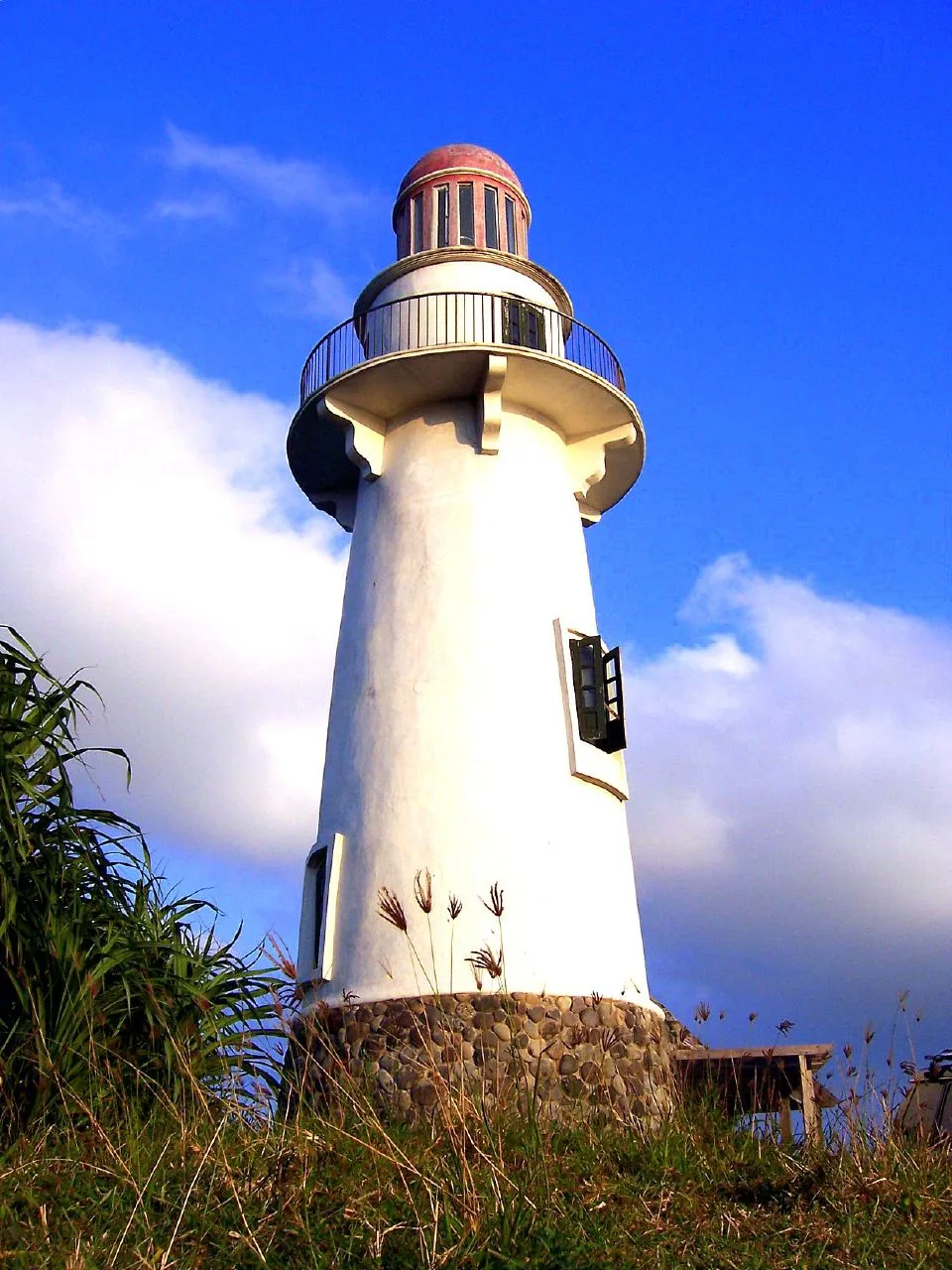
Naidi Lighthouse in Basco: Batanes
Trip.com
Search on Trip.comHotels in Batanes
Compare live prices via Travelpayouts — targeted for this guide.
The Story Behind Naidi Lighthouse
Naidi is pronounced na-ee-dee and comes from the Ivatan word for a former settlement. The hills around the lighthouse were once a village that was abandoned after a smallpox outbreak in the early 20th century. The land lay empty for decades, and the original lighthouse that stood there was damaged by weather and time. The current structure was rebuilt through the initiative of Congressman Florencio Abad of Batanes and completed in the early 2000s. It is now a working navigational aid as well as a heritage viewing deck.
The tower is painted white with a red lantern room, a classic coastal colour scheme that makes it easy to spot from the rolling pastureland. A wide, paved viewing area surrounds the base, and a short set of stairs leads to the lantern balcony. The lighthouse itself is only a few storeys high, but the hilltop position gives the impression that the light floats above the sea. On clear days you can see the Sabtang Island silhouette and the crashing waves of the West Philippine Sea.
Why Photographers Love This Spot
The magic of Naidi is not the lighthouse alone but the composition of land, sea, and sky around it. The grass rolls in long, soft curves, the trails are narrow dirt ribbons, and the stone walls typical of Ivatan farms frame every shot. The lighthouse sits at the top of a hill, so photographers can shoot from below to emphasize the height, or from the summit to capture the 360-degree view. The best frames often include a person in a vakul, the traditional headgear of the Ivatan women, against the red-and-white tower.
Trip.com
See all tours in Batanes on Trip.comTours & activities in Batanes
Hand-picked experiences in Batanes — book on Trip.com with instant confirmation.
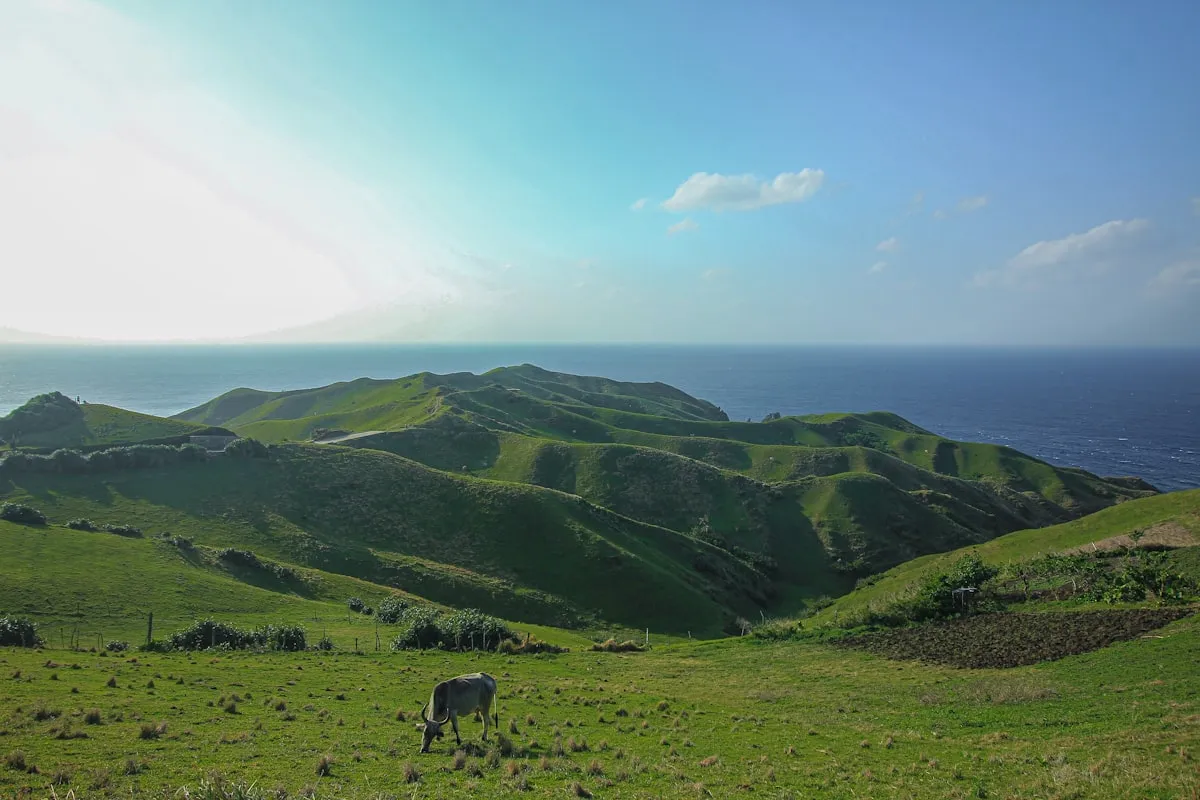
Sunrise is the most popular time. The sun comes up over the Pacific to the east, and the first light turns the grass gold before the white walls of the lighthouse catch the glow. Arrive before 5:30 a.m. if you want the hill to yourself. Sunset is equally dramatic on the western side of the hill, when the light falls across the South China Sea. Cloudy days are common in Batanes, and a passing squall can create rainbows that arch over the lighthouse. Keep your camera ready because the weather changes within minutes.
Walking the Naidi Hills
The lighthouse is the end point of a short but scenic trail that begins near the Basco airport approach road. Local tricycle drivers know the turn-off, and the walk from the parking area takes less than 15 minutes at an easy pace. The path climbs gradually through pastureland dotted with ginger plants, wildflowers, and the occasional grazing cow. Stone fences called kalapaw line the route; these low walls are built without mortar and have protected Ivatan fields from typhoon winds for centuries.
At the top the wind is strong even on a calm day, so bring a jacket or a windbreaker. The viewing deck has a few concrete benches and a flagpole. There is no entrance fee to the lighthouse, but the provincial government collects an environmental fee for all tourists. In 2026 the fee is PHP 350 per person, paid at the airport or at the tourism office in Basco. Hold on to the receipt because it is sometimes checked at other attractions around the island.
North Batan in a Day
Most visitors combine Naidi with the other northern sights of Batan Island. A half-day tricycle tour from Basco usually costs PHP 1,000 to PHP 1,500 in 2026 and includes the lighthouse, Vayang Rolling Hills, Valugan Boulder Beach, and the Fundacion Pacita museum. A full-day tour that adds the Dipnaysupuan Japanese Tunnel, Mahatao boat shelter, and Ivana is around PHP 2,000 to PHP 2,500. The tricycles in Batanes are roofed sidecars attached to motorcycles, and drivers are also informal guides with deep local knowledge.
Start at Naidi for sunrise, then move clockwise to Valugan Beach where waves crash over boulders thrown out by ancient Mt. Iraya eruptions. After that, drive up to Vayang for panoramic views of the northern coast. Fundacion Pacita is best in late morning, when the gallery and gardens are quiet. End in Mahatao for a late lunch of lobsters, coconut crabs, or the Ivatan specialty called vunes, made from dried gabi stalks. A full lobster lunch with rice and side dishes costs PHP 400 to PHP 700 per person.
Ivatan Culture You Will Meet
Batanes is not just a scenic province; it is the homeland of the Ivatan people, who have adapted to typhoons, isolation, and steep terrain for more than a thousand years. Their stone houses with cogon roofs are designed to survive wind speeds that flatten concrete elsewhere. The vakul, a wide basket headdress made from palm leaves, protects women from sun and rain while they farm. Men wear a similar but smaller headpiece called a kanayi. These items are still in daily use, not just tourist props.
When you visit Naidi, be respectful of private land. Many of the hills are pasture, and the cattle are owned by families. Do not open gates without asking, and do not pick the flowers or crops. A simple dawis, the Ivatan greeting, goes a long way. If you want a guided cultural tour, some community groups in Basco offer half-day walks for PHP 500 to PHP 800 per person, including storytelling about the Naidi settlement and the lighthouse.
When to Visit Batanes
Batanes has two main seasons. The dry season from March to June is the calmest, with the best boat crossings to Sabtang and Itbayat. The wet season from July to February is windier and cooler, with lush green hills but a higher chance of cancelled flights. Many photographers argue that January to March is the most beautiful because the grass is still green after the rains and the skies are dramatic. Easter week and the Lenten holidays are extremely busy, so book flights and accommodation at least three months ahead if you plan to travel then.
How to Get to Basco and Naidi
Basco is served by Basco Airport, with flights from Manila and, less frequently, Clark and Tuguegarao. Airlines include Philippine Airlines and SkyJet. Flight time from Manila is about 70 minutes, and fares vary from PHP 4,000 to PHP 12,000 round trip depending on the season and how far in advance you book. Once at Basco Airport, a tricycle to town costs PHP 50 to PHP 100, and most inns are less than 10 minutes away.
To reach Naidi from Basco town proper, take a tricycle for PHP 200 to PHP 300 one way, or charter it for PHP 1,000 to PHP 1,500 for a half-day tour. Some visitors walk from the edge of town; the hike takes about 45 minutes and is a good warm-up before the hill climb. Wear comfortable trainers because the dirt path can be uneven, and the grass is often wet with dew in the morning.
Where to Stay and Eat in Basco
Basco has a small but growing range of lodgings. A simple fan room in a homestay costs PHP 800 to PHP 1,200 per night. Mid-range inns with air conditioning, hot showers, and breakfast start at PHP 1,800 and can reach PHP 3,500. The top-end hotels and lodges near the airport or on the cliff edge go from PHP 4,000 to PHP 7,000. Because Batanes has limited rooms, reservations are essential from December to May.
The food in Basco is simple and sea-focused. Breakfast often includes dibang, flying fish, or native bread with unsalted butter. A meal at a local carinderia costs PHP 100 to PHP 200, while a seafood platter at a tourist-oriented restaurant is PHP 300 to PHP 600. Do not miss the vunes, the Ivatan salad made from dried taro stalks, which is usually priced at PHP 80 to PHP 150 as a side. Coconut crabs are regulated; make sure they are served legally and sustainably if you choose to try them.
Photography Tips for Naidi
Bring a wide-angle lens for the landscape and a portrait lens if you want to photograph people in vakul. A polarising filter helps cut the glare from the sea and the white lighthouse walls. Drones are allowed in Batanes but you must register with the Civil Aviation Authority of the Philippines and respect the no-fly zone near the airport. Many local guides warn that sudden gusts can push small drones into the sea, so fly only when the wind is below 15 kilometres per hour. Portraits of locals should be taken with permission; Ivatan residents are friendly but private.
Frequently Asked Questions
Is there an entrance fee for Naidi Lighthouse?
No. The lighthouse itself is free. The PHP 350 provincial environmental fee paid at the airport or tourism office covers access to Naidi and other sights around Batanes.
How long should I spend at Naidi?
Plan at least one hour for photos and the short walk. If you want to catch sunrise and then walk the surrounding hills, allow two to three hours.
Can I stay overnight at Naidi?
No. There are no overnight facilities at the lighthouse. Stay in Basco town, which is only a few minutes away by tricycle.
What is the best month to visit Batanes?
March to June is the calmest and driest. January to March is green and dramatic but windier. December is festival season and very crowded.
Is Batanes safe for solo travellers?
Yes. Batanes has a very low crime rate and a tight community. The main risks are weather-related flight cancellations and strong waves, so follow local advice and check sea conditions before boat trips.
Should I book a tour or use a tricycle?
Both work. A tricycle tour is flexible and affordable, while a packaged tour may include meals, permits, and an English-speaking guide. For a small group, tricycles are the most common choice.
Plan Your Batanes Trip with Pana
Ready to chase the Batanes light? Explore Philippine destinations, reserve Batanes island-hopping tours, choose a cosy Basco inn or lodge, and read more island guides on the Pana travel blog.
Sources and Editorial Standards
This article was created through desk research, interviews with Batanes tourism officers, and verified government references. For the latest official information, please see:
There is a place at the northern edge of the Philippines where the Pacific Ocean meets grass so green it looks painted, and a white-and-red lighthouse stands watch over a coastline that has guided fishermen for generations. That place is Naidi, a small barangay on the outskirts of Basco, the capital of Batanes. In 2026 the Naidi Lighthouse remains the most photographed landmark in the province, drawing sunrise chasers, pre-wedding photographers, and first-time visitors who arrive expecting a simple lighthouse and leave with a new understanding of why Batanes is called the home of the winds.
The Story Behind Naidi Lighthouse
Naidi is pronounced na-ee-dee and comes from the Ivatan word for a former settlement. The hills around the lighthouse were once a village that was abandoned after a smallpox outbreak in the early 20th century. The land lay empty for decades, and the original lighthouse that stood there was damaged by weather and time. The current structure was rebuilt through the initiative of Congressman Florencio Abad of Batanes and completed in the early 2000s. It is now a working navigational aid as well as a heritage viewing deck.
The tower is painted white with a red lantern room, a classic coastal colour scheme that makes it easy to spot from the rolling pastureland. A wide, paved viewing area surrounds the base, and a short set of stairs leads to the lantern balcony. The lighthouse itself is only a few storeys high, but the hilltop position gives the impression that the light floats above the sea. On clear days you can see the Sabtang Island silhouette and the crashing waves of the West Philippine Sea.
Why Photographers Love This Spot
The magic of Naidi is not the lighthouse alone but the composition of land, sea, and sky around it. The grass rolls in long, soft curves, the trails are narrow dirt ribbons, and the stone walls typical of Ivatan farms frame every shot. The lighthouse sits at the top of a hill, so photographers can shoot from below to emphasize the height, or from the summit to capture the 360-degree view. The best frames often include a person in a vakul, the traditional headgear of the Ivatan women, against the red-and-white tower.
Sunrise is the most popular time. The sun comes up over the Pacific to the east, and the first light turns the grass gold before the white walls of the lighthouse catch the glow. Arrive before 5:30 a.m. if you want the hill to yourself. Sunset is equally dramatic on the western side of the hill, when the light falls across the South China Sea. Cloudy days are common in Batanes, and a passing squall can create rainbows that arch over the lighthouse. Keep your camera ready because the weather changes within minutes.
Walking the Naidi Hills
The lighthouse is the end point of a short but scenic trail that begins near the Basco airport approach road. Local tricycle drivers know the turn-off, and the walk from the parking area takes less than 15 minutes at an easy pace. The path climbs gradually through pastureland dotted with ginger plants, wildflowers, and the occasional grazing cow. Stone fences called kalapaw line the route; these low walls are built without mortar and have protected Ivatan fields from typhoon winds for centuries.
At the top the wind is strong even on a calm day, so bring a jacket or a windbreaker. The viewing deck has a few concrete benches and a flagpole. There is no entrance fee to the lighthouse, but the provincial government collects an environmental fee for all tourists. In 2026 the fee is PHP 350 per person, paid at the airport or at the tourism office in Basco. Hold on to the receipt because it is sometimes checked at other attractions around the island.
North Batan in a Day
Most visitors combine Naidi with the other northern sights of Batan Island. A half-day tricycle tour from Basco usually costs PHP 1,000 to PHP 1,500 in 2026 and includes the lighthouse, Vayang Rolling Hills, Valugan Boulder Beach, and the Fundacion Pacita museum. A full-day tour that adds the Dipnaysupuan Japanese Tunnel, Mahatao boat shelter, and Ivana is around PHP 2,000 to PHP 2,500. The tricycles in Batanes are roofed sidecars attached to motorcycles, and drivers are also informal guides with deep local knowledge.
Start at Naidi for sunrise, then move clockwise to Valugan Beach where waves crash over boulders thrown out by ancient Mt. Iraya eruptions. After that, drive up to Vayang for panoramic views of the northern coast. Fundacion Pacita is best in late morning, when the gallery and gardens are quiet. End in Mahatao for a late lunch of lobsters, coconut crabs, or the Ivatan specialty called vunes, made from dried gabi stalks. A full lobster lunch with rice and side dishes costs PHP 400 to PHP 700 per person.
Ivatan Culture You Will Meet
Batanes is not just a scenic province; it is the homeland of the Ivatan people, who have adapted to typhoons, isolation, and steep terrain for more than a thousand years. Their stone houses with cogon roofs are designed to survive wind speeds that flatten concrete elsewhere. The vakul, a wide basket headdress made from palm leaves, protects women from sun and rain while they farm. Men wear a similar but smaller headpiece called a kanayi. These items are still in daily use, not just tourist props.
When you visit Naidi, be respectful of private land. Many of the hills are pasture, and the cattle are owned by families. Do not open gates without asking, and do not pick the flowers or crops. A simple dawis, the Ivatan greeting, goes a long way. If you want a guided cultural tour, some community groups in Basco offer half-day walks for PHP 500 to PHP 800 per person, including storytelling about the Naidi settlement and the lighthouse.
When to Visit Batanes
Batanes has two main seasons. The dry season from March to June is the calmest, with the best boat crossings to Sabtang and Itbayat. The wet season from July to February is windier and cooler, with lush green hills but a higher chance of cancelled flights. Many photographers argue that January to March is the most beautiful because the grass is still green after the rains and the skies are dramatic. Easter week and the Lenten holidays are extremely busy, so book flights and accommodation at least three months ahead if you plan to travel then.
How to Get to Basco and Naidi
Basco is served by Basco Airport, with flights from Manila and, less frequently, Clark and Tuguegarao. Airlines include Philippine Airlines and SkyJet. Flight time from Manila is about 70 minutes, and fares vary from PHP 4,000 to PHP 12,000 round trip depending on the season and how far in advance you book. Once at Basco Airport, a tricycle to town costs PHP 50 to PHP 100, and most inns are less than 10 minutes away.
To reach Naidi from Basco town proper, take a tricycle for PHP 200 to PHP 300 one way, or charter it for PHP 1,000 to PHP 1,500 for a half-day tour. Some visitors walk from the edge of town; the hike takes about 45 minutes and is a good warm-up before the hill climb. Wear comfortable trainers because the dirt path can be uneven, and the grass is often wet with dew in the morning.
Where to Stay and Eat in Basco
Basco has a small but growing range of lodgings. A simple fan room in a homestay costs PHP 800 to PHP 1,200 per night. Mid-range inns with air conditioning, hot showers, and breakfast start at PHP 1,800 and can reach PHP 3,500. The top-end hotels and lodges near the airport or on the cliff edge go from PHP 4,000 to PHP 7,000. Because Batanes has limited rooms, reservations are essential from December to May.
The food in Basco is simple and sea-focused. Breakfast often includes dibang, flying fish, or native bread with unsalted butter. A meal at a local carinderia costs PHP 100 to PHP 200, while a seafood platter at a tourist-oriented restaurant is PHP 300 to PHP 600. Do not miss the vunes, the Ivatan salad made from dried taro stalks, which is usually priced at PHP 80 to PHP 150 as a side. Coconut crabs are regulated; make sure they are served legally and sustainably if you choose to try them.
Photography Tips for Naidi
Bring a wide-angle lens for the landscape and a portrait lens if you want to photograph people in vakul. A polarising filter helps cut the glare from the sea and the white lighthouse walls. Drones are allowed in Batanes but you must register with the Civil Aviation Authority of the Philippines and respect the no-fly zone near the airport. Many local guides warn that sudden gusts can push small drones into the sea, so fly only when the wind is below 15 kilometres per hour. Portraits of locals should be taken with permission; Ivatan residents are friendly but private.
Frequently Asked Questions
Is there an entrance fee for Naidi Lighthouse?
No. The lighthouse itself is free. The PHP 350 provincial environmental fee paid at the airport or tourism office covers access to Naidi and other sights around Batanes.
How long should I spend at Naidi?
Plan at least one hour for photos and the short walk. If you want to catch sunrise and then walk the surrounding hills, allow two to three hours.
Can I stay overnight at Naidi?
No. There are no overnight facilities at the lighthouse. Stay in Basco town, which is only a few minutes away by tricycle.
What is the best month to visit Batanes?
March to June is the calmest and driest. January to March is green and dramatic but windier. December is festival season and very crowded.
Is Batanes safe for solo travellers?
Yes. Batanes has a very low crime rate and a tight community. The main risks are weather-related flight cancellations and strong waves, so follow local advice and check sea conditions before boat trips.
Should I book a tour or use a tricycle?
Both work. A tricycle tour is flexible and affordable, while a packaged tour may include meals, permits, and an English-speaking guide. For a small group, tricycles are the most common choice.
Plan Your Batanes Trip with Pana
Ready to chase the Batanes light? Explore Philippine destinations, reserve Batanes island-hopping tours, choose a cosy Basco inn or lodge, and read more island guides on the Pana travel blog.
Sources and Editorial Standards
This article was created through desk research, interviews with Batanes tourism officers, and verified government references. For the latest official information, please see:
There is a place at the northern edge of the Philippines where the Pacific Ocean meets grass so green it looks painted, and a white-and-red lighthouse stands watch over a coastline that has guided fishermen for generations. That place is Naidi, a small barangay on the outskirts of Basco, the capital of Batanes. In 2026 the Naidi Lighthouse remains the most photographed landmark in the province, drawing sunrise chasers, pre-wedding photographers, and first-time visitors who arrive expecting a simple lighthouse and leave with a new understanding of why Batanes is called the home of the winds.
The Story Behind Naidi Lighthouse
Naidi is pronounced na-ee-dee and comes from the Ivatan word for a former settlement. The hills around the lighthouse were once a village that was abandoned after a smallpox outbreak in the early 20th century. The land lay empty for decades, and the original lighthouse that stood there was damaged by weather and time. The current structure was rebuilt through the initiative of Congressman Florencio Abad of Batanes and completed in the early 2000s. It is now a working navigational aid as well as a heritage viewing deck.
The tower is painted white with a red lantern room, a classic coastal colour scheme that makes it easy to spot from the rolling pastureland. A wide, paved viewing area surrounds the base, and a short set of stairs leads to the lantern balcony. The lighthouse itself is only a few storeys high, but the hilltop position gives the impression that the light floats above the sea. On clear days you can see the Sabtang Island silhouette and the crashing waves of the West Philippine Sea.
Why Photographers Love This Spot
The magic of Naidi is not the lighthouse alone but the composition of land, sea, and sky around it. The grass rolls in long, soft curves, the trails are narrow dirt ribbons, and the stone walls typical of Ivatan farms frame every shot. The lighthouse sits at the top of a hill, so photographers can shoot from below to emphasize the height, or from the summit to capture the 360-degree view. The best frames often include a person in a vakul, the traditional headgear of the Ivatan women, against the red-and-white tower.
Sunrise is the most popular time. The sun comes up over the Pacific to the east, and the first light turns the grass gold before the white walls of the lighthouse catch the glow. Arrive before 5:30 a.m. if you want the hill to yourself. Sunset is equally dramatic on the western side of the hill, when the light falls across the South China Sea. Cloudy days are common in Batanes, and a passing squall can create rainbows that arch over the lighthouse. Keep your camera ready because the weather changes within minutes.
Walking the Naidi Hills
The lighthouse is the end point of a short but scenic trail that begins near the Basco airport approach road. Local tricycle drivers know the turn-off, and the walk from the parking area takes less than 15 minutes at an easy pace. The path climbs gradually through pastureland dotted with ginger plants, wildflowers, and the occasional grazing cow. Stone fences called kalapaw line the route; these low walls are built without mortar and have protected Ivatan fields from typhoon winds for centuries.
At the top the wind is strong even on a calm day, so bring a jacket or a windbreaker. The viewing deck has a few concrete benches and a flagpole. There is no entrance fee to the lighthouse, but the provincial government collects an environmental fee for all tourists. In 2026 the fee is PHP 350 per person, paid at the airport or at the tourism office in Basco. Hold on to the receipt because it is sometimes checked at other attractions around the island.
North Batan in a Day
Most visitors combine Naidi with the other northern sights of Batan Island. A half-day tricycle tour from Basco usually costs PHP 1,000 to PHP 1,500 in 2026 and includes the lighthouse, Vayang Rolling Hills, Valugan Boulder Beach, and the Fundacion Pacita museum. A full-day tour that adds the Dipnaysupuan Japanese Tunnel, Mahatao boat shelter, and Ivana is around PHP 2,000 to PHP 2,500. The tricycles in Batanes are roofed sidecars attached to motorcycles, and drivers are also informal guides with deep local knowledge.
Start at Naidi for sunrise, then move clockwise to Valugan Beach where waves crash over boulders thrown out by ancient Mt. Iraya eruptions. After that, drive up to Vayang for panoramic views of the northern coast. Fundacion Pacita is best in late morning, when the gallery and gardens are quiet. End in Mahatao for a late lunch of lobsters, coconut crabs, or the Ivatan specialty called vunes, made from dried gabi stalks. A full lobster lunch with rice and side dishes costs PHP 400 to PHP 700 per person.
Ivatan Culture You Will Meet
Batanes is not just a scenic province; it is the homeland of the Ivatan people, who have adapted to typhoons, isolation, and steep terrain for more than a thousand years. Their stone houses with cogon roofs are designed to survive wind speeds that flatten concrete elsewhere. The vakul, a wide basket headdress made from palm leaves, protects women from sun and rain while they farm. Men wear a similar but smaller headpiece called a kanayi. These items are still in daily use, not just tourist props.
When you visit Naidi, be respectful of private land. Many of the hills are pasture, and the cattle are owned by families. Do not open gates without asking, and do not pick the flowers or crops. A simple dawis, the Ivatan greeting, goes a long way. If you want a guided cultural tour, some community groups in Basco offer half-day walks for PHP 500 to PHP 800 per person, including storytelling about the Naidi settlement and the lighthouse.
When to Visit Batanes
Batanes has two main seasons. The dry season from March to June is the calmest, with the best boat crossings to Sabtang and Itbayat. The wet season from July to February is windier and cooler, with lush green hills but a higher chance of cancelled flights. Many photographers argue that January to March is the most beautiful because the grass is still green after the rains and the skies are dramatic. Easter week and the Lenten holidays are extremely busy, so book flights and accommodation at least three months ahead if you plan to travel then.
How to Get to Basco and Naidi
Basco is served by Basco Airport, with flights from Manila and, less frequently, Clark and Tuguegarao. Airlines include Philippine Airlines and SkyJet. Flight time from Manila is about 70 minutes, and fares vary from PHP 4,000 to PHP 12,000 round trip depending on the season and how far in advance you book. Once at Basco Airport, a tricycle to town costs PHP 50 to PHP 100, and most inns are less than 10 minutes away.
To reach Naidi from Basco town proper, take a tricycle for PHP 200 to PHP 300 one way, or charter it for PHP 1,000 to PHP 1,500 for a half-day tour. Some visitors walk from the edge of town; the hike takes about 45 minutes and is a good warm-up before the hill climb. Wear comfortable trainers because the dirt path can be uneven, and the grass is often wet with dew in the morning.
Where to Stay and Eat in Basco
Basco has a small but growing range of lodgings. A simple fan room in a homestay costs PHP 800 to PHP 1,200 per night. Mid-range inns with air conditioning, hot showers, and breakfast start at PHP 1,800 and can reach PHP 3,500. The top-end hotels and lodges near the airport or on the cliff edge go from PHP 4,000 to PHP 7,000. Because Batanes has limited rooms, reservations are essential from December to May.
The food in Basco is simple and sea-focused. Breakfast often includes dibang, flying fish, or native bread with unsalted butter. A meal at a local carinderia costs PHP 100 to PHP 200, while a seafood platter at a tourist-oriented restaurant is PHP 300 to PHP 600. Do not miss the vunes, the Ivatan salad made from dried taro stalks, which is usually priced at PHP 80 to PHP 150 as a side. Coconut crabs are regulated; make sure they are served legally and sustainably if you choose to try them.
Photography Tips for Naidi
Bring a wide-angle lens for the landscape and a portrait lens if you want to photograph people in vakul. A polarising filter helps cut the glare from the sea and the white lighthouse walls. Drones are allowed in Batanes but you must register with the Civil Aviation Authority of the Philippines and respect the no-fly zone near the airport. Many local guides warn that sudden gusts can push small drones into the sea, so fly only when the wind is below 15 kilometres per hour. Portraits of locals should be taken with permission; Ivatan residents are friendly but private.
Frequently Asked Questions
Is there an entrance fee for Naidi Lighthouse?
No. The lighthouse itself is free. The PHP 350 provincial environmental fee paid at the airport or tourism office covers access to Naidi and other sights around Batanes.
How long should I spend at Naidi?
Plan at least one hour for photos and the short walk. If you want to catch sunrise and then walk the surrounding hills, allow two to three hours.
Can I stay overnight at Naidi?
No. There are no overnight facilities at the lighthouse. Stay in Basco town, which is only a few minutes away by tricycle.
What is the best month to visit Batanes?
March to June is the calmest and driest. January to March is green and dramatic but windier. December is festival season and very crowded.
Is Batanes safe for solo travellers?
Yes. Batanes has a very low crime rate and a tight community. The main risks are weather-related flight cancellations and strong waves, so follow local advice and check sea conditions before boat trips.
Should I book a tour or use a tricycle?
Both work. A tricycle tour is flexible and affordable, while a packaged tour may include meals, permits, and an English-speaking guide. For a small group, tricycles are the most common choice.
Plan Your Batanes Trip with Pana
Ready to chase the Batanes light? Explore Philippine destinations, reserve Batanes island-hopping tours, choose a cosy Basco inn or lodge, and read more island guides on the Pana travel blog.
Sources and Editorial Standards
This article was created through desk research, interviews with Batanes tourism officers, and verified government references. For the latest official information, please see:
There is a place at the northern edge of the Philippines where the Pacific Ocean meets grass so green it looks painted, and a white-and-red lighthouse stands watch over a coastline that has guided fishermen for generations. That place is Naidi, a small barangay on the outskirts of Basco, the capital of Batanes. In 2026 the Naidi Lighthouse remains the most photographed landmark in the province, drawing sunrise chasers, pre-wedding photographers, and first-time visitors who arrive expecting a simple lighthouse and leave with a new understanding of why Batanes is called the home of the winds.
The Story Behind Naidi Lighthouse
Naidi is pronounced na-ee-dee and comes from the Ivatan word for a former settlement. The hills around the lighthouse were once a village that was abandoned after a smallpox outbreak in the early 20th century. The land lay empty for decades, and the original lighthouse that stood there was damaged by weather and time. The current structure was rebuilt through the initiative of Congressman Florencio Abad of Batanes and completed in the early 2000s. It is now a working navigational aid as well as a heritage viewing deck.
The tower is painted white with a red lantern room, a classic coastal colour scheme that makes it easy to spot from the rolling pastureland. A wide, paved viewing area surrounds the base, and a short set of stairs leads to the lantern balcony. The lighthouse itself is only a few storeys high, but the hilltop position gives the impression that the light floats above the sea. On clear days you can see the Sabtang Island silhouette and the crashing waves of the West Philippine Sea.
Why Photographers Love This Spot
The magic of Naidi is not the lighthouse alone but the composition of land, sea, and sky around it. The grass rolls in long, soft curves, the trails are narrow dirt ribbons, and the stone walls typical of Ivatan farms frame every shot. The lighthouse sits at the top of a hill, so photographers can shoot from below to emphasize the height, or from the summit to capture the 360-degree view. The best frames often include a person in a vakul, the traditional headgear of the Ivatan women, against the red-and-white tower.
Sunrise is the most popular time. The sun comes up over the Pacific to the east, and the first light turns the grass gold before the white walls of the lighthouse catch the glow. Arrive before 5:30 a.m. if you want the hill to yourself. Sunset is equally dramatic on the western side of the hill, when the light falls across the South China Sea. Cloudy days are common in Batanes, and a passing squall can create rainbows that arch over the lighthouse. Keep your camera ready because the weather changes within minutes.
Walking the Naidi Hills
The lighthouse is the end point of a short but scenic trail that begins near the Basco airport approach road. Local tricycle drivers know the turn-off, and the walk from the parking area takes less than 15 minutes at an easy pace. The path climbs gradually through pastureland dotted with ginger plants, wildflowers, and the occasional grazing cow. Stone fences called kalapaw line the route; these low walls are built without mortar and have protected Ivatan fields from typhoon winds for centuries.
At the top the wind is strong even on a calm day, so bring a jacket or a windbreaker. The viewing deck has a few concrete benches and a flagpole. There is no entrance fee to the lighthouse, but the provincial government collects an environmental fee for all tourists. In 2026 the fee is PHP 350 per person, paid at the airport or at the tourism office in Basco. Hold on to the receipt because it is sometimes checked at other attractions around the island.
North Batan in a Day
Most visitors combine Naidi with the other northern sights of Batan Island. A half-day tricycle tour from Basco usually costs PHP 1,000 to PHP 1,500 in 2026 and includes the lighthouse, Vayang Rolling Hills, Valugan Boulder Beach, and the Fundacion Pacita museum. A full-day tour that adds the Dipnaysupuan Japanese Tunnel, Mahatao boat shelter, and Ivana is around PHP 2,000 to PHP 2,500. The tricycles in Batanes are roofed sidecars attached to motorcycles, and drivers are also informal guides with deep local knowledge.
Start at Naidi for sunrise, then move clockwise to Valugan Beach where waves crash over boulders thrown out by ancient Mt. Iraya eruptions. After that, drive up to Vayang for panoramic views of the northern coast. Fundacion Pacita is best in late morning, when the gallery and gardens are quiet. End in Mahatao for a late lunch of lobsters, coconut crabs, or the Ivatan specialty called vunes, made from dried gabi stalks. A full lobster lunch with rice and side dishes costs PHP 400 to PHP 700 per person.
Ivatan Culture You Will Meet
Batanes is not just a scenic province; it is the homeland of the Ivatan people, who have adapted to typhoons, isolation, and steep terrain for more than a thousand years. Their stone houses with cogon roofs are designed to survive wind speeds that flatten concrete elsewhere. The vakul, a wide basket headdress made from palm leaves, protects women from sun and rain while they farm. Men wear a similar but smaller headpiece called a kanayi. These items are still in daily use, not just tourist props.
When you visit Naidi, be respectful of private land. Many of the hills are pasture, and the cattle are owned by families. Do not open gates without asking, and do not pick the flowers or crops. A simple dawis, the Ivatan greeting, goes a long way. If you want a guided cultural tour, some community groups in Basco offer half-day walks for PHP 500 to PHP 800 per person, including storytelling about the Naidi settlement and the lighthouse.
When to Visit Batanes
Batanes has two main seasons. The dry season from March to June is the calmest, with the best boat crossings to Sabtang and Itbayat. The wet season from July to February is windier and cooler, with lush green hills but a higher chance of cancelled flights. Many photographers argue that January to March is the most beautiful because the grass is still green after the rains and the skies are dramatic. Easter week and the Lenten holidays are extremely busy, so book flights and accommodation at least three months ahead if you plan to travel then.
How to Get to Basco and Naidi
Basco is served by Basco Airport, with flights from Manila and, less frequently, Clark and Tuguegarao. Airlines include Philippine Airlines and SkyJet. Flight time from Manila is about 70 minutes, and fares vary from PHP 4,000 to PHP 12,000 round trip depending on the season and how far in advance you book. Once at Basco Airport, a tricycle to town costs PHP 50 to PHP 100, and most inns are less than 10 minutes away.
To reach Naidi from Basco town proper, take a tricycle for PHP 200 to PHP 300 one way, or charter it for PHP 1,000 to PHP 1,500 for a half-day tour. Some visitors walk from the edge of town; the hike takes about 45 minutes and is a good warm-up before the hill climb. Wear comfortable trainers because the dirt path can be uneven, and the grass is often wet with dew in the morning.
Where to Stay and Eat in Basco
Basco has a small but growing range of lodgings. A simple fan room in a homestay costs PHP 800 to PHP 1,200 per night. Mid-range inns with air conditioning, hot showers, and breakfast start at PHP 1,800 and can reach PHP 3,500. The top-end hotels and lodges near the airport or on the cliff edge go from PHP 4,000 to PHP 7,000. Because Batanes has limited rooms, reservations are essential from December to May.
The food in Basco is simple and sea-focused. Breakfast often includes dibang, flying fish, or native bread with unsalted butter. A meal at a local carinderia costs PHP 100 to PHP 200, while a seafood platter at a tourist-oriented restaurant is PHP 300 to PHP 600. Do not miss the vunes, the Ivatan salad made from dried taro stalks, which is usually priced at PHP 80 to PHP 150 as a side. Coconut crabs are regulated; make sure they are served legally and sustainably if you choose to try them.
Photography Tips for Naidi
Bring a wide-angle lens for the landscape and a portrait lens if you want to photograph people in vakul. A polarising filter helps cut the glare from the sea and the white lighthouse walls. Drones are allowed in Batanes but you must register with the Civil Aviation Authority of the Philippines and respect the no-fly zone near the airport. Many local guides warn that sudden gusts can push small drones into the sea, so fly only when the wind is below 15 kilometres per hour. Portraits of locals should be taken with permission; Ivatan residents are friendly but private.
Frequently Asked Questions
Is there an entrance fee for Naidi Lighthouse?
No. The lighthouse itself is free. The PHP 350 provincial environmental fee paid at the airport or tourism office covers access to Naidi and other sights around Batanes.
How long should I spend at Naidi?
Plan at least one hour for photos and the short walk. If you want to catch sunrise and then walk the surrounding hills, allow two to three hours.
Can I stay overnight at Naidi?
No. There are no overnight facilities at the lighthouse. Stay in Basco town, which is only a few minutes away by tricycle.
What is the best month to visit Batanes?
March to June is the calmest and driest. January to March is green and dramatic but windier. December is festival season and very crowded.
Is Batanes safe for solo travellers?
Yes. Batanes has a very low crime rate and a tight community. The main risks are weather-related flight cancellations and strong waves, so follow local advice and check sea conditions before boat trips.
Should I book a tour or use a tricycle?
Both work. A tricycle tour is flexible and affordable, while a packaged tour may include meals, permits, and an English-speaking guide. For a small group, tricycles are the most common choice.
Plan Your Batanes Trip with Pana
Ready to chase the Batanes light? Explore Philippine destinations, reserve Batanes island-hopping tours, choose a cosy Basco inn or lodge, and read more island guides on the Pana travel blog.
Sources and Editorial Standards
This article was created through desk research, interviews with Batanes tourism officers, and verified government references. For the latest official information, please see:
Sources
Primary references for the figures and rules in this guide. Fees and schedules change — check the source before you travel.

PANA.PH Luzon Desk
Luzon travel logistics — Manila, Baguio and North Luzon
The Luzon Desk of the PANA.PH travel desk: it maintains and re-checks the luzon travel logistics — manila, baguio and north luzon data behind the site's guides — operator price lists, official fee schedules and posted timetables — and publishes what it can verify.
🏡 Real local stays (book direct)
Hand-picked homestays and guesthouses — book direct, no markup.
Browse all local stays →
🌊 Popular activities (book instantly)
Island hopping, canyoneering, whale sharks — real Klook/GetYourGuide options.
View all activities →