Where the Hills Meet the Sea
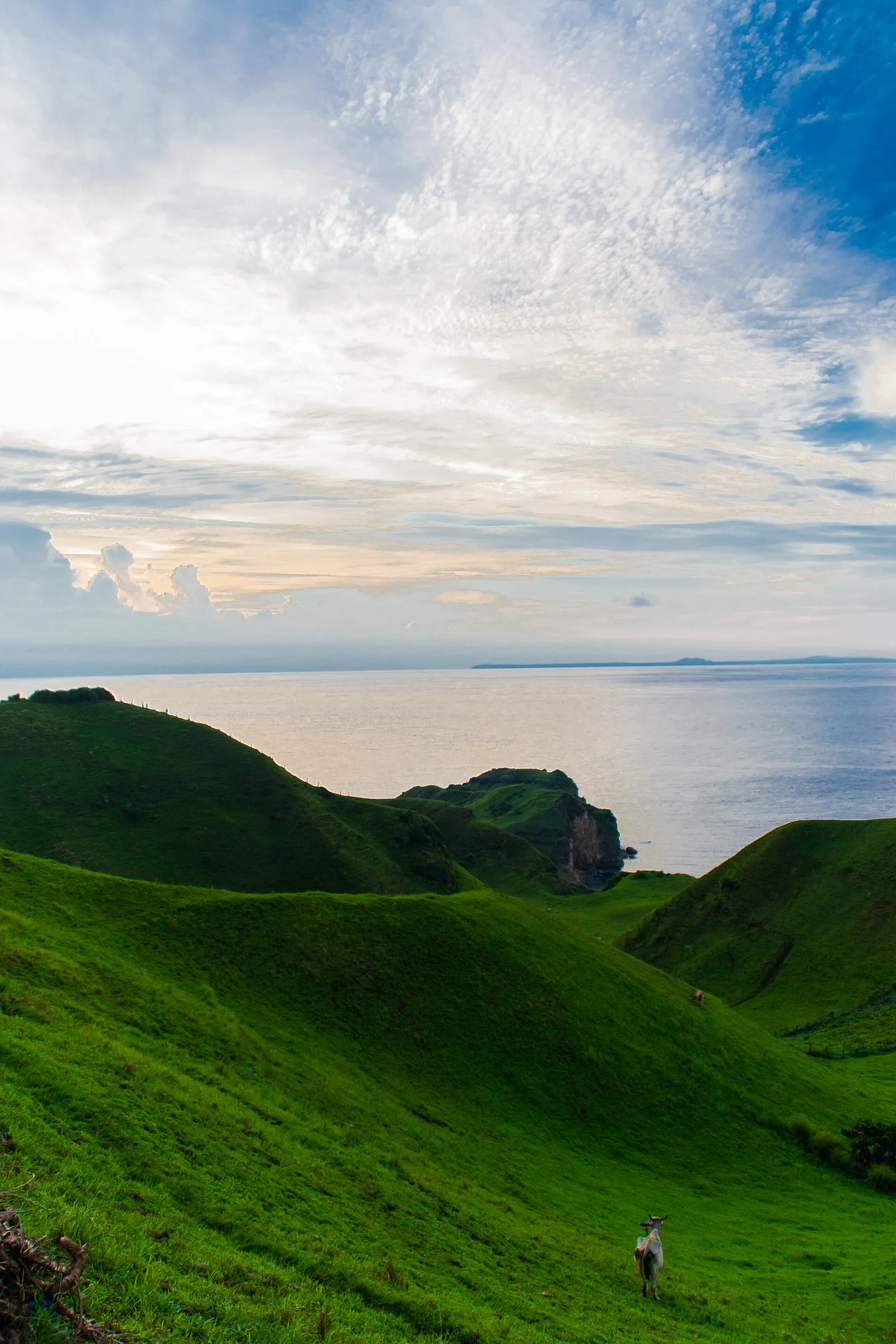
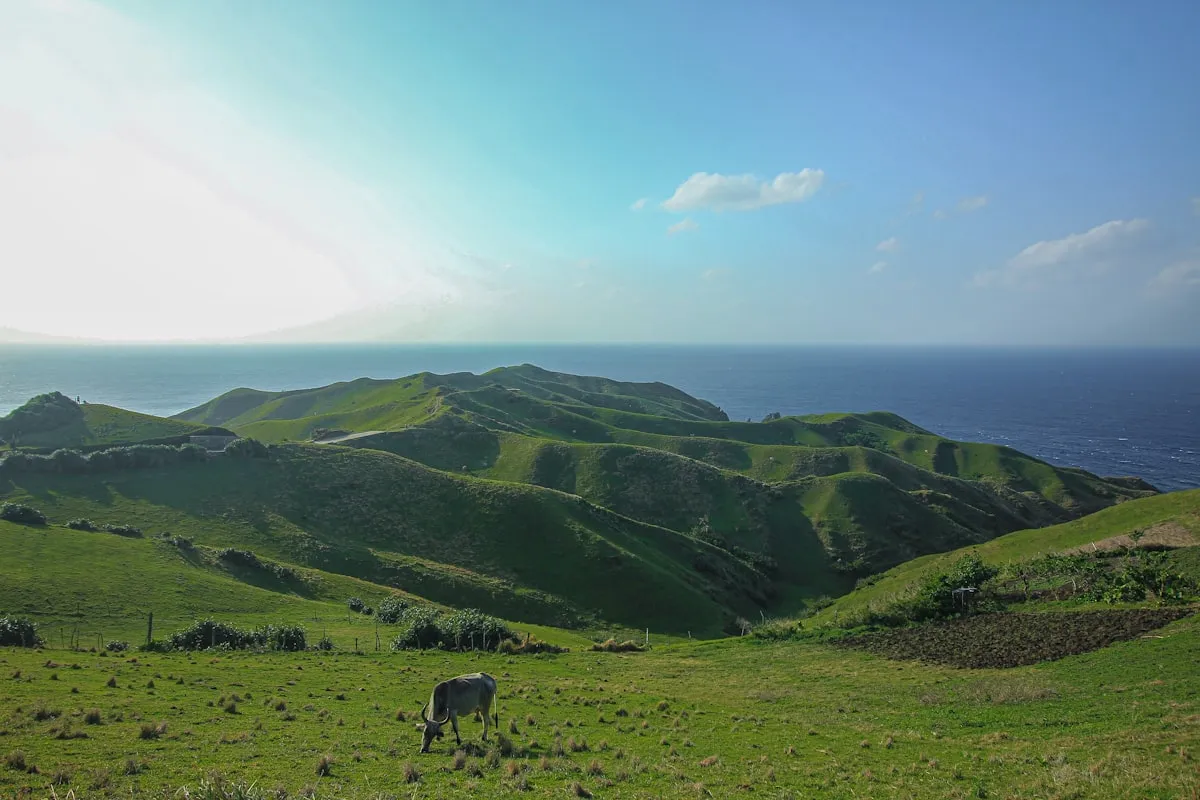
Batanes is the northernmost province of the Philippines and one of the most visually striking places in the country. The island of Batan, where the capital Basco sits, is home to the Vayang Rolling Hills. These hills sweep down toward the Pacific Ocean in gentle green waves. On a clear day, the grass looks bright emerald, the sky is deep blue, and the water below turns turquoise. Many travelers say the view reminds them of Ireland or New Zealand. What makes Batanes different is the quiet. There are no noisy beach bars, no crowds, and no heavy traffic. You can stand on a hilltop and hear only the wind, the waves, and an occasional cowbell.
The Vayang Rolling Hills are often called the Marlboro Country of Batanes because of an old cigarette commercial filmed there. Locals also call the area Vayang. It is a short drive or bike ride from Basco town proper. From the top, you can see the ocean on one side and Mt. Iraya on the other. Small stone houses dot the valleys below. Cows and goats graze freely on the slopes. The landscape changes with the seasons. During the dry months, the hills turn golden. After the rains, they become deep green. The contrast between the grass, the stone walls, and the sea is what makes the photos look unreal.
Batanes is not a typical tropical beach destination. It is a place for slow travel, long walks, and landscape photography. The rolling hills are only one part of the island. Nearby, you can visit the Valugan Boulder Beach, the Basco Lighthouse, and the small village of Chavayan. Each spot is close to the next, but the views are never the same. The wind is strong throughout the year, so bring a jacket even in summer. This is a destination where the journey itself becomes the main event.
How to Reach Basco and Batan Island
Basco is the main entry point to Batanes. It has the only commercial airport in the province. Direct flights from Manila to Basco take about 70 to 90 minutes. Airlines include Philippine Airlines and SkyJet. Round-trip fares range from 5,000 to 12,000 PHP depending on the season and how far in advance you book. Promo fares can go as low as 3,000 PHP, but seats sell out quickly. From Clark and Tuguegarao, there are also limited flights and ferry options.
Once you land at Basco Airport, the town center is a short tricycle ride away. Tricycle transfers to town cost 50 to 100 PHP. To explore Batan, most visitors rent a tricycle with a driver or a motorcycle. Tricycle tours cost 1,500 to 2,500 PHP for a full day, split among up to three or four passengers. Motorcycle rental costs 800 to 1,200 PHP per day, plus fuel. Note that the roads are narrow and steep in places. You should be a confident rider. The weather can change fast, and some roads have no railings.
Some travelers combine Batan with Sabtang and Itbayat islands. Sabtang is known for its traditional stone houses and Morong Beach. A day tour from Basco to Sabtang costs 1,500 to 2,500 PHP including the boat and tricycle on the island. The boat ride takes 30 to 45 minutes. Itbayat is more remote and is usually for overnight trips. For the rolling hills of Batan alone, a full day is enough. A two- or three-day stay is better if you want to see multiple viewpoints and wait for the best light.
The Best Viewpoints and Trails
The Vayang Rolling Hills have several viewpoints, not just one. The main stop is a hilltop with a small concrete marker. This is where most tourists take the famous Marlboro Country photo. In the morning, the light is soft and the hills are usually free of fog. In the late afternoon, the sun sets over the ocean and the sky turns orange. Sunset is the busiest time, but it is also the most beautiful. Arrive 30 minutes early if you want a good spot.
A short trail leads from the main viewpoint toward the coast. The path is narrow and can be muddy after rain. Wear trail shoes or sturdy sandals. The walk takes 20 to 40 minutes one way and offers closer views of the cliffs and the water. Be careful near the edges because the grass can hide loose rocks. Do not cross stone walls that mark private land. Farmers own many of the hills, and the cows are not wild. Respect the fences and close any gates you open.
Another excellent viewpoint is the area near the Basco Lighthouse on Naidi Hills. From there, you can see the town of Basco, the lighthouse, and the nearby hills rolling toward the sea. The lighthouse itself is free to enter and the view from the top is worth the short climb. Combine Naidi Hills with Vayang for a full morning or afternoon of photography. Many tours visit Naidi for sunrise and Vayang for sunset.
Costs, Food, and Where to Stay
Batanes is more expensive to reach than many Philippine destinations, but daily costs on the island are reasonable. A basic room in a homestay costs 1,000 to 2,000 PHP per night. Mid-range lodges cost 2,500 to 4,000 PHP. High-end resorts are limited and can cost 5,000 to 9,000 PHP per night. Book early, especially from March to May, when the weather is clearest and flights are full.
Meals in Basco are simple and filling. A plate of rice with fresh fish, pork, or beef costs 150 to 300 PHP. Local dishes like vunes, which are dried gabi stems, and uved, which are balls made from banana and fish, are worth trying. A whole lobster meal can cost 500 to 1,000 PHP depending on the size. Many homestays also offer breakfast for 100 to 200 PHP. Trike drivers often know the best local carinderias. Bring enough cash because ATMs in Basco are limited and sometimes offline. Credit cards are rarely accepted outside large lodges.
Respectful Travel and Weather Tips
The Batanes culture is rooted in respect and community. Locals follow the Ivatan value of Dios Mamajes, which means thankfulness. Always ask before taking photos of people or inside private land. Dress modestly when visiting churches and villages. Do not remove stones, plants, or shells. The stone walls and grasslands are part of a working landscape. The cows and goats belong to local families, so do not disturb them.
The weather is unpredictable. Even in the dry season, strong winds and quick rain showers are normal. Bring a windbreaker, a hat, and sunscreen. The UV is high because there is little shade. The best months for clear skies are March, April, May, and September to early December. June to August is the rainy season. December to February is cooler and windier. Typhoon season runs from June to November. Always check the forecast and flight status before flying.
Photography and Local Etiquette
The Vayang Rolling Hills reward patience and a good lens. A wide-angle or standard zoom is best for landscapes. Bring a polarizing filter to cut haze and make the sky pop. Sunrise at Naidi Hills is excellent for the lighthouse and the first golden rays. The Vayang hills shine in the late afternoon, when the setting sun turns the grass amber. Do not fly drones without checking local rules. Some areas require permits, and the wind can be strong enough to damage small drones. Always ask landowners before stepping onto private grassland.
Etiquette matters in Batanes more than in busy tourist towns. Greet locals with a smile and a nod. If you are offered food or a seat, accept or refuse politely. Ivatan houses are private and often built with thick stone walls and thatched cogon roofs. Do not enter without an invitation. Photography of people, especially elders, is best done after asking. Locals are friendly but value privacy. A small thank you or a polite Dios Mamajes goes a long way. These simple gestures help keep Batanes welcoming for future travelers.
Plan Your Batanes Trip with PANA.PH
Ready to see the Vayang Rolling Hills? Start planning on our Destinations page, where we cover Batan, Sabtang, and Itbayat. Book a tricycle tour, island hopping, or full North Luzon itinerary on our Tours page. Find the right homestay or lodge in Basco on our Hotels page. For more travel guides, visit the PANA.PH Blog.
Frequently Asked Questions
Do the Batanes rolling hills look like Ireland?
Many travelers compare the Vayang Rolling Hills to the green coasts of Ireland or New Zealand. The grass, stone walls, and ocean cliffs create a similar look, but the Ivatan culture and tropical light make it uniquely Filipino.
How much does it cost to visit the Vayang Rolling Hills?
There is no entrance fee. The main cost is transport. A tricycle tour of Batan costs 1,500 to 2,500 PHP per day. You can share this among a small group.
What is the best time to visit Batanes?
The clearest skies are usually from March to May and September to November. The rainy and typhoon season runs from June to October. December to February is windy but also beautiful.
Can I walk on the rolling hills?
Yes, but stay on open paths and respect stone walls. Many hills are private farmland. Do not climb fences or chase animals. Wear sturdy shoes because the ground can be uneven and slippery.
Do I need cash in Batanes?
Yes. ATMs in Basco are limited and may not always work. Bring enough Philippine pesos for your stay, especially for food, transport, and small shops.
Last checked 2026-08-25. Written by PANA.PH Luzon Desk for PANA.PH.