This guide is for anyone planning a 2026 trip to Dahilayan. It explains the pine forest setting, the adventure and zip-line park, the other activities available, how much everything costs in real Philippine pesos, and how to reach the highlands from Cagayan de Oro or Davao. We have also included advice on what to pack, where to stay, and how to visit responsibly. The information comes from the current park rates, local tourism operators in Bukidnon, and the environmental rules that protect the Mt. Kitanglad Range.
The Pine Forest and the Cool Climate
Dahilayan Highlands is not what most travelers expect when they think of the Philippines. The ground is covered in pine needles, the mist sits low in the morning, and the temperature can drop below 20 degrees Celsius on a cool day. The landscape feels closer to a mountain town in Southeast Asia than to a tropical beach. For visitors from Manila or Cebu, the change in temperature is one of the main reasons to come. You can wear a jacket, drink hot sikwate or tablea chocolate, and walk under a canopy that blocks the tropical sun.
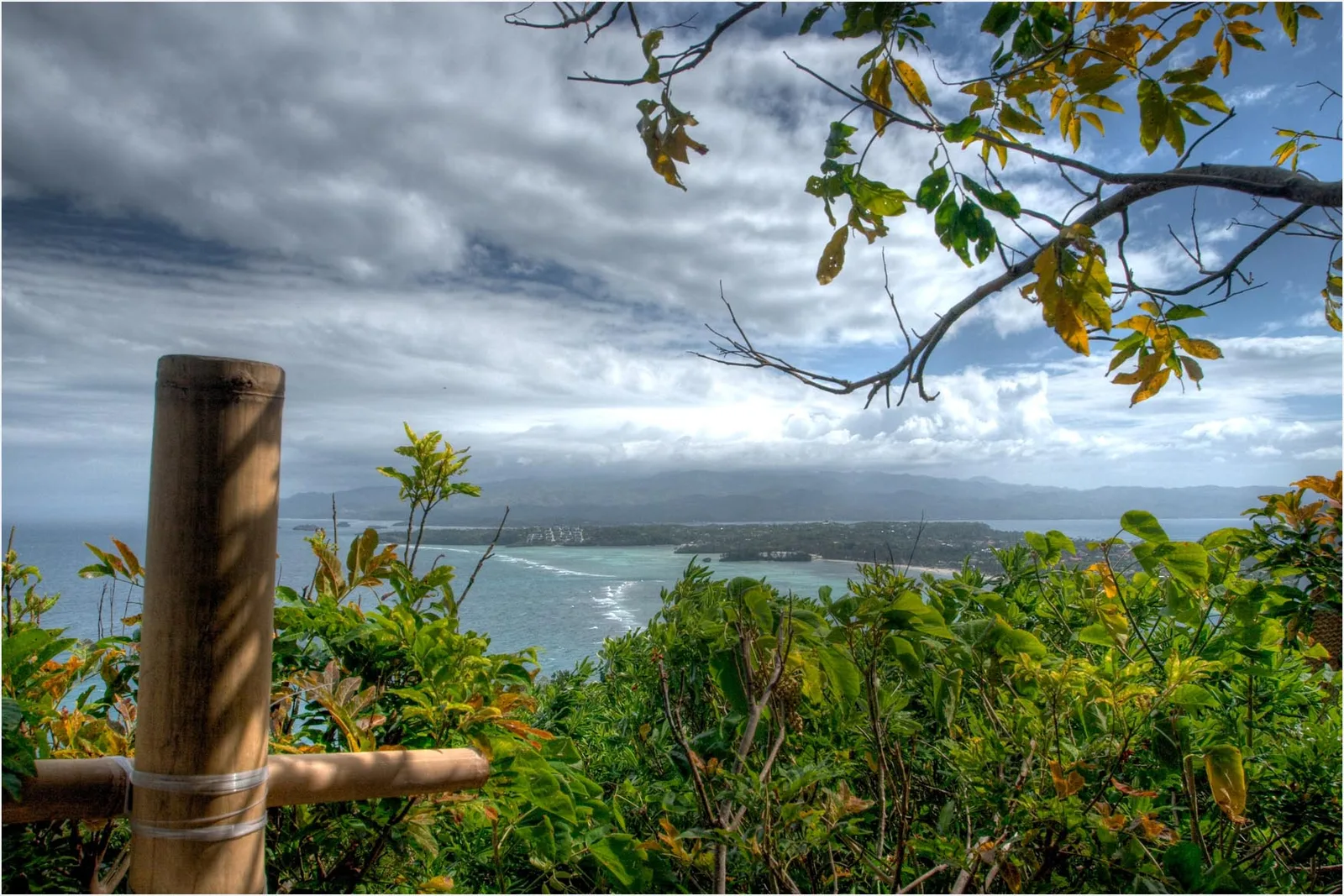
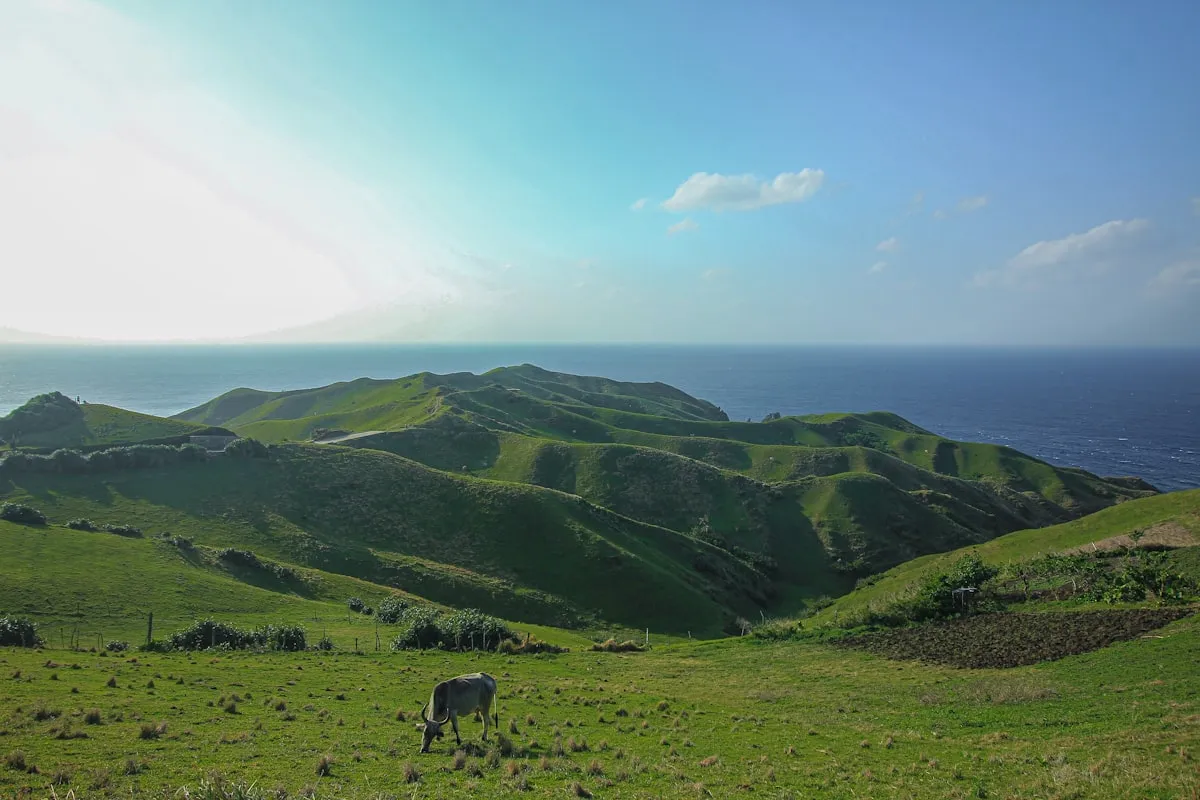
The pine forest is part of the larger Mt. Kitanglad Range, a protected area known for biodiversity and cooler weather. The trees are a mix of Benguet pine and other introduced and native species. Ferns, moss, and wildflowers grow along the trails, and the forest floor is soft with fallen needles. In the morning the mist is thick, and the trees disappear into the fog. In the afternoon the sun breaks through, and the view opens toward the Cagayan de Oro plain and the mountains beyond. The light changes quickly, so photographers should be ready at any hour.
The cool climate also affects how you travel. Bring a light jacket or a hoodie, even if the forecast looks warm. The mornings can be chilly, and the wind on the zip line is colder than the air at the launch tower. Rain is common from June to October, so a rain jacket or umbrella is useful. The dry season from December to May is the most popular time, but the highlands are green and beautiful year-round if you do not mind a little rain.
The Zip-Line Park and Adventure Rides
The best-known attraction at Dahilayan is the zip-line park. The main ride is one of the longest dual cable zip lines in the country, running more than 800 meters from a launch tower down to a landing area near the forest. The ride lasts around one minute, and the speed is fast enough to make you grip the harness but not so fast that you cannot enjoy the view. Two people can ride side by side, which makes it a popular activity for couples and families. The launch tower is tall, and the first step off the platform is the hardest part.
For those who want more, the park offers a range of adventure rides. There is a shorter beginner zip line, a luge or kart-style ride down the hill, a canopy walk, and a photo deck with views of the pine forest. Some packages include multiple rides, and the park often runs promos during the week and the off-season. The staff fit you with a helmet and harness, give a short safety briefing, and send you down the cable with a guide at each end. The operation is organized, and the equipment is checked regularly.
The zip line is not an extreme sport, but it is not for everyone. People with back problems, neck problems, or heart conditions are usually advised not to ride. Pregnant women and young children are also not allowed on the main line. Weight limits apply, typically around 100 to 120 kilograms depending on the cable. If you are unsure, ask the staff before you pay. There are viewing decks where non-riders can watch and take photos.
What Else to Do at Dahilayan
Beyond the zip line, the highlands have a slower side. You can walk the forest trails, rent a cottage or picnic hut, and have lunch surrounded by pine trees. The main park has a restaurant that serves local Bukidnon dishes, fresh strawberries when in season, and the usual Filipino rice meals. Some visitors come just to sit on a bench, drink hot chocolate, and watch the mist move through the trees. It is a good place for families, couples, and anyone who wants a quiet day in the mountains.
Photography is popular. The pine forest, the flowers, the mist, and the backdrop of the Kitanglad peaks give plenty of subjects. There are several photo spots in the park, including a hanging bridge, a viewing deck, and garden areas. During the Christmas season, the park is decorated with lights and becomes a popular evening destination. On weekends, local musicians sometimes perform, and the restaurant fills with families from Cagayan de Oro and nearby towns.
For more active travelers, the trails around the park connect to longer routes in the Mt. Kitanglad Range. Some hikers use Dahilayan as a starting point for the Mt. Kitanglad climb, which is a more serious trek requiring permits and guides. The highlands are also near the Del Monte Pineapple Plantation and other agricultural attractions in Manolo Fortich. A full day in the area can include the zip line in the morning, a plantation tour in the afternoon, and a stop at a local market for fresh produce.
Real PHP Prices for Dahilayan in 2026
The general entrance fee to the park is PHP 50 to PHP 100 for adults, with discounted rates for children and senior citizens. The main dual zip line costs PHP 800 to PHP 1,200 depending on whether it is a weekday, weekend, or holiday. A combo package that includes the main zip line, the shorter zip line, and other rides is usually PHP 1,200 to PHP 1,800. The luge or kart ride is PHP 300 to PHP 500, and the canopy walk is PHP 100 to PHP 200. Some packages include a snack or a meal, while others do not, so read the inclusions before you buy.
Cottage and table rental is PHP 300 to PHP 800 for a small group, and larger pavilions for big families or corporate outings are PHP 1,500 to PHP 3,000. Meals at the park restaurant are PHP 200 to PHP 400 for rice meals and PHP 300 to PHP 600 for bigger dishes or set meals. Hot sikwate or tablea chocolate is PHP 50 to PHP 100. Bottled water and snacks are also available, but prices are higher than in the town market.
Getting to Dahilayan from Cagayan de Oro costs PHP 50 to PHP 100 on a public bus or van to Manolo Fortich, then PHP 50 to PHP 150 for a habal-habal or tricycle up to the park. A private van from Cagayan de Oro is PHP 1,500 to PHP 3,000 for the day, depending on the size of the vehicle. From Davao, a bus to Manolo Fortich takes 4 to 5 hours and costs PHP 400 to PHP 700. From Malaybalay, the provincial capital, the trip is around 1 to 1.5 hours and costs PHP 100 to PHP 200 on a bus or van. Parking at the park is usually free or PHP 50 for cars.
Accommodation near Dahilayan ranges from PHP 1,000 to PHP 2,000 for a basic room in Manolo Fortich, PHP 2,500 to PHP 4,500 for a mid-range resort with mountain views, and PHP 5,000 to PHP 8,000 for a higher-end mountain lodge. Some visitors stay in Cagayan de Oro and make a day trip, but staying near the park lets you experience the morning mist and the cooler evening temperatures.
How to Get There
The nearest major city is Cagayan de Oro, which has an airport and a seaport. From the city, take a bus, van, or private car to Manolo Fortich in Bukidnon. The drive takes 45 minutes to 1 hour. Once in Manolo Fortich, the road to Dahilayan is steep and winding for the last 20 to 30 minutes. A private car or van is the most comfortable option, but local habal-habal drivers also carry visitors up the mountain for a fraction of the cost.
If you are coming from Davao, take a bus to Bukidnon and get off at Manolo Fortich. The total trip is 4 to 5 hours. From Malaybalay or Valencia, the trip is 1 to 2 hours. The road is generally good, but the mountain approach has sharp turns and can be foggy in the morning. If you are prone to motion sickness, take medication before the climb. The park has parking, a waiting area, and a ticket booth near the entrance.
Where to Stay and Eat
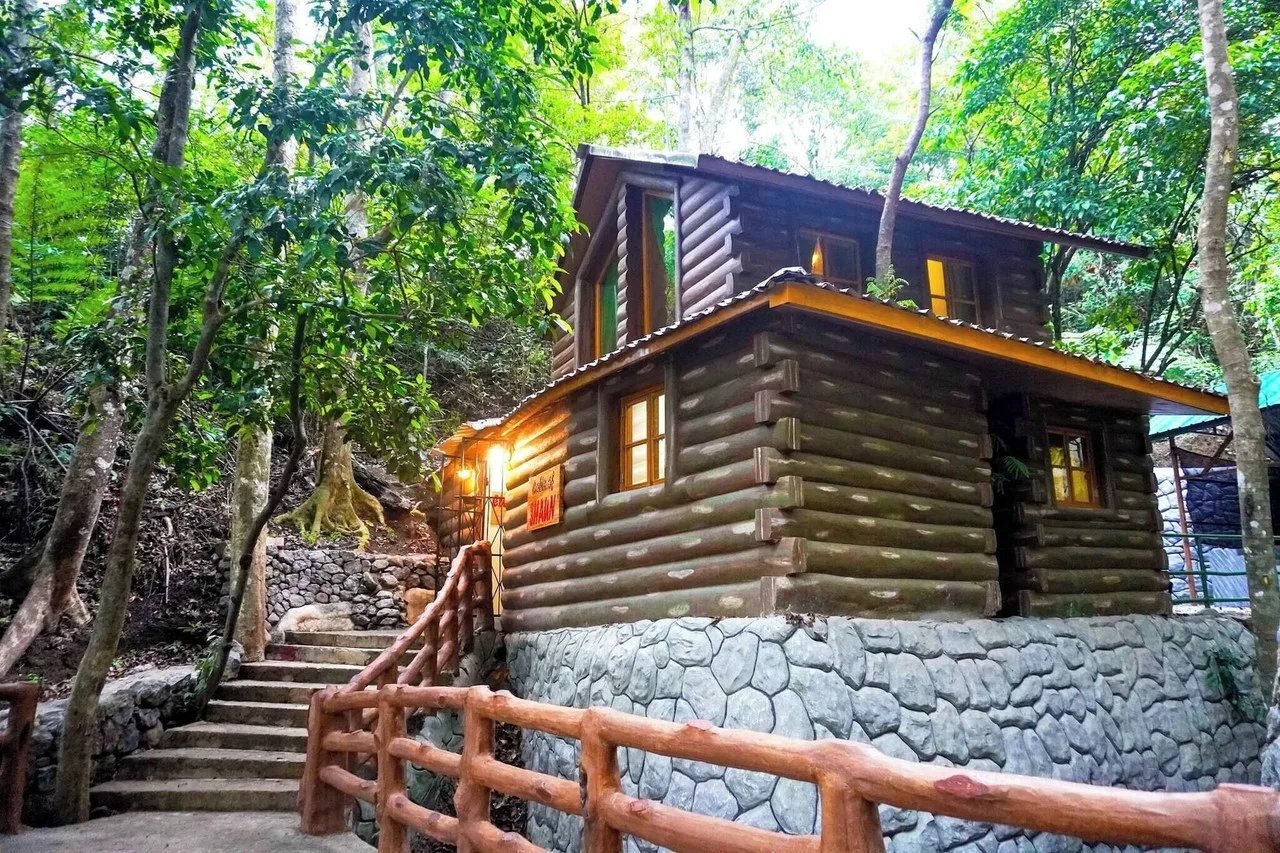
Most visitors stay in Cagayan de Oro and visit Dahilayan as a day trip. This is the easiest option and gives you more choices for accommodation and restaurants. If you want to stay close to the park, Manolo Fortich has small inns and guesthouses. A few mountain resorts are located near the highlands, offering cottages with pine views and cool evenings. These are popular on weekends, so book in advance.
Food is simple and local. The park restaurant serves Bukidnon specialties, including fresh pineapple, native chicken, and sikwate. Meals are simple and filling. You can also bring your own food and rent a table or cottage, but check the park rules first. Some areas allow outside food, while others require you to buy from the park concessionaires. Outside the park, the town of Manolo Fortich has carinderias and small bakeries where you can buy snacks for the road.
Best Time to Visit
The highlands can be visited year-round, but the dry season from December to May is the most comfortable. The roads are reliable, the views are clearest, and the zip line operates even in light rain. March and April are the warmest and driest, but the altitude keeps the temperature pleasant. June to October is the rainy season, and while the forest is greener, the mist and mud can make the park trails slippery. November and December are transition months and can be beautiful, with cooler mornings and fewer visitors.
Weekends are busy with families from Cagayan de Oro and Bukidnon. If you want a quieter experience, visit on a weekday. The zip line usually opens in the morning around 8:00 AM and closes in the late afternoon. Arrive early to avoid the queues, especially on holidays. The morning light is also the best for photos of the mist and the pines.
Tips for Families and First-Time Visitors
Dahilayan is a family-friendly destination, but the cool weather and the heights of the zip line can be challenging for very young children. Dress in layers, because the morning can be cold and the afternoon can warm up quickly. Wear closed shoes with grip, especially if you plan to walk the trails or use the luge. The pine needles can be slippery after rain.
If you are visiting with elderly relatives, they can enjoy the viewing decks and the restaurant while younger members do the rides. The main zip line requires a short hike up to the launch tower, so be prepared for stairs. Bring cash, because not all vendors accept cards and mobile signal can be weak. Finally, respect the forest. Do not pick the flowers, do not litter, and stay on the marked trails to protect the ecosystem.
Frequently Asked Questions
How long is the zip line at Dahilayan?
The main dual zip line is more than 800 meters long, making it one of the longest in the Philippines. The ride takes around one minute. There is also a shorter zip line for beginners or those who do not want the full length.
Is Dahilayan Highlands cold?
It is cool by Philippine standards, especially in the early morning and evening. Temperatures can drop to around 15 to 20 degrees Celsius during the coldest months. Bring a jacket or hoodie, even if you are visiting in the summer.
Can I bring my own food?
Some areas allow outside food if you rent a cottage or table, but the park also has its own restaurant and food concessionaires. Check the rules at the gate, because policies can change. Bringing water is always a good idea.
Is it safe for kids?
Yes, the park is generally safe, but the main zip line has age and weight restrictions. Children usually need to be at least thirty kilograms and accompanied by an adult if they are young. Check the latest rules at the park entrance.
Do I need to book in advance?
For weekday visits, you can usually buy tickets at the gate. For weekends and holidays, especially during the Christmas season, it is better to book online or by phone to secure a slot. Some tour operators in Cagayan de Oro sell package tickets that include transport and the zip line.
What should I wear?
Wear comfortable clothes, closed shoes with good grip, and a light jacket. Avoid skirts and loose sandals if you plan to ride the zip line. Sunglasses and a hat are useful when the sun comes out, and a rain jacket is helpful during the wet months.
Sources and Official References
Last reviewed 2026-08-25. Written by the PANA.PH Visayas Desk and reviewed by PANA Editorial. Park rates and transport prices reflect 2026 prices and may change depending on season and promotions.