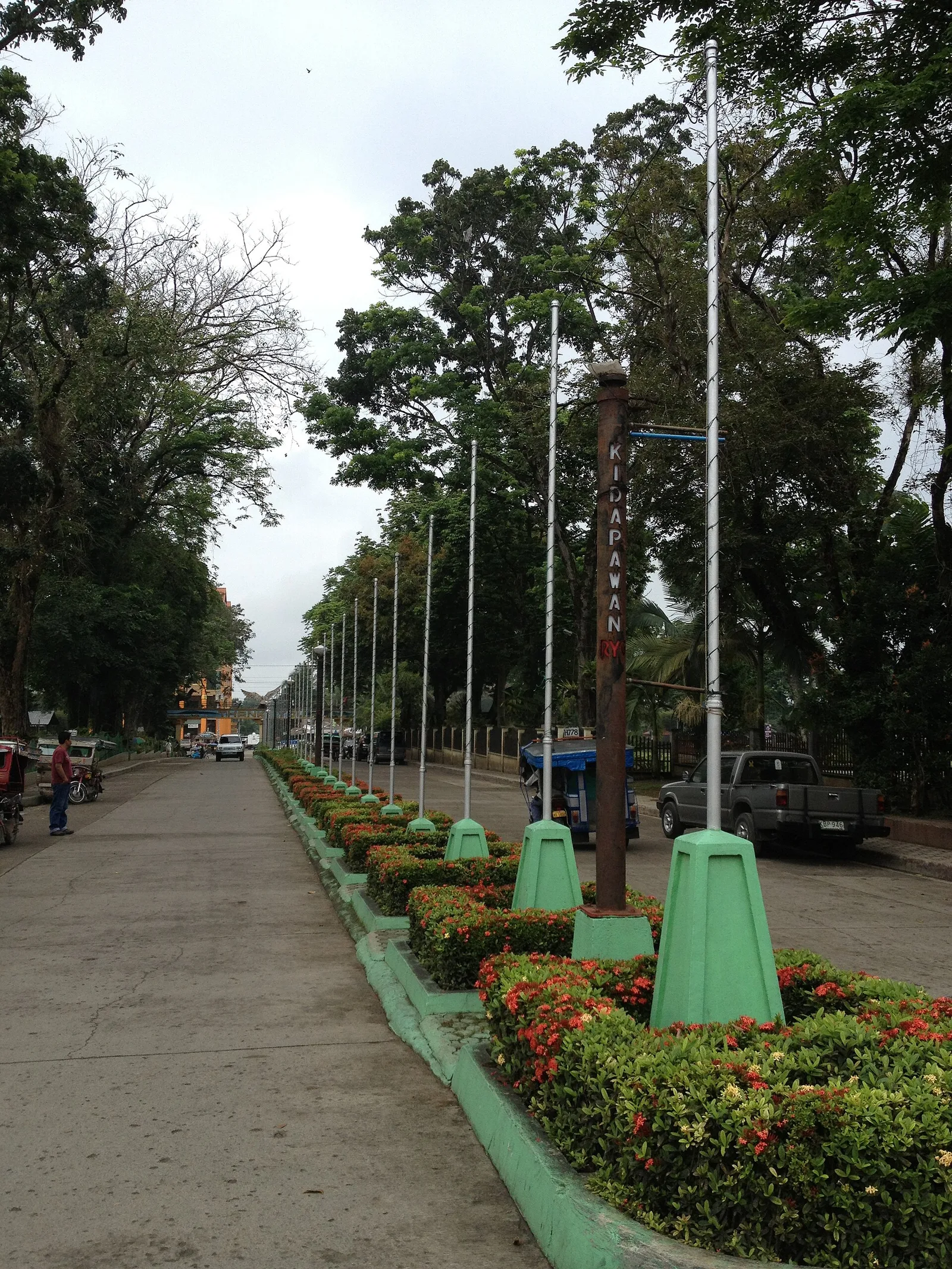
Lake Agco is one of those Philippine destinations that sounds like a myth until you stand beside it. The mud bubbles, the water steams, and the smell of sulfur drifts through the trees. It sits on the lower slopes of Mount Apo, the highest peak in the Philippines, in the upland barangays of Kidapawan City in the province of North Cotabato. Unlike the glossy resort pools of Luzon, Lake Agco is a raw geothermal site where visitors can watch boiling mud and soak in natural hot springs before or after climbing the volcano. The area has been developed just enough to make it accessible, but the landscape still feels wild, and the mountain looms overhead in almost every view.
Lake Agco: The Boiling Mud and Hot Springs at the Foot of Mount Apo
Trip.com
Search on Trip.comHotels in Kidapawan Lake
Compare live prices via Travelpayouts — targeted for this guide.
This guide is for travelers who want to combine Lake Agco with a Mount Apo attempt, or who simply want a low-cost, high-impact day trip from Davao City or Kidapawan. It covers how the geothermal features formed, how to get there from the coast, what you can do on arrival, what to bring, and how much it all costs. Prices are based on 2026 reports from local tourism offices, guides, and transport operators in North Cotabato. All prices are in Philippine pesos.
How Lake Agco Was Formed
Mount Apo is a stratovolcano that rises to 2,954 meters above sea level on the border of North Cotabato, Davao del Sur, and Maguindanao del Norte. It is considered a dormant volcano, and its geothermal activity still shows itself in vents, hot springs, and boiling mud pots along its lower flanks. Lake Agco, also known locally as Ilian, is a small crater lake and geothermal field on the Kidapawan side. The water is heated by residual volcanic heat, and the ground around it is saturated with minerals that bubble up as mud. The result is a landscape that feels more like Iceland or New Zealand than the tropics, except that the surrounding forest is thick Philippine dipterocarp and mossy montane growth.
The area has long been known to indigenous Manobo and other local communities, who used the hot water for bathing and traditional healing. In recent years, the local government of Kidapawan and the tourism office of North Cotabato developed a basic access road, cottages, and a viewing deck so that visitors could experience the boiling mud safely. The development has been modest by design, and the site remains a community-managed attraction rather than a commercial resort. This is one of its main appeals: it is affordable, low-key, and connected to the real rhythms of a mountain barangay.
Trip.com
See all tours in Kidapawan Lake on Trip.comHiking tour in Kidapawan Lake
Hand-picked experiences in Kidapawan Lake — book on Trip.com with instant confirmation.
How to Get to Lake Agco
The two main gateways are Davao City and Kidapawan City. Davao City has the Francisco Bangoy International Airport, which receives flights from Manila, Cebu, Clark, and other domestic hubs. A one-way economy flight from Manila to Davao typically costs between PHP 2,000 and PHP 4,500 depending on the season and booking time. From Davao City, take a bus or van to Kidapawan. Buses depart from the Davao City Overland Transport Terminal and the trip takes two to three hours. The fare is about PHP 150 to PHP 250 for air-conditioned buses and PHP 120 to PHP 180 for non-air-conditioned options. Vans are faster at PHP 180 to PHP 250 and leave once full.
If you are already in Cotabato City or coming from Lake Sebu in South Cotabato, you can take a bus or van to Kidapawan from the Cotabato City terminal. The fare is about PHP 150 to PHP 250, and the trip takes around two to four hours depending on the route. Kidapawan is also reachable by bus from General Santos via Koronadal, though this is a longer journey of four to six hours and costs PHP 200 to PHP 350.
From Kidapawan City proper, the Lake Agco Barangay Office and Barangay Ilian are reached by a combination of tricycle and habal-habal. A tricycle from the city center to the jump-off point at Barangay Ilian costs PHP 50 to PHP 80. From there, a habal-habal, the single-motorcycle taxis common in the region, takes you up the unpaved mountain road for PHP 100 to PHP 200 depending on your negotiation and the number of passengers. The ride takes 30 to 45 minutes and is steep, rough, and often muddy. If you are a confident motorbike rider, you may rent a motorcycle in Kidapawan for PHP 400 to PHP 700 per day, but the mountain road is not for beginners.
What to Do at Lake Agco
The main attraction is the boiling mud area. A wooden and concrete viewing deck has been built so that visitors can look down into the mud pots from a safe distance. The mud bubbles slowly or violently depending on the level of geothermal activity, and small puffs of sulfur-tinged steam rise from cracks in the earth. There is no fee to stand on the viewing deck, but a donation of PHP 20 to PHP 50 may be requested to help maintain the site. Please stay on the marked paths. The ground in the active area can be thin and unstable, and the water below is scalding.
Next to the boiling mud are several natural hot spring pools. The pools have been partly lined or enclosed to make bathing easier, and the temperature ranges from warm to very hot depending on the source and the season. Bathing in the hot springs is the highlight for most visitors after the long ride from Kidapawan. Use of the pools is usually free if you are staying at one of the cottages or paying the site entrance, but donations for maintenance are common. Bring a swimsuit, a towel, and drinking water. The sulfur smell can linger on clothing, so bring an older towel and a change of clothes.
Beyond the pools and mud, Lake Agco is also the main Kidapawan jump-off point for Mount Apo climbs. The Kidapawaan trail is considered one of the classic routes to the summit, passing through montane forest, boulders, and the final grassland near the peak. Climbing Mount Apo requires a permit from the Department of Environment and Natural Resources, a registered guide, and a support team. The DENR registration fee is about PHP 500, while guide and porter fees range from PHP 1,500 to PHP 3,000 per day for a guide, with additional fees for porters and overnight camp support. A two-day, one-night summit trek can cost PHP 4,000 to PHP 7,000 per person including permits, food, guide, and camping gear rental. It is not a walk-up hike, and good fitness is required.
The Lake Agco Resort Experience
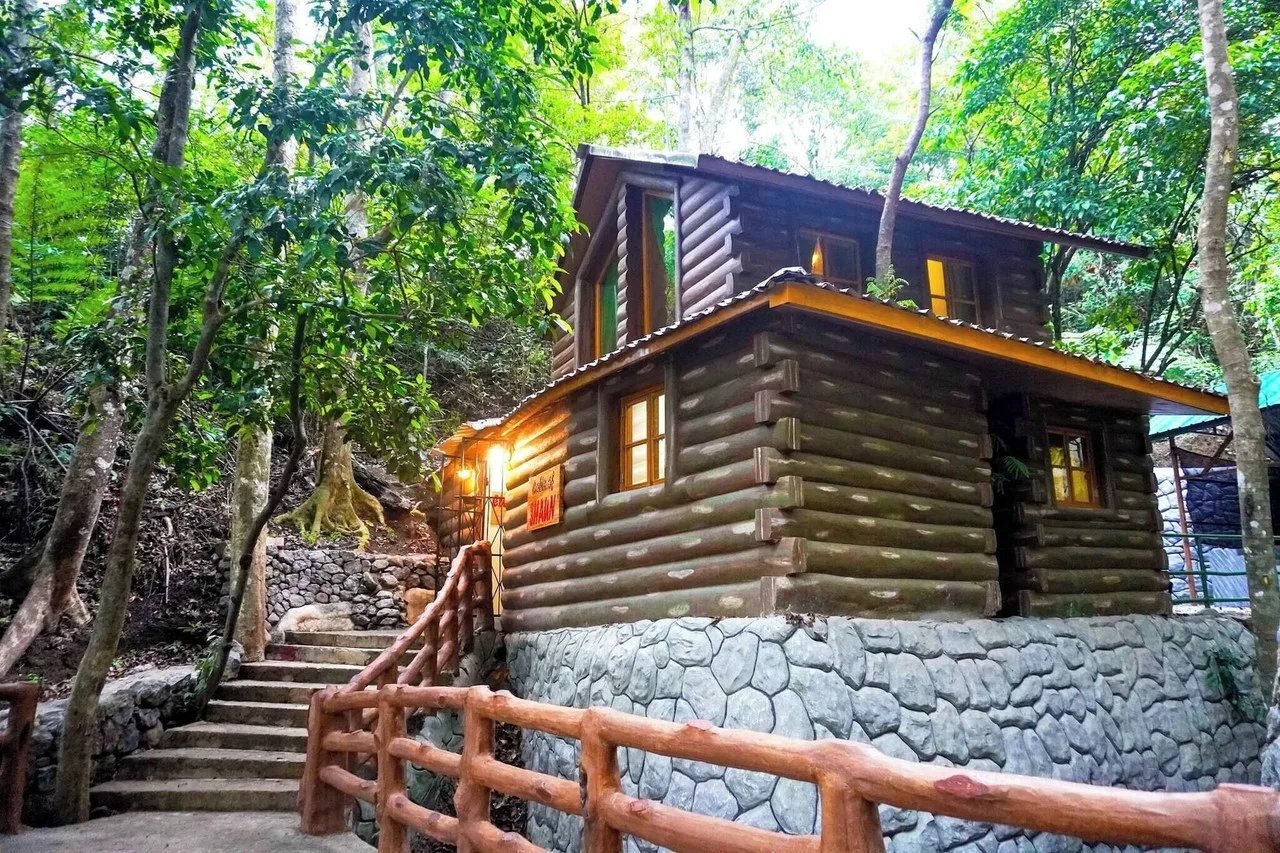
There is a small collection of cottages and shelters at Lake Agco run by the barangay and local cooperatives. The cottages are basic but adequate, with bamboo construction, open-air dining areas, and some private rooms. A small cottage for day use costs PHP 300 to PHP 500. Overnight accommodation in a simple room or hut is PHP 800 to PHP 1,500 per night, depending on the size and the season. Larger groups can rent a function hut for PHP 1,000 to PHP 2,000 per day. Bring your own sleeping bag or bedding if you are particular about linens, because not all rooms include thick blankets, and nights in the mountains can be cold.
Meals are available from small community kitchens. A simple meal of rice, grilled meat or fish, and vegetables costs PHP 100 to PHP 200. Local coffee, boiled root crops, and corn are often served for breakfast. If you want to bring your own food, that is allowed, but make sure to carry out all trash. There are no grocery stores at the site, and the nearest proper market is in Kidapawan City, so stock up before you leave.
Generators may provide electricity in the evening, but power is not guaranteed around the clock. Mobile phone signal is weak to nonexistent in some areas, though Smart and Globe have intermittent coverage on the ridges. Treat the site as a backcountry destination even though it has cottages. Bring a flashlight, extra batteries, and cash for donations and guide fees.
What to Pack for Lake Agco and Mount Apo
The weather on Mount Apo's lower slopes changes quickly. Pack a waterproof jacket, a warm layer for the evening, a hat, and a change of dry clothes. A pair of sandals or aqua shoes is useful for the hot spring pools, while trail shoes or hiking boots are necessary if you plan to walk beyond the developed area. Sunscreen and insect repellent are essential, and a basic first-aid kit is wise given the remote location. If you are climbing Mount Apo, a four-season sleeping bag, a down jacket, and a headlamp are standard gear, because temperatures near the summit can drop below 10 degrees Celsius.
Photographers will want a polarizing filter for the steam and water, but keep electronics in a waterproof bag. The sulfur steam can be mildly corrosive to metal and rubber over time, so do not leave cameras or phones exposed near the boiling mud for extended periods. Drones are generally not allowed in protected areas without a permit from the DENR and the local tourism office, so check before flying.
Best Time to Visit and Environmental Notes
The drier months from March to May are the best time to visit Lake Agco and attempt Mount Apo. Trails are more stable, the hot spring water is warmer in the cooler evenings, and the chances of a clear summit view are higher. The Mount Apo climbing season is usually open from around March to May, with specific dates depending on local conditions and the Kidapawan tourism calendar. The wet season from June to November makes the roads muddy and the trails slick, and climbing is often suspended for safety. December and January are possible but can be cold and windy on the upper mountain.
Environmental care is critical. Lake Agco is within a protected area, and the boiling mud is a delicate geothermal feature. Do not throw objects into the mud, do not bathe in undeveloped pools, and do not remove rocks or plants. Take all trash back to Kidapawan. If you use a guide, choose one who is registered with the barangay or the DENR, because these guides are trained in safety and leave-no-trace practices. Sustainable tourism is still new here, and visitors have a direct role in keeping the site clean and safe for the next group.
Frequently Asked Questions
Is Lake Agco safe to visit?
Yes, as long as you stay on the marked paths and respect the geothermal features. The boiling mud and hot springs are natural hazards, and the ground near the vents can be thin. Children should be closely supervised, and visitors should not attempt to touch or wade into the boiling mud. Following the instructions of local guides and caretakers keeps the visit safe.
How much does it cost to visit Lake Agco?
A day trip to Lake Agco from Kidapawan City can be done for PHP 500 to PHP 1,000 per person, including round-trip habal-habal transport, a cottage or pool donation, and a meal. If you stay overnight, budget PHP 1,500 to PHP 2,500 per person including transport, lodging, and meals. A Mount Apo climb is significantly more, ranging from PHP 4,000 to PHP 7,000 per person for a guided two-day trek.
Do I need to book a guide for the boiling mud and hot springs?
A guide is not strictly required for the developed mud-viewing and pool area, but a barangay guide is recommended if you plan to walk to the lake and forest beyond. Guide fees are about PHP 300 to PHP 500 for a half day at the site. A Mount Apo climb always requires a DENR-registered guide.
Can I swim in Lake Agco?
Swimming is not allowed in the main lake near the boiling mud vents. Hot spring bathing is allowed only in the designated pools. These pools are warm, not boiling, and are safe for short soaks. Move slowly when entering the water and leave if you feel lightheaded.
How do I get from Davao City to Lake Agco?
Take a bus or van from Davao City to Kidapawan for PHP 150 to PHP 250. In Kidapawan, hire a tricycle to the Barangay Ilian jump-off for PHP 50 to PHP 80, then a habal-habal up to Lake Agco for PHP 100 to PHP 200. Total one-way cost from Davao is roughly PHP 350 to PHP 600, and the full trip takes three to five hours.
Plan Your Lake Agco Adventure with PANA
Ready to soak in natural hot springs and stand above boiling mud? PANA.PH makes it easier. Explore more Philippine destinations in our destinations guide, book a guided trek or hot spring trip in our tours marketplace, find Kidapawan and Davao hotels in our hotels directory, and read more travel features on our blog.
Sources and References
Sources
Primary references for the figures and rules in this guide. Fees and schedules change — check the source before you travel.

PANA.PH Visayas Desk
Visayas travel logistics — Cebu, Bohol, Boracay and Siargao
The Visayas Desk of the PANA.PH travel desk: it maintains and re-checks the visayas travel logistics — cebu, bohol, boracay and siargao data behind the site's guides — operator price lists, official fee schedules and posted timetables — and publishes what it can verify.
🏡 Real local stays (book direct)
Hand-picked homestays and guesthouses — book direct, no markup.
Browse all local stays →
🌊 Popular activities (book instantly)
Island hopping, canyoneering, whale sharks — real Klook/GetYourGuide options.
View all activities →