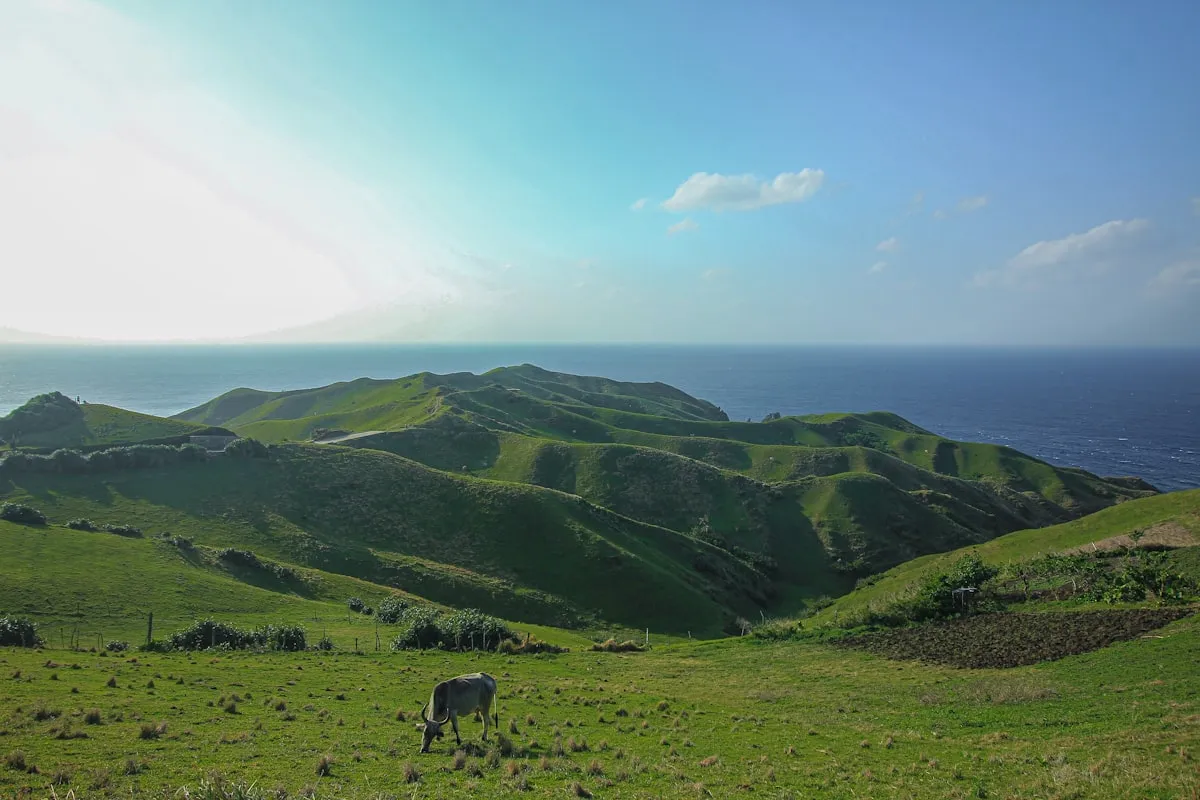
Most travelers stop at El Nido or Coron and think they have seen the best of Palawan. A few keep moving south. The reward is Balabac, a cluster of 36 islands at the very tip of mainland Palawan where the sand changes color, the water stays glassy for hours, and the sandbars rarely hold more than one boat at a time. The Pana Palawan Desk has tracked this route through the seasons, talked to boatmen in Rio Tuba and Bataraza, and checked current fees from local tourism offices. This guide is built on those real prices and first-hand observations, not on brochure copy.
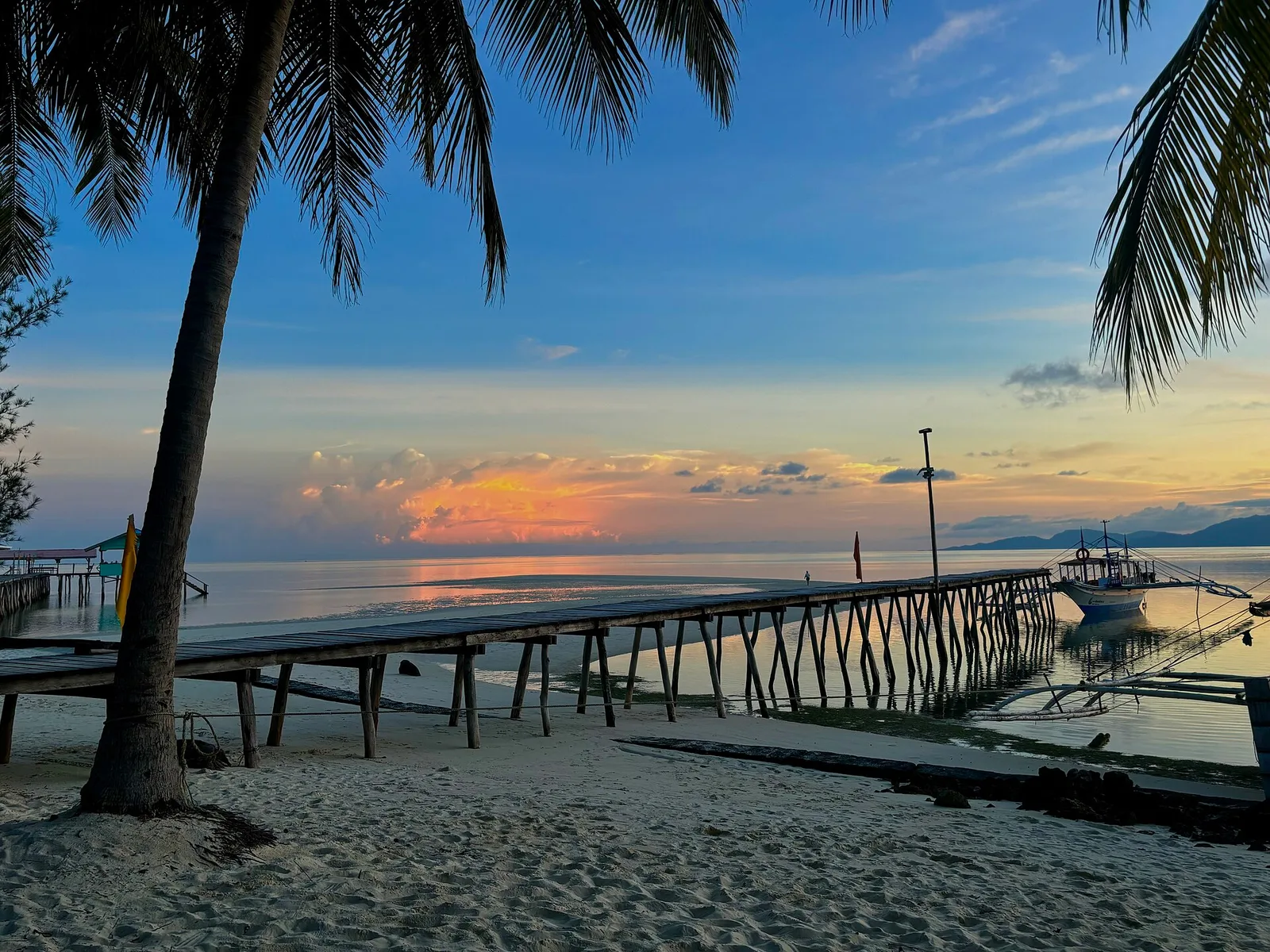
Balabac Island: The Pink Sand and Empty Sandbars of South Palawan
Trip.com
Search on Trip.comHotels in Philippines
Compare live prices via Travelpayouts — targeted for this guide.
Where exactly is Balabac?
Balabac is the southernmost municipality of Palawan, separated from Sabah, Malaysia by a narrow stretch of sea. The main town is Balabac on Balabac Island, but the real draw is the surrounding island-hopping circuit. From Puerto Princesa, you ride a van or bus south to Rio Tuba, then take a boat across to Balabac town or straight to your first island. The trip is long. Expect ten to twelve hours of land travel and another two to three hours of sea travel, depending on the boat and weather. That distance is the reason the beaches stay empty. It is also the reason you need to plan carefully.
What makes the sand pink?
The pink color on Balabac's beaches comes from crushed red organ pipe coral mixed with white coral sand. The combination is most visible on Onuk Island and parts of Patawan Island, especially at low tide when the sand is freshly exposed and dry. The intensity of the color changes with the sun and the tide, so a midday stop on a falling tide usually gives the best view. Environmental groups and local LGUs ask visitors not to take sand home. Removing even small amounts damages the ecosystem and the very thing people come to photograph.
Five essential stops on the Balabac circuit
1. Onuk Island
Onuk is the headline stop. It has a long sandbar, shallow reefs, and one of the most photographed lighthouses in southern Palawan. The sandbar itself is short but wide, and it stays above water for several hours around low tide. Sea grass beds sit just off the beach, and you can often see green sea turtles feeding in the morning. The local caretaker charges a small environmental fee and may limit the number of visitors per day, so a pre-arranged tour is the safest way in. Bring waterproof sunscreen and reef-safe alternatives. There is no shade on the sandbar.
Trip.com
See all tours in Philippines on Trip.comTours & activities in Philippines
Hand-picked experiences in Philippines — book on Trip.com with instant confirmation.

2. Candaraman Island
Candaraman offers a different feel. The island has a small fishing settlement, a sandy beach facing east, and a mangrove fringe. It is a good lunch stop because locals prepare fresh seafood for visiting groups. Prices depend on what the boats bring in that morning, but a meal of grilled fish and rice for one person usually runs PHP 300 to 500. The calm water in front of the village is also a safe place for first-time snorkelers to practice before heading to deeper reef sites.
3. Patawan Island
Patawan is another low-tide sandbar with pink tones and good reef on both sides. It is smaller than Onuk, which means fewer boats. The sandbar connects a tiny islet to the main island at low water. Your boatman will time the visit around the tide table, not the clock. That flexibility is normal in Balabac. Trying to stick to a fixed schedule just leads to disappointment.
4. Punta Sebaring
Punta Sebaring sits on Balabac Island itself, near the southern end. It is one of the few spots you can reach without a long boat ride from town. The beach faces the Sulu Sea, the sand is fine and white with pink patches, and the currents here can be strong in the afternoon. If you are staying overnight in Balabac town, Punta Sebaring is a good late-afternoon beach to combine with the town market.
5. Bugsuk Island
Bugsuk is the largest island in the group and is known for its long stretches of uncrowded beach. It is more remote and usually requires a private boat for the day. If you have more than one day to explore, Bugsuk is worth the extra fuel cost. There are no resorts, so day trips are the only option unless you arrange homestay permission through the barangay captain.
How to get to Balabac
The standard route is Puerto Princesa to Rio Tuba by van or bus, then a boat from Rio Tuba to Balabac town. Van rentals from Puerto Princesa to Rio Tuba cost PHP 1,000 to 1,500 per seat on a shared basis, or PHP 5,000 to 7,000 for a private van. The bus is cheaper at PHP 300 to 500 but takes longer and has fewer daily trips. From Rio Tuba, the boat crossing is PHP 500 to 700 per person on a public ferry, or PHP 3,000 to 5,000 for a private boat that can carry six to eight people. The ferry runs on limited days, so never assume the same schedule as an urban bus line. Check the latest schedule through the municipal tourism office in Bataraza or the LGU tourism desk.
What a Balabac trip costs in PHP
These are real 2026 price ranges from local operators. Always ask for a written quote before you pay.
- Shared van Puerto Princesa to Rio Tuba: PHP 1,000 to 1,500
- Public ferry Rio Tuba to Balabac town: PHP 500 to 700
- Private boat for day tour, 6 to 8 people: PHP 6,000 to 9,000
- Per-person group tour rate: PHP 3,500 to 5,000
- Overnight in a local homestay: PHP 800 to 1,500 per night
- Island entrance and environmental fees: PHP 50 to 150 per stop
- Meals in a local home or carinderia: PHP 250 to 400
- Seafood lunch on an island: PHP 350 to 600
- Snorkel mask rental: PHP 100 to 200 per day
- Smart or Globe prepaid data in town: PHP 50 to 300 load, signal is weak offshore
Best time to visit
Balabac is best from March to May, when the sea is flat and the sandbars stay exposed longest. June to October brings the southwest monsoon, and many boatmen will not leave the port in strong wind. November to February is still good but can have passing squalls. Always ask about the local forecast from PAGASA and the municipal coast guard station before setting a date.
Safety and practical tips
There are no ATMs outside Balabac town and card payments are almost unheard of. Withdraw cash in Puerto Princesa. Bring water, snacks, a power bank, and a dry bag. Mobile data drops off once you leave the main islands. The sea here has strong tidal currents, so do not swim around headlands without a local guide. Jellyfish can appear during plankton blooms, especially near mangroves, so a lightweight rash guard is a smart layer. A hat, reef-safe sunscreen, and insect repellent are non-negotiable.
Frequently Asked Questions
Is Balabac safe for tourists?
Yes, with normal precautions. The area is far from the western Mindanao security concerns often reported in the news. Municipal tourism and coast guard units monitor boat movements. The main risks are environmental: sun exposure, dehydration, jellyfish, and boat trips in bad weather.
Can I do Balabac on a day trip from Puerto Princesa?
No. The land and sea transfer takes too long. Plan at least two nights in the south, and three is better if you want a relaxed island-hopping day.
Do I need a permit to visit the islands?
Most island stops require a small environmental fee paid on the spot or included in your tour package. Some private islands require advance arrangement through a barangay or municipal tourism office. Your boatman should sort this out before the trip.
Is the pink sand visible all year?
The coral fragments are always present, but the color is brightest when the sand is dry and the sun is high. Low tide in the dry season gives the strongest pink tone. Heavy rain can darken the sand and make the color less obvious.
Are there resorts in Balabac?
Large resorts do not exist. Accommodation is mostly homestays, small guesthouses, and basic beach cottages. Book through the municipal tourism office or a trusted local operator. Do not expect hot water or reliable Wi-Fi.
Plan your Palawan trip with Pana
Use the Pana destinations guide to compare Palawan spots, the tours section to find island-hopping packages, the hotels page for Puerto Princesa and Rio Tuba stays, and the Pana blog for more Palawan deep dives.
Sources and references
- Department of Tourism Philippines: https://tourism.gov.ph/
- Provincial Government of Palawan: https://palawan.gov.ph/
- Philippine Coast Guard maritime safety advisories: https://coastguard.gov.ph/
- Department of Health travel health notices: https://doh.gov.ph/
- PAGASA weather and climate outlook: http://bagong.pagasa.dost.gov.ph/
Sources
Primary references for the figures and rules in this guide. Fees and schedules change — check the source before you travel.

PANA.PH Palawan Desk
Palawan travel logistics — El Nido, Coron and Puerto Princesa
The Palawan Desk of the PANA.PH travel desk: it maintains and re-checks the palawan travel logistics — el nido, coron and puerto princesa data behind the site's guides — operator price lists, official fee schedules and posted timetables — and publishes what it can verify.
🏡 Real local stays (book direct)
Hand-picked homestays and guesthouses — book direct, no markup.
Browse all local stays →
🌊 Popular activities (book instantly)
Island hopping, canyoneering, whale sharks — real Klook/GetYourGuide options.
View all activities →