Tabon Cave Complex: The Cradle of Philippine Civilization
Visit the Tabon Cave Complex in Quezon, Palawan, for a 2026 journey into the oldest known human settlements in the Philippines. Plan your permits, boats, and guides with updated prices.
Tabon Cave Complex: The Cradle of Philippine Civilization
In the town of Quezon, Palawan, a limestone ridge called Lipuun Point holds a secret older than any Spanish church, pre-dates recorded history, and rewrites the story of where Filipinos came from. The Tabon Cave Complex contains the earliest known remains of modern humans in the Philippines, along with burial jars, shell tools, and evidence of continuous habitation stretching back tens of thousands of years. Our Pana Palawan Desk has visited the site museum, interviewed local guides and National Museum staff, and confirmed boat routes, permit rules, and 2026 rates so you can plan a respectful and informed trip to what many call the Cradle of Philippine Civilization.
Trip.com
Hotels in Philippines
Compare live prices via Travelpayouts — targeted for this guide.
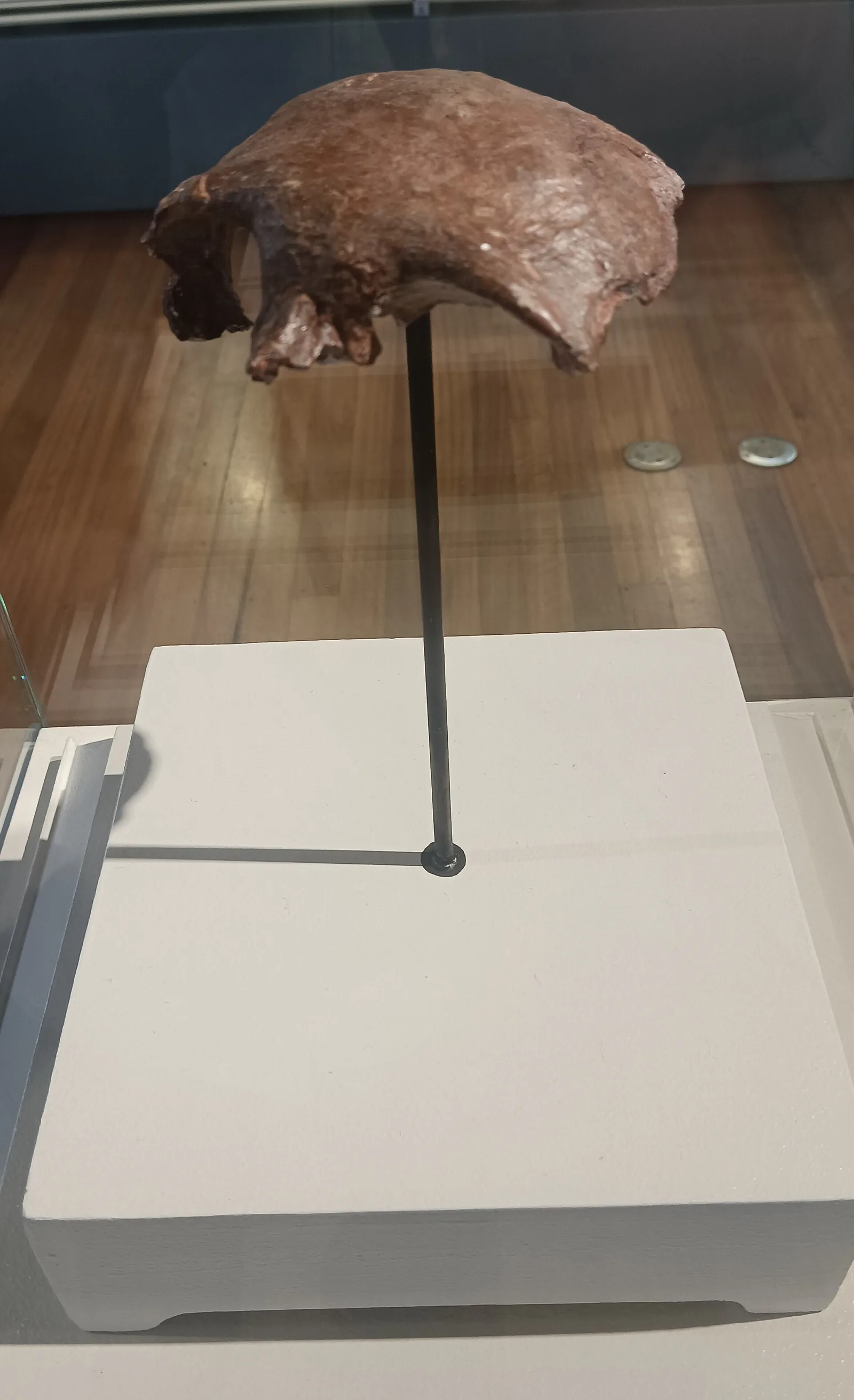
The Tabon Caves are not one cave but a network of 218 known caves in the karst formation of Lipuun Point. Of these, 38 contain archaeological and anthropological materials. The most famous is Tabon Cave itself, where the Tabon Man skull cap and other human remains were discovered by a National Museum team led by Dr. Robert B. Fox in the 1960s. The fossils were dated to 22,000 to 24,000 years ago, making them the oldest directly dated evidence of Homo sapiens sapiens in the Philippines. The National Museum of the Philippines calls this the earliest evidence of modern humans in the archipelago.
But the story goes deeper. The deepest soil deposit in the cave has been dated to approximately 50,000 years ago, with continuous human activity spanning 40,000 years. The presence of stone tools, hearths, food remains, and burial practices shows that the cave served as a shelter, workshop, and cemetery. The area is so significant that the National Cultural Treasure declaration and the UNESCO World Heritage Site nomination process both recognize the outstanding universal value of the entire complex and Lipuun Point.
The National Museum Tabon Caves Site Museum
The National Museum of the Philippines opened its Tabon Caves Site Museum and Lipuun Point Component Museum in February 2024. The facility displays photographs, artifacts, and educational panels that explain the 60-year archaeological project. The museum sits in the same protected landscape as the caves, so a visit here is the natural first stop before hiking to the cave entrances. Entry is free of charge, and staff can provide context that no blog can replace.
Trip.com
Tours & activities in Philippines
Hand-picked experiences in Philippines — book on Trip.com with instant confirmation.
The museum also manages permits and visitor flow. Before entering the cave complex, you must secure an entry permit at the Tabon Caves Area Museum and Satellite Office in Barangay Alfonso XIII, Quezon, Palawan. From there, visitors proceed to Tawa-Tawa in Lipuun Point to reach the caves. The National Museum has built a concrete road and boardwalk to make access easier, though some boats are still required for certain routes depending on the tide and your starting point.
What you will see inside the caves
The most visited cave is Tabon Cave, where the human fossils and stone tools were found. Its opening sits about 33 meters above the sea, facing the South China Sea. The name comes from the Tabon bird, a megapode that digs large holes in cave floors to lay eggs. Next is Liyang Cave, which holds the famous Manunggul Secondary Burial Jar. The jar features a ship-of-the-dead design with two human figures rowing, a masterpiece of prehistoric Philippine art and a National Cultural Treasure on its own.
Other caves in the complex contain jar burials, shell adzes, jade lingling-o ornaments, and animal remains. The Duyong Cave yielded the Duyong shell adze, one of the oldest shell tools in Southeast Asia. The presence of these objects shows that the people of Lipuun Point were connected to wider trade and exchange networks thousands of years before the arrival of foreign ships. Your guide will explain which caves are open on the day of your visit, since some areas are closed to protect fragile deposits.
How to reach the Tabon Cave Complex in 2026
The Tabon Cave Complex is in the municipality of Quezon, Palawan, not the province of Quezon in Luzon. The nearest airport is Puerto Princesa International Airport. From Puerto Princesa, vans and buses depart for Narra and Quezon along the eastern coastal highway. The ride takes between two and a half to four hours depending on stops. A van seat from Puerto Princesa to Quezon or Narra costs PHP 250 to PHP 450. A bus is cheaper at PHP 150 to PHP 250 but takes longer.
From the town proper of Quezon or Narra, you need a tricycle or habal-habal to reach the museum office at Barangay Alfonso XIII. The tricycle ride costs PHP 50 to PHP 150 per person depending on distance and group size. Once your permit is processed, a pump boat from Tawa-Tawa or a nearby landing point to Lipuun Point costs PHP 1,500 to PHP 2,500 per boat, usually good for six to eight passengers. Split the cost with a group. A local guide for the cave tour costs PHP 300 to PHP 500 per group, plus an optional tip of PHP 100 to PHP 200.
Best time to visit Tabon and what to bring
Palawan's dry season from December to May is the most comfortable time to visit. Trails are less slippery, boat landings are safer, and the museum schedule is more predictable. June to October is the rainy season. Some boats may cancel on rough days, and the karst paths can become slick. That said, the site is open year-round, and the museum is indoors. We recommend a weekday visit because weekends can attract school groups and local tourists.
Wear light, long sleeves and long pants to protect against mosquitoes and sharp limestone. Sturdy sandals or trail shoes with good grip are better than flip-flops. Bring a hat, reef-safe sunscreen, water, and a small dry bag. Photography is allowed in most areas, but the National Museum may restrict flash and video inside the caves to prevent damage. Do not touch cave walls, formations, or archaeological deposits. A small trash bag is useful since the area follows a leave-no-trace policy.
Where to stay and eat near the site
Quezon municipality and the nearby town of Narra have basic guesthouses, homestays, and small inns. Budget rooms start at PHP 700 per night. Mid-range air-conditioned rooms run PHP 1,200 to PHP 2,000 per night. Do not expect luxury resorts. Most visitors use Puerto Princesa or Narra as a base and make the Tabon Caves a day trip. If you stay in Puerto Princesa, the round-trip van and boat still works in a single day, though it is a long one.
Meals are simple Filipino fare. Carinderias in Quezon and Narra serve rice, grilled fish, pork adobo, and vegetables for PHP 80 to PHP 150 per plate. Pack snacks and water because there are no stores inside the cave area. A packed lunch from your accommodation or from a local carenderia costs PHP 150 to PHP 250.
Responsible travel at a UNESCO World Heritage candidate
The Tabon Cave Complex and Lipuun Point are being considered for UNESCO World Heritage Site status. That status is built on the idea of outstanding universal value, which only survives if visitors treat the landscape as a living museum, not a theme park. Stay on the marked boardwalk. Do not remove stones, shells, or soil. Do not write on walls. Listen to the National Museum staff and local guides. The Pala'wan and other indigenous communities of southern Palawan also consider parts of the area culturally significant, so treat the entire landscape with respect.
Boat operators and guides are usually residents of the surrounding barangays. Hiring them directly or through the municipal tourism office keeps income in the community. Avoid touching or climbing inside cave openings that are not part of the approved tour. The National Museum monitors the caves for micro-changes, and an accidental touch can disturb thousands of years of sediment.
Sample 2026 Tabon Cave day-trip budget
For one person joining a group of four, a day trip from Puerto Princesa to the Tabon Caves can cost as follows. Round-trip van seat: PHP 500 to PHP 900. Tricycle to the museum: PHP 100 to PHP 200. Boat to Lipuun Point split among four: PHP 400 to PHP 600. Guide fee split among four: PHP 100 to PHP 150. Lunch and snacks: PHP 200 to PHP 350. Water and minor tips: PHP 100 to PHP 200. Total: PHP 1,400 to PHP 2,400 per person. If you travel solo, the boat and guide costs do not split, so budget PHP 2,500 to PHP 3,500.
Plan your Palawan heritage trip with Pana
The Tabon Caves reward preparation. Start with our destinations page to compare Palawan spots from Puerto Princesa to El Nido, book tours that include heritage and archaeological sites, find hotels in Narra and Quezon, and read the latest blog updates from the Pana Palawan Desk.
Frequently Asked Questions
Is the Tabon Cave Complex open to the public?
Yes, but access is regulated. Visitors must secure a permit from the National Museum Tabon Caves Area Museum and Satellite Office in Barangay Alfonso XIII, Quezon, Palawan. The museum is free, and a guide is required for the cave visit. Some caves may be closed on certain days for conservation. It is best to call ahead or arrive early because the office can close by mid-afternoon.
Do I need a boat to see the Tabon Caves?
A boat is still common for many itineraries, though the National Museum has built a concrete road and boardwalk to make some cave entrances easier to reach. The exact transport depends on the tide, the caves you are visiting, and which landing point the guide chooses. Your boat ride from Tawa-Tawa or a nearby barangay to Lipuun Point is typically PHP 1,500 to PHP 2,500 for the entire boat, not per person.
How old are the Tabon Caves and the artifacts inside?
The human fossils found in Tabon Cave are 22,000 to 24,000 years old. The deepest soil deposit is about 50,000 years old, and the youngest layers are around 10,000 years old. This means the cave system was used for roughly 40,000 years. The Manunggul Burial Jar, the Duyong shell adze, and other National Cultural Treasures come from later layers but are still thousands of years old.
Can I take photos inside the caves?
Photography is allowed, but the National Museum may prohibit flash photography and video in some caves to protect the surfaces and artifacts. Always follow the guide's instructions. Drones are not allowed without permission, and tripods may be restricted in narrow cave passages. The best images are usually the landscapes of Lipuun Point and the coast, which can be photographed from the boardwalk.
Is it possible to visit the Tabon Caves as a day trip from Puerto Princesa?
Yes, but it is a long day. The one-way van ride is two and a half to four hours, plus the boat, the museum, and the walking tour. Most day trips leave Puerto Princesa by 5 a.m. and return by 7 p.m. We recommend staying one night in Quezon or Narra if you want a more relaxed pace. A private van charter for a small group costs PHP 3,000 to PHP 5,000 and may be more comfortable than joining the regular van.
Last updated for the 2026 travel season by the Pana Palawan Desk and reviewed by Pana Editorial. This guide is based on National Museum guidance, National Commission for Culture and the Arts literature, and on-the-ground conversations with local guides and municipal tourism staff in Quezon, Palawan. Rates change without notice, so confirm your boat, guide, and transport prices before you travel. Pana receives no payment from government offices or tour operators for coverage.
Tabon Cave Complex: The Cradle of Philippine Civilization
In the town of Quezon, Palawan, a limestone ridge called Lipuun Point holds a secret older than any Spanish church, pre-dates recorded history, and rewrites the story of where Filipinos came from. The Tabon Cave Complex contains the earliest known remains of modern humans in the Philippines, along with burial jars, shell tools, and evidence of continuous habitation stretching back tens of thousands of years. Our Pana Palawan Desk has visited the site museum, interviewed local guides and National Museum staff, and confirmed boat routes, permit rules, and 2026 rates so you can plan a respectful and informed trip to what many call the Cradle of Philippine Civilization.
What the Tabon Caves mean for Philippine history
The Tabon Caves are not one cave but a network of 218 known caves in the karst formation of Lipuun Point. Of these, 38 contain archaeological and anthropological materials. The most famous is Tabon Cave itself, where the Tabon Man skull cap and other human remains were discovered by a National Museum team led by Dr. Robert B. Fox in the 1960s. The fossils were dated to 22,000 to 24,000 years ago, making them the oldest directly dated evidence of Homo sapiens sapiens in the Philippines. The National Museum of the Philippines calls this the earliest evidence of modern humans in the archipelago.
But the story goes deeper. The deepest soil deposit in the cave has been dated to approximately 50,000 years ago, with continuous human activity spanning 40,000 years. The presence of stone tools, hearths, food remains, and burial practices shows that the cave served as a shelter, workshop, and cemetery. The area is so significant that the National Cultural Treasure declaration and the UNESCO World Heritage Site nomination process both recognize the outstanding universal value of the entire complex and Lipuun Point.
The National Museum Tabon Caves Site Museum
The National Museum of the Philippines opened its Tabon Caves Site Museum and Lipuun Point Component Museum in February 2024. The facility displays photographs, artifacts, and educational panels that explain the 60-year archaeological project. The museum sits in the same protected landscape as the caves, so a visit here is the natural first stop before hiking to the cave entrances. Entry is free of charge, and staff can provide context that no blog can replace.
The museum also manages permits and visitor flow. Before entering the cave complex, you must secure an entry permit at the Tabon Caves Area Museum and Satellite Office in Barangay Alfonso XIII, Quezon, Palawan. From there, visitors proceed to Tawa-Tawa in Lipuun Point to reach the caves. The National Museum has built a concrete road and boardwalk to make access easier, though some boats are still required for certain routes depending on the tide and your starting point.
What you will see inside the caves
The most visited cave is Tabon Cave, where the human fossils and stone tools were found. Its opening sits about 33 meters above the sea, facing the South China Sea. The name comes from the Tabon bird, a megapode that digs large holes in cave floors to lay eggs. Next is Liyang Cave, which holds the famous Manunggul Secondary Burial Jar. The jar features a ship-of-the-dead design with two human figures rowing, a masterpiece of prehistoric Philippine art and a National Cultural Treasure on its own.
Other caves in the complex contain jar burials, shell adzes, jade lingling-o ornaments, and animal remains. The Duyong Cave yielded the Duyong shell adze, one of the oldest shell tools in Southeast Asia. The presence of these objects shows that the people of Lipuun Point were connected to wider trade and exchange networks thousands of years before the arrival of foreign ships. Your guide will explain which caves are open on the day of your visit, since some areas are closed to protect fragile deposits.
How to reach the Tabon Cave Complex in 2026
The Tabon Cave Complex is in the municipality of Quezon, Palawan, not the province of Quezon in Luzon. The nearest airport is Puerto Princesa International Airport. From Puerto Princesa, vans and buses depart for Narra and Quezon along the eastern coastal highway. The ride takes between two and a half to four hours depending on stops. A van seat from Puerto Princesa to Quezon or Narra costs PHP 250 to PHP 450. A bus is cheaper at PHP 150 to PHP 250 but takes longer.
From the town proper of Quezon or Narra, you need a tricycle or habal-habal to reach the museum office at Barangay Alfonso XIII. The tricycle ride costs PHP 50 to PHP 150 per person depending on distance and group size. Once your permit is processed, a pump boat from Tawa-Tawa or a nearby landing point to Lipuun Point costs PHP 1,500 to PHP 2,500 per boat, usually good for six to eight passengers. Split the cost with a group. A local guide for the cave tour costs PHP 300 to PHP 500 per group, plus an optional tip of PHP 100 to PHP 200.
Best time to visit Tabon and what to bring
Palawan's dry season from December to May is the most comfortable time to visit. Trails are less slippery, boat landings are safer, and the museum schedule is more predictable. June to October is the rainy season. Some boats may cancel on rough days, and the karst paths can become slick. That said, the site is open year-round, and the museum is indoors. We recommend a weekday visit because weekends can attract school groups and local tourists.
Wear light, long sleeves and long pants to protect against mosquitoes and sharp limestone. Sturdy sandals or trail shoes with good grip are better than flip-flops. Bring a hat, reef-safe sunscreen, water, and a small dry bag. Photography is allowed in most areas, but the National Museum may restrict flash and video inside the caves to prevent damage. Do not touch cave walls, formations, or archaeological deposits. A small trash bag is useful since the area follows a leave-no-trace policy.
Where to stay and eat near the site
Quezon municipality and the nearby town of Narra have basic guesthouses, homestays, and small inns. Budget rooms start at PHP 700 per night. Mid-range air-conditioned rooms run PHP 1,200 to PHP 2,000 per night. Do not expect luxury resorts. Most visitors use Puerto Princesa or Narra as a base and make the Tabon Caves a day trip. If you stay in Puerto Princesa, the round-trip van and boat still works in a single day, though it is a long one.
Meals are simple Filipino fare. Carinderias in Quezon and Narra serve rice, grilled fish, pork adobo, and vegetables for PHP 80 to PHP 150 per plate. Pack snacks and water because there are no stores inside the cave area. A packed lunch from your accommodation or from a local carenderia costs PHP 150 to PHP 250.
Responsible travel at a UNESCO World Heritage candidate
The Tabon Cave Complex and Lipuun Point are being considered for UNESCO World Heritage Site status. That status is built on the idea of outstanding universal value, which only survives if visitors treat the landscape as a living museum, not a theme park. Stay on the marked boardwalk. Do not remove stones, shells, or soil. Do not write on walls. Listen to the National Museum staff and local guides. The Pala'wan and other indigenous communities of southern Palawan also consider parts of the area culturally significant, so treat the entire landscape with respect.
Boat operators and guides are usually residents of the surrounding barangays. Hiring them directly or through the municipal tourism office keeps income in the community. Avoid touching or climbing inside cave openings that are not part of the approved tour. The National Museum monitors the caves for micro-changes, and an accidental touch can disturb thousands of years of sediment.
Sample 2026 Tabon Cave day-trip budget
For one person joining a group of four, a day trip from Puerto Princesa to the Tabon Caves can cost as follows. Round-trip van seat: PHP 500 to PHP 900. Tricycle to the museum: PHP 100 to PHP 200. Boat to Lipuun Point split among four: PHP 400 to PHP 600. Guide fee split among four: PHP 100 to PHP 150. Lunch and snacks: PHP 200 to PHP 350. Water and minor tips: PHP 100 to PHP 200. Total: PHP 1,400 to PHP 2,400 per person. If you travel solo, the boat and guide costs do not split, so budget PHP 2,500 to PHP 3,500.
Plan your Palawan heritage trip with Pana
The Tabon Caves reward preparation. Start with our destinations page to compare Palawan spots from Puerto Princesa to El Nido, book tours that include heritage and archaeological sites, find hotels in Narra and Quezon, and read the latest blog updates from the Pana Palawan Desk.
Frequently Asked Questions
Is the Tabon Cave Complex open to the public?
Yes, but access is regulated. Visitors must secure a permit from the National Museum Tabon Caves Area Museum and Satellite Office in Barangay Alfonso XIII, Quezon, Palawan. The museum is free, and a guide is required for the cave visit. Some caves may be closed on certain days for conservation. It is best to call ahead or arrive early because the office can close by mid-afternoon.
Do I need a boat to see the Tabon Caves?
A boat is still common for many itineraries, though the National Museum has built a concrete road and boardwalk to make some cave entrances easier to reach. The exact transport depends on the tide, the caves you are visiting, and which landing point the guide chooses. Your boat ride from Tawa-Tawa or a nearby barangay to Lipuun Point is typically PHP 1,500 to PHP 2,500 for the entire boat, not per person.
How old are the Tabon Caves and the artifacts inside?
The human fossils found in Tabon Cave are 22,000 to 24,000 years old. The deepest soil deposit is about 50,000 years old, and the youngest layers are around 10,000 years old. This means the cave system was used for roughly 40,000 years. The Manunggul Burial Jar, the Duyong shell adze, and other National Cultural Treasures come from later layers but are still thousands of years old.
Can I take photos inside the caves?
Photography is allowed, but the National Museum may prohibit flash photography and video in some caves to protect the surfaces and artifacts. Always follow the guide's instructions. Drones are not allowed without permission, and tripods may be restricted in narrow cave passages. The best images are usually the landscapes of Lipuun Point and the coast, which can be photographed from the boardwalk.
Is it possible to visit the Tabon Caves as a day trip from Puerto Princesa?
Yes, but it is a long day. The one-way van ride is two and a half to four hours, plus the boat, the museum, and the walking tour. Most day trips leave Puerto Princesa by 5 a.m. and return by 7 p.m. We recommend staying one night in Quezon or Narra if you want a more relaxed pace. A private van charter for a small group costs PHP 3,000 to PHP 5,000 and may be more comfortable than joining the regular van.
Last updated for the 2026 travel season by the Pana Palawan Desk and reviewed by Pana Editorial. This guide is based on National Museum guidance, National Commission for Culture and the Arts literature, and on-the-ground conversations with local guides and municipal tourism staff in Quezon, Palawan. Rates change without notice, so confirm your boat, guide, and transport prices before you travel. Pana receives no payment from government offices or tour operators for coverage.
Tabon Cave Complex: The Cradle of Philippine Civilization
In the town of Quezon, Palawan, a limestone ridge called Lipuun Point holds a secret older than any Spanish church, pre-dates recorded history, and rewrites the story of where Filipinos came from. The Tabon Cave Complex contains the earliest known remains of modern humans in the Philippines, along with burial jars, shell tools, and evidence of continuous habitation stretching back tens of thousands of years. Our Pana Palawan Desk has visited the site museum, interviewed local guides and National Museum staff, and confirmed boat routes, permit rules, and 2026 rates so you can plan a respectful and informed trip to what many call the Cradle of Philippine Civilization.
What the Tabon Caves mean for Philippine history
The Tabon Caves are not one cave but a network of 218 known caves in the karst formation of Lipuun Point. Of these, 38 contain archaeological and anthropological materials. The most famous is Tabon Cave itself, where the Tabon Man skull cap and other human remains were discovered by a National Museum team led by Dr. Robert B. Fox in the 1960s. The fossils were dated to 22,000 to 24,000 years ago, making them the oldest directly dated evidence of Homo sapiens sapiens in the Philippines. The National Museum of the Philippines calls this the earliest evidence of modern humans in the archipelago.
But the story goes deeper. The deepest soil deposit in the cave has been dated to approximately 50,000 years ago, with continuous human activity spanning 40,000 years. The presence of stone tools, hearths, food remains, and burial practices shows that the cave served as a shelter, workshop, and cemetery. The area is so significant that the National Cultural Treasure declaration and the UNESCO World Heritage Site nomination process both recognize the outstanding universal value of the entire complex and Lipuun Point.
The National Museum Tabon Caves Site Museum
The National Museum of the Philippines opened its Tabon Caves Site Museum and Lipuun Point Component Museum in February 2024. The facility displays photographs, artifacts, and educational panels that explain the 60-year archaeological project. The museum sits in the same protected landscape as the caves, so a visit here is the natural first stop before hiking to the cave entrances. Entry is free of charge, and staff can provide context that no blog can replace.
The museum also manages permits and visitor flow. Before entering the cave complex, you must secure an entry permit at the Tabon Caves Area Museum and Satellite Office in Barangay Alfonso XIII, Quezon, Palawan. From there, visitors proceed to Tawa-Tawa in Lipuun Point to reach the caves. The National Museum has built a concrete road and boardwalk to make access easier, though some boats are still required for certain routes depending on the tide and your starting point.
What you will see inside the caves
The most visited cave is Tabon Cave, where the human fossils and stone tools were found. Its opening sits about 33 meters above the sea, facing the South China Sea. The name comes from the Tabon bird, a megapode that digs large holes in cave floors to lay eggs. Next is Liyang Cave, which holds the famous Manunggul Secondary Burial Jar. The jar features a ship-of-the-dead design with two human figures rowing, a masterpiece of prehistoric Philippine art and a National Cultural Treasure on its own.
Other caves in the complex contain jar burials, shell adzes, jade lingling-o ornaments, and animal remains. The Duyong Cave yielded the Duyong shell adze, one of the oldest shell tools in Southeast Asia. The presence of these objects shows that the people of Lipuun Point were connected to wider trade and exchange networks thousands of years before the arrival of foreign ships. Your guide will explain which caves are open on the day of your visit, since some areas are closed to protect fragile deposits.
How to reach the Tabon Cave Complex in 2026
The Tabon Cave Complex is in the municipality of Quezon, Palawan, not the province of Quezon in Luzon. The nearest airport is Puerto Princesa International Airport. From Puerto Princesa, vans and buses depart for Narra and Quezon along the eastern coastal highway. The ride takes between two and a half to four hours depending on stops. A van seat from Puerto Princesa to Quezon or Narra costs PHP 250 to PHP 450. A bus is cheaper at PHP 150 to PHP 250 but takes longer.
From the town proper of Quezon or Narra, you need a tricycle or habal-habal to reach the museum office at Barangay Alfonso XIII. The tricycle ride costs PHP 50 to PHP 150 per person depending on distance and group size. Once your permit is processed, a pump boat from Tawa-Tawa or a nearby landing point to Lipuun Point costs PHP 1,500 to PHP 2,500 per boat, usually good for six to eight passengers. Split the cost with a group. A local guide for the cave tour costs PHP 300 to PHP 500 per group, plus an optional tip of PHP 100 to PHP 200.
Best time to visit Tabon and what to bring
Palawan's dry season from December to May is the most comfortable time to visit. Trails are less slippery, boat landings are safer, and the museum schedule is more predictable. June to October is the rainy season. Some boats may cancel on rough days, and the karst paths can become slick. That said, the site is open year-round, and the museum is indoors. We recommend a weekday visit because weekends can attract school groups and local tourists.
Wear light, long sleeves and long pants to protect against mosquitoes and sharp limestone. Sturdy sandals or trail shoes with good grip are better than flip-flops. Bring a hat, reef-safe sunscreen, water, and a small dry bag. Photography is allowed in most areas, but the National Museum may restrict flash and video inside the caves to prevent damage. Do not touch cave walls, formations, or archaeological deposits. A small trash bag is useful since the area follows a leave-no-trace policy.
Where to stay and eat near the site
Quezon municipality and the nearby town of Narra have basic guesthouses, homestays, and small inns. Budget rooms start at PHP 700 per night. Mid-range air-conditioned rooms run PHP 1,200 to PHP 2,000 per night. Do not expect luxury resorts. Most visitors use Puerto Princesa or Narra as a base and make the Tabon Caves a day trip. If you stay in Puerto Princesa, the round-trip van and boat still works in a single day, though it is a long one.
Meals are simple Filipino fare. Carinderias in Quezon and Narra serve rice, grilled fish, pork adobo, and vegetables for PHP 80 to PHP 150 per plate. Pack snacks and water because there are no stores inside the cave area. A packed lunch from your accommodation or from a local carenderia costs PHP 150 to PHP 250.
Responsible travel at a UNESCO World Heritage candidate
The Tabon Cave Complex and Lipuun Point are being considered for UNESCO World Heritage Site status. That status is built on the idea of outstanding universal value, which only survives if visitors treat the landscape as a living museum, not a theme park. Stay on the marked boardwalk. Do not remove stones, shells, or soil. Do not write on walls. Listen to the National Museum staff and local guides. The Pala'wan and other indigenous communities of southern Palawan also consider parts of the area culturally significant, so treat the entire landscape with respect.
Boat operators and guides are usually residents of the surrounding barangays. Hiring them directly or through the municipal tourism office keeps income in the community. Avoid touching or climbing inside cave openings that are not part of the approved tour. The National Museum monitors the caves for micro-changes, and an accidental touch can disturb thousands of years of sediment.
Sample 2026 Tabon Cave day-trip budget
For one person joining a group of four, a day trip from Puerto Princesa to the Tabon Caves can cost as follows. Round-trip van seat: PHP 500 to PHP 900. Tricycle to the museum: PHP 100 to PHP 200. Boat to Lipuun Point split among four: PHP 400 to PHP 600. Guide fee split among four: PHP 100 to PHP 150. Lunch and snacks: PHP 200 to PHP 350. Water and minor tips: PHP 100 to PHP 200. Total: PHP 1,400 to PHP 2,400 per person. If you travel solo, the boat and guide costs do not split, so budget PHP 2,500 to PHP 3,500.
Plan your Palawan heritage trip with Pana
The Tabon Caves reward preparation. Start with our destinations page to compare Palawan spots from Puerto Princesa to El Nido, book tours that include heritage and archaeological sites, find hotels in Narra and Quezon, and read the latest blog updates from the Pana Palawan Desk.
Frequently Asked Questions
Is the Tabon Cave Complex open to the public?
Yes, but access is regulated. Visitors must secure a permit from the National Museum Tabon Caves Area Museum and Satellite Office in Barangay Alfonso XIII, Quezon, Palawan. The museum is free, and a guide is required for the cave visit. Some caves may be closed on certain days for conservation. It is best to call ahead or arrive early because the office can close by mid-afternoon.
Do I need a boat to see the Tabon Caves?
A boat is still common for many itineraries, though the National Museum has built a concrete road and boardwalk to make some cave entrances easier to reach. The exact transport depends on the tide, the caves you are visiting, and which landing point the guide chooses. Your boat ride from Tawa-Tawa or a nearby barangay to Lipuun Point is typically PHP 1,500 to PHP 2,500 for the entire boat, not per person.
How old are the Tabon Caves and the artifacts inside?
The human fossils found in Tabon Cave are 22,000 to 24,000 years old. The deepest soil deposit is about 50,000 years old, and the youngest layers are around 10,000 years old. This means the cave system was used for roughly 40,000 years. The Manunggul Burial Jar, the Duyong shell adze, and other National Cultural Treasures come from later layers but are still thousands of years old.
Can I take photos inside the caves?
Photography is allowed, but the National Museum may prohibit flash photography and video in some caves to protect the surfaces and artifacts. Always follow the guide's instructions. Drones are not allowed without permission, and tripods may be restricted in narrow cave passages. The best images are usually the landscapes of Lipuun Point and the coast, which can be photographed from the boardwalk.
Is it possible to visit the Tabon Caves as a day trip from Puerto Princesa?
Yes, but it is a long day. The one-way van ride is two and a half to four hours, plus the boat, the museum, and the walking tour. Most day trips leave Puerto Princesa by 5 a.m. and return by 7 p.m. We recommend staying one night in Quezon or Narra if you want a more relaxed pace. A private van charter for a small group costs PHP 3,000 to PHP 5,000 and may be more comfortable than joining the regular van.
Last updated for the 2026 travel season by the Pana Palawan Desk and reviewed by Pana Editorial. This guide is based on National Museum guidance, National Commission for Culture and the Arts literature, and on-the-ground conversations with local guides and municipal tourism staff in Quezon, Palawan. Rates change without notice, so confirm your boat, guide, and transport prices before you travel. Pana receives no payment from government offices or tour operators for coverage.
Tabon Cave Complex: The Cradle of Philippine Civilization
In the town of Quezon, Palawan, a limestone ridge called Lipuun Point holds a secret older than any Spanish church, pre-dates recorded history, and rewrites the story of where Filipinos came from. The Tabon Cave Complex contains the earliest known remains of modern humans in the Philippines, along with burial jars, shell tools, and evidence of continuous habitation stretching back tens of thousands of years. Our Pana Palawan Desk has visited the site museum, interviewed local guides and National Museum staff, and confirmed boat routes, permit rules, and 2026 rates so you can plan a respectful and informed trip to what many call the Cradle of Philippine Civilization.
What the Tabon Caves mean for Philippine history
The Tabon Caves are not one cave but a network of 218 known caves in the karst formation of Lipuun Point. Of these, 38 contain archaeological and anthropological materials. The most famous is Tabon Cave itself, where the Tabon Man skull cap and other human remains were discovered by a National Museum team led by Dr. Robert B. Fox in the 1960s. The fossils were dated to 22,000 to 24,000 years ago, making them the oldest directly dated evidence of Homo sapiens sapiens in the Philippines. The National Museum of the Philippines calls this the earliest evidence of modern humans in the archipelago.
But the story goes deeper. The deepest soil deposit in the cave has been dated to approximately 50,000 years ago, with continuous human activity spanning 40,000 years. The presence of stone tools, hearths, food remains, and burial practices shows that the cave served as a shelter, workshop, and cemetery. The area is so significant that the National Cultural Treasure declaration and the UNESCO World Heritage Site nomination process both recognize the outstanding universal value of the entire complex and Lipuun Point.
The National Museum Tabon Caves Site Museum
The National Museum of the Philippines opened its Tabon Caves Site Museum and Lipuun Point Component Museum in February 2024. The facility displays photographs, artifacts, and educational panels that explain the 60-year archaeological project. The museum sits in the same protected landscape as the caves, so a visit here is the natural first stop before hiking to the cave entrances. Entry is free of charge, and staff can provide context that no blog can replace.
The museum also manages permits and visitor flow. Before entering the cave complex, you must secure an entry permit at the Tabon Caves Area Museum and Satellite Office in Barangay Alfonso XIII, Quezon, Palawan. From there, visitors proceed to Tawa-Tawa in Lipuun Point to reach the caves. The National Museum has built a concrete road and boardwalk to make access easier, though some boats are still required for certain routes depending on the tide and your starting point.
What you will see inside the caves
The most visited cave is Tabon Cave, where the human fossils and stone tools were found. Its opening sits about 33 meters above the sea, facing the South China Sea. The name comes from the Tabon bird, a megapode that digs large holes in cave floors to lay eggs. Next is Liyang Cave, which holds the famous Manunggul Secondary Burial Jar. The jar features a ship-of-the-dead design with two human figures rowing, a masterpiece of prehistoric Philippine art and a National Cultural Treasure on its own.
Other caves in the complex contain jar burials, shell adzes, jade lingling-o ornaments, and animal remains. The Duyong Cave yielded the Duyong shell adze, one of the oldest shell tools in Southeast Asia. The presence of these objects shows that the people of Lipuun Point were connected to wider trade and exchange networks thousands of years before the arrival of foreign ships. Your guide will explain which caves are open on the day of your visit, since some areas are closed to protect fragile deposits.
How to reach the Tabon Cave Complex in 2026
The Tabon Cave Complex is in the municipality of Quezon, Palawan, not the province of Quezon in Luzon. The nearest airport is Puerto Princesa International Airport. From Puerto Princesa, vans and buses depart for Narra and Quezon along the eastern coastal highway. The ride takes between two and a half to four hours depending on stops. A van seat from Puerto Princesa to Quezon or Narra costs PHP 250 to PHP 450. A bus is cheaper at PHP 150 to PHP 250 but takes longer.
From the town proper of Quezon or Narra, you need a tricycle or habal-habal to reach the museum office at Barangay Alfonso XIII. The tricycle ride costs PHP 50 to PHP 150 per person depending on distance and group size. Once your permit is processed, a pump boat from Tawa-Tawa or a nearby landing point to Lipuun Point costs PHP 1,500 to PHP 2,500 per boat, usually good for six to eight passengers. Split the cost with a group. A local guide for the cave tour costs PHP 300 to PHP 500 per group, plus an optional tip of PHP 100 to PHP 200.
Best time to visit Tabon and what to bring
Palawan's dry season from December to May is the most comfortable time to visit. Trails are less slippery, boat landings are safer, and the museum schedule is more predictable. June to October is the rainy season. Some boats may cancel on rough days, and the karst paths can become slick. That said, the site is open year-round, and the museum is indoors. We recommend a weekday visit because weekends can attract school groups and local tourists.
Wear light, long sleeves and long pants to protect against mosquitoes and sharp limestone. Sturdy sandals or trail shoes with good grip are better than flip-flops. Bring a hat, reef-safe sunscreen, water, and a small dry bag. Photography is allowed in most areas, but the National Museum may restrict flash and video inside the caves to prevent damage. Do not touch cave walls, formations, or archaeological deposits. A small trash bag is useful since the area follows a leave-no-trace policy.
Where to stay and eat near the site
Quezon municipality and the nearby town of Narra have basic guesthouses, homestays, and small inns. Budget rooms start at PHP 700 per night. Mid-range air-conditioned rooms run PHP 1,200 to PHP 2,000 per night. Do not expect luxury resorts. Most visitors use Puerto Princesa or Narra as a base and make the Tabon Caves a day trip. If you stay in Puerto Princesa, the round-trip van and boat still works in a single day, though it is a long one.
Meals are simple Filipino fare. Carinderias in Quezon and Narra serve rice, grilled fish, pork adobo, and vegetables for PHP 80 to PHP 150 per plate. Pack snacks and water because there are no stores inside the cave area. A packed lunch from your accommodation or from a local carenderia costs PHP 150 to PHP 250.
Responsible travel at a UNESCO World Heritage candidate
The Tabon Cave Complex and Lipuun Point are being considered for UNESCO World Heritage Site status. That status is built on the idea of outstanding universal value, which only survives if visitors treat the landscape as a living museum, not a theme park. Stay on the marked boardwalk. Do not remove stones, shells, or soil. Do not write on walls. Listen to the National Museum staff and local guides. The Pala'wan and other indigenous communities of southern Palawan also consider parts of the area culturally significant, so treat the entire landscape with respect.
Boat operators and guides are usually residents of the surrounding barangays. Hiring them directly or through the municipal tourism office keeps income in the community. Avoid touching or climbing inside cave openings that are not part of the approved tour. The National Museum monitors the caves for micro-changes, and an accidental touch can disturb thousands of years of sediment.
Sample 2026 Tabon Cave day-trip budget
For one person joining a group of four, a day trip from Puerto Princesa to the Tabon Caves can cost as follows. Round-trip van seat: PHP 500 to PHP 900. Tricycle to the museum: PHP 100 to PHP 200. Boat to Lipuun Point split among four: PHP 400 to PHP 600. Guide fee split among four: PHP 100 to PHP 150. Lunch and snacks: PHP 200 to PHP 350. Water and minor tips: PHP 100 to PHP 200. Total: PHP 1,400 to PHP 2,400 per person. If you travel solo, the boat and guide costs do not split, so budget PHP 2,500 to PHP 3,500.
Plan your Palawan heritage trip with Pana
The Tabon Caves reward preparation. Start with our destinations page to compare Palawan spots from Puerto Princesa to El Nido, book tours that include heritage and archaeological sites, find hotels in Narra and Quezon, and read the latest blog updates from the Pana Palawan Desk.
Frequently asked questions
Is the Tabon Cave Complex open to the public?
Yes, but access is regulated. Visitors must secure a permit from the National Museum Tabon Caves Area Museum and Satellite Office in Barangay Alfonso XIII, Quezon, Palawan. The museum is free, and a guide is required for the cave visit. Some caves may be closed on certain days for conservation. It is best to call ahead or arrive early because the office can close by mid-afternoon.
Do I need a boat to see the Tabon Caves?
A boat is still common for many itineraries, though the National Museum has built a concrete road and boardwalk to make some cave entrances easier to reach. The exact transport depends on the tide, the caves you are visiting, and which landing point the guide chooses. Your boat ride from Tawa-Tawa or a nearby barangay to Lipuun Point is typically PHP 1,500 to PHP 2,500 for the entire boat, not per person.
How old are the Tabon Caves and the artifacts inside?
The human fossils found in Tabon Cave are 22,000 to 24,000 years old. The deepest soil deposit is about 50,000 years old, and the youngest layers are around 10,000 years old. This means the cave system was used for roughly 40,000 years. The Manunggul Burial Jar, the Duyong shell adze, and other National Cultural Treasures come from later layers but are still thousands of years old.
Can I take photos inside the caves?
Photography is allowed, but the National Museum may prohibit flash photography and video in some caves to protect the surfaces and artifacts. Always follow the guide's instructions. Drones are not allowed without permission, and tripods may be restricted in narrow cave passages. The best images are usually the landscapes of Lipuun Point and the coast, which can be photographed from the boardwalk.
Is it possible to visit the Tabon Caves as a day trip from Puerto Princesa?
Yes, but it is a long day. The one-way van ride is two and a half to four hours, plus the boat, the museum, and the walking tour. Most day trips leave Puerto Princesa by 5 a.m. and return by 7 p.m. We recommend staying one night in Quezon or Narra if you want a more relaxed pace. A private van charter for a small group costs PHP 3,000 to PHP 5,000 and may be more comfortable than joining the regular van.
Palawan travel logistics — El Nido, Coron and Puerto Princesa
The Palawan Desk of the PANA.PH travel desk: it maintains and re-checks the palawan travel logistics — el nido, coron and puerto princesa data behind the site's guides — operator price lists, official fee schedules and posted timetables — and publishes what it can verify.