You are sitting at a tiny carinderia in a coastal town, pointing at a bright pot of vegetables that looks gloriously green and meat-free. You smile, you order, you take a bite - and there it is, that unmistakable savory funk of patis (fish sauce) woven through every leaf. Welcome to vegetarian and vegan travel in the Philippines, where the produce is spectacular, the fruit is life-changing, and the seasoning has opinions. The good news: eating plant-based here is completely doable in 2026, and once you learn a few phrases and a few dishes, it becomes genuinely joyful. This is the honest guide - no sugarcoating, no pretending pinakbet is always safe, just real strategies that work.
Vegetarian and Vegan Food in the Philippines: 2026 Guide
Food & culture#vegetarian philippines#vegan philippines#filipino food guide#vegan travel food#meatless filipino dishes#vegan cafes philippines
Trip.com
Search on Trip.comHotels in Philippines
Compare live prices via Travelpayouts — targeted for this guide.
The Honest Reality: Meat and Seafood Are Everywhere
Traditional Filipino cuisine is built on pork, chicken, and seafood, and even the vegetable dishes are usually flavored with animal products. The three culprits you will meet again and again are patis (fish sauce), bagoong (fermented shrimp or fish paste), and pork - either as chunks, as crispy bits, or dissolved into the broth. A dish can look 100 percent vegetable and still be simmered in pork stock or finished with a spoon of bagoong for that umami hit. This is not a reason to panic. It is simply the thing you have to account for. The single most important habit you will build in the Philippines is asking before you eat, every single time, even when the plate looks safe.
Naturally Veg-Friendly Filipino Dishes (But Always Ask)
Plenty of beloved Filipino dishes are plant-based at heart. The catch is that regional and home cooks improvise, so the same dish can be vegan in one kitchen and pork-laced in the next. Learn these, then confirm:
- Ginataang gulay - vegetables (often squash, string beans, moringa) stewed in coconut milk. Frequently vegan, but sometimes has shrimp or pork, so ask.
- Lumpiang gulay - fresh or fried vegetable spring rolls. Often safe, but the dipping sauce and filling can hide fish sauce.
- Pinakbet - a classic mixed-vegetable dish that is almost always seasoned with bagoong and sometimes pork. Order it only when the cook confirms a meatless version.
- Chopsuey - stir-fried vegetables that can be vegan, but chicken or oyster sauce sneaks in. Ask for it without meat and without oyster sauce.
- Ensaladang talong - grilled eggplant salad. Usually just eggplant, tomato, onion, and vinegar, but bagoong is a common addition.
- Monggo (mung bean stew) - hearty and delicious, but very often cooked with pork or shrimp and fish sauce. Always ask.
- Banana cue and camote cue - caramelized fried bananas or sweet potato on a stick. Reliably vegan and cheap, around 15 to 25 PHP (0.30 to 0.45 USD).
- Halo-halo - the famous shaved-ice dessert. Usually vegetarian, but strict vegans should check for evaporated milk, leche flan, and ice cream on top.
Fruit, Markets, and Coconut Everything
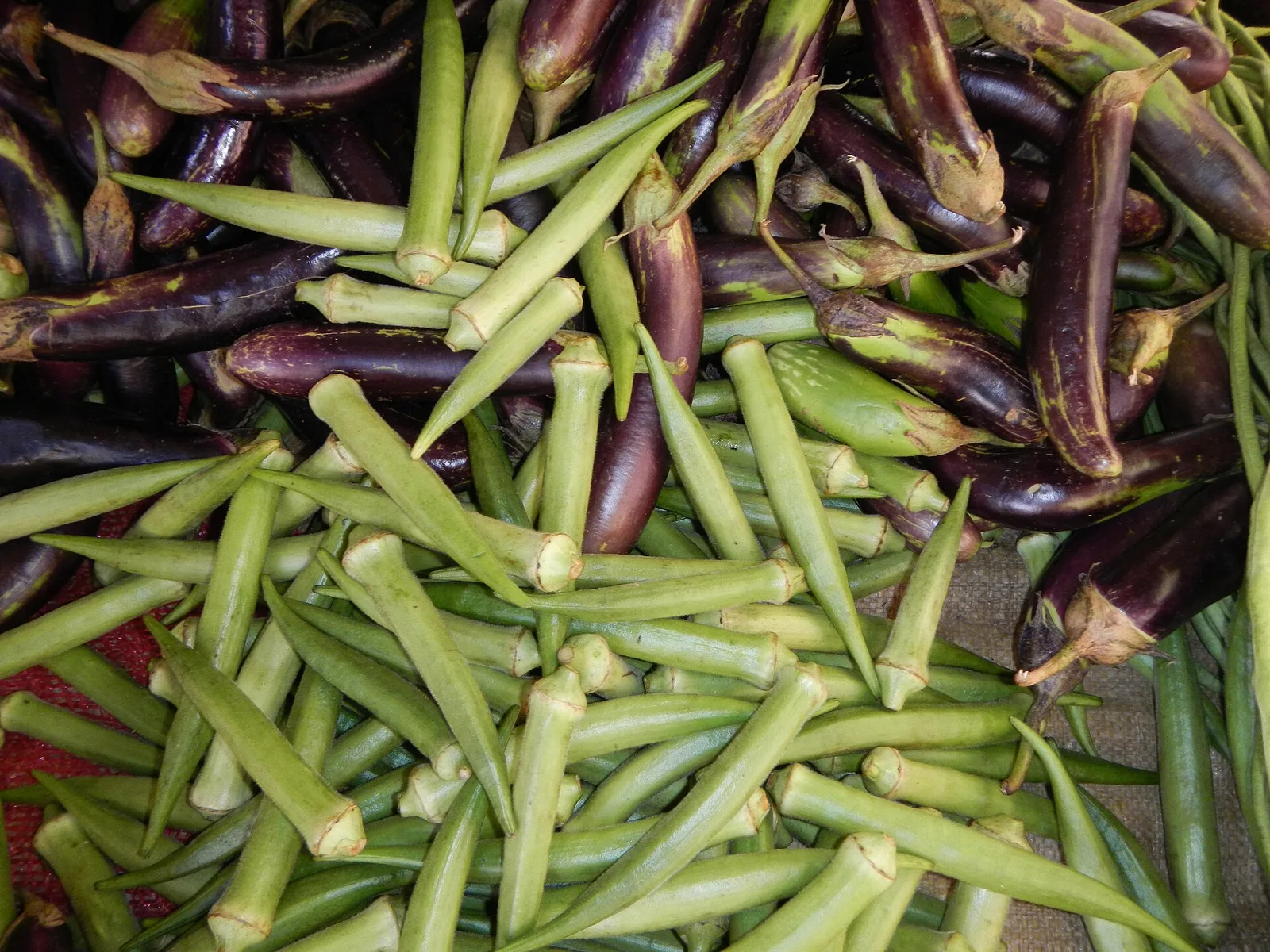
If dishes ever feel like a battle, the markets are your reward. Philippine fruit is world-class and dirt cheap: mango so ripe it tastes like candy, lansones, rambutan, pomelo, jackfruit, and pineapple that ruins all other pineapple for you forever. A kilo of sweet mangoes often costs 100 to 180 PHP (1.80 to 3.25 USD). Coconut is your best friend - buko (young coconut) juice straight from the shell, coconut milk in a hundred dishes, and coconut oil in the cooking. Fresh produce is abundant and inexpensive at every palengke (wet market), so self-catering is easy if your accommodation has a kitchen. Browse local stays with kitchens if you want the freedom to cook your own market haul.
Trip.com
See all tours in Philippines on Trip.comTours & activities in Philippines
Hand-picked experiences in Philippines — book on Trip.com with instant confirmation.


Tofu and Other Plant Proteins
Protein worries are overblown here. Tokwa (firm tofu) is sold everywhere and cooked into tokwa't baboy-style dishes (ask for it without the baboy, which means pork), fried as a snack, or added to stir-fries. You will also find monggo beans, peanuts, boiled corn, and a growing range of imported tofu and tempeh in city supermarkets. In bigger towns, look for taho in the mornings - a warm silken tofu dessert with syrup and tapioca pearls that is naturally vegan and costs about 20 PHP (0.35 USD). Just note some vendors thicken the syrup differently, so a quick question never hurts.
The Phrases That Save Your Meal
You do not need fluent Tagalog. A handful of phrases, said with a smile, will get you fed safely almost anywhere. Filipinos are famously warm and will go out of their way to help once they understand:
- Walang karne - no meat.
- Walang isda - no fish.
- Walang patis - no fish sauce.
- Walang bagoong - no shrimp or fish paste.
- Walang baboy - no pork.
- Gulay lang, pwede? - vegetables only, is that possible?
- Hindi ako kumakain ng karne o isda - I do not eat meat or fish.
For strict vegans, add walang gatas (no milk) and walang itlog (no egg). Saying you are allergic (allergic ako) is sometimes taken more seriously than a preference, though use that honestly.
How to Order at a Carinderia
The carinderia (or turo-turo, meaning point-point) is the heart of everyday Filipino eating: a counter of pre-cooked dishes you point at. This is where your phrases earn their keep. Peek at the pots, point to the vegetable dishes, and ask May karne o isda ba ito? (does this have meat or fish?). Because dishes are already cooked, you cannot always remove hidden fish sauce, so lean on the safest options: plain steamed or fried vegetables, tokwa, rice, and fresh lumpia. A full plate of rice plus a couple of vegetable scoops usually costs 60 to 120 PHP (1.10 to 2.20 USD). When in doubt, request they fry you fresh vegetables with garlic - most cooks are happy to oblige.
Where It Is Genuinely Easy
Some places make plant-based travel almost effortless thanks to cafes, health-food spots, and Buddhist or vegetarian eateries. In these towns you can relax:
- Manila and Quezon City - the widest choice by far, with dedicated vegan restaurants, Buddhist vegetarian canteens (look for the word vegetarian near Chinese temples), and international cafes.
- Cebu City - a solid and growing vegan scene, from smoothie bowls to Buddhist eateries. See our Cebu guide for neighborhoods and getting around.
- Siargao - the surf-town wellness crowd means plenty of vegan cafes, acai bowls, and plant-based menus in General Luna. Our Siargao guide covers where to base yourself.
- El Nido and Palawan - tourist-facing restaurants routinely offer veggie and vegan options, and the El Nido guide helps you plan island days around them.
In smaller provincial towns, cafes are rarer, so that is where markets, fruit, and your phrases carry the day.
Tips for Strict Vegans
Vegetarians who eat dairy and eggs have an easier time; strict vegans need a bit more vigilance. Watch for evaporated and condensed milk (huge in desserts and coffee), butter on pandesal, egg in many baked goods, honey, and the ever-present fish sauce and shrimp paste. Carry a few backups: instant oats, nuts, peanut butter, and a reusable container for market fruit. Convenience stores stock bananas, boiled corn, roasted peanuts, and sometimes soy milk. Coffee lovers should ask for coconut milk (gata) or bring plant-based creamer, since fresh soy or oat milk can be scarce outside big cities. For more town-by-town food notes, browse the rest of our travel blog.
Frequently Asked Questions
Is it hard to be vegetarian in the Philippines?
It takes awareness, not heroics. Traditional dishes lean heavily on meat, seafood, fish sauce, and shrimp paste, so you must ask about ingredients every time. But produce is abundant and cheap, fruit is incredible, and cities like Manila, Cebu, and Siargao have real vegan scenes. Learn a few phrases and you will eat well.
What does walang karne mean and will it work?
Walang karne means no meat in Tagalog. It works well at carinderias and eateries, but pair it with walang isda (no fish) and walang patis (no fish sauce), since many cooks think of fish and fish sauce as separate from meat. Saying gulay lang (vegetables only) also helps.
Are Filipino vegetable dishes actually vegan?
Not always, which is the tricky part. Dishes like pinakbet, monggo, and chopsuey look plant-based but are frequently cooked with pork, shrimp, or bagoong. Ginataang gulay and lumpiang gulay are often safe. The rule is simple: assume nothing and confirm with the cook before ordering.
Where is the easiest place for vegans to eat?
Manila and Quezon City have the most vegan restaurants and Buddhist vegetarian canteens. Cebu, Siargao, and El Nido all have solid plant-based cafes aimed at travelers. Smaller provincial towns have fewer dedicated spots, so lean on markets, fresh fruit, tofu, and your Tagalog phrases there.
What are cheap plant-based snacks I can find anywhere?
Banana cue and camote cue (fried caramelized banana or sweet potato on a stick) run about 15 to 25 PHP (0.30 to 0.45 USD). Taho, a warm silken tofu dessert, is around 20 PHP (0.35 USD). Add fresh fruit, boiled corn, roasted peanuts, and buko juice, and you will never go hungry between meals.

PANA.PH Editorial Team
Philippines travel desk
The PANA.PH travel desk researches, books and re-checks Philippines travel logistics — fares, ferry schedules, government fees and permit rules — and publishes what it can verify.
🏡 Real local stays (book direct)
Hand-picked homestays and guesthouses — book direct, no markup.
Browse all local stays →


🌊 Popular activities (book instantly)
Island hopping, canyoneering, whale sharks — real Klook/GetYourGuide options.
View all activities →