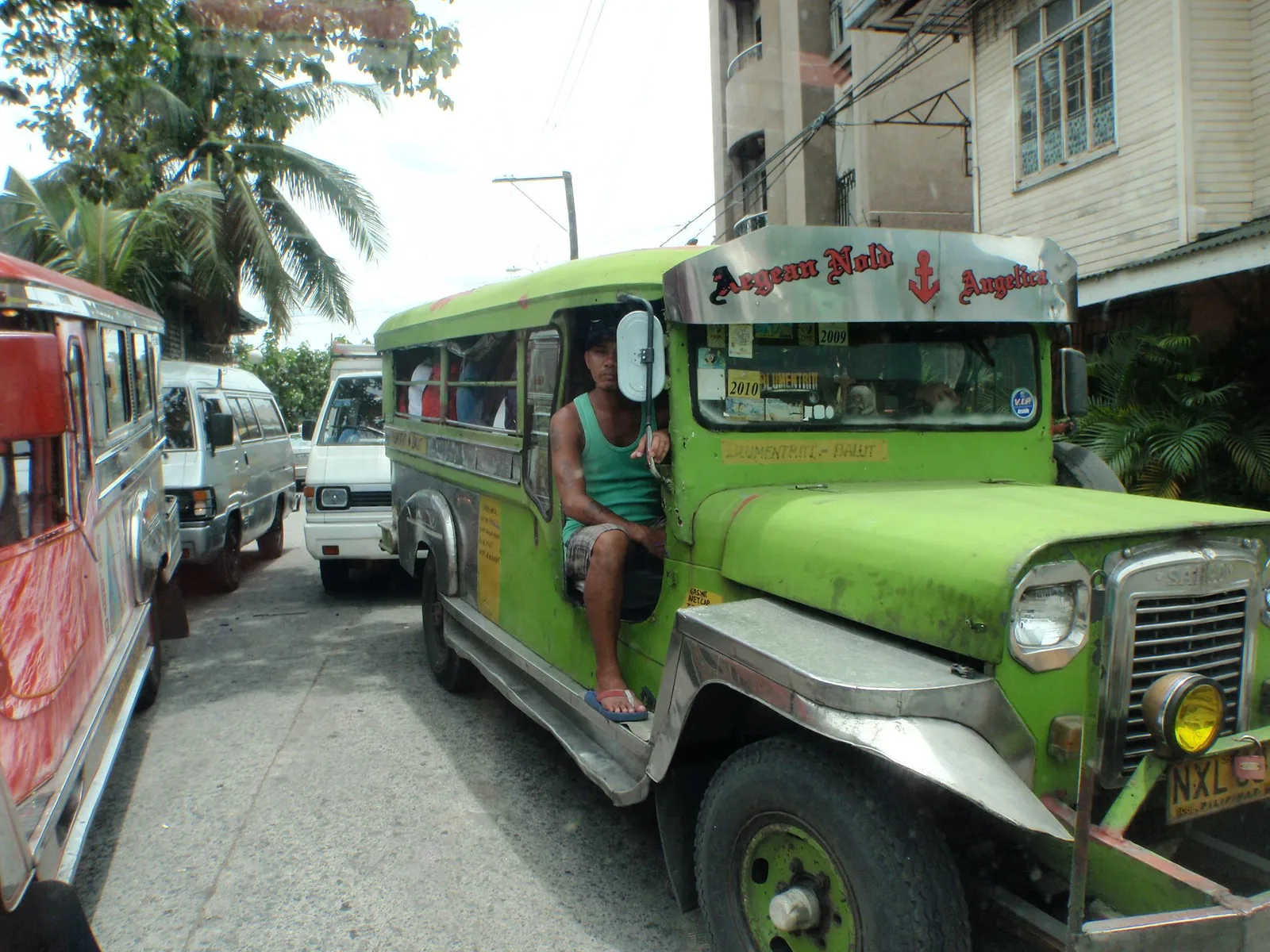
You are five minutes into your first jeepney ride in Manila, sardined between a grandmother clutching a bag of mangoes and a student scrolling his phone. Coins are being passed hand to hand toward the driver, and you have no idea what to say. Then you catch it - the person in front leans forward and says, Bayad po, holding out a twenty. You copy it. The whole row smiles. The grandmother pats your knee. Just like that, two words turned a stranger into a welcome guest. That is the quiet superpower of a little Tagalog: you almost never need it, but it changes everything.
Useful Tagalog Phrases for Travelers: 2026 Guide
Food & culture#tagalog phrases for travelers#filipino language basics#philippines travel tips#learn tagalog 2026#useful filipino phrases#philippines language guide
Trip.com
Search on Trip.comHotels in Philippines
Compare live prices via Travelpayouts — targeted for this guide.
Do You Actually Need Tagalog in the Philippines?
Honestly? No. The Philippines is one of the most English-fluent countries in Asia. Menus, road signs, airport announcements, hotel staff, taxi apps, market vendors - nearly all of it works in English, and most Filipinos speak it better than they let on. You can travel the whole archipelago without learning a single word of Tagalog and get by just fine.
But getting by and being embraced are two different things. Filipino warmth is legendary, and the fastest way to unlock it is to try their language, even clumsily. A mispronounced Salamat earns a bigger grin than a perfect English thank-you ever will. Think of Tagalog not as a survival tool but as a warmth tool. You are not learning to communicate - you are learning to connect.
The One Word That Changes Everything: Po and Opo
If you learn nothing else, learn po. It is a tiny particle sprinkled into sentences to show respect, roughly like adding sir or maam, but softer and more constant. You attach it to almost anything spoken to an elder, a stranger, or anyone you want to treat kindly.
Trip.com
See all tours in Philippines on Trip.comTours & activities in Philippines
Hand-picked experiences in Philippines — book on Trip.com with instant confirmation.


- Salamat po - Thank you (respectful) (sah-LAH-mat poh)
- Opo - Yes (respectful) (OH-poh)
- Hindi po - No (respectful) (hin-DEE poh)
- Po - the respect particle itself (poh)
Say opo instead of a plain yes to anyone older than you and watch faces light up. Filipinos are raised to value respect for elders deeply, and hearing a foreigner use po signals that you get it. It is the single highest-return syllable in the entire language.
Greetings and Small Talk
Filipinos greet warmly and often. A cheerful hello goes a long way in markets, guesthouses, and sari-sari (corner) stores.
- Kumusta - How are you / Hello (koo-MOOS-tah)
- Kumusta po kayo - How are you (respectful) (koo-MOOS-tah poh kah-YOH)
- Magandang umaga - Good morning (mah-gan-DANG oo-MAH-gah)
- Magandang hapon - Good afternoon (mah-gan-DANG HAH-pon)
- Magandang gabi - Good evening (mah-gan-DANG gah-BEE)
- Oo - Yes (casual) (OH-oh)
- Hindi - No (casual) (hin-DEE)
- Paalam - Goodbye (pah-AH-lam)
You will also hear plenty of Taglish, the everyday blend of Tagalog and English. Do not stress about grammar - drop a Tagalog word into an English sentence and you are already speaking like a local.
Politeness and the Phrases That Win Hearts
These are the courtesy phrases that make you feel less like a tourist and more like a friend passing through.
- Salamat - Thank you (sah-LAH-mat)
- Maraming salamat po - Thank you very much (respectful) (mah-RAH-ming sah-LAH-mat poh)
- Walang anuman - You are welcome (wah-LANG ah-noo-MAN)
- Pasensya na po - Sorry / Excuse me (pah-SEN-shah nah poh)
- Pakiusap - Please (pah-kee-OO-sap)
- Tabi po - Excuse me, coming through (tah-BEE poh)
- Pwede po ba - May I / Is it allowed (PWEH-deh poh bah)
Getting Around: Jeepney, Tricycle and Directions
Public transport is where Tagalog earns its keep. Jeepneys and tricycles run on shouted cues, and knowing a few makes you look seasoned. A standard jeepney ride is around 13 to 15 PHP (about 0.25 USD), so keep small coins ready.
- Bayad po - Here is my fare (BAH-yad poh)
- Para po - Stop here, please (PAH-rah poh)
- Saan po ang - Where is the (SAH-an poh ang)
- Magkano po ang pamasahe - How much is the fare (mag-KAH-no poh ang pah-mah-SAH-heh)
- Kaliwa - Left (kah-lee-WAH)
- Kanan - Right (KAH-nan)
- Diretso - Straight ahead (dee-RET-so)
- Dito po - Here (dee-TOH poh)
Heading to the islands instead? You will lean on ferries, vans, and flights more than jeepneys. If you are island-hopping between hubs like Cebu, Bohol, and Palawan, book ahead on flights and read up on the routes in our Bohol guide before you go.
Markets and Haggling
At public markets, palengkes, and souvenir stalls, friendly bargaining is expected - but keep it light and smiling. Prices at fixed-price malls are not negotiable, so save the haggling for street stalls and markets.
- Magkano ito - How much is this (mag-KAH-no ee-TOH)
- Ang mahal naman - That is too expensive (ang mah-HAL nah-MAN)
- Pwede pong tawad - Can I get a discount (PWEH-deh pong TAH-wad)
- Pababa naman po - Lower the price a little please (pah-BAH-bah nah-MAN poh)
- Kukunin ko na po ito - I will take this one (koo-KOO-nin koh nah poh ee-TOH)
A gentle pwede pong tawad with a smile often shaves 10 to 20 percent off a souvenir. Push politely, never rudely - vendors respond to charm, not pressure.
Food and Ordering
Filipino food is a love language of its own. Whether you are chasing lechon, sinigang, or halo-halo, these phrases keep you fed and happy.
- Ang sarap - This is delicious (ang sah-RAP)
- Gutom na ako - I am hungry (GOO-tom nah ah-KOH)
- Tubig po - Water, please (TOO-big poh)
- Isa pa po - One more, please (ee-SAH pah poh)
- Walang maanghang po - Not spicy, please (wah-LANG mah-ang-HANG poh)
- Ang bill po - The bill, please (ang bill poh)
- Masarap ba ito - Is this good (mah-sah-RAP bah ee-TOH)
Numbers and Emergencies
You will hear both Tagalog and Spanish-derived numbers, especially for prices and time. Here are the essentials.
- Isa - One (ee-SAH)
- Dalawa - Two (dah-lah-WAH)
- Tatlo - Three (tat-LOH)
- Apat - Four (AH-pat)
- Lima - Five (lee-MAH)
- Sampu - Ten (sam-POO)
For anything urgent, the nationwide emergency number is 911, and English works perfectly with operators. Still, these help in a pinch.
- Tulong po - Help, please (TOO-long poh)
- May sakit ako - I am sick (my sah-KIT ah-KOH)
- Saan ang ospital - Where is the hospital (SAH-an ang os-pee-TAL)
- Tawag po ng pulis - Call the police, please (TAH-wag pong nang poo-LEES)
Keeping a working data connection makes emergencies and directions far less stressful. Grab a local eSIM before you fly so maps and translation apps work the moment you land. For longer island stays, browsing stays with English-speaking hosts also smooths out any language gaps.
Putting It All Together
You do not need to memorize this whole list. Pick five phrases - salamat po, opo, magkano ito, para po, and ang sarap - and you are already ahead of ninety percent of visitors. Sprinkle them through your trip and let the smiles teach you the rest. Then plan your route with our destination guides for Siargao and El Nido, and dig into more travel tips on the blog before you go.
Frequently Asked Questions
Do I need to learn Tagalog to travel in the Philippines?
No. English is widely spoken across the Philippines, on signs, menus, and by most locals, so you can travel comfortably without any Tagalog. Learning a few phrases is not about survival - it is about warmth. A simple salamat po earns genuine smiles and often better service.
What does po mean in Filipino?
Po is a respect particle added to sentences to show politeness, similar to sir or maam but used more constantly. You attach it when speaking to elders, strangers, or anyone you want to treat kindly. Opo means a respectful yes, and it is the single highest-impact word a traveler can learn.
How do I say thank you in Tagalog?
Salamat means thank you, pronounced sah-LAH-mat. For extra politeness say salamat po, and for strong gratitude use maraming salamat po, meaning thank you very much. Filipinos deeply appreciate hearing visitors try, even with imperfect pronunciation.
Is haggling normal in Philippine markets?
Yes, at public markets, palengkes, and souvenir stalls, friendly bargaining is expected and welcome. Ask pwede pong tawad with a smile and you can often save 10 to 20 percent. Malls and fixed-price shops do not negotiate, so save the haggling for street vendors.
What is the emergency number in the Philippines?
The nationwide emergency hotline is 911, and operators handle calls in English. For medical help you can say tulong po for help, or saan ang ospital to ask where the hospital is. Carrying a working eSIM or SIM keeps you connected if you ever need it.

PANA.PH Editorial Team
Philippines travel desk
The PANA.PH travel desk researches, books and re-checks Philippines travel logistics — fares, ferry schedules, government fees and permit rules — and publishes what it can verify.
🏡 Real local stays (book direct)
Hand-picked homestays and guesthouses — book direct, no markup.
Browse all local stays →

🌊 Popular activities (book instantly)
Island hopping, canyoneering, whale sharks — real Klook/GetYourGuide options.
View all activities →