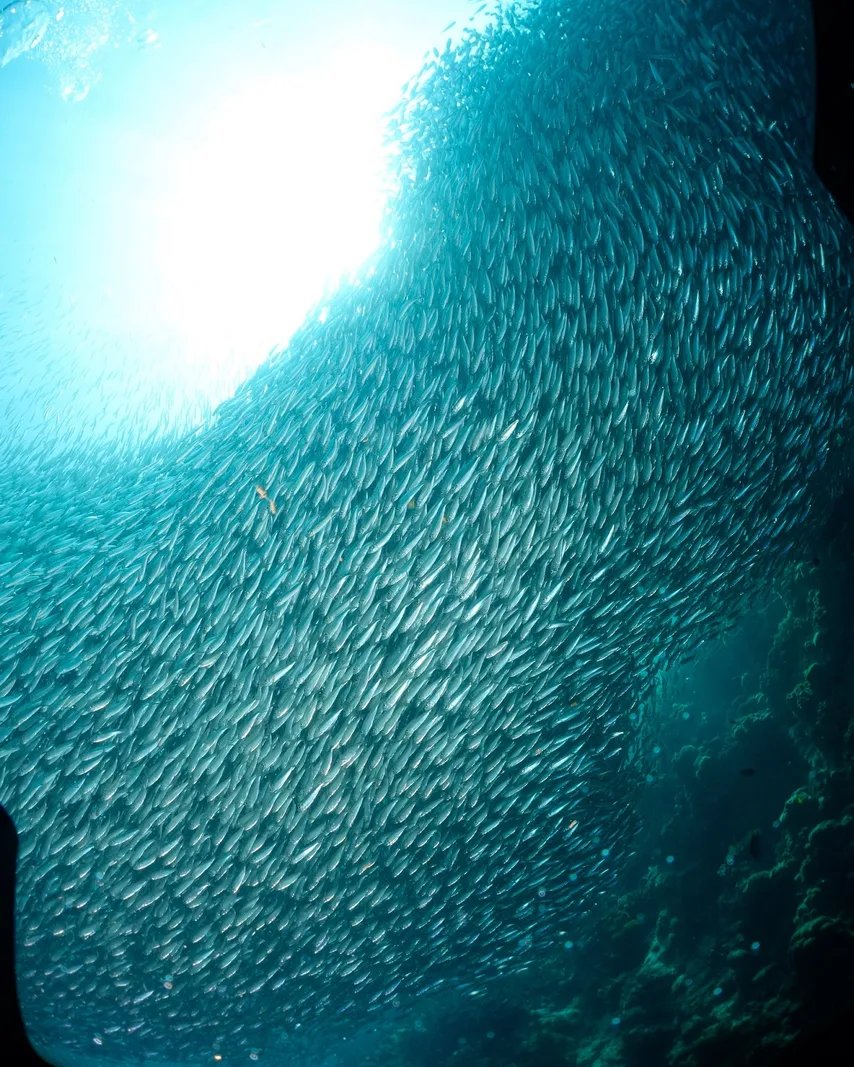
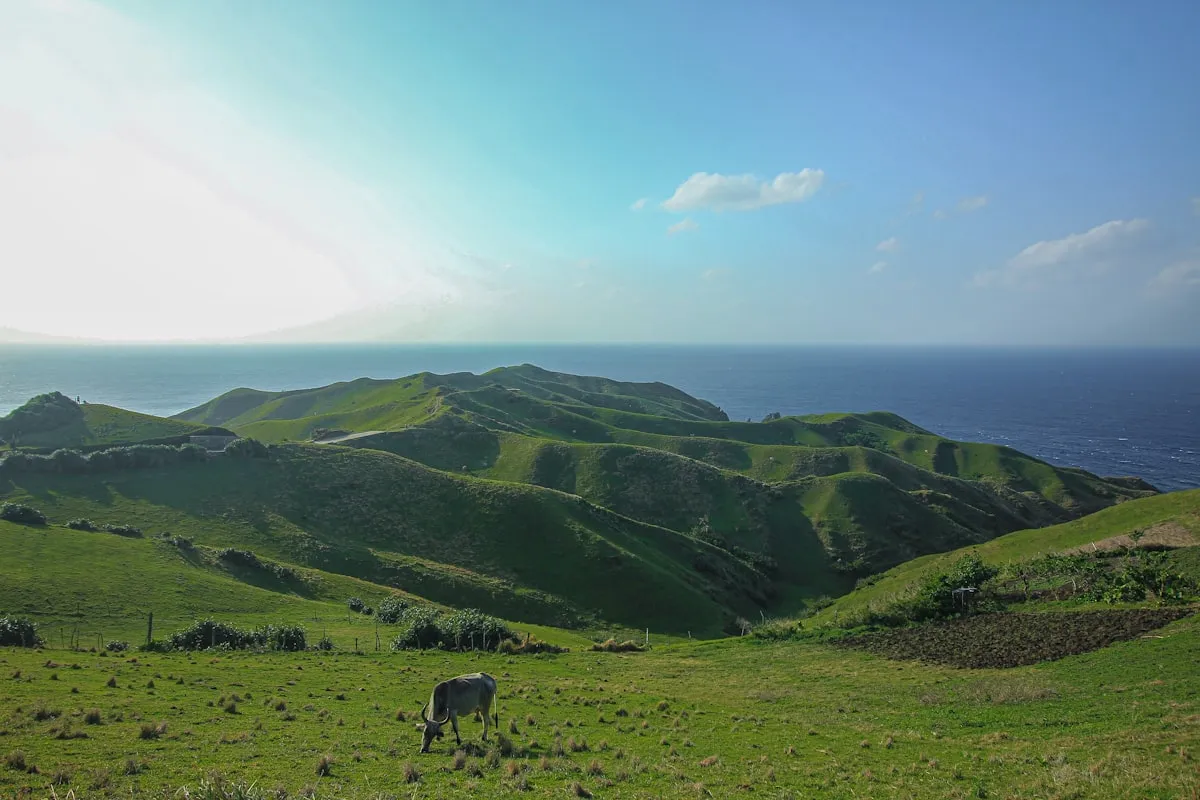
Is the Philippines safe to travel in 2026? For the overwhelming majority of visitors, the honest answer is yes, with the same street smarts you would use anywhere. Millions of tourists explore the islands every year without incident, drawn by warm, English-speaking hospitality and some of the most beautiful beaches on earth. But an honest guide does not stop at reassurance. Below is a truthful, balanced look at the real risks, from petty scams to typhoons to the handful of regions worth avoiding, so you can travel confident rather than nervous.
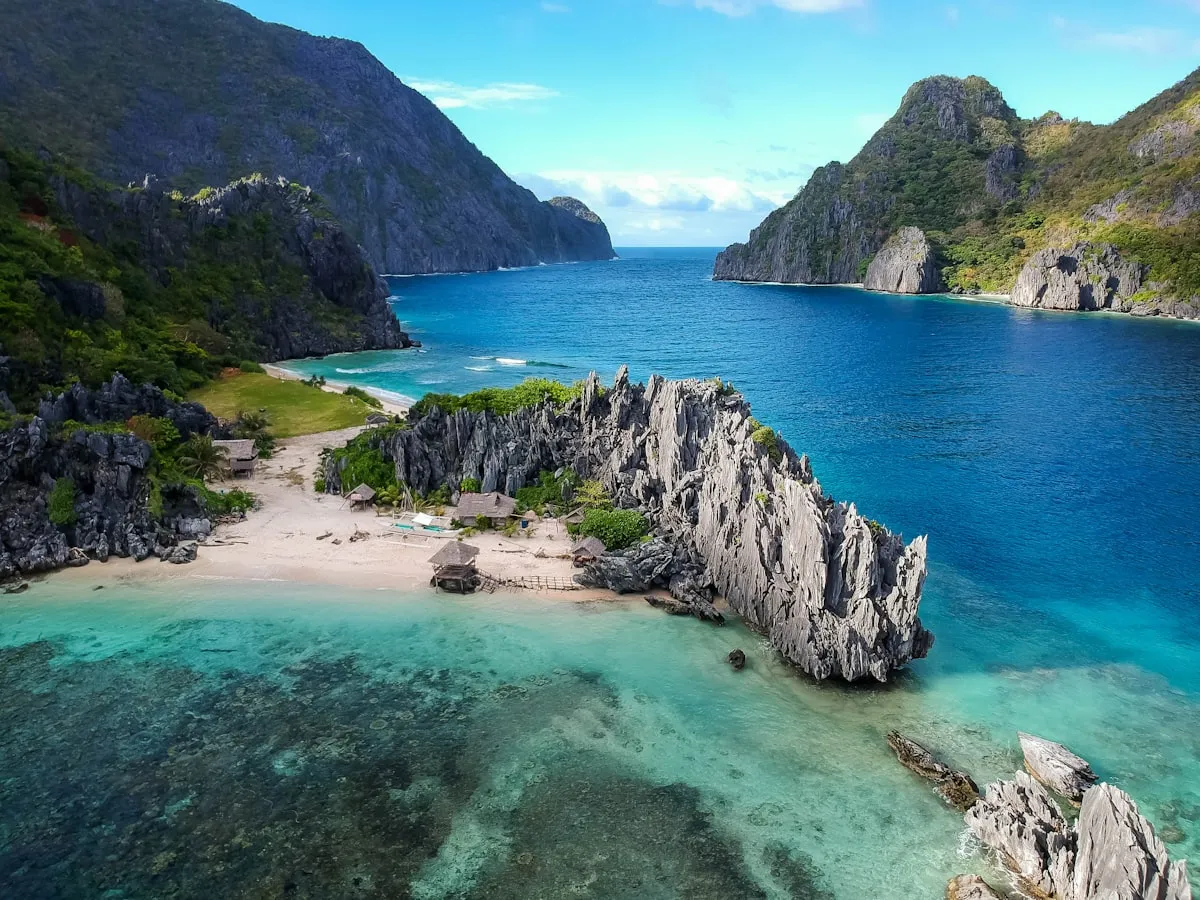
Is the Philippines Safe to Travel in 2026? An Honest Guide
Safety & weather#Philippines safety#is the Philippines safe#travel safety 2026#Philippines scams#solo travel Philippines#Philippines travel tips
Trip.com
Search on Trip.comHotels in Philippines
Compare live prices via Travelpayouts — targeted for this guide.
The overall picture for tourists
The Philippines is a friendly, welcoming country where locals genuinely go out of their way to help travelers. Filipino culture prizes hospitality, and English is widely spoken, which makes navigating far easier than in many neighboring nations. The main day-to-day risks are the ordinary ones of any developing destination: petty theft, opportunistic scams, and traffic. Violent crime against tourists is rare in the areas you will actually visit, but pickpocketing and overcharging happen in crowded cities, so keep valuables secure and stay aware in busy markets and transport hubs.
Where is very safe, and where to avoid
The classic tourist trail is well-trodden and safe. Palawan (El Nido, Coron), Cebu, Bohol, Siargao, Boracay, and the areas around Manila see constant tourist traffic and pose no unusual danger. You can explore these confidently, and our destinations guides focus on exactly these welcoming regions.
The main exception is parts of western and central Mindanao, particularly the Sulu Archipelago, Basilan, Tawi-Tawi, and the mainland areas of Maguindanao and Lanao. These carry standing travel advisories from many governments due to occasional insurgency and kidnapping risk. Importantly, popular southern destinations like Siargao, Camiguin, and much of Davao are geographically in the Mindanao group but are considered safe and are visited by tourists year-round. Always check your government's current advisory before booking, and use our trip planner to keep your route on the well-traveled, safe corridors.
Trip.com
See all tours in Philippines on Trip.comTours & activities in Philippines
Hand-picked experiences in Philippines — book on Trip.com with instant confirmation.

Common scams and how to avoid them
Most trouble travelers face is financial, not physical. These scams are easy to sidestep once you know them.
| Scam | How it works | How to avoid it |
|---|---|---|
| Taxi meter refusal | Driver refuses the meter and quotes a flat, inflated fare | Use the Grab app for fixed, transparent pricing; insist on the meter otherwise |
| ATM skimming | Card details cloned at tampered or standalone machines | Use ATMs inside banks or malls; cover the keypad; check for loose card slots |
| Fake tour guides | Unlicensed guides sell island hops or tours that never happen or cut corners | Book through your hotel or a reputable operator; verify before paying cash |
| Overpriced tricycle | Quoted a tourist rate many times the local fare | Ask your accommodation the fair rate first; agree the price before you get in |
| Money-changer shortchange | Fast counting hides a shorted total at street kiosks | Change money at banks or established outlets; recount before leaving the counter |
Natural risks: typhoons and the sea
The most underrated risk in the Philippines is nature, not crime. The country sits in a typhoon belt, and the wet season roughly June to November can bring powerful storms. Travel is still very possible in these months, but build flexibility into your plans, watch PAGASA (the national weather bureau) forecasts, and never board a boat when a storm signal is raised. The dry season, roughly December to May, is the safest and most reliable window; our travel blog breaks down the best months island by island.
At sea, respect strong currents and rip tides, especially on the Pacific-facing east coast. Choose licensed boat operators with life jackets, avoid overloaded bangka boats, and skip the trip if the weather looks marginal. Snorkelers and divers should never go alone.
Solo-female and LGBTQ travel
The Philippines is one of the more comfortable Southeast Asian countries for both solo-female and LGBTQ travelers. Solo women report feeling generally safe, with the usual precautions: avoid walking alone late at night in unfamiliar areas, keep a rough plan of your day, and trust your instincts. The country is also relatively accepting of LGBTQ visitors by regional standards, with visible communities in cities and tourist hubs, though public attitudes remain more conservative in rural and deeply religious areas. Discretion in remote towns is sensible, but same-sex couples travel the islands happily every day.
Health, water, and staying well
Tap water is generally not safe to drink; stick to bottled or filtered water, which is cheap and everywhere (a large bottle costs about $0.35 to $0.55, or 20 to 30 PHP). Mosquito-borne illnesses like dengue exist, so use repellent, especially at dawn and dusk. Travel insurance with medical coverage is strongly recommended, as good private hospitals are concentrated in major cities. Bring any prescription medication you need, and a small kit for the inevitable minor stomach upset.
Emergency numbers
- National emergency hotline: 911 (works nationwide, like the US system)
- Philippine Red Cross: 143
- Tourist Police / Department of Tourism hotline: 151-TOUR (151-8687)
- Save your accommodation's number and share your itinerary with someone at home
The bottom line for 2026: the Philippines is a safe, rewarding destination for travelers who stay aware, avoid the handful of advised regions, respect the weather, and use common sense with money. Do that, and the biggest risk you face is falling so hard for the islands that one trip is never enough. Plan your route with our trip planner and lean on the honest region-by-region breakdowns in our blog before you go.

PANA.PH Editorial Team
Philippines travel desk
The PANA.PH travel desk researches, books and re-checks Philippines travel logistics — fares, ferry schedules, government fees and permit rules — and publishes what it can verify.
🌊 Popular activities (book instantly)
Island hopping, canyoneering, whale sharks — real Klook/GetYourGuide options.
View all activities →