You jump off the boat into water so clear your sandals look like they are floating in air. The limestone wall rises straight up on both sides, maybe 30 metres of bare grey rock streaked with green where vines have found a grip. Your guide points at a dark gap in the wall ahead, barely wide enough for one person to squeeze through sideways. "That is the entrance," he says. "Swim fast when I tell you."
Twin Lagoon in Coron: Swimming Through the Narrow Gap Between Two Worlds
Trip.com
Search on Trip.comHotels in Palawan
Compare live prices via Travelpayouts — targeted for this guide.
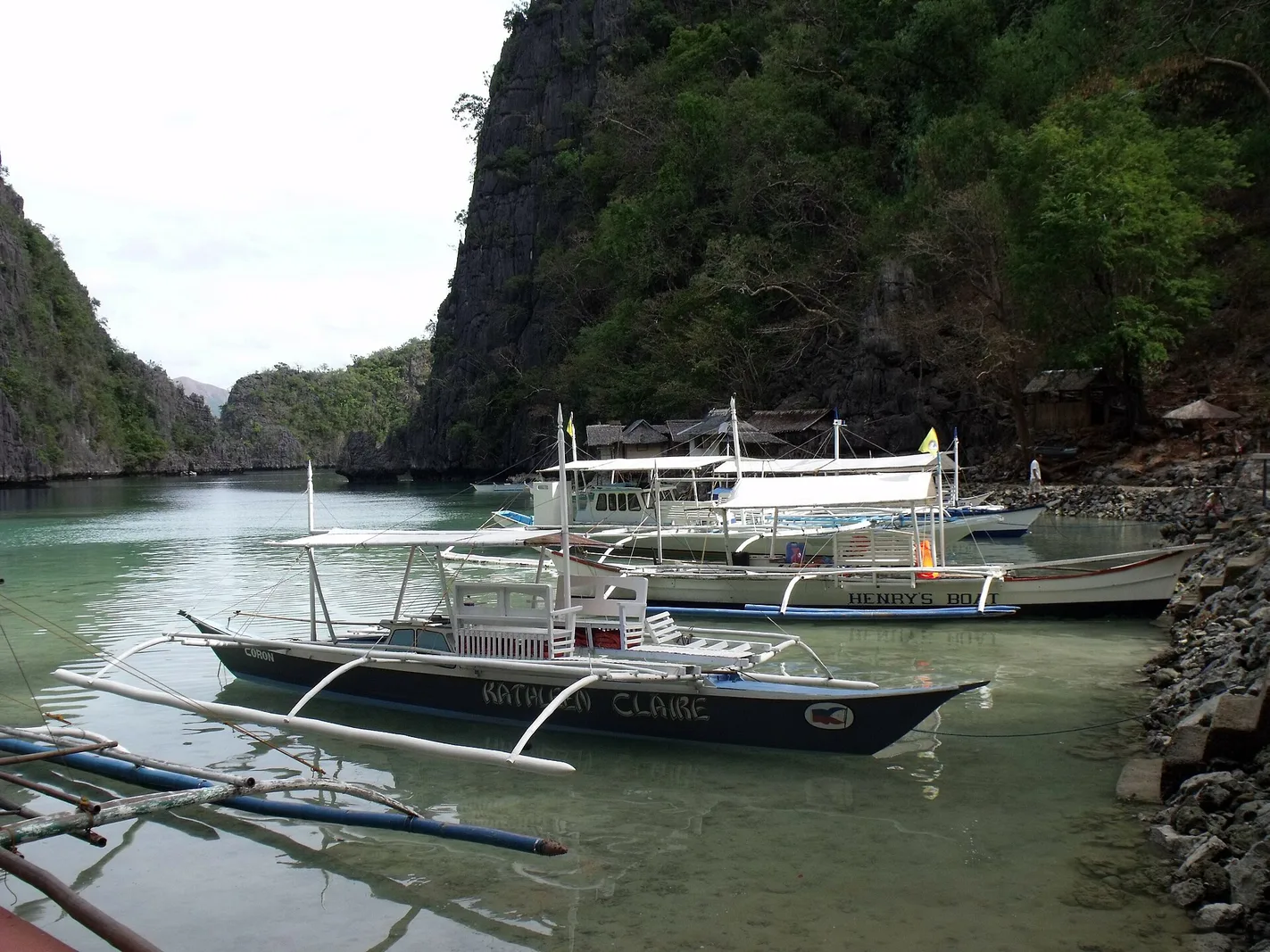
This is Twin Lagoon on Coron Island, and the gap is the only way from the outer lagoon into the inner one. At low tide you can swim through it. At high tide the water covers the gap entirely and you have to climb a wooden ladder over the rock instead. Either way, what waits on the other side is one of the most enclosed, otherworldly swimming spots in the Philippines.
What Twin Lagoon Actually Is
Twin Lagoon is a pair of seawater lagoons carved into the limestone of Coron Island. The outer lagoon is open to the sea and is where boats dock. The inner lagoon is completely enclosed by rock except for the narrow crevice that connects it to the outer one. The water in the inner lagoon is a mix of cold freshwater from underground springs and warm saltwater from the sea, which creates visible layers you can feel as you swim through them - a warm layer on top, a sudden cold layer below your chest.
The lagoons are part of the Coron Island Protected Area, managed jointly by the DENR and the Tagbanua indigenous community. The same ancestral domain permit that covers Kayangan Lake applies here.
Trip.com
See all tours in Palawan on Trip.comTours & activities in Palawan
Hand-picked experiences in Palawan — book on Trip.com with instant confirmation.
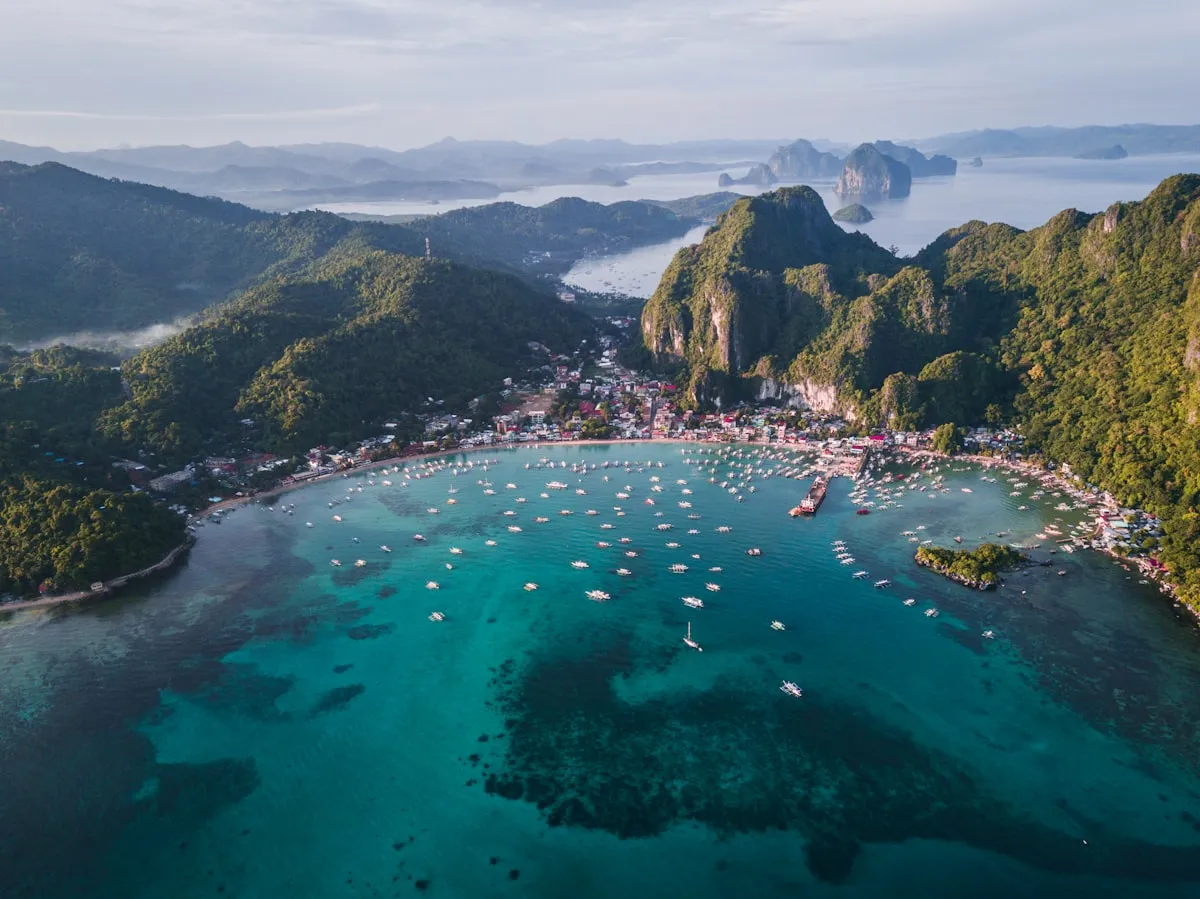
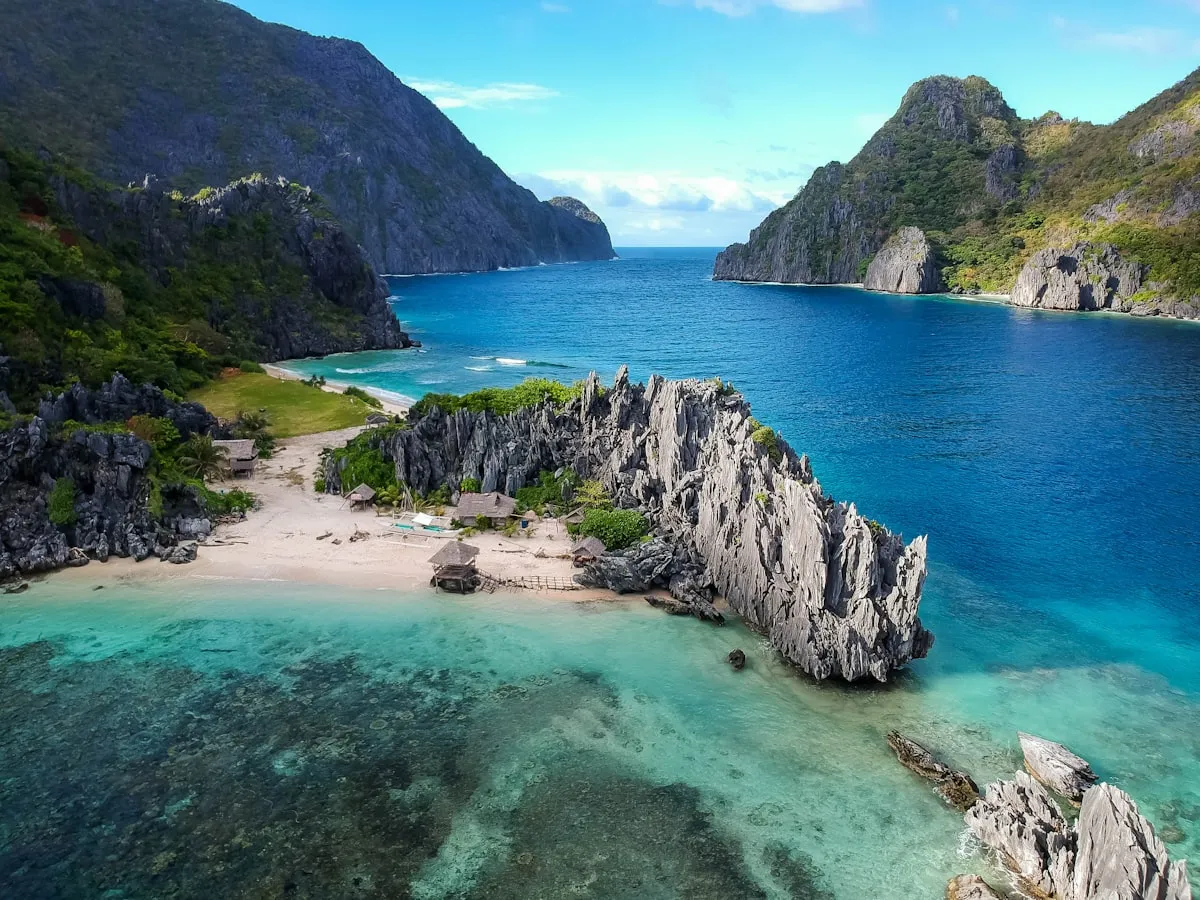
The Swim Through the Gap
The crevice is about 80 cm wide at its narrowest. You swim on your side, pulling yourself along the rock walls with your hands because there is no room to stroke. The water is colder inside the gap than in the outer lagoon - the freshwater layer starts here. The whole passage takes about 30 seconds if you do not stop. There is no current in calm weather, but after heavy rain or on a strong tide the water moves through the gap and you can feel it pushing against you.
If the water level is too high for the gap, there is a wooden ladder bolted to the rock face that takes you over the top and down into the inner lagoon. The ladder is sturdy but wet and slippery, so use both hands. Most tours check the tide before arriving and plan accordingly.
Inside the Inner Lagoon
The inner lagoon is smaller than the outer one, maybe 60 metres across. The rock walls go straight down into the water, which is 10 to 20 metres deep in the centre. There are no boats inside - they cannot fit through the gap - so it is quieter than the outer lagoon. The water is glassy because the walls block the wind. On a sunny day the light bounces between the limestone surfaces and the water glows.
The thermocline is the strangest part. The top 50 cm is warm saltwater, maybe 30 degrees. Below that is cold freshwater, maybe 22 degrees. When you swim through the boundary your torso goes cold while your head stays warm. Some people find it refreshing; others find it alarming. It is completely safe and is caused by the underground springs that feed the lagoon.
How to Get There
Twin Lagoon is included in most Coron island-hopping Tour A packages, which typically also include Kayangan Lake, Barracuda Lake and a beach stop. Tours leave from Coron town pier at 8:00-9:00am and return by 4:00-5:00pm. The boat ride to Twin Lagoon takes about 40 minutes.
Shared tour cost: PHP 1,500-2,500 per person including lunch, boat, guide and entrance fees. Private boat: PHP 4,000-7,000 for the day for up to 4-6 people. Book 2-3 days ahead in peak season (December-April).
Entrance Fees
The Coron Island environmental fee is usually included in your tour package. If you visit independently, expect to pay around PHP 300-400 per person at the Tagbanua checkpoint. Some tours also charge a separate lagoon fee of PHP 100-150. Bring cash - no card facilities exist on the island.
Best Time to Visit
Dry season from December to May gives the calmest water and best visibility. The gap is passable by swimming at low tide - your guide will time the visit. Visit in the morning if possible, as the inner lagoon gets crowded between 11:00am and 2:00pm when multiple tour boats arrive at the outer lagoon.
Avoid the wet season (July-October) for this specific site. Heavy rain increases the freshwater flow through the gap, making the current stronger and the water colder. Boat crossings to Coron Island can also be cancelled in rough weather.
What to Bring
- Swimwear worn under clothes - no changing rooms.
- Water shoes - the limestone is sharp and the ladder is slippery.
- Dry bag - boats are open and the inner lagoon requires swimming.
- Reef-safe sunscreen - the lagoon ecosystem is fragile.
- Snorkel mask - optional, but the underwater rock formations are worth seeing.
- Towel and change of clothes - leave on the boat.
Safety Notes
The swim through the gap is not dangerous if you follow your guide, but there are a few things to know. Do not stop inside the gap - if someone stops ahead of you, there is no room to pass. Do not dive or jump from the ladder or the rocks - the water depth changes with the tide and submerged rocks are not always visible. If you are not a confident swimmer, tell your guide before entering the gap - they can tow you through or take you over the ladder instead.
The thermocline can cause a gasp reflex if you are not expecting it. When the cold layer hits your chest, breathe out slowly rather than gasping in. This is normal and passes in a few seconds.
Respect the Site
Twin Lagoon is part of the ancestral domain of the Tagbanua people. Do not leave rubbish, do not take rocks or shells, do not climb on the limestone walls, and follow the guides' instructions. The Tagbanua community has kept Coron Island's lagoons pristine by enforcing strict rules. The fees you pay go directly to community conservation.
Frequently Asked Questions
Can non-swimmers visit Twin Lagoon?
Yes, but you will not be able to go through the gap. You can stay on the boat in the outer lagoon or use a life vest and have the guide tow you through. The outer lagoon is still beautiful and worth seeing even if you do not enter the inner one.
How long do you spend at Twin Lagoon?
Most tours allow 45 minutes to 1 hour. This gives you time to swim through the gap, spend 20-30 minutes in the inner lagoon, and swim back. Private tours can stay longer.
Is the water cold at Twin Lagoon?
The surface layer is warm (around 30 degrees) but the deeper layer is cold (around 22 degrees) due to freshwater springs. The cold layer starts about 50 cm below the surface. It is refreshing, not freezing, and most people adjust within a minute.
What is the difference between Twin Lagoon and Kayangan Lake?
Kayangan Lake is a single lake reached by climbing 719 steps. Twin Lagoon is two lagoons connected by a narrow gap that you swim through. Both are on Coron Island and both are usually included in the same Tour A itinerary. They are different experiences - Kayangan is about the view and the clear water; Twin Lagoon is about the enclosed space and the swim through the gap.
Sources
Sources
Primary references for the figures and rules in this guide. Fees and schedules change — check the source before you travel.

PANA.PH Palawan Desk
Palawan travel logistics — El Nido, Coron and Puerto Princesa
The Palawan Desk of the PANA.PH travel desk: it maintains and re-checks the palawan travel logistics — el nido, coron and puerto princesa data behind the site's guides — operator price lists, official fee schedules and posted timetables — and publishes what it can verify.
Ready to go?
Plan your Coron trip with PANA.PH
Turn this guide into a real trip — compare live prices and build a day-by-day itinerary in minutes.
🗺️ Build my itinerary🏡 Real local stays (book direct)
Hand-picked homestays and guesthouses — book direct, no markup.
Browse all local stays →
🌊 Popular activities (book instantly)
Island hopping, canyoneering, whale sharks — real Klook/GetYourGuide options.
View all activities →