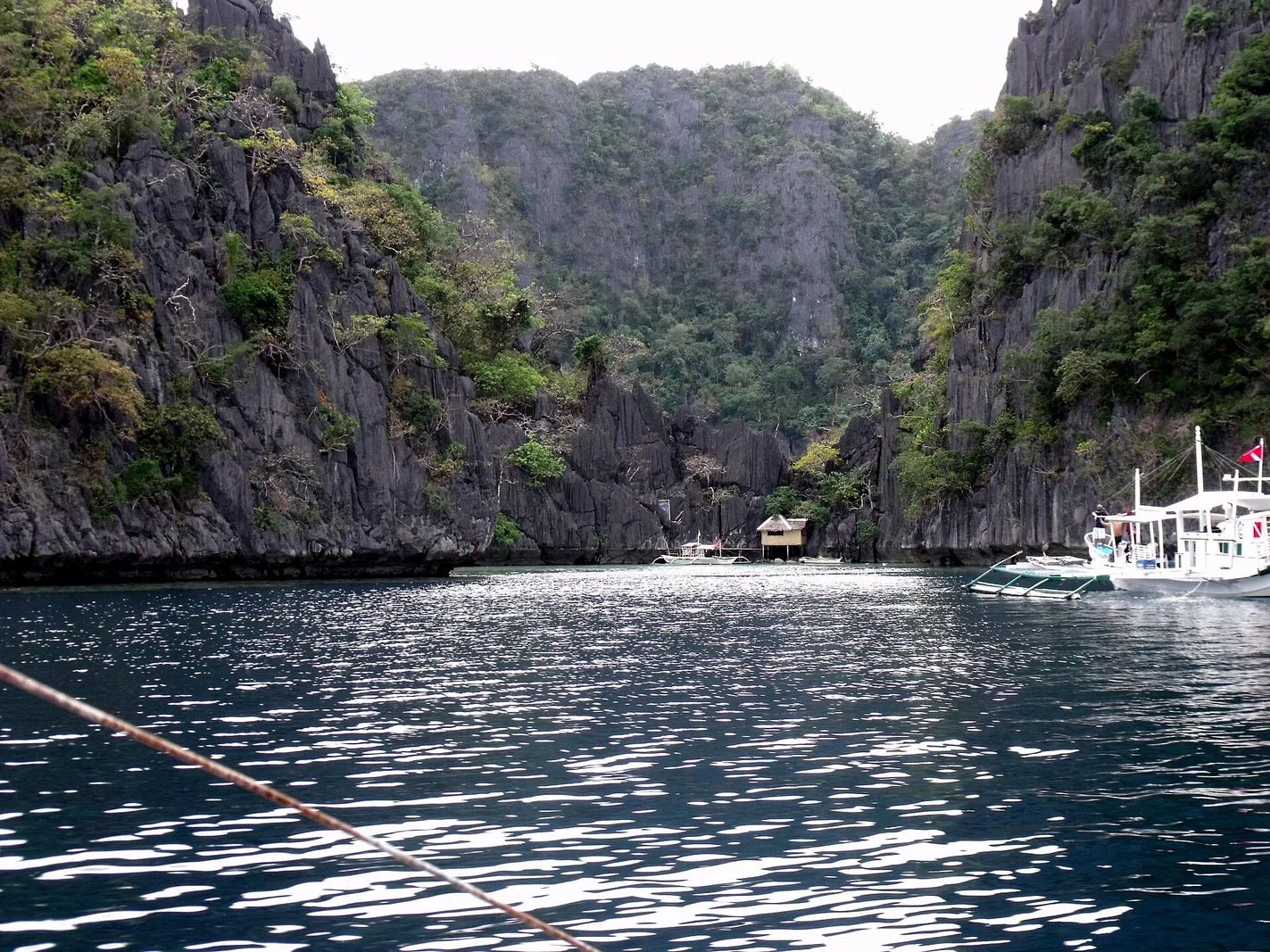
Barracuda Lake is one of the strangest dive sites in the Philippines. It sits inside Coron Island in northern Palawan, hidden behind a wall of jagged limestone. From the surface it looks like a quiet mountain lake. But the moment you descend, the water tells a different story. The top layer is warm freshwater, often around 28 to 30 degrees Celsius. Around 14 meters down, you hit a thermocline and the temperature drops sharply to about 22 degrees. Below that, the water turns brackish and then fully saltwater, and the bottom is a thick layer of volcanic mud that burps bubbles when you stir it. For freedivers and scuba divers alike, it is a one-of-a-kind experience.
Barracuda Lake: Diving the Thermocline in Coron
Trip.com
Search on Trip.comHotels in Palawan
Compare live prices via Travelpayouts — targeted for this guide.
What Makes Barracuda Lake Unique
Most lakes in the Philippines are freshwater from surface to bottom. Barracuda Lake is different because it is a marine lake, meaning it was once connected to the ocean and then partially isolated by rising limestone. Seawater still seeps through cracks in the rock, which is why the deeper layers are saltwater while rainwater fills the top. This creates a halocline, a boundary between fresh and salt water, and a thermocline, a boundary between warm and cold water. Divers can see both boundaries clearly because the light refracts differently at each layer, creating a shimmering effect that looks like oil on water.
The lake is named after a large barracuda that was reportedly seen here years ago. You are unlikely to see one today, but you may spot small catfish near the surface and a few freshwater eels in the rock crevices. The real attraction is not the marine life but the sensation of moving through three distinct bodies of water in a single dive.
How to Get to Barracuda Lake
Coron is a municipality in the Calamian Islands in northern Palawan. The most common way to reach Coron is by flying from Manila to Francisco B. Reyes Airport (USU), which serves the town of Coron. Direct flights are operated by Philippine Airlines, Cebu Pacific, and AirSwift. Flight time is about one hour. A one-way ticket booked a few weeks ahead typically costs PHP 2,800 to PHP 4,500 depending on the season.
Trip.com
See all tours in Palawan on Trip.comDiving in Palawan
Hand-picked experiences in Palawan — book on Trip.com with instant confirmation.
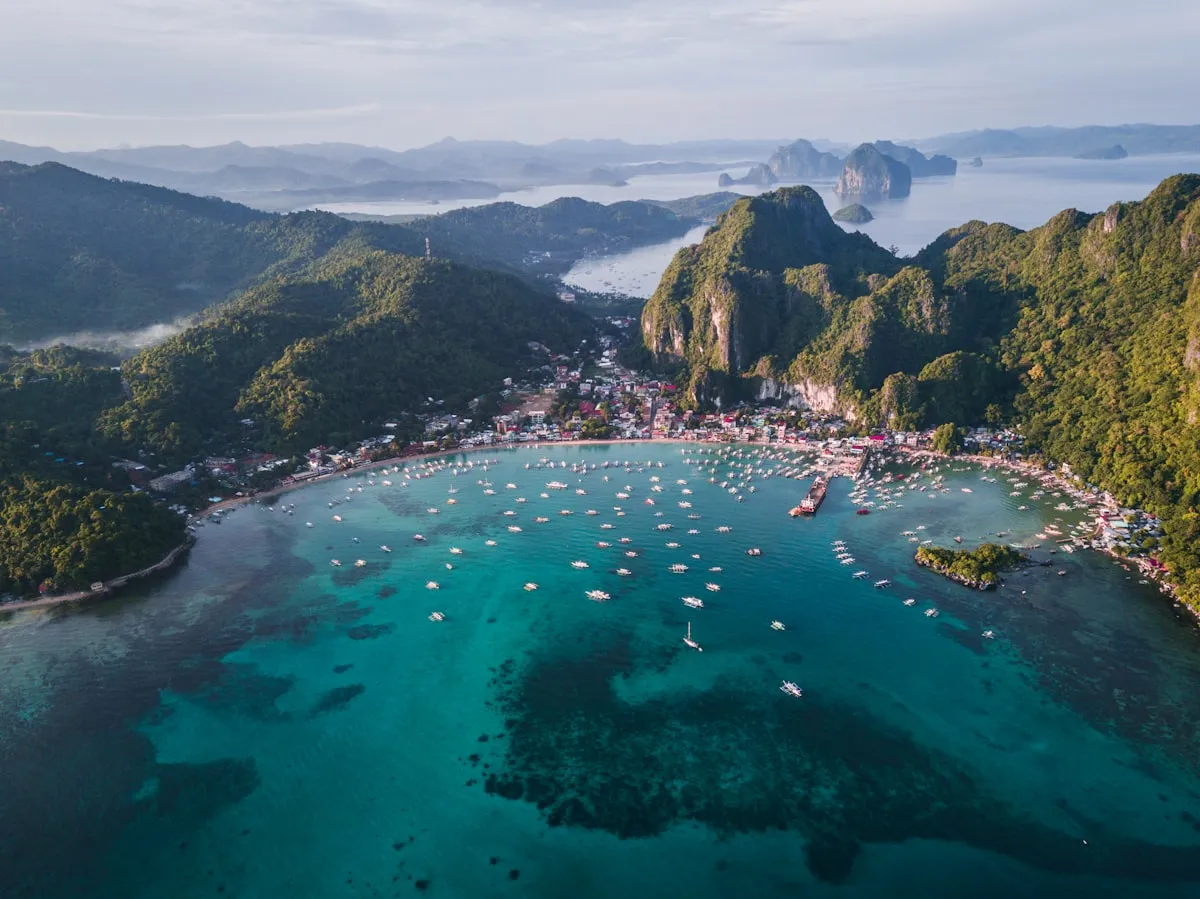
From Coron town proper, Barracuda Lake is reached by boat. It is part of the Coron Island Loop, a standard island-hopping route that also includes Kayangan Lake, Twin Lagoon, and several snorkeling stops. Most dive shops in Coron town offer a dedicated Barracuda Lake dive trip. A typical two-tank dive day including equipment, boat, guide, and lake entrance fees costs around PHP 3,500 to PHP 4,200 per person. Freediving-specific trips are also available and usually run PHP 3,000 to PHP 4,000 for a half-day session.
Freediving Barracuda Lake: What to Expect
For freedivers, Barracuda Lake is a training paradise. The visibility in the freshwater layer is excellent, often 15 to 20 meters, and there is no current. The lake is roughly 40 meters deep at its deepest point, though most recreational freediving happens between 10 and 25 meters. The thermocline at around 14 meters is the key feature. As you pass through it, you feel the cold hit your face and chest suddenly, almost like stepping into an air-conditioned room. This is also where the water density changes, so you may notice your buoyancy shift.
Several freediving schools in Coron offer courses and training sessions at the lake. A Level 1 freediving course (SSI Basic Freediver or AIDA 2 equivalent) costs around PHP 6,500 to PHP 8,000 and includes one day of classroom and one or two water sessions. If you are already certified, you can join a fun freediving trip for around PHP 3,500 including boat transfer, guide, and lake fees.
One important note: the mud at the bottom of the lake is fine volcanic sediment. If you stir it up, visibility drops to zero instantly. Freedivers practicing bottom turns or no-fin descents should be careful not to touch the bottom. Also, because the lake is enclosed, the water below the thermocline can have reduced oxygen. Do not hyperventilate before a dive, and always dive with a buddy and a surface watcher.
Scuba Diving Barracuda Lake
Scuba divers get a longer look at the lake's layers because they can stay down for 40 to 50 minutes on a single tank. The standard dive profile starts at the surface in warm freshwater, descends through the thermocline into the cold saltwater layer, and then follows the underwater limestone wall down to about 30 meters. At that depth, the mud layer begins and the water can feel warm again due to geothermal activity. Divers often describe the sensation as diving through three seasons in one breath of air.
Most dive shops include Barracuda Lake as one of two dives on a Coron wrecks-and-lake day. The Japanese shipwrecks in Coron Bay are the other main attraction, and combining a wreck dive with a lake dive gives you a full picture of what Coron offers underwater. A two-dive day with equipment rental typically costs PHP 3,800 to PHP 4,500.
Best Time to Dive Barracuda Lake
Coron is diveable year-round, but the best conditions are during the dry season from November to May. During these months, the surface water is clearest and the boat ride is calm. March to May is the hottest period, with air temperatures reaching 35 degrees Celsius, which makes the cold thermocline feel even more dramatic. The rainy season from June to October brings occasional storms and reduced visibility, though the lake itself is sheltered and rarely cancelled outright.
Water temperature in the lake is fairly consistent year-round. The surface stays around 28 to 30 degrees and the deep layer around 20 to 22 degrees. A 3mm wetsuit is sufficient for most divers, though freedivers who do multiple long sessions may prefer a 5mm suit or a hood for the cold layer.
Practical Tips for Your Barracuda Lake Dive
First, book through a licensed dive shop. Coron has dozens of operators, but not all follow safety standards. Look for shops affiliated with PADI, SSI, or AIDA, and ask whether their guides are certified divemasters or freediving instructors. The entrance fee to Barracuda Lake is included in most tour packages, but if you go independently, the Coron Municipal Tourism Office charges PHP 200 to PHP 300 per person as an environmental fee.
Second, bring a thermal layer. Even if you normally dive in a rash guard, the thermocline is cold enough to make most people shiver after 20 minutes. A 3mm wetsuit or a hooded vest makes a big difference.
Third, equalize early and often. The freshwater layer is less dense than saltwater, so the pressure changes feel slightly different. Some divers report needing to equalize more frequently in the top 10 meters than they would in the ocean.
Fourth, do not touch the bottom. The mud is easily disturbed and can blind you and your buddy. It also has a faint sulfur smell, which is normal but unpleasant if you get it on your skin.
Where to Stay in Coron
Coron town proper has accommodations ranging from budget hostels to mid-range resorts. A dorm bed costs PHP 500 to PHP 800 per night. A double room in a guesthouse runs PHP 1,200 to PHP 2,500. Mid-range hotels with pools and sea views start at PHP 3,500 and go up to PHP 6,000. Luxury options on nearby islands, such as Two Seasons Coron Island Resort, start at around PHP 12,000 per night. Most dive shops are within walking distance of the town center, so staying in Coron proper is more convenient than staying on an outlying island if your main goal is diving.
Other Things to Do in Coron
If you are spending more than a couple of days in Coron, consider adding a wreck diving day. Coron Bay has at least 12 Japanese shipwrecks from World War II, ranging from 10 to 40 meters deep. The most popular wrecks for recreational divers are the Olympia Maru and the Tangat Wreck. A three-dive wreck day costs around PHP 4,500 to PHP 5,500.
For non-divers, the Coron Island Loop is the standard island-hopping tour. It includes Kayangan Lake, Twin Lagoon, Skeleton Wreck snorkeling, and beach stops. The tour costs PHP 1,500 to PHP 1,700 per person including lunch and entrance fees. Mount Tapyas is a short hike in town that offers a sunset view over Coron Bay, and Maquinit Hot Springs is a natural saltwater hot spring a 20-minute tricycle ride from the center, with an entrance fee of PHP 300.
Frequently Asked Questions
Do I need a diving certification to dive Barracuda Lake?
For scuba diving, yes, you need at least an Open Water certification. For freediving, beginners can join a discovery session without prior certification, but a Level 1 course is recommended if you want to dive below 10 meters. Most freediving shops in Coron offer same-day discovery sessions for around PHP 3,000.
How deep is Barracuda Lake?
The lake is approximately 40 meters deep at its deepest point. Most recreational dives stay between 10 and 30 meters. The thermocline is typically found around 12 to 14 meters, though its exact depth can shift slightly depending on rainfall and season.
Is Barracuda Lake safe for beginner divers?
Yes, the lake has no current and excellent visibility in the upper layer, which makes it a good training environment. However, the cold thermocline and the enclosed space can be challenging for some. Beginners should dive with a guide and stay above 18 meters.
Can I swim in Barracuda Lake without diving gear?
Swimming is allowed at the surface, and many island-hopping tours include a short stop here. However, the real experience is below the surface. If you are comfortable snorkeling, bring a mask and you can see the thermocline from above as a visible line in the water.
What is the entrance fee for Barracuda Lake?
The environmental fee is PHP 200 to PHP 300 per person, collected by the Coron Municipal Tourism Office. If you book through a dive shop, this fee is usually included in your package price.
Plan Your Coron Trip With PANA
Ready to dive the thermocline? PANA.PH has everything you need to plan your Coron adventure. Browse our destinations for more Palawan spots, book a tour with vetted local operators, find a hotel in Coron town, and read more from our blog for diving tips and travel guides.
Sources and References
Sources
Primary references for the figures and rules in this guide. Fees and schedules change — check the source before you travel.

PANA.PH Palawan Desk
Palawan travel logistics — El Nido, Coron and Puerto Princesa
The Palawan Desk of the PANA.PH travel desk: it maintains and re-checks the palawan travel logistics — el nido, coron and puerto princesa data behind the site's guides — operator price lists, official fee schedules and posted timetables — and publishes what it can verify.
🏡 Real local stays (book direct)
Hand-picked homestays and guesthouses — book direct, no markup.
Browse all local stays →
🌊 Popular activities (book instantly)
Island hopping, canyoneering, whale sharks — real Klook/GetYourGuide options.
View all activities →