The History of Fort Santa Isabel
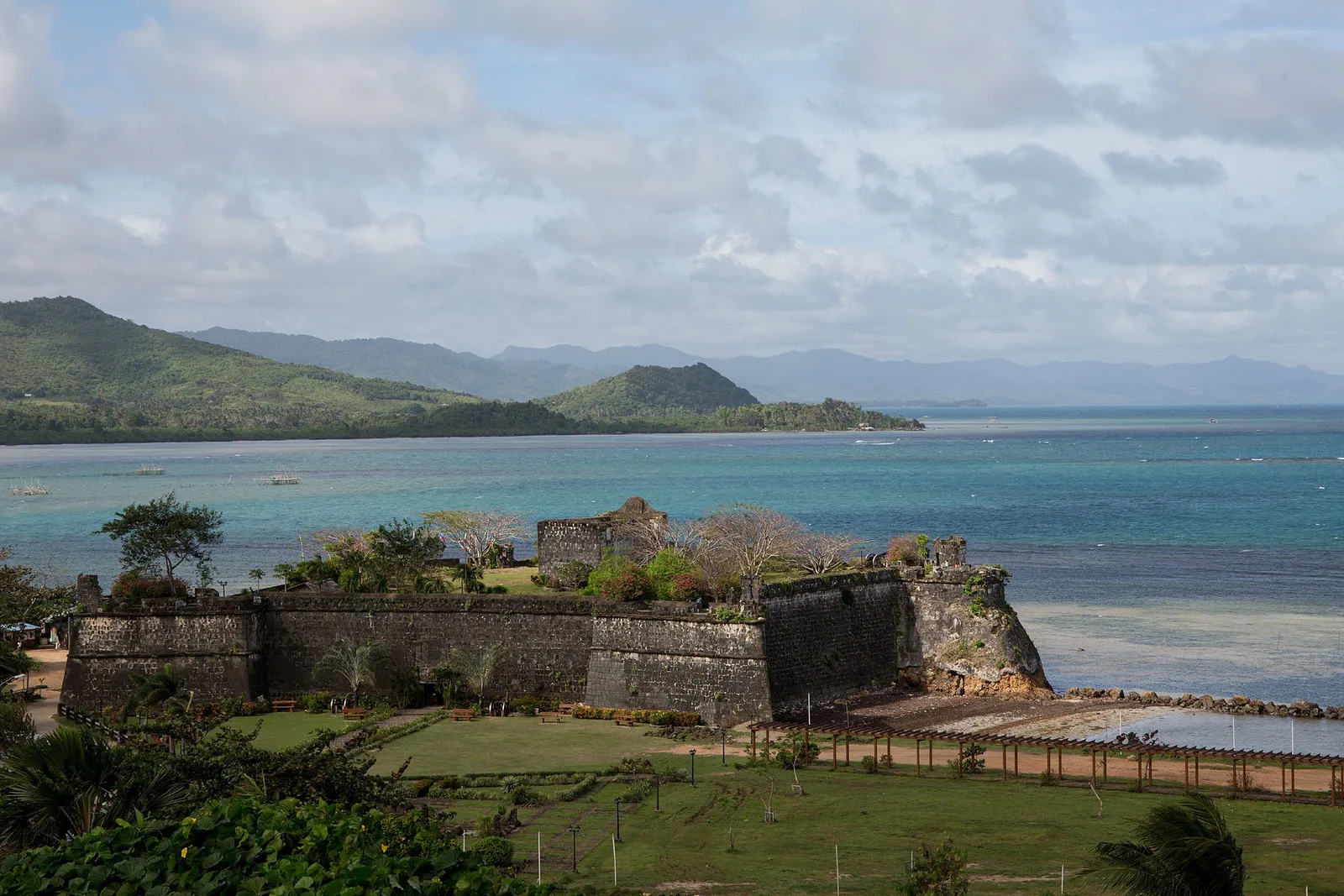
The fort was originally named Fuerza de Santa Isabel de la Paragua. Construction began under Spanish rule in the 1660s, and the structure served as a military outpost for the colonial government. The main goal was to protect the Taytay mission and the pearl trade routes that passed through the Sulu Sea. Muslim raiders from the south were a constant threat during this period, and the fort gave the Spanish and local converts a place to defend themselves. The walls were built from coral stone and lime, materials that were common along the Palawan coast. Over the centuries, the fort changed hands several times and suffered damage from weather, neglect, and conflict. Restoration work in the 20th and 21st centuries has stabilized the ruins and made the site safer for visitors.
The National Historical Commission of the Philippines recognizes the fort as a National Cultural Treasure. This status means it is protected under national heritage laws and cannot be altered without proper approval. The site includes the main fortress, a small chapel, the remains of the barracks, and the old cannon platforms. Several cannons are still on display along the walls, some original and some added during later periods. The chapel inside the fort is still used for small religious events, and its walls contain fragments of old plaster and brick. The history is not always well-marked on plaques, so a local guide or a good travel book is useful if you want to understand the details. The Pana Palawan Desk has compiled the timeline from NHCP reports and local sources.
Architecture and Layout of the Fort
The fort follows a four-bastion design typical of Spanish colonial coastal forts in the Philippines. Each corner has a triangular bastion that allowed soldiers to fire along the walls without blind spots. The main gate faces the town, and a smaller postern once opened toward the sea. The walls are thick and sloped to absorb cannon fire and to resist the pounding of tropical storms. The interior courtyard is compact, and you can walk the full perimeter in about 15 minutes. Steps lead to the upper ramparts, where the cannons point out over Taytay Bay. The stonework has a warm, bleached color, and the coral blocks are clearly visible in places where the plaster has fallen away. The view from the top includes the bay, the town rooftops, and the green hills inland.
Near the entrance, a small museum room displays old photographs, maps, and artifacts found at the site. The collection is modest, but it gives context to the structure. There are no air-conditioned galleries or interactive displays. The experience is more about the physical space and the view than about polished exhibits. The chapel is the most intact building inside the walls. Its stone walls and wooden beams are simple, and the altar area is small. Visitors who are interested in colonial military architecture will find the layout easy to understand. The contrast between the rough stone and the blue water behind it is the main visual draw. Bring a camera, but also bring patience, since the fort rewards slow observation more than quick snapshots.
Where the Fort Sits in Taytay
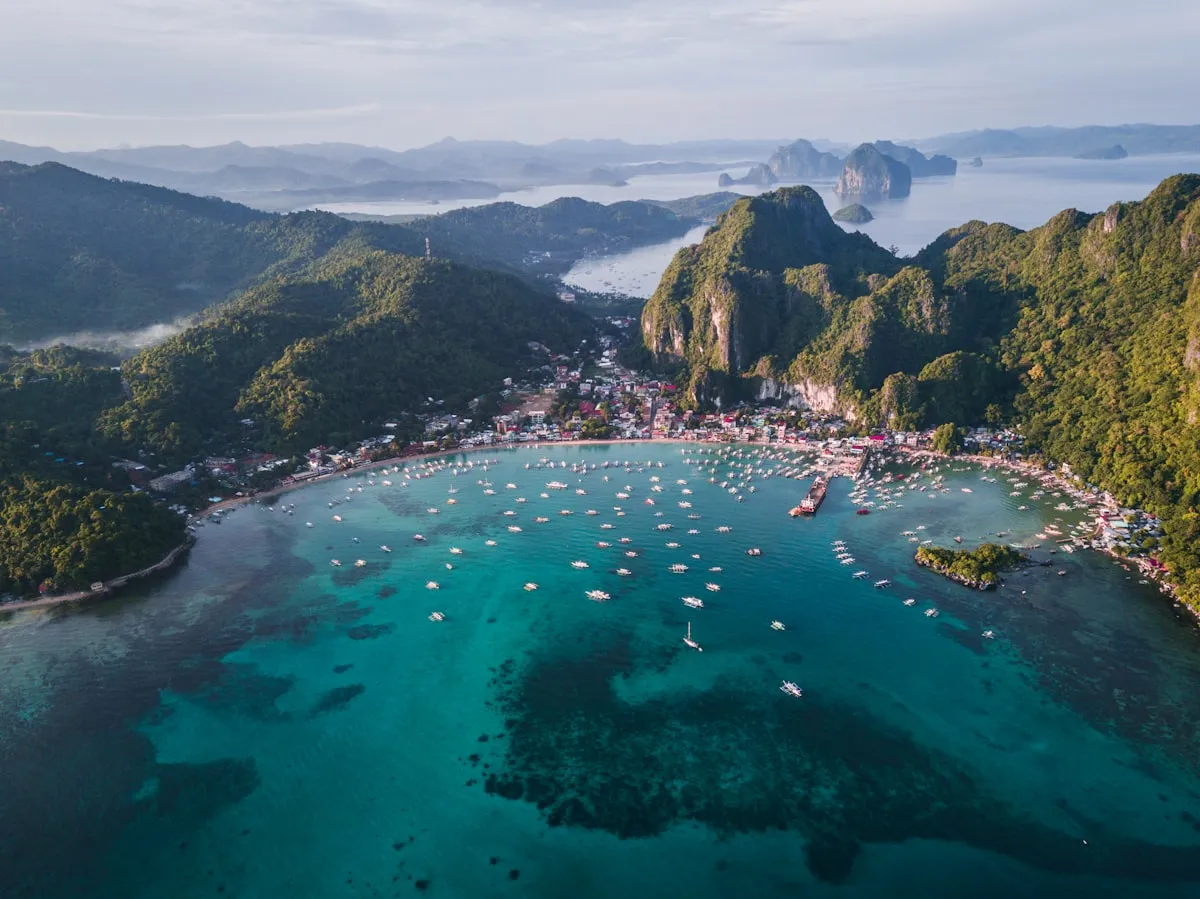
Taytay is the capital of the municipality of the same name in northern Palawan. It sits on the western side of Taytay Bay, about 215 kilometers north of Puerto Princesa and about 80 kilometers south of El Nido. The town has a population of around 75,000, and it serves as a hub for fishing, farming, and small-scale trade. The fort is on a low hill just above the municipal hall and the public market. You can see the structure from several streets in the town center. The hill is not high, but it is steep enough to give the fort a commanding position. A concrete staircase leads from the town proper to the main gate, and the climb takes five to ten minutes. Elderly visitors and small children may find the steps tiring, so take breaks if needed.
The town of Taytay has a relaxed pace compared to El Nido. The streets are quiet in the afternoon, and the waterfront is lined with fishing boats. The public market is a good place to see the local catch, including grouper, tuna, and shellfish. Across the bay, the islands of the Malampaya Sound area create a layered horizon. On clear days, the water is a calm blue, and the view from the fort is excellent. The evening is the best time to watch the sun set behind the hills to the west. The town also has several small eateries and a few guesthouses. It is not a resort town, but it is a useful base for exploring the northern interior of Palawan.
How to Get to Fort Santa Isabel
The most common route is from Puerto Princesa. A van or shuttle to Taytay takes five to six hours and costs PHP 500 to PHP 700. The road is paved for most of the way, but the last section can be rough, especially during the rainy season. Buses are cheaper, at PHP 350 to PHP 500, but they take longer and make more stops. From El Nido, a van south to Taytay takes two to three hours and costs PHP 300 to PHP 500. From Coron, you can take a boat to El Nido and then continue by van, or you can look for a direct boat to Taytay, which costs PHP 1,000 to PHP 1,500 and runs depending on the weather. There is no airport in Taytay, so all visitors arrive by land or sea.
Once in Taytay, a tricycle from the bus or van terminal to the fort costs PHP 20 to PHP 40. If the driver waits while you visit, the round trip may cost PHP 100 to PHP 150. The fort is close enough to the town center that you can also walk from most guesthouses. If you are staying near the public market or the municipal hall, the walk takes 10 to 15 minutes on mostly flat streets. Some tour operators in El Nido offer day trips to Taytay that include the fort, a town tour, and a lunch stop. These packages start at PHP 1,500 to PHP 2,500 per person, depending on the group size and inclusions. Independent travel is cheaper, but a guided tour gives more context about the fort's history.
Entrance Fees and Other Costs
Entrance to the fort is usually free or costs a small donation of PHP 20 to PHP 50. Some years, the local government has charged a heritage fee of PHP 20 to help with maintenance, but the amount can change. A local guide at the entrance may ask for PHP 200 to PHP 300 for a 30 to 45 minute tour. The fee is optional, but it supports the community and gives you a better understanding of the site. The museum, when open, may request a small donation of PHP 10 to PHP 20. Photography is allowed, and there is no drone fee as of 2026, but you should ask the caretaker before flying. Drones can disturb the quiet of the site and the town below.
Accommodation in Taytay costs PHP 800 to PHP 2,500 per night, depending on the type of room and the season. Budget rooms with a fan are on the lower end, while air-conditioned rooms and small hotels are on the higher end. Meals in town range from PHP 80 to PHP 200. A full day of exploring Taytay, including the fort, the market, a seafood lunch, and a tricycle tour, can be done for PHP 1,000 to PHP 1,500 per person. If you are combining Taytay with El Nido or Puerto Princesa, add the long-distance transport to your budget. Cash is preferred, and ATMs are limited, so bring enough pesos. Some larger hotels accept cards or digital payments, but small eateries and tricycles do not.
What to See and Do at the Fort
Start at the main gate and read the small sign that explains the fort's history. Then walk the ramparts to see the cannons and the view of the bay. Look for the old chapel and the stone walls that show the original coral construction. If the museum is open, spend 10 to 15 minutes looking at the maps and photographs. The cannons on the walls are the most photographed feature, especially when the sky is clear. Many visitors sit on the wall for a photo, but be careful because the drop is steep and there is no railing in some places. The afternoon is the best time for photography, since the sun lights the bay from the west. The morning is better if you want softer light and fewer people.
Beyond the fort, the town of Taytay has a few other points of interest. The public market is a good place to see local life and buy fresh seafood. The pier offers views of the fishing boats and the nearby islands. On some days, you can negotiate a boat ride to a small island in the bay for PHP 500 to PHP 1,000, depending on the distance and the number of passengers. The water around Taytay is calm in the dry season, and the islands are less crowded than the ones near El Nido. If you have an extra day, consider a trip to the freshwater lakes or caves in the municipality's interior. These require more planning and a guide, but they show a side of Palawan that few tourists see.
Best Time to Visit
Taytay has a tropical climate with a dry season from November to May and a wet season from June to October. The best months to visit the fort are January to April, when the skies are clear and the roads are in better condition. February and March are especially good because the humidity is lower and the rice fields around Taytay are green. The rainy season can make the steps to the fort slippery, and the museum may close during heavy storms. Typhoon risk is low in Palawan compared to other parts of the Philippines, but tropical depressions can still bring rain and strong winds from June to October. Always check the forecast at https://bagong.pagasa.dost.gov.ph before you travel.
The fort is open from early morning to late afternoon, usually from 8:00 AM to 5:00 PM. Visiting in the first hour after opening gives you the quietest experience. Midday can be hot because the walls reflect the sun, and there is little shade. Late afternoon is beautiful for sunset views, but the site may close before the sun fully sets. If you want sunset photos from the hill, ask the caretaker about the closing time and whether you can stay at the viewing area outside the gate. Some days the site closes early for maintenance or town events, so it helps to ask your guesthouse or the municipal hall for the current schedule.
Safety and Conservation Rules
Fort Santa Isabel is a protected heritage site. Do not carve, paint, or chip the stones. Climbing on the cannons or the fragile walls is not allowed. The ramparts have no guardrails in many places, so keep children close and stay away from the edges. The stones can be uneven and loose, so watch your footing, especially after rain. Wear closed shoes instead of flip-flops. The museum artifacts should not be touched. If you see litter or damage, report it to the caretaker or the municipal tourism office. The local government and the National Historical Commission of the Philippines work together to maintain the site, and visitor cooperation is important for long-term preservation.
The town of Taytay is generally safe, but normal travel precautions apply. Keep your belongings close in the market and near the pier. Tricycle drivers are honest, but agree on the fare before you start the ride. Bring bottled water, since the climb and the heat can be tiring. There is a small health center in Taytay, but serious medical issues require transfer to Puerto Princesa or Roxas. If you have a medical condition, bring your medication and tell your guide or host. In case of an emergency, the local police and barangay officials can be reached through the municipal hall. The Department of the Interior and Local Government at https://dilg.gov.ph provides guidance on local governance and public safety.
Taytay and the Larger Palawan Route
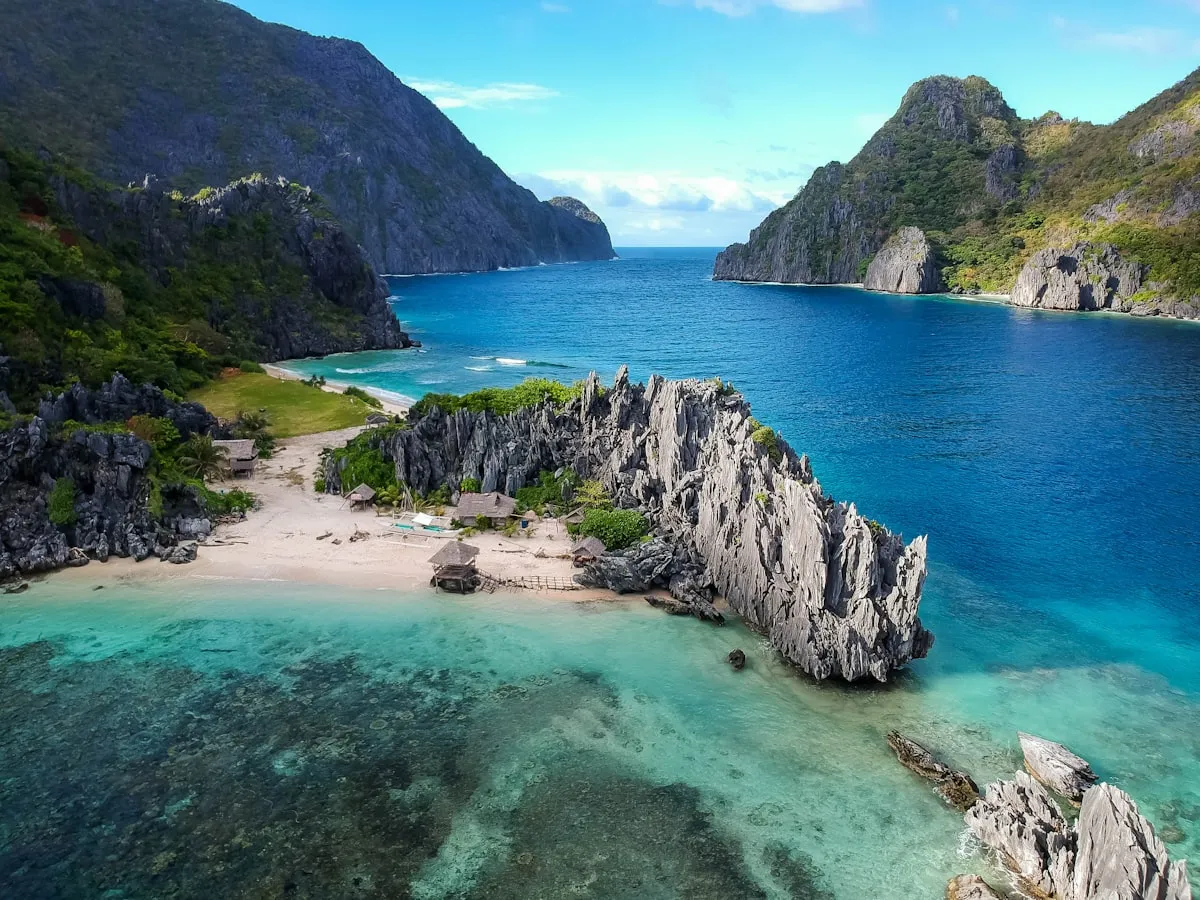
Many travelers pass through Taytay on the way between Puerto Princesa and El Nido. The town is a natural halfway point, and it breaks up the long van ride. Staying one night in Taytay lets you visit the fort in the evening and the market in the morning. If you have more time, you can use Taytay as a base for visiting the islands and coves of Taytay Bay. These are less developed than El Nido but offer similar limestone scenery. Boat tours can be arranged at the pier for PHP 1,000 to PHP 2,000, depending on the route and the number of people. The area is also known for its cashew nuts and dried fish, which make good gifts.
The road north from Taytay to El Nido passes through the towns of Roxas, El Nido-bound villages, and the coast. The scenery is a mix of rice fields, forest, and small bays. Along the way, you may see the Malampaya Sound, a large inlet that is important for fishing and gas production. The sound is the source of the Malampaya natural gas project, which supplies power to Luzon. The industrial area is closed to tourists, but the natural scenery around it is still impressive. If you are driving north, plan for a lunch stop in Taytay before continuing to El Nido. The journey is long, and the fort is a good reason to stretch your legs and learn some history.
Frequently Asked Questions
Is Fort Santa Isabel open every day?
Yes, usually from 8:00 AM to 5:00 PM, but hours can change for maintenance or town events. Ask your guesthouse or the municipal hall for the current schedule, especially during holidays.
Do I need a guide to visit the fort?
A guide is not required, but a local guide costs PHP 200 to PHP 300 and adds valuable historical context. The guide can point out features that are easy to miss, such as the chapel details and the original cannon mounts.
Can I take a day trip from El Nido to Fort Santa Isabel?
Yes. The van ride from El Nido to Taytay takes two to three hours, and the fort visit can be done in one to two hours. A full day trip can include the fort, the market, and a seafood lunch before returning to El Nido.
How much does it cost to visit the fort?
The entrance fee is usually free or PHP 20 to PHP 50. Add PHP 20 to PHP 50 for a museum donation and PHP 200 to PHP 300 if you want a guide. Transport within Taytay is PHP 20 to PHP 40 by tricycle.
Is the fort wheelchair accessible?
Not fully. The climb includes stairs and uneven stone surfaces. Elderly visitors and small children may need assistance. Viewing the lower courtyard is possible for some visitors with mobility limits, but the ramparts require stairs.
What should I wear to the fort?
Wear comfortable shoes with grip, light clothing, and sun protection. The stones can be hot and slippery. Bring a hat, water, and a small bag for your trash. Modest dress is appropriate because the site includes a chapel.
Sources and Official References
Last reviewed 2026-08-25. Written by the PANA.PH Palawan Desk and reviewed by PANA Editorial. Prices and schedules reflect 2026 rates and may change depending on season and availability.