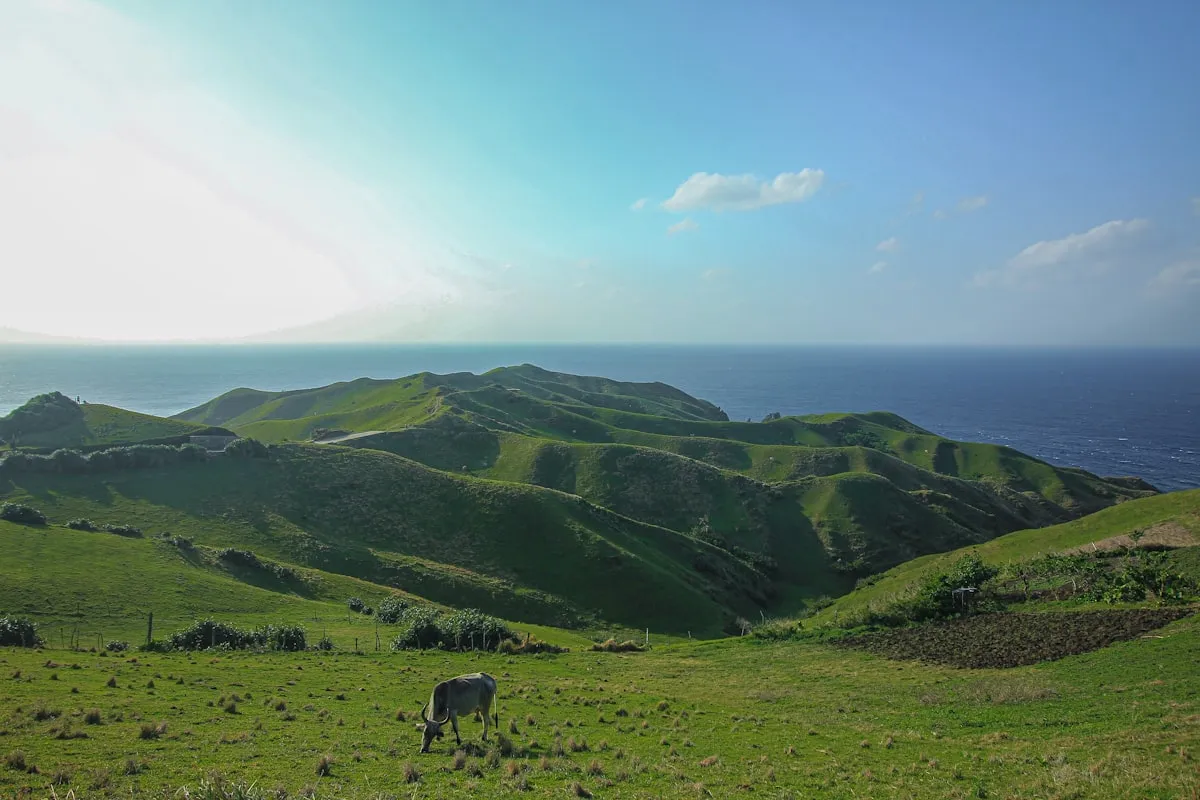
The first time you throttle out of a sleepy island town on a rented scooter - palm shadows flickering across the road, salt air rushing past, a roadside stall selling grilled corn just ahead - you understand why so many travelers say this is the real Philippines. No bus timetable, no tour van, no waiting. Just you, a full tank, and a coastline that unspools for hours. Renting a scooter is the best way to explore the islands, but it comes with a learning curve, a few honest risks, and a couple of scams worth knowing before you hand over your passport. Here is the complete, no-sugarcoating guide for 2026.
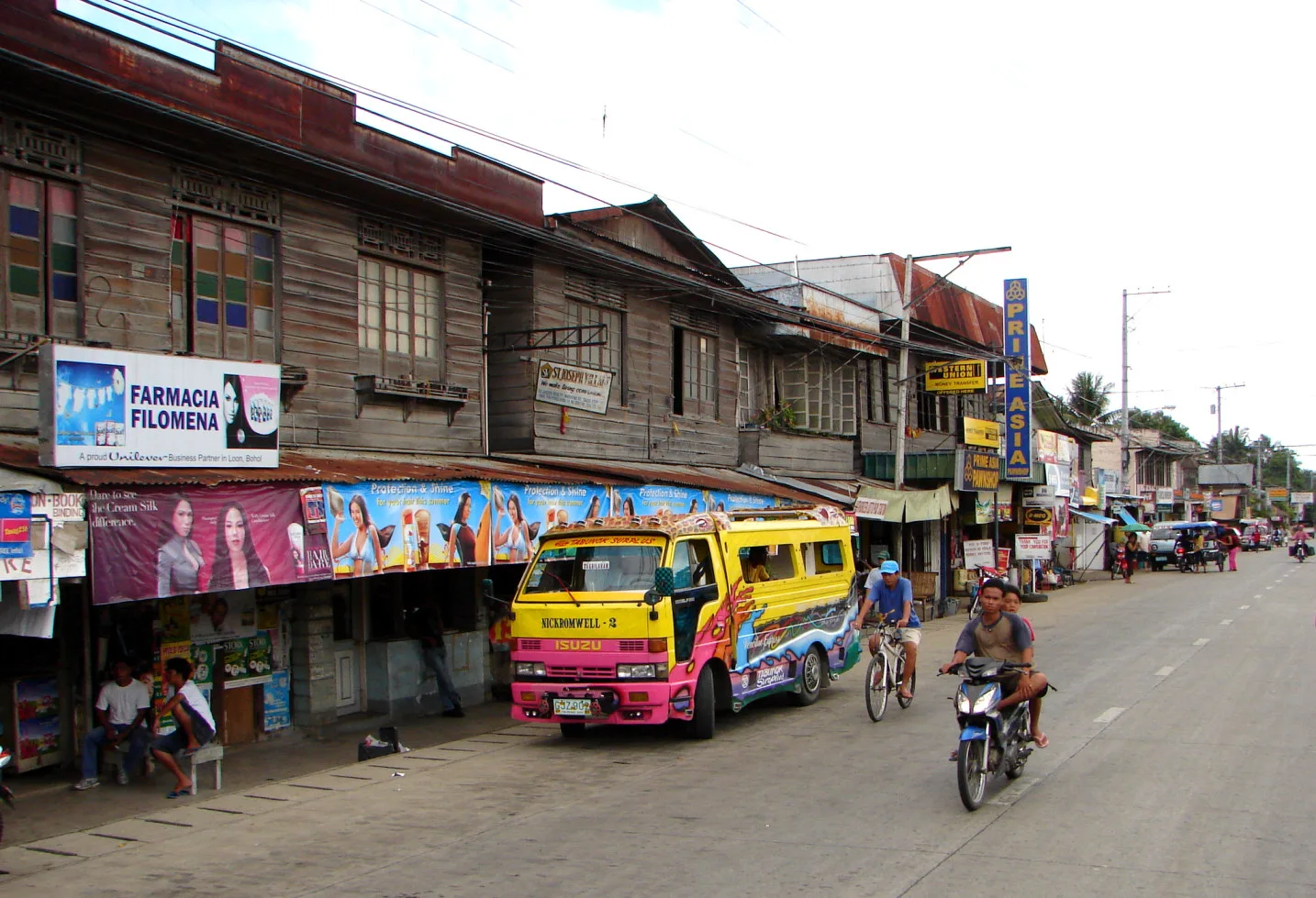
Renting a Scooter in the Philippines: 2026 Guide
Getting there & around#renting a scooter philippines#motorbike rental philippines#scooter hire siargao#philippines road trip#island travel tips#philippines driving guide
Trip.com
Search on Trip.comHotels in Philippines
Compare live prices via Travelpayouts — targeted for this guide.
Why a Scooter Is the Best Way to See the Islands
Philippine islands are made for two wheels. Roads are narrow, distances are short, and the best spots - a hidden lagoon, a cliff viewpoint, a lunch shack no tricycle driver will find - live at the end of unmarked turns. A scooter turns a rigid day tour into your own adventure. The classic riding islands:
- Siargao - loop roads through rice fields and coconut forest to Cloud 9, Magpupungko, and Sugba Lagoon. See our Siargao guide.
- Bohol - the Chocolate Hills, the Loboc River, and the tarsier sanctuary string together on smooth provincial roads. More in the Bohol guide.
- Siquijor - a single 72 km coastal ring you can circle in a relaxed day, waterfalls and marble beaches all the way. Start with the Siquijor guide.
- Camiguin - tiny, volcanic, and gorgeous, with hot and cold springs a short ride apart. See the Camiguin guide.
- Palawan - great for El Nido and Port Barton hops, though main highways here carry more traffic.
Typical Daily Rental Prices
Prices vary by island, season, and how new the bike is, but here is the honest 2026 range for a standard 110-125cc automatic scooter:
- Standard daily rate: PHP 350 to 500 (about USD 6 to 9) per day.
- Tourist-heavy spots (Siargao, El Nido): PHP 500 to 700 (USD 9 to 12) in high season.
- Weekly deals: often PHP 2,500 to 3,500 (USD 45 to 62) - always ask, the discount is real.
- Bigger or newer bikes (150cc, semi-auto): PHP 600 to 900 (USD 11 to 16) per day.
- Helmet rental: usually included; a second helmet may cost PHP 50 (USD 1) extra.
Fuel is separate and cheap. Booking directly with a local shop is almost always cheaper than a resort desk.
Trip.com
See all tours in Philippines on Trip.comTours & activities in Philippines
Hand-picked experiences in Philippines — book on Trip.com with instant confirmation.


What You Actually Need: License and the IDP Reality
Legally, to drive in the Philippines you need a valid driver's license from your home country plus an International Driving Permit (IDP) that specifically covers motorcycles. That is the letter of the law.
The honest reality of enforcement: many island shops will hand you a scooter after only a quick look at your passport, and plenty of travelers ride for weeks without an IDP. But an IDP protects you in three ways that matter - it smooths over police checkpoints, it can decide an insurance claim, and if you crash without the correct license you may be personally and financially liable. Get it before you travel. It is cheap, takes minutes at home, and removes a lot of downside. Ride only what your license class permits.
The Rental Process and the Passport Trap
The typical flow: find a shop, agree on a daily rate, sign a simple contract, and leave a deposit. Here is the part to slow down for - many shops ask to hold your passport as the deposit. Avoid this if you can.
- Offer a cash deposit or a passport photocopy instead - many shops accept it if you ask firmly and politely.
- If they insist on the passport, that is a red flag for a shop that may hold it hostage over an invented scratch. Walk to the next rental.
- Never leave your passport with a shop you have not vetted through reviews.
- Keep a photo of your passport on your phone and a printed copy in your bag.
Inspect and Photograph Before You Ride
This is the single most important habit, because the most common island scam is the fake damage claim: you return the bike and are suddenly charged for a scratch that was already there. Beat it before you leave the shop:
- Walk the whole bike with the owner and film a slow video plus close-up photos of every panel, mirror, and the seat.
- Note existing dents and scratches on the contract in writing, and have the owner initial it.
- Test the brakes, lights, horn, indicators, and fuel gauge before you leave.
- Photograph the odometer and fuel level, and keep everything until your deposit is safely back.
If a dispute happens, that timestamped video is your best defense.
Helmets, Checkpoints, and Those Roadside Fines
Helmets are mandatory by law for both rider and passenger - wear one every single time, not just for the police but because head injuries are the leading cause of serious motorbike harm. Police checkpoints are common, especially near town entrances.
Most checkpoints are routine: a wave-through or a quick license check. Occasionally an officer may point to a technicality and suggest an on-the-spot fine. Stay calm and polite, keep your documents ready, and ask for an official receipt for any legitimate fine. Your IDP and helmet remove most of the leverage. Never ride bare-headed to save a few seconds - it is the easiest ticket you will ever get.
Fuel, Gears, Roads, and Riding Safe
Most travelers rent a twist-and-go automatic scooter, the right call for beginners - no gears, no stalling, easy in flip-flops. Semi-automatic and manual bikes are fun on hills, but skip them unless you already ride. For fuel, petrol stations exist in towns; fill up before long rural loops. In remote areas you buy gasoline by the bottle or liter from roadside stalls - look for glass bottles or an Unleaded sign. Expect roughly PHP 65 to 75 (USD 1.15 to 1.35) per liter, and a scooter sips it - a full tank easily covers a day of exploring.
The Philippines drives on the right side of the road, same as the US and most of Europe, so orientation is easy. The hazards are less about which side and more about what is on the road:
- Dogs, chickens, and goats wander onto roads without warning - ease off the throttle through villages.
- Sand and gravel on coastal bends can slide your front wheel; brake before the corner, not in it.
- Rain makes painted lines and manhole covers slick, and afternoon downpours arrive fast - pull over and wait it out.
- Potholes and washed-out patches hide on otherwise good roads; scan ahead constantly.
- Night riding is the biggest risk - unlit roads, no reflective animals, drunk drivers. Be back before dark whenever you can.
Wear closed shoes, cover your legs, carry water, go slow, and never ride after drinking. Most bike injuries happen to travelers who felt overconfident on day one.
Insurance and Scratches
Basic rental agreements rarely include real insurance, so you are usually liable for damage - which is why the pre-ride inspection matters so much. For anything serious - a crash, a hospital visit, theft - a proper travel insurance policy that covers motorbike use is essential; many policies exclude riding unless you hold a valid motorcycle license and IDP. Read the fine print, keep your documents in order, then go get lost down the right side road and enjoy the best kind of freedom the islands offer. For more, browse our travel blog.
Frequently Asked Questions
Do I really need an International Driving Permit to rent a scooter?
Legally yes - you need your home license plus an IDP that covers motorcycles. In practice many shops rent on just a passport, but riding without an IDP can void your insurance and leave you liable after an accident. Get one before you travel; it is cheap and quick.
Is it safe to leave my passport as a deposit?
It is best avoided. Offer a cash deposit or a photocopy instead. Leaving your passport gives a dishonest shop leverage to invent damage charges. If a shop refuses any alternative, consider renting elsewhere.
How much does a scooter cost per day?
Expect PHP 350 to 500 (USD 6 to 9) per day for a standard automatic, more in tourist hotspots and high season. Weekly rentals often drop to PHP 2,500 to 3,500 (USD 45 to 62). Fuel is separate and inexpensive.
Which side of the road do they drive on?
The Philippines drives on the right side of the road, the same as the US and most of continental Europe, so orientation feels natural for many visitors. The real challenge is animals, sand, and rain, not the side.
What should I do before I ride off?
Film a full walk-around video and photograph every scratch, note existing damage on the contract, test the brakes, lights, and horn, and check the fuel level. This simple habit protects you from the most common island scam - the fake damage claim on return.

PANA.PH Editorial Team
Philippines travel desk
The PANA.PH travel desk researches, books and re-checks Philippines travel logistics — fares, ferry schedules, government fees and permit rules — and publishes what it can verify.
🏡 Real local stays (book direct)
Hand-picked homestays and guesthouses — book direct, no markup.
Browse all local stays →
🌊 Popular activities (book instantly)
Island hopping, canyoneering, whale sharks — real Klook/GetYourGuide options.
View all activities →