Singapore sits on the edge of the Coral Triangle — the most biodiverse marine region on Earth, covering the waters of Indonesia, Malaysia, the Philippines, Papua New Guinea, Solomon Islands, and Timor-Leste. Singaporeans who have snorkeled in Tioman, the Perhentian Islands, or Nusa Penida already understand what genuinely exceptional tropical marine life looks like. They are not easily impressed. Which is why the Philippines keeps impressing them.
Best Snorkeling in the Philippines for Singapore Travellers (2026)
Trip.com
Search on Trip.comHotels in Philippines
Compare live prices via Travelpayouts — targeted for this guide.
Philippine waters contain over 500 coral species and more than 2,000 species of reef fish. The archipelago sits at the heart of the Coral Triangle, not on its edge. Its biodiversity per square kilometre of reef is among the highest on the planet. More importantly for snorkelers — as opposed to divers — many of the most spectacular sites are in shallow water accessible without a tank. Sea turtles at 2 metres depth. Whale sharks at the surface. Sardine tornadoes visible from the surface. The Philippines is a snorkeling destination on a global shortlist, and from Singapore it is a 3.5-hour flight away.
Here are the ten best snorkeling spots in the Philippines for Singapore travellers, ranked for a combination of marine life quality, ease of access from Singapore, and overall travel experience.
Top 10 Snorkeling Spots in the Philippines
1. Apo Island (Negros Oriental) — Sea Turtles Guaranteed
Apo Island is arguably the single best snorkeling destination in the Philippines for Singapore travellers who want a guaranteed sea turtle encounter. The island is a marine sanctuary where fishing has been banned since 1985. The result: one of the most pristine reef ecosystems in Southeast Asia and a resident green and hawksbill turtle population so accustomed to human presence that they swim past you at arm's length without flinching. Visibility reaches 20–30 metres. Coral coverage is dense and healthy — brain corals the size of sofas, sea fans stretching two metres across, and schools of bumphead parrotfish that make a sound like someone chewing gravel. From Singapore, fly to Dumaguete (Cebu Pacific via Cebu, or AirAsia direct from Singapore), then take a 30-minute banca from Malatapay market to Apo Island. Day trips from Dumaguete are available, or stay overnight on the island at one of the small guesthouses for a two-day full immersion. Best months: March through May and October through December.
Trip.com
See all tours in Philippines on Trip.comWhale shark watching in Philippines
Hand-picked experiences in Philippines — book on Trip.com with instant confirmation.
2. Moalboal Sardine Run (Cebu) — The Most Spectacular Marine Spectacle You Will Ever See
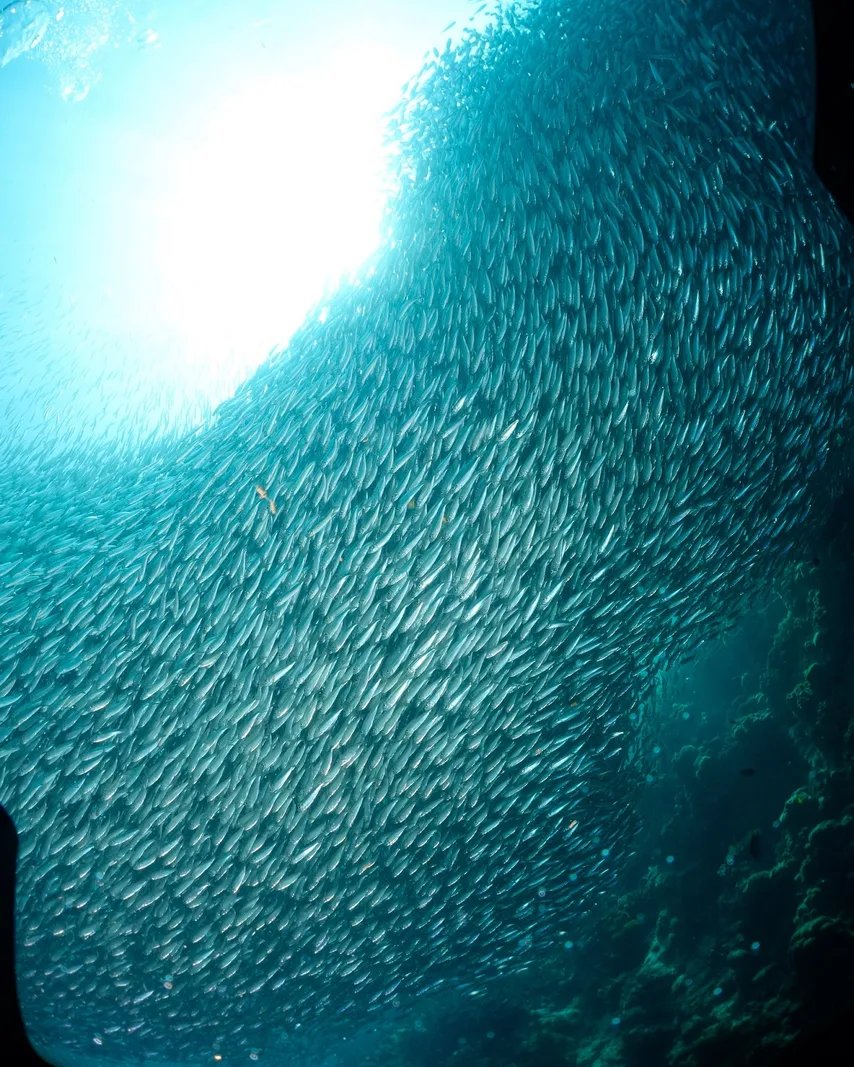
What happens at Panagsama Beach in Moalboal defies easy description. Tens of millions of sardines — literally tens of millions — gather in a constantly shifting, tornado-shaped column just off the beach, in water as shallow as 5 metres. You do not need a boat. You walk off the beach, swim 50 metres, and you are inside a living cyclone of silver. The column rotates and shifts, occasionally opening to swallow you entirely in fish. It is disorienting, extraordinary, and unlike anything else in Southeast Asia. Thresher sharks and jacks hunt the edges of the sardine bait ball, visible from the surface. From Singapore, fly to Cebu (3 hours, direct with Cebu Pacific or AirAsia), then take a 2-hour bus or car transfer south to Moalboal. The sardines are present year-round but most concentrated from April through July.
3. El Nido Lagoons (Palawan) — Snorkeling Inside a Cathedral
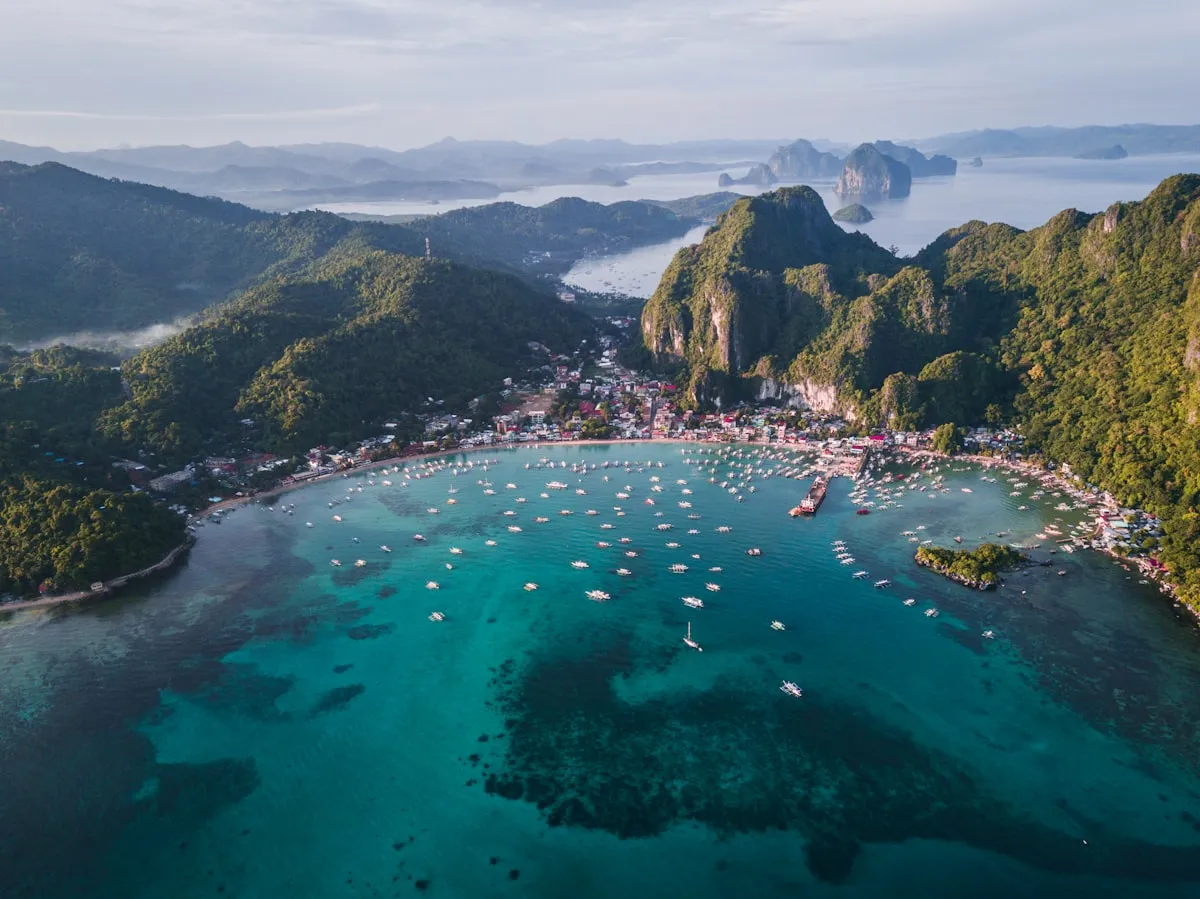
The famous El Nido lagoons — Big Lagoon, Small Lagoon, and the various hidden beaches of Bacuit Bay — are as spectacular for snorkelers as they are for paddlers and swimmers. The coral gardens inside the lagoons are healthy and varied: giant clams, schools of parrotfish, damselfish clouds over staghorn coral, and the occasional sea turtle grazing on seagrass in the shallows. The extraordinary visual context — limestone cliffs rising 100 metres overhead while you float in turquoise water — makes this the most photogenic snorkeling setting in the Philippines. Bring an underwater camera or a waterproof phone case. Snorkeling gear is provided on all island hopping tours (Tour A and Tour C are the best for snorkeling). From Singapore, fly to Puerto Princesa or direct to El Nido via Air Swift. Best months: November through May (avoid June–October when seas are rough).
4. Coron Twin Lagoon (Palawan) — Freshwater Meets Saltwater
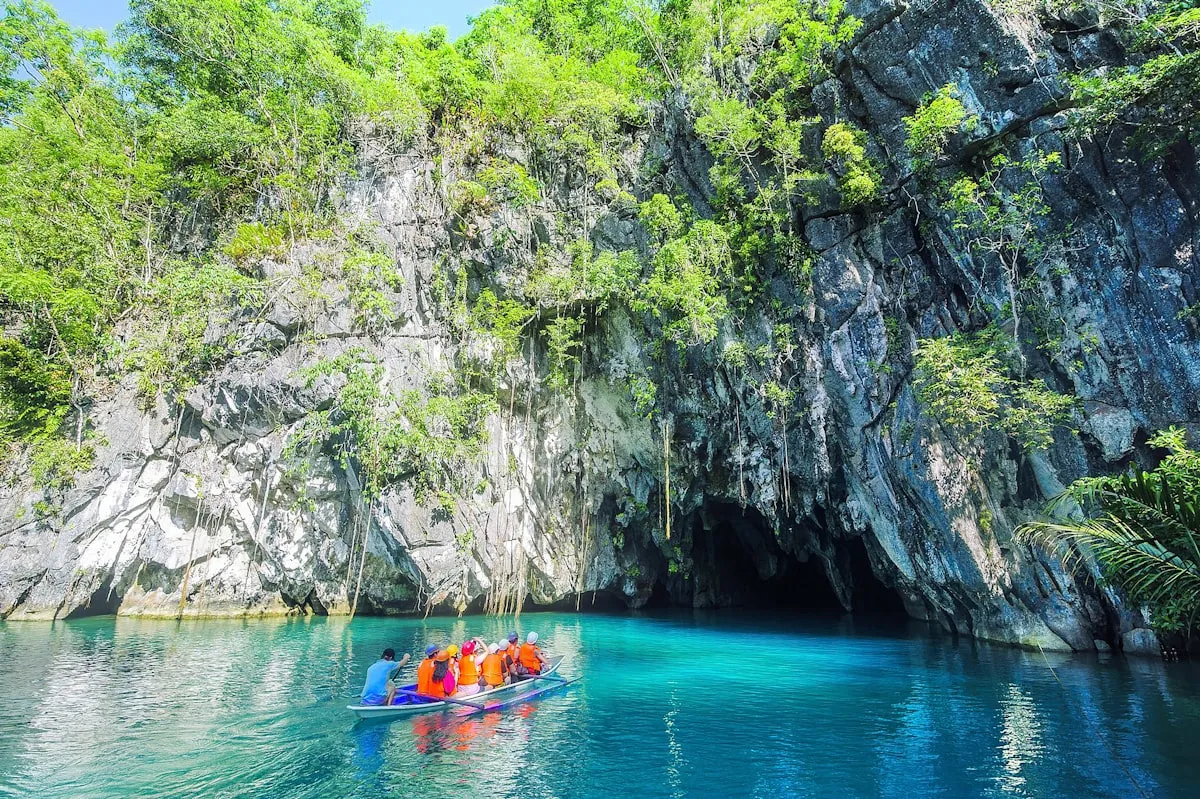
Coron's Twin Lagoon is a geological anomaly: a saltwater lagoon connected to a freshwater lake by a narrow underwater passage, creating a thermocline visible to the naked eye — a shimmering, wavy line where warm freshwater sits above cold saltwater. Swim through the underwater rock arch to enter the inner lagoon, where warm fresh water at the surface transitions to cooler salt water below, and the visibility in both layers is extraordinary. The outer lagoon has healthy coral gardens. Coron also has the best wreck diving in the Philippines (Japanese WWII ships sunk in 1944), several of which are shallow enough for snorkeling over the top superstructure. From Singapore, fly to Busuanga (USU) via Manila on Cebu Pacific, or fly to Manila and take Air Swift to Coron. Best months: October through May.
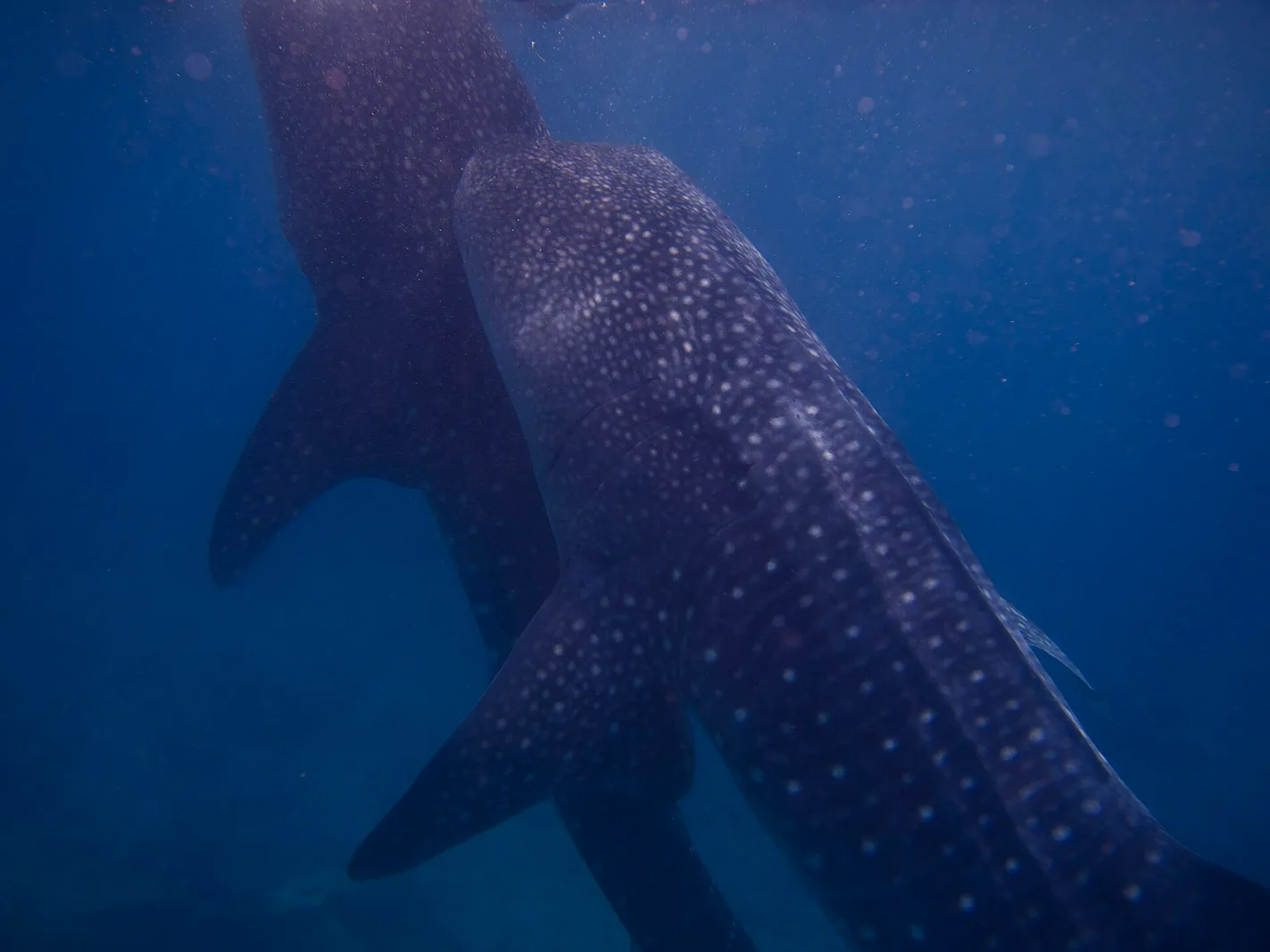
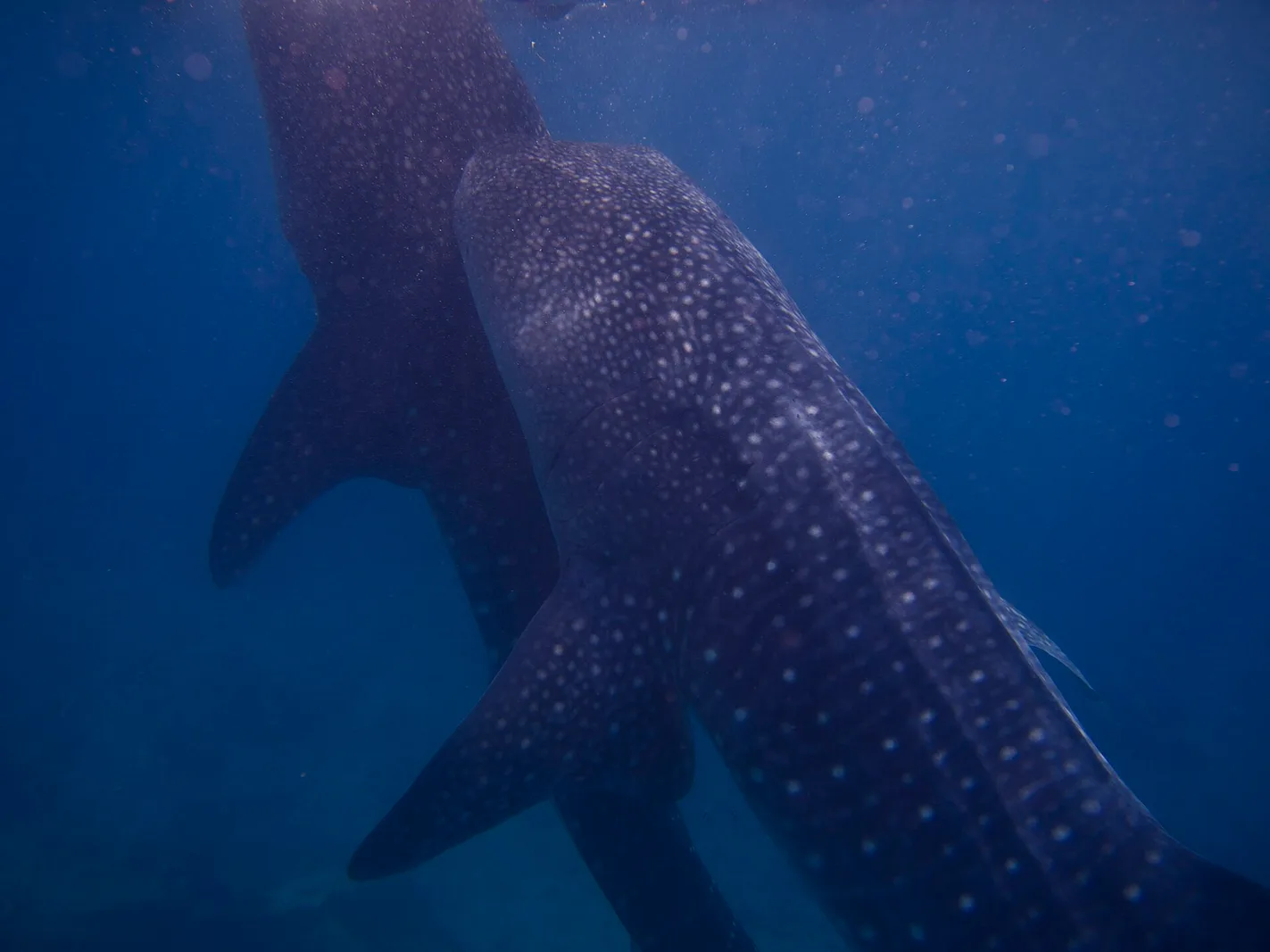
5. Oslob Whale Sharks (Cebu) — The Biggest Fish in the Sea
Oslob is the most controversial entry on this list, and it deserves an honest appraisal. A small fishing community in southern Cebu feeds whale sharks daily to bring them close to the surface for tourist interaction. The result is predictable: you will see whale sharks, at close range, in shallow water, guaranteed. The experience is undeniably exciting — a 7–10 metre whale shark drifting 2 metres below you is a visceral, humbling encounter. The ethical concern is that hand-feeding wildlife alters natural behaviour, keeps the sharks localised and dependent, and the interaction gets crowded during peak hours. The way to engage responsibly: go early (the feeding starts at 6am — book the first slot), follow the 4-metre distance rule strictly, do not touch or block the sharks, and spend time observing the animal rather than taking selfies. For Singapore travellers who want to see whale sharks and cannot make the Tubbataha or Donsol trips, Oslob is the pragmatic choice. From Singapore, fly to Cebu, then take a 3-hour car or bus transfer to Oslob. Year-round, but best March through May.
6. Mantigue Island (Camiguin) — Small Island, Massive Marine Life
Mantigue is a tiny, uninhabited island sanctuary off the coast of Camiguin, itself one of the most undervisited islands in the Philippines. The marine sanctuary around Mantigue has been protected for decades and shows it: the reef is remarkably intact, with enormous coral formations, abundant fish life, and sea turtles that frequent the island. The snorkeling is accessible to all levels — shallow reef gardens on the west side of the island are ideal for beginners, while the drop-off on the north side offers more dramatic terrain for stronger swimmers. Camiguin itself is a volcanic island with cold springs, waterfalls, and a sunken cemetery visible through the water at certain tides. From Singapore, fly to Cagayan de Oro (CGY) via Cebu, then take a van to Balingoan (2 hours) and a ferry to Camiguin (1 hour). An underrated itinerary: 4 days in Camiguin, 2 days in Siargao.
7. Gato Island (Cebu) — Whitetip Sharks and Sea Snakes
Gato Island is not for the faint-hearted. This protected island marine sanctuary near Malapascua in northern Cebu is famous for its sea snake colonies — banded yellow-lipped sea kraits nest in the island's caves in large numbers, and they swim through the water in groups that require a certain composure to enjoy. They are not aggressive (sea kraits feed on fish eggs in crevices and have no real motivation to bite divers or snorkelers), but they are present in numbers that feel confrontational until you acclimatise. The reef around Gato is excellent and the experience of being surrounded by sea snakes in 5 metres of water is genuinely unlike anything else in Southeast Asia. From Singapore, fly to Cebu, then take a bus or van north to Maya (3 hours) and a banca to Malapascua (30 minutes), then arrange a boat to Gato Island through any dive shop on Malapascua. Best March through October.
8. Balicasag Island (Bohol) — Turtle Sanctuary and Wall Diving
Balicasag is a tiny island off the coast of Panglao, Bohol, surrounded by a marine sanctuary that has been well-managed for decades. Sea turtles are abundant and approachable in the sanctuary shallows — the turtle-watching experience here rivals Apo Island and is more accessible from the popular Panglao beach resort strip (a 45-minute banca ride from Alona Beach). The deeper waters around Balicasag have dramatic wall drop-offs where snorkelers can peer over the edge into the blue abyss, watching schools of jacks and barracuda circling below. Black tip reef sharks occasionally cruise the outer reef. The combination of turtles, healthy coral, and big pelagic action makes Balicasag one of the most complete snorkeling experiences in the Visayas. From Singapore, fly to Cebu, then take a fast ferry to Tagbilaran (2 hours) or a short domestic flight, then a bus or van to Alona Beach. Best November through May.
9. Boracay Crystal Cove — Caves, Coral, and Calm Water
Crystal Cove Island, just off the south coast of Boracay, is a day-trip destination that offers a different experience to the busy White Beach scene. The island has two connected sea caves — one freshwater, one saltwater — accessible by swimming through, and the surrounding reef has healthy coral gardens with good fish diversity. The water clarity on calm days is excellent, with visibility to 15+ metres. It is not the most spectacular snorkeling in the Philippines, but it is excellent for Boracay visitors who want to add marine life to a beach holiday. Entry fee applies (PHP 150–200 per person), boats depart from White Beach Station 1. Best October through May — Crystal Cove is accessible when White Beach's west-facing shore is calm.
10. Siargao Rock Pools and Outer Reef — Surfers Know the Secret
Most people associate Siargao with surfing, not snorkeling. But the outer reef that creates the Cloud 9 wave also hosts extraordinary marine life on its calm, landward side. Siargao's rock pools at low tide reveal miniature ecosystems — nudibranchs, mantis shrimp, juvenile fish in every shape — that reward slow, curious observation. The bay between the Cloud 9 boardwalk and Dako Island has coral gardens in 3–8 metres of water, accessible by renting a kayak or bangka from General Luna. Sea turtles graze the seagrass beds in this bay regularly. No tour operators promote this as a snorkeling destination, which means you often have it entirely to yourself. Bring your own mask and fins from Singapore (Decathlon in Singapore sells excellent-quality entry-level snorkel sets for SGD 25–40 — far better value than rentals anywhere in Siargao).
Gear: Bring Your Own vs. Renting
Snorkel gear rental is available at virtually every beach tourism destination in the Philippines, typically PHP 100–200 (SGD 2–4) for mask, snorkel, and fins per session. The quality ranges from adequate to terrible — poorly fitting masks that leak, snorkels with no dry-top valve, and fins that are either too big or too small are the norm for rental gear. For Singapore travellers, the calculation is simple:
- Decathlon Singapore (Kallang Wave or any branch) sells: A decent silicone-seal mask and dry-top snorkel combination for SGD 25–35. Fins (short travel fins, not full-length) for SGD 20–30. Total kit: SGD 45–65 for gear that fits properly, does not leak, and can be packed in a carry-on bag flat.
- If you snorkel twice on a 5-day trip, you have already covered the cost of buying your own gear vs. renting. And your mask will fit.
- Prescription masks: Decathlon also sells prescription snorkel masks (fixed diopter lenses) from SGD 40–80. If you wear glasses, this is non-negotiable — trying to snorkel with a rental mask while severely shortsighted is a miserable experience.
Pack your mask, snorkel, and short fins flat in your carry-on. They weigh under 1 kg. Your snorkeling experience will be dramatically better than with any rental gear.
Reef Safety and Responsible Snorkeling
Filipino reefs have suffered from decades of blast fishing, cyanide fishing, coral bleaching, and anchor damage. The sites on this list survive precisely because they have active community protection — marine sanctuaries policed by local bantay dagat (sea wardens) and in some cases formal government protection. As a visitor, you are a direct participant in the reef's future through your behaviour.
- No touching coral. Ever. Coral is a living animal. One touch from a fin or a hand breaks polyps that took years to grow and can cause infection that kills surrounding coral. Hover above the reef, do not rest on it, do not hang on to coral formations. This is the single most important rule.
- Reef-safe sunscreen only. Conventional sunscreens containing oxybenzone, octinoxate, and octocrylene are toxic to coral larvae at concentrations as low as parts per trillion. Several Philippine marine sanctuaries (including Bacuit Bay in El Nido) now explicitly ban non-reef-safe sunscreen. Use mineral sunscreen (zinc oxide or titanium dioxide-based) from Singapore before you go. Brands: Raw Elements, Stream2Sea, All Good, and Decathlon's own brand in Singapore. Apply 20–30 minutes before entering the water so it absorbs into your skin rather than washing off directly onto the reef.
- Fins and buoyancy control. Poor fin technique destroys more coral than almost anything else. Swim horizontally, keep your fins up, and do not kick downward. If you are not a strong swimmer, ask your boat operator for a life jacket or buoyancy aid — it is a sign of self-awareness, not weakness, and it will stop you from accidentally sinking feet-first onto the reef.
- Do not feed the fish. Feeding fish disrupts natural feeding behaviour and can cause aggressive behaviour toward other snorkelers. The exception — Oslob whale shark feeding — is a commercial operation that is a separate ethical consideration.
Jellyfish Season Notes
Box jellyfish (Chironex species) are present in Philippine waters and their stings can be serious. Peak season for jellyfish in the Visayas and Palawan is roughly May through August, coinciding with warmer nearshore water temperatures. Before snorkeling anywhere, ask your boat operator or local resort about current jellyfish conditions — they know, and they will tell you. A stinger suit (thin full-body lycra suit) provides meaningful protection against minor jellyfish contact and is worth packing if you plan to snorkel daily. Available from Decathlon Singapore from SGD 25. Moon jellyfish (common, non-dangerous), box jellyfish (rare but dangerous), and lion's mane jellyfish (uncomfortable sting, not life-threatening at typical sizes) are the main species to be aware of. If stung by a box jellyfish, exit the water immediately and apply vinegar (not freshwater, which activates undischarged nematocysts); seek medical attention for significant stings.
Combining Snorkeling with a PADI Dive Certification
If you snorkel regularly and have considered learning to scuba dive, the Philippines is one of the best places in the world to get your PADI Open Water certification. PADI Open Water courses run 3–4 days and are available at dive shops on Moalboal, Apo Island (Dumaguete), Malapascua, El Nido, Coron, Siargao, and Boracay. Course costs run PHP 12,000–22,000 (approximately SGD 260–480) including all equipment, instruction, and certification fees — significantly cheaper than taking the same course in Singapore (typically SGD 600–900). The Philippine dive environment means you are doing your qualifying dives on genuine reefs with real marine life, not in a murky harbour. Many Singapore divers got their certification in the Philippines for exactly this reason.
Whale Shark Etiquette: A Note
The Philippines has two main whale shark interactions: Oslob (fed) and Donsol in Sorsogon (wild aggregation, seasonal). Donsol is the ethical choice — wild whale sharks are encountered by banca with a spotter, no feeding, no corralling. The season runs roughly December through May. From Singapore, fly to Legazpi in Bicol (Cebu Pacific via Manila or Cebu) then van to Donsol (1.5 hours). The encounter is not guaranteed — it is a wild animal — but when it happens, you are watching a whale shark hunt naturally at the surface. The contrast with Oslob is stark. Budget travellers and those short on time use Oslob; travellers with an ethical baseline and a few extra days use Donsol. Both are worth knowing about. Neither permits touching, riding, or blocking the shark's path — these rules are Philippine law, not just guidelines.
Frequently Asked Questions
What is the best snorkeling in the Philippines for beginners?
Apo Island, Balicasag, and the El Nido lagoons are the best beginner snorkeling experiences. All three have calm, sheltered water, shallow reefs accessible without strong swimming ability, and experienced boatmen who know the safe entry and exit points. Apo Island and Balicasag are best for turtles; El Nido is best for the visual drama of the limestone landscape combined with coral. For absolute beginners who have never snorkeled before, Balicasag from Alona Beach is the most logistically forgiving — short boat ride, shallow protected reef, and Panglao has good accommodation infrastructure nearby if you need extra days to build confidence.
When is the best time to snorkel in the Philippines?
For most of the Philippines (El Nido, Coron, Apo Island, Balicasag, Boracay), November through May during the dry season (Amihan) offers the best snorkeling conditions — calm seas, excellent visibility (often 15–30 metres), and minimal rain. For Siargao and Moalboal sardines, conditions are good year-round with June through October being particularly good for the sardine bait ball. For whale sharks at Oslob, year-round. For wild whale sharks at Donsol, December through May. If visiting during Philippine wet season (June–October) from Singapore, choose east-facing or southern destinations (Siargao, Camiguin, Davao's Samal Island) which are sheltered from the southwest monsoon and maintain good snorkeling conditions.
Do I need to be able to dive to enjoy Philippines snorkeling?
Not at all. The Philippines is exceptional for snorkelers precisely because so much of its extraordinary marine life is accessible in very shallow water. Green turtles at Apo Island come into 2-metre depth. The Moalboal sardine run is at the surface. El Nido lagoons are best experienced by snorkeling and swimming, not diving. Whale sharks at Oslob are on the surface. None of these require scuba equipment. A good fitting mask, a snorkel, and the ability to swim comfortably in open water are sufficient for 8 of the 10 spots on this list. The only spots where diving adds significantly to the experience are Gato Island (the sea snake caves go deeper) and Coron (for the wrecks below snorkeling depth).
Is it safe to snorkel alone in the Philippines?
Snorkel with a buddy or in a group, always. Philippine waters have currents that can be deceptively strong — particularly around island passages, during tidal changes, and near open water drop-offs. Most organised island hopping and snorkeling tours include a bangka crew member in the water or watching from the boat. If you are free snorkeling from a beach independently, follow standard open water swimming safety: snorkel with at least one other person, tell someone your plan and expected return time, and stay within easy swimming distance of your anchor point. Life vests or buoyancy aids are available on all commercial boats and are not embarrassing — use one if you are uncertain about your swimming stamina in open water.
What should I bring from Singapore for snorkeling in the Philippines?
The essential kit list from Singapore: your own mask and snorkel (Decathlon, SGD 25–35 for a decent combo set), short travel fins if you have them (optional but useful for stronger currents at sites like Apo Island), reef-safe mineral sunscreen (zinc oxide-based, available at Decathlon and Cold Storage), a dry bag for your phone (SGD 8–20 depending on size), and a rash guard or stinger suit for sun and jellyfish protection. Underwater cameras: a waterproof phone pouch (SGD 5–15 on Shopee) is sufficient for casual photos, while a GoPro or similar action camera significantly upgrades your video quality for the sardine run and turtle encounters. Leave the selfie stick behind — it is a reef-touching hazard in a crowd.

PANA.PH Editorial Team
Philippines travel desk
The PANA.PH travel desk researches, books and re-checks Philippines travel logistics — fares, ferry schedules, government fees and permit rules — and publishes what it can verify.
🏡 Real local stays (book direct)
Hand-picked homestays and guesthouses — book direct, no markup.
Browse all local stays →
🌊 Popular activities (book instantly)
Island hopping, canyoneering, whale sharks — real Klook/GetYourGuide options.
View all activities →