One of the world's great underwater destinations
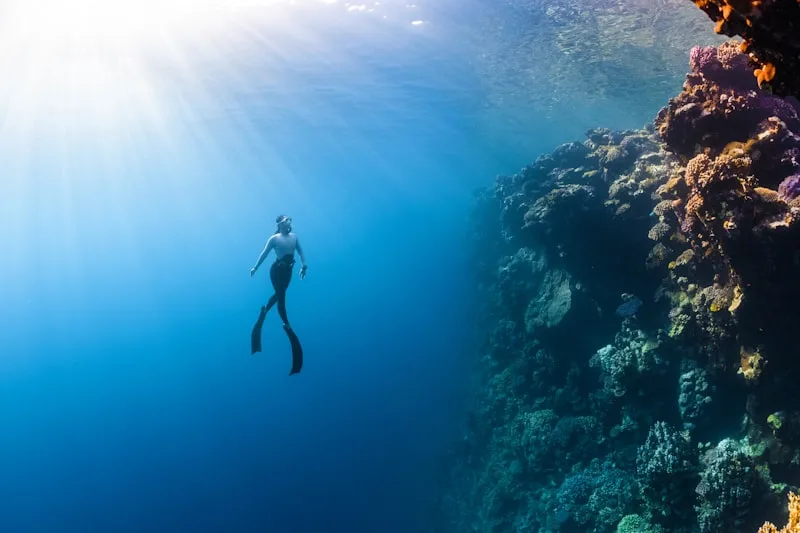
The Philippines sits at the heart of the Coral Triangle, the global centre of marine biodiversity, and its warm, clear seas hold some of the richest reefs, walls and wrecks on the planet. Whether you are a certified diver chasing thresher sharks and WWII wrecks or a snorkeller drifting over turtles and sardines, the country delivers world-class encounters, often just off the beach.
Top diving and snorkelling spots
Coron and Moalboal
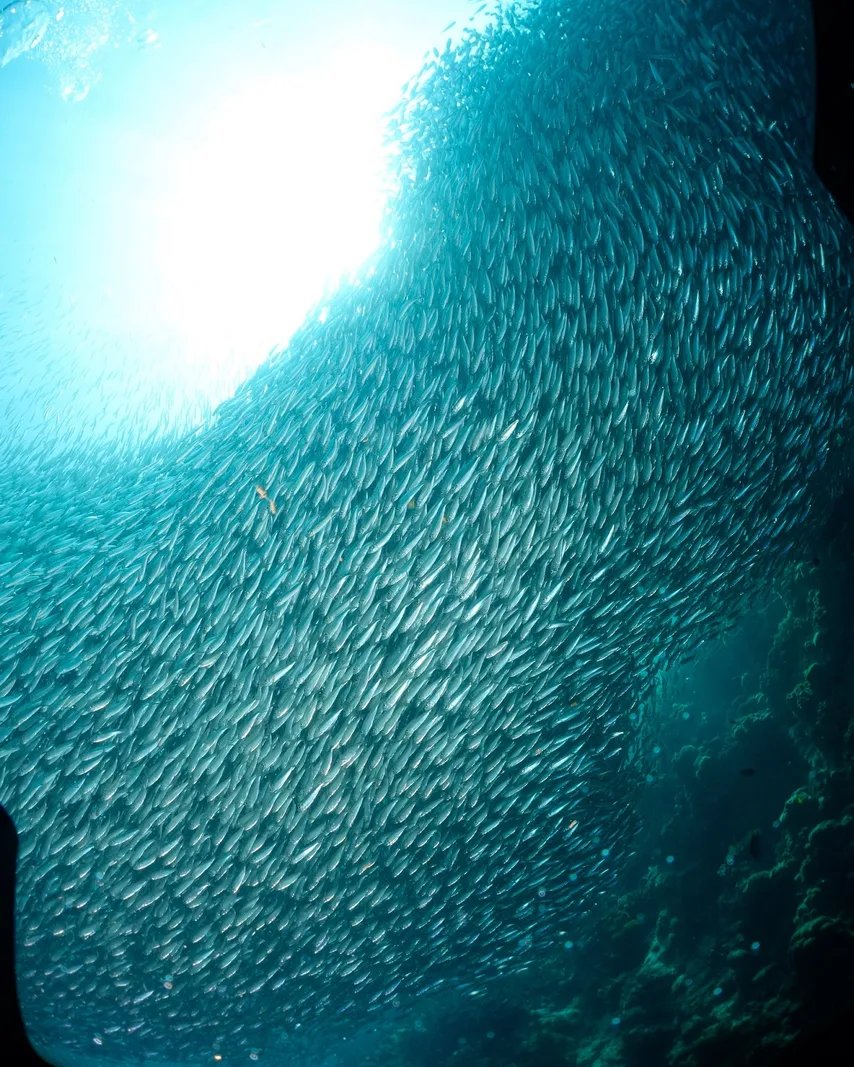
Coron's WWII shipwrecks make it one of Asia's premier wreck-diving destinations, with several wrecks shallow enough for snorkellers. Moalboal in Cebu offers the year-round sardine run, turtles and reef walls, all accessible from shore.
Tubbataha, Apo and Malapascua
The remote Tubbataha Reefs Natural Park (a UNESCO site, reached by liveaboard from March to June) is the country's diving jewel. Apo Island near Dumaguete is famous for turtles, and Malapascua is the world's most reliable place to see thresher sharks at dawn.
Snorkelling for everyone
You do not need to dive to experience the magic. Snorkellers can swim with the Moalboal sardines, meet turtles at Balicasag and Apo, glimpse the Coron wrecks, and drift over coral gardens across the islands. Life vests and gear are provided on most tours, making it accessible even for non-swimmers.
Responsible and safe underwater
Protect the reefs by using reef-safe sunscreen, never touching or standing on coral, and keeping a respectful distance from marine life. Dive with reputable, well-equipped operators, respect your certification limits, and check conditions before heading out. Marine-park fees fund conservation - pay them gladly.
When to go
The dry season (December to May) brings the calmest seas and best visibility across most of the country, with Tubbataha liveaboards running March to June and Malapascua's thresher sharks visible year-round. Water is warm all year, so a thin wetsuit or rash guard is usually enough.
Frequently asked questions
Where is the best diving in the Philippines?
Top spots include Coron for WWII wrecks, Tubbataha Reefs (a UNESCO liveaboard destination, March to June) for pristine walls and pelagics, Malapascua for thresher sharks, Apo Island and Balicasag for turtles, and Moalboal for the sardine run. The country sits in the Coral Triangle, so reef life is exceptional almost everywhere.
Can you snorkel without knowing how to dive?
Absolutely. Many of the Philippines' best experiences - the Moalboal sardine run, turtles at Balicasag and Apo, shallow Coron wrecks and countless coral gardens - are accessible to snorkellers straight from the surface. Life vests and gear are provided on most tours, so even non-swimmers can take part with support.
Is the Philippines good for beginner divers?
Very much so. Warm, calm, clear water and abundant dive schools make it a superb place to learn, with certification courses widely available in Moalboal, Panglao, Puerto Galera and beyond. Beginners can enjoy easy reef and shore dives, while gradually working up to walls, drift dives and eventually wrecks.
When is the best time to dive in the Philippines?
The dry season from December to May offers the calmest seas and best visibility across most regions. Tubbataha is only accessible by liveaboard from March to June, while Malapascua's thresher sharks and Moalboal's sardines are present year-round. Water stays warm all year, so exposure protection is minimal.
Do I need to worry about protecting the reefs?
Yes - reef conservation matters. Use reef-safe sunscreen, never touch, stand on or take coral, maintain good buoyancy, and keep a respectful distance from turtles and other marine life. Pay marine-park and environmental fees, which fund protection, and choose operators with responsible practices. Small habits keep these ecosystems thriving.
What marine life can you see in the Philippines?
An incredible variety: green and hawksbill turtles, the Moalboal sardine baitball, thresher and reef sharks, whale sharks, dugongs (in Coron), colourful reef fish, nudibranchs, and vibrant hard and soft corals. As the heart of the Coral Triangle, the Philippines has some of the richest marine biodiversity on earth.
Plan your trip with PANA.PH
Ready to turn the Philippines underwater into a real itinerary? Browse our tours and activities for guided island hopping, canyoneering, diving and day trips, compare places to stay, and read more destination guides on the PANA.PH blog. From Coron wrecks to Moalboal sardines and Balicasag turtles, our snorkelling and diving tours open up the reef.
The best Philippine trips come together when the big pieces are booked early - flights between islands, the headline tours, and rooms in peak season - while the small pleasures are left to discover on the ground. Travel in the dry season (roughly late November to May) for the calmest seas and clearest skies, carry enough cash for island fees and local eateries, and always keep a buffer day in case the weather reshuffles a boat trip. A little planning around the seasons and the logistics turns a good holiday into a great one.
PANA.PH gathers the best of the Philippines in one place - handpicked tours from trusted local operators, honest guides written to help rather than sell, and practical tips drawn from real island travel - so you can spend less time organising and more time actually exploring. Whether you are chasing beaches, reefs, waterfalls, food or culture, use the links above to shape your route, then book with confidence and let the islands take care of the rest.