Contents
- 1What a Boracay Island Hopping Tour Actually Is
- 2The 2018 Closure: The Most Important Recent Event
- 3Geology: Why the Sand Is So White
- 4The Ati: Boracay's Indigenous Heritage
- 5Ecology and Ethical Snorkeling
- 6Seasons: Amihan vs Habagat
- 7How to Get There
- 8Real Fees and What It Costs
- 9What to Bring
- 10Honest Caveats
- 11Conclusion
Boracay is a 10-square-kilometre sliver of limestone and white sand off the northwest tip of Panay in the Western Visayas, and for most visitors the single best way to understand it is from the water. A Boracay island hopping tour with snorkeling stitches together the calm leeward coves, offshore reefs and beaches that you simply cannot reach on foot. This guide goes well beyond the brochure: what each stop actually offers, the geology behind that famous flour-white sand, the indigenous Ati history of the island, the landmark 2018 closure that reshaped tourism here, and the honest, practical detail you need to plan a trip that respects both your budget and the reef.
Hotels in Philippines
Compare live prices via Travelpayouts — targeted for this guide.
What a Boracay Island Hopping Tour Actually Is
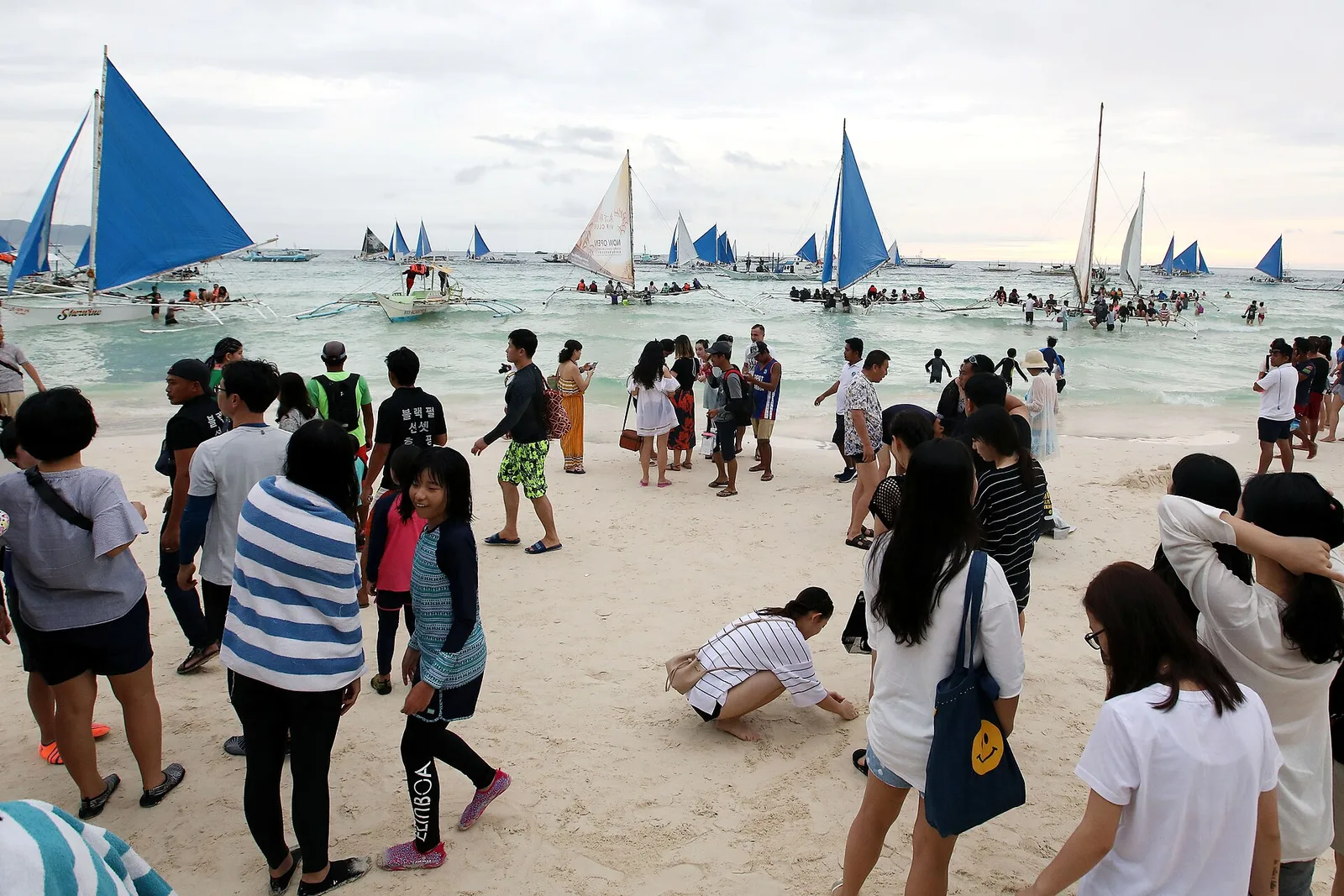
The classic tour is a half-day or full-day trip aboard a paraw (the traditional double-outrigger sailboat) or a motorised bangka. Operators bundle a fixed loop of stops, basic snorkeling gear, and often a buffet lunch or fresh-fruit break. The standard circuit covers Crystal Cove Island, Puka Shell Beach, Crocodile Island, and Magic Island, with a snorkeling stop over a coral patch and frequently a paraw sail along White Beach at sunset. Boats depart mostly from the Station 1 and Station 3 stretches of White Beach, or from Tambisaan and Diniwid for calmer launches in rough weather.
Crystal Cove Island (Tibiao / Laurel Island)
Crystal Cove is a privately developed islet a short hop from Boracay, known for two sea caves that open onto the water and a manicured network of cliff paths, viewpoints and swimming decks. It charges its own landing fee (commonly around PHP 200) on top of your tour price. It is less about wild snorkeling and more about photogenic coves, rock formations and a controlled, family-friendly swim area. The caves flood and drain with the swell, so footing can be slick.
Puka Shell Beach (Yapak Beach)
On the wilder northern tip, Puka Beach is roughly 800 metres of coarser, golden-white sand studded with the small puka shells that were strung into necklaces and exported worldwide in the 1970s. It faces the open sea, so the surf is stronger and the vibe is quieter and more natural than White Beach. There are a handful of vendors but little development, which is precisely the point.
Island hopping in Philippines
Hand-picked experiences in Philippines — book on Trip.com with instant confirmation.
Crocodile Island
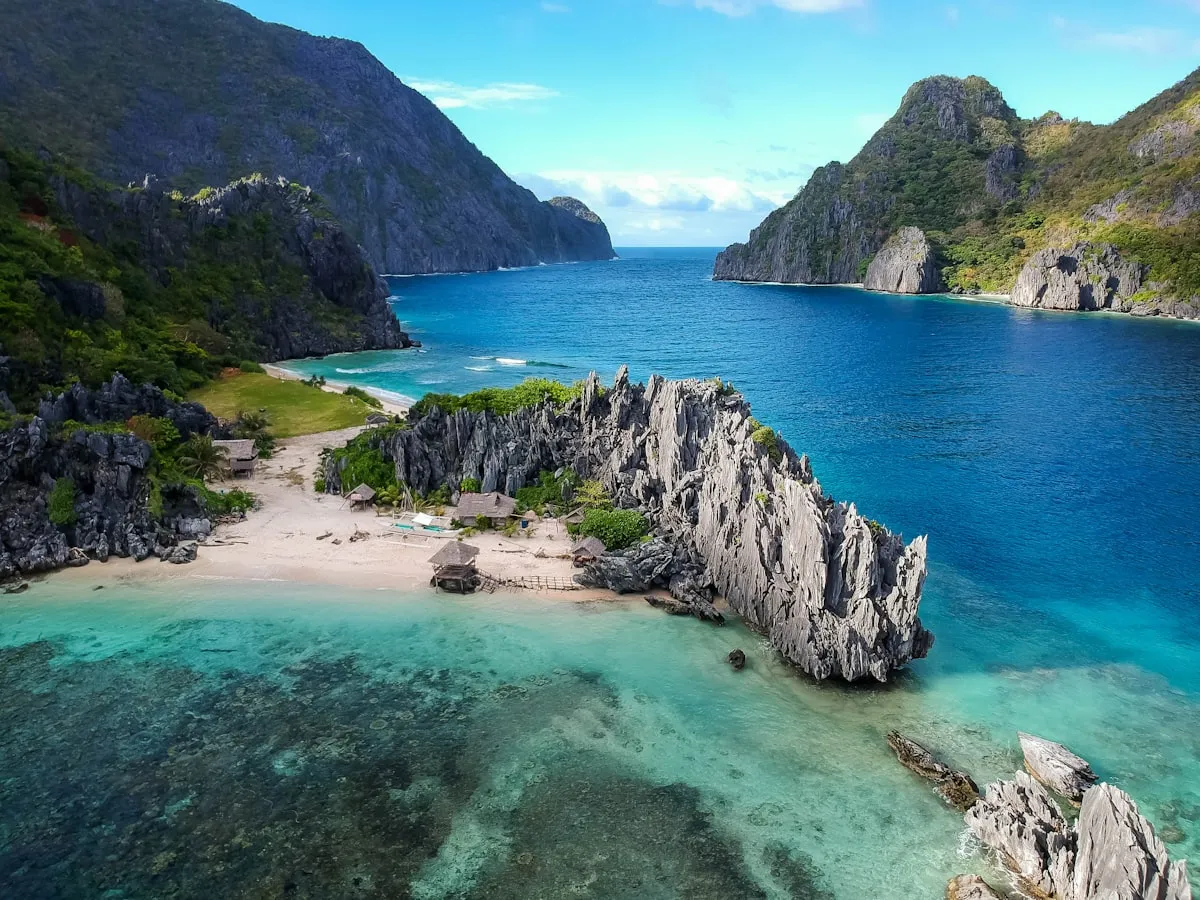
Despite the name, there are no crocodiles. The rocky islet off the southeast coast simply resembles a basking croc in profile. Its real value is underwater: the sloping reef here is one of the better accessible snorkeling sites near Boracay, with reasonable visibility, hard and soft corals, sea urchins, parrotfish, wrasse and the occasional turtle. Currents can run strong around the point, so this is a stop where a life vest and staying near the boat matter.
Magic Island
Magic Island is a privately run cliff-diving and adventure platform with tiered jump points (typically from a few metres up to around 12 metres), zip features and a bar. It carries a separate entrance fee. It is optional adrenaline rather than reef snorkeling, and you can skip it if you are travelling with small children or simply want a calmer day.
The 2018 Closure: The Most Important Recent Event
You cannot understand modern Boracay without the six-month closure of 2018. In February that year, President Rodrigo Duterte publicly called the island a "cesspool," citing untreated sewage discharged into its turquoise waters. From 26 April to 25 October 2018, the government closed Boracay to tourists for a full rehabilitation. During those six months authorities demolished structures built illegally within the mandated easement (the 25 metre-plus no-build zone from the shoreline and along wetlands), dismantled or relocated establishments dumping directly into the sea, widened the main road, and overhauled the drainage and sewerage backbone.
The reopening came with hard rules that still shape your visit today: a cap on tourist numbers, a ban on beachfront parties, fire dancing and floating bars on the main beach, prohibitions on smoking, drinking and single-use plastics on the sand, and the removal of permanent watersports and structures from the beach itself. The result is a noticeably cleaner, quieter, more regulated Boracay than the pre-2018 free-for-all. Some travellers miss the old party energy; ecologically and aesthetically, the water and sand are unquestionably better for it.
Geology: Why the Sand Is So White
Boracay's signature is the four-kilometre arc of White Beach, and its near-blinding whiteness is a matter of chemistry, not bleach. The sand is overwhelmingly carbonate, derived from pulverised coral, the calcareous skeletons of marine organisms, and crushed shell, ground down over millennia by wave action. Crucially, it has very little quartz or volcanic content, so it stays a fine, pale, almost powdery white and, because carbonate sand reflects rather than absorbs heat, it stays comfortable underfoot even at midday. The island's bedrock is largely uplifted limestone and coralline rock, which is also why you see the karst caves and jagged formations at Crystal Cove and Crocodile Island.
The Ati: Boracay's Indigenous Heritage
Long before resorts, Boracay was home to the Ati, an Indigenous Negrito people who are among the earliest inhabitants of Panay and the wider Visayas. As tourism boomed, the Ati were progressively displaced from ancestral land. In 2011 the National Commission on Indigenous Peoples granted the Boracay Ati a Certificate of Ancestral Domain Title over a small parcel of around two hectares in the Manoc-Manoc area, a hard-won and still-contested legal recognition. The community endured violence in the struggle over that land, including the 2013 killing of Ati leader Dexter Condez, who had advocated for the title. Today a modest Ati community and cultural village remain. Visiting respectfully, and buying directly from Ati artisans, is one way to acknowledge that the postcard island has a far older human story than the bars of Station 2.
Ecology and Ethical Snorkeling
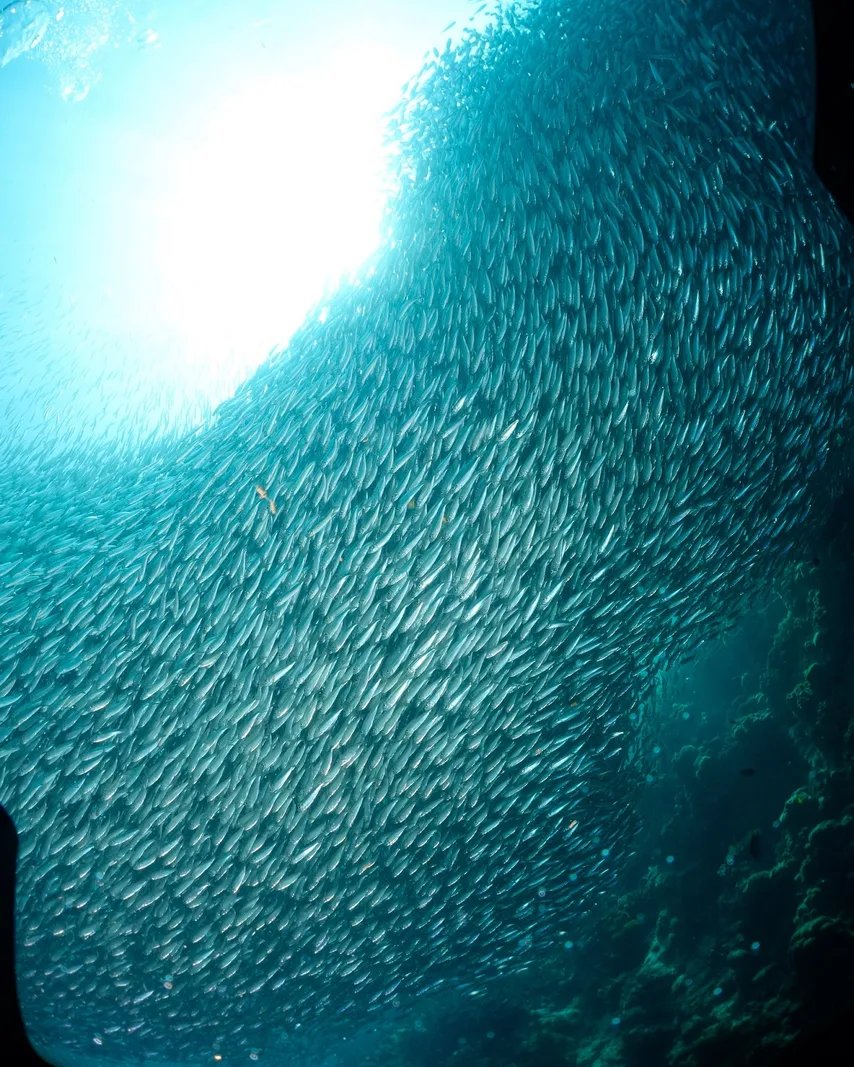
The reefs around Crocodile Island and the offshore patches are recovering but fragile. Coral is a living animal, not a rock: standing on it, kicking it with fins, or grabbing it for a photo kills polyps that took decades to grow. Use reef-safe sunscreen (mineral, non-oxybenzone), keep fins horizontal, never feed or chase fish and turtles, and do not collect shells or coral. Boracay's turtles and the broader reef benefit directly from the post-2018 plastics ban, so carry your trash back to the boat. If a tour offers to let you ride or hold marine life, decline. For deeper context on responsible travel across the country, our broader destination guides set out the same principles.
Seasons: Amihan vs Habagat
The Philippines runs on two monsoons, and Boracay's beach culture follows them precisely. The amihan (the cool, dry northeast monsoon, roughly November to May) brings calm seas to White Beach on the west coast, gentle breezes and the classic glassy water you see in photos. This is peak season, peaking sharply around the December to February holidays and Easter. The habagat (the southwest monsoon, roughly June to October) pushes wind and swell onto White Beach, often forcing boat departures and even the beachfront itself to shift to the sheltered eastern Bulabog side. Habagat overlaps with typhoon season, when storms can suspend ferries and ground bangkas for days.
The shoulder months, late October to early December and again in May, often give you the best balance of calmer seas, thinner crowds and lower prices. For a month-by-month breakdown, see our best time to visit planner and the live weather outlook before you commit to dates, especially in the typhoon window.
How to Get There
Boracay has no airport of its own. You fly into either Caticlan (Godofredo P. Ramos Airport, MPH) on the mainland of Panay, the closer option, or Kalibo (KLO), roughly a 1.5 to 2 hour land transfer away but served by more international and budget flights. From Caticlan jetty you take a short pump-boat or RORO ferry across to Cagban (or Tambisaan in rough weather), then a tricycle or van to your beach. Compare your routing and total door-to-door time using our ferry vs flight comparison, and check current air fares on the flights search before booking.
Real Fees and What It Costs
Budget in Philippine pesos and expect several separate charges, because Boracay layers government and operator fees:
- Boracay Environmental / Terminal Fee: approximately PHP 75 to 150 collected at the Caticlan jetty, plus a port terminal fee and the boat fare, which together usually land in the PHP 250 to 400 range one way.
- Island hopping tour: typically PHP 1,500 to 2,500 per person for a shared full-day tour including gear and lunch; private boat charters run higher, often PHP 3,000 to 6,000+ for the boat.
- Crystal Cove landing fee: around PHP 200 per person.
- Magic Island entrance: around PHP 300 to 500, optional.
- Puka Beach: free to enter; vendors charge for chairs and food.
Always confirm exactly which fees are bundled into your tour price and which you pay on arrival, as this is where misunderstandings happen. To model a full trip, our expenses tool helps you stack flights, ferries, accommodation and activities into one realistic total.
What to Bring
Pack reef-safe sunscreen, a rash guard for sun and coral protection, water shoes for the rocky landings at Crocodile Island and Crystal Cove, a dry bag for your phone, cash in small denominations for the layered fees and vendors, and your own snorkel or mask if you are particular about fit. Hydrate, because the white sand reflects fierce UV. A waterproof phone case earns its keep on every stop.
Honest Caveats
Be realistic. During habagat and any storm warning, boats may be cancelled at short notice, and your "guaranteed" sunset paraw sail can evaporate; build slack into your itinerary. Visibility on the snorkeling stops varies enormously with tide, recent rain and crowd churn, so do not expect aquarium-clear water every day. Peak-season White Beach is busy and the offshore sites can get congested with boats. Some "private island" stops are heavily commercialised and exist largely to collect a gate fee. And remember the post-2018 rules are enforced: no smoking, drinking or single-use plastic on the sand, and no permanent watersports operators directly on White Beach.
Conclusion
A Boracay island hopping and snorkeling tour is the most rewarding way to read this island in full, from the carbonate-white geology of White Beach to the recovering reefs off Crocodile Island, the cliff jumps of Magic Island, and the quiet authenticity of Puka. But the real depth of Boracay lies in its story: an Ati homeland, a global cautionary tale of overtourism, and a six-month closure in 2018 that genuinely changed how the island works. Travel here in the calm amihan months, pay your fees with eyes open, snorkel without touching the coral, and you will experience a Boracay that is cleaner, more considered, and far more interesting than its party-island reputation suggests.

Real local stays (book direct)
Hand-picked homestays and guesthouses — book direct, no markup.
Popular activities (book instantly)
Island hopping, canyoneering, whale sharks — real Klook/GetYourGuide options.
Plan your Philippines trip