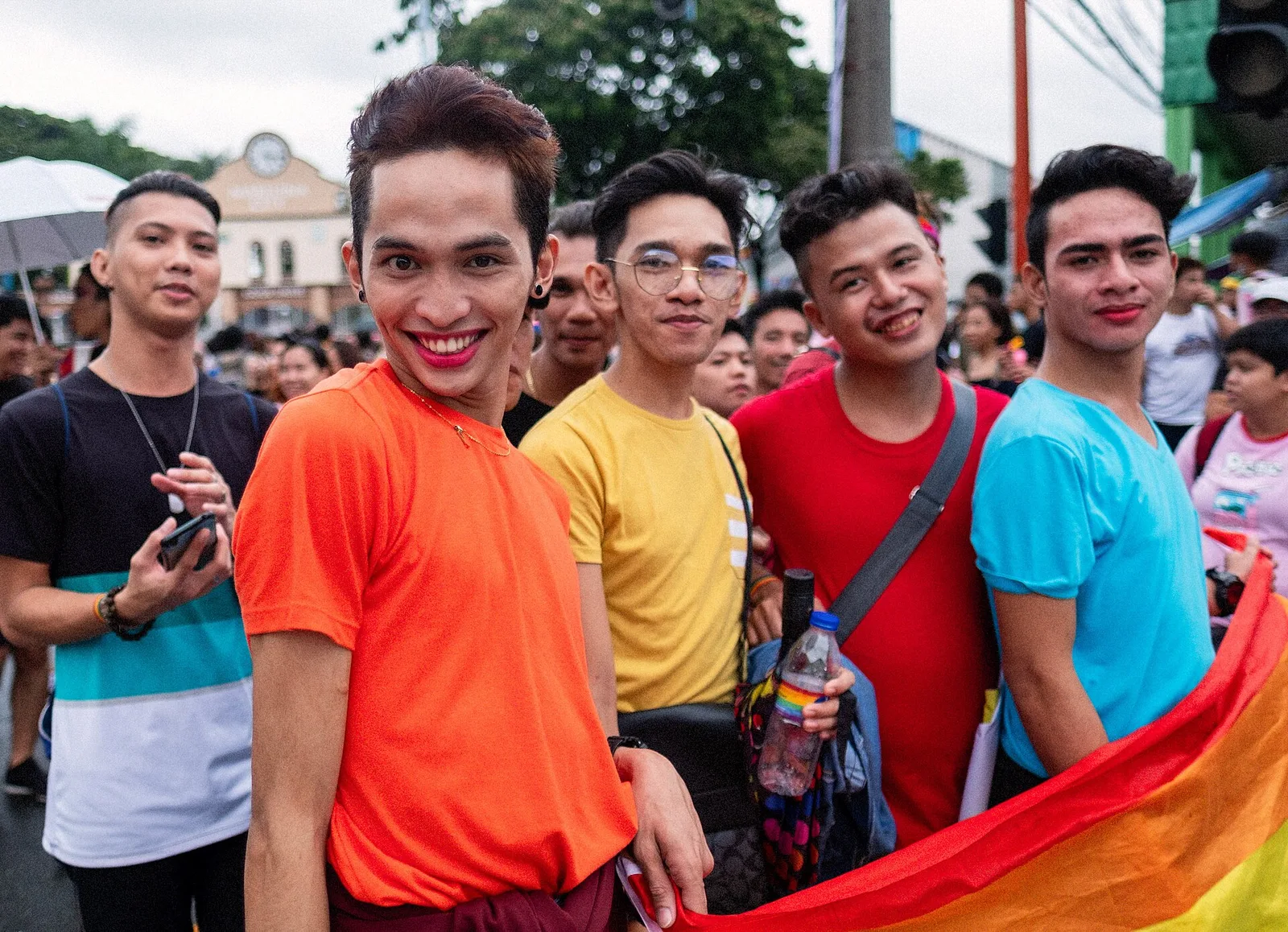
It is a warm June evening in Manila, and a river of rainbow flags is flowing down the avenue. Thousands of people - drag queens in sequins, grandmothers holding hand-painted signs, college kids, couples arm in arm - are marching in one of the largest Pride gatherings in Asia. A jeepney driver leans out of his window, grins, and throws up a peace sign. This is the Philippines that surprises first-time visitors: loud, affectionate, and remarkably at ease with queerness in daily life. But it is also a country of contrasts, and an honest traveler deserves the full picture. Here it is.
Philippines LGBTQ+ Travel Guide 2026: Honest Safety Tips
Destinations#philippines lgbtq travel#gay travel philippines#lgbtq safety philippines#manila pride 2026#trans travel philippines#gay friendly destinations asia
Trip.com
Search on Trip.comHotels in Philippines
Compare live prices via Travelpayouts — targeted for this guide.
The Real Picture: Tolerant Day-to-Day, Behind on Law
The Philippines is consistently ranked among the more socially accepting countries in Asia toward LGBTQ+ people, especially in cities and tourist areas. Openly gay and trans figures are woven into mainstream television, comedy, politics, and pop culture. In everyday interactions - checking into a hotel, sharing a table at a carinderia, riding a tricycle - most travelers report warmth and zero hostility.
That social ease sits alongside slower legal progress. As of 2026, same-sex marriage is not recognized, there is no nationwide civil union, and a long-debated anti-discrimination bill (the SOGIE Equality Bill) has still not passed at the national level, though several cities and provinces have their own protective ordinances. In short: you will likely feel comfortable, but you will not have the legal recognition you might have at home. Travel accordingly.
Attitudes, Affection, and PDA Norms
Filipino culture is affectionate but generally modest about public displays. Straight couples rarely engage in heavy PDA in public either, so holding hands as a same-sex couple in a mall, on a beach, or in a trendy Manila neighborhood will usually pass without comment. In cosmopolitan zones you will see plenty of visibly queer locals living openly.
Trip.com
See all tours in Philippines on Trip.comTours & activities in Philippines
Hand-picked experiences in Philippines — book on Trip.com with instant confirmation.

The nuance is regional. In deeply religious rural towns and some conservative provinces, restraint is the socially smart move - not because you are likely to face aggression, but because you will simply blend in more comfortably. This is the same common sense many local queer Filipinos apply when they travel across their own country.
The Bakla Context and a Vibrant Local Scene
To understand queer life here, it helps to know the word bakla - a Tagalog term with deep roots that blends ideas of gender, gender expression, and sexuality, sometimes described as a third-gender identity. It is not a perfect translation of Western labels, and its meaning is layered and debated, but it points to a long-standing cultural space for gender diversity that predates colonial influence. Similar identities exist across the islands under different local names.
Today that heritage powers a lively contemporary scene:
- Metro Manila Pride - typically held mid-year, drawing tens of thousands and ranking among Asia's biggest.
- Poblacion, Makati - the compact nightlife heart, full of rooftop bars, speakeasies, and queer-friendly crowds.
- BGC (Bonifacio Global City) - polished, safe, and inclusive, with cafes, restaurants, and events.
- Drag and ballroom culture - a booming performance scene with regular shows in the capital.
Gay-Friendly Destinations Around the Islands
You are not limited to Manila. Some of the most welcoming spots are also the country's headline destinations:
- Metro Manila - the scene capital: Pride, nightlife, and events year-round.
- Cebu - a big, cosmopolitan city with beaches nearby and an easygoing vibe.
- Boracay - the famous party island; White Beach at sunset is delightfully mixed and relaxed.
- Siargao - the laid-back surf island where nobody is checking who you came with; see our Siargao guide.
- Puerto Princesa and El Nido, Palawan - nature-first and tourist-savvy; the crowd around the El Nido lagoons is international and friendly.
Prefer something quieter and greener? The chocolate hills and tarsier forests around Bohol make a gentle, couple-friendly escape.
Where to Stay and How to Get Around
Major hotels and resorts in tourist areas are used to all kinds of travelers and rarely blink at a same-sex booking; a double bed for two adults is routine. Boutique stays and guesthouses in cities and beach towns tend to be especially relaxed. Browse verified, host-run options on our stays page when you want somewhere with a personal touch.
Domestic flights connect nearly every island and are cheap when booked ahead - short hops often run PHP 2,500 to PHP 6,000 (about USD 45 to 105). Compare routes and dates on our flights page. For getting around town, ride-hailing apps are widely used, safe, and remove any awkwardness over destinations or company.
Safety Tips and Common-Sense Advice
Serious anti-LGBTQ+ violence against tourists is uncommon, but ordinary travel caution goes a long way:
- Read the room in unfamiliar rural areas and dial affection to match local norms.
- Keep nights out in busy, well-reviewed districts like Poblacion or BGC rather than isolated spots.
- Watch your drinks and use ride-hailing to get home; petty scams matter more than homophobia in practice.
- Save local emergency numbers and your embassy contact, and keep digital copies of your documents.
- Trust your instincts - the same signals that keep any traveler safe apply here.
Trans Travelers, Airports, and ID Notes
Trans and gender-diverse travelers are generally treated with courtesy, and visible trans Filipinos are part of public life. A few practical points smooth the journey:
- Name and gender markers: the Philippines does not currently allow gender-marker changes on local civil documents, so airport and hotel staff work from the passport as issued. Make sure your booking name matches your passport exactly.
- Security screening: body scanners and pat-downs follow standard international procedures; if you anticipate questions, arriving with a little extra time reduces stress.
- Medications: carry hormones or other prescriptions in original packaging with a doctor's letter, and keep them in your carry-on.
- Restrooms: most venues are relaxed, though signage and staff attitudes vary by region.
Dating Apps, Meeting People, and Religion
Dating and social apps are widely used in Filipino cities, and the community is active and friendly. Standard online-dating safety still applies: meet in public first, tell someone where you are going, and be mindful that not everyone is out to their family in a country where Catholic tradition runs deep. That religious influence is the honest counterweight to all the warmth - it shapes politics and family life, and it is why legal change moves slowly even as everyday acceptance runs high. Respect it, and you will find the Philippines an easy place to be yourself. Hungry for more island inspiration and trip ideas? Dive into our travel blog.
Frequently Asked Questions
Is the Philippines safe for LGBTQ+ travelers in 2026?
For most travelers, yes. The country is one of the more socially accepting in Asia day-to-day, especially in cities and tourist areas. Serious anti-LGBTQ+ violence toward visitors is uncommon, though ordinary travel caution and awareness of conservative rural norms are still wise.
Can same-sex couples share a hotel room?
Yes. Hotels, resorts, and guesthouses in tourist areas routinely accept same-sex bookings and double beds without issue. Boutique stays and beach guesthouses tend to be especially relaxed and welcoming.
Is same-sex marriage legal in the Philippines?
No. As of 2026, same-sex marriage and nationwide civil unions are not recognized, and a national anti-discrimination bill has not yet passed, although some cities and provinces have local protections. Social acceptance is generally ahead of the law.
Which destinations are the most gay-friendly?
Metro Manila leads for nightlife and Pride, followed by cosmopolitan Cebu, party-friendly Boracay, laid-back Siargao, and tourist-savvy Palawan hubs like Puerto Princesa and El Nido. All are used to international, mixed crowds.
What should trans travelers know before visiting?
Book flights and hotels under the name exactly as it appears on your passport, since local gender-marker changes are not currently available. Carry prescriptions in original packaging with a doctor's letter, allow extra time at security, and expect generally courteous treatment.
Book tours, hotels & stays in Philippines Lgbtq
Top tours
- Boracay UFO Ride Water Adventure — PHP 858 · 5★
- California Breeze Campsite — PHP 891 · 5★
- Caliah Homes — PHP 1065 · 5★
- Home in Pagadian City near airport — PHP 1267 · 5★
- Dreamwave Hotel Polangui — PHP 1423 · 5★
- Manila All-Access Bar Crawl, Club and Rooftop Tour — PHP 1511 · 5★
Top hotels
- Ocam Ocam Casadyan Inn — PHP 715/night · 5★
- California Breeze Campsite — PHP 891/night · 5★
- Caliah Homes — PHP 1064/night · 5★
- Cabrera Haven Residences — PHP 1230/night · 5★
- Home in Pagadian City near airport — PHP 1267/night · 5★
Top stays
- California Breeze Campsite — PHP 891/night · 5★
- Caliah Homes — PHP 1065/night · 5★
- Home in Pagadian City near airport — PHP 1267/night · 5★
- Fnt Transient House Near Hundred Islands — PHP 1322/night · 5★
Sources
Primary references for the figures and rules in this guide. Fees and schedules change — check the source before you travel.

PANA.PH Editorial Team
Philippines travel desk
The PANA.PH travel desk researches, books and re-checks Philippines travel logistics — fares, ferry schedules, government fees and permit rules — and publishes what it can verify.
🏡 Real local stays (book direct)
Hand-picked homestays and guesthouses — book direct, no markup.
Browse all local stays →
🌊 Popular activities (book instantly)
Island hopping, canyoneering, whale sharks — real Klook/GetYourGuide options.
View all activities →