The Coral Triangle is a 6-million-square-kilometre region of the Pacific Ocean encompassing the waters of the Philippines, Indonesia, Malaysia, Papua New Guinea, Solomon Islands, and Timor-Leste. It contains 76% of all known coral species, 37% of the world's reef fish species, and some of the most spectacular underwater landscapes on Earth. At its northwestern edge sits the Philippines — and the Philippines sits, by any objective measure, closer to Seoul, Tokyo, and Hong Kong than any other Coral Triangle destination. A Korean or Japanese diver who wants to experience Coral Triangle biodiversity does not need to fly to Raja Ampat or the Banda Sea. They need a 3–4 hour flight to Cebu or Manila, and the world opens up beneath them.
Philippines Diving for Asian Travellers: Complete Guide from Korea, Japan & Hong Kong
Trip.com
Search on Trip.comHotels in Philippines
Compare live prices via Travelpayouts — targeted for this guide.
This guide is written for Korean, Japanese, and Hong Kong divers who want to understand the Philippine diving landscape, choose the right dive destination for their interests, find operators with language support, manage the budget in their own currencies, and get the most out of one of the most accessible world-class diving destinations on the planet.
Why the Philippines for Asian Divers
The Philippines is not just geographically convenient — it is objectively world-class across multiple diving categories:
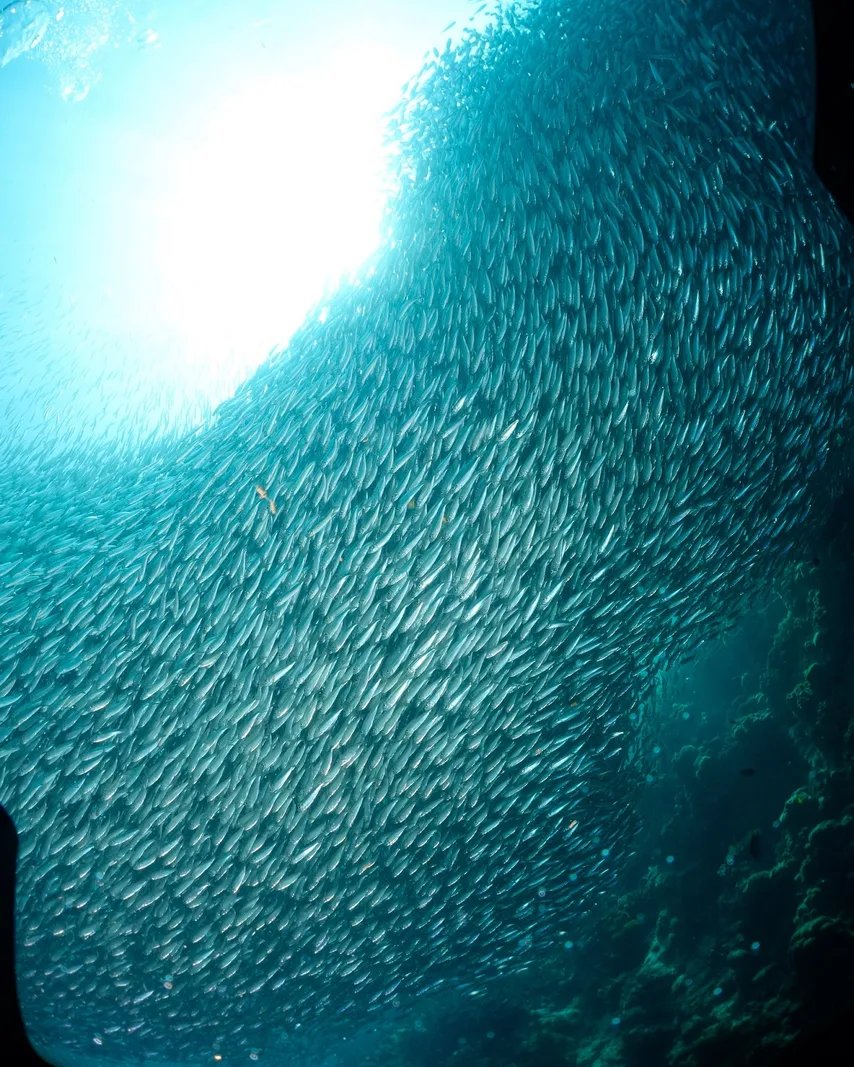
- Biodiversity: Tubbataha Reef Natural Park (Sulu Sea) has been called the "Galapagos of Asia" and is a UNESCO World Heritage Site. Apo Reef (Occidental Mindoro) is the world's second-largest contiguous coral reef. Moalboal (Cebu) hosts a sardine run of several million fish that rivals the Sardine Run in South Africa for spectacle.
- WWII Wrecks: Coron Bay in Palawan holds the remains of a Japanese fleet sunk on September 24, 1944, during Operation Musketeer — a US Navy air attack that sent 10+ Japanese warships and support vessels to the bottom in a single day. These wrecks, now covered in coral and inhabited by enormous schools of fish, constitute one of the world's most significant wreck diving sites. For Japanese divers, there is a particular historical gravity to diving these ships.
- Shark Diving: Malapascua Island in Cebu is the world's only known site where thresher sharks can be reliably seen on a daily basis at recreational diving depths (25–30 metres). Thresher sharks — with their extraordinary elongated tail fins — are sighted at Monad Shoal almost every morning at dawn. Whale sharks are accessible at Oslob (Cebu) and Donsol (Sorsogon) for snorkelling encounters.
- Liveaboard Diving: Tubbataha Reef is inaccessible from shore — it requires a liveaboard expedition departing from Puerto Princesa (Palawan), typically March–June. Tubbataha's remote location has kept it pristine: hammerhead sharks, manta rays, hawksbill turtles, and walls of coral that drop hundreds of metres are the standard experience.
- Affordability: Dive costs in the Philippines are a fraction of comparable sites in Japan, Australia, or European destinations. Even against other Southeast Asian dive destinations, the Philippines competes strongly on value.
Philippines vs. Korean and Japanese Dive Destinations
Korean divers have access to domestic diving in Jeju Island and the South Sea, where visibility is decent (5–15 metres in good conditions) and cold-water marine life including nudibranch species and kelp forests are of interest. Korean domestic diving, however, requires full wetsuit or drysuit in all but the warmest summer months (water temperatures 12–22°C), has significantly lower biodiversity than tropical waters, and lacks coral reef ecosystems.
Trip.com
See all tours in Philippines on Trip.comDiving in Philippines
Hand-picked experiences in Philippines — book on Trip.com with instant confirmation.
Japanese divers are spoiled domestically in a way Koreans are not — Okinawa's southern islands, particularly Kerama and the Yaeyama Islands (Ishigaki, Iriomote), have genuine coral reefs, blue water, and manta ray sightings. But even Okinawa's best sites are substantially lower in biodiversity than the Philippine Coral Triangle, and Japanese dive certification courses run at prices (JPY 50,000–100,000 for Open Water) that make the Philippines' JPY 30,000–45,000 equivalent compelling for students and beginners.
The Philippines wins decisively on: biodiversity, water temperature (27–30°C year-round), visibility (20–40 metres at premium sites), wreck diving (Coron), large pelagic encounters (Tubbataha, Malapascua), and price per dive. Asian divers who have mastered their domestic options know this and make the Philippines a priority destination.
The Major Dive Destinations: A Site Guide
Coron, Palawan — For the Wreck Divers (Especially Japanese Divers)
Coron Bay holds approximately 12 Japanese warships sunk by the US Navy on September 24, 1944. The main wrecks, all within a short bangka ride from Coron Town:
- Okikawa Maru: A 160-metre tanker sitting at 10–47 metres. The shallowest major wreck, excellent for beginners and advanced alike. Engine room and cargo holds penetrable with a guide.
- Irako: A refrigeration ship at 24–42 metres. One of the most structurally intact wrecks, with visible deck guns, communication rooms, and an eerie preserved quality. Considered by many the best overall Coron wreck.
- Olympia Maru: A transport ship at 18–37 metres, heavily colonised by soft coral and sea fans. Outstanding macro photography.
- Akitsushima (Seaplane Tender): At 23–48 metres, the deepest and largest of the accessible Coron wrecks. Requires Advanced Open Water minimum. The crane machinery and seaplane recovery equipment are still partially intact.
- Kogyo Maru: A 160-metre cargo ship at 24–40 metres with extensive cargo still visible — bulldozer wheels, spare parts, tools.
For Japanese divers, Coron is not just diving — it is a form of historical witness. Many Japanese divers pay their respects at the wrecks, some in consultation with family histories of Pacific War service. Dive operators in Coron are experienced with Japanese visitors and approach the historical dimension with appropriate sensitivity.
Getting to Coron: Fly Manila to Busuanga (USU) — approximately 50 minutes — then a 15-minute transfer to Coron Town. Alternatively, combine with El Nido in a Palawan island-hopping route (the Ultimate Island Adventure boat trip between El Nido and Coron is a popular multi-day itinerary).
Malapascua Island, Cebu — Thresher Shark Diving
Malapascua is a 2.5 km long island north of Cebu accessible by a 30-minute bangka from Maya Port (1.5 hours north of Cebu City by bus or van). The single defining feature is Monad Shoal — an underwater plateau at 25–30 metres where thresher sharks come to be cleaned of parasites by cleaner fish every morning between 6 and 8 AM. The encounter is reliably daily, which makes Malapascua uniquely predictable for shark diving in a way that most shark dive sites are not.
Dive operators on Malapascua open pre-dawn; the first boat leaves at 5:30 AM to reach Monad Shoal for the shark cleaning station activity at first light. Bring a flashlight for the descent. Water temperature: 27–29°C. Visibility: typically 15–25 metres. Post-shark dive, Malapascua's house reef and nearby sites offer excellent macro life including pygmy seahorses, frogfish, and blue-ringed octopus. Korean-speaking divemaster staff are available at Evolution Diving and several other Malapascua operators.
Moalboal, Cebu — The Sardine Run and Turtles
Moalboal is 90 minutes south of Cebu City and hosts one of the Philippines' most reliably spectacular marine phenomena: a resident school of approximately several million sardines (Sardinella lemuru) that has made Panagsama Beach its permanent home. Unlike South Africa's seasonal Sardine Run, Moalboal's sardine school is present year-round, forming a dense, shape-shifting silver tornado visible from 3 metres depth to 20+ metres. Hawksbill turtles are also resident at the house reef, often encountered within the first 5 metres of the dive — so close that beginner divers see them on their first ocean experience.
Moalboal also offers Pescador Island (15 minutes by bangka), where the wall drops to over 40 metres and currents bring large pelagics, jacks, and occasional threshers. Moalboal is commonly visited as a day trip from Cebu City, but staying 2–3 nights allows multiple dives and a calmer relationship with the sardine school (it dissipates somewhat with too many divers — morning dives before the day-trippers arrive are best).
Tubbataha Reef Natural Park — For Serious Divers
Tubbataha is not for first-timers. It requires a liveaboard, costs significantly more than standard Philippines diving, and demands Advanced Open Water certification at minimum (Rescue Diver recommended). But for the experienced Asian diver who wants to see what the Philippines' most remote and protected reef system looks like, Tubbataha is transformative.
Season is strictly March through June — the only months when the crossing from Puerto Princesa is safe. The Sulu Sea in this window is flat and clear, visibility reaching 40–50 metres at the best sites. Expected sightings: grey reef sharks, whitetip reef sharks, hammerhead schools (early morning at the atoll edges), Napoleon wrasse, bumphead parrotfish in enormous schools, hawksbill and green turtles, manta rays at the cleaning stations, and wall dives where the coral health will remind you why the Philippines was ranked among the world's top five dive destinations.
Liveaboard cost: approximately USD 2,500–4,000 (JPY 380,000–600,000 / KRW 3,300,000–5,200,000) for a 7–10 day expedition including all dives, food, and park fees. Not a budget option but genuinely worth it for the right diver.
Apo Island, Negros Oriental — Reef Conservation Success Story
Apo Island (not to be confused with Apo Reef in Occidental Mindoro) is a community-managed marine sanctuary off the coast of Negros Oriental, 45 minutes by bangka from Dauin. The community has managed their reef since the 1980s, making Apo one of the most documented examples of successful coral reef regeneration in the world. The result: a wall dive covered in healthy hard and soft corals, with sea turtle density that regularly exceeds 20 turtles per dive — an extraordinary number. The dive here feels like what the entire Pacific used to look like.
Korean and Japanese Dive Operators in the Philippines
The Philippine diving industry has invested specifically in Korean and Japanese language capability:
Cebu
- Malapascua — Evolution Diving, Thresher Shark Divers, and Sea Explorers all have Korean-speaking divemasters. Japanese-language briefings available at several shops with advance notice.
- Moalboal — Savedra Dive Center has Korean and Japanese staff and is one of the longest-established operators in the area.
- Mactan Island — multiple dive shops near the resorts on Mactan cater primarily to the Korean tourist market and run daily fun dives and PADI courses in Korean.
Coron
Several Coron operators market directly to Japanese divers with Japanese-language websites and guides. Seadive Coron and DiveLive Coron have Japanese-speaking staff. Japanese-language signage on some wrecks explains historical context at the dive sites.
El Nido
El Nido's dive scene is smaller and less developed than Coron or Cebu but has been growing rapidly with the increase in Korean and Japanese tourism to Palawan. Korean-speaking staff are increasingly available at El Nido dive operators.
Budget Guide in KRW and JPY
A typical Philippine dive week budget (7 days, based in Cebu with day trips):
- Return flight Seoul ICN to Cebu CEB: KRW 200,000–400,000 / JPY 30,000–70,000
- Accommodation (mid-range guesthouse near dive shop): PHP 1,800–3,500/night = KRW 45,000–87,500 / JPY 6,900–13,400 per night
- Fun dive (equipment included): PHP 1,000–1,800 per dive = KRW 25,000–45,000 / JPY 3,800–6,900
- PADI Open Water course (complete, 4 days): PHP 12,000–18,000 = KRW 300,000–450,000 / JPY 46,000–69,000
- PADI Advanced Open Water: PHP 9,000–14,000 = KRW 225,000–350,000 / JPY 34,000–54,000
- Nitrox fill (32%): PHP 250–400 per tank = KRW 6,250–10,000 / JPY 960–1,500
- Day trip to Moalboal (sardine run + turtle + Pescador): PHP 2,500–3,500 all-in = KRW 62,500–87,500 / JPY 9,600–13,500
- Day trip to Malapascua (thresher shark dawn dive + afternoon dive): PHP 2,800–4,000 = KRW 70,000–100,000 / JPY 10,800–15,400
- Meals (3 meals per day at local restaurants): PHP 500–1,200/day = KRW 12,500–30,000 / JPY 1,900–4,600
Total all-in dive week in Cebu (flights + 7 nights accommodation + 2 dives/day + day trips + food): approximately KRW 1,500,000–2,500,000 / JPY 230,000–385,000. Compare this to a dive week in Palau (JPY 400,000–700,000), the Maldives (JPY 500,000–900,000), or the Galapagos (JPY 700,000+). The Philippines delivers significantly more diving value per dollar of travel spend than any comparable destination.
Combining Coron Wrecks and El Nido in One Trip
This is a classic Palawan itinerary that works perfectly for divers who also want to experience El Nido's lagoons and limestone karst scenery:
- Days 1–4: Coron — wreck diving. Four days gives you 2 dives per day across the main Coron wrecks plus a night dive on one of them.
- Day 5: Coron to El Nido by sea — the "Ultimate Island Adventure" boat trip (10+ hours, departing 7 AM) passes through some of the most beautiful stretches of the Calamian Islands. This is a well-established tourist route with multiple operators. Alternatively, fly Busuanga to Puerto Princesa and then road transfer north to El Nido (3.5 hours).
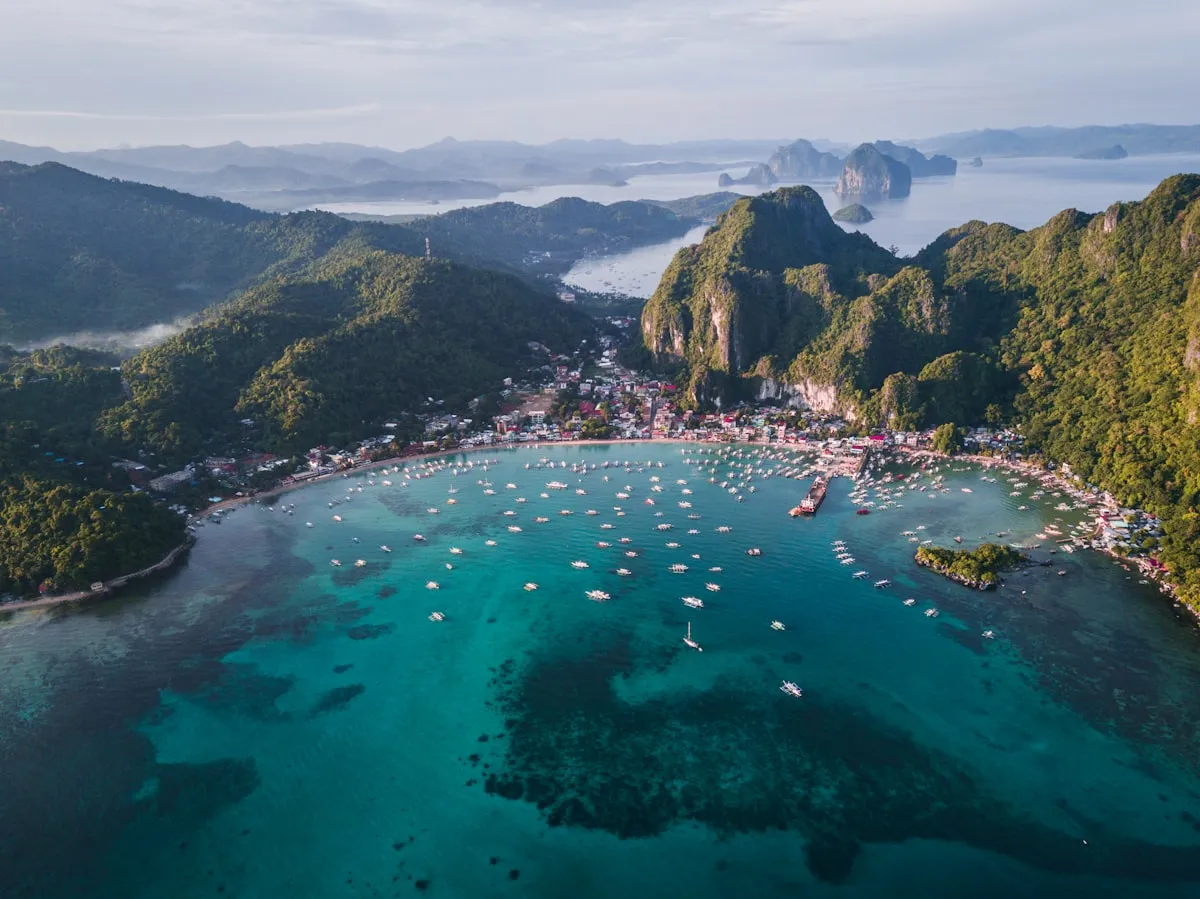
- Days 6–9: El Nido — island hopping Tours A, B, C, and D cover different lagoon and island combinations. Tour C (Shimizu Island, Secret Beach, Hidden Beach) is considered the highlight. Diving at El Nido is secondary to the island hopping but available if you want to continue.
- Day 10: El Nido to Manila — fly El Nido airport direct to Manila (1 hour 15 minutes on Air Juan or PAL Express) then connect home.
Nitrox Availability
Nitrox (enriched air, typically 32% or 36% oxygen) is widely available at dive shops in Cebu, Coron, El Nido, and Puerto Galera. In smaller destinations (Moalboal, Malapascua, Apo Island) it is available at some shops but confirm in advance. Nitrox certification (PADI Enriched Air Diver) is a half-day course and is worth doing for any diver planning multiple-day intensive programs — it reduces nitrogen loading and allows longer bottom times, particularly useful for wreck diving at Coron where many of the best sites sit at 30–45 metres.
Dive Safety and Medical Considerations
Hyperbaric (recompression) chambers in the Philippines are located in Manila (AFP Medical Center), Cebu City (Cebu Doctors Hospital), and Subic Bay. For divers operating in Palawan (Coron, El Nido), the nearest chamber is Manila — a flight away. This is not a reason to avoid Palawan diving, but it makes dive discipline especially important: always do safety stops, never exceed your planned depth or no-decompression limits, stay hydrated, and dive conservatively on multi-day itineraries. Dive insurance covering hyperbaric treatment is strongly recommended for all non-Filipino divers — DAN Asia-Pacific membership (approximately USD 70/year) provides coverage including emergency evacuation.
Frequently Asked Questions
Do I need to bring my own dive equipment to the Philippines?
No. Full equipment rental is available at all major Philippine dive operators: BCD, regulator, wetsuit, fins, mask, and computer are all rentable for PHP 500–900 per day total. If you are a regular diver with your own mask (the single most important personal item) and computer, bring those. Owning your own wetsuit is useful for multiple-day intensive programs — rental wetsuits at smaller shops can be worn and improperly dried. For a casual Philippine dive trip, rental equipment is entirely adequate.
Is the Philippines safe for solo divers?
Yes. Philippine dive operations use the standard buddy system and divemasters accompany all groups. Solo recreational diving (without a buddy) is not permitted at responsible operators — you will always be paired or guided. The dive industry is well-regulated by PADI and SSI standards. Operators who accept certifications from all major agencies (PADI, SSI, NAUI, CMAS) are the norm. If you are a newly certified diver, joining an organised fun dive group at a reputable shop is the safest and easiest way to dive — you get a local divemaster who knows the site, the currents, and the marine life.
What certification level do I need for Philippine diving?
Open Water certification is sufficient for the majority of Philippine dive sites, which sit at 18–25 metres with manageable currents. Advanced Open Water opens up deeper wreck sections at Coron (30–42 metres), some Tubbataha sites, and dawn diving at Monad Shoal (Malapascua). Rescue Diver is recommended for Tubbataha liveaboards. The Philippines is also an excellent place to advance your certification — costs are significantly lower than in Japan or Korea, and the dive conditions are forgiving enough that Open Water to Advanced can be completed in 2 days.
When is the best season for diving in the Philippines?
This varies dramatically by site. Tubbataha: March–June only. Malapascua (threshers): year-round, but avoid August–September when currents and weather at sea are most unpredictable. Moalboal (sardine run): year-round. Coron (wrecks): best November–May when visibility is highest (20–35 metres); June–October is diveable but visibility drops. El Nido diving: November–May. For Korean and Japanese divers planning a general Cebu diving trip, January through May is optimal: calm seas, excellent visibility across all Cebu sites, and comfortable 27–29°C water throughout.
Can I get PADI certified in the Philippines with Korean or Japanese language instruction?
Yes. Multiple Cebu dive shops run PADI Open Water courses with Korean-language instruction using Korean-speaking instructors. PADI materials are available in both Korean and Japanese (the e-learning portion can be completed in your language before arrival). Japanese-language PADI instruction is available at selected Cebu, Malapascua, and Coron operators — confirm language availability when booking. Completing your Open Water in the Philippines means roughly 4 days of pool plus open water training in warm, clear, calm water — significantly more pleasant than completing it in a Korean or Japanese quarry or cold coastal site.

PANA.PH Editorial Team
Philippines travel desk
The PANA.PH travel desk researches, books and re-checks Philippines travel logistics — fares, ferry schedules, government fees and permit rules — and publishes what it can verify.
🏡 Real local stays (book direct)
Hand-picked homestays and guesthouses — book direct, no markup.
Browse all local stays →
🌊 Popular activities (book instantly)
Island hopping, canyoneering, whale sharks — real Klook/GetYourGuide options.
View all activities →