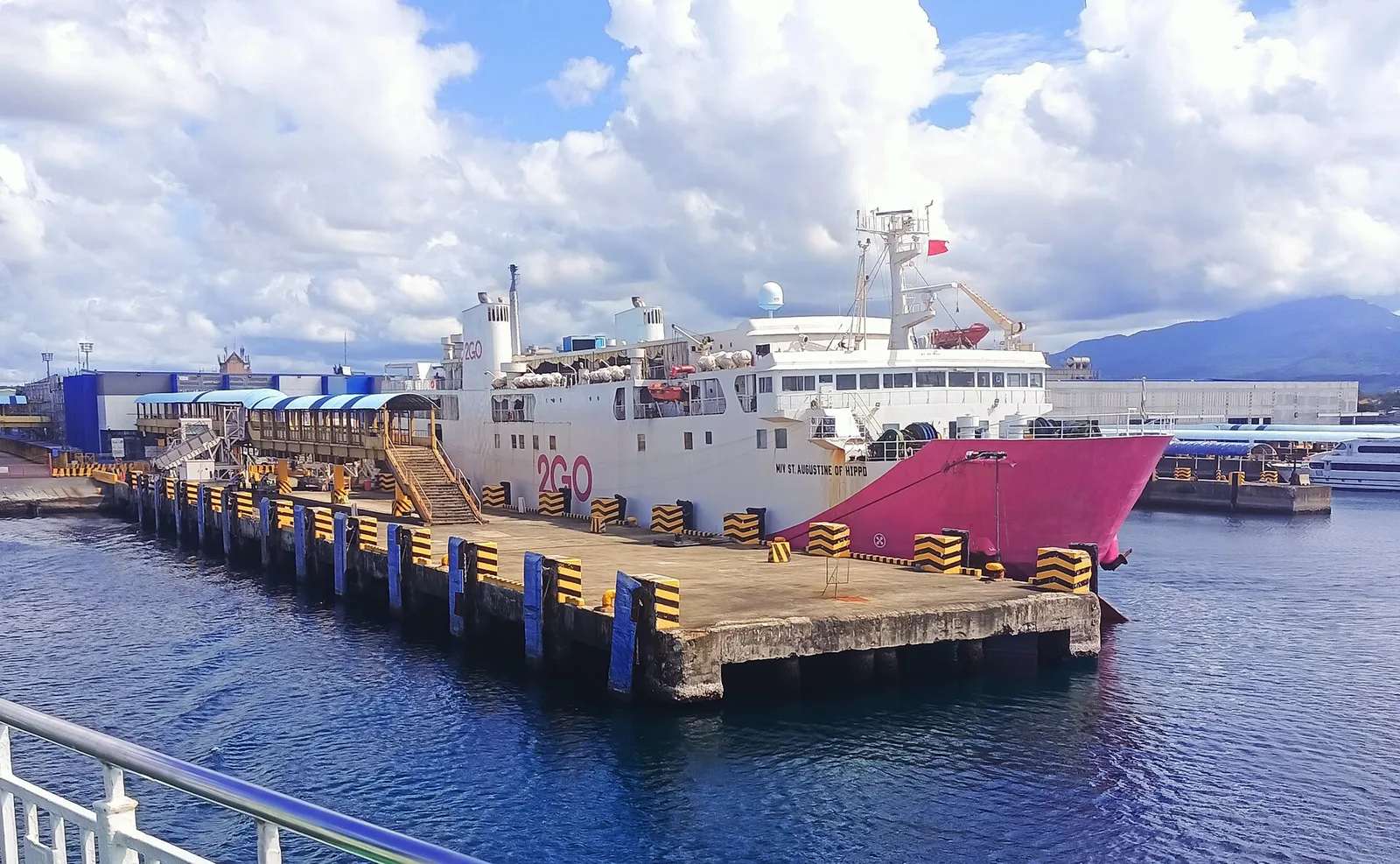
It is 6pm at Manila's Pier 4, and the horn of a 2GO ship rolls across the water like a slow drumbeat. Families haul balikbayan boxes up the ramp, a vendor sells last-minute banana cue, and on the tourist deck a backpacker is already claiming a bunk with a padlock and a beach towel. Twenty-something hours later that same ship will slide past the karst cliffs of Coron at dawn. Overnight ferries are the slow, cheap, gloriously old-school way to island-hop the Philippines - part transport, part floating budget hotel, part adventure. Here is the honest 2026 guide to doing it right.
Overnight Ferries Philippines 2026: Inter-Island Ship Guide
Getting there & around#overnight ferries philippines#2go travel ferry 2026#manila to coron ferry#philippines inter-island ships#cebu ferry routes#ferry vs flight philippines
Trip.com
Search on Trip.comHotels in Philippines
Compare live prices via Travelpayouts — targeted for this guide.
Who Runs the Overnight Ferries?
A handful of trusted inter-island lines cover the country, and it helps to know who does what:
- 2GO Travel - the big one. Long overnight and multi-day routes out of Manila (Pier 4) to Coron, Puerto Princesa, Cebu, Iloilo, and Cagayan de Oro. Biggest ships, real cabins, and the most tourist-friendly booking site.
- Cokaliong Shipping - a Cebu institution running reliable overnight boats across the Visayas and Mindanao (Ozamiz, Dumaguete, Surigao, Iligan).
- Trans-Asia Shipping - another Cebu overnight line covering Cagayan de Oro, Iloilo, Tagbilaran, and Ozamiz.
- Montenegro Lines - roll-on roll-off (RORO) workhorse for shorter overnight and vehicle crossings, strong in Bicol and Mindoro.
- Lite Ferries - budget overnight RORO routes fanning out of Cebu across the southern Visayas and Mindanao.
- OceanJet - not overnight, but worth knowing: fast daytime craft for short hops like Cebu to Bohol. Use them for speed, the lines above for distance.
The Most Popular Overnight Routes
The crossings travelers actually book, with typical durations:
- Manila to Coron - roughly 14-16 hours, the classic gateway to Palawan's best island-hopping. Pair it with our Coron guide.
- Manila to Puerto Princesa - about 24-27 hours; long, but it drops you near the Underground River and El Nido shuttle.
- Manila to Cebu - around 21-24 hours, the flagship Visayas run. Everything Cebu is in our Cebu guide.
- Cebu to Cagayan de Oro - roughly 10-12 hours, the standard jump to northern Mindanao.
- Cebu to Ozamiz - about 9-11 hours, popular for the Zamboanga peninsula.
- Cebu to Dumaguete, Surigao, or Iligan - overnight Cokaliong and Lite Ferries routes in the 6-11 hour range.
Cabin Classes vs Bunk Decks: What to Expect
The class you pick decides your whole night. On a big 2GO ship:
Trip.com
See all tours in Philippines on Trip.comTours & activities in Philippines
Hand-picked experiences in Philippines — book on Trip.com with instant confirmation.


- Tourist / Economy bunk deck - open halls of stacked metal bunks, each with a thin mattress, pillow, and small locker. Fierce aircon, shared bathrooms, lively communal vibe. The backpacker default.
- Business / Cabin class - a private or semi-private room with a proper bed and a door that locks. Worth it on the 20-plus-hour runs.
- Suite / Stateroom - top tier on the biggest ships: a private cabin with its own bathroom, closer to a budget cruise than a ferry.
Honest tip: on anything over 15 hours, upgrading from bunk deck to a shared cabin is one of the best-value moves you can make. On a short overnighter, the bunk deck is fine.
How Much It Costs in 2026
Ferry fares stay budget-friendly, though they flex with route, season, and class. Rough 2026 ranges:
- Cebu to Cagayan de Oro / Ozamiz (bunk) - 900-1,400 PHP (16-25 USD).
- Manila to Coron (bunk to cabin) - 1,600-3,500 PHP (28-62 USD).
- Manila to Cebu (bunk to cabin) - 1,800-4,000 PHP (32-71 USD).
- Manila to Puerto Princesa (bunk to cabin) - 2,200-4,500 PHP (39-80 USD).
- Suites / staterooms - typically 4,500-8,000 PHP (80-142 USD) depending on route.
Meals are extra (roughly 120-250 PHP, 2-4.50 USD per canteen tray), and promo fares undercut these if you book early. Always compare against a flight first - our flights search often surfaces promos that beat a cabin ticket.
How and Where to Book
Three routes to a ticket, in order of convenience:
- Online - 2GO's site and app let you pick route, class, and even a specific bunk, then pay by card or GCash. Easiest for foreigners and best for locking in a cabin early.
- Terminal ticket office - buy in person at the pier a day or two ahead. Reliable, but the good cabins on peak dates may be gone.
- Travel agents and booking counters - small agencies in malls and near piers sell tickets for a tiny markup, a lifesaver if the site glitches.
Book cabins well ahead around holidays (Holy Week, Christmas, long weekends), when Filipinos travel home en masse and ships sell out. On the day, arrive 2-3 hours early, pay a small terminal fee (usually 25-50 PHP, under 1 USD) at a separate window, then show your ticket and ID and pass the bag X-ray before boarding.
What to Bring on an Overnight Ferry
A little preparation turns a rough night into a comfortable one:
- A padlock - to secure your bag to the bunk frame or lock your locker. Non-negotiable on bunk decks.
- A blanket or sarong and a hoodie - the aircon is genuinely cold and blankets are not always provided in economy.
- Snacks and a refillable water bottle - the canteen closes and lines get long; instant noodles are a ferry classic.
- Motion-sickness pills - open water gets bumpy; take one before boarding, not after.
- A power bank, earplugs, and an eye mask - outlets are scarce and the lights and announcements never fully stop.
- Toilet paper, wet wipes, and flip-flops - shared bathrooms are exactly as you would imagine.
Once aboard, grab a bunk in the middle of the deck, away from the bathroom and aircon vents.
Safety and Weather: The Honest Part
The reputable lines run safely thousands of times a year, but the sea deserves respect:
- Watch the weather. When PAGASA raises a storm signal, the coast guard suspends sailings and your ferry is cancelled or delayed - a good thing, not a hassle. Build a buffer day into itineraries during typhoon season (June to November).
- Choose reputable operators. Stick to the named lines and avoid unmarked or clearly overloaded boats, especially small outrigger crossings in rough seas - overloading and bad weather are behind almost every serious incident.
- Know your exits. When you board, note where the life vests and nearest exit are - thirty seconds of good practice.
Ferry vs Flying: Who It Is For
A flight from Manila to Cebu takes 90 minutes; the ferry takes a day. So why sail? An overnight ferry is often cheaper once you count baggage fees, it lets you bring as much luggage (or as many balikbayan boxes) as you like, and it doubles as a night's accommodation - you sleep in one province and wake up in another. The trade-offs are time, rough seas, and weather cancellations. They suit budget travelers, anyone hauling lots of gear (surfboards, dive kit, long-stay bags), travelers who hate flying or want the experience, and slow-travel romantics who would rather watch the sunrise over an island than a wing tip. Sort your onward stays before you dock so you are not hunting for a room at 5am, and browse more route ideas on our blog.
Frequently Asked Questions
Are overnight ferries in the Philippines safe?
With reputable operators like 2GO, Cokaliong, and Trans-Asia, yes - they sail thousands of trips a year under coast guard oversight. The real risks are bad weather and overloaded, unregulated boats, so travel with the established lines and never board an overcrowded vessel.
How much is a ferry from Manila to Coron?
Expect roughly 1,600-3,500 PHP (28-62 USD) depending on whether you take an economy bunk or a private cabin, and the crossing takes about 14-16 hours. Booking early through 2GO often unlocks promo fares.
Should I take the bunk deck or a cabin?
On short overnighters (under 12 hours) the aircon bunk deck is fine and cheapest. On the long runs from Manila, a business cabin with a locking door and a real bed is a top-value comfort upgrade.
What happens if my ferry is cancelled by a typhoon?
The coast guard suspends sailings when PAGASA raises storm signals, and operators reschedule you or refund the ticket. Build a spare buffer day into your plans during typhoon season (June to November) so it does not wreck a flight connection.
Is it cheaper to take the ferry or fly between islands?
It depends. Ferries win for heavy luggage, double as free accommodation, and can beat a flight once baggage fees are added. But promo flights sometimes undercut a cabin ticket and save you a full day - always compare both before booking.

PANA.PH Editorial Team
Philippines travel desk
The PANA.PH travel desk researches, books and re-checks Philippines travel logistics — fares, ferry schedules, government fees and permit rules — and publishes what it can verify.
🏡 Real local stays (book direct)
Hand-picked homestays and guesthouses — book direct, no markup.
Browse all local stays →

🌊 Popular activities (book instantly)
Island hopping, canyoneering, whale sharks — real Klook/GetYourGuide options.
View all activities →