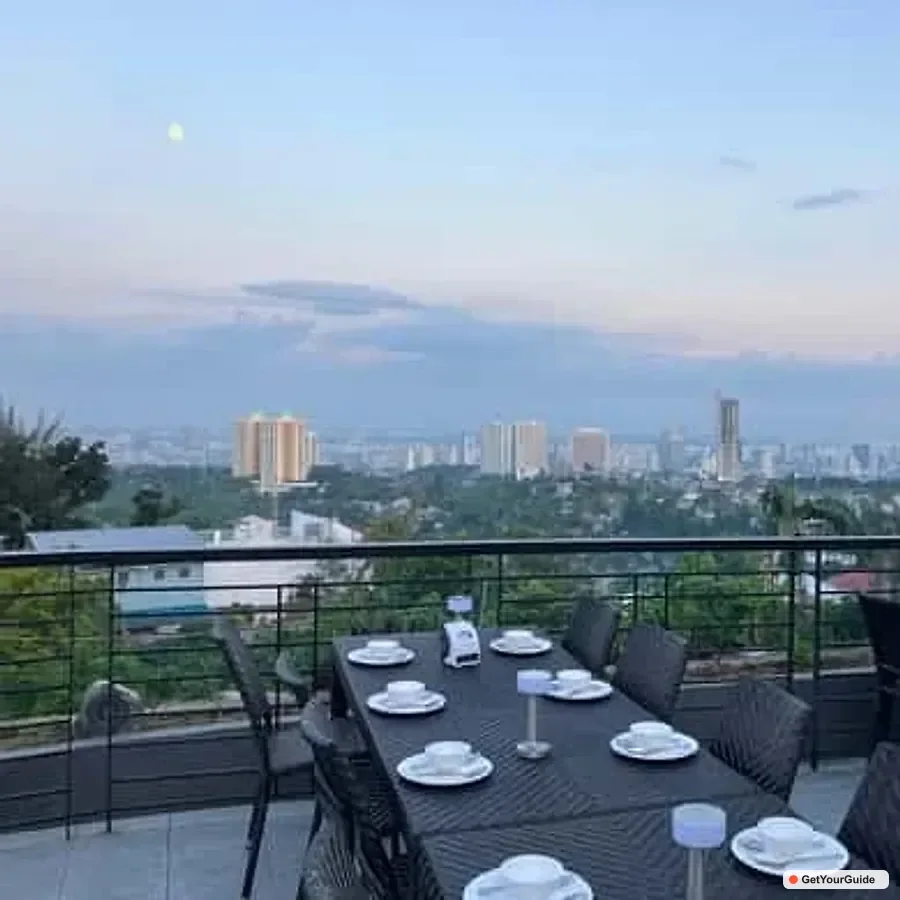
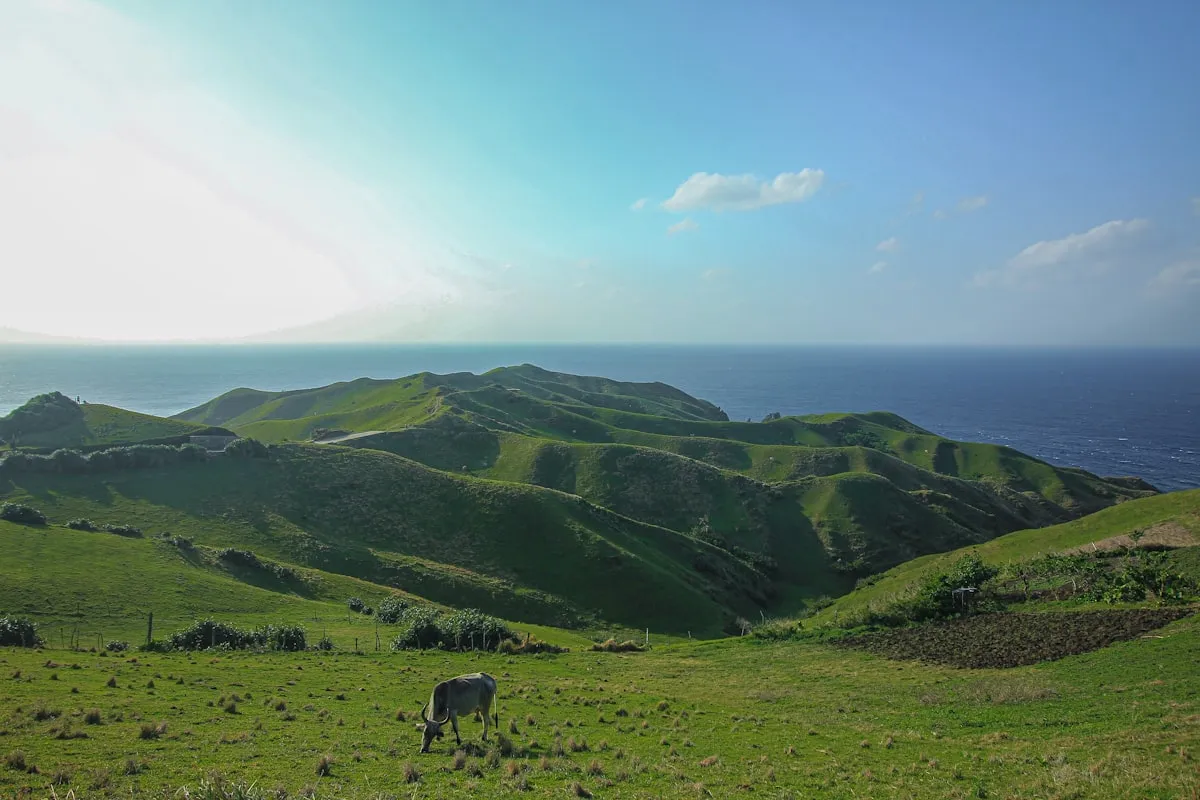
There's a running joke among long-term expats in Manila: when civilians ask where to go for a weekend beach trip, the expat answer is always Puerto Galera. When other expats ask where to go, the answer is always "the far side of Mindoro." The joke captures something real about the island — it has layers. Puerto Galera (the gateway, the dive hub, the weekend escape for Manila's foreign community) is excellent. The rest of Mindoro, stretching south for 160 kilometres, is almost completely unexplored by tourists and offers some of the most pristine coast in the Philippines.
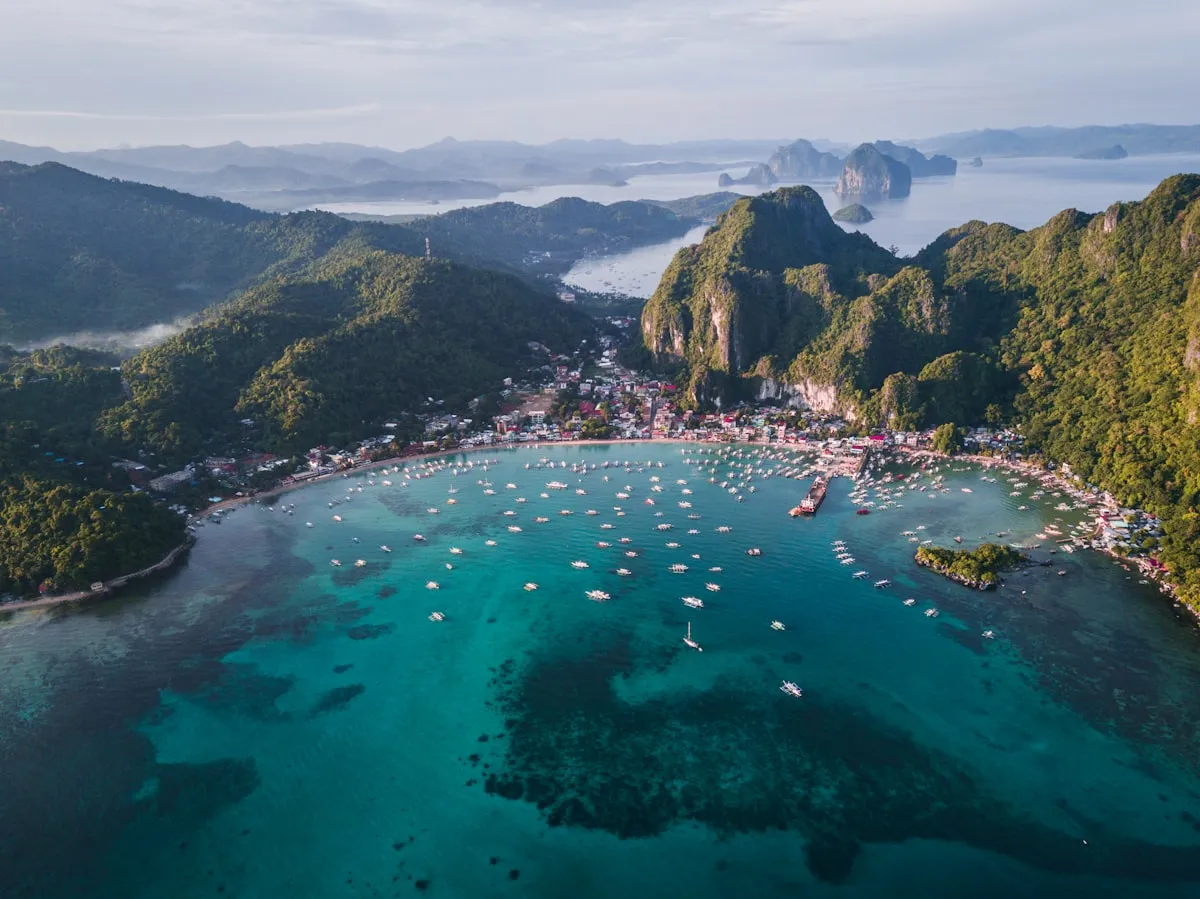
Mindoro Island Guide: Puerto Galera Diving, Handuraw Beach & the Philippines' Forgotten Island
Trip.com
Search on Trip.comHotels in Philippines
Compare live prices via Travelpayouts — targeted for this guide.
Mindoro is the seventh-largest island in the Philippines and one of the least discussed. Its proximity to Manila (genuinely 4 hours door-to-door from Makati, through a combination of bus and fast ferry) makes it the most accessible quality-beach destination in the country. Yet it consistently gets overlooked in favour of Palawan or Siargao, which require flights and far more planning. This is good news for you.
Getting to Mindoro: The 4-Hour Door-to-Door from Manila
The standard route from Manila to Puerto Galera is entirely by surface transport, which removes the flight booking headache entirely:
- Manila to Batangas City: Take a bus from Buendia (Gil Puyat) EDSA or Cubao in Manila heading to Batangas City. Several operators run this route frequently; the bus takes 1.5 to 2.5 hours depending on traffic (Friday afternoon: budget 3+ hours). Bus fare is around PHP 150–200. A private car or Grab to Batangas Pier is an option if you're in a group — roughly PHP 1,200–1,800 from Makati.
- Batangas Pier to Puerto Galera: Fast ferry (bangka or RORO) operators including Si-Kat Ferry, Starlite Ferries, and local bangkas serve the Batangas–Puerto Galera/Sabang route. The journey takes approximately 1.5 to 2 hours depending on boat type and sea conditions. Fares run PHP 250–450 per person plus PHP 30 terminal fee at Batangas and around PHP 50 environmental fee on the Mindoro side. Check schedules in advance as the last boats to Puerto Galera typically depart Batangas by 3–4 PM; last boats back to Batangas from Puerto Galera are usually by early afternoon.
Total cost from Manila to Puerto Galera by public transport: approximately PHP 400–650 per person, including all fees. Total time: 4 hours from central Manila on a good day. No flight, no airport, no check-in queue.
Trip.com
See all tours in Philippines on Trip.comDiving in Philippines
Hand-picked experiences in Philippines — book on Trip.com with instant confirmation.
When to Go
Puerto Galera and the northern Mindoro coast are best visited between November and May, when the Amihan (northeast monsoon) keeps the Verde Island Passage calm and clear. March through May is the absolute peak for underwater visibility — 25–30 metres on the better dive sites — but is also when weekend visitor numbers peak. November and December are the hidden sweet spot: good weather, far fewer tourists, and accommodation that you can often book the day before without issue.
June through October brings the southwest monsoon (Habagat), which makes the northern Mindoro coast choppy. Puerto Galera does not shut down during this period — it's still diveable — but sea conditions are rougher and some boat routes become unreliable. The eastern and southern coasts of Mindoro have reversed weather patterns and are more sheltered during the southwest monsoon, but these areas require their own overland transport.
Puerto Galera: World Record Marine Biodiversity
The Verde Island Passage — the narrow strait between the Batangas coast and the northern tip of Mindoro — holds a distinction that most travellers to the Philippines are unaware of: it has been identified by marine biologists as the "centre of the centre" of the Coral Triangle, with the highest concentration of marine species per unit area of any marine environment on Earth. More species of fish, coral, and marine invertebrates have been recorded within a square kilometre of the Verde Island Passage than anywhere else on the planet.
This isn't marketing copy. It is a peer-reviewed scientific designation, and it explains why Puerto Galera and the surrounding Mindoro waters are so significant in the global diving community even though they are not as famous as the Tubbataha Reef or Raja Ampat in Indonesia. The species density here is simply extraordinary.
Sabang Beach: The Dive Hub
Sabang is Puerto Galera's dive district — a busy strip of dive shops, guesthouses, and open-air restaurants that functions as the nerve centre for underwater exploration in the region. Over 30 dive operators work out of Sabang, ranging from large international PADI centres to small local shops with competitive prices. Fun dive rates run PHP 1,000–1,400 per dive including equipment and guide — significantly cheaper than comparable operations in Boracay (where the diving is, frankly, not as good) and competitive with Cebu rates for a superior site.
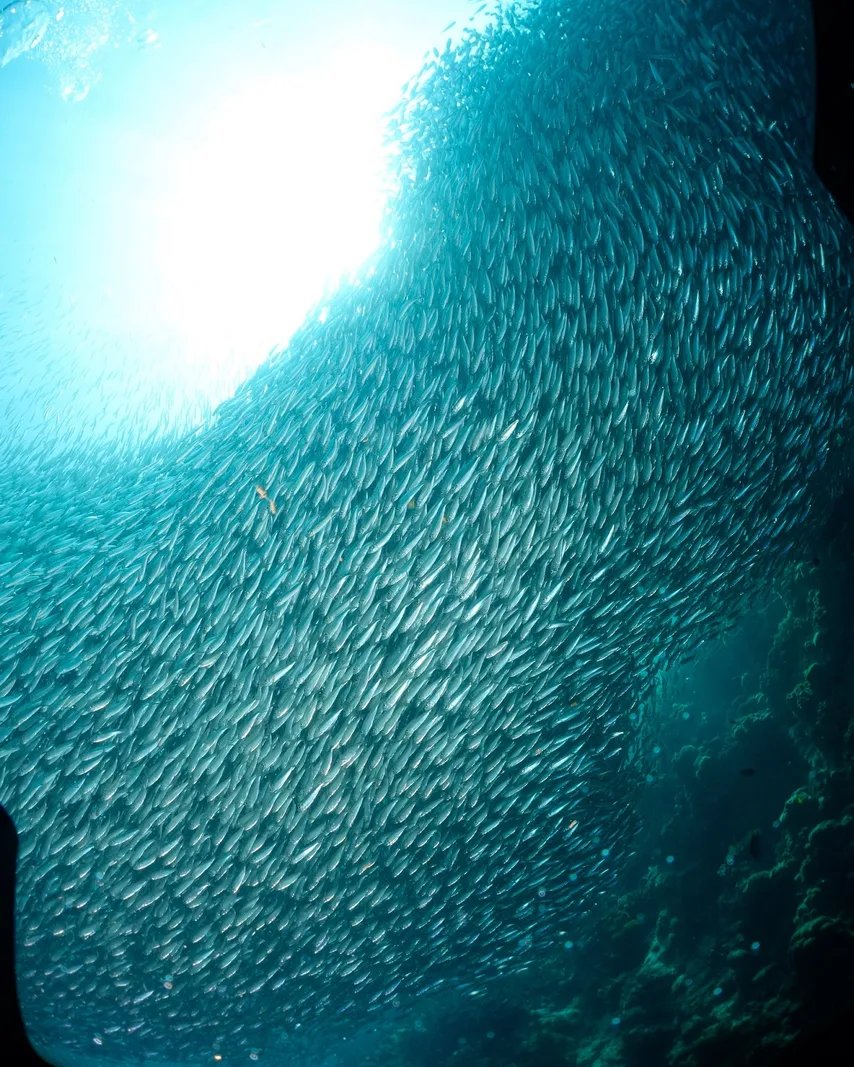
The most popular dive sites near Sabang include the Coral Gardens (excellent for beginners, shallow and diverse), Washing Machine (a current-driven site with spectacular schooling fish), Canyons (steep walls, strong current, advanced), and Sinandigan Wall (easy entry, night dives with nudibranchs and crabs). A 3-dive day with a reputable Sabang operator, including all equipment and boat transfers, typically costs PHP 3,000–4,200 — a full day underwater in one of the most biodiverse marine environments on Earth for roughly USD 55–75.
PADI Open Water certification courses are available from most operators and are a popular choice for Manila residents getting their first certification — the combination of easy access from the capital, high-quality training waters, and competitive prices (Open Water courses run PHP 15,000–22,000 all-in depending on operator) makes Puerto Galera the de facto certification choice for Metro Manila.
White Beach Puerto Galera: The Party Beach
White Beach is Puerto Galera's other face — about 3 kilometres from Sabang by boat or tricycle, it's a wider, shallower, more touristy beach with a lineup of resorts, restaurants, souvenir shops, and beach bars. The water is shallower and less impressive than Sabang for diving, but White Beach is more accessible for families and non-divers who want a straightforward sand-and-sea experience.
The beach has been controversial in recent years: development encroachment and periods of reduced water quality have drawn criticism. The reef immediately offshore is under more pressure than the Sabang-area dive sites. That said, for a weekend escape from Manila that involves beach lounging, cold beer, and decent seafood grills, White Beach delivers. Just come with adjusted expectations — this is not Palawan pristine. Budget accommodation on White Beach starts from PHP 800–1,500 per night; better resorts run PHP 2,500–5,000.
Aninuan Beach: The Quiet Alternative
Ten minutes by tricycle west of White Beach, Aninuan (also spelled Anilawan) offers a noticeably quieter beach experience with good snorkelling directly off the shore. Several small resorts line the beach; guesthouse accommodation starts from around PHP 700–1,200 for a fan room. The reef immediately offshore has healthy coral and good visibility during the dry season, making it a practical alternative for snorkellers who want easy water access without the White Beach tourist density. Aninuan Waterfalls, a short hike inland, is another draw — a pleasant 20-minute walk through secondary forest to a swimming hole fed by a cascade.
San Isidro and Handuraw Beach: The Far Side
The far eastern coast of Mindoro, accessible by overland travel from Puerto Galera via the rough trans-Mindoro road (4-5 hours by jeepney and tricycle) or by boat around the northern tip, is where the island's true undiscovered beaches live. The San Isidro area, and specifically Handuraw Beach, offers the kind of white-sand, clear-water, no-resort, no-tourist experience that people imagine when they talk about "hidden Philippines." There is minimal accommodation infrastructure — a few basic homestays and cottages run by local families — and facilities are basic.
Getting here requires commitment: the road is rough, the boat option depends on sea conditions, and you need to bring most of what you'll eat. In exchange you get a beach that looks the way Palawan beaches looked in the 1990s before anyone had heard of El Nido, at a fraction of the cost. This is the "other Mindoro" that the expat community keeps to itself.
The Mangyan People
Mindoro is home to the Mangyan — a collective term for eight ethnolinguistic indigenous groups who have lived on the island for thousands of years and who are considered among the oldest continuous inhabitants of the Philippine archipelago. The Mangyan's pre-colonial script, called Hanunuo or Buhid depending on the group, is one of only three indigenous Philippine scripts still in active use — the others being Kapampangan Kulitan and Tagbanua. The intricacy of Mangyan textiles (woven baskets and clothing using specific geometric patterns unique to each group) has attracted scholarly and commercial attention.
Visiting Mangyan communities requires advance arrangement through the Puerto Galera Tourism Office or established cultural tourism operators, and a PHP 200–500 per person community fee typically applies. The Mangyan Heritage Center in Calapan City (the capital of Oriental Mindoro, 45 minutes south of Puerto Galera) provides excellent background context on the eight groups and is a recommended first stop for anyone interested in engaging with Mangyan culture respectfully. Photography of community members requires individual consent and should never be assumed.
Budget and Practical Notes
Puerto Galera operates at a price point somewhat above the Philippine average, reflecting its weekend-resort character and the concentration of foreign dive tourists. Budget travellers who eat at local canteens in Sabang village (away from the beachfront restaurants), stay in guesthouses one street back from the shore, and limit their diving to 2 dives per day can manage on PHP 1,800–2,500 per day excluding ferries. Mid-range travellers with air-conditioned rooms, beach restaurant meals, and a 3-dive day will spend PHP 3,500–5,500 per day excluding transport. Accommodation prices spike significantly on Friday and Saturday nights during peak season (January–April) — a room that costs PHP 1,200 midweek can be PHP 2,000–2,500 on a Saturday night.
Practical tips: bring cash. While some larger resorts and dive centres accept credit cards, many smaller operators and all local warungs are cash only. There is one BancNet ATM in Sabang village (BDO) and one in White Beach (Metrobank); both run out of cash on peak weekends. Withdraw sufficient cash in Batangas City before boarding the ferry.
Frequently Asked Questions
Is Puerto Galera better than Boracay for diving?
For most divers, yes — and this isn't a controversial opinion in the dive community. The marine biodiversity in the Verde Island Passage exceeds what is found in the Boracay-Aklan area by most measurable metrics, dive prices are lower (PHP 1,000–1,400 vs. PHP 1,200–1,800 in Boracay), and the overall dive atmosphere in Sabang is more focused and serious. Boracay's White Beach is a genuinely better beach experience for non-divers, but if diving is the primary reason for the trip, Puerto Galera wins.
Can you do Puerto Galera as a day trip from Manila?
Technically possible but not enjoyable. The ferry schedule means you'd arrive by midday at earliest, have 2-3 hours on the beach or one dive, and need to head back immediately to catch the last boat to Batangas. The minimum worthwhile trip is a 2-day-1-night Friday evening to Sunday arrangement: take the Friday evening bus to Batangas, catch a Saturday morning ferry, arrive by mid-morning, dive in the afternoon, sleep over, dive or snorkel Sunday morning, catch a lunchtime ferry back. This is the standard Manila-based dive weekend format and it works extremely well.
What is the difference between Sabang and White Beach in Puerto Galera?
Sabang is the dive district: busier, slightly gritty in a working-dive-hub way, lined with dive shops and open-air bars, with a narrow beach that is not the main draw. The draw is the underwater world accessible from the shore and by boat. White Beach is the family and beach resort area: longer, more photogenic above water, more development, more souvenir shops, less diving focus. They are about 15-20 minutes apart by tricycle or short bangka ride. Most divers base themselves in Sabang; families and beach-focused travellers prefer White Beach. Many visitors split their time between both.
Is Verde Island Passage easy to dive?
It ranges from easy to technical. The shallow Coral Garden sites around Puerto Galera are suitable for Open Water certified beginners: depths of 5–15 metres, minimal current, excellent visibility, spectacular fish life. The Canyons and outer passage sites involve strong currents and depths exceeding 25 metres and are recommended for Advanced Open Water divers with drift experience. Your dive operator will match you to appropriate sites based on certification and experience level; be honest about your logged dives and comfort with current. The more dramatic sites are genuinely worth progressing to — Washing Machine in particular, when the current is running, is one of the most exhilarating drift dives in the Philippines.
Is there good accommodation in Mindoro outside Puerto Galera?
In Calapan City (the provincial capital, 45 minutes south of Puerto Galera by jeepney) there are several clean mid-range hotels at PHP 800–2,000 per night. Further south, the municipality of Roxas has basic guesthouses and is the gateway to the undeveloped eastern Mindoro beaches. For the truly off-grid areas like San Isidro and Handuraw, accommodation is basic homestay level — expect to pay PHP 300–500 for a room and bring your own toiletries. The lack of tourist infrastructure is precisely what makes these areas worth the effort for adventurous travellers who are willing to travel with lower expectations of comfort.

PANA.PH Editorial Team
Philippines travel desk
The PANA.PH travel desk researches, books and re-checks Philippines travel logistics — fares, ferry schedules, government fees and permit rules — and publishes what it can verify.
🏡 Real local stays (book direct)
Hand-picked homestays and guesthouses — book direct, no markup.
Browse all local stays →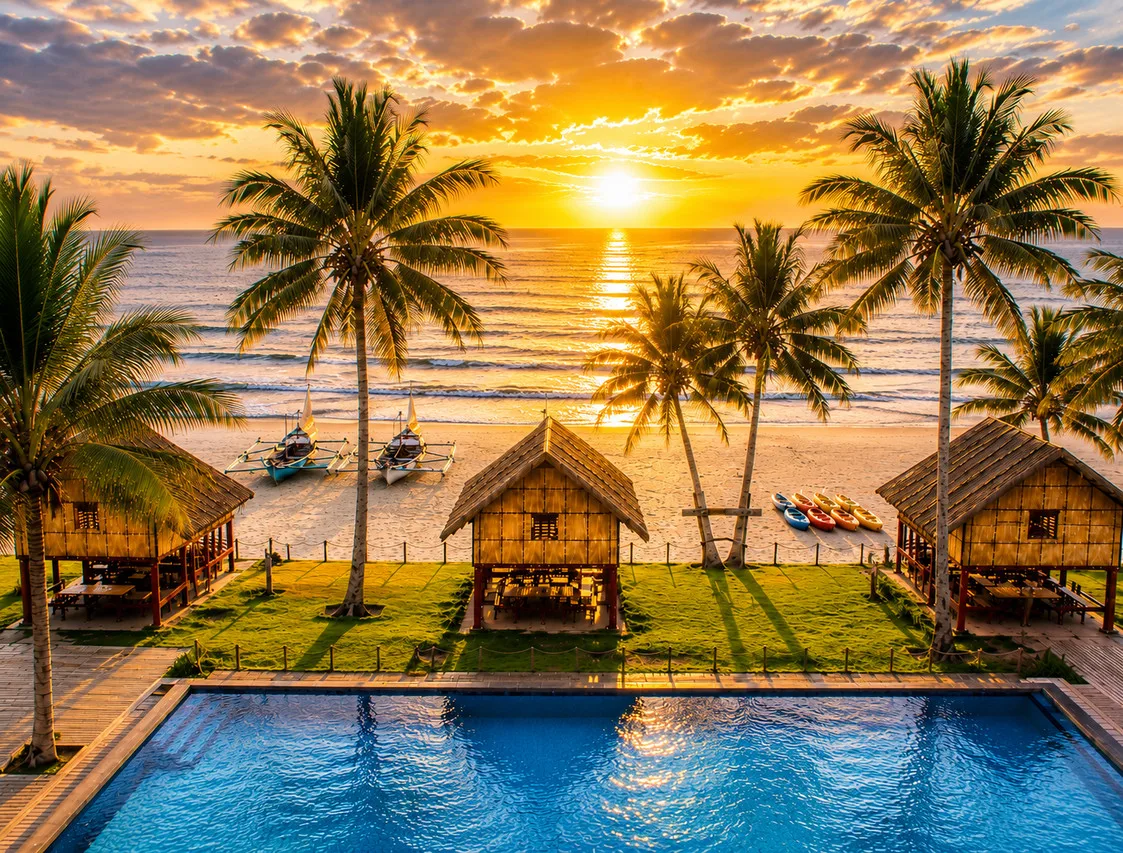
🌊 Popular activities (book instantly)
Island hopping, canyoneering, whale sharks — real Klook/GetYourGuide options.
View all activities →