Short answer: Thresher sharks now appear at Kimud Shoal rather than Monad Shoal, and Kimud has been a marine protected area since December 2025 with conservation rules attached. Dives leave between about 05:00 and 08:00 to catch the dawn cleaning-station window. Expect PHP 1,500 to 2,500 per dive plus marine park fees of roughly PHP 150 to 450 a day.
Trip.comHotels in Philippines
Compare live prices via Travelpayouts — targeted for this guide.
Search on Trip.comFor certified divers planning a Malapascua trip specifically for thresher sharks. Site status, schedule and fee ranges last checked 30 July 2026. Shark behaviour is not a timetable - operators sell the dive, not the sighting, and any shop guaranteeing an encounter is overselling.
| Period | Sea conditions | Thresher odds | Notes |
|---|
| Dec-Feb | Amihan winds, choppier crossings | Good, weather-dependent | Some mornings cancelled on sea state |
| Mar-May | Calmest of the year | Good | Best all-round window, busiest |
| Jun-Aug | Habagat influence, variable | Good | Fewer divers, more weather risk |
| Sep-Nov | Typhoon season peak | Good when boats run | Highest cancellation risk |
Note what that table does not say: there is no thresher season. The sharks are resident year-round and the variable is whether the boat can sail, not whether the animals are present.
The sharks moved, and most guides have not noticed
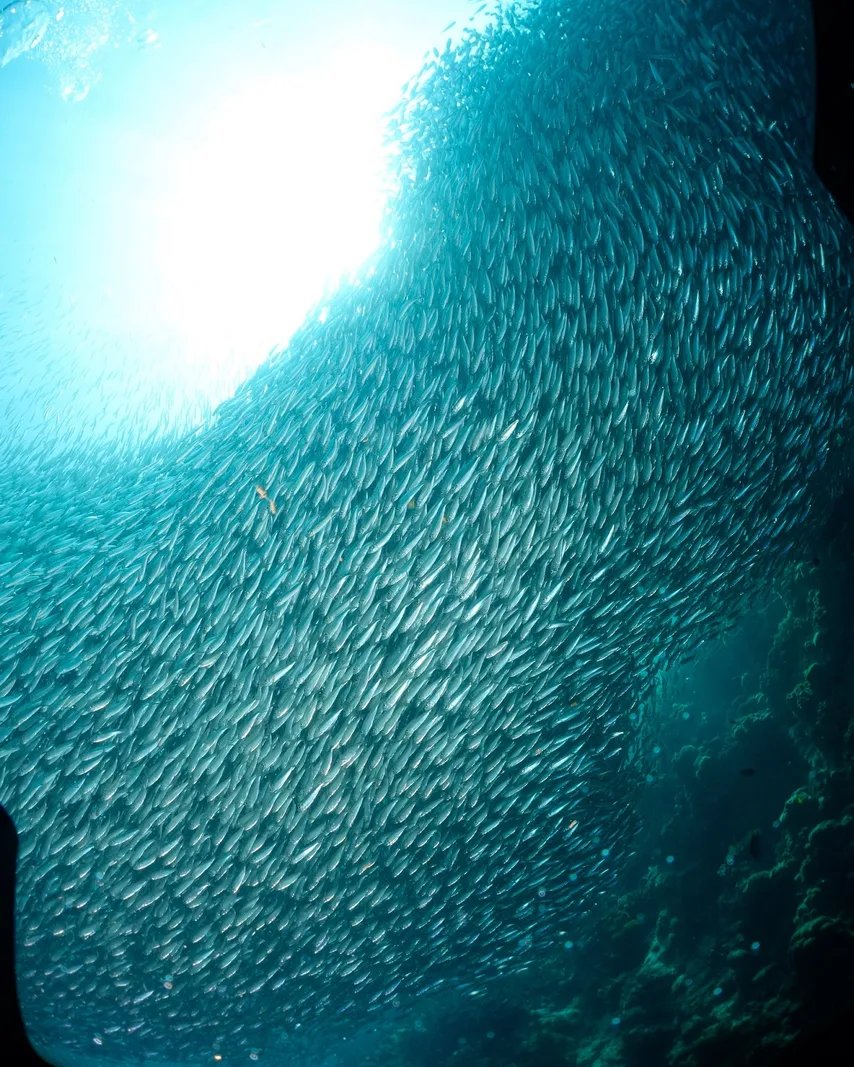
Monad Shoal built Malapascua's reputation. It is a submerged seamount where pelagic threshers came up from deep water at dawn to be cleaned by wrasse, and for two decades it was the reliable place on earth to see them on scuba.
They have shifted to Kimud Shoal. Monad still has a cleaning station and it is now the domain of tiger sharks, which is a different and arguably more dramatic dive - but it is not the thresher dive, and travellers booking Monad expecting threshers are booking the wrong site.
Kimud became a protected marine area in December 2025, bringing access conditions with it. That is recent enough that a large share of published Malapascua advice still describes the old arrangement in the present tense.
Why the dive happens before sunrise
Thresher sharks spend the day in deep, cold water and come shallow at dawn for the cleaning stations on the seamounts. The whole logic of the dive is that window - boats leave between roughly 05:00 and 08:00, with the productive time closer to 05:00 to 07:00.
Practically that means a wake-up in the dark, a boat in the dark, and a descent in poor light onto a plateau where you wait rather than swim. Divers who expect an active dive are surprised: the technique is to settle behind the designated line and stay still.
Moving toward a shark ends the encounter for everyone on the boat. The animals are shy, the cleaning behaviour is what draws them shallow, and a diver finning out over the plateau clears the site.
What Kimud's protected status changed
Protection brought rules aimed at reducing pressure on the site. The one that most affects visiting divers is a buoyancy requirement: Open Water certified divers are admitted, but only after completing a buoyancy workshop with their operator.
That is a sensible gate rather than a bureaucratic one. The dive is conducted hovering at depth in low light with a group, and a diver who cannot hold trim silts the plateau and drifts into the shark's approach line.
There is also a site fee - reported around PHP 100 per visit to Kimud - separate from the general marine park charge of roughly PHP 150 to 450 per person per day that goes to the local government for use of the waters. Budget both, in cash.
Costs, certification and how many mornings to book
Individual dives run roughly PHP 1,500 to 2,500, with multi-day packages reaching into the tens of thousands of pesos once accommodation and multiple dives are bundled. The shark dive is normally sold as a two-dive early trip.
On certification, Open Water is workable at Kimud with the buoyancy workshop, but Advanced makes the trip more comfortable - the plateau sits deep enough that bottom time is the limiting factor and gas consumption in cold pre-dawn water is higher than divers expect.
Book at least three mornings. Sightings are frequent but not guaranteed, and weather cancels boats. A traveller with one shot at it who loses that morning to wind has flown a long way for a beach.
Getting there is the other half of the problem
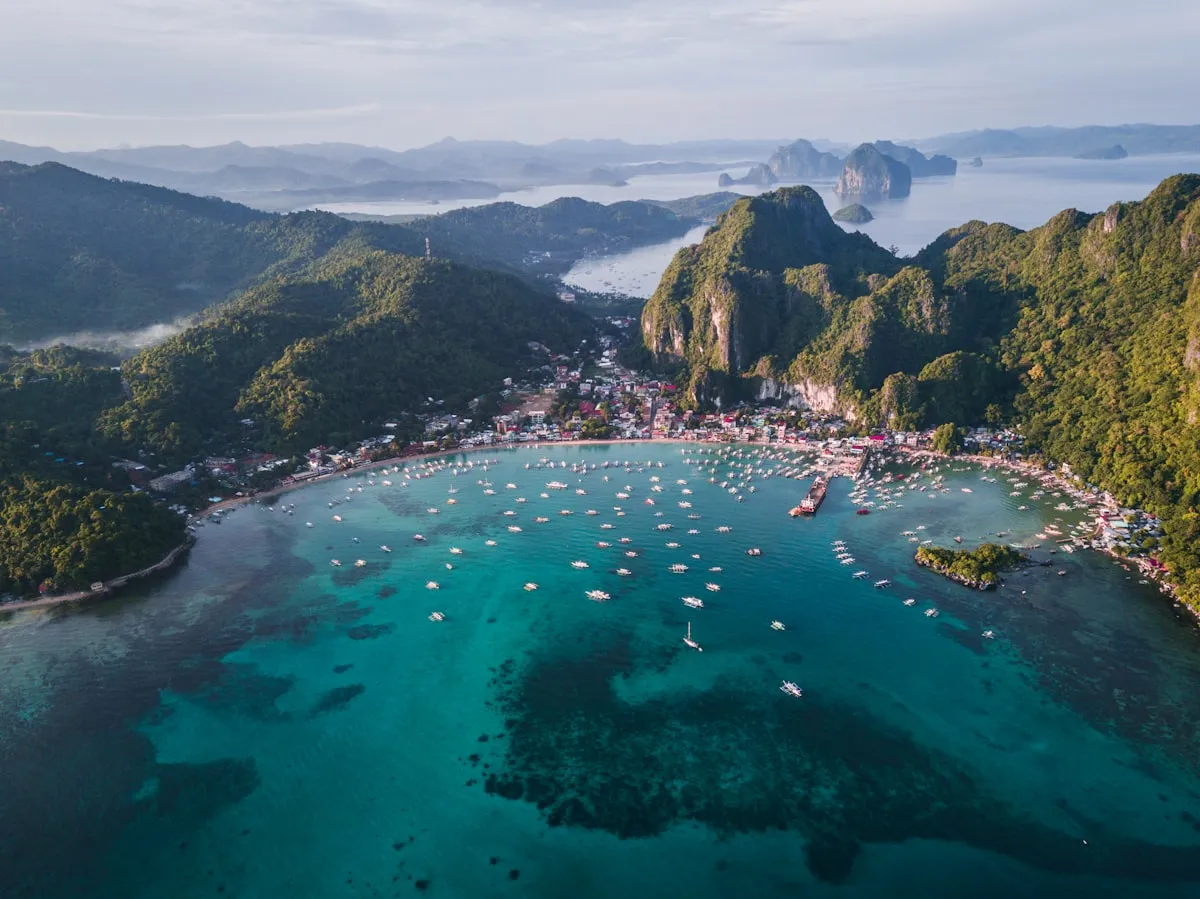
Malapascua sits off the northern tip of Cebu. The route is Cebu City to Maya by road - four to five hours depending on traffic out of the city - then a short bangka crossing to the island.
The crossing is the weak link. It is a small open boat on an exposed channel, it stops running after dark, and it suspends in rough weather. Arriving at Maya in the late afternoon during the northeast monsoon is how people end up sleeping on the mainland.
Leave Cebu City early. The Department of Tourism lists accredited operators, and a shop that arranges the transfer end to end is worth the small premium on a first visit.
What most guides get wrong about Malapascua thresher diving
The headline error is the site. Enormous numbers of articles still send divers to Monad Shoal for threshers. The threshers are at Kimud; Monad's cleaning station now attracts tiger sharks. Booking on the strength of an article written before the shift means booking a different dive.
The second is describing a thresher season. There is not one - the animals are resident year-round and the seasonal variable is sea state, which decides whether the boat leaves. Guides that recommend specific months for sightings are describing the weather and calling it shark behaviour.
The third is presenting it as an easy dive because it is not deep by technical standards. It is a pre-dawn, low-light, cold, hold-still dive at depth on a plateau, and Kimud's protected status now requires Open Water divers to complete a buoyancy workshop first. Easy is not the word.
Frequently asked questions
Where are the thresher sharks in Malapascua now?
Kimud Shoal. They have shifted from Monad Shoal, which now has tiger sharks at its cleaning station. Kimud has been a marine protected area since December 2025.
What time does the thresher dive leave?
Between about 05:00 and 08:00, with the productive window closer to 05:00 to 07:00. The sharks come shallow at dawn for the cleaning stations and return to deep water afterwards.
Can an Open Water diver do it?
Yes at Kimud, but only after completing a buoyancy workshop with the operator, a condition introduced with the site's protected status. Advanced certification makes the deep, cold dive more comfortable.
What does thresher shark diving cost in Malapascua?
Roughly PHP 1,500 to 2,500 per dive, plus a marine park fee of about PHP 150 to 450 per person per day and a Kimud site fee reported around PHP 100 per visit. Bring cash.
Is there a best season for thresher sharks?
No. The sharks are resident year-round. What changes seasonally is whether the boat can sail, with March to May calmest and September to November carrying the highest cancellation risk.
How do I get to Malapascua?
Cebu City to Maya by road, four to five hours, then a short bangka crossing. The crossing stops after dark and suspends in rough weather, so leave the city early.