Getting around the Philippines is half the adventure and, honestly, half the challenge. There is no single national rail network linking the islands, so you'll stitch together flights, ferries, and a colorful cast of road vehicles. Once you understand what each mode is for, the whole country opens up. Here is every option you'll actually use, what it costs in 2026, and how to book it without stress.

Getting Around the Philippines 2026: The Complete Transport Guide
Trip.com
Search on Trip.comHotels in Philippines
Compare live prices via Travelpayouts — targeted for this guide.
Every mode at a glance
| Mode | What it is | Typical use | Cost (USD / PHP) | Booking tip |
|---|---|---|---|---|
| Domestic flight | Cebu Pacific, PAL, AirAsia jets/props | Between island groups (Manila-Palawan, Cebu-Siargao) | $40-90 / PHP 2,300-5,100 | Book weeks ahead; watch for 15kg baggage add-ons |
| Fast ferry | Air-con catamaran (2GO, OceanJet, Montenegro) | Short hops (Cebu-Bohol, El Nido-Coron) | $10-45 / PHP 570-2,565 | Reserve online in peak season; arrive 45 min early |
| RORO ferry | Slow roll-on/roll-off car ferry | Vehicles + longer overnight routes | $8-30 / PHP 456-1,710 | Cheaper but slow; good for budget overnighters |
| Bus | Air-con or ordinary long-distance coach | Overland within a big island (Luzon, Mindanao) | $3-25 / PHP 170-1,425 | Companies like Victory Liner run terminals, not apps |
| Jeepney | Shared fixed-route minibus | Short city and town hops | $0.25-0.50 / PHP 14-28 | Pay by passing coins forward; say "para" to stop |
| Tricycle | Motorbike with sidecar | Last-mile within a town | $0.50-3 / PHP 28-170 | Agree the fare before you sit down |
| Grab | Ride-hailing app (car) | Cities: Manila, Cebu, Davao | $3-12 / PHP 170-685 | Price is fixed in-app; no haggling, no meter tricks |
| Van / UV Express | Shared air-con van, fixed route | Town-to-town (e.g. Puerto Princesa-El Nido) | $5-15 / PHP 285-855 | Leaves when full; reserve front seats for legroom |
| Habal-habal | Motorbike taxi | Rough roads, remote trails, quick solo hops | $1-5 / PHP 57-285 | Wear the helmet; only for light luggage |
Inter-island logistics
Think of your trip in two layers. To cross between island groups - say Luzon to the Visayas, or the Visayas to Palawan - you almost always fly; it saves a full day or two over sea travel. Within an island group, short ferries handle the gaps (Cebu to Bohol is a 2-hour fast craft; El Nido to Coron is about 3.5 hours). Plan your route so flights connect through the three main hubs - Manila, Cebu, and Clark - and you'll avoid awkward backtracking. Compare domestic fares and time your bookings on /flights, where the cheapest seats on popular routes go first.
Grab vs taxi in the cities
In Metro Manila, Cebu, and Davao, Grab is the traveler's default. The fare is calculated and locked in the app, so there is no meter tampering and no "the meter is broken" negotiation. Street taxis are fine too, but insist on the meter and have small bills ready. Surge pricing hits Grab during rush hour and rain - if the quote looks steep, wait ten minutes or walk to a calmer pickup point. Outside the big cities, Grab thins out fast, and you'll rely on tricycles and jeepneys instead.
How jeepneys work for first-timers
The jeepney is the icon of Philippine roads: a stretched, brightly painted shared minibus that runs a fixed route printed on its side. There are no formal stops - you flag it down anywhere and climb in the back. Pass your fare (in coins) up the row of passengers toward the driver, saying "bayad po" as you hand it over; your change comes back the same way. When you want off, rap a coin on the handrail or call "para" (stop). It's cheap, chaotic, and the most authentic 28-peso ride you'll ever take. Keep your bag on your lap and your phone in your pocket.
Trip.com
Tours & activities in Philippines
Hand-picked experiences in Philippines — book on Trip.com with instant confirmation.
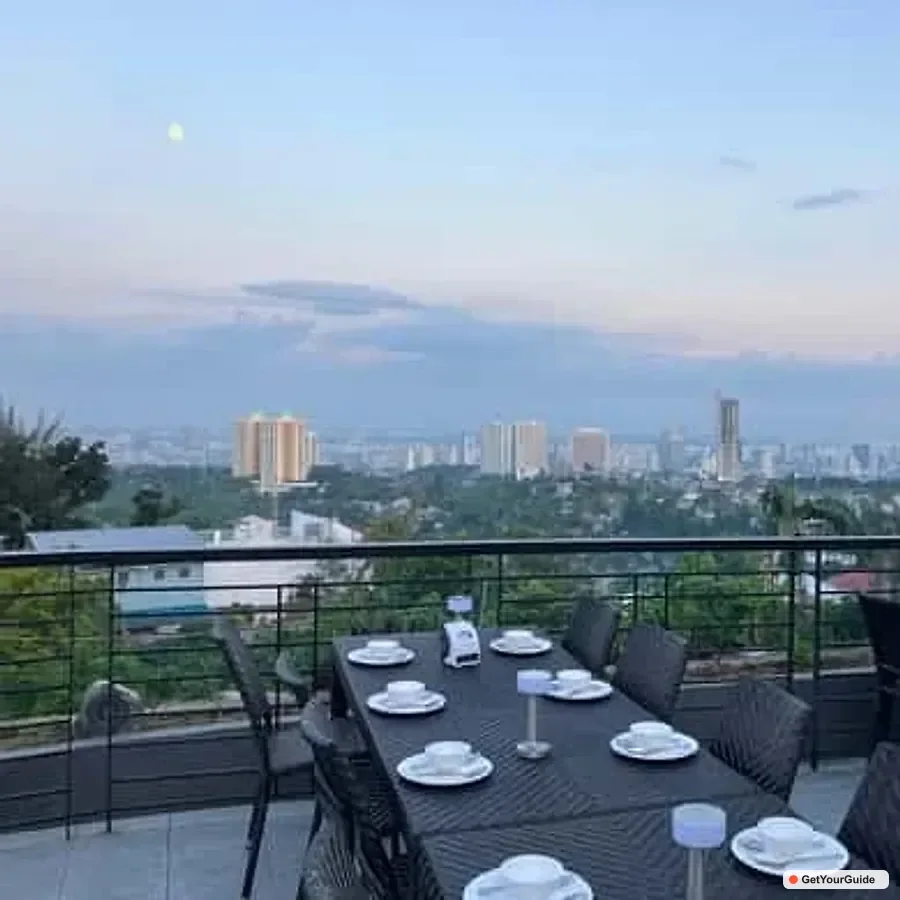
Cebu Temple of Leah and Sirao Garden TourCebu City, Philippines · Full dayFrom ₱4,993Book on Trip.com →

Coron Expedition Island Hopping TourCoron, Philippines · Full dayFrom ₱16,144Book on Trip.com →

Badian Kawasan Canyoneering AdventureBadian, Philippines · Full dayFrom ₱2,399Book on Trip.com →
Ferry booking made simple
For fast ferries, book online a day or two ahead in high season (December to May and around fiestas); slower RORO routes you can usually buy at the pier. Operators like OceanJet, 2GO, and Montenegro Lines dominate the main routes. Always check the day's weather - the coast guard suspends sailings when swells rise, especially in the rainy months, so keep a buffer day and never book the last ferry before an international flight. For seasonal route notes and island-specific transport quirks, browse the /blog.
Safety and common sense
The Philippines is a warm, welcoming place to travel, and a little street smarts goes a long way:
- Agree fares first on tricycles and habal-habal - before you sit, not after.
- Wear the helmet on any motorbike ride, however short.
- Guard valuables in packed jeepneys and terminals; use a cross-body bag.
- Carry cash in small denominations - rural drivers rarely have change for a PHP 1,000 note.
- Check the weather before ferry days and build in buffer time.
Putting it together
A smooth Philippine trip is really about sequencing: fly the long gaps, ferry the short ones, and use Grab, jeepneys, and tricycles for the last mile. Map the whole chain before you go so you know exactly how you'll get from the airport to your beach and back. Sketch your route and transfer times on the planner, then book your inter-island flights early on /flights to keep the whole journey on budget and on time.
Book tours, hotels & stays in Getting Around Philippines
Top tours
- Boracay UFO Ride Water Adventure — PHP 858 · 5★
- California Breeze Campsite — PHP 891 · 5★
- Caliah Homes — PHP 1065 · 5★
- Home in Pagadian City near airport — PHP 1267 · 5★
- Dreamwave Hotel Polangui — PHP 1423 · 5★
- Manila All-Access Bar Crawl, Club and Rooftop Tour — PHP 1511 · 5★
Top hotels
- Ocam Ocam Casadyan Inn — PHP 715/night · 5★
- California Breeze Campsite — PHP 891/night · 5★
- Caliah Homes — PHP 1064/night · 5★
- Cabrera Haven Residences — PHP 1230/night · 5★
- Home in Pagadian City near airport — PHP 1267/night · 5★
Top stays
- California Breeze Campsite — PHP 891/night · 5★
- Caliah Homes — PHP 1065/night · 5★
- Home in Pagadian City near airport — PHP 1267/night · 5★
- Fnt Transient House Near Hundred Islands — PHP 1322/night · 5★
Sources
Primary references for the figures and rules in this guide. Fees and schedules change — check the source before you travel.

Real local stays (book direct)
Hand-picked homestays and guesthouses — book direct, no markup.
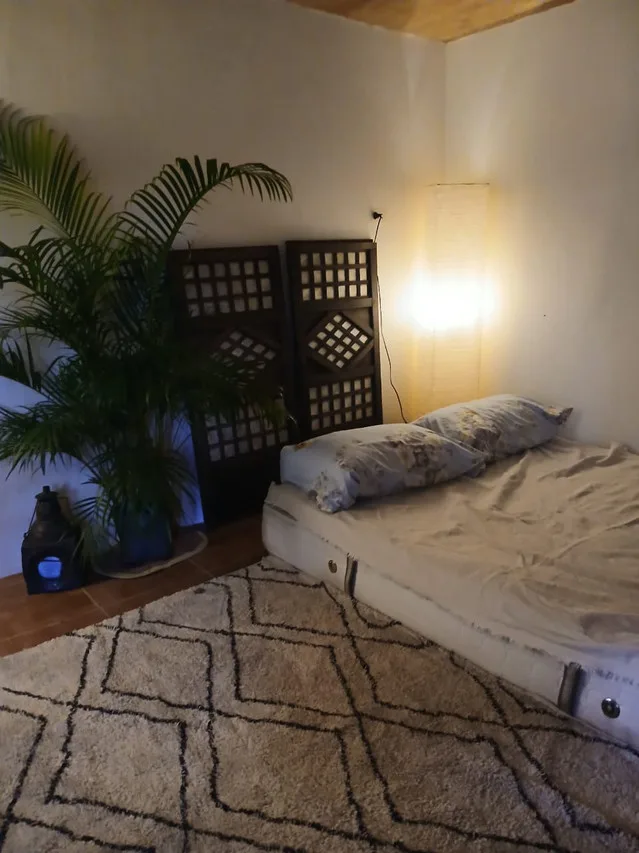
Calamansi Garden- Tropical Island Home w/ StarlinkBurgos 2, PhilippinesFrom ₱26/night
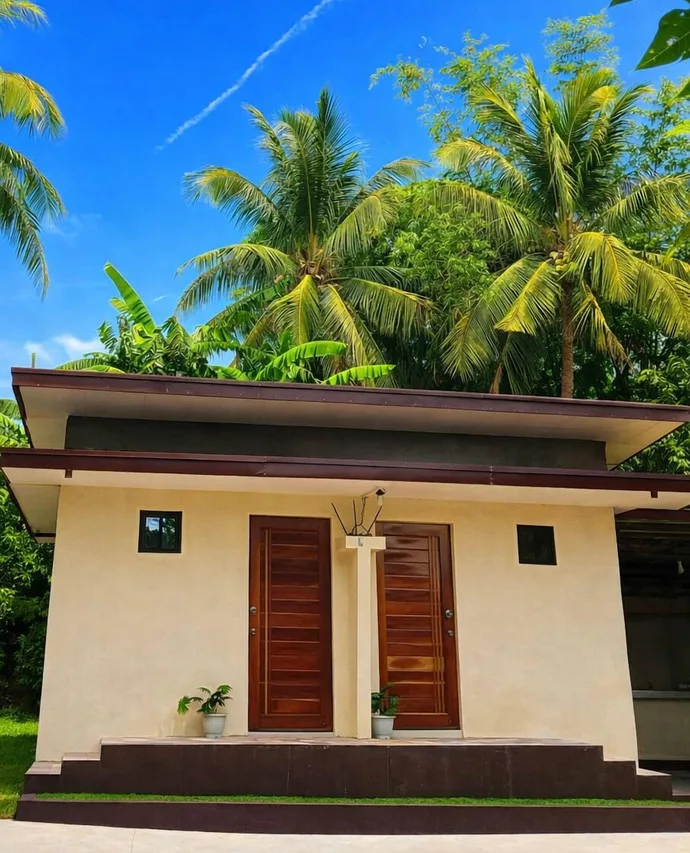
Bahay Domingo Guest HouseBagac, PhilippinesFrom ₱1,947/night
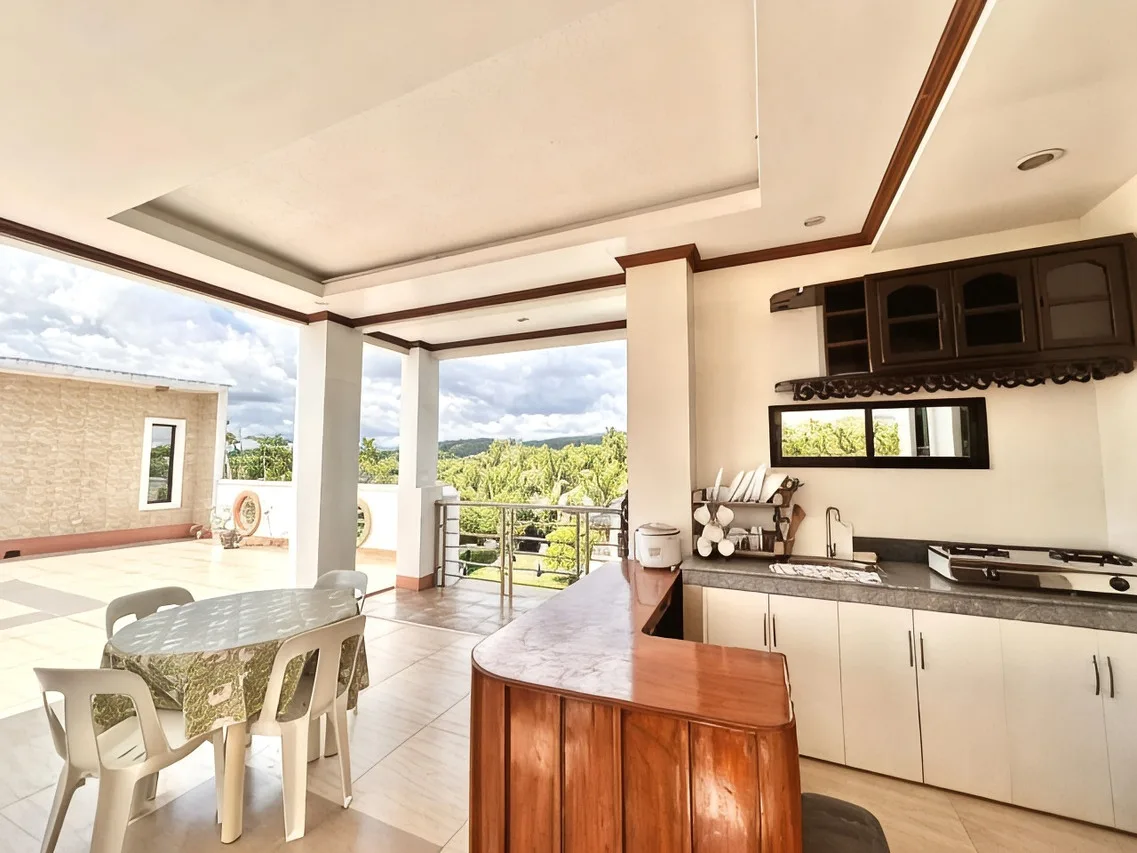
Caliah HomesBalamban, PhilippinesFrom ₱1,065/night
Popular activities (book instantly)
Island hopping, canyoneering, whale sharks — real Klook/GetYourGuide options.
Cebu Temple of Leah and Sirao Garden TourCebu City, Philippines · Full dayFrom ₱4,993
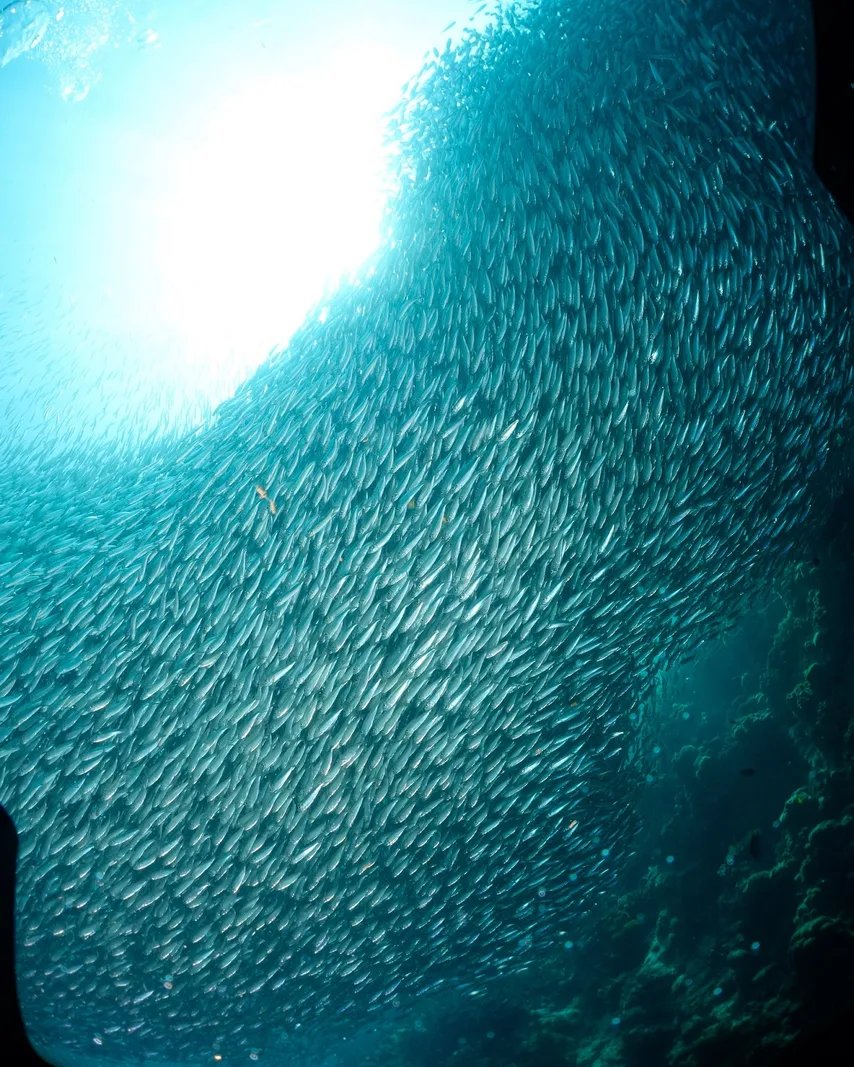
Moalboal Pescador Island Scuba Diving & Sardine RunMoalboal, Cebu · Full dayFrom ₱8,625
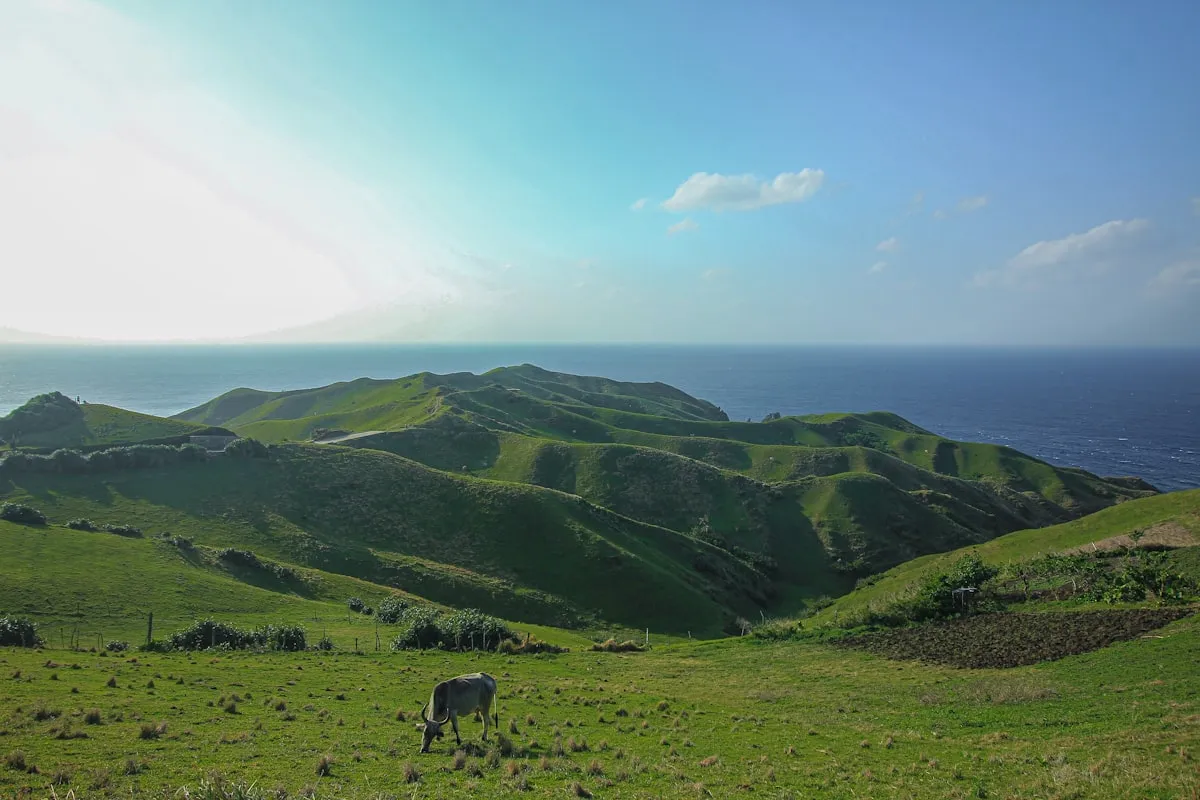
Batanes Cultural PhotographyBatanes · 3 daysFrom ₱3,500