Why Cebu belongs on your Philippines trip
Cebu is the Philippines at its most varied: the cradle of the country's recorded history, a buzzing island metropolis, and the gateway to some of its best beaches, waterfalls and marine encounters. With its own international airport, it is one of the easiest places to fly into, and you can be swimming with whale sharks or sliding down canyon waterfalls within a few hours of landing.
Cebu City and Mactan
Start in the historic core, where Magellan's Cross and the Basilica del Santo Nino mark the arrival of Christianity in 1521, and Fort San Pedro guards the old harbour. Cross to Mactan Island for the Lapu-Lapu Shrine - honouring the chieftain who defeated Magellan - plus resorts, dive shops and the island's famous guitar makers. In the hills above the city, the colourful Taoist Temple and the Temple of Leah offer sweeping views.
The south: whale sharks and waterfalls
Oslob and Kawasan
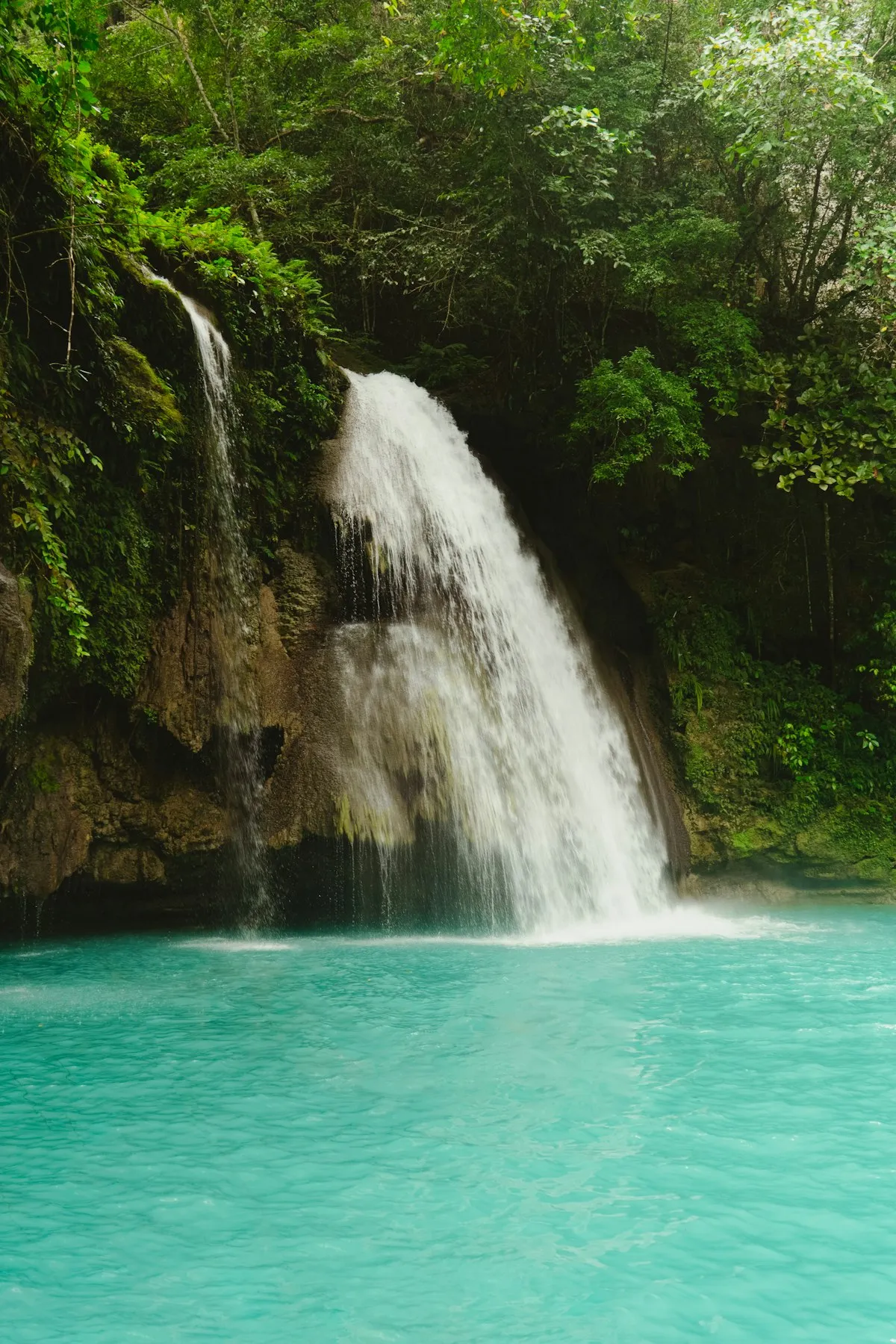
Southern Cebu is adventure central. In Oslob you can snorkel beside gentle whale sharks at dawn, then head to Badian for canyoneering down the turquoise gorge of Kawasan Falls - a thrilling chain of cliff jumps, slides and swims. Nearby Tumalog and Inambakan falls add more cascades to the mix.
Moalboal
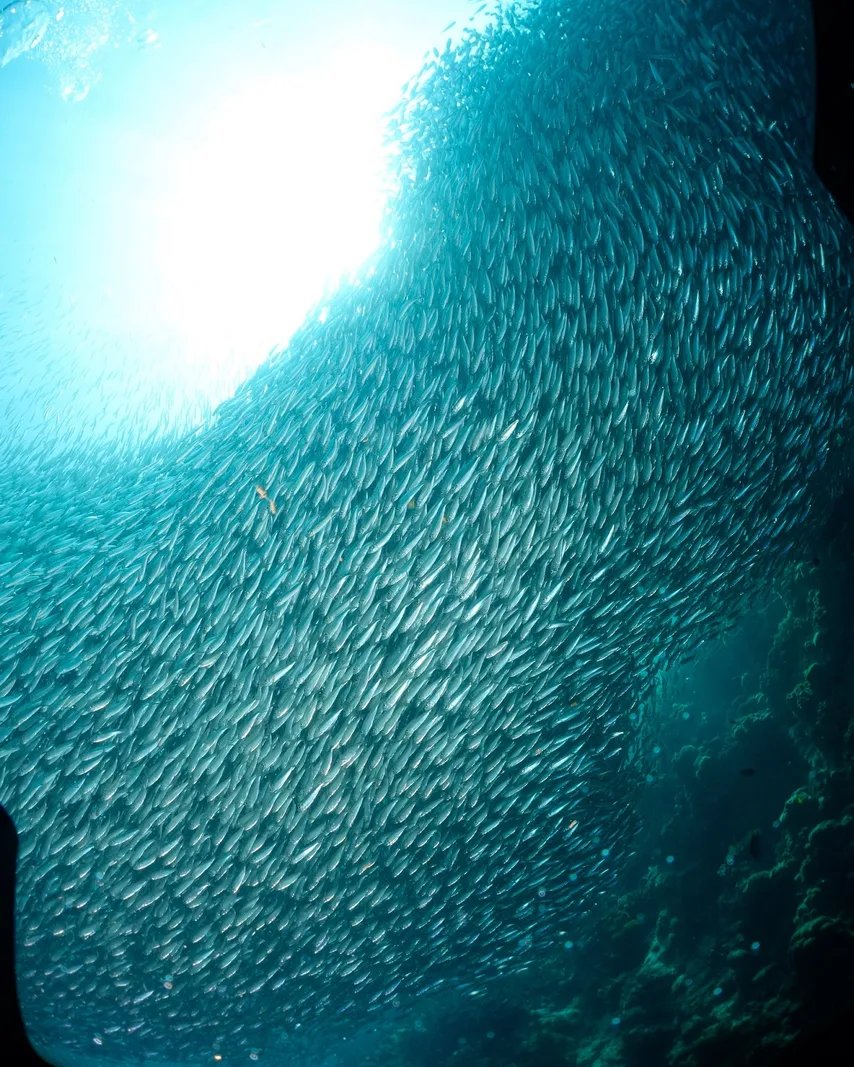
On the west coast, Moalboal is famous for its sardine run - millions of fish swirling just off the beach - plus resident sea turtles and the reef walls of Pescador Island. It is one of the country's most accessible world-class snorkelling spots, and a laid-back place to base yourself for a few days.
Beyond the highlights
Cebu has more to offer the curious: Osmena Peak (the island's highest point) for a short sunrise hike, the sardine-rich reefs of Pescador, canyon pools at Aguinid Falls in Samboan, and the historic town of Carcar with its heritage houses and famous lechon. Foodies should not miss Cebu's roast pork, dried mangoes and puso (hanging rice).
Getting around and when to go
Cebu is long and thin, and the south (Oslob, Badian, Moalboal) is a three-to-four-hour drive from the city. Many travellers base themselves in the south for a few days of adventure. The dry months of December to May bring the calmest seas and best conditions for the water activities Cebu is known for, while January's Sinulog festival fills the city with colour.
Frequently asked questions
What is Cebu best known for?
Cebu is known for its blend of history and nature: the birthplace of Philippine Christianity (Magellan's Cross, Santo Nino), the whale sharks of Oslob, the canyoneering and waterfalls of Kawasan in Badian, and the sardine run and turtles of Moalboal. It is also a major transport hub with its own international airport.
How many days do you need in Cebu?
Four to five days lets you combine a day or two in Cebu City and Mactan with two to three days in the south for whale sharks, canyoneering and Moalboal snorkelling. If you only have time for the highlights, a long weekend focused on the south covers the biggest bucket-list experiences.
How far is Oslob and Kawasan from Cebu City?
Oslob is around three to four hours south of Cebu City by road, and Badian (for Kawasan Falls canyoneering) is on the southwest coast a similar distance away. Many tours start very early from the city, or you can stay overnight in the south to shorten the travel and enjoy more relaxed mornings.
Is swimming with whale sharks in Oslob ethical?
It is a debated topic. The Oslob interaction involves feeding to keep the whale sharks near shore, which some conservationists criticise. If you go, choose operators that enforce the rules - no touching, no sunscreen in the water, keeping your distance - and consider alternative wild encounters elsewhere if the feeding aspect concerns you.
When is the best time to visit Cebu?
The dry season from December to May offers the calmest seas and best visibility for snorkelling, diving and canyoneering. January is also festival season, with the huge Sinulog celebration filling Cebu City. The wet months can bring rougher seas that occasionally disrupt boat trips.
Can you visit Bohol from Cebu?
Yes, easily. Fast ferries link Cebu City with Tagbilaran in Bohol in about two hours, making a combined Cebu-Bohol trip very popular. Many travellers spend a few days in Cebu for the whale sharks and waterfalls, then hop over to Bohol for the Chocolate Hills, tarsiers and Panglao's beaches.
Plan your trip with PANA.PH
Ready to turn Cebu into a real itinerary? Browse our tours and activities for guided island hopping, canyoneering, diving and day trips, compare places to stay, and read more destination guides on the PANA.PH blog. From Oslob whale sharks to Kawasan canyoneering and the Moalboal sardine run, our Cebu tours cover every highlight.
The best Philippine trips come together when the big pieces are booked early - flights between islands, the headline tours, and rooms in peak season - while the small pleasures are left to discover on the ground. Travel in the dry season (roughly late November to May) for the calmest seas and clearest skies, carry enough cash for island fees and local eateries, and always keep a buffer day in case the weather reshuffles a boat trip. A little planning around the seasons and the logistics turns a good holiday into a great one.
PANA.PH gathers the best of the Philippines in one place - handpicked tours from trusted local operators, honest guides written to help rather than sell, and practical tips drawn from real island travel - so you can spend less time organising and more time actually exploring. Whether you are chasing beaches, reefs, waterfalls, food or culture, use the links above to shape your route, then book with confidence and let the islands take care of the rest.