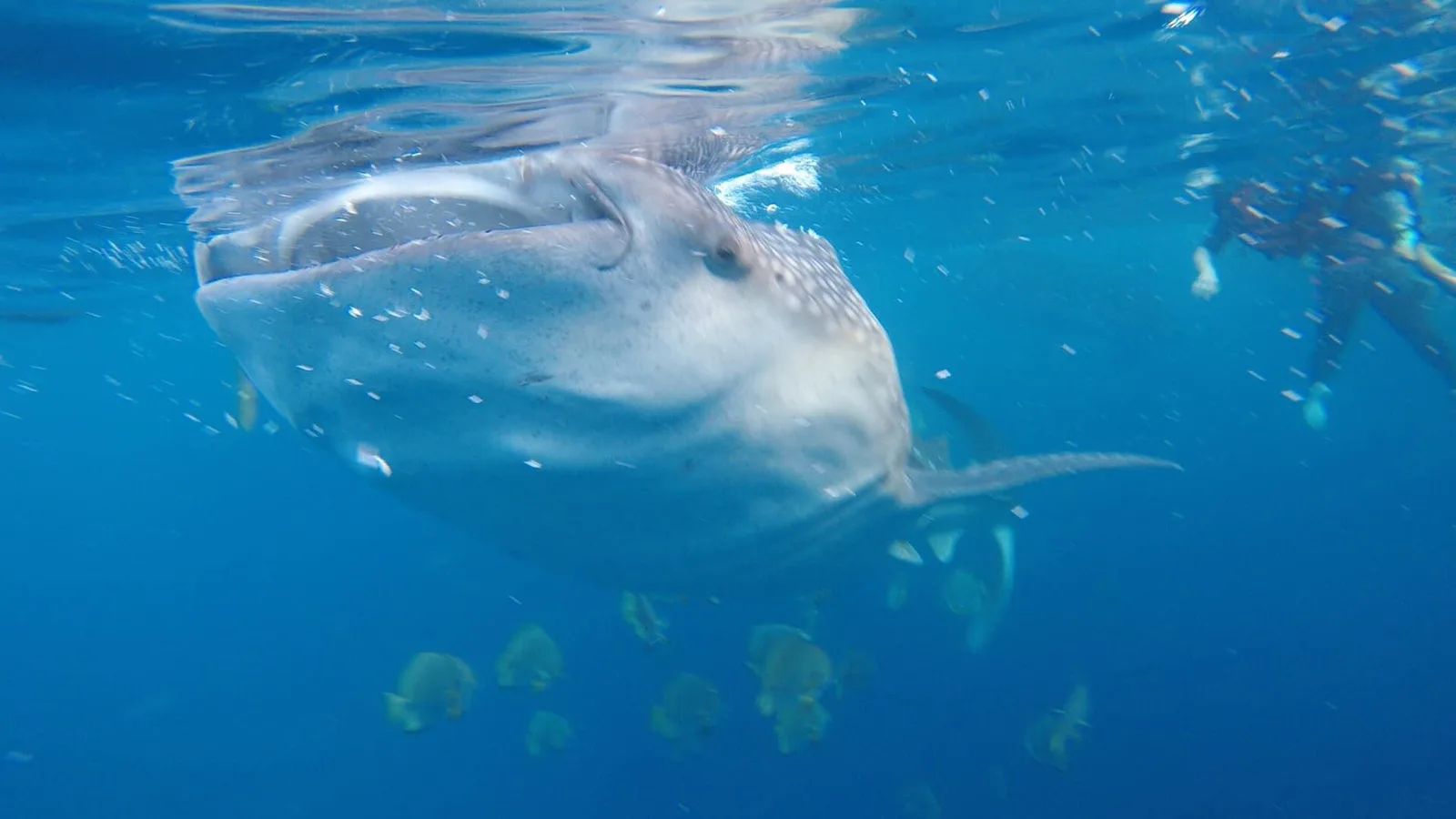
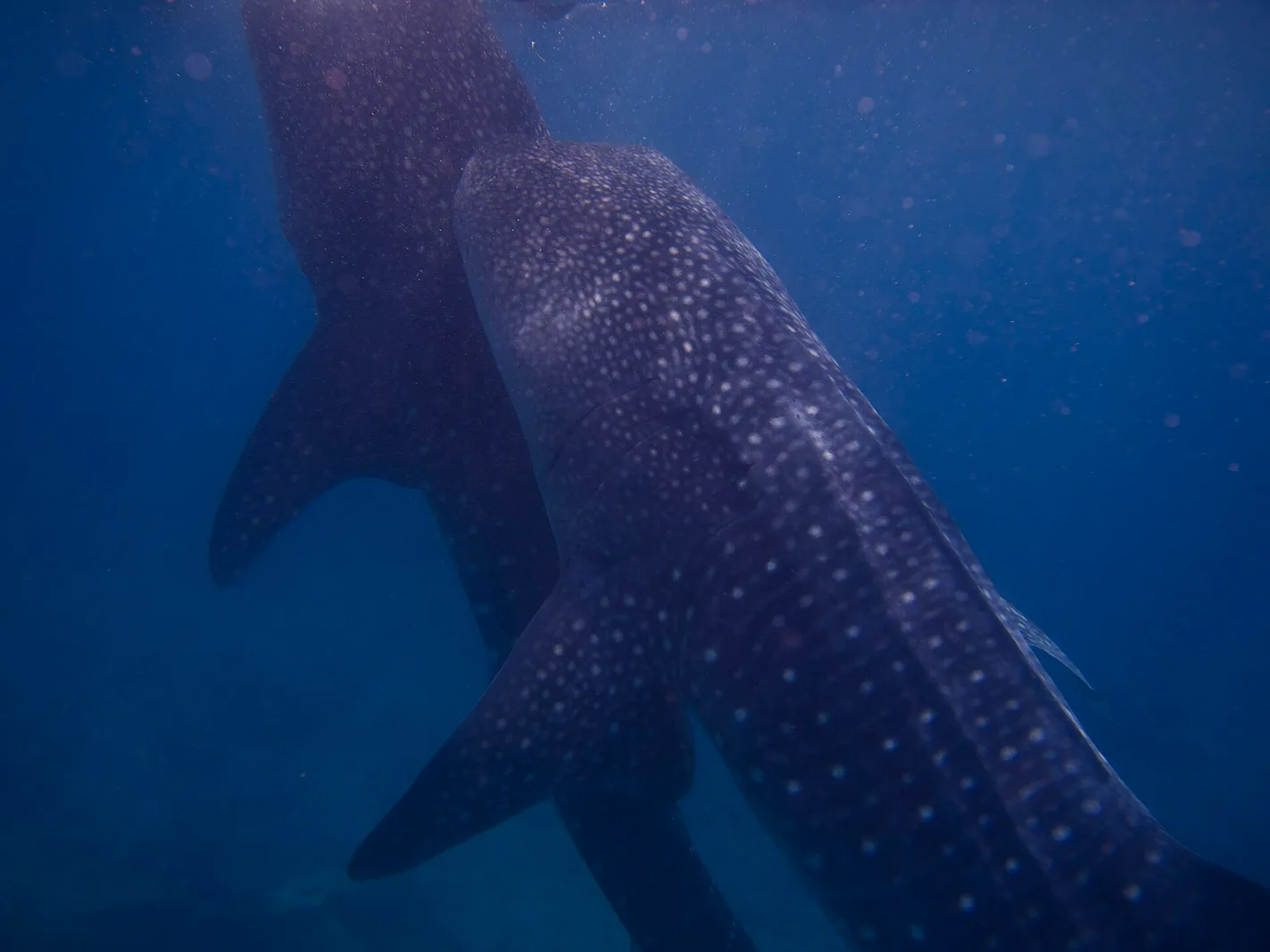
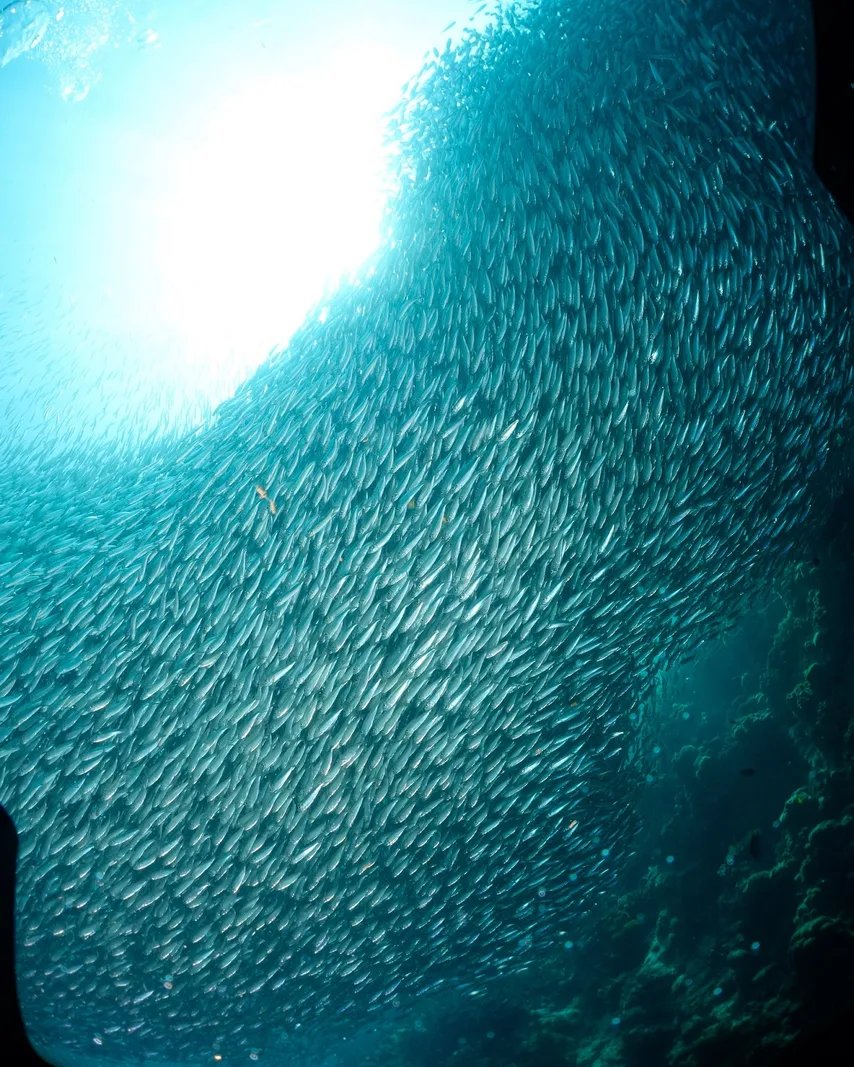
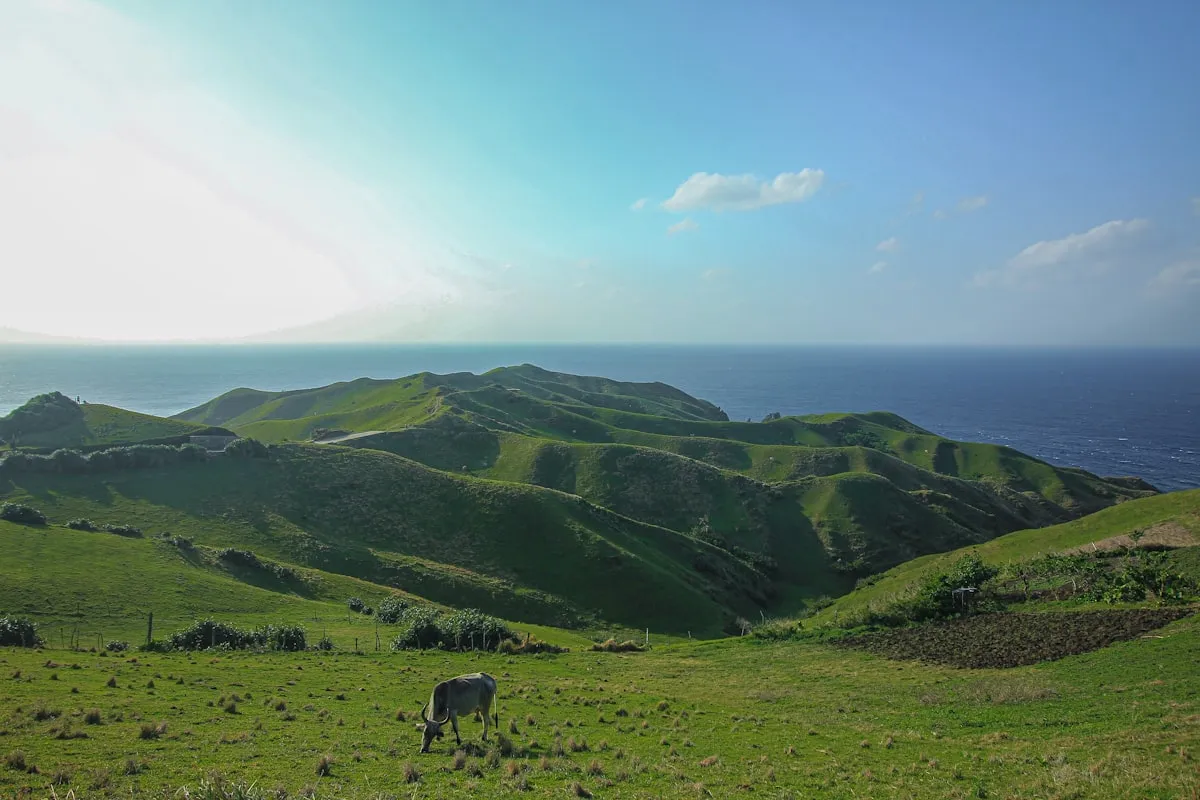
Short answer: Oslob in Cebu guarantees a sighting because licensed fishermen feed the sharks daily, which is precisely the objection to it. Donsol in Sorsogon and Sogod Bay in Southern Leyte are unprovisioned seasonal aggregations - lower certainty, wild behaviour. Whale sharks are a protected species in Philippine waters everywhere, and the no-touch rule is law, not etiquette.
Trip.comHotels in Philippines
Compare live prices via Travelpayouts — targeted for this guide.
Search on Trip.comFor travellers deciding between the three main Philippine whale shark sites, including anyone uneasy about Oslob and looking for the honest alternative. Rules and rates last checked 30 July 2026. Oslob's rates come from Municipal Ordinance No. 010 series of 2020 and are tiered by nationality and activity - see the note under the table - so confirm your band at the Tan-awan registration desk.
| Site | Provisioned? | Season | Sighting odds | Reported cost | Checked |
|---|
| Oslob, Cebu (Tan-awan) | Yes - licensed fishermen feed | Year-round | Near certain | PHP 1,000 foreign / PHP 500 local, snorkel | 30 Jul 2026 |
| Donsol, Sorsogon | No | Roughly Dec-May, peak Feb-Apr | Good in peak, never guaranteed | Boat fee split among group | 30 Jul 2026 |
| Sogod Bay, Southern Leyte | No | Roughly Nov-May | Variable, low volume | Operator dependent | 30 Jul 2026 |
Oslob's rates are set by Municipal Ordinance No. 010, series of 2020, and they are tiered by nationality and by activity: roughly PHP 1,000 for a foreign visitor's 30-minute snorkel against PHP 500 for a Filipino, with higher bands again for divers. Some sources quote a flat PHP 1,000 for everyone, which overstates the Filipino rate. Carry PHP 1,000 and expect the desk to ask which band you fall in.
Three places, three completely different animals to watch
The word most itineraries use is the same in all three cases - swimming with whale sharks - and it hides the fact that you are choosing between two different activities. In Oslob you are watching sharks that have learned to hold station at a feeding point. In Donsol and Sogod Bay you are looking for sharks that are passing through on their own business.
That is not a small distinction. It changes the behaviour you observe, the certainty you can buy, the season you have to travel in, and what your money funds. It is worth deciding which of those you actually want before comparing prices.
What does not change is the animal's legal status. Rhincodon typus is a protected species in Philippine waters, and taking, selling or harming one is prohibited nationally. The DENR handles wildlife protection and the rules apply in all three places.
Oslob runs on provisioning, and that is the whole argument
At Barangay Tan-awan, licensed fishermen hand-feed small shrimp to whale sharks from outrigger boats each morning. That is why Oslob can promise a sighting when nowhere else can, and why the operation runs 06:00 to 12:00 daily with no afternoon session - the animals are left to feed naturally in the afternoon.
The case for it is economic and local: revenue under the municipal ordinance is split with the largest share going to fishermen's associations, the rest between the municipality and the barangay. It converted a fishing community into a conservation-adjacent one, and it did it fast.
The case against is behavioural. Long-running research on the Oslob population has documented changed residency and behaviour in provisioned sharks, and the concerns - dependency, boat-strike scarring, disrupted migration - have not gone away with tighter rules. If that matters to you, it should decide the question rather than sit as a caveat.
Donsol is seasonal and nobody feeds anything
Donsol in Sorsogon is the site that built its reputation on doing this without provisioning. Sharks aggregate there naturally to feed on plankton, roughly December to May with the strongest months around February to April, and boats go out to find them.
Trips are run with Butanding Interaction Officers on board, a spotter-and-guide role that manages how the group enters the water and keeps the interaction inside the rules. Groups are limited per shark, and encounters are short by design.
You are buying a search, not a sighting. In a good week in March that search succeeds most days. In a bad week it does not, and a boat that comes back empty is a normal outcome rather than a failure. Anyone who needs the photograph should be honest with themselves about that before choosing Donsol over Oslob.
Southern Leyte trades certainty for distance
Sogod Bay in Southern Leyte is the quietest of the three - a natural seasonal aggregation, roughly November to May, with a fraction of the visitor volume of either Oslob or Donsol. Encounters here are genuinely wild and genuinely uncrowded.
The cost is access. Southern Leyte is a long way from any major gateway, the operator base is small, and there is no volume of daily departures to fall back on if weather cancels a morning. It rewards travellers with days to spend and punishes tight itineraries.
For divers it has a second draw: the bay's reef diving is strong in its own right, which makes a multi-day stay worthwhile even in a week when the sharks do not appear.
The interaction rules you will actually be held to
The specifics are tightest at Oslob because the encounter is concentrated, but the principles apply everywhere. Do not touch the animal - contact damages the mucous coating that protects its skin. Keep a minimum of about four metres from the body and five from the tail; a tail strike from a seven-metre fish is a real injury. No flash photography. Sessions are limited to roughly 30 minutes in the water to cap crowding and stress.
The rule most people break unknowingly is sunscreen. Chemical sunscreen washes off into the interaction zone, and Oslob asks swimmers not to apply it before entering. A rash guard does the same job and does not dissolve into the water.
Feeding is done only by licensed fishermen where it happens at all. Tourists feeding whale sharks is prohibited in every version of these rules, and it is the fastest way to end a boat's accreditation.
What most guides get wrong about swimming with whale sharks
The most common failure is presenting Oslob as simply the convenient option, three hours from Cebu City, with the feeding mentioned in passing or not at all. The provisioning is not a detail of the operation - it is the operation. A guide that does not tell you the sharks are fed has not given you enough to make the choice.
The second is the opposite error: treating Oslob as straightforwardly indefensible and the alternatives as cost-free. Donsol and Sogod Bay are better on animal welfare, but they are seasonal, they are uncertain, and their local economies are far smaller. Recommending them without saying you may see nothing sets travellers up to book Oslob at the last minute anyway.
The third is the claim that whale sharks can be seen in the Philippines year-round. They can be seen at Oslob year-round because they are fed there. Donsol and Southern Leyte are seasonal, and a December-to-May window is not a suggestion - outside it, the aggregation is not there to find.
Frequently asked questions
Are the whale sharks in Oslob fed?
Yes. Licensed fishermen hand-feed small shrimp from boats at Barangay Tan-awan each morning, which is why sightings are near certain there and why the site is controversial. Sessions run 06:00 to 12:00 only.
Which Philippine site is best for wild whale sharks?
Donsol in Sorsogon for accessibility, Sogod Bay in Southern Leyte for quiet. Neither provisions the animals, both are seasonal - roughly December to May in Donsol, November to May in Southern Leyte.
How much does Oslob whale shark watching cost?
Roughly PHP 1,000 for a foreign visitor's 30-minute snorkel and PHP 500 for a Filipino, under Municipal Ordinance No. 010 series of 2020. Divers pay a higher band again. Guides quoting a flat PHP 1,000 overstate the local rate.
Can I touch a whale shark?
No. Contact damages the protective mucous layer on the skin, and whale sharks are a protected species in Philippine waters. Keep about four metres from the body and five from the tail.
Why is sunscreen banned before swimming?
Chemical sunscreen washes off into the interaction zone and pollutes the water the sharks feed in. Wear a rash guard instead - Oslob asks swimmers not to apply sunscreen before entering.
Is there an afternoon session at Oslob?
No. Viewing runs 06:00 to 12:00 daily, and afternoons are deliberately left clear so the animals can feed without boats and swimmers present.