Contents
If you have ever watched Survivor in French, Israeli, Indian, Bulgarian or any of a dozen other national versions and thought "where on earth is that?", the answer is probably here: the Caramoan peninsula in Camarines Sur, deep in the Bicol region of southern Luzon. For more than a decade, international Survivor productions pitched their tribal councils and hidden immunity idols on these jagged limestone islets. The contestants went home, but the islands stayed exactly as wild and photogenic as they look on TV, and they are completely open for ordinary travellers to visit.
Hotels in Bicol
Compare live prices via Travelpayouts — targeted for this guide.
Caramoan is the quieter, less famous cousin of El Nido and Coron. There are fewer crowds, prices are lower, and the karst scenery, turquoise water and tucked-away lagoons are every bit as dramatic. Here is everything you need to plan a trip.
Why Caramoan is worth the effort
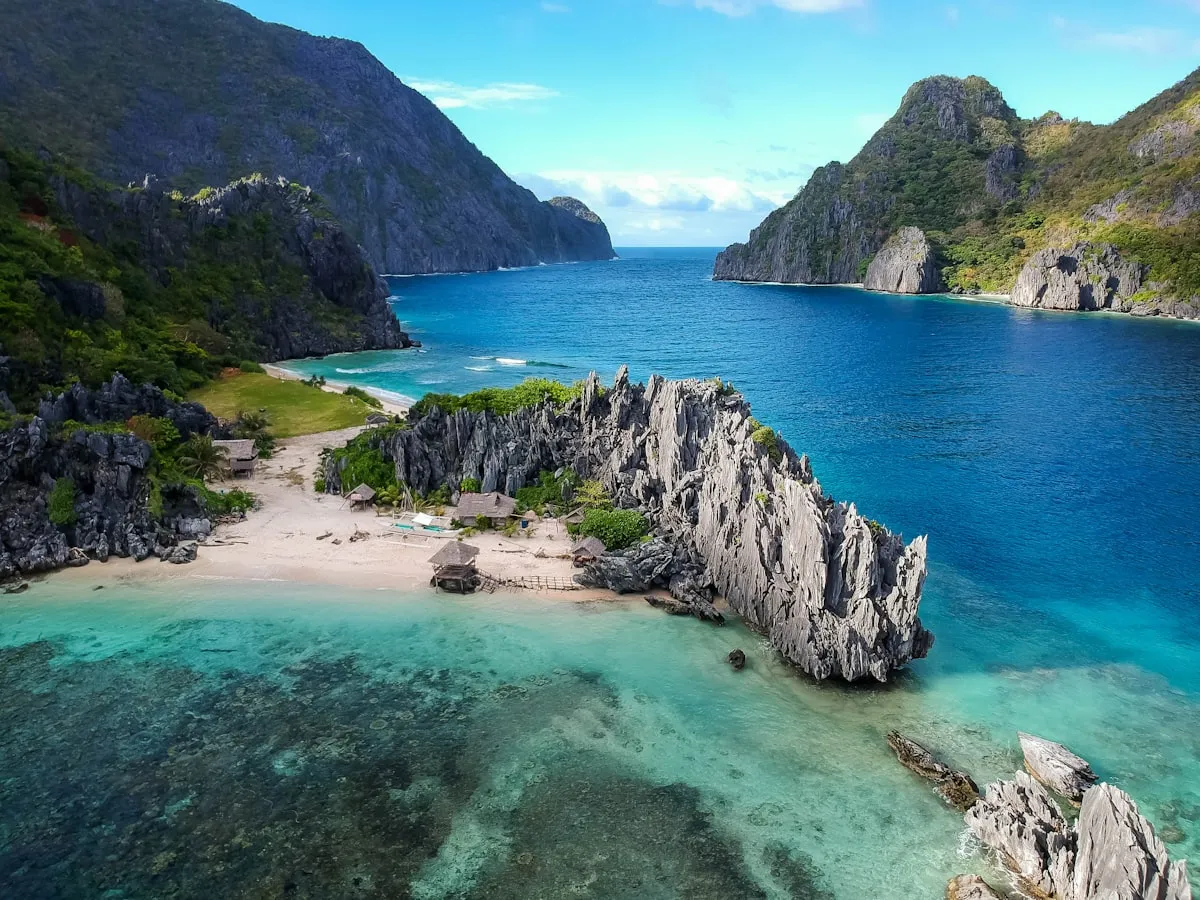
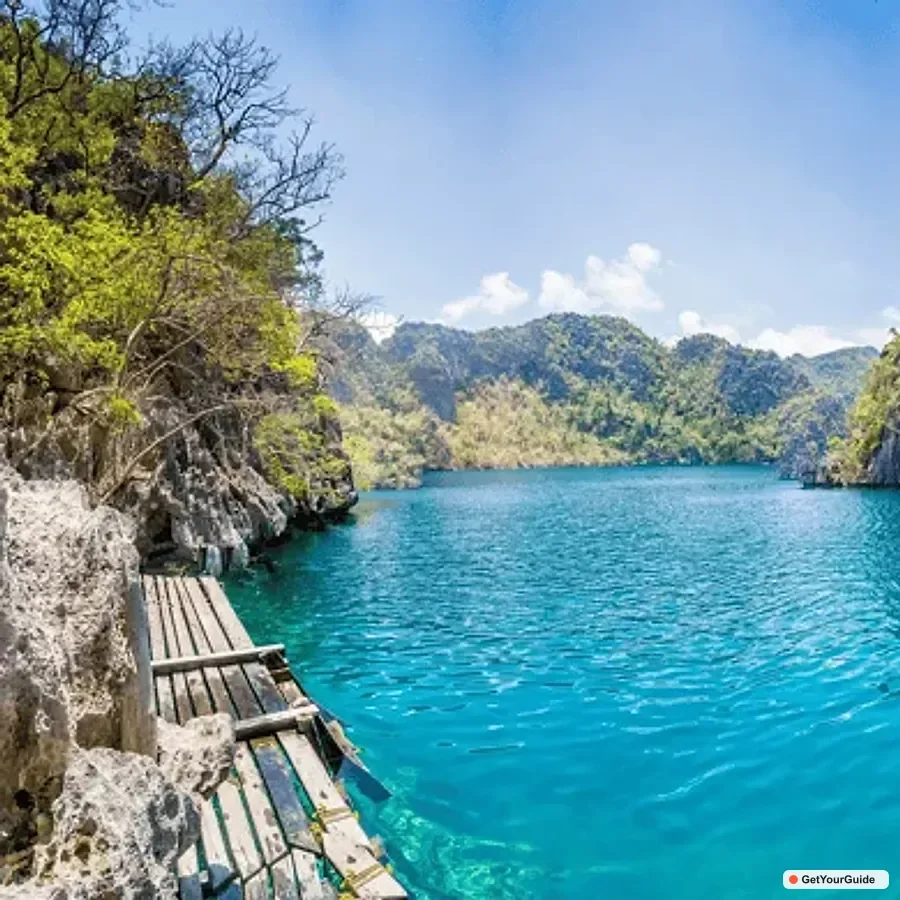
The draw is the island-hopping. A short boat ride from the mainland scatters you among a chain of small islands ringed by white sand and backed by sheer grey cliffs. The classic stops on most tours include:
- Matukad Island - a postcard white beach with a hidden inland lagoon you scramble up to; local legend says a lone milkfish lives in it.
- Lahos Island - two beaches that merge into a single sandbar at low tide, with a gap-toothed limestone arch.
- Sabitang Laya - a long, broad beach that often served as a Survivor base camp.
- Cotivas (Manlawi) sandbar - a vast shallow sandbar that appears at low tide; bring water shoes.
- Gota and Tinago beaches - calmer swimming coves closer to Sabang.
Because the islands are small and close together, a single day on a banca (outrigger boat) easily covers four or five of them.
Island hopping in Bicol
Hand-picked experiences in Bicol — book on Trip.com with instant confirmation.
How to get to Caramoan
This is the part that puts some people off, and honestly that is what keeps Caramoan uncrowded. There is no direct route; you fly to Naga, drive to the port town of Sabang, then take a boat across.
Step 1: Manila to Naga
The fastest way is to fly Manila to Naga (WNP). Cebu Pacific and Philippine Airlines (PAL Express) run roughly hour-long flights, often from around ₱1,800 to ₱4,500 one way depending on how early you book. If you would rather travel overland, deluxe buses (DLTB, Isarog, Penafrancia) run Manila to Naga overnight in about 8-10 hours for ₱900-₱1,300. Not sure which makes sense for your budget? Our flights versus ferries and buses breakdown can help you decide.
Step 2: Naga to Sabang port
From Naga, take a van or jeepney to Sabang port in San Jose, Camarines Sur. Vans take about 2 hours and cost roughly ₱150-₱200. Time this carefully, because the boats to Caramoan depend on it.
Step 3: Sabang to Guijalo (Caramoan)
The public passenger boat from Sabang to Guijalo port crosses Lagonoy Gulf in about 1.5-2 hours for around ₱120-₱150. Crucially, these boats only run a few times a day, mostly in the morning, and the gulf can get rough. From Guijalo it is a short tricycle ride (₱150 or so) into Caramoan town proper. Plotting this multi-leg journey is exactly what a tool like our route planner is built for.
Island-hopping tour costs
Most visitors book a private banca for the day rather than joining a fixed group. As a rough guide, a full-day private boat for the standard island circuit runs about ₱3,500-₱5,000 for the boat (split between your group, so it is cheap for four or more people). On top of that, budget for:
- Island entrance and environmental fees: roughly ₱20-₱50 per island.
- A registration or eco fee at the tourism office: around ₱100-₱150 per person.
- Snorkel gear rental and a cooler of food and water, since most islands have no shops.
All in, a day of island-hopping comfortably lands under ₱1,500 per person in a small group. Many guesthouses arrange the whole package for you, which saves haggling at the port. For a realistic full-trip budget including flights, transfers and stays, plug your numbers into our trip cost estimator.
Where to stay
Most accommodation clusters around Caramoan town and the beach barangay of Bikal, with a few resorts out near Gota Beach. Options span simple guesthouses and homestays from about ₱800-₱1,500 a night, mid-range inns with air-conditioning and breakfast around ₱2,000-₱3,500, and a handful of beachfront resorts higher up. Caramoan is small, so book ahead in the dry-season peak (March to May) and during the Survivor production windows, when entire resorts can be reserved by the crews.
Best time to go (and honest caveats)
Aim for the dry months of March to May for the calmest seas and clearest water. Bicol sits squarely in the typhoon belt, and the wet season from roughly June to November - peaking around August to October - brings storms that routinely cancel the Sabang boats and shut down island-hopping for days. Always check the forecast before locking in non-refundable flights; our best time to visit the Philippines guide has the month-by-month rundown.
A few practical warnings worth taking seriously:
- Boats get cancelled. Build a buffer day into your itinerary so a rough crossing does not strand you or make you miss your return flight.
- Cash is king. ATMs in Caramoan are limited and unreliable; bring enough pesos for your whole stay.
- Few amenities on the islands. Pack water, snacks, sun protection and a dry bag - there are no kiosks out there.
- Mobile signal is patchy on the islands and parts of the peninsula. Download maps offline beforehand.
Final word
Caramoan rewards the traveller willing to take the extra plane-van-boat shuffle to reach it. You trade convenience for limestone islands that feel genuinely undiscovered, sandbars that vanish with the tide, and the quiet thrill of swimming off a beach where a global TV show once filmed its finale. Give yourself at least two or three nights, watch the weather, and keep your plans flexible. If you want to keep exploring the region, browse our other destination guides for ideas across Bicol and the wider Philippines. Caramoan is proof that the best islands are sometimes the ones you have to work a little to find.

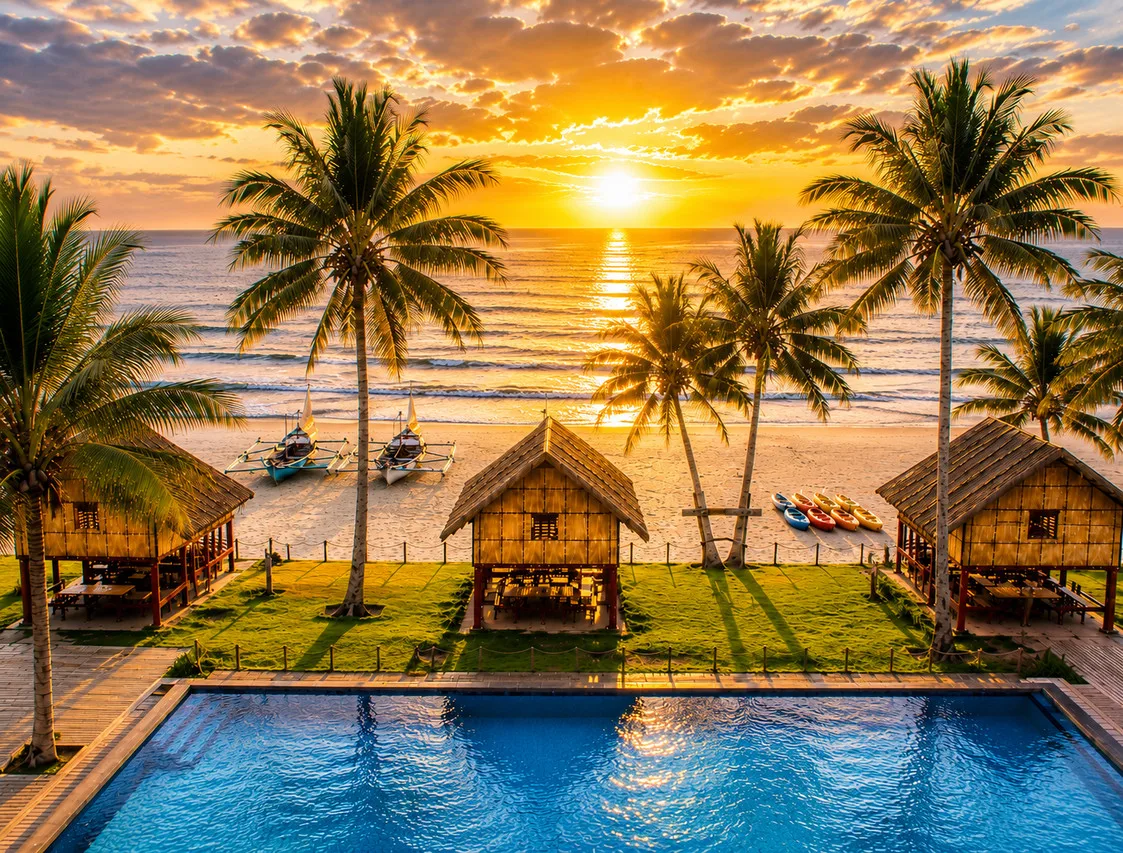
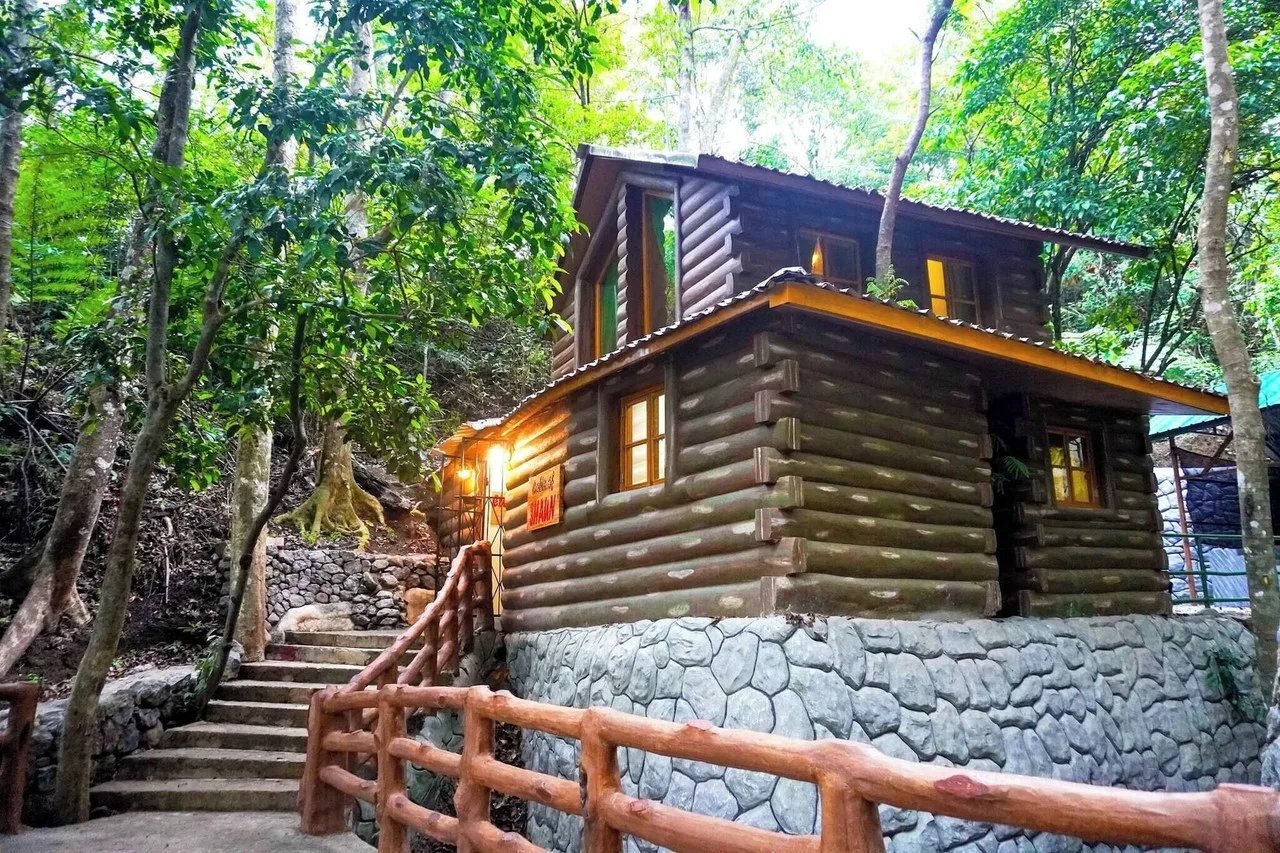
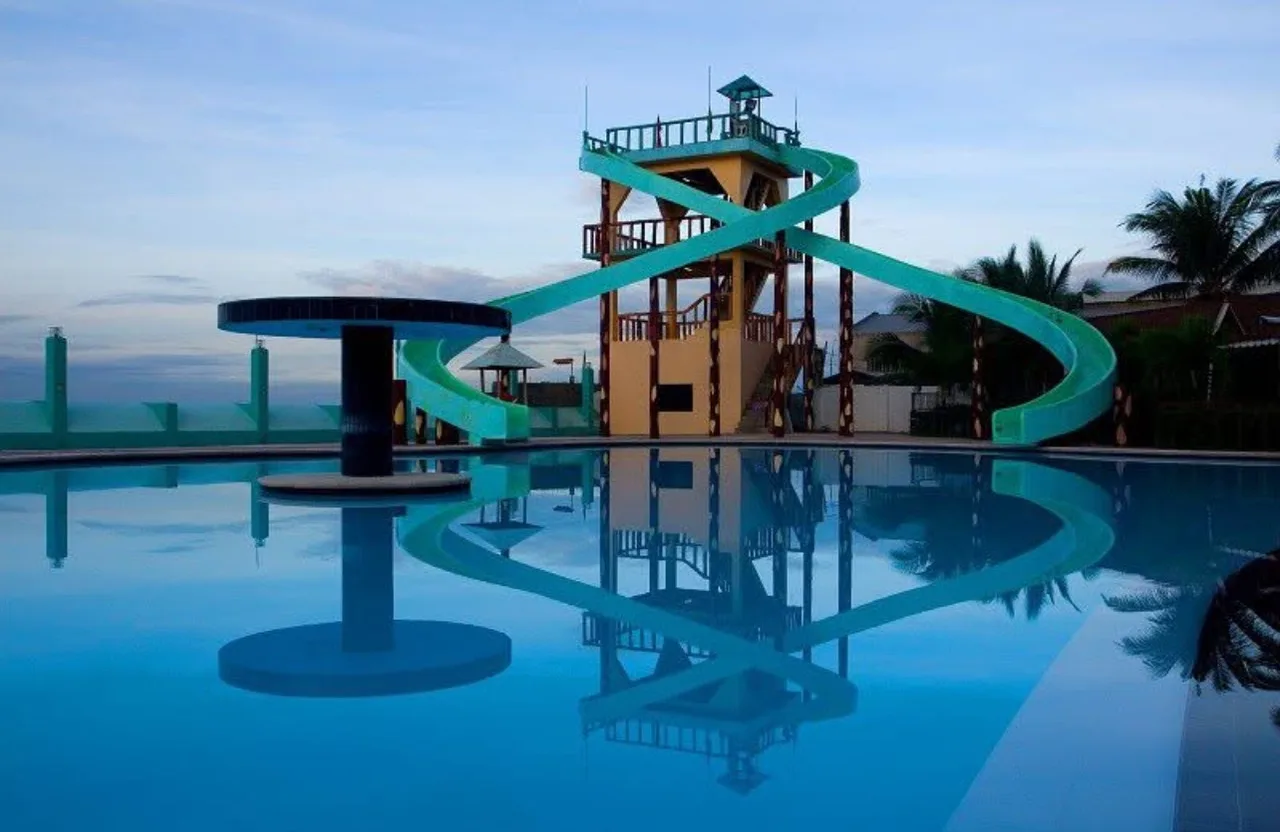
Real local stays (book direct)
Hand-picked homestays and guesthouses — book direct, no markup.
Popular activities (book instantly)
Island hopping, canyoneering, whale sharks — real Klook/GetYourGuide options.
Plan your Philippines trip