Why Dawn is the Best Time for Calle Crisologo
Calle Crisologo in Vigan City is one of the most photographed streets in the Philippines. The row of Spanish colonial houses, the uneven cobblestones, and the warm glow of street lamps make it a favorite stop for travelers. What many visitors miss is the magic of the street before the sun rises. At dawn, Calle Crisologo is quiet, cool, and almost empty. You can hear your own footsteps on the stones. The only other sounds come from a few roosters and the soft clop of a calesa horse further down the road.
Tourism in Vigan peaks during mid-morning and late afternoon. By 7:00 a.m., the street fills with tourists, souvenir vendors, and selfie sticks. If you arrive by 5:30 a.m., you get the entire road to yourself. The morning light is soft and golden, which makes the cream and terracotta walls of the ancestral houses look even more beautiful. Dawn is also the best time to take clean, crowd-free photos of the cobblestones and the vintage street lamps. Many travel photographers recommend getting to the north end of the street early to catch the first rays hitting the wooden balconies.
Walking at dawn also gives you a sense of how locals live. Residents open their shutters, sweep the pavement, and light incense outside their doors. Small food carts begin to set up at the corners. You can smell freshly cooked longganisa and brewed local coffee before the main crowd arrives. This is the Vigan that many guidebooks skip, and it is worth the early wake-up call.
The History Behind Calle Crisologo and Vigan
Vigan is the capital of Ilocos Sur and one of the best-preserved Spanish colonial towns in Asia. It became a UNESCO World Heritage Site in 1999 because of its unique mix of European and Asian architecture. Calle Crisologo, formerly known as Calle de Escolta de Vigan, is the most famous street in the heritage district. The street was named after Mena Crisologo, an Ilocano writer and governor who played a key role in local politics during the American period.
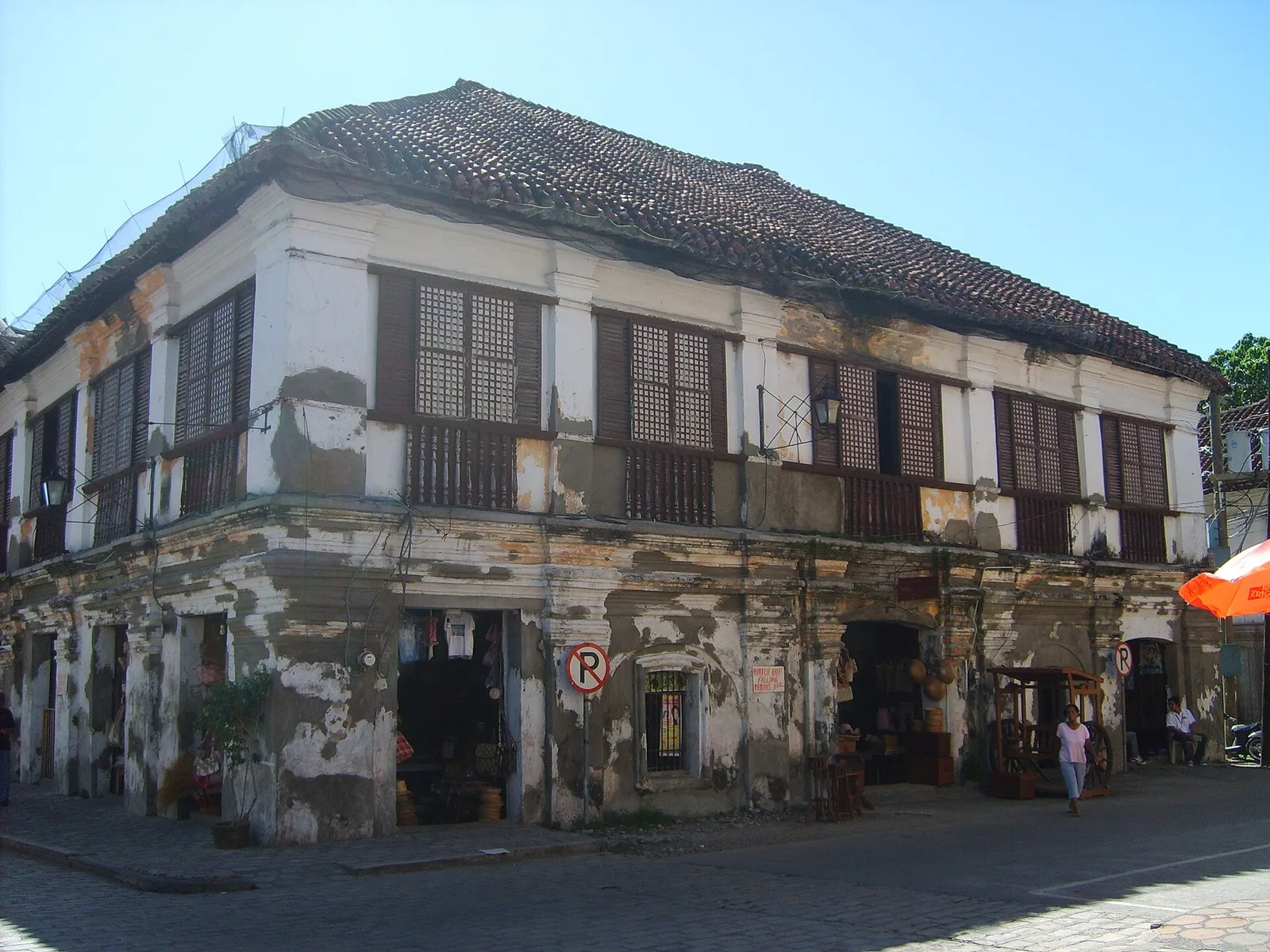
The houses along Calle Crisologo were built in the 18th and 19th centuries by wealthy Chinese-Filipino traders. The ground floors were used as shops and warehouses, while the upper floors served as family homes. This layout explains why the doors on the street are large and why the interiors often have connecting courtyards. The architecture is a blend of Philippine, Chinese, Spanish, and Mexican styles. You will see capiz shell windows, ventanillas, and heavy wooden beams that have survived earthquakes, wars, and typhoons.
Many of these houses have been converted into inns, restaurants, and souvenir stores. Some remain private residences. The local government of Vigan has strict heritage rules that limit how owners can change the facades. This is why the street still looks much as it did over a hundred years ago. Street lamps, iron grills, and cobblestones have been restored using traditional methods. The result is an open-air museum where people still live, work, and sell goods.
What to See on Foot
A heritage walk along Calle Crisologo can take anywhere from 30 minutes to two hours, depending on how often you stop. Start at the southern end near Plaza Burgos. From there, walk north toward the Syquia Mansion and the arch at the far end. The cobblestones are real and uneven, so flat shoes or sandals are better than high heels. Many visitors twist an ankle on the first block because they are looking up at the houses instead of watching the ground.
Look closely at the details. The second-floor balconies are supported by thick wooden posts. The windows are made of capiz shells cut into small squares. Some houses have religious icons painted on the front doors. Others display antique wooden furniture through open windows. The street is fairly short, about 500 meters, but each building tells a different story. You will also see a few calesas parked along the side. A calesa ride through the heritage district usually costs between 150 and 250 PHP for 15 to 20 minutes. Drivers often double as informal guides and will point out the oldest houses and the best photo spots.
Best Food and Souvenir Stops
After the walk, stop for breakfast at one of the nearby cafes or heritage inns. A plate of Vigan longganisa with garlic rice and egg costs between 150 and 250 PHP. A cup of hot Ilocos brew ranges from 50 to 90 PHP. Some shops along Calle Crisologo also sell bagnet, crispy pork belly that is a regional specialty. A small take-out bag costs around 200 to 400 PHP depending on the size. If you want a sit-down meal in a heritage house, budget 300 to 600 PHP per person.
Souvenir shopping starts as early as 7:30 a.m. Vigan is famous for burnay jars, hand-woven abel fabric, wooden crafts, and miniature calesa models. A small burnay pot can cost 150 to 500 PHP. Abel placemats and table runners range from 250 to 800 PHP. Be ready to bargain politely, especially if you are buying more than one item. Many vendors accept cash and a few now accept GCash, but it is smart to bring small bills.
Practical Tips and Entrance Fees
There is no entrance fee to walk along Calle Crisologo. It is a public street open 24 hours. However, some museums and heritage houses charge small fees. The Syquia Mansion Museum charges around 20 PHP. The Padre Burgos House charges around 20 to 30 PHP. The St. Paul Metropolitan Cathedral and Plaza Salcedo are free. If you want a guided heritage walk, local guides charge 300 to 500 PHP for a small group.
The best months to visit are from November to February, when the weather is cooler and drier. March to May can be very hot by 8:00 a.m., while June to October brings rain that makes the cobblestones slippery. Wear a hat, apply sunscreen, and bring water even for a short morning walk. If you are staying overnight, rooms in heritage inns near Calle Crisologo cost 1,500 to 5,000 PHP per night depending on the level of comfort and air conditioning.
Photography Tips and Where to Stay
Photographers will find Calle Crisologo rewarding at any hour, but dawn gives the cleanest light. The best spot for a wide shot is the middle of the street looking toward the old arch. Use a low angle to make the cobblestones lead the eye into the frame. A wide lens helps capture the full height of the houses. If you have a zoom lens, wait for a calesa to pass and capture the driver against the colonial backdrop. At night, the warm street lamps create a yellow glow that looks great on camera, though you will need a tripod for sharp images.
Staying near Calle Crisologo means you can walk out before sunrise without needing transport. Heritage inns inside the district offer rooms in restored colonial houses. These inns usually have wooden stairs, capiz windows, and courtyards. Rates range from 1,500 to 4,000 PHP per night for fan or air-conditioned rooms. Budget options just outside the heritage zone start at 800 to 1,200 PHP. Most inns serve free breakfast, often Vigan longganisa and coffee. Staying inside the zone also lets you enjoy the street after the tour buses leave.
Plan Your Trip with PANA.PH
Ready to see Calle Crisologo for yourself? Start with our Destinations page to compare Ilocos Sur spots. Book a heritage walk, a calesa tour, or a full Vigan day trip through our Tours section. For a unique stay, browse heritage inns and budget hotels near Calle Crisologo on our Hotels page. Want more Philippines travel ideas? Visit the PANA.PH Blog for guides on Laoag, Pagudpud, and the rest of the Ilocos region.
Frequently Asked Questions
What time should I arrive at Calle Crisologo?
Arrive before 6:00 a.m. if you want the street almost to yourself. The best light for photography is between 5:45 a.m. and 7:00 a.m., depending on the season.
Is Calle Crisologo safe to walk at dawn?
Yes, it is generally safe. The area has security and barangay watchmen. Still, it is good to stay alert and keep valuables close, as you would in any tourist area.
Do I need to pay to enter Calle Crisologo?
No, the street is free to walk any time. Some museums and private heritage houses nearby charge small entrance fees of 20 to 30 PHP.
How much should I budget for a calesa ride?
A short calesa ride around the heritage district costs 150 to 250 PHP. Agree on the price and duration before you get in to avoid confusion.
What should I wear for a heritage walk?
Wear comfortable walking shoes with flat soles because the cobblestones are uneven. Bring a hat, sunscreen, and a bottle of water, especially in the summer.
Last checked 2026-08-25. Written by PANA.PH Luzon Desk for PANA.PH.