El Nido Darocoton Island Day Trip
About this tour
Overview
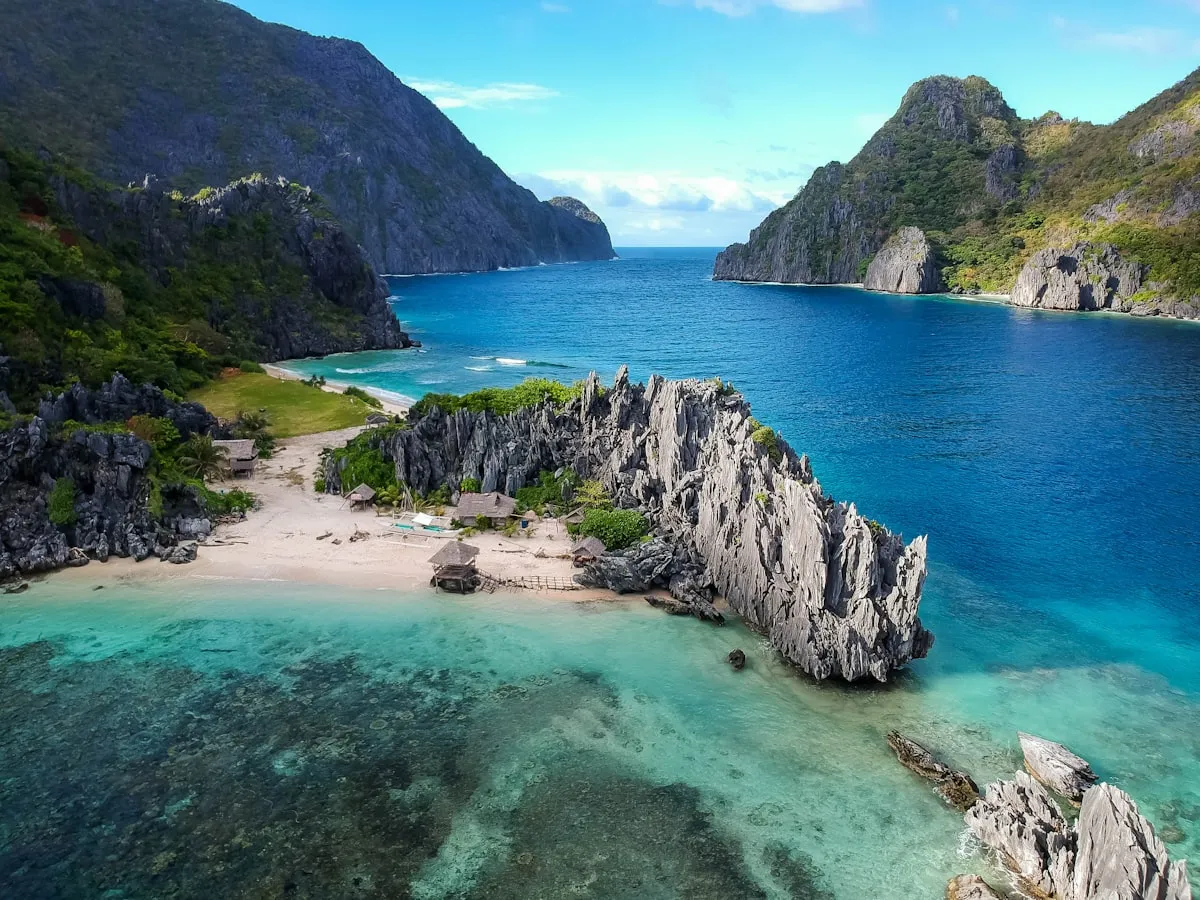
Most visitors to El Nido spend their days threading between the limestone karsts of the Bacuit Archipelago on the standard island-hopping circuits. Darocotan Island sits a little further south, beyond the busiest corridors, and the extra travel time thins out the crowds in a way that makes the whole day feel different. Here you can anchor off a coral reef in water so clear you count the fish before you jump in, then dry off in a fishing village where the day's catch is still being sorted on the beach, and finish by weaving a bracelet under a coconut palm before a grilled lunch arrives on a bamboo tray. It is a layered day - marine, cultural, social, restful - and the rhythm of it suits anyone who wants El Nido to be more than a postcard.
The Island and Its Setting
Darocotan Island belongs to the scattered constellation of islands in the southern Bacuit Archipelago, within the Palawan Biosphere Reserve. Palawan's geology is ancient and dramatic - the province sits on a continental fragment that rifted away from mainland Asia roughly 30 million years ago, and the resulting limestone formations create the dramatic cliff-and-lagoon scenery that El Nido is famous for. Darocotan is lower and rounder than the towering karst islands to the north, flanked by fringing reefs that developed in the relatively sheltered waters between the main Palawan island and the open Sulu Sea.
The reef system here is part of the broader Tubbataha biome network, though far more accessible. Hard corals in branching, table, and brain formations create a three-dimensional underwater landscape that supports parrotfish, surgeonfish, and schools of fusiliers. Sea turtles are residents rather than rarities in these waters. The shallow shipwreck - a local fishing vessel that settled in sand at a snorkeling-friendly depth - has become an artificial reef in its own right, draped in soft coral and patrolled by a predictable cast of reef fish that have made it home.
What to Expect Through the Day
The Reef and the Wreck
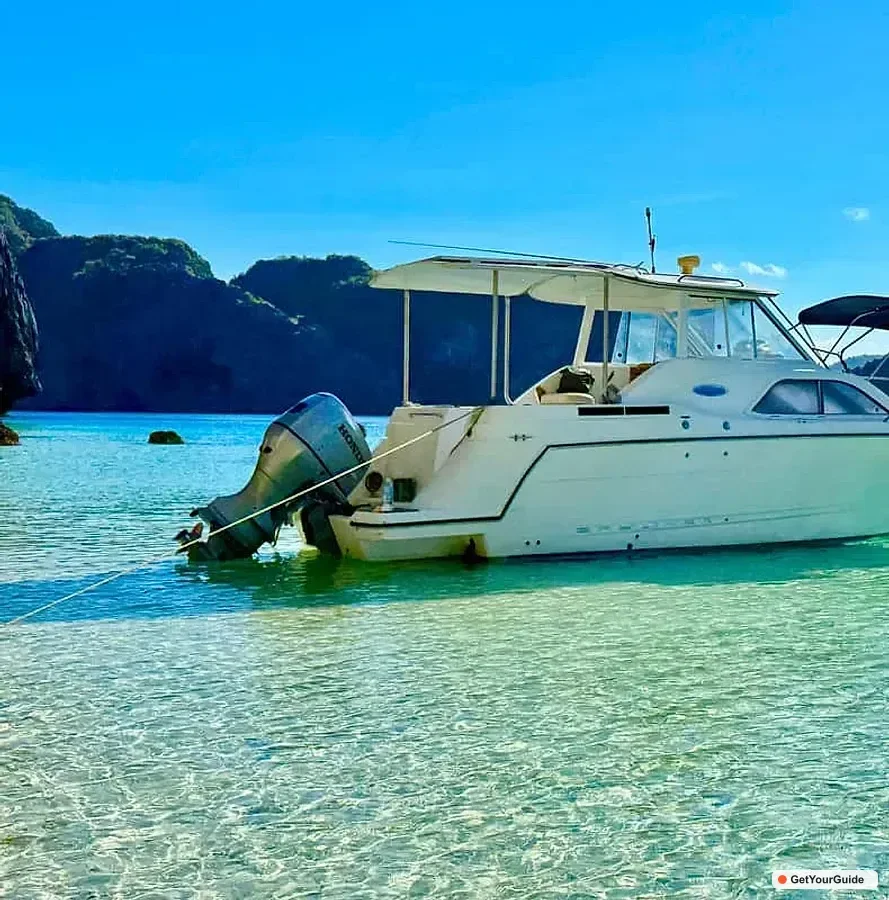
The boat departs from the El Nido town pier in the morning, typically after brief safety instructions and a gear check. The passage south gives you time to watch the karst landscape scroll past - sheer limestone walls dropping directly into teal water, no beach at their base, just rock and sea. Snorkeling at the coral garden comes first, in water that is usually between three and eight meters deep. The visibility on a clear morning can be exceptional, the kind where you can see the reef bottom before the ladder even hits the water.
The shipwreck stop follows. Because the hull rests at a depth accessible without any diving qualification, non-divers and casual snorkelers can hover directly above the structure and peer into the spaces where fish have colonized the old cargo hold. Guides point out resident species and explain what little is known of the vessel's history. This section of the day is unhurried - there is no underwater schedule to keep, and the guides understand that people move at different paces in the water.
The Village and the Bracelet Activity
After the marine stops, the boat moves to the island itself and ties up near the small community that has lived here for generations. Darocotan's village is a working settlement, not a heritage display - fishing nets dry on wooden frames, outrigger canoes are beached above the waterline, and the noise of the day is the ordinary noise of people going about their lives. The visit is kept respectful by design: guides introduce you to community members, and the interaction is genuinely reciprocal rather than observational.
The bracelet-making activity is guided by local residents and uses natural materials - seed beads, shells, or woven plant fibers depending on what the community is currently working with. It is simple enough that a child can complete one and interesting enough that adults who claim to have no craft ability surprise themselves. You leave with something small and real that someone on the island taught you to make, which is a different kind of souvenir than anything purchased from a shop in El Nido town.
Lunch and the Afternoon
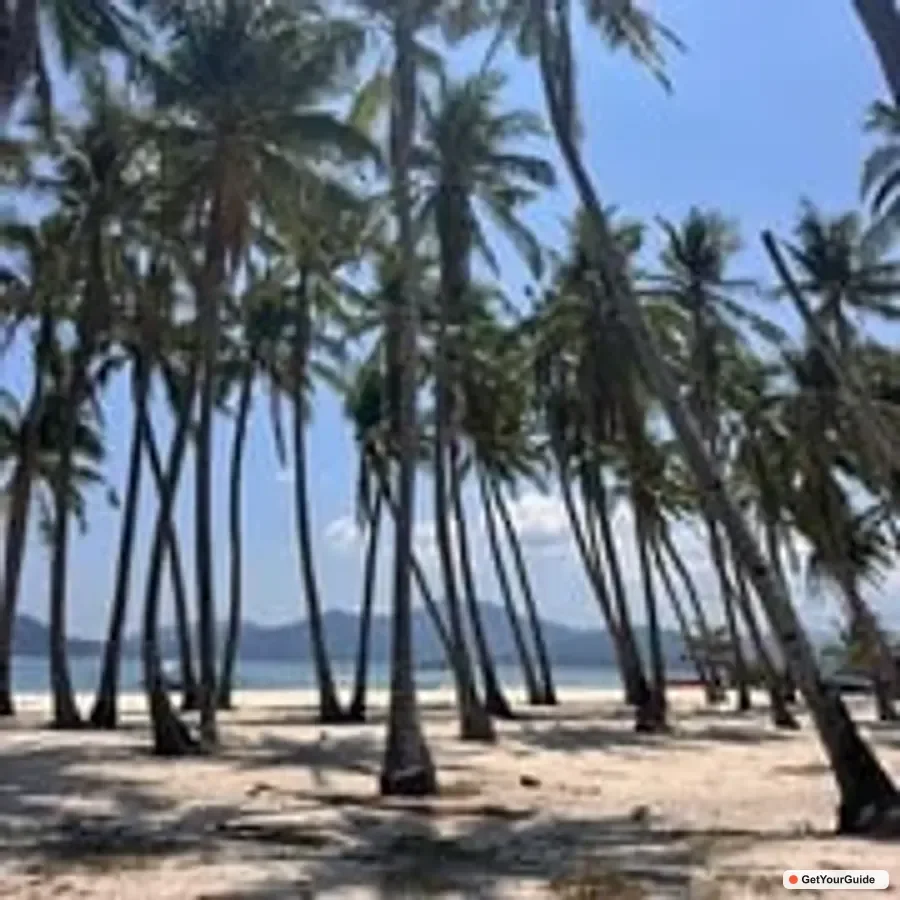
A freshly prepared Filipino island lunch - grilled fish, rice cooked in bamboo or served from a pot, a side of kangkong or pickled green mango, fresh fruit - is served on the beach or at a simple structure near the shoreline. The food is cooked that morning using fish that arrived that morning, and the flavors are correspondingly direct. After lunch, the afternoon opens into unstructured time on the white-sand beach. Hammocks and bean bags are typically set up in the shade. Kayaks may be available for exploring the shoreline independently. The option for a traditional massage also exists for those who want to extend the stillness rather than move through it.
The boat returns to El Nido town before sunset, following the same karst-lined passage in the amber light of late afternoon.
Best Time to Go
El Nido's weather divides cleanly. The dry season runs from November through May, with northeast winds keeping conditions stable and the sea calm enough that the passage south to Darocotan is comfortable even for people who are uncertain about open-water boat rides. December through February is the peak of the season and also when visibility underwater tends to be at its best. March and April are hot and dry - ideal for beach time, occasionally too bright for comfortable reef photography.
The southwest monsoon arrives around June and peaks through August and September. During these months, trips to Darocotan may be cancelled when swells are running or winds are gusting. Some operators continue running on fair-weather days within the monsoon window, but schedules become uncertain. October is a transition month - sometimes clear and brilliant, sometimes disrupted. If your travel dates fall in the June-to-October window, check conditions with your operator the evening before and have a flexible attitude about potential rescheduling.
Practical Tips
What to Bring
- Reef-safe or biodegradable sunscreen - conventional sunscreen is actively harmful to the coral systems you will be swimming over, and some operators require it
- A rash guard or light wetsuit top for extended snorkeling; the Philippine sun is strong even when you are underwater
- Underwater housing or a waterproof phone case if you want to photograph the reef and the wreck
- A small dry bag for documents and electronics during water activities
- Cash for optional extras - kayak rental, massage, and any drinks beyond what is included in the tour
Swimming and Physical Considerations
Strong swimming ability is not required, but basic comfort in open water is. Non-swimmers can join the village and beach portions of the day without difficulty and can still view the reef from the boat or with a life jacket in very shallow areas. The snorkeling portions work best for people who are at least comfortable floating and breathing through a mask. Those prone to seasickness should take precautions before departure - the open-water passage can be choppy, particularly on afternoons when the sea breeze picks up, and the return journey is longer than it feels.
Etiquette in the Village
The community visit is the part of this tour that requires the most awareness from participants. Dress modestly when entering the village - a cover-up over swimwear is appropriate. Ask before photographing people, especially children. The bracelet activity is a genuine exchange of craft knowledge, not a performance, so engage with it accordingly. Purchases of any handmade goods directly from community members are a meaningful way to leave money in the village rather than with intermediaries.
Who This Tour Suits
Darocotan is a strong choice for travelers who want El Nido's marine beauty without the concentration of boats that can crowd the most famous spots in the northern archipelago. It works well for families with children old enough to snorkel, for couples wanting a day that alternates activity with genuine downtime, and for solo travelers who are open to the social texture of a group day trip. The bracelet activity and village visit make it more engaging than a pure beach-and-snorkel circuit, which is especially valuable for anyone who has already done one or two standard island-hopping tours and wants something with a different register. Divers looking for deep-water wrecks or wall dives will find the marine program here too shallow for their needs - Darocotan is a snorkeler's day, not a diver's. For everyone else, it is one of the quieter and more complete ways to spend a day in the waters around El Nido.
Highlights
- ✓A well-organised day covering the area's best-known highlights
- ✓A knowledgeable local guide throughout
- ✓Convenient transport between stops
What's included
- ✓Guide
- ✓Transport
- ✓Entrance fees (where stated)
Not included
- ✗Hotel pickup (unless stated)
- ✗Meals (unless stated)
- ✗Personal expenses and tips
📋 Good to know
📍 Meeting point
Confirmed with your operator based on your El Nido, Philippines accommodation - check the listing for the exact meeting point and time.
ℹ️ Important information
What to bring
- ✓Comfortable clothing
- ✓Sunscreen and a hat
- ✓Water
- ✓Some cash for fees and extras
Not allowed
- ✗Smoking in shared vehicles
- ✗Littering at natural sites
Know before you go
This suits a wide range of travellers; ask the operator about fitness or specific requirements if you are unsure whether it fits your group.
Guest reviews
No reviews yet
Be the first to share your experience!
Write a review
Share your experience to help other travellers
💡 Traveller tips for El Nido Darocoton Island Day Trip
Local-knowledge from other travellers. Got a tip? Share it.
Loading tips…
📝 Your notes & photos for El Nido Darocoton Island Day Trip
Loading…
Ready to book?
Instant confirmation · Free cancellation · Secure payment
Affiliate links — we earn a small commission at no extra cost to you.