 1 / 3
1 / 3
| Location | Boracay, Philippines |
|---|---|
| Duration | Full day |
| Length | 7 days |
| Group size | Max 20 people |
| Languages | English, Filipino |
| Cancellation | Free cancellation |
| Price from | ₱6,500 / person |
- Easy
- Instant confirmation
Best time for Boracay
Nov, Dec, Jan, Feb, Mar, Apr. See month-by-month
- Free cancellation — Cancel up to 24 hours in advance for a full refund
- Live tour guide — English, Filipino
About this tour
Overview
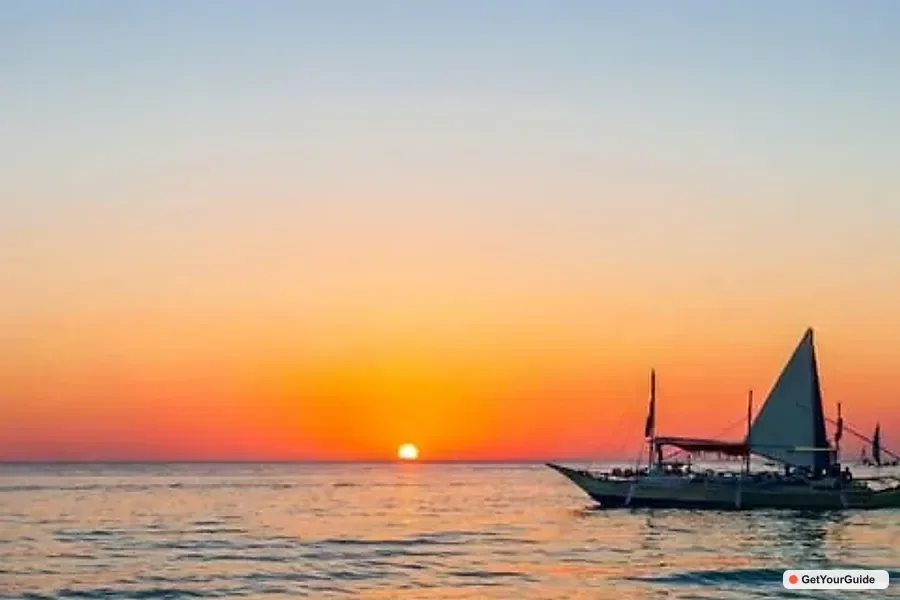
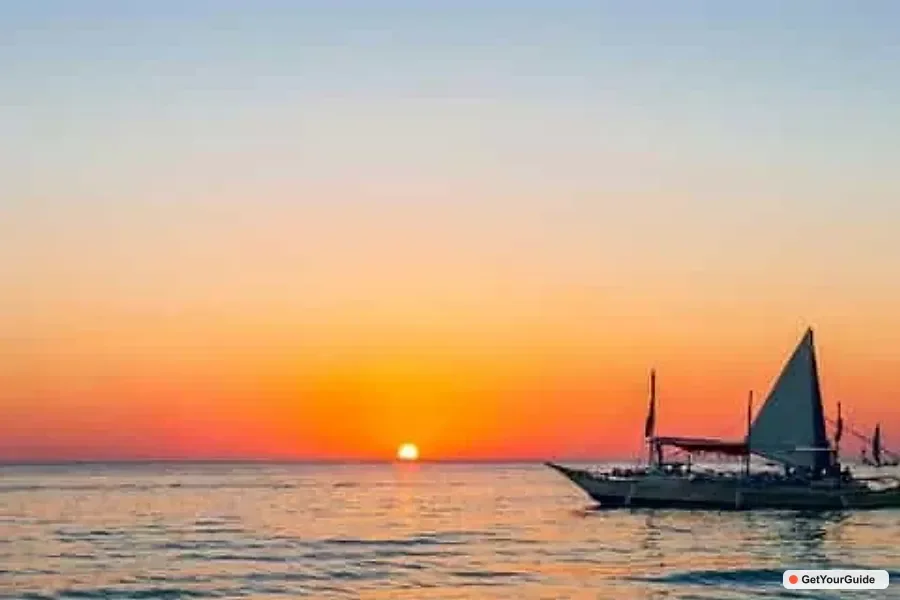
Cruise Boracay's coastline on an exclusive private boat with snorkeling stops at vibrant reefs. View a stunning sunset from the water, then enjoy an unlimited buffet dinner right after the tour.
Highlights
- View pointSightseeing, Sunset
- Arrive back at:Astoria Boracay
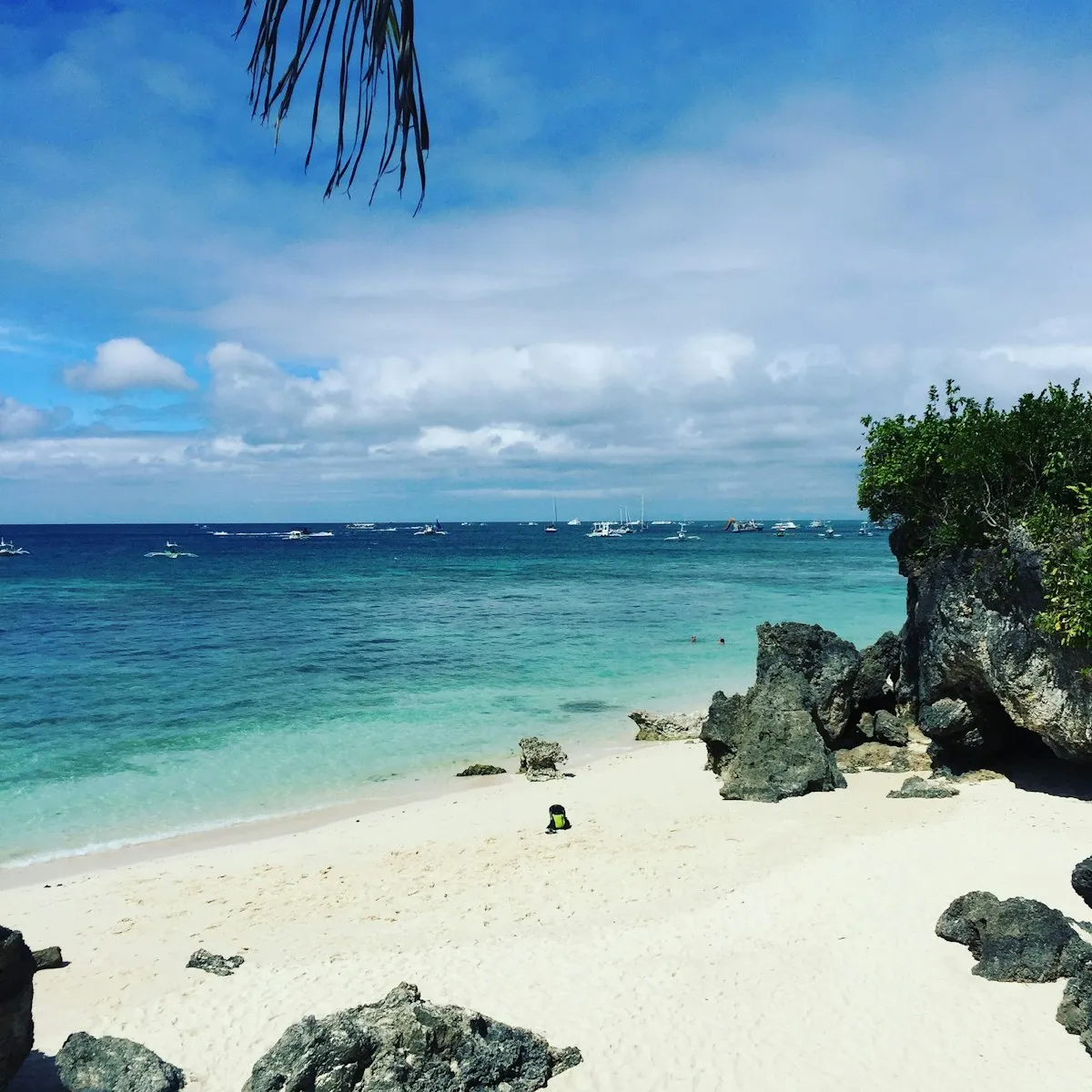
- Sail on an exclusive private outrigger boat along Boracay's coast
- Swim and snorkel among tropical marine life at vibrant coral reefs
- Feast on an all-you-can-eat unlimited buffet dinner after the tour
- Please bring swimwear, a beach towel, and a reusable water bottle.
What to expect
This activity is based in Boracay, Philippines, Philippines. The itinerary covers the key spots listed in the highlights, with local guides, transport, and necessary equipment usually included. Availability, weather conditions, and local rules may affect the exact stops.
Highlights
- Island hopping to some of the area's most scenic stops
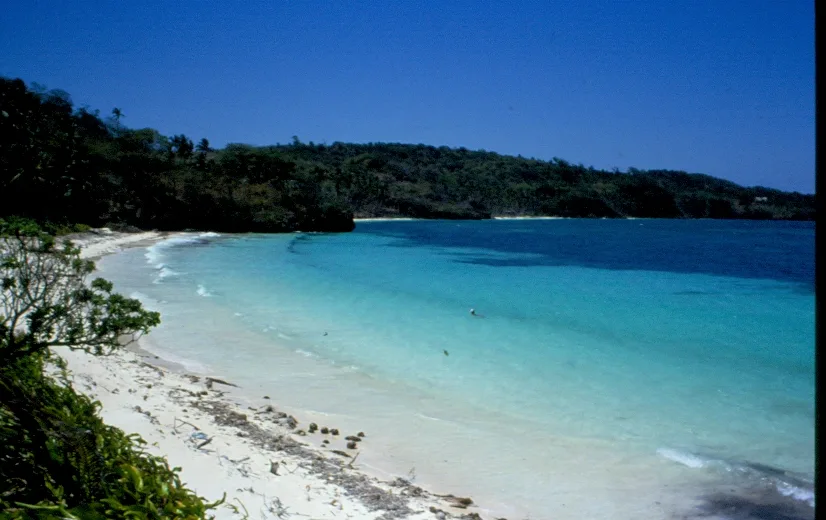
- Snorkelling over coral gardens in calm, clear water
- Time to relax on quiet beaches between stops
What's included
- Boat and licensed boatman
- Life vests
- Snorkelling gear
- Lunch (where stated)
Not included
- Hotel pickup (unless stated)
- Island entrance/environmental fees (often paid locally)
- Alcoholic drinks
Good to know
Meeting point
Confirmed with your operator based on your Boracay accommodation - check the listing for the exact meeting point and time.
About the area
About Boracay
Boracay is a small dumbbell-shaped island in Aklan province, in the Western Visayas region of the Philippines, just off the northwest tip of Panay. Barely 7 kilometers long, it has become one of Asia's most celebrated beach destinations, anchored by the famous 4-kilometer crescent of fine white sand known as White Beach. The island's powdery sand is so distinctive that the name itself is said to come from the Inati words "bora" (bubbles) and "bocay" (white), though others trace it to the Aklanon "borac," meaning white cotton.
History and the Ati People
Long before resorts arrived, Boracay was home to the Ati, an Indigenous Negrito people who lived on the island for centuries, cultivating rice and raising goats. Spanish-era records refer to the island as "Buracay." For generations Boracay was a quiet fishing and farming community, almost unknown to outsiders until backpackers and a handful of European travelers discovered its beaches in the 1970s and 1980s. The Ati community's long struggle for ancestral land rights on their own island remains an important part of Boracay's story.
The 2018 Closure and Comeback
By the 2010s, runaway tourism had taken a heavy toll. Once called "the poster child for overtourism," the island suffered from untreated sewage being discharged into the sea. In April 2018 the Philippine government took the dramatic step of closing Boracay to tourists for six months for a full environmental rehabilitation. The island reopened in October 2018 with strict new rules: a 30-meter buffer zone from the waterline, no beachfront bonfires or vendors, capped visitor numbers, and upgraded drainage. The result is a cleaner, better-managed Boracay, and the surrounding reefs and quiet beaches you visit on this tour are part of what that rehabilitation worked to protect.
Frequently asked questions
Do I need to know how to swim?
What is the best time of year for this tour?
Are the island entrance fees really not included?
Can the tour be cancelled because of weather?
What should I bring?
Guest reviews
No reviews yet
Be the first to share your experience!
Write a review
Share your experience to help other travellers
Traveller tips for Boracay Private Island-Hopping Tour and Buffet Dinner
Local-knowledge from other travellers. Got a tip? Share it.
Loading tips…
Your notes & photos for Boracay Private Island-Hopping Tour and Buffet Dinner
Loading…
Ready to book?
Instant confirmation · Free cancellation · Secure payment
Affiliate links — we earn a small commission at no extra cost to you.