 1 / 8
1 / 8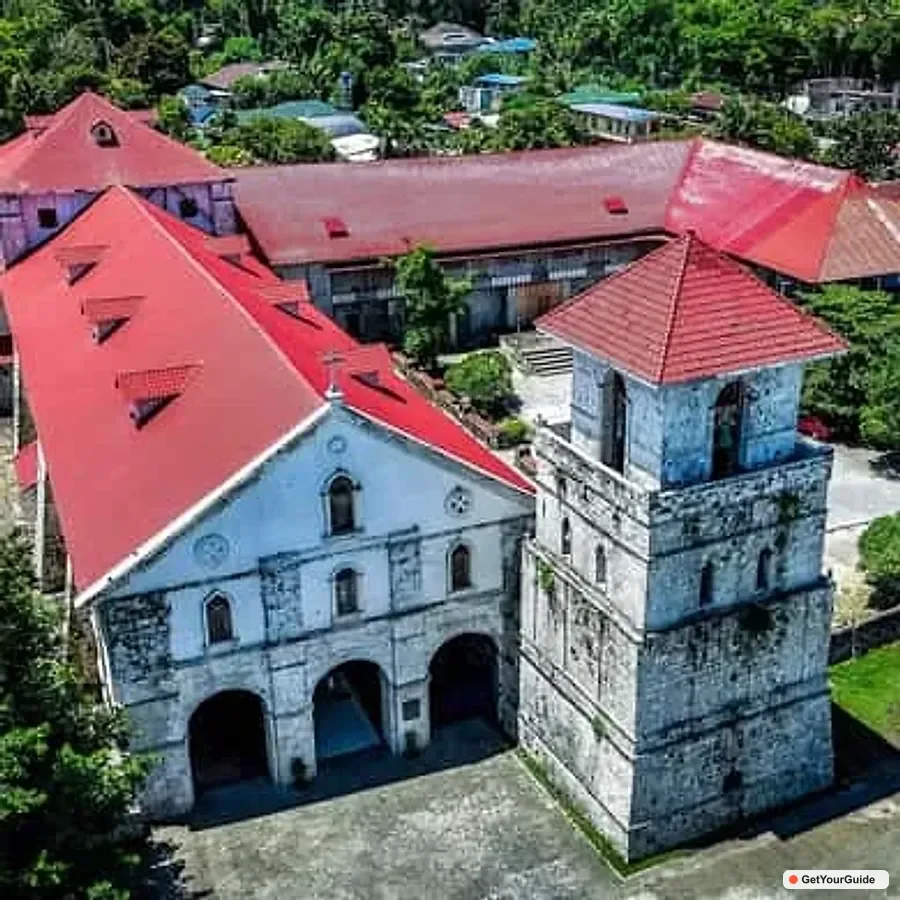
| Location | Bohol, Philippines |
|---|---|
| Duration | Full day |
| Length | 1 day |
| Group size | Max 14 people |
| Languages | English, Filipino |
| Cancellation | Free cancellation |
| Price from | ₱1,850 / person |
- Easy
- Eco: Eco-conscious
- Instant confirmation
Best time for Bohol
Dec, Jan, Feb, Mar, Apr, May. See month-by-month
- Free cancellation — Cancel up to 24 hours in advance for a full refund
- Live tour guide — English, Filipino
About this tour
Overview
Discover the best of Bohol in just one day—marvel at the iconic Chocolate Hills, meet the charming tarsiers, and cruise through the scenic Loboc River. Lets make our day a memorable one !
Highlights
- No stress—our guide handles lines, photos & fun facts at every stop
- Ride in style! High-roof van with extra legroom & cool comfort
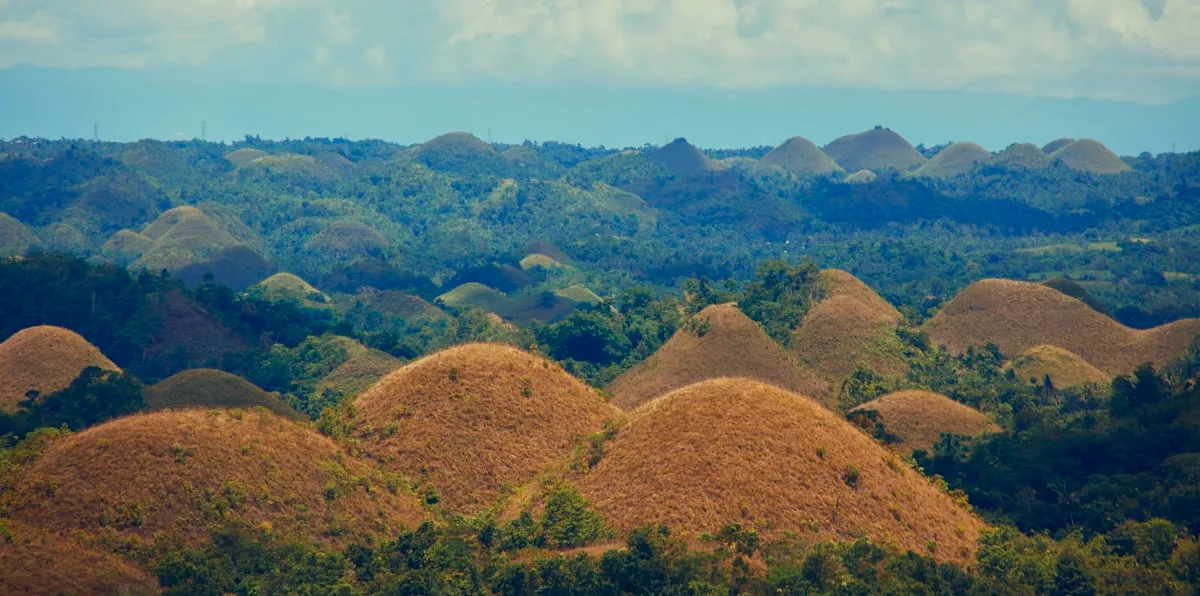
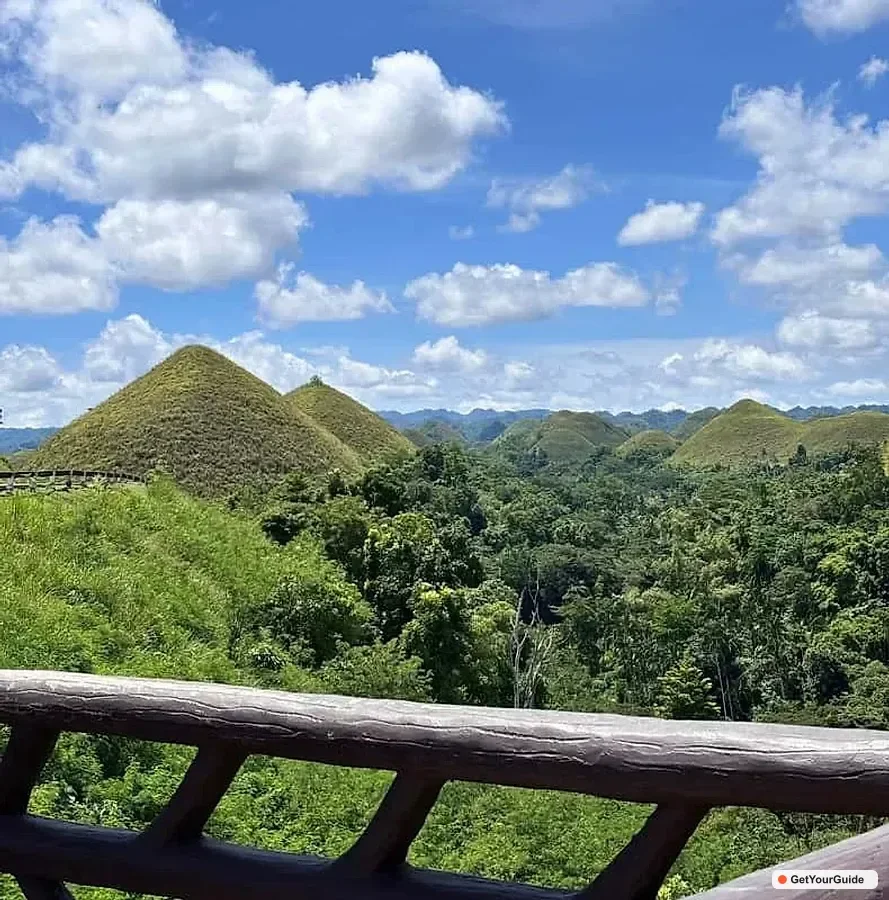
- Snap epic shots at the iconic Chocolate Hills—UNESCO-approved!
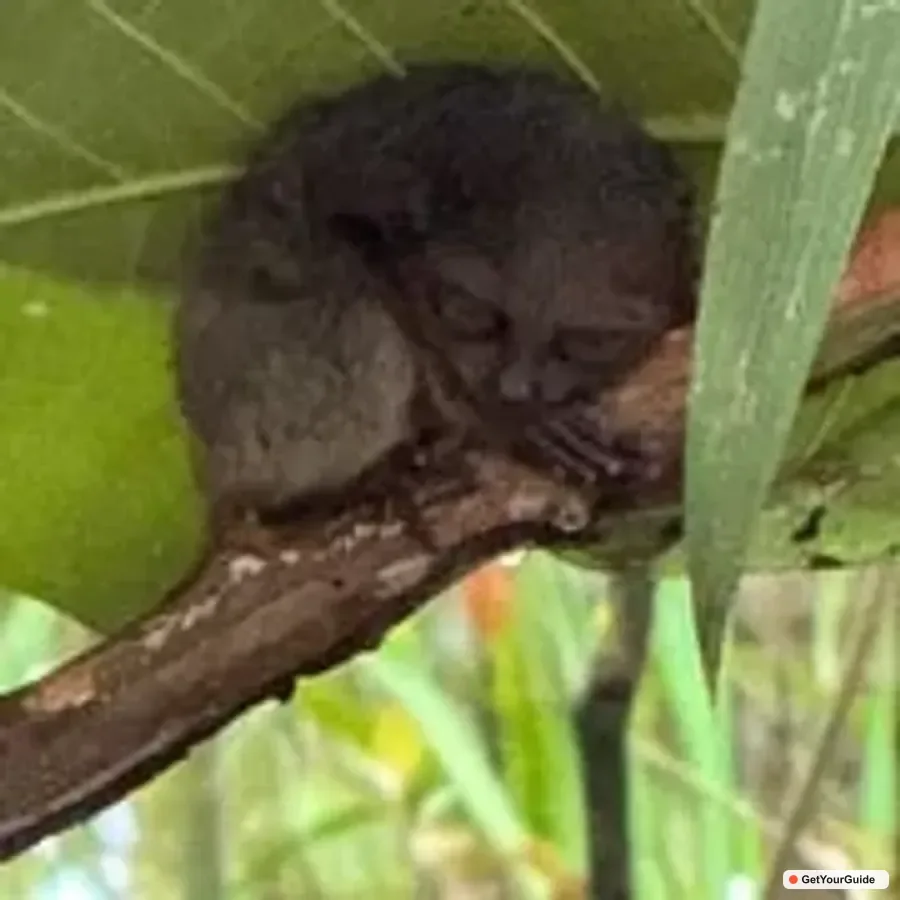
- Say hi to the super cute tarsiers—tiny but unforgettable
- Try the Loboc River Cruise with lunch & live music!
What to expect
This activity is based in Bohol, Philippines, Philippines. The itinerary covers the key spots listed in the highlights, with local guides, transport, and necessary equipment usually included. Availability, weather conditions, and local rules may affect the exact stops.
Highlights
- A well-paced route covering the area's best-known sights
- A guide handling logistics so you can relax and enjoy the views
- Good photo stops along the way
What's included
- Guide
- Transport between stops
- Entrance fees (where stated)
Not included
- Hotel pickup (unless stated)
- Meals (unless stated)
- Souvenirs and personal expenses
Good to know
Meeting point
Confirmed with your operator based on your Bohol accommodation - check the listing for the exact meeting point and time.
About the area
About Bohol
Bohol is a roughly oval island province in the Central Visayas, sitting between Cebu to the northwest and Mindanao to the south. Its capital is Tagbilaran City, and most beach tourism is concentrated on the smaller adjoining island of Panglao, home to Alona Beach. Inland, Bohol is hilly, agricultural, and famously green, threaded by the Loboc and Abatan rivers and dotted with old Spanish-era stone churches.
History and notable events
Bohol holds a special place in Philippine history as the site of the Sandugo, or Blood Compact, on 16 March 1565, when Spanish explorer Miguel Lopez de Legazpi and the local chieftain Datu Sikatuna sealed a treaty of friendship by drinking wine mixed with each other's blood, an event still marked by a shrine near Tagbilaran. Bohol was also the cradle of the Dagohoy Rebellion (1744-1829), led by Francisco Dagohoy, the longest revolt against Spanish rule in Philippine history, lasting roughly 85 years.
The province's centuries-old coral-stone churches, including Baclayon (one of the oldest in the country) and Loboc, were heavily damaged by a magnitude 7.2 earthquake on 15 October 2013, which also reshaped parts of the landscape and prompted a long heritage-restoration effort that continues today. The Chocolate Hills themselves were declared the country's third National Geological Monument and are on the UNESCO World Heritage tentative list. The Philippine tarsier, meanwhile, became an enduring symbol of Bohol's conservation work after decades of habitat loss; sanctuaries near Corella and Loboc now protect the species and educate visitors about why it must never be handled or kept as a pet.
Frequently asked questions
Are the entrance fees included in the price?
Can I touch or hold the tarsiers?
When do the Chocolate Hills actually turn brown?
Is this tour affected by typhoons or bad weather?
How do I get to Bohol to join this tour?
Guest reviews
No reviews yet
Be the first to share your experience!
Write a review
Share your experience to help other travellers
Traveller tips for Bohol Chocolate Hills, Tarsiers and Loboc River Day Tour
Local-knowledge from other travellers. Got a tip? Share it.
Loading tips…
Your notes & photos for Bohol Chocolate Hills, Tarsiers and Loboc River Day Tour
Loading…
Ready to book?
Instant confirmation · Free cancellation · Secure payment
Affiliate links — we earn a small commission at no extra cost to you.