Sea Turtle Encounters in the Philippines: 7 Best Spots
Few wildlife encounters in the ocean match the magic of swimming alongside a sea turtle. These ancient reptiles, whose ancestors predate the dinosaurs, move through the water with a grace that seems to belong to another world. In the Philippines, sea turtle encounters are not rare events or lucky accidents. They are predictable, repeatable, and available to swimmers, snorkellers, and divers throughout the year at a remarkable number of locations.
This guide identifies the seven best places in the Philippines to encounter sea turtles, explains what makes each site special, and gives you the practical information you need to plan a responsible encounter.
Sea Turtle Species in the Philippines
Five of the world's seven sea turtle species are found in Philippine waters. The two most commonly encountered by divers and snorkellers are the green sea turtle (Chelonia mydas), which can grow to 120 centimetres and weigh up to 160 kilograms, and the critically endangered hawksbill sea turtle (Eretmochelys imbricata), distinguished by its narrow, pointed beak and distinctive tortoiseshell shell coloration. Green turtles are herbivores feeding primarily on sea grass and algae; hawksbills feed on sea sponges on coral reefs.
1. Apo Island, Negros Oriental
Apo Island is the premier turtle destination in the Philippines and arguably one of the best in the world. The community-managed marine sanctuary has protected its reef for over four decades, and the resident turtle population has responded accordingly. Marine researchers have identified and named individual turtles at Apo Island, some of which have been present for 20 or more years.
The density of turtles in the Sanctuary dive site is extraordinary; five to ten sightings per dive is the norm. Both green and hawksbill turtles are resident, and they are so accustomed to divers and snorkellers that they continue feeding and resting entirely undisturbed by human presence. This habituation has developed over decades of peaceful coexistence and should be honoured by respectful behaviour.
Book an Apo Island sea turtle snorkelling tour for the definitive Philippine turtle experience. Consider staying on the island for at least one night to access early morning dives before the day-trippers arrive.
2. Moalboal, Cebu
Moalboal is famous for its sardine school, but the turtle population on the Panagsama reef is equally impressive. Green sea turtles feed on the sea grass patches along the reef edge in shallow water, making them accessible to snorkellers as well as divers. Multiple turtles are regularly seen on a single morning snorkel session.
The combination of the sardine run, the turtle population, and the proximity to Kawasan Falls makes Moalboal one of the most rewarding natural history destinations in Cebu. Book the Moalboal sardine run and turtle watching tour to experience both highlights in a single day.
3. Balicasag Island, Bohol
Balicasag Island's marine sanctuary hosts a good resident turtle population across its reef system. Turtles are regularly encountered on the shallower reef gardens that cap the dramatic walls, and resting turtles have been found on sandy patches inside the Cathedral cavern.
Because Balicasag diving is typically done with local guides who know the reef intimately, turtle sightings are reliably incorporated into most dive itineraries. The Balicasag Island dive and snorkel tour covers the turtle habitats and the spinner dolphin encounter that makes Balicasag one of the most complete marine wildlife destinations in the Visayas.
4. Tubbataha Reef, Palawan
Tubbataha's remote atolls host nesting populations of both hawksbill and green sea turtles. The sandbanks on the North and South Atolls serve as active nesting beaches during the March through June season, and nesting females can sometimes be observed from the liveaboard deck in the evening. During dives, turtles are encountered throughout the atoll, resting on sandy ledges, feeding on the coral, and swimming along the reef walls.
At Tubbataha, turtles are part of the backdrop rather than the headline, which gives you a sense of the overall abundance of life at this extraordinary site. They exist here in the context of sharks, manta rays, and pristine coral, which provides a sense of ecological completeness that is hard to find anywhere else.
5. Puerto Galera, Mindoro
Several dive sites in Puerto Galera have reliable turtle populations. The Coral Garden site is particularly good for turtle sightings, with green turtles frequently resting on coral heads or feeding on algae in the shallows. The turtles at Puerto Galera are generally less habituated to divers than those at Apo Island or Moalboal, which means a quieter approach and patience are rewarded with better encounters.
Book a Puerto Galera diving day trip and request turtle sites specifically from your dive master. Combining Puerto Galera with the mandarin fish display and The Canyons drift dive makes for a well-rounded diving itinerary in the area.
6. El Nido, Palawan
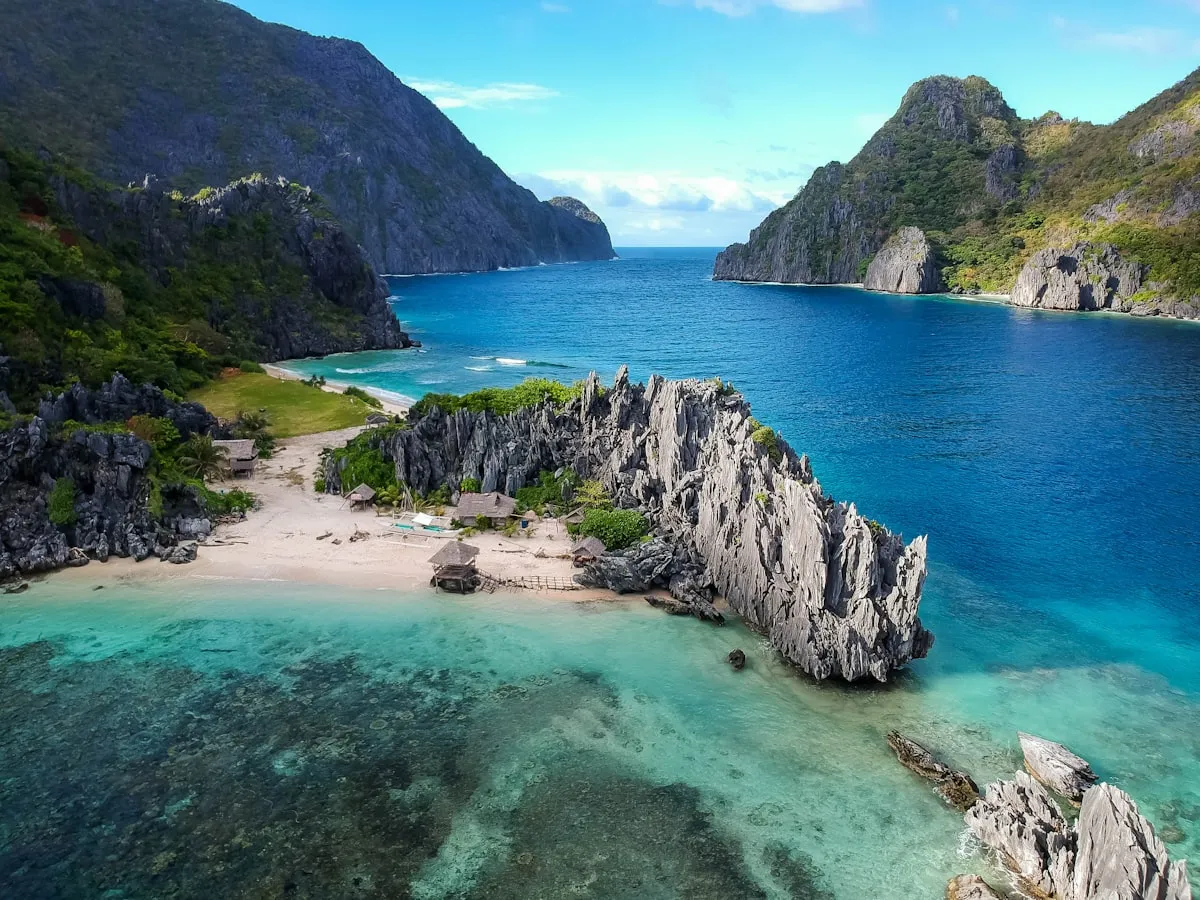
The lagoons and reefs around El Nido in northern Palawan host a scattered turtle population. Sightings are not as guaranteed as at the top-tier destinations, but the setting makes any encounter particularly memorable. Crystal-clear water, dramatic limestone karst cliffs, and the remote beauty of northern Palawan create an atmosphere for turtle encounters that is unlike anywhere else in the Philippines.
Island-hopping tours around the El Nido archipelago frequently include snorkelling spots where turtles are commonly seen, making it possible to have a turtle encounter without even being a diver. The gentle lagoon environments also make El Nido one of the most accessible Philippine turtle sites for non-divers.
7. Donsol, Sorsogon
Donsol is primarily famous as the whale shark capital of the Philippines, but the broader Donsol marine area also hosts sea turtles in the Ticao Island and San Bernardino Strait area. Several dive centres in the region incorporate turtle sites into their itineraries alongside the whale shark experience. Combining whale shark snorkelling with turtle diving makes Donsol a highly productive marine wildlife destination during the January through May season.
Responsible Sea Turtle Encounters: The Rules
Sea turtles are protected under Philippine law and internationally under CITES. Interacting with them responsibly is not just an ethical requirement; it is also the key to ensuring that future visitors have the same quality of encounter that you are seeking today.
- Never touch a sea turtle. Physical contact disturbs the turtle, can damage its shell and skin, and is illegal. Maintain at least one metre distance at all times.
- Never ride or push down a turtle. Turtles need to surface to breathe. Blocking their path to the surface causes distress and can cause physical harm.
- Do not use flash photography. Flash disturbs turtles, particularly during nesting when artificial light causes serious disorientation.
- Do not chase a turtle. If a turtle is moving away, let it go. A turtle that is fleeing is a turtle under stress, and chasing compounds that stress.
- Keep your fins off the coral. Good buoyancy control protects the habitat that turtles depend on for feeding and shelter.
- Limit interaction time. Even non-contact observation becomes stressful if sustained for too long. Enjoy your encounter and then move on gracefully.
Sea Turtle Nesting in the Philippines
Sea turtles nest throughout the Philippines at various times of year. If you encounter a nesting turtle on a beach, keep your distance and do not shine lights on the beach, as artificial light disorients nesting females and hatchlings. Several organisations in the Philippines run sea turtle conservation programmes including nest protection and hatchling release, and some offer responsible ecotourism experiences around these activities.
The Pawikan Conservation Project in Batangas and several community-based turtle conservation programmes in Palawan welcome volunteers and responsible visitors who want to support conservation while witnessing the extraordinary spectacle of turtle nesting and hatching.
Final Thoughts
The Philippines is genuinely one of the world's great destinations for sea turtle encounters. The combination of protected marine sanctuaries, a diverse turtle population, and crystal-clear water means that virtually any diver or snorkeller visiting the country's major marine sites will have a turtle encounter. The key is to treat every encounter with the respect that these ancient and beautiful animals deserve.
Book your Philippine marine adventure with PANA.PH. Start with Apo Island for the ultimate turtle experience, or combine multiple destinations for a comprehensive sea turtle journey through the archipelago.