Boracay White Beach: Is It Still Worth Visiting in 2026?
The question gets asked constantly in Philippine travel forums, in hostel common rooms, and among friends planning a trip to the islands: Is Boracay still worth it? After the dramatic six-month government-ordered closure and rehabilitation in 2018, after the ongoing debates about overdevelopment, after the inevitable comparisons to quieter, less crowded alternatives across the archipelago, does Boracay's famous White Beach still deserve its place on the Philippine travel itinerary? The answer, perhaps surprisingly to the skeptics, is yes. But with important context.
What Happened to Boracay
Boracay was closed to tourists in April 2018 for six months after the Philippine government declared it a cesspool, citing raw sewage discharge into the beach, illegal structures, environmental violations, and general overdevelopment that had pushed the island well beyond its ecological carrying capacity. The closure was controversial but the rehabilitation that followed was real and substantive. Sewage systems were overhauled. Hundreds of illegal structures were demolished. Beachfront establishments were required to maintain a strict setback from the waterline. The number of establishments was significantly reduced, and stricter environmental regulations were put in place. When Boracay reopened in October 2018, it was noticeably cleaner, quieter, and more orderly than the chaos many visitors had experienced in the years preceding the closure.
White Beach Today
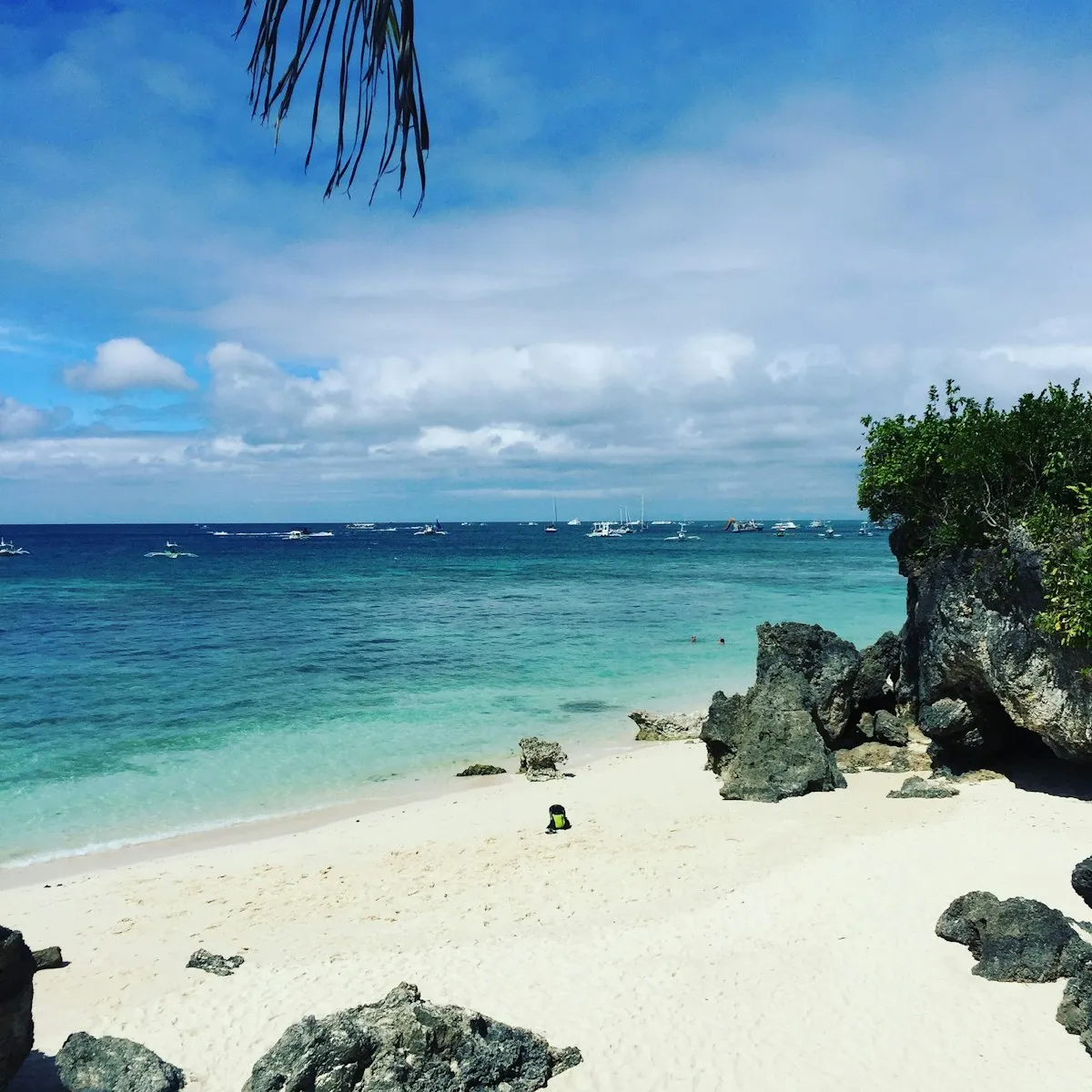
White Beach is still gorgeous. That is the honest baseline. Four kilometers of powdery white sand, shallow turquoise water warm enough to stay in all day, and a consistently beautiful sunset are simply facts about this beach that no amount of development controversy can change. The sand here is genuinely remarkable, a fine, soft, brilliant white that is genuinely difficult to find anywhere else in the Philippines or Southeast Asia at this scale. The post-rehabilitation beach is significantly cleaner than it was at its most overcrowded peak. The mandatory setback from the waterline means the beach itself is less cluttered with tables and chairs than it once was. The water quality has improved measurably since the sewage system overhaul. Walking the full four kilometers of White Beach from Station 1 in the north to Station 3 in the south remains one of the great beach walks in all of Southeast Asia.
The Three Stations of White Beach
Station 1 at the northern end is the most upscale section, with the finest stretch of sand, the calmest water sheltered by a headland, and the highest concentration of luxury resorts and restaurants. This is where you go for a more refined and less crowded experience at a higher price point. Station 2 in the middle is the heart of Boracay's action. This is where most of the restaurants, bars, shops, tour operators, and nightlife establishments are concentrated. It is busier and louder than Station 1, but the food and entertainment options are at their most varied and accessible here. Station 3 at the southern end attracts budget travelers and backpackers, with more affordable accommodation options, a slightly rougher beach, and a more laid-back attitude. If you want to experience Boracay without spending premium rates, Station 3 is a practical base.
What to Do in Boracay Beyond the Beach
Boracay's activity scene is extensive and well-organized. The paraw sailing sunset cruise is perhaps the single most iconic Boracay experience. These traditional double-outrigger sailing canoes have been taking visitors on sunset rides along White Beach for decades, and the combination of warm evening light, the sound of the sails catching the breeze, and the view of the beach from the water as the sun drops into the Sulu Sea is something that lives long in the memory. For the adventurous, Ariel's Point cliff diving is a full-day boat trip to a dramatic coastal site where multiple cliff platforms range from 8 to 15 meters, with unlimited kayaking, snorkeling, and food and drinks included. It is one of the most fun days you can have in the Philippines. The island hopping and snorkeling tour covers the waters around Boracay and visits several coral reef sites, a bat cave island, and secluded coves not accessible from the main beach. Parasailing over White Beach gives you an aerial perspective on the island from about 100 meters up, with the four-kilometer curve of white sand spread out below you. And the ATV adventure to Mt. Luho takes you inland to the island's highest point for a 360-degree view of Boracay and the surrounding islands.
The Honest Assessment
Boracay is more crowded and more commercial than any beach in the Philippines except possibly some pockets of Palawan. If you are looking for solitude, pristine nature, and a completely undiscovered experience, go to Siargao, go to the Batanes, go to the more remote corners of Palawan. You will not find those things on Boracay's White Beach. What you will find is a genuinely beautiful, well-organized, safe, and accessible beach destination with excellent food, a huge range of activities, reliable accommodation at every price point, easy transport connections, and a sunset that is as reliably spectacular as anything in the country. The rehabilitation made Boracay a better version of itself. The island is not what it was in 2017 at peak chaos, and that is a good thing.
Is White Beach still worth visiting in 2026? Yes, absolutely. Just know what you are getting, and plan your activities well to get the most out of it. Book your sunset paraw sailing cruise before you arrive, and let the sunset over the Sulu Sea do what it has always done: remind you that some places are famous for very good reasons.